
EMULGATORS
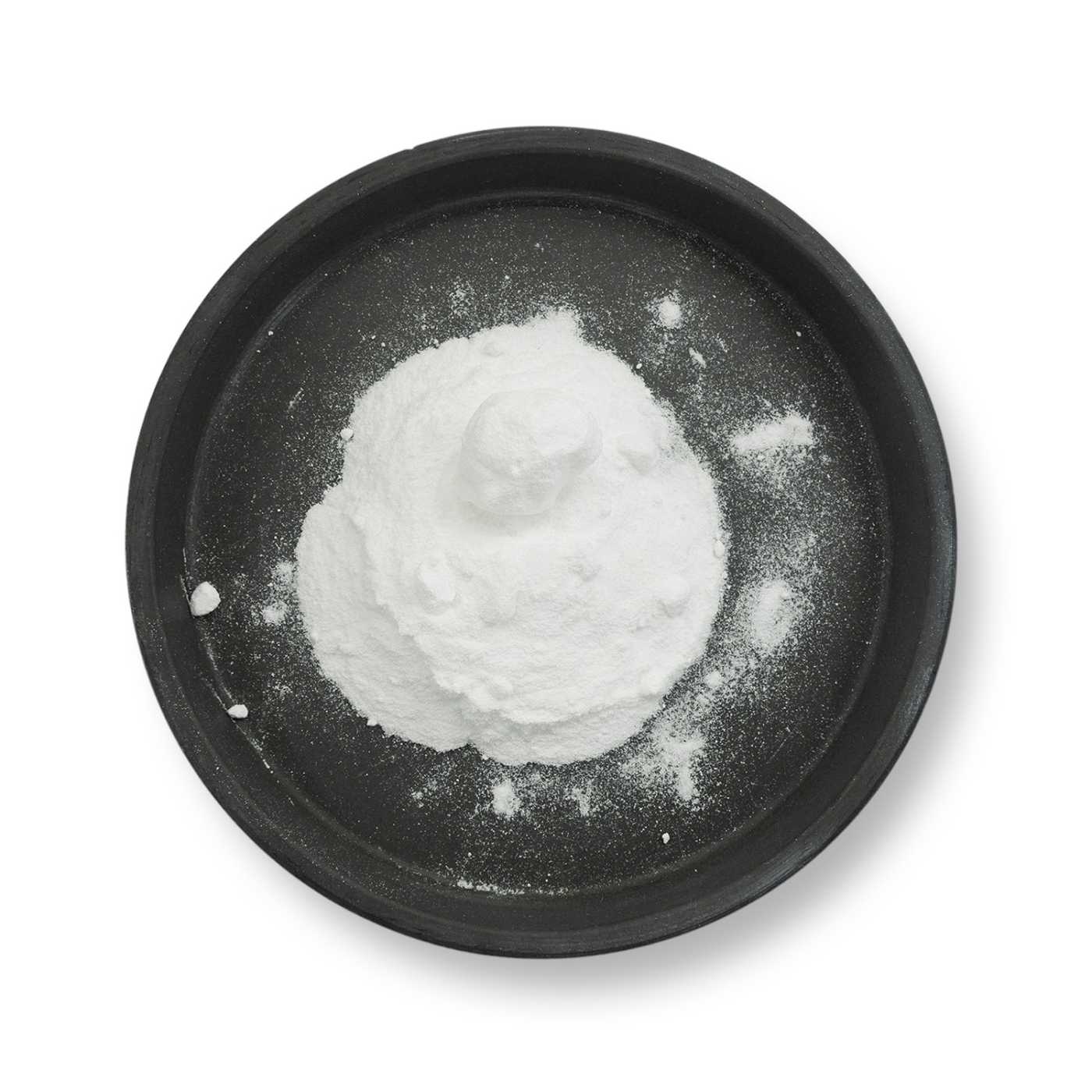
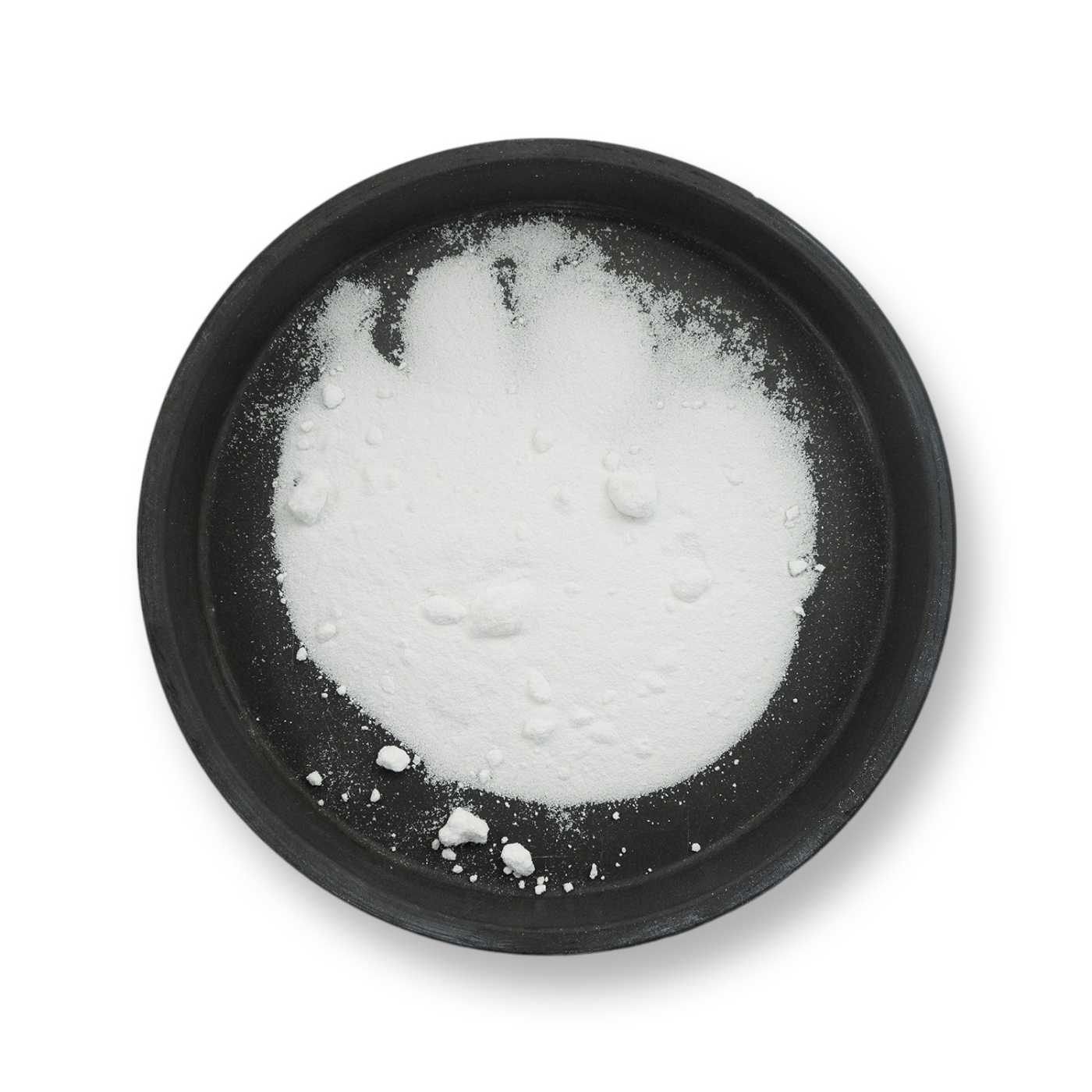
Olivem 1000, 100 g
Pack size50 g100 g500 g1 kg5 kg20 kg
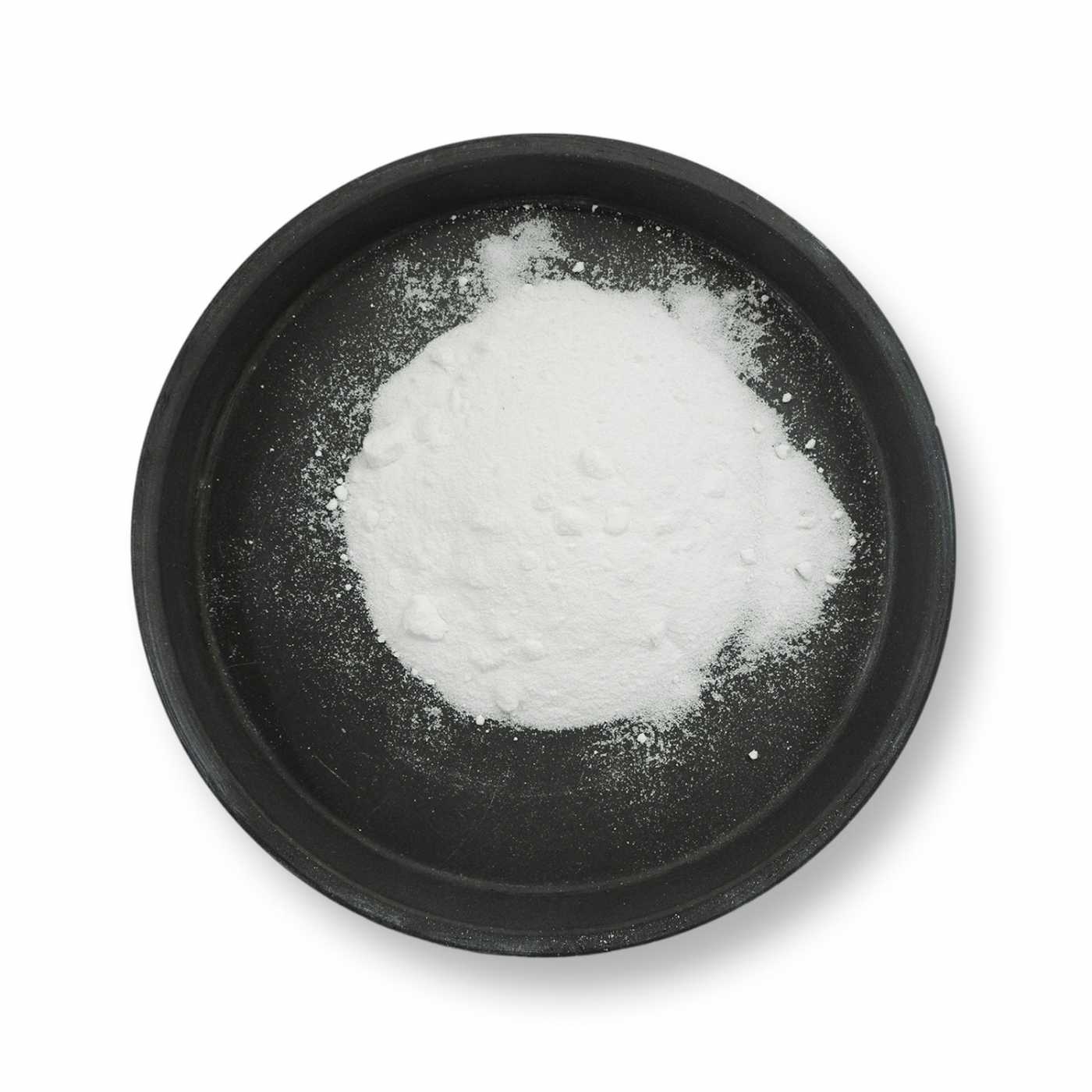
Olivem 1000 is a non-ionic, self-emulsifying oil-in-water (O/W) emulsifier obtained from olive oil fatty acids and sorbitol. full description
Lowest price in the last 30 days: €12.90
Product description
It is particularly suitable where the emulsifier is expected to fulfil more than just a technical role. In addition to joining the aqueous and oil phases, it helps to create lamellar structures that resemble the arrangement of lipids in the stratum corneum of the skin. Thanks to this, emulsions with Olivem 1000 are perceived as comfortable, hydrating and well tolerated, even in products intended for everyday use.
In formulations it is used as a primary emulsifier for creams, facial lotions and emulsion serums, but also as an auxiliary emulsifier and texture stabiliser. An advantage is its broad usability – from light facial emulsions to more nourishing creams, body butters, rinse-off products, hair masks and mineral colour cosmetics.
Key benefits
- Self-emulsifying O/W emulsifier – enables the creation of oil-in-water emulsions without the need for a complex emulsifier system.
- Olive oil origin – based on olive fatty acids and fits well into naturally oriented cosmetic formulas.
- Supports formation of lamellar structures – helps to create an arrangement similar to the skin’s lipid layers, which improves the comfort of the finished product.
- Improves hydration and skin feel – emulsions feel soft and smooth without a heavy, waxy film.
- Excellent spreadability – creams and lotions apply easily, spread well and provide a pleasant after-feel.
- Suitable for both light and richer textures – depending on dosage, oil phase and thickener used, you can prepare a serum, lotion, cream or a denser emulsion.
- Compatible with common cosmetic actives – combines well with glycerin, betaine, panthenol, allantoin, vegetable oils, hydrolats and several preservative systems.
- Suitable even for more sensitive types of formulations – used in products for facial, body, hair, baby and eye care, provided the entire formula is properly designed for the intended application.
Suitable for products such as
- facial creams for normal, dry, mature and dehydrated skin,
- light hydrating emulsions and facial lotions,
- emulsion serums with a gentle, creamy–watery texture,
- body lotions, body creams and body butters,
- eye creams and products for delicate areas,
- cleansing milks and creamy cleansing products,
- hair masks and conditioning creams,
- mineral creams, tinted emulsions and colour cosmetics,
- sun care and protective emulsions in formulations where the entire system is properly stabilised and tested.
Use in formulation
- Recommended dosage as primary emulsifier: approximately 3 – 5 % in oil-in-water emulsions.
- Recommended dosage as auxiliary emulsifier: approximately 0,5 – 2 % in combination with another emulsifier or a structure-forming component.
- For aqueous gels or specific oil-free textures: manufacturing data indicate usage of approximately 0,5 – 7 % depending on the desired viscosity and gel character.
- Processing temperature: the phase containing Olivem 1000 should be heated to approximately 75 – 80 °C, for aqueous gel water of approximately 80 – 85 °C is recommended.
- Addition to the oil phase: Olivem 1000 can be added to the oil phase and heated together with oils, butters and lipophilic components.
- Addition to the aqueous phase: it can also be added directly to the hot aqueous phase, especially in a process where an aqueous gel is created first and then the emulsion.
- Homogenisation: in laboratory preparation, intensive homogenisation is recommended after combining the phases, followed by cooling under gentle stirring.
- Formulation pH: the recommended range is approximately pH 4.5 – 8.0.
- Oil phase: at a 5 % dosage it can stabilise approximately up to 20 % of oil phase; with a higher proportion of oils it is advisable to add a co-emulsifier or an aqueous phase thickener.
- Emulsifier : oil ratio: at a lower dosage around 3 %, without additional stabilisation it is advisable not to exceed approximately a 1 : 2 ratio between emulsifier and oil phase.
- Compatible with: vegetable oils, triglycerides, mineral oils, silicones, glycerin, propanediol, common humectants, essential oils, fragrances and several preservative systems.
- Miscible with: co-emulsifiers, fatty alcohols, waxy structure-forming ingredients, gums and polymeric thickeners according to the formulation type.
- Soluble in: hot oil phase or dispersible in hot aqueous phase with sufficient heating and homogenisation.
- Esters and ethers: at a higher proportion of these emollients a co-emulsifier and thickening of the aqueous phase may be necessary.
- Viscosity: the final viscosity often settles only after approximately 24 hours; therefore, texture evaluation is best carried out after the emulsion has rested.
- Heat-sensitive actives: add only during the cooling stage according to the recommendation for the specific raw material.
What is useful to know when formulating
- It is not just a basic emulsifier. Olivem 1000 significantly influences the texture, viscosity, spreadability and skin feel of the finished product.
- Higher dosage increases texture richness. At 3 % emulsions are usually lighter and drier in after-feel, at 5 % they feel richer, more nourishing and creamier.
- The incorporation method changes sensorial properties. Addition to the oil phase may bring a richer feel and faster absorption, while addition to the aqueous phase usually supports a lighter, more watery character.
- In case of aqueous phase separation, a thickener helps. A small amount of xanthan gum, hydroxyethyl cellulose or another suitable thickener can significantly improve stability.
- In case of oil phase separation, adjust the emulsifier system. Increasing the Olivem 1000 dosage, reducing the oil phase or adding a co-emulsifier can help.
- Cloudiness of the oil phase during heating is not necessarily a fault. Olivem 1000 is a waxy raw material of natural origin and may not behave like a clear oil component when heated.
- Add salt solutions only at the end. Electrolytes can reduce viscosity, even if the emulsion may remain stable.
- Caprylylglycol-based preservatives can reduce viscosity. With such systems it is advisable to allow for adjustment of thickening.
Safety and storage
- Store in a well-closed container, in a dry place, away from direct sunlight and sources of heat.
- During handling, follow standard cosmetic manufacturing hygiene and prevent contamination of the raw material with water or impurities.
- For emulsion manufacture, use clean, disinfected vessels and utensils.
- The finished formula containing an aqueous phase must always be appropriately preserved and tested for stability.
- Before the finished cosmetic product is put into use or placed on the market, it is necessary to verify stability, pH, microbiological safety and packaging compatibility with the formula.
- For products intended for the eye area, children, intimate hygiene or sensitive skin, the formulation must be assessed as a whole, not only according to a single raw material used.
FAQ
Yes, in simple emulsions it can function on its own. However, in more demanding formulas, with a higher proportion of oils, very fluid emollients or actives influencing stability, it is advisable to add a co-emulsifier, fatty alcohol or aqueous phase thickener.
With emulsifiers that form lamellar structures, the internal arrangement of the formula continues to develop after cooling. Therefore, a freshly made emulsion may be thinner and only reach its full viscosity after it has rested.
Yes, it is among the popular emulsifiers for home and small-scale artisan production. However, it requires proper heating, sufficient homogenisation and pH control, so it is advisable to start with a simpler formula with an appropriate proportion of oil phase.
The most common reason is a too high oil phase proportion, insufficient homogenisation, weak thickening of the aqueous phase, an unsuitable combination of emollients or addition of sensitive components at an inappropriate stage of the process. Adjusting the emulsifier ratio, adding a co-emulsifier or a stabilising gum can help.
Yes, with a lower dosage, a smaller oil phase and appropriate thickening of the aqueous phase, a light emulsion texture suitable for a facial serum can be prepared. The result will be more creamy–emulsion-like rather than a completely clear gel.
It can also be used in formulas with acids, provided that a suitable pH is maintained and the formula is correctly stabilised. Acidic solutions should be added only after emulsification and then pH and stability should be checked again.
Yes, it can be used in creamy cleansing milks, hair masks or conditioning emulsions. For rinse-off products, it is important to monitor compatibility with surfactants, cationic components and the after-feel following rinsing.
Also have a look at other emulsifiers offered by Handymade.sk.
Parameters
- INCI
- Cetearyl Olivate, Sorbitan Olivate
- Product color
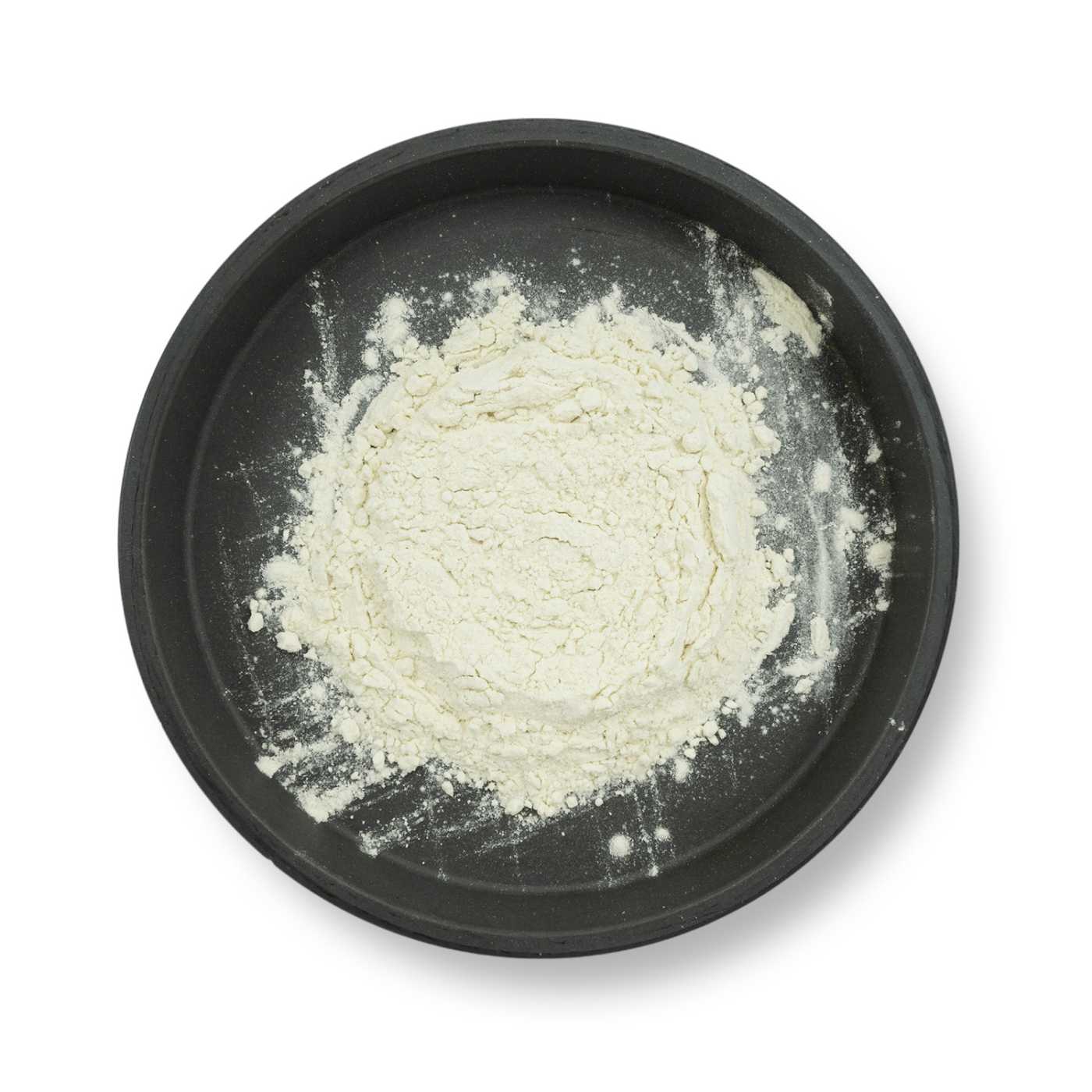
- White
- CAS No.
- 85116-80-9 / 91697-49-3 / 348616-34-2 / 2778-96-3 / 97404-33-6, 223706-40-9 / 92202-01-2 / 97358-61-7 / 97281-21-5 / 1338-43-8
- Country of origin
- Italy
- Grade
- Cosmetic Grade
- Processing method
- Mechanical PressingChemical ReactionRefining
- Odour
- Charakteristická
- Appearance
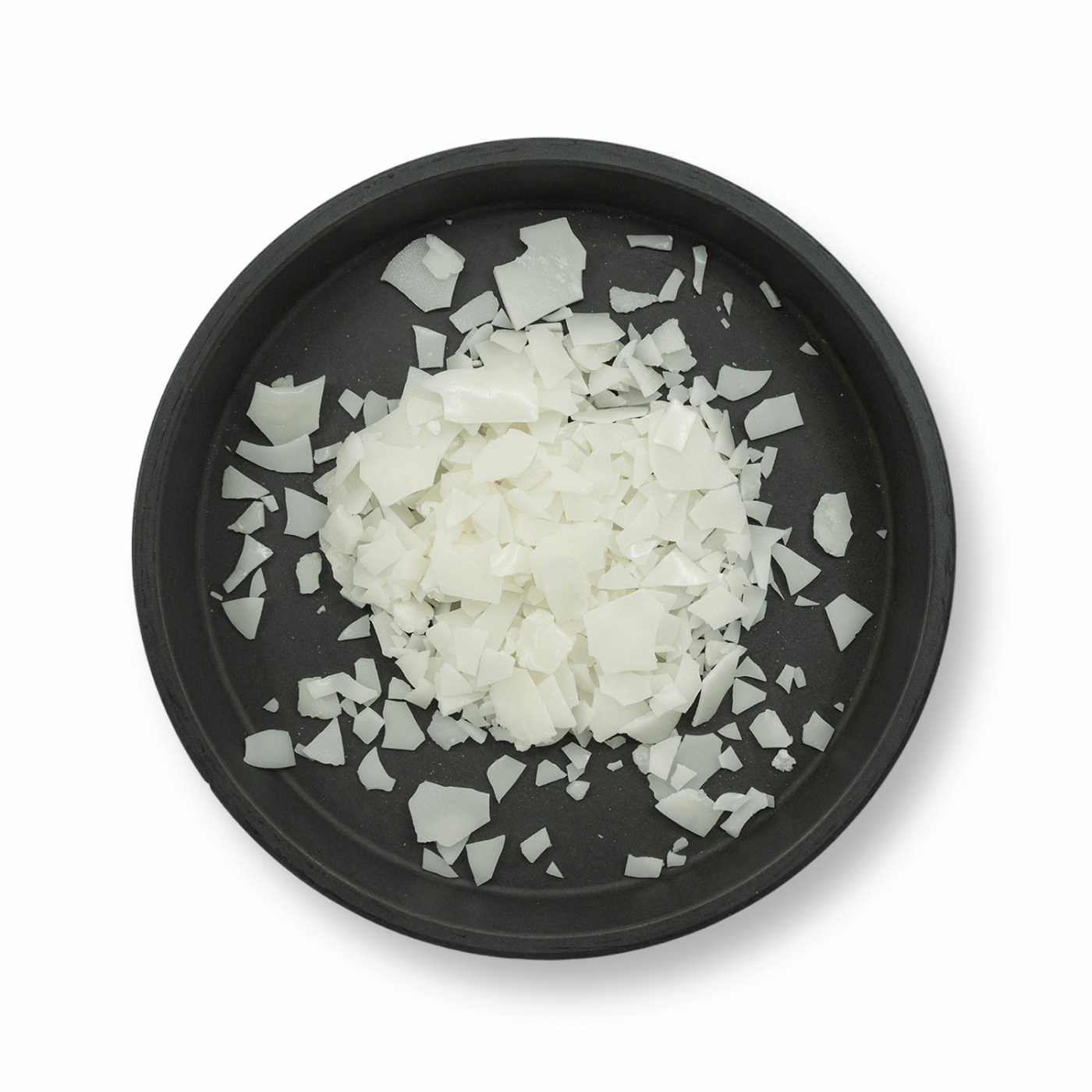
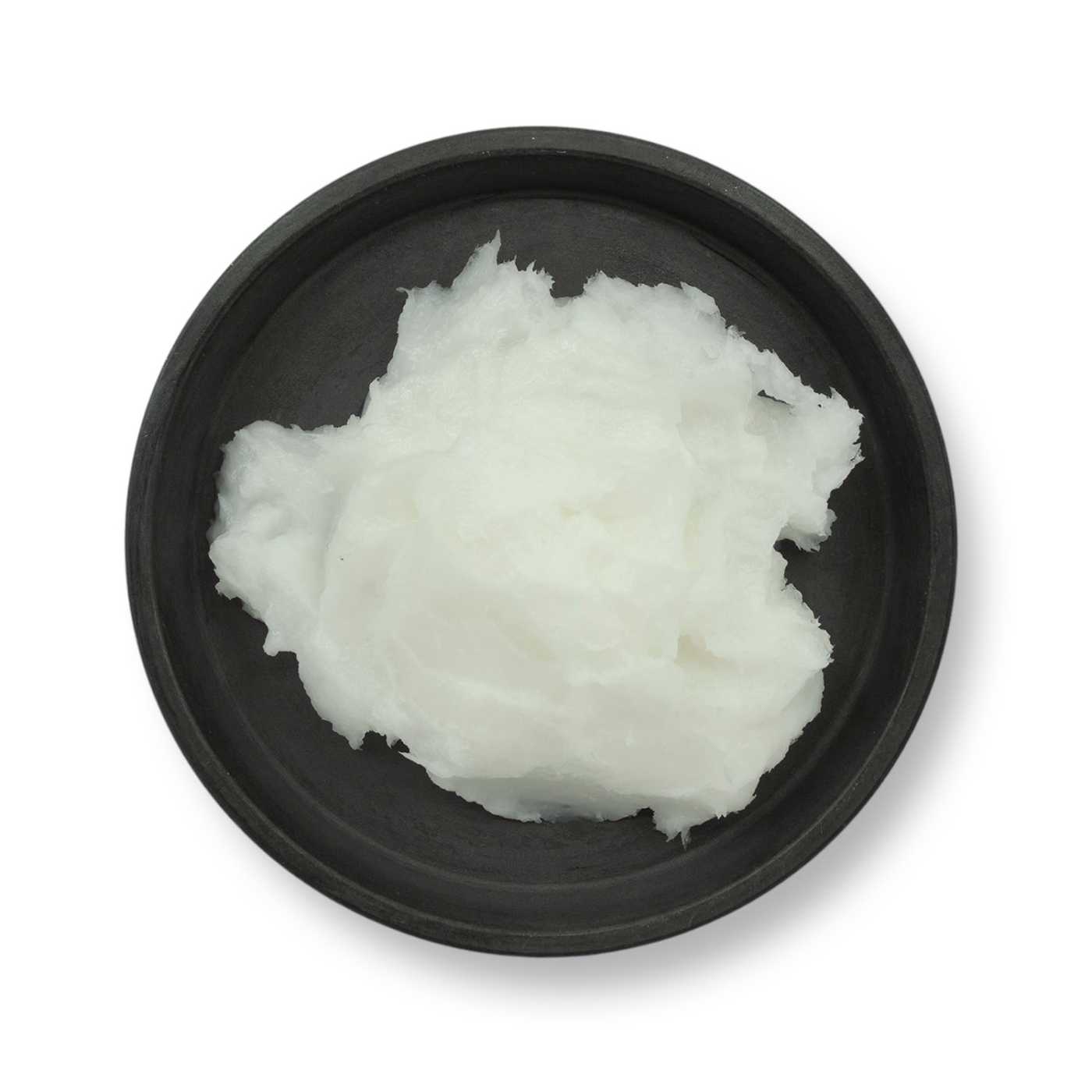
- Granule / vločky / perly
- Free from
- sulfatesGMO-derived ingredientssiliconesphthalatesethylene oxide (EO)allergenic fragrance substancesallergenic food ingredientsparabensformaldehyde and formaldehyde donors
- Formulation phase
- Oil phaseWater phase
- Function in formulation
- O/W EmulsifierCo-emulsifier
- Application area
- HairFaceLipsBodyIntimate careOral care / dental care
- Recommended processing temperature (°C)
- > 75 °C
- Recommended dosage range (%)
- 0,5 – 5 % %
- Solubility
- Oil-solubleWater-dispersible
- HLB value
- 9
- Suitable for
- Sensitive skinDry skinAll skin types
- Ionic character
- Non-ionic
- Recommended formulation pH range
- 4,5 – 8,0
- Biodegradability
- Easily Biodegradable (OECD 301)
- Natural Index (NI ISO 16128)
- 1,00
- Natural Origin Index (NOI ISO 16128)
- 1,00
- Certifications
- RSPO MB (Mass Balance)COSMOS Approved
Product documentation
Learn how to work with it
From our blogexcellent emulsifier — I've been using it for a long time, I'm happy with it
Translated automatically
excellent product — I use it when making creams, so far it's the best emulsifier I've tried
Translated automatically