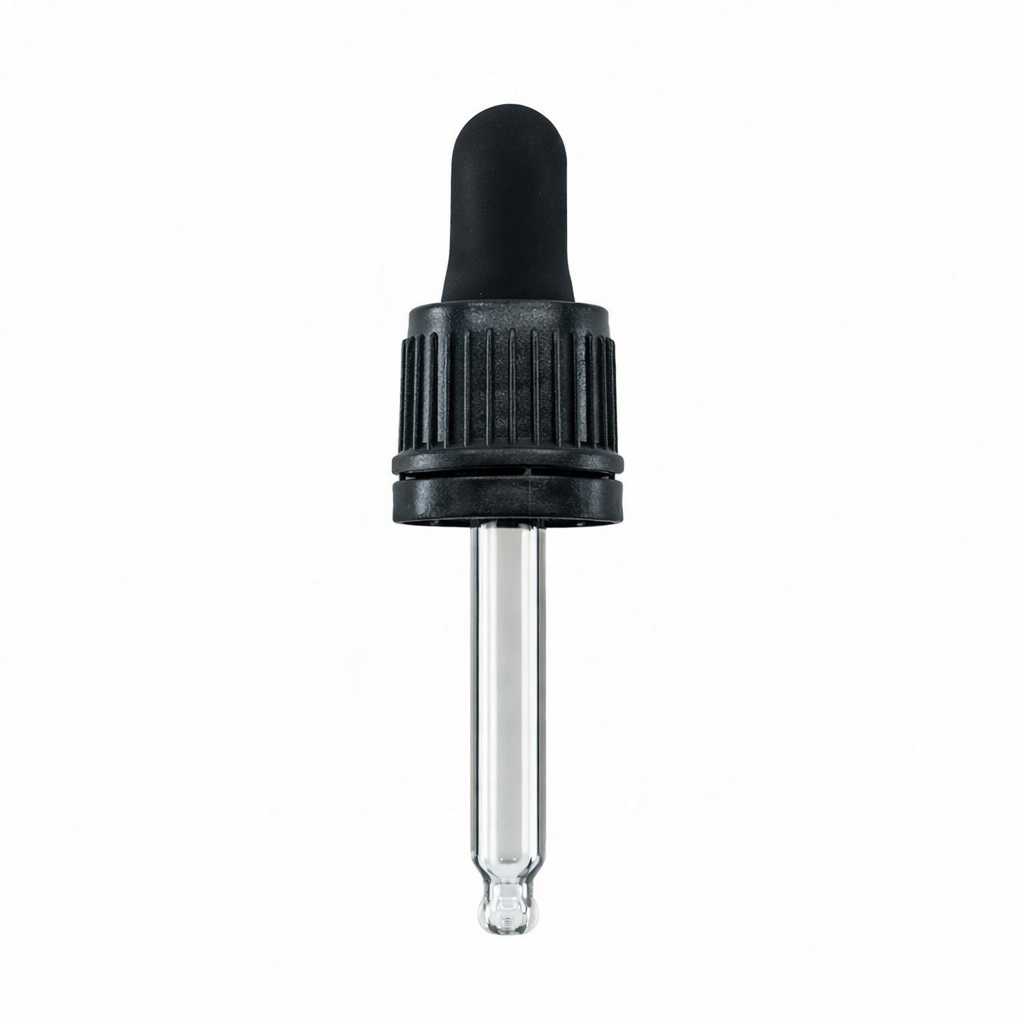

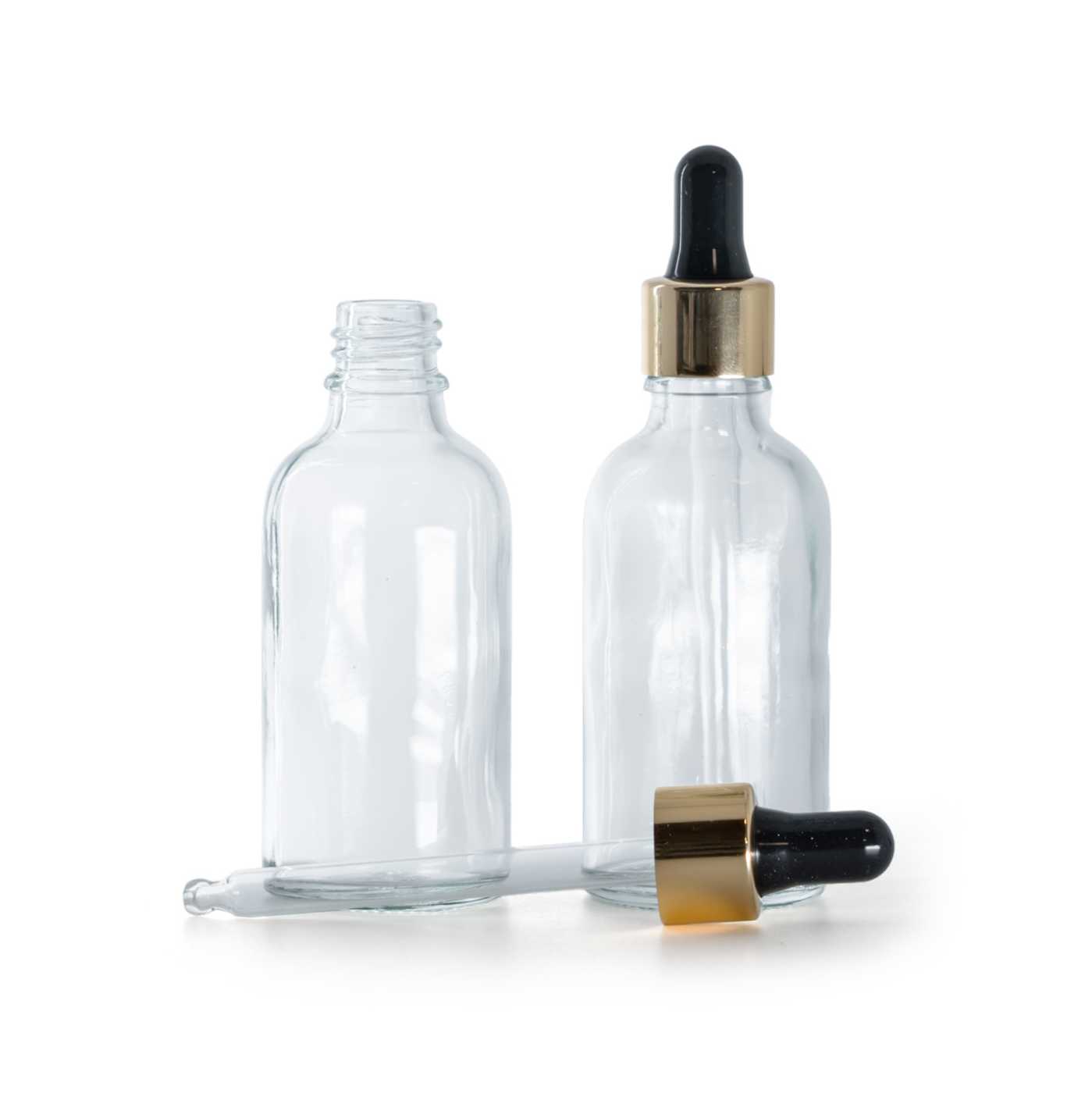
Clear Glass Bottle, Gold Black Dropper, 30 ml
Pre-order€0.95

Candle fragrance oils
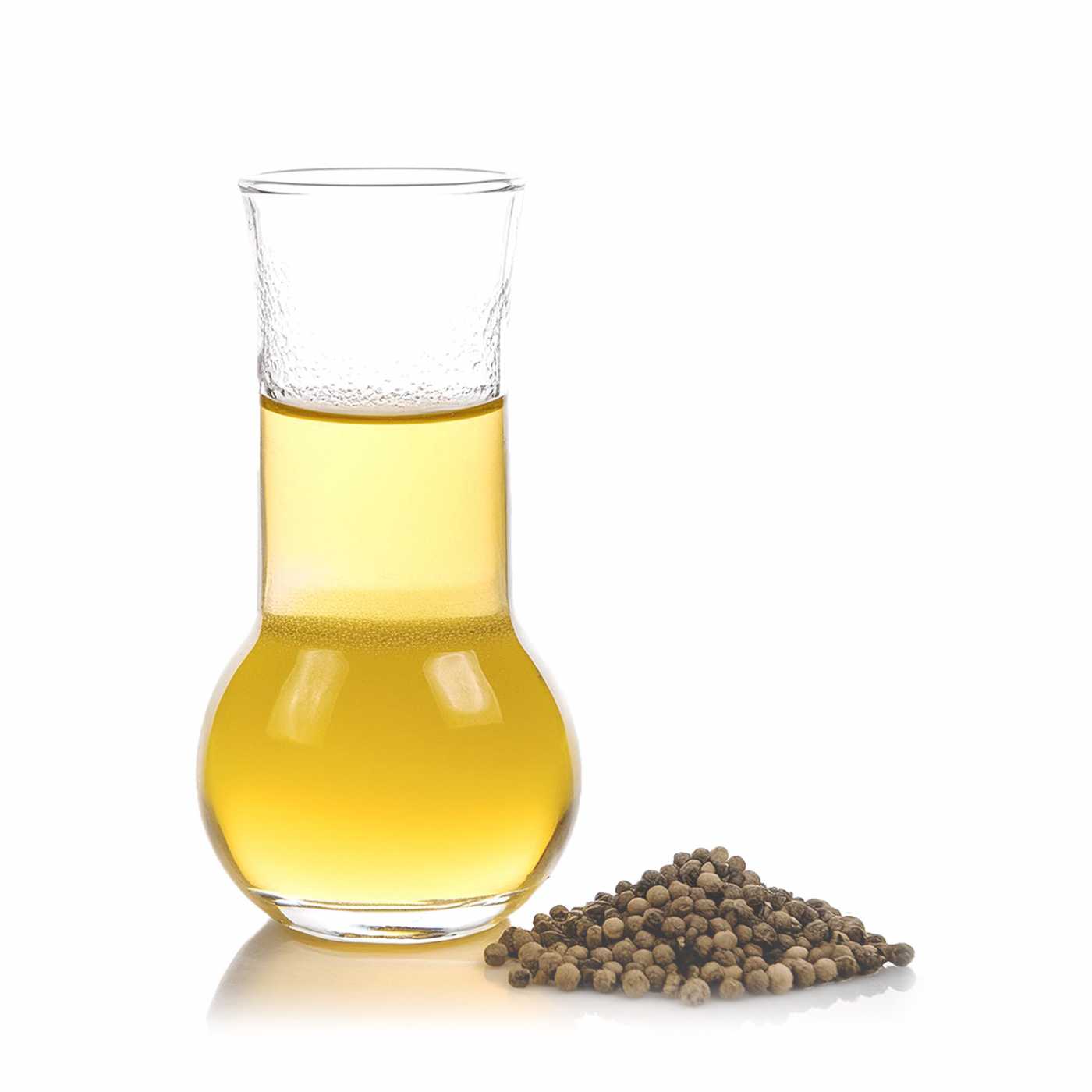
Black pepper essential oil brings a warm, spicy fragrance to cosmetics. It is used as a fragrance component in face, body and hair products, deodorants and aromatherapy blends. full description
Lowest price in the last 30 days: €4.19
Black pepper essential oil brings a warm, spicy fragrance to cosmetics. It is used as a fragrance component in face, body and hair products, deodorants and aromatherapy blends. It is obtained by steam distillation from the fruits of black pepper (Piper nigrum) of Asian origin and is supplied in cosmetic grade.
It suits makers who want to bring a warming, slightly pungent accent into a formulation, like the one you know from freshly ground pepper. It can stand alone as the fragrance in a massage oil or serve as the spicy component of a fragrance composition. The oil is certified vegan and has not been tested on animals.
The fragrance is spicy and warm. According to the manufacturer, it gives a spicy character to perfumes, facial cosmetics and aromatherapy blends, so in compositions it is used as a distinctive complement rather than a main component. The colour of the oil ranges from colourless to yellowish or greenish. For light and clear products, check the effect on colour on a sample.
According to the manufacturer’s marketing materials, the oil has a stimulating and warming character. The manufacturer links it to a sensation of warmth on the skin, used mainly in massage oils and creams intended for relaxation, and in aromatherapy to lifting the mood and stimulating the senses. In hair products, it is mentioned in connection with supporting circulation in the scalp. The manufacturer also mentions cleansing properties for skin prone to excess sebum and antimicrobial action. We do not have studies on these claims available. In cosmetics, the oil is used above all as a fragrance component with a warming impression. Verify cosmetic claims about the effect of the finished product against your own documentation.
The essential oil is lipophilic. It mixes with vegetable oils, waxes, butters and ethanol, and does not dissolve in water. In anhydrous products, it is mixed in at the end of preparation. In emulsions, it is added in the cool-down phase, when the mixture is below 40 °C, or it is worked into the finished base afterwards. At higher temperatures, volatile components escape and the fragrance changes, so the oil is not added to the heated oil phase before emulsification.
For water-based products, such as toners, hydrosol sprays or facial waters, a solubiliser is required. The oil is first mixed thoroughly with the solubiliser and only then added to the water phase; otherwise it stays on the surface in droplets. The ratio of solubiliser to oil needs to be fine-tuned for the specific formulation, and clarity is checked after the product has cooled completely.
In creams and lotions, first mix the oil into a small amount of the finished base or a vegetable oil, and only then stir it into the whole batch. This distributes the fragrance evenly and avoids spots with a higher concentration.
We do not state a single usage rate for this oil. The maximum amount is governed by the IFRA category that the finished product falls into, and each category has a different limit. Before including it in a formulation, check the limit for your category and set the fragrance intensity on a sample. The spicy fragrance is pronounced even at a low percentage.
The oil is classified under the CLP regulation and contains hazardous substances; details on safe handling are in the safety data sheet. It contains one or more fragrance allergens listed in Annex III of Regulation (EC) No 1223/2009, which must be taken into account when labelling the finished product. According to the documentation, it also contains components classified as CMR, but the product as a whole is not classified as CMR.
The essential oil is not used undiluted. Always work with it within a formulation and in an amount that does not exceed the IFRA limit for the given product category.

Variant: Esenciálny olej, čierne korenie, 10 ml

Variant: Esenciálny olej, čierne korenie, 10 ml