🍂 10% OFF EVERYTHING • Code CANDLE10 • Until Sunday only!

+421 950 333 113[email protected]

CO2 Extracts

Vanilla CO2-to Extract, 12% vanillin, 5 g

Pack size5 g10 g50 g

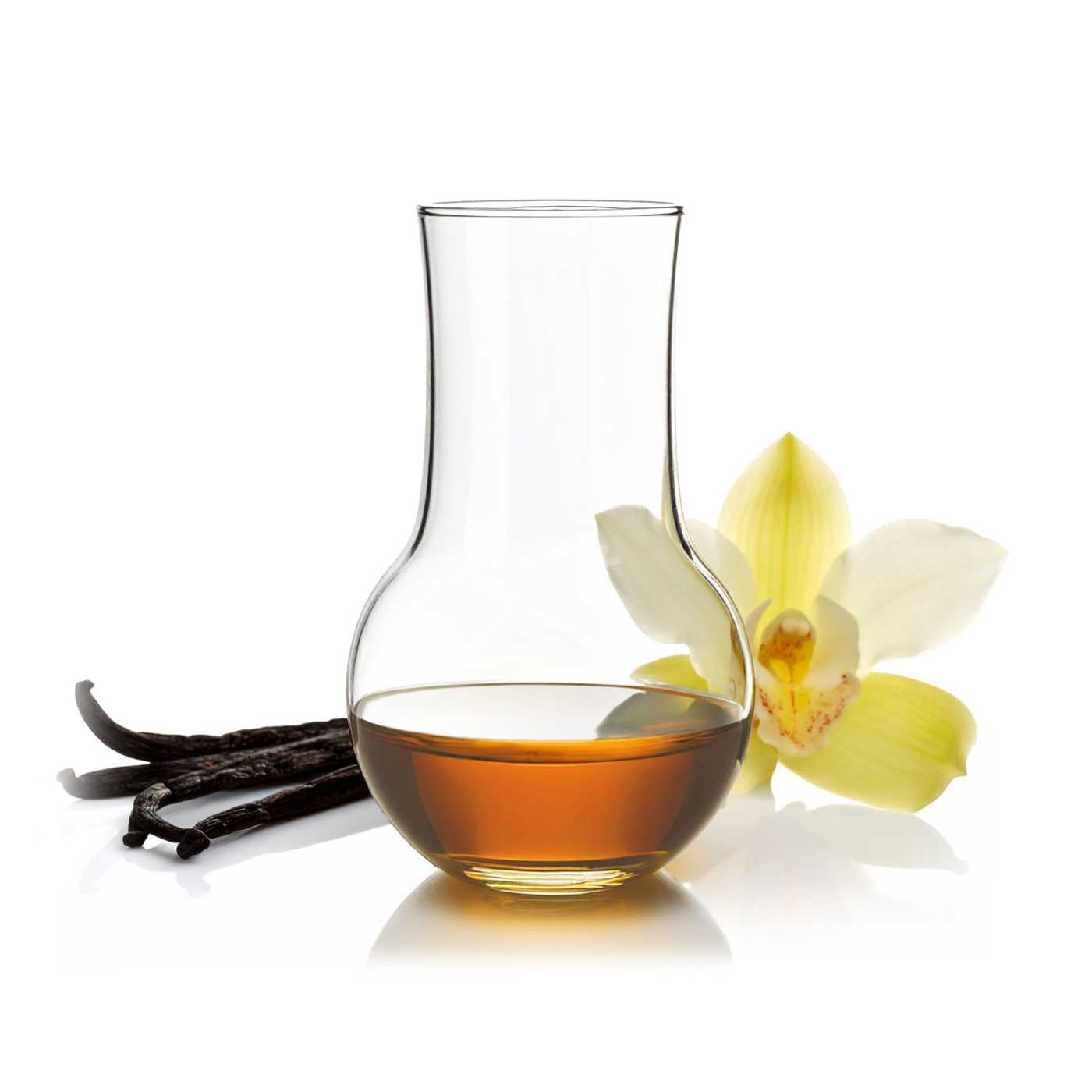
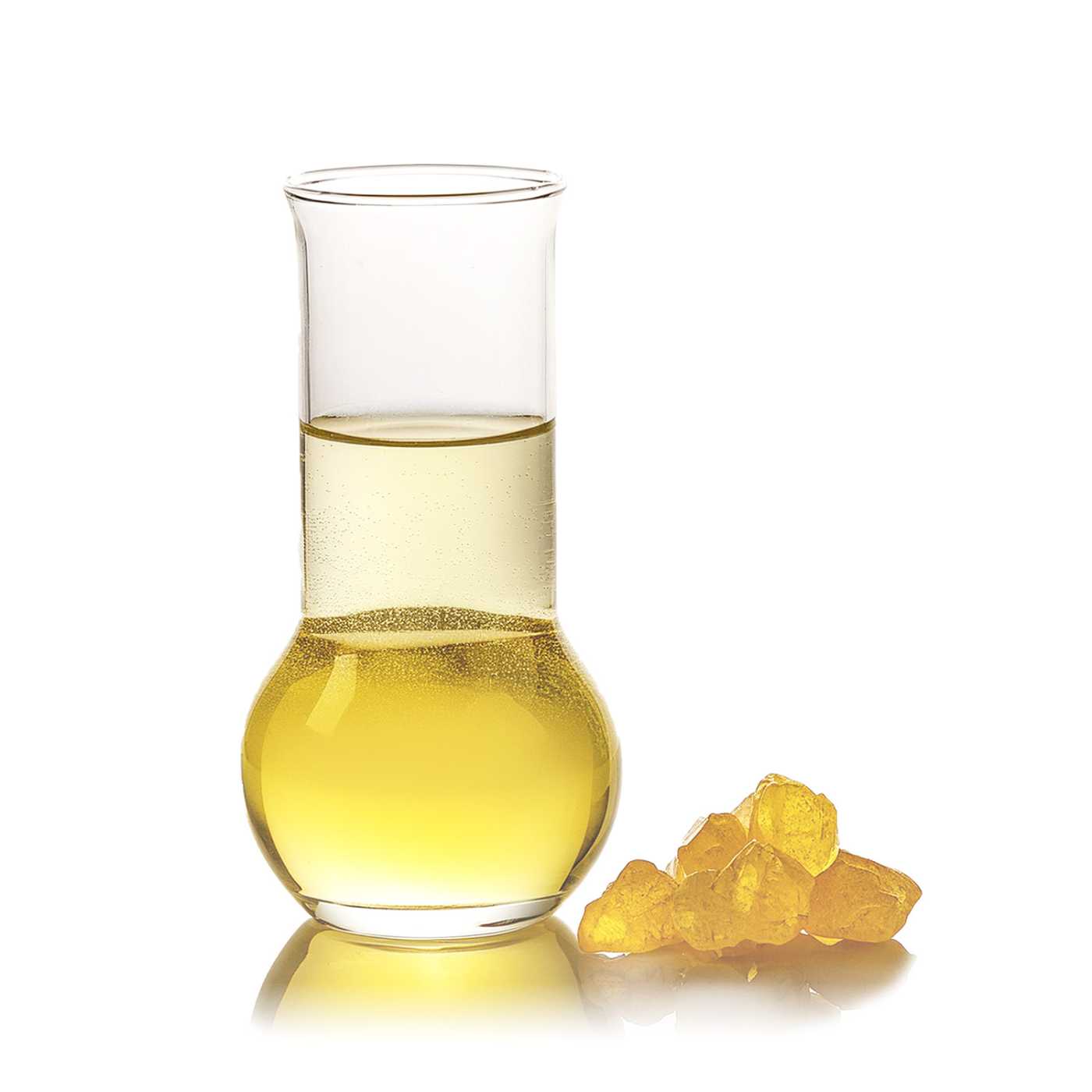
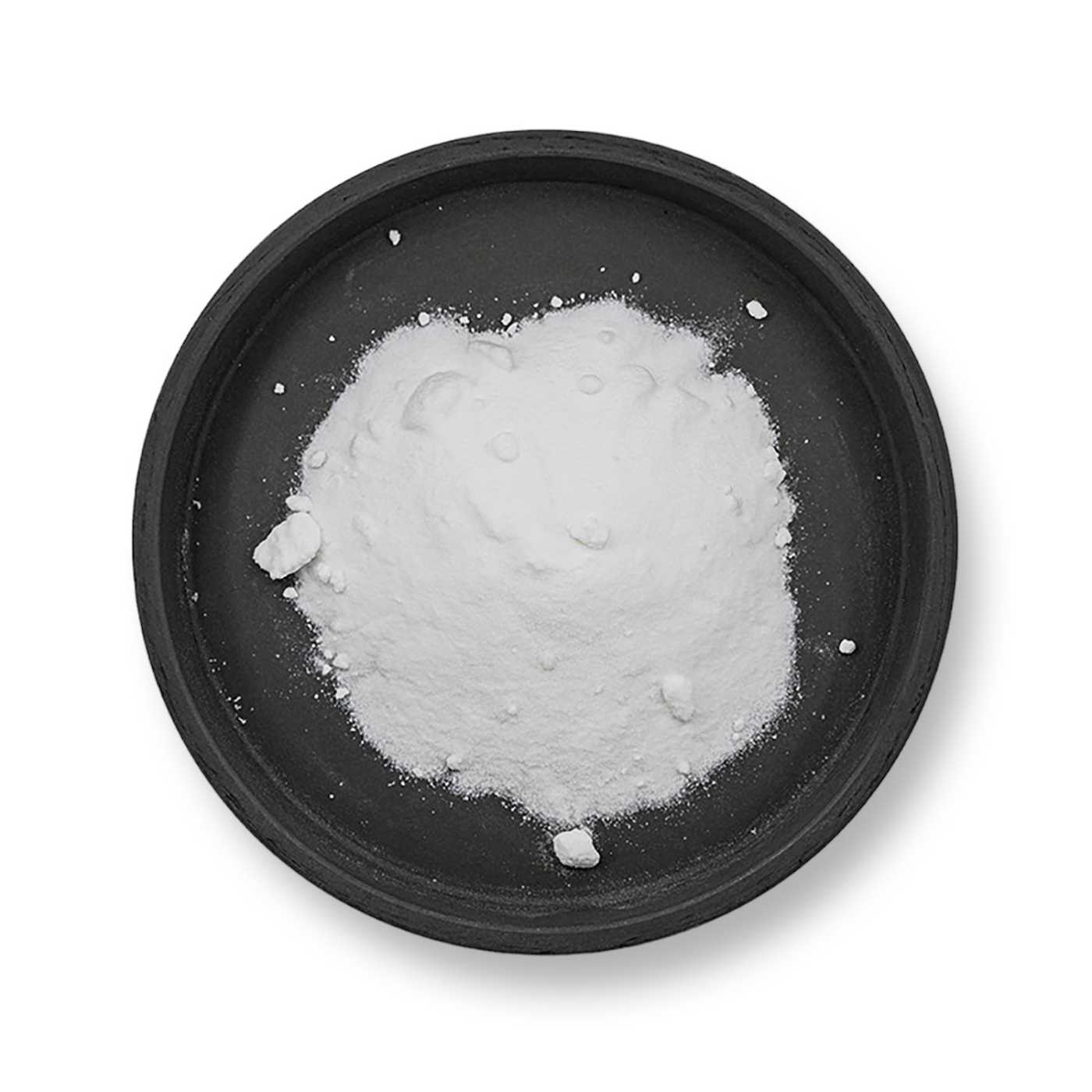
Vanilla CO2-to extract brings the scent of real vanilla pods to a formulation in concentrated form. full description

AvailabilityIn stock · 8 packs
Product codeCO701_5
Batch6623V
Best before09/2031
€17.89incl. VAT€3,578.00/kg

Lowest price in the last 30 days: €17.89

Product description

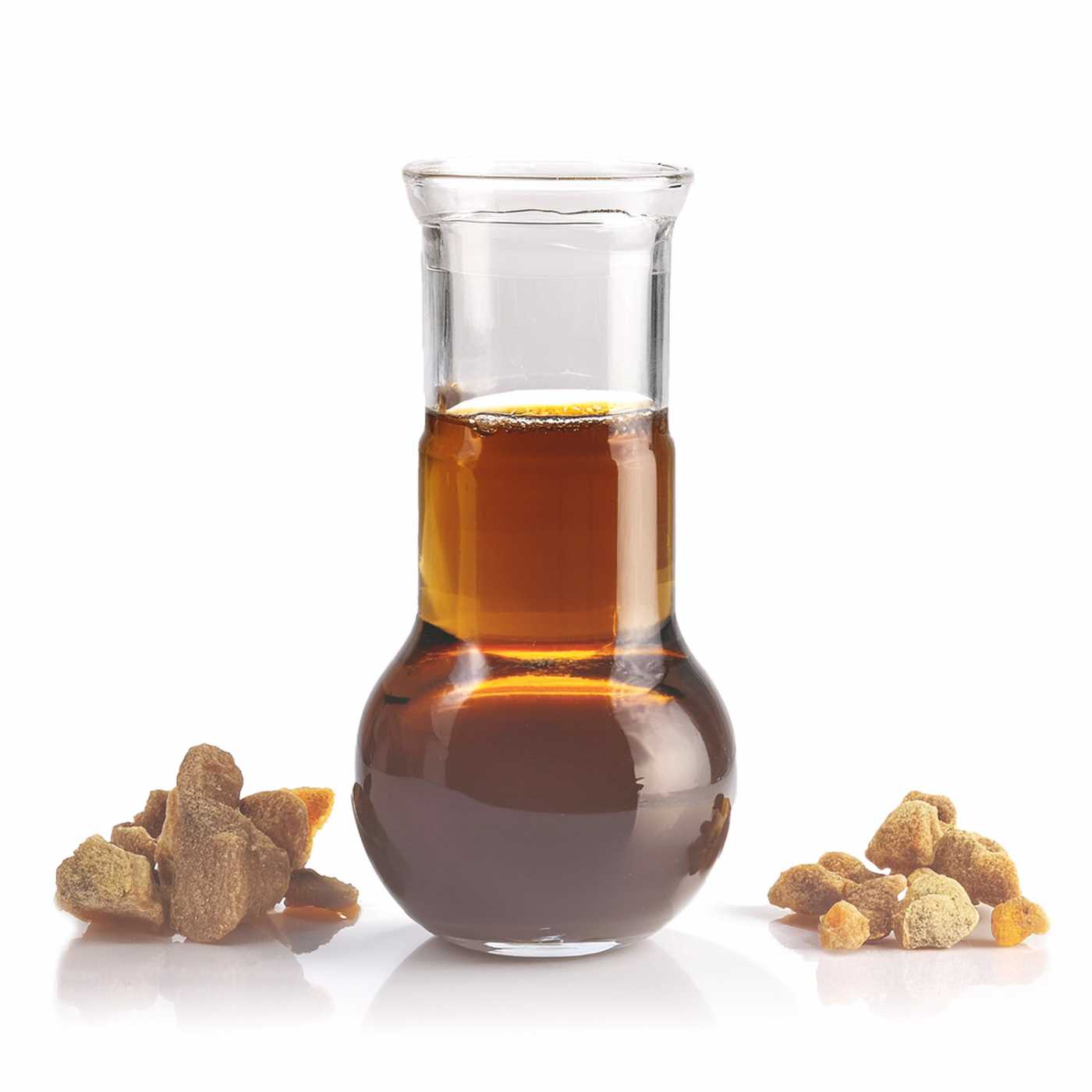
Vanilla CO2-to extract brings the scent of real vanilla pods to a formulation in concentrated form. It is obtained from dried fruits of Vanilla planifolia by supercritical carbon dioxide extraction with ethanol as a co-solvent, so only traces of ethanol remain in the extract and no other solvents. It preserves the full aromatic spectrum of vanilla with a high proportion of volatile top notes, so it does not smell of vanillin alone. The standardised content of 12% vanillin keeps the scent consistently pronounced from batch to batch.

It is suitable for lip balms, body butters, creams, massage oils and alcohol-based perfumes — wherever the finished product should smell of real vanilla. It has both cosmetic and food-grade quality, so it can also be used in home sweet recipes.


What to expect from the extract

  • Real vanilla scent – delicately aromatic, with a pronounced proportion of fresh-pod top notes. It is concentrated; it is added to the formulation at a low level according to the IFRA limit.
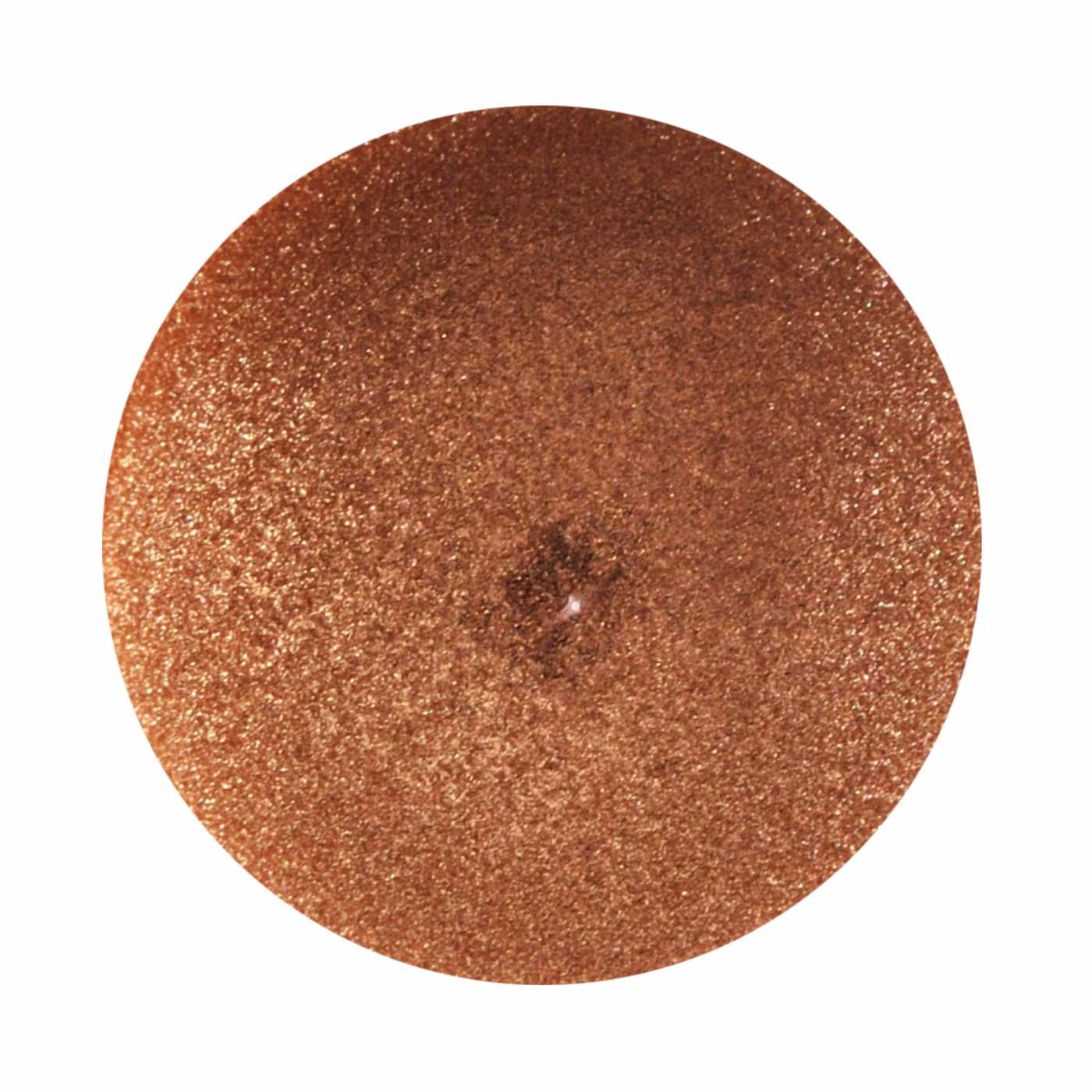
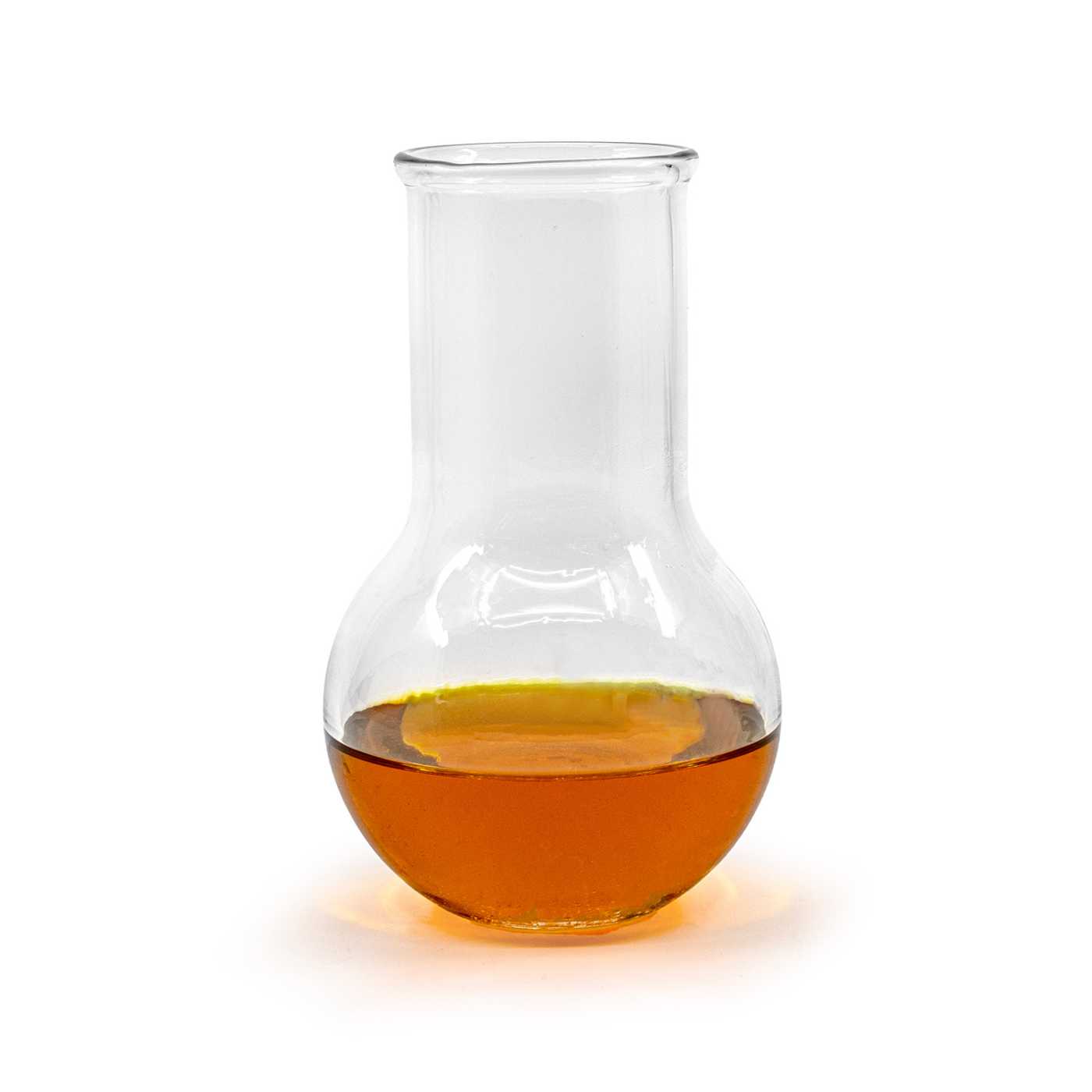
  • Brown colour – at higher levels it tints light formulations beige to light brown. This needs to be taken into account with white creams.
  • Antioxidant activity and soothing effect – secondary properties. In a formulation it primarily serves as a fragrance component, not an active ingredient.
  • Plant origin – pods from Madagascar, the Comoros, India and Uganda. The extract is free from preservatives and GMO-derived components, suitable for vegans, with kosher and halal certification.

Use in formulation

The extract is oil-soluble and insoluble in water, so it belongs in the oil phase. It mixes with vegetable oils, butters, waxes and alcohol, making it suitable for anhydrous products, emulsions and alcohol-based perfumes. It will not incorporate into purely aqueous products such as tonics or hydrolat sprays without a solubiliser. Even with a solubiliser, check on a small amount that the result remains clear.

At room temperature it has a viscous to paste-like consistency. The recommended processing temperature is up to 40 °C, so it is added to emulsions at the end, into the cooled cream with continuous stirring. It works in the range of pH 4 – 8, which covers typical facial and body preparations.

The paste-like extract is easier to dose if you first blend it with a small amount of carrier oil or leave the container to stand briefly in warm water below 40 °C. It will then disperse evenly throughout the oil phase without lumps.

There is no single universal dosage value. The maximum permitted amount depends on the category of the finished product according to the current IFRA certificate. Lip products of all types and children's toys fall under category 1, perfumes under category 4, body creams and oils under category 5A. Before your first production run, check the limit for the specific product type.

The extract contains fragrance allergens listed in Annex III of the cosmetics regulation. When preparing the label of the finished product, account for this and calculate their content according to the concentration used.


Suitable for products such as

  • Lip balms and butters – the food-grade quality of the extract is an advantage here; dosage according to IFRA category 1.
  • Body butters, creams and lotions – vanilla pairs well with cocoa or shea butter and sweet carrier oils.
  • Massage and body oils – the extract dissolves completely in them.
  • Alcohol-based and solid perfumes – as a vanilla note in the composition or as the main fragrance theme.
  • Hair oils and leave-in hair care – at low dosage into the oil component.
  • Rinse-off products – shower gels and shampoos, where it is incorporated via the oil component or solubiliser.

Good to know

Vanilla CO2-to extract is a natural concentrate from vanilla pods with standardised vanillin. Do not confuse it with a vanilla-scented fragrance oil, which is a different ingredient and is dosed according to its own data sheets.

For light formulations we recommend making a small test batch and assessing whether the resulting colour is acceptable. In darker products, for example those containing cocoa butter or coffee, the brown colour of the extract is not an issue.

Ethanol remains in the extract only in trace amounts from processing; it will not affect anhydrous balms or butters in any way.


Frequently asked questions

Is vanilla CO2 extract water-soluble?
No, vanilla CO2 extract is oil-soluble and mixes with alcohol; it does not dissolve in water. It is added to emulsions in the oil phase or at the end into the cooled cream. It can only be incorporated into aqueous tonics or sprays with a solubiliser, and even then check that the mixture remains clear.
At what temperature is vanilla CO2 extract added to cream?
Vanilla CO2 extract is added at a temperature of up to 40 °C, i.e. only into the cooled emulsion with continuous stirring. If the extract is too thick, blend it beforehand with a small amount of carrier oil or briefly warm the container in warm water below 40 °C.
How much vanilla CO2 extract is used in a lip balm?
The amount of vanilla CO2 extract in a lip balm is determined by the current IFRA limit for category 1, which covers all lip products. The extract is concentrated and standardised to 12% vanillin, so it is dosed at a low level. Before production, check the limit for lip balms in the current IFRA certificate.
Can vanilla CO2 extract be used in an alcohol-based perfume?
Yes, vanilla CO2 extract mixes with alcohol and is suitable for both alcohol-based and solid perfumes. It brings the scent of real vanilla with a high proportion of top notes to the composition, not just vanillin alone. Dosage is governed by the IFRA limit for category 4, which covers eau de toilette, perfumes and solid perfumes.
Can vanilla CO2 extract be used in food?
Yes, vanilla CO2 extract has food-grade quality in addition to cosmetic grade, and carbon dioxide extraction is a process with food-grade status. It is gluten-free, suitable for vegans and certified kosher and halal. It is suitable for flavouring home sweet recipes; it is added in small amounts and incorporated into the fat component.

Parameters

INCI
Vanilla Planifolia Fruit Extract
CAS No.
84650-63-5
EC number
283-521-8
Product color
Amber
Odour
Sweet
Appearance
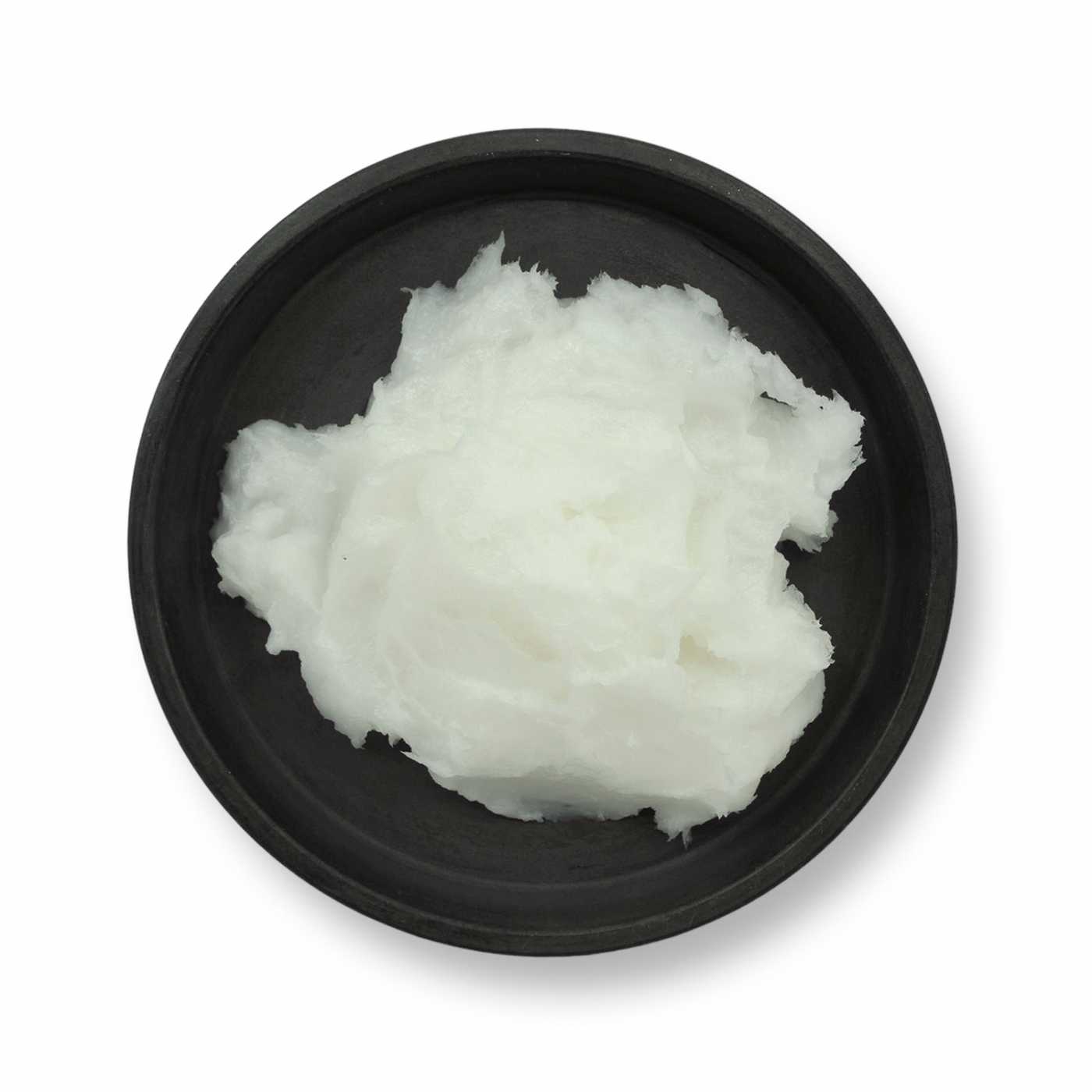
Paste
Formulation phase
Oil phase
Function in formulation
Fragrance component
Recommended processing temperature
< 40 °C
Application area
FaceHairBodyLips
Recommended dosage range
Viď IFRA %
Recommended formulation pH range
4 – 8
Application type
Leave-onRinse-off
Suitable for
All skin types
Natural Index (NI ISO 16128)
1,00
Natural Origin Index (NOI ISO 16128)
1,00
Renewable Carbon Content (RCC)
100 %

Product documentation

CoACertificate of Analysis
batch 662105PDF ↓
batch 52412PDF ↓
batch 362212PDF ↓
Laboratory results of a specific batchPDF ↓
TDSTechnical Data Sheet
Physical parameters and processingPDF ↓
IFRAIFRA Certificate
batch 662105PDF ↓
batch 52412PDF ↓
batch 362212PDF ↓
AllergensAllergen Declaration
batch 662105PDF ↓
batch 52412PDF ↓
batch 362212PDF ↓
SDSSafety Data Sheet
Available for purchased products —
Download all (ZIP)

11 PDF files in one archive

Sascha29 Sept 2026DE

Verified purchase

Variant: Vanilkový CO2-to extrakt BIO, 12% vanilín, 10 g