+421 950 333 113info@handymade.storeActive Days: −10 % with code ACTIVE10Shop now

Candle fragrance oils

Camphor White Essential Oil, 10 ml

Pack size10 ml100 ml500 ml1 l

Introduction White camphor essential oil is a fragrance ingredient obtained by steam distillation of the bark of the camphor tree, Cinnamomum camphora , from Asian sources. full description

AvailabilityIn stock · 275 packs
Product codeEON018_10
Batch22517
Best before01/2029
€1.56incl. VAT€156.00/l

Lowest price in the last 30 days: €1.56

Product description

Introduction

White camphor essential oil is a fragrance ingredient obtained by steam distillation of the bark of the camphor tree, Cinnamomum camphora, from Asian sources. In cosmetics it serves as a fragrance component: it gives body and massage oils, scalp products, soaps and diffuser blends a fresh camphor note.

The manufacturer describes its fragrance as invigorating and purifying. In aromatherapy it is associated with a feeling of mental clarity and focus, and in massage oils with relaxation and a mildly warming sensation on the skin. In hair care it leaves a feeling of freshness after application.


Fragrance and character

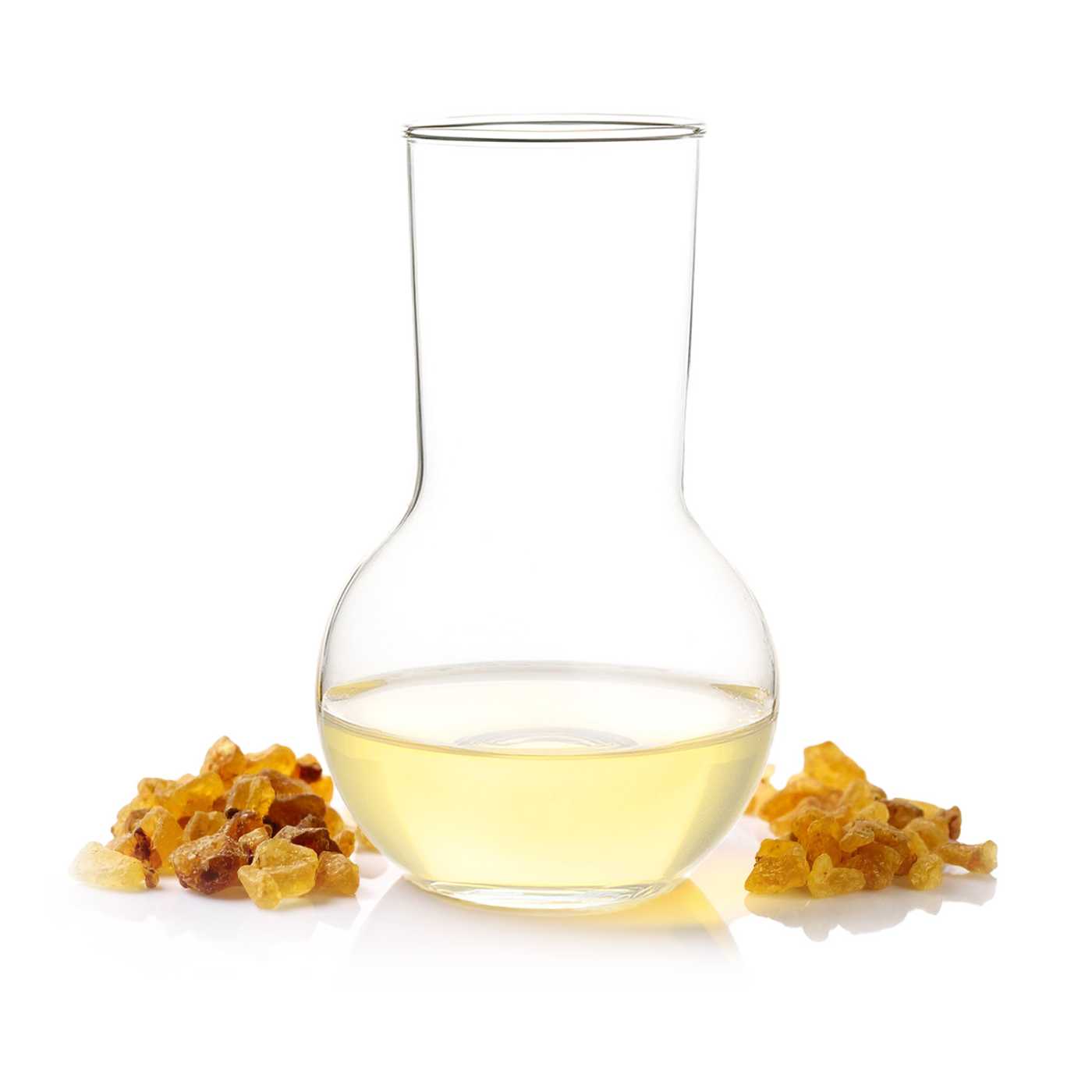
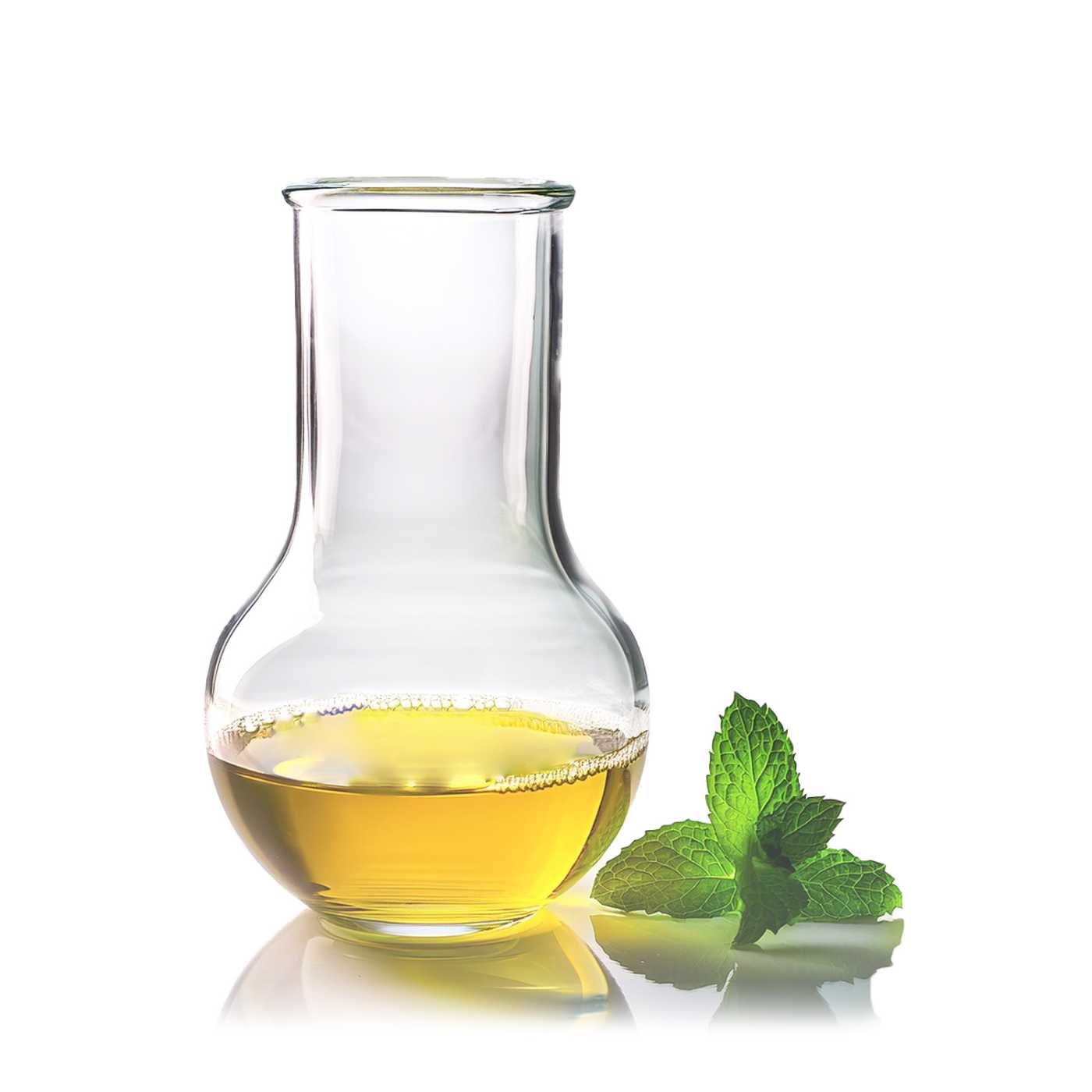
The fragrance is fresh, camphoraceous and distinctive. According to the manufacturer’s specification, the cineole content exceeds 30%. The liquid is colourless to slightly yellowish.


Key benefits

  • Freshness and invigoration – the manufacturer states that the fragrance has an invigorating and purifying effect and that in aromatherapy it is associated with a feeling of focus. This describes how the fragrance is perceived, not a physiological effect.
  • Warming sensation on the skin – according to the manufacturer’s materials, in massage oils and creams it produces a mild warming sensation that supports a feeling of relaxation.
  • Hair care – the manufacturer recommends it for hair oils, serums and scalp treatments, where it leaves a feeling of freshness after application.
  • Plant origin – the ingredient is plant-based and vegan, and the manufacturer does not test it on animals for cosmetic purposes.

Use in formulations

White camphor essential oil is miscible with oils and alcohol and does not dissolve in water. It is therefore added directly to the oil phase and to anhydrous products such as body, massage and hair oils, balms or butters, and to alcohol-based perfume compositions. In water-based products, for example toners, it is incorporated through a solubiliser; otherwise it separates on the surface.

The recommended processing temperature is below 40 °C. It is added to an emulsion only after cooling, with constant stirring, and to balms and butters after they are removed from the heat, just before pouring. The essential oil is volatile, and at higher temperatures some of the fragrance components are lost.

For creams and balms, add the essential oil as the last ingredient, once the mixture falls below 40 °C, and stir briefly but thoroughly. This way the fragrance retains its full strength.

No specific usage rate is given in the source materials. The maximum amount in the finished product is governed by the IFRA limits for the relevant category (for example 4 for perfumes, 5A for body oils and creams, 9 for soaps and shampoos) and by the safety data sheet (SDS). Before including it in a formulation, check the current IFRA certificate for the product.

The manufacturer states that it can be used in soaps, but its behaviour in cold process soap, that is, its effect on trace and on the colour of the soap batter, is not documented. We recommend testing in a small batch.


Suitable for products such as

  • Massage and body oils – the oil carrier allows direct mixing without auxiliary ingredients; this is where the warming sensation is put to best use.
  • Hair oils, serums and scalp treatments – the manufacturer directly recommends it for this type of product.
  • Body balms and butters – add below 40 °C, with no water phase.
  • Soaps and shower gels – rinse-off products with a fresh camphor note.
  • Diffusers and aromatherapy – as part of fresh fragrance blends.
  • Alcohol-based perfume compositions – it mixes freely with alcohol.
  • Candles – candles of all types, including container candles, in an amount up to the IFRA limit for category 12.

Good to know

The ingredient is subject to CLP classification and carries pictograms for flammability, irritation and sensitisation, serious long-term health hazards and ecotoxicity. The product is classified as carcinogenic, mutagenic or toxic for reproduction (CMR) under Regulation (EC) No 1272/2008 and contains one or more components with this classification. It also contains fragrance allergens under Annex III of Regulation (EC) No 1223/2009, including Commission Regulation (EU) 2023/1545.

Use exclusively at concentrations in line with IFRA and the SDS, and never apply it undiluted to the skin. When placing cosmetics on the market, the CMR classification must be taken into account in the product safety assessment.

The essential oil is volatile and flammable, so handle it away from open flames, in tightly closed packaging and out of direct sunlight. One or more components are on the California Proposition 65 list.


Frequently asked questions

Is white camphor essential oil soluble in water?
No, it does not dissolve in water; it mixes only with oils and alcohol. It is incorporated into toners and other water-based products with a solubiliser; otherwise it remains on the surface as an oil layer. In emulsions it is added to the oil phase or to the cooled finished emulsion.
What usage rate of white camphor essential oil is safe in cosmetics?
The exact usage rate is not given in the source materials. The maximum amount is governed by the IFRA limit for the specific product category (perfume, body oil, soap) and by the SDS. Before including it in a formulation, check the current IFRA certificate and follow its values, not general recommendations for essential oils.
Does white camphor essential oil colour the finished product?
At normal usage rates it does not noticeably affect the colour. The liquid is colourless to slightly yellowish, so in a cream, oil or soap any colouring is practically invisible. Its effect on the fragrance is more pronounced, as it is distinctly camphoraceous and fresh.
At what temperature is white camphor essential oil added to a cream or balm?
Below 40 °C, that is, into a cooled emulsion or into a balm removed from the heat, just before pouring. The essential oil is volatile, and at higher temperatures it loses some of its fragrance components. It is added as the last ingredient and mixed in briefly.
Is white camphor essential oil subject to CLP and CMR classification?
Yes, the product is classified under the CLP Regulation and also as CMR, that is, carcinogenic, mutagenic or toxic for reproduction. It carries pictograms for flammability, irritation and sensitisation, long-term health hazards and ecotoxicity. In cosmetics production its usage rate is therefore based on IFRA and the SDS, and the CMR classification is taken into account in the safety assessment of the finished product.

Parameters

INCI
Cinnamomum Camphora Bark Oil
CAS No.
92201-50-8 / 8022-91-1 / 8008-51-3
EC number
295-980-1
Country of origin
China
Appearance
Liquid
Formulation phase
Cool-down phase
Ionic character
Non-ionic
Application area
FaceHairScalpBody
Recommended processing temperature
< 40 °C
Application type
Leave-onRinse-off
Biodegradability
Non-biodegradable
Certifications
Vegan
Manufacturer's certificate
BRC
Natural Index (NI ISO 16128)
1,00
Natural Origin Index (NOI ISO 16128)
1,00
Renewable Carbon Content (RCC)
100 %
Volume
10 ml

Product documentation

CoACertificate of Analysis
batch 22517PDF ↓
TDSTechnical Data Sheet
Physical parameters and processingPDF ↓
SDSSafety Data Sheet
Available for purchased products —
Download all (ZIP)

2 PDF files in one archive

Kirsten14 Nov 2026DE

Verified purchase

Blanka O.8 Oct 2026SK

Verified purchase

Variant: Esenciálny olej, gáfor biely 10 ml