+421 950 333 113info@handymade.store−10 %Shop now

Candle fragrance oils

Clove Bud Essential Oil, 1 l

Pack size10 ml100 ml500 ml1 l

Clove essential oil gives products a warm, spicy and woody fragrance that is pronounced even in a very small amount. full description

AvailabilityIn stock · last 3 packs
Product codeEON040_1000
Batch24278
Best before09/2029
€132.06incl. VAT€132.06/l

Lowest price in the last 30 days: €132.06

Product description

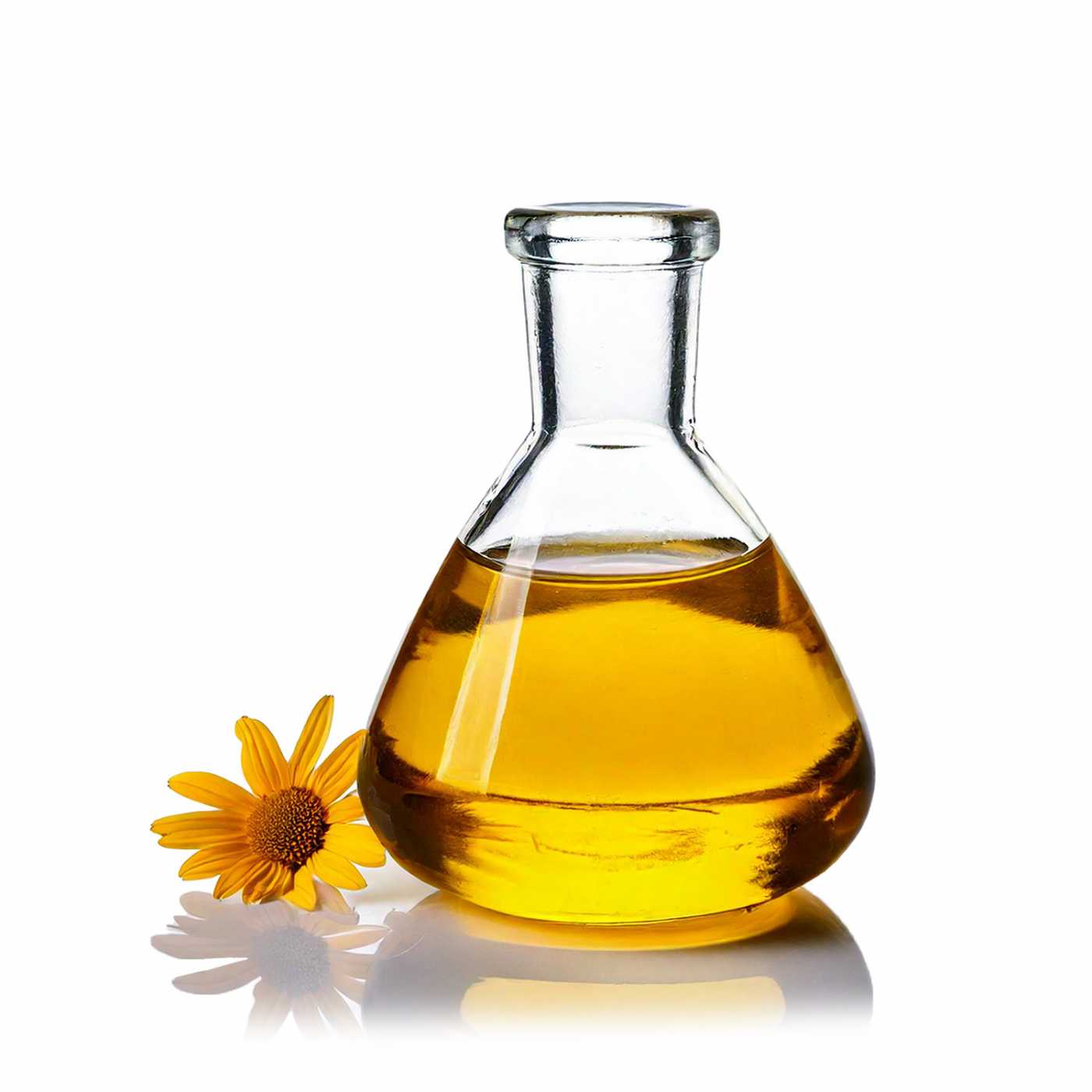
Clove essential oil gives products a warm, spicy and woody fragrance that is pronounced even in a very small amount. It is obtained by steam distillation of the dried flower buds of the clove tree (Eugenia caryophyllus), which originates in Asia. It is used in body and hair cosmetics, soaps, perfumes and candles.

On the skin and scalp, clove oil is credited with a warming and stimulating sensation. The oil is 100% pure, with no carrier oil or other additives, and is suitable for vegans.


Fragrance

The fragrance is determined by eugenol, which makes up 75–88% of the oil. It is complemented by acetyl eugenol and β-caryophyllene. Clove dominates in fragrance blends. In formulations, it is combined with lavender oil, tea tree oil or copaiba balsam.

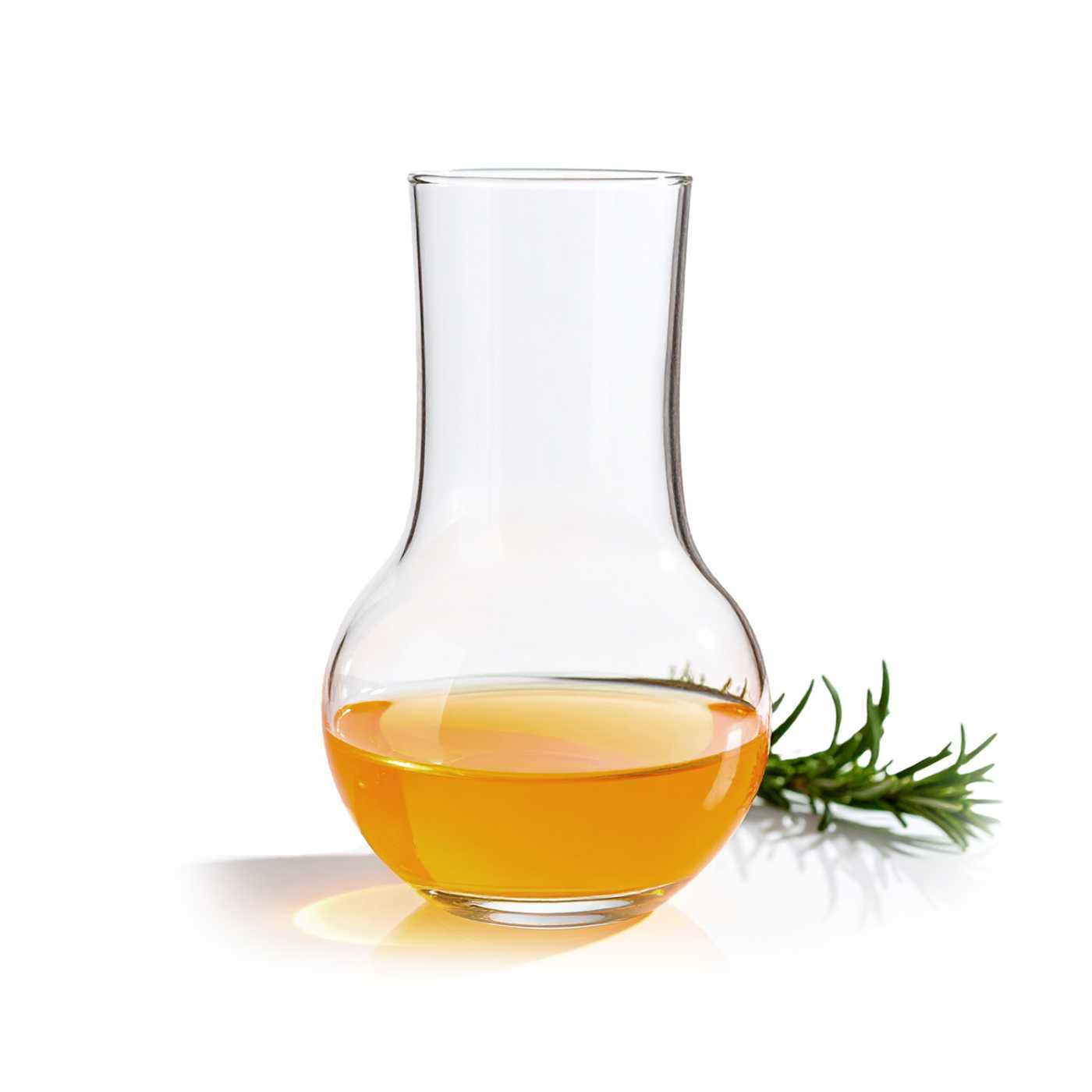
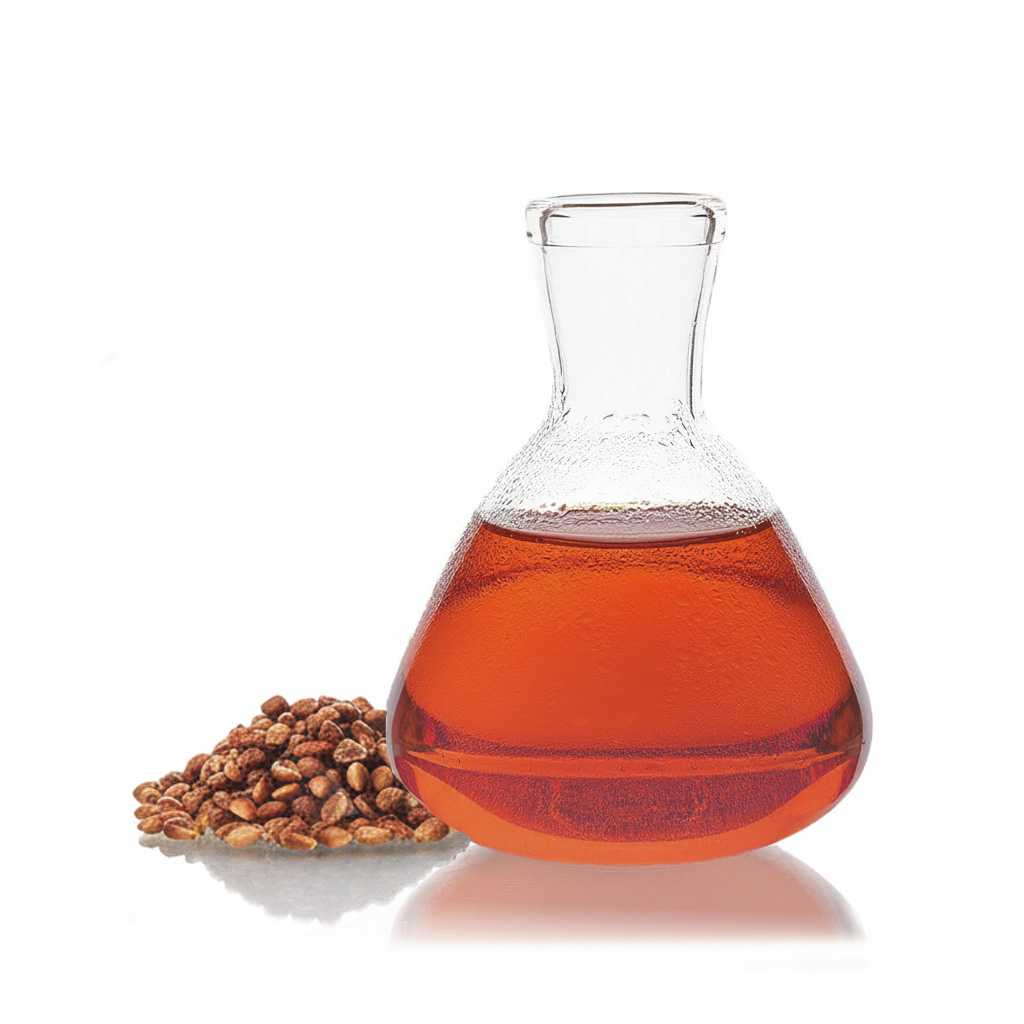
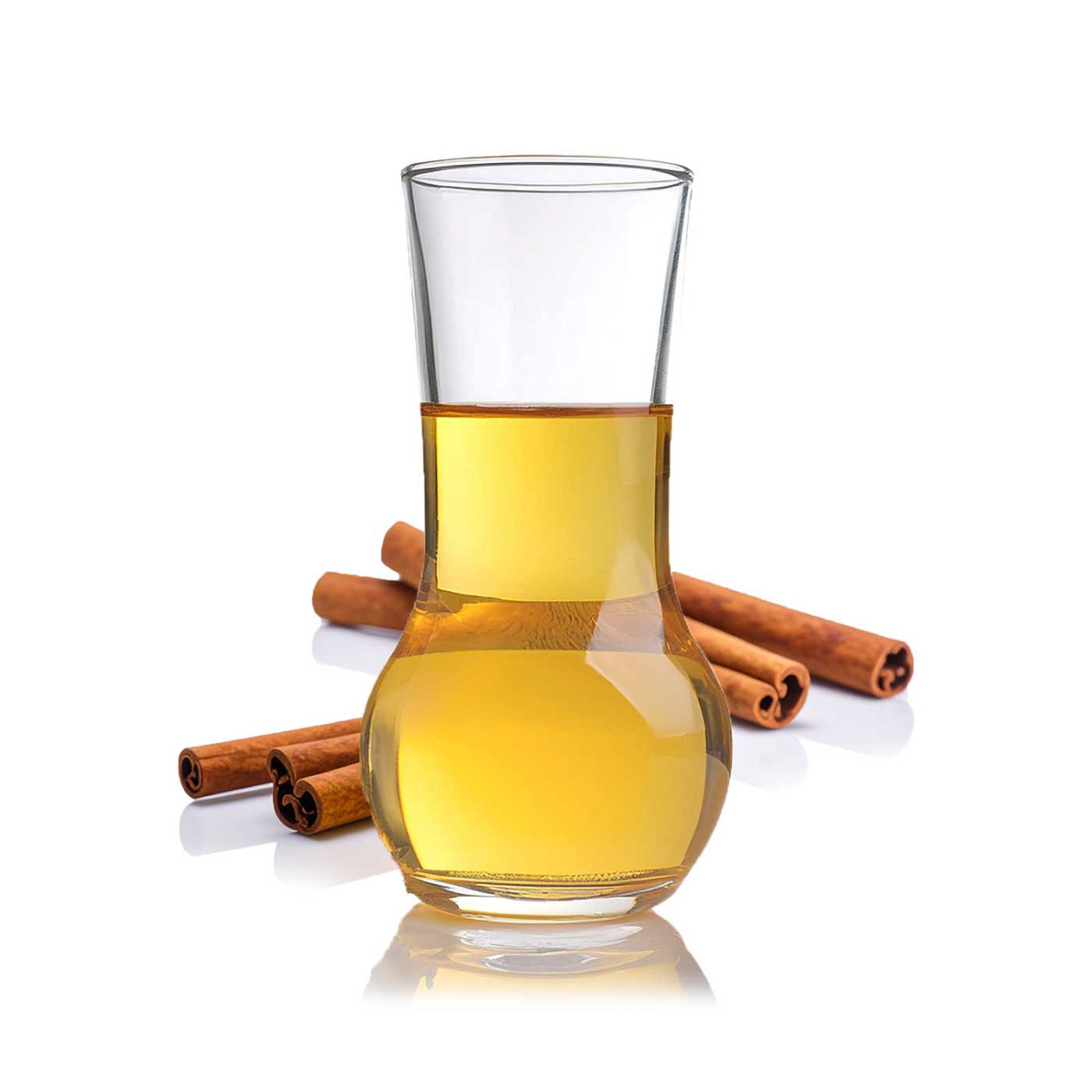
The colour varies between batches from light yellow to light yellowish brown.


What it is suitable for

Clove oil is added to massage oils, body balms and scalp products, where the sensation of warmth is useful in addition to the fragrance. It is also credited with antimicrobial properties, which is why it is used in products for oily and problem skin and in shampoos. These are cosmetic properties of the raw material and do not give the finished product a therapeutic effect.


Use in formulations

Clove oil is practically insoluble in water and mixes with vegetable oils and with alcohol. In products containing water, it is dissolved beforehand in the oil phase, in a solubiliser or in alcohol. If poured directly into water, it separates on the surface.

The oil should be protected from extreme heat. It is added in the later stages of production, into the cooled mixture.

In formulations, it is accompanied by coconut oil, andiroba oil or virola butter, and among auxiliary ingredients by lecithin and tocopherol.


Usage rate

There is no single universal usage rate for clove oil. The maximum amount in the finished product is determined by the IFRA limit for the given category, for example category 1 for lip products, 9 for soaps and shampoos or 12 for candles. In formulations of balms, masks and cleansing products, it is used at a very low rate of 0.1–0.2%. This is enough for a noticeable spicy fragrance.

Before production, check the limit for the category of your product in the IFRA certificate in the Product documentation section.


Suitable for products such as

  • Body balms, ointments and massage oils – typical use in an anhydrous base of vegetable oils, butters and wax.
  • Shampoos, conditioners and scalp products – for the spicy fragrance and stimulating sensation.
  • Masks and cleansing products for oily and problem skin – in both rinse-off and leave-on products.
  • Soaps and shower gels – a warm, spicy fragrance for washing products.
  • Perfumes and body mists – in a composition, it forms a spicy and woody note.
  • Toothpastes and mouthwashes – oral care falls under IFRA category 6.
  • Candles of all types, including container candles – in an amount up to the IFRA limit for category 12.

Good to know

Eugenol reacts with several substances. It is not compatible with iron and zinc and causes discolouration in contact with iron salts. It is also not compatible with strong acids, alkalis and oxidising agents. In soap making, you should therefore expect a change in the behaviour or colour of the soap batter.

Do not use iron containers or tools for weighing and mixing.

In air and with ageing, the oil darkens and thickens, and in light it may decompose. A darker and thicker oil is a sign of oxidation, and a product containing it may also change colour over time. Tocopherol in the formulation and opaque packaging help.

The oil is subject to the CLP Regulation and is marked with the GHS07 pictogram (irritant, sensitising). It is handled in a ventilated area, away from open flame and with protective equipment. The flash point is above 93.3 °C. Eugenol is one of the fragrance allergens listed in Annex III of Regulation (EC) No 1223/2009 and is stated on the product label if the limit is exceeded.


Frequently asked questions

Is clove essential oil soluble in water?
No, clove essential oil is practically insoluble in water. It mixes with vegetable oils and with alcohol. In products containing water, it is dissolved beforehand in a solubiliser, in alcohol or in the oil phase of the emulsion. If added directly to water, it separates on the surface.
How much clove essential oil is added to cosmetics?
In formulations of balms, masks and cleansing products, clove essential oil is used at 0.1–0.2%. The fragrance is strong and dominant, so a small amount is enough. The maximum permitted amount is determined by the IFRA limit for the specific product category, which is stated in the IFRA certificate in the product documentation.
Can clove essential oil be used in candles?
Yes, clove essential oil can be used in candles of all types, including container candles. The amount is governed by the IFRA limit for category 12, which is stated in the IFRA certificate. The flash point of the oil is above 93.3 °C. It gives the candle a warm, spicy fragrance with a woody undertone.
Why does clove essential oil darken?
Clove essential oil darkens because of its high eugenol content, which oxidises in air and with ageing. The oil also thickens and may decompose in light. A product containing it may likewise change colour over time. Tocopherol in the formulation and opaque packaging help.
Does eugenol from clove oil have to be listed on cosmetic labels?
Yes, eugenol is stated on the label of a cosmetic product if its content in the finished product exceeds the set limit. Eugenol is a fragrance allergen listed in Annex III of Regulation (EC) No 1223/2009, and it makes up 75–88% of clove essential oil. Its amount in the product is calculated from the usage rate of the oil in the formulation.
Can clove essential oil come into contact with metal?
Clove essential oil should not come into contact with iron and zinc, as eugenol is not compatible with them. With iron salts, it causes discolouration. Therefore, do not use iron containers or tools for weighing and mixing.

Parameters

INCI
Eugenia Caryophyllus Bud Oil
CAS No.
84961-50-2
EC number
284-638-7
Product colour
BrownYellow
Country of origin
Indonesia
Odour
Spicy
Appearance
Oily liquid
Function in formulation
Fragrance component
Solubility
Oil-soluble
Application type
Leave-onRinse-off
Certifications
Vegan
Manufacturer's certificate
BRC
Natural Index (NI ISO 16128)
1,00
Natural Origin Index (NOI ISO 16128)
1,00
Renewable Carbon Content (RCC)
100 %
Volume
1000 ml

Product documentation

CoACertificate of Analysis
batch 20802PDF ↓
batch 24278PDF ↓
TDSTechnical Data Sheet
Physical parameters and processingPDF ↓
IFRAIFRA Certificate
batch 24278PDF ↓
AllergensAllergen Declaration
batch 24278PDF ↓
SDSSafety Data Sheet
Available for purchased products —
Download all (ZIP)

5 PDF files in one archive

Learn how to work with it

From our blog
Monika9 Aug 2026SK

Verified purchase

Excellent!

Translated automatically

Németh R.23 Oct 2026HU

Verified purchase

Blanka O.8 Oct 2026SK

Verified purchase

Variant: Esenciálny olej, klinček, 10 ml
(3 reviews)