
+421 950 333 113info@handymade.store−10 %Shop now

Essential oils, 500 ml +

Lemongrass Essential Oil, 1 l

Pack size10 ml100 ml500 ml1 l5 l

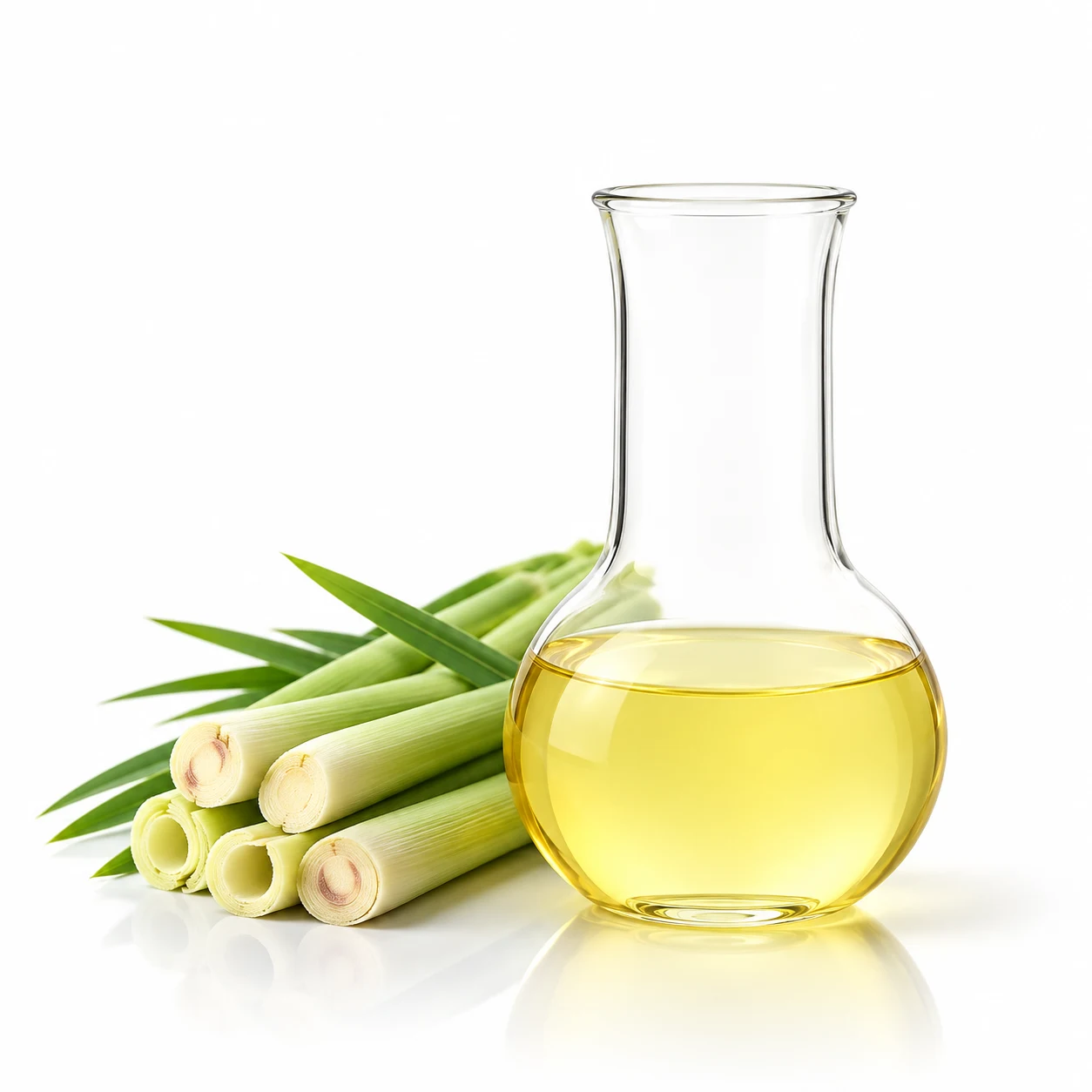
Lemongrass essential oil gives cosmetics, candles and diffuser blends a fresh citrus and herbal fragrance . It is obtained by steam distillation of lemongrass and is sold as a pure essential oil without a carrier. full description

AvailabilityIn stock · 20 packs
Product codeEON042_1000
Batch23200
Best before04/2029
€80.84incl. VAT€80.84/l

Lowest price in the last 30 days: €80.84

Product description

Lemongrass essential oil gives cosmetics, candles and diffuser blends a fresh citrus and herbal fragrance. It is obtained by steam distillation of lemongrass and is sold as a pure essential oil without a carrier. Only a very small amount is needed in a product.

The fragrance of the oil is carried by citral, which gives it its distinctive lemon note. The oil is of plant origin, suitable for vegans and has not been tested on animals.


Fragrance and where to use it

The fragrance of lemongrass is invigorating. It is used in perfumes, aromatherapy blends, diffusers, massage oils and bath products.

It combines well with the greenish, grassy notes of pressed oils, for example avocado or tamanu oil. In formulations it is also paired with jojoba, sunflower, hemp, baobab or evening primrose oil.

In facial and body cosmetics it is used mainly in products for oily and problem skin and for hair prone to oiliness. It gives cleansing and refreshing products a cooling feel.


Use in formulations

The oil dissolves in vegetable oils and in alcohol. It does not dissolve in water or in glycols. In anhydrous products it is mixed directly into the oil phase, in emulsions it is added in the cool-down phase, or it can be added to the finished product afterwards. Water-based products such as toners and mists require a solubiliser.

Add it at a temperature below 40 °C. In a warmer mixture the volatile fragrance escapes.

There is no single universal usage rate. The maximum amount in the finished product is set by the IFRA limit for the given product category. In a body oil or an emulsion cleansing milk the oil is used at a very low rate, around 0.05%.

Before production, check the limit for your product category in the IFRA certificate, which you will find in the Product documentation section. The limit applies to the finished product and differs for each category.


Suitable for products such as

  • Body and massage oils – an anhydrous base into which the oil is simply mixed.
  • Cleansing milks, creams and body milks – added in the cool-down phase of the emulsion.
  • Shower gels, shampoos and soap bars – rinse-off products to which it gives a fresh citrus fragrance.
  • Hair mists and leave-in hair products – leave a fresh fragrance in the hair.
  • Lip balms – in an amount up to the IFRA limit for category 1.
  • Perfumes and diffuser blends – the citrus component of a fragrance composition.
  • Candles of all types, including container candles – in an amount up to the IFRA limit for category 12.

What to keep in mind when formulating

The fragrance of lemongrass is sensitive to an acidic environment. At around pH 3 citral breaks down considerably faster than at neutral pH. This produces substances with an unpleasant medicinal, phenolic odour. In strongly acidic emulsions the lemon note fades or spoils over time.

Metals and oxidation also accelerate the breakdown of the fragrance. Iron ions act in an acidic environment, free radicals at both acidic and neutral pH. Working cleanly, without metal contamination, helps. In formulations the oil is often combined with tocopherol. The oil should also be protected from contact with strong acids, alkalis and oxidising agents.

Use the solubiliser or emulsifier only in the amount needed for a clear solution or a stable emulsion. At three to four times the required minimum, free micelles form, which speed up the breakdown of citral at any pH.

The flash point of the oil is 71 °C. When making candles, do not add it to overheated wax, and work away from open flames.

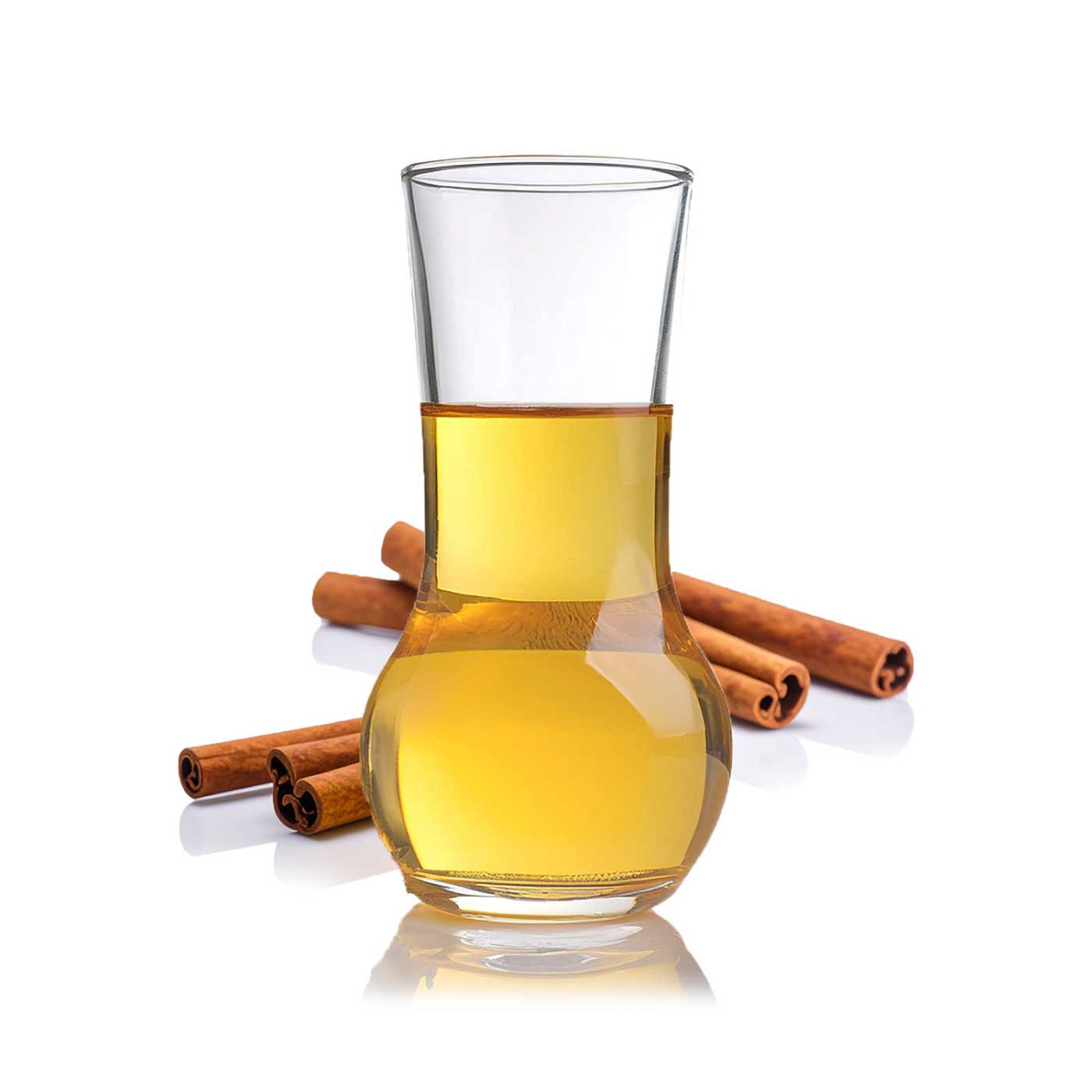
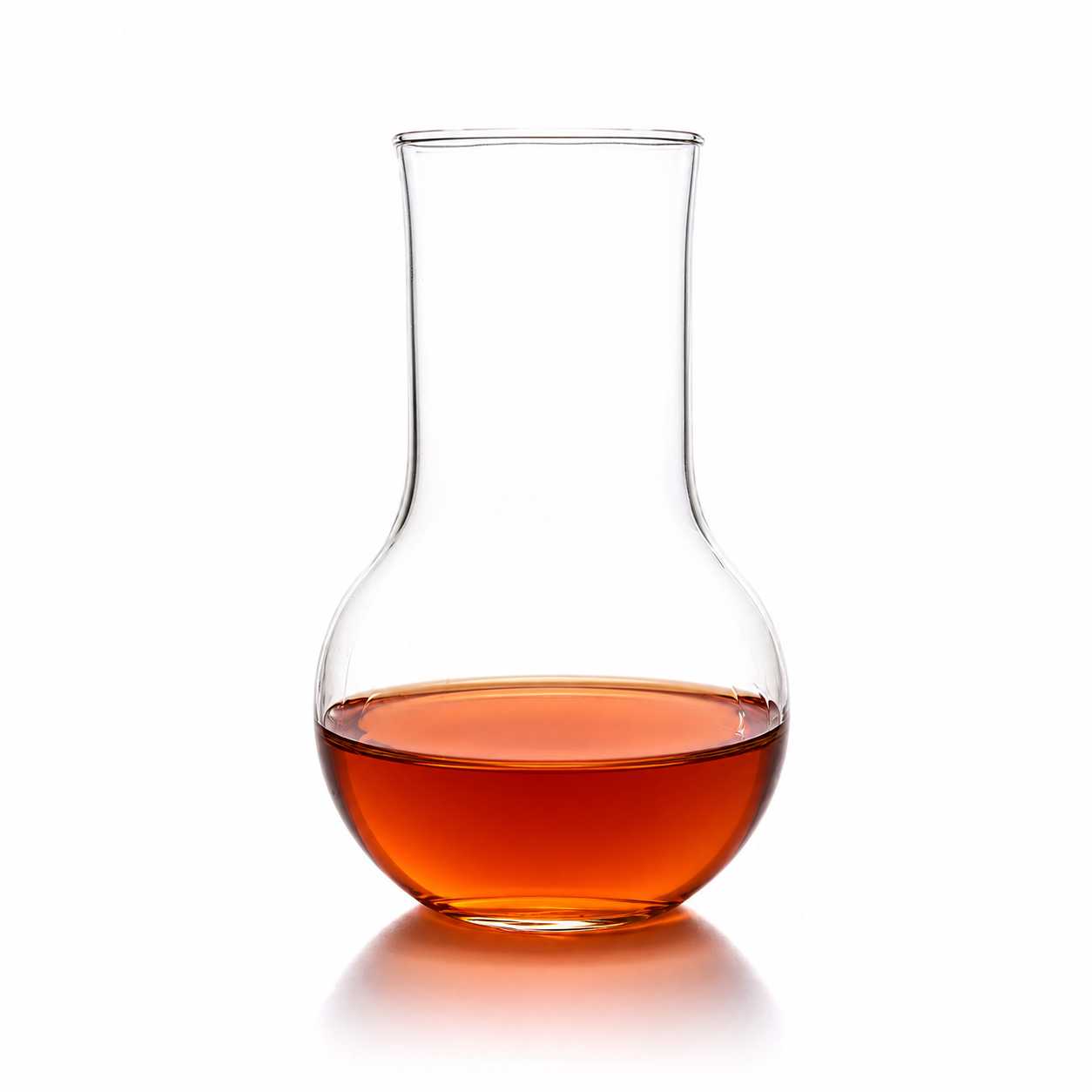
The colour of the oil ranges from pale yellow to orange-yellow. Differences in shade between batches are normal and do not necessarily indicate reduced quality.


Safety and labelling

The oil is classified under the CLP Regulation and carries the pictograms GHS05, GHS07, GHS08 and GHS09. Details on classification and safe handling are in the safety data sheet. Work with it wearing protective equipment, in a ventilated area and away from sources of ignition. It contains beta-myrcene, which is on the California Proposition 65 list.

Citral limits the permitted amount of the oil in a product because of the risk of sensitisation. The oil contains fragrance allergens from Annex III of the Cosmetics Regulation, which are listed on the label of the finished product. For very sensitive skin and for pregnant or breastfeeding women, it is recommended to leave the oil out or replace it with a hydrosol.


Frequently asked questions

Is lemongrass essential oil soluble in water?
No, lemongrass essential oil does not dissolve in water, nor in glycols. It dissolves in vegetable oils and in alcohol. It is added to toners, mists and other water-based products by means of a solubiliser or as part of an emulsion. Use only enough solubiliser to make the solution clear.
How much lemongrass essential oil should be used in cosmetics?
The maximum amount is set by the IFRA limit for the category of the finished product; there is no single universal rate. In a body oil or cleansing milk a very low rate is used, around 0.05%. The limits for lips, creams, soaps, candles and other categories are in the IFRA certificate in the product documentation.
At what temperature should lemongrass essential oil be added to a cream?
Lemongrass essential oil is added to the emulsion once it has cooled below 40 °C, that is, in the cool-down phase. At a higher temperature the volatile fragrance escapes from the product. In anhydrous products, for example body oils, it is mixed directly into the oil phase. It can also be incorporated afterwards into the finished product.
Why does the lemongrass fragrance change over time in a finished product?
The fragrance changes because citral, the main fragrance component of the oil, gradually breaks down. The breakdown is accelerated by an acidic environment around pH 3, iron contamination, oxidation and a large excess of solubiliser or emulsifier. The lemon note then fades and may be replaced by an unpleasant medicinal, phenolic odour.
Is lemongrass essential oil suitable for sensitive skin?
Lemongrass essential oil is not recommended for very sensitive skin. It contains citral and other fragrance allergens that can sensitise the skin. It is also recommended to leave it out, or replace it with a hydrosol, in products for pregnant and breastfeeding women. The allergens are listed on the label of the finished product.
Can lemongrass essential oil be used in candles?
Yes, lemongrass essential oil is used in candles of all types, including container candles. The amount is set by the IFRA limit for category 12, which is in the IFRA certificate in the product documentation. The flash point of the oil is 71 °C, so it is not added to overheated wax and is handled away from open flames.

Parameters

INCI
Cymbopogon Citratus Leaf Oil
CAS No.
89998-14-1 / 8007-02-1
EC number
289-752-0
Product colour
Yellow
Country of origin
United Kingdom
Appearance
Liquid
Function in formulation
Fragrance component
Recommended processing temperature
< 40 °C
Application type
Leave-onRinse-off
Biodegradability
Readily biodegradable
Manufacturer's certificate
BRC
Natural Index (NI ISO 16128)
1,00
Natural Origin Index (NOI ISO 16128)
1,00
Organic content
0 %
Renewable Carbon Content (RCC)
100 %
Volume
1000 ml

Product documentation

CoACertificate of Analysis
batch 23200PDF ↓
batch 21615PDF ↓
TDSTechnical Data Sheet
Physical parameters and processingPDF ↓
IFRAIFRA Certificate
batch 23200PDF ↓
AllergensAllergen Declaration
batch 23200PDF ↓
SDSSafety Data Sheet
Available for purchased products —
Download all (ZIP)

5 PDF files in one archive

Learn how to work with it

From our blog
Veronika F.19 Nov 2026SK

Verified purchase

Emőke F.3 Nov 2026SK

Verified purchase

Viktória M.20 Oct 2026SK

Verified purchase

Šárka J.28 Sept 2026CS

Verified purchase

Variant: Esenciálny olej, citrónová tráva lemongrass, 10 ml
(4 reviews)