Coconut oil, refined
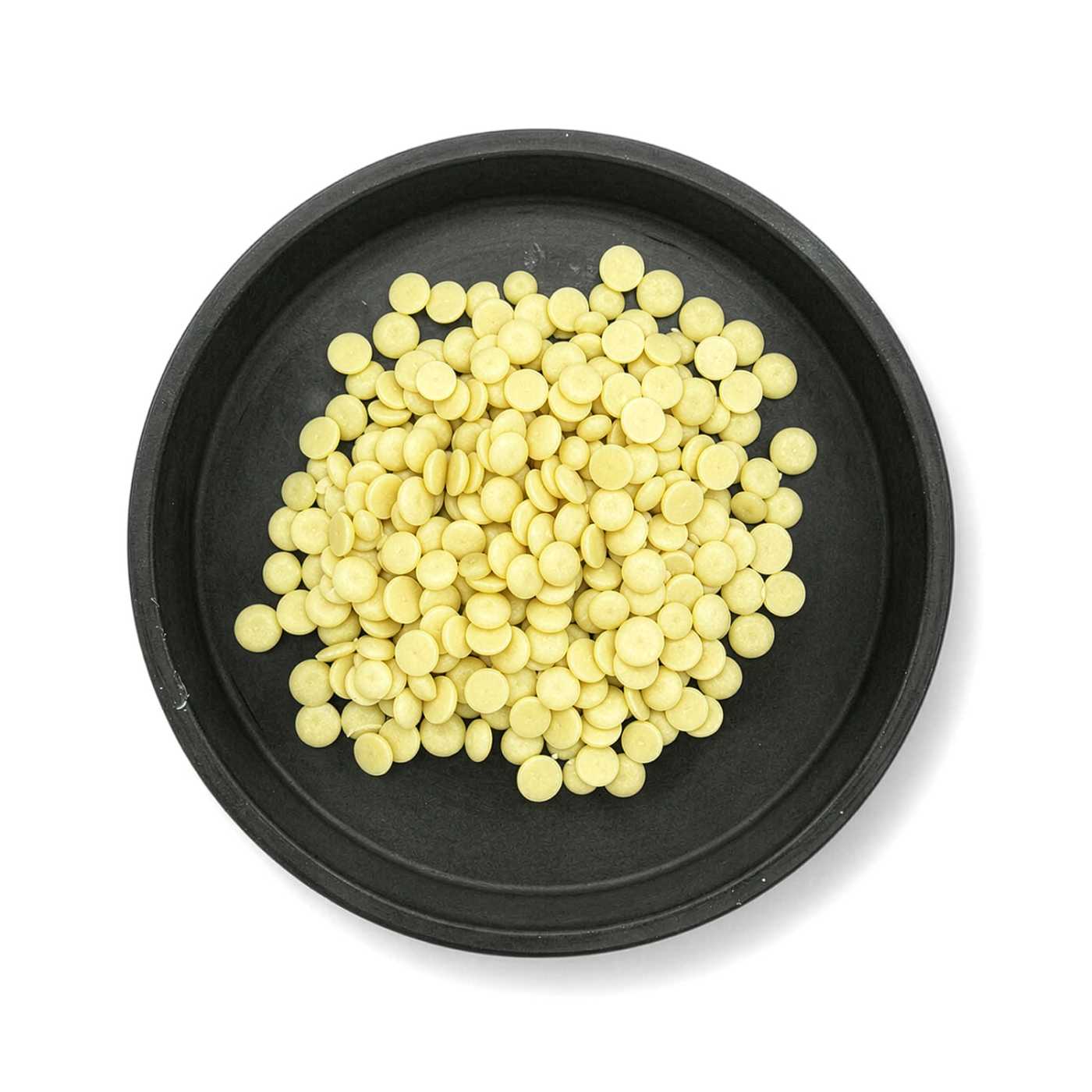
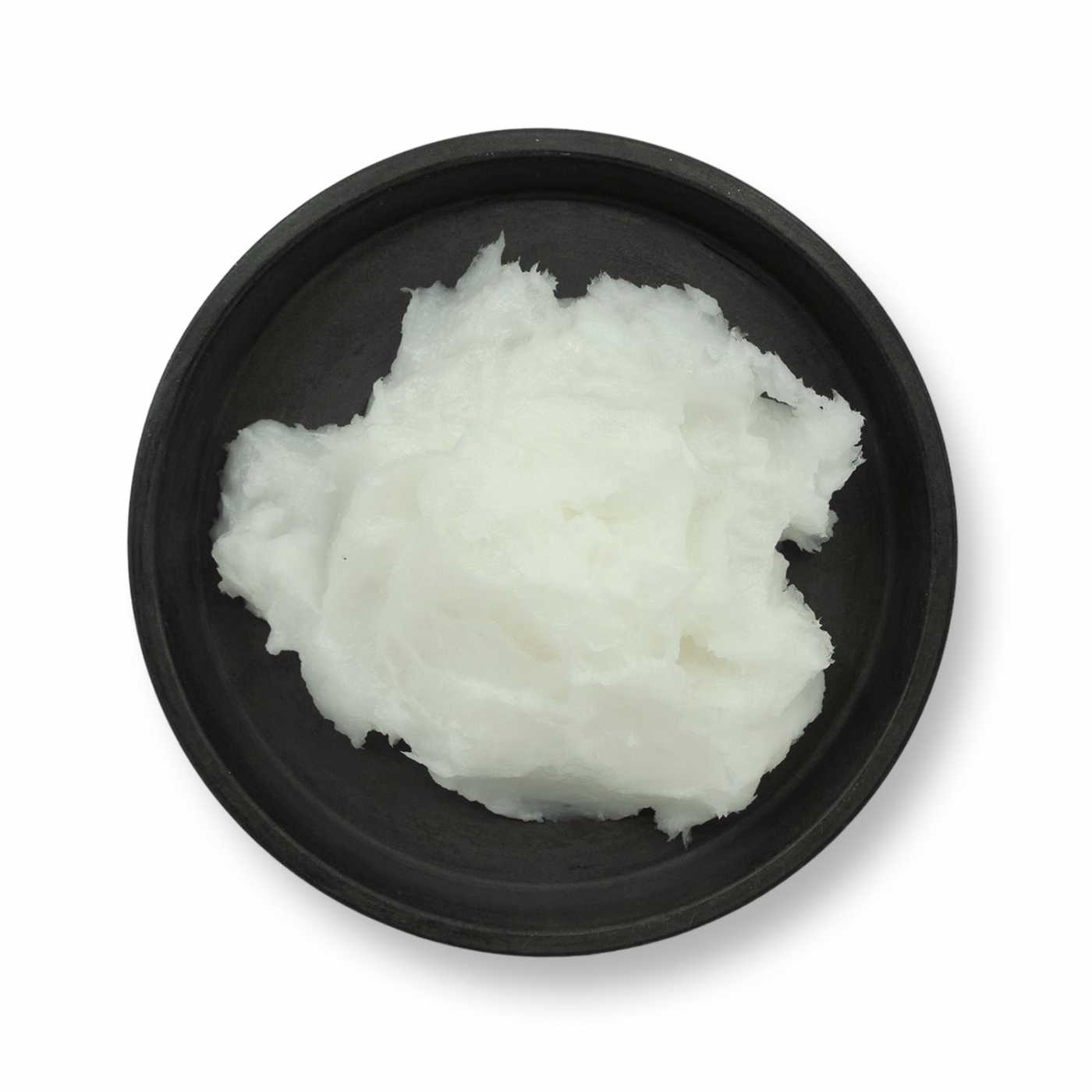
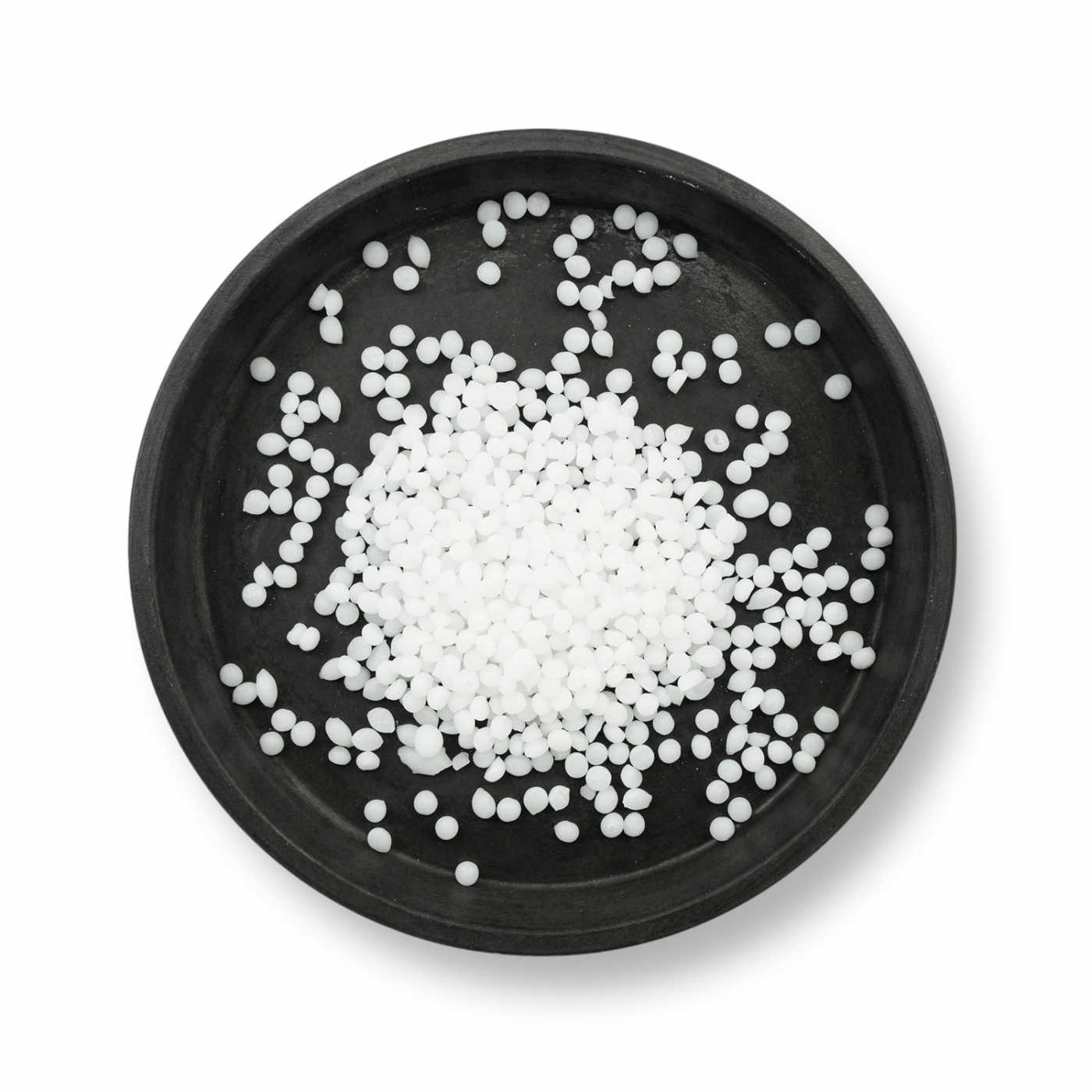
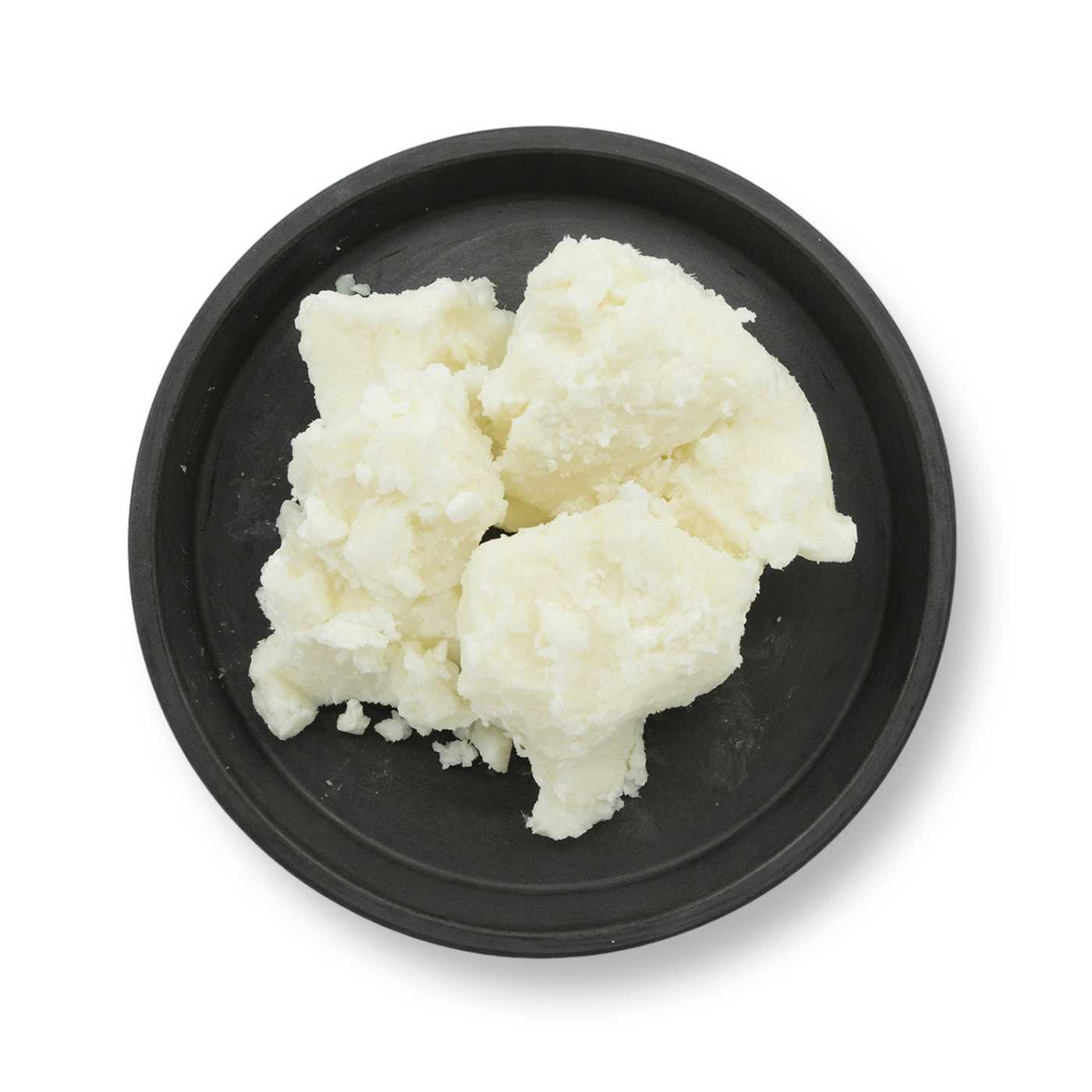
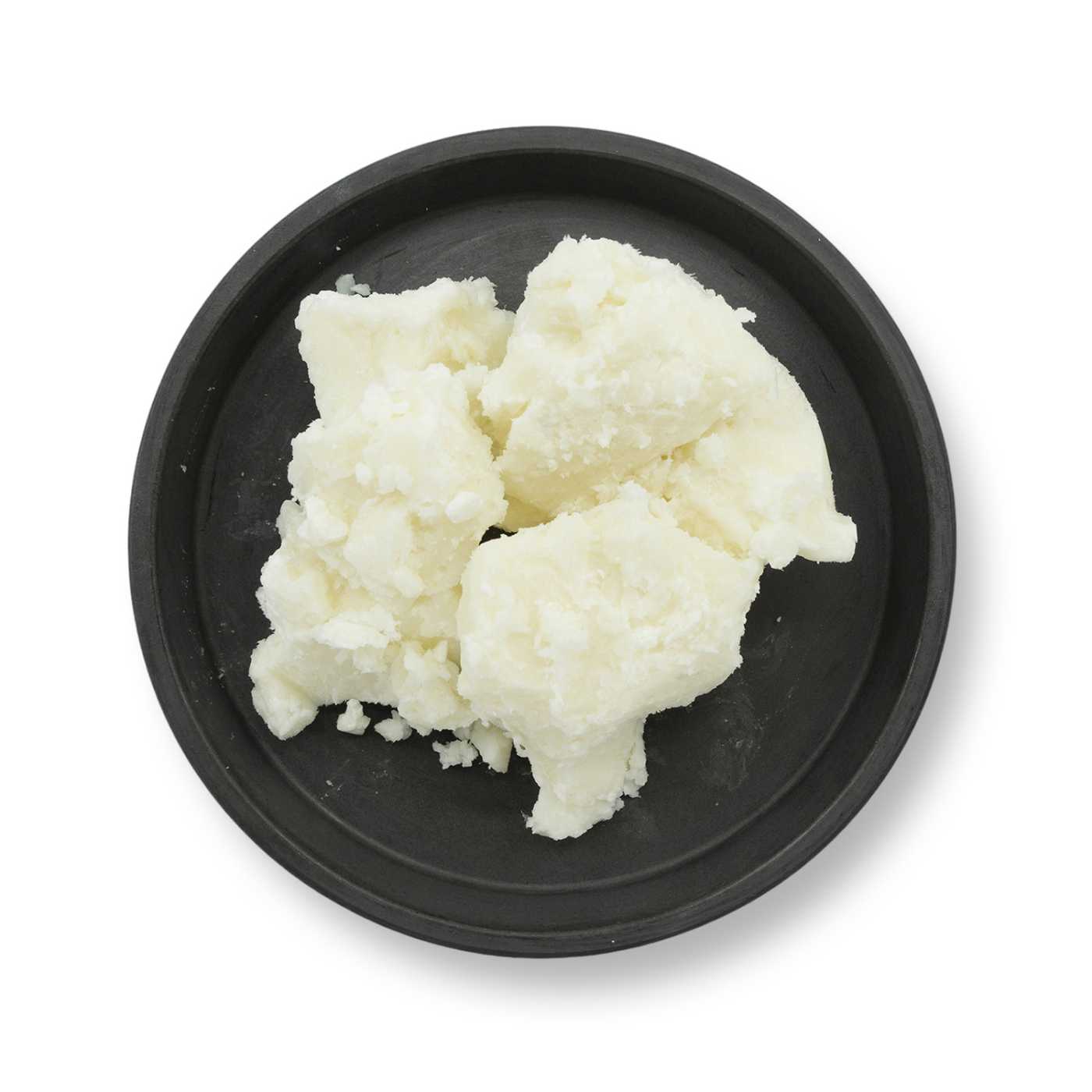
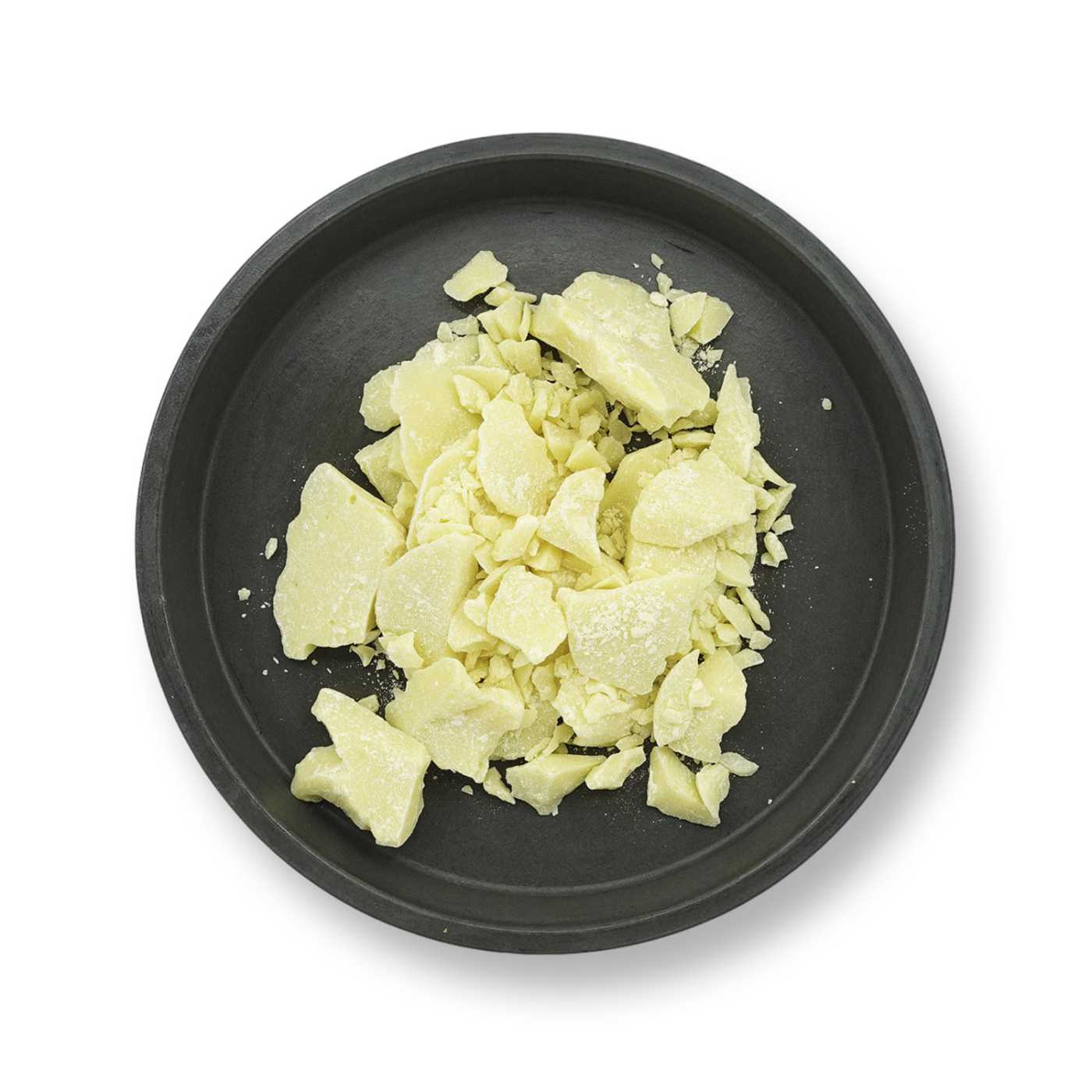
Refined coconut oil is a solid plant fat from the flesh of coconuts, stripped of its natural scent and flavour. In a formulation it works as an emollient and carrier: it softens the skin, gives creams or butters a firmer consistency and, in cold-process soap, provides hardness and a rich lather. Its neutral scent makes it a base that does not compete with fragrance or essential oils, and it suits applications where a typical coconut aroma would be unwanted.
The oil comes from tropical regions of Asia, is processed by refining and deodorisation, and is supplied in cosmetic and food grade, so the same product serves both the workshop and the kitchen.
What it brings to the formulation
- Skin softening and nourishment – saturated fatty acids, predominantly lauric acid, form a film on the skin that reduces water loss. Dry and rough skin on the body, hands and lips benefits most.
- Skin barrier support – the oil film replenishes lipids on the skin surface, making it effective in balms, body butters and post-bath products.
- Hair conditioning – coconut oil penetrates the hair shaft better than most oils. In masks and hot oil treatments it restores flexibility and a smoother surface to dry and damaged hair.
- Oxidative stability – the high proportion of saturated fatty acids means it yellows and turns rancid far more slowly than oils rich in polyunsaturated acids, extending the stability of the whole formulation.
- Consistency and lather in soap – in both cold-process and hot-process soap it produces a hard bar with a dense, fast-forming lather.
Use in formulation
Coconut oil belongs in the oil phase. Before incorporating it, melt it with gentle heating and process at a temperature up to 80 °C. It is soluble in oils and in alcohol but not in water, so in water-based tonics or sprays it requires a solubiliser or emulsifier. It is compatible with fragrance, common preservatives and alcohol, and works in emulsions across a pH range of 4.5 – 8.5.
Usage levels range from 1 % up to 100 % depending on the product type. In emulsions it forms part of the oil phase and helps thicken the cream. In anhydrous butters and balms it can be the main ingredient, or it can be combined with liquid oils and waxes to prevent the product from becoming too hard in cold conditions or melting in summer heat.
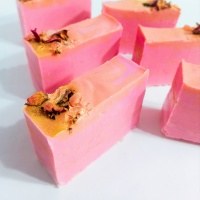
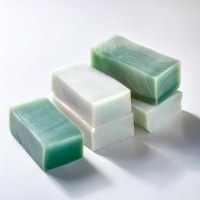
In cold-process soap coconut oil is commonly combined with olive oil, palm oil or shea butter. A higher proportion increases hardness and lather, but also makes the soap more stripping, so recipes dominated by coconut oil typically carry a higher superfat.
If a balm or body butter needs to stay creamy after cooling, add the melted coconut oil to the remaining oils and stir the blend several times while it solidifies. Slow cooling without stirring leads to a grainy texture.
Suitable for products such as
- body butters, balms and solid sticks for dry skin with an anhydrous base,
- lip balms, where it provides firmness and glide without any flavour of its own,
- masks and oils for dry or damaged hair and scalp,
- cold-process and hot-process soaps as a source of hardness and lather,
- creams and body lotions as part of the oil phase,
- shower and bath products, for example bath bombs or sugar scrubs,
- decorative cosmetics on a fat base (solid lipsticks, face sticks),
- baby skincare products, where a neutral scent and simple composition are valued.
The oil is in food grade, making it equally suitable for baking, frying or home food preparations.
What is good to know
Coconut oil changes state at temperatures close to normal room temperature. A product that is solid in winter may be semi-liquid in summer. This needs to be taken into account when designing a formulation, and a wax or harder butter may need to be added.
Use on the face calls for more caution. Skin prone to clogged pores tolerates it less well than lighter oils, so it is used in smaller amounts in facial products for this skin type or replaced with fractionated coconut oil, which remains liquid and feels lighter.
In larger amounts it can weigh down fine and thin hair. It gives better results as a mask that is rinsed out after a period of contact than as a leave-in product applied along the full length.
When making soap, never carry over lye quantities from a recipe written for a different oil. Coconut oil has a higher saponification value and an incorrect calculation results in either a soft, greasy bar or a bar with excess lye.
Frequently asked questions
What is the difference between refined and virgin coconut oil?
Refined coconut oil has had its scent and flavour removed; virgin coconut oil retains its characteristic coconut aroma. Their fatty acid profiles are similar, so they behave the same in a formulation with respect to hardness, soap lather and skin softening. The refined variant does not affect the scent of the finished product, which is an advantage in fragranced products and in baby cosmetics.
Is refined coconut oil suitable for cold-process soap?
Yes, coconut oil is one of the staple ingredients in cold-process soap. It gives the bar hardness and a rich, fast-forming lather. At higher proportions in the fat blend, however, the soap becomes more stripping, so it is commonly combined with olive oil, sunflower oil or shea butter. The lye quantity must always be calculated using the saponification value for coconut oil.
Why is coconut oil sometimes solid and sometimes liquid?
Coconut oil melts at a temperature close to normal room temperature. In a cool room it is white and solid; in warm conditions it becomes a clear liquid. The change of state has no effect on its quality or performance in a formulation. During production it is melted in a water bath and added to the other oil-phase ingredients.
Is refined coconut oil water-soluble?
No, coconut oil is insoluble in water. It is soluble in other oils and in alcohol. In products with a water phase, such as creams, body lotions or hair conditioners, it is incorporated with the help of an emulsifier. In water-based tonics or sprays it can only be included with a solubiliser, and even then only in small amounts.
Can refined coconut oil be used on hair?
Yes, coconut oil is widely used on hair, especially in masks and hot oil treatments applied before washing. It penetrates the hair shaft and helps dry and damaged hair become smoother and more flexible. In larger amounts it can weigh down fine hair, so a small quantity is recommended, or application only to the lengths and ends.
Is refined coconut oil suitable for facial cosmetics?
In facial cosmetics it is best suited to dry and normal skin types, for example in night balms or rinse-off cleansing oils. For skin prone to congestion it is used sparingly and in lower concentrations. For a lighter feel, fractionated coconut oil, which stays liquid, is often a better choice in facial products.