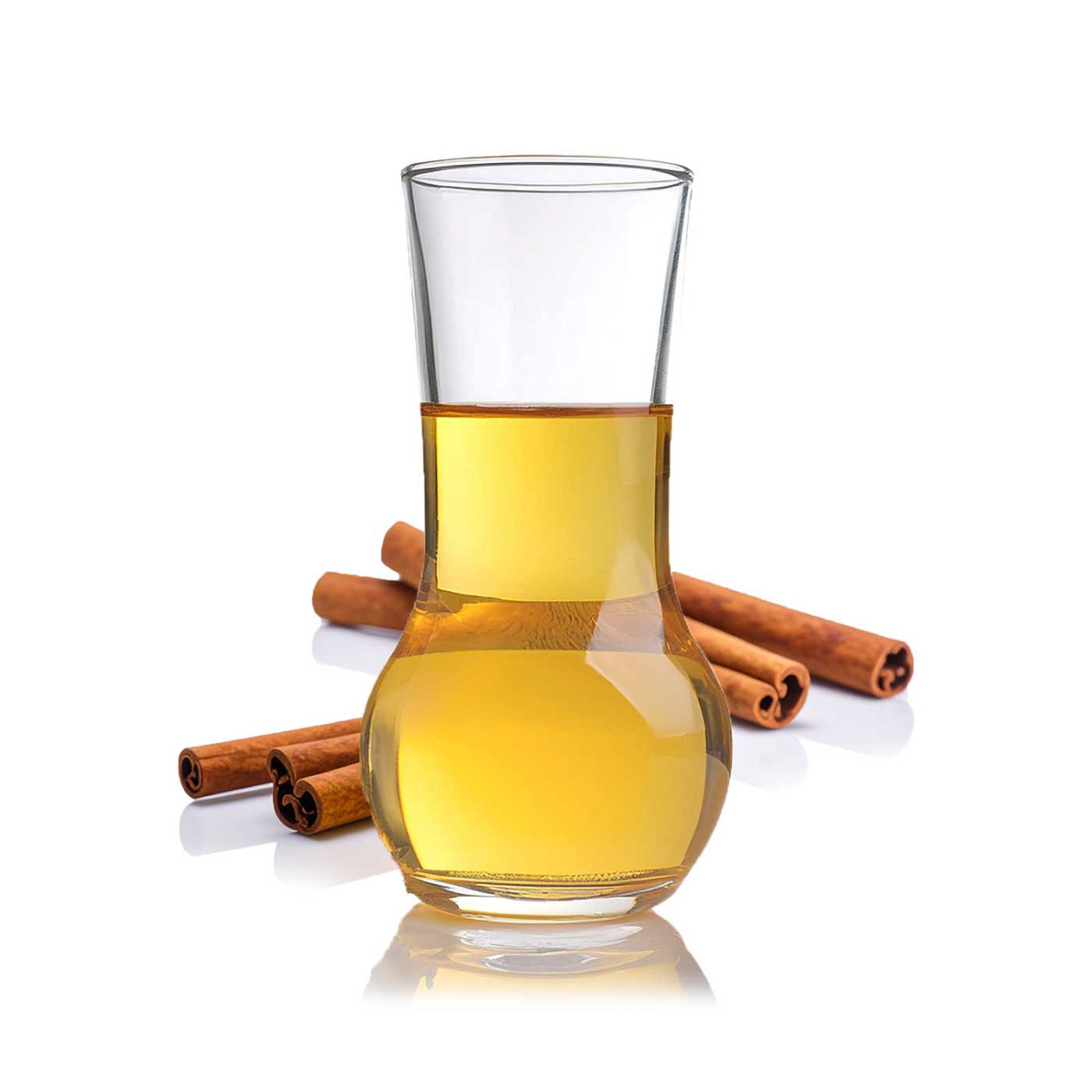
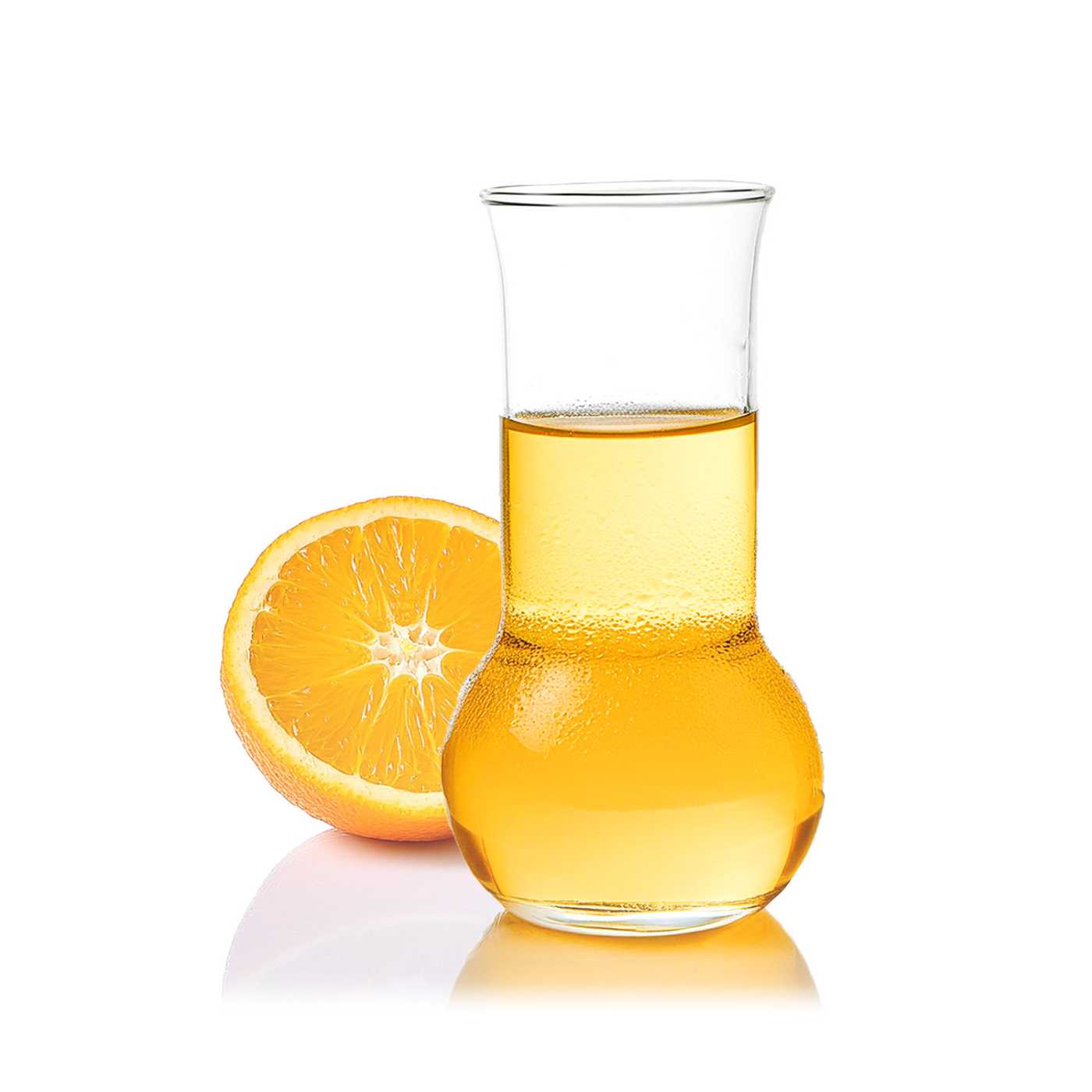
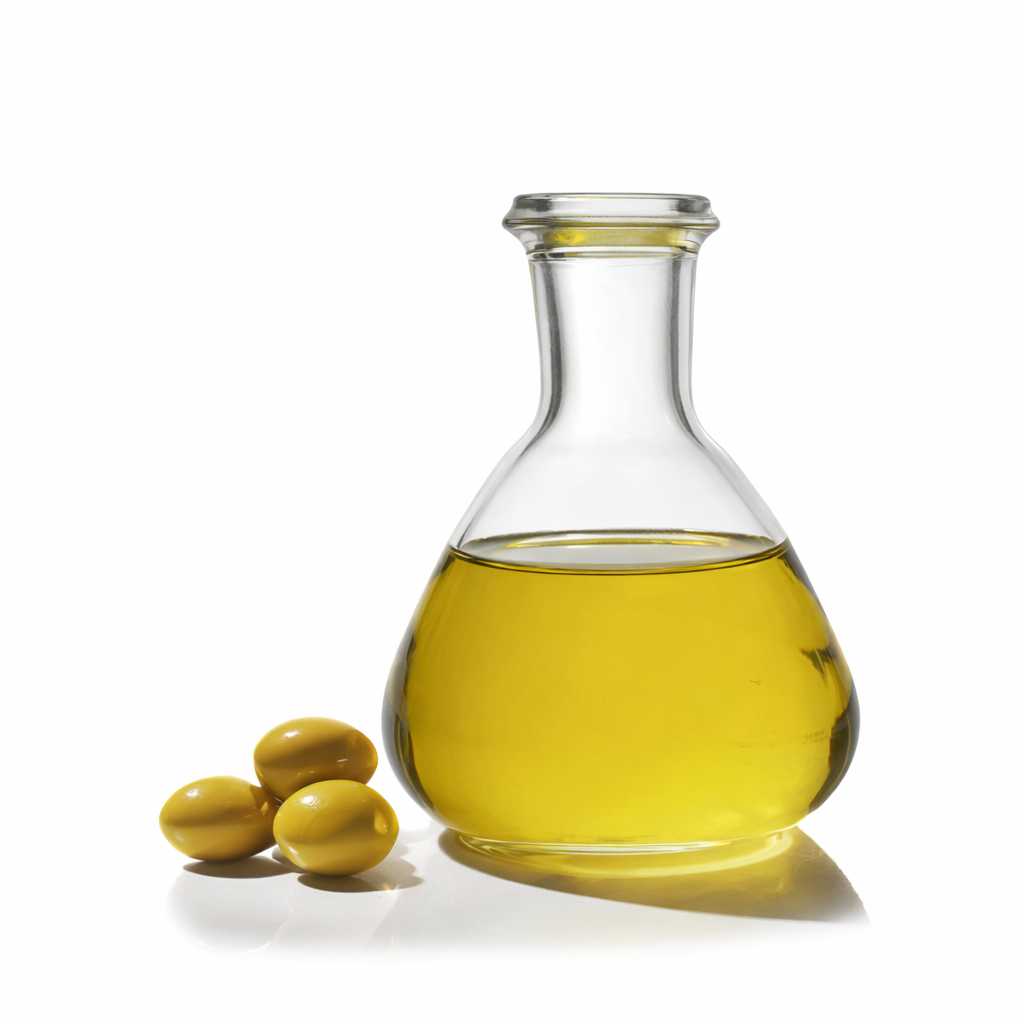
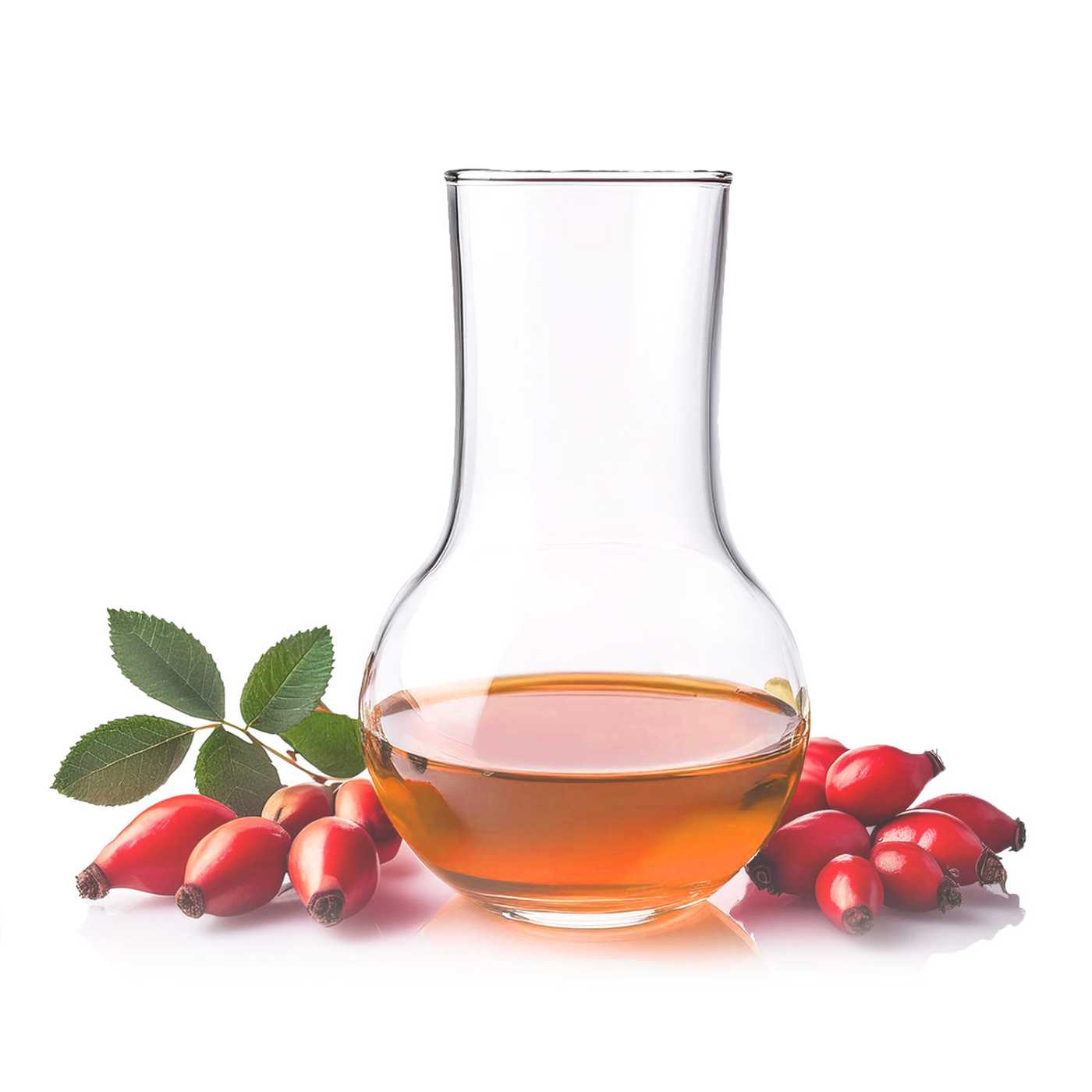
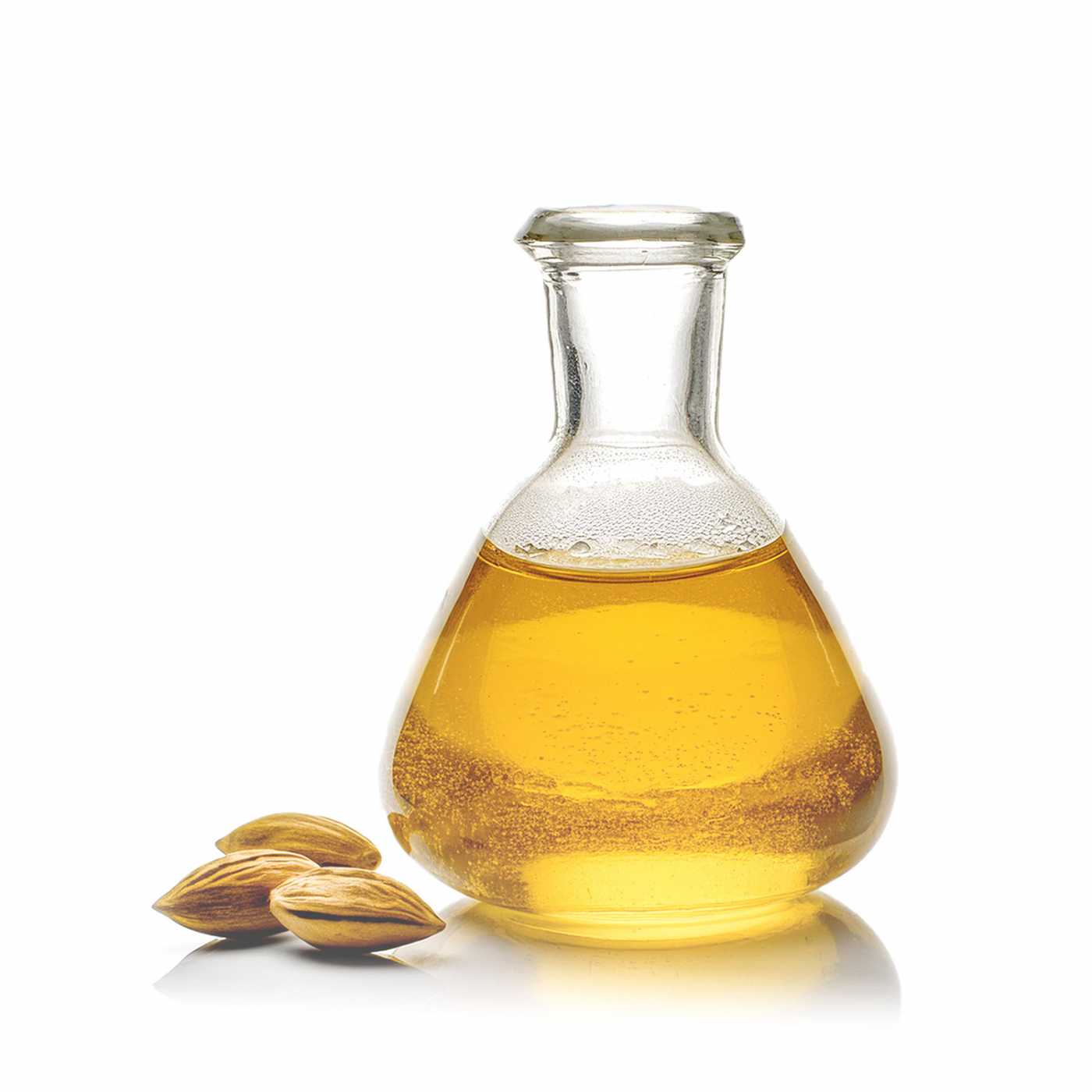
Orange essential oil gives creams, shower gels, soaps and candles a fresh fragrance of sweet orange and is one of the popular, affordable citrus fragrances in both home and professional cosmetics. It is obtained by cold pressing the peel of the sweet orange (Citrus sinensis) followed by filtration, without solvents, and is supplied as a 100% pure oil without dilution. In a formulation it serves primarily as a fragrance component; the manufacturer also attributes an invigorating effect in aromatherapy and a cleansing effect on oily and problematic skin.
This raw material of South American origin comes exclusively from a plant source and has not been tested on animals. It is suitable for rinse-off and leave-on products, soaps, bath bombs, candles and diffusers.
Key properties
- Fresh citrus fragrance – sweet, reminiscent of a freshly cut orange. It combines well with woody oils, which give it depth.
- Invigorating effect in aromatherapy – according to the manufacturer's materials, it has an energising effect and supports a good mood. It is therefore used in diffusers, bath blends and massage oils.
- Cleansing effect – the manufacturer states that it helps remove impurities and excess sebum from the skin and hair. This is also the basis for the recommendation for oily and problematic skin.
- Antimicrobial and cooling action – the manufacturer lists them without supporting studies, so when making claims on the finished product, treat them as manufacturer data.
- Mechanical processing – pressing and filtration without chemical steps; the raw material is GMO-free.
Use in formulations
The recommended usage rate is 0.1–1%. In the supplier's formulations, the oil is used closer to the lower limit, around 0.3–0.5%: 0.5% in body lotion and face mask, 0.3% in shower gel. Each product category has its own IFRA limit; check it before production according to the category the finished product belongs to.
It is added at the very end of production, in the cooling phase below 40 °C, or worked into the finished base afterwards. At higher temperatures the volatile fragrance components evaporate and the fragrance weakens. In an emulsion, mix it in after it has cooled, stirring constantly. In body scrubs and balms, it is added after the oil phase has cooled, together with the other sensitive ingredients and vitamin E, then the mixture is stirred thoroughly so that the oil is dispersed evenly.
The oil is insoluble in water, mixes with oils and alcohol, and tolerates non-ionic surfactants as well as neutral and acidic pH. It is therefore added to toners, sprays and other water-based products only with a solubiliser, otherwise it separates on the surface.
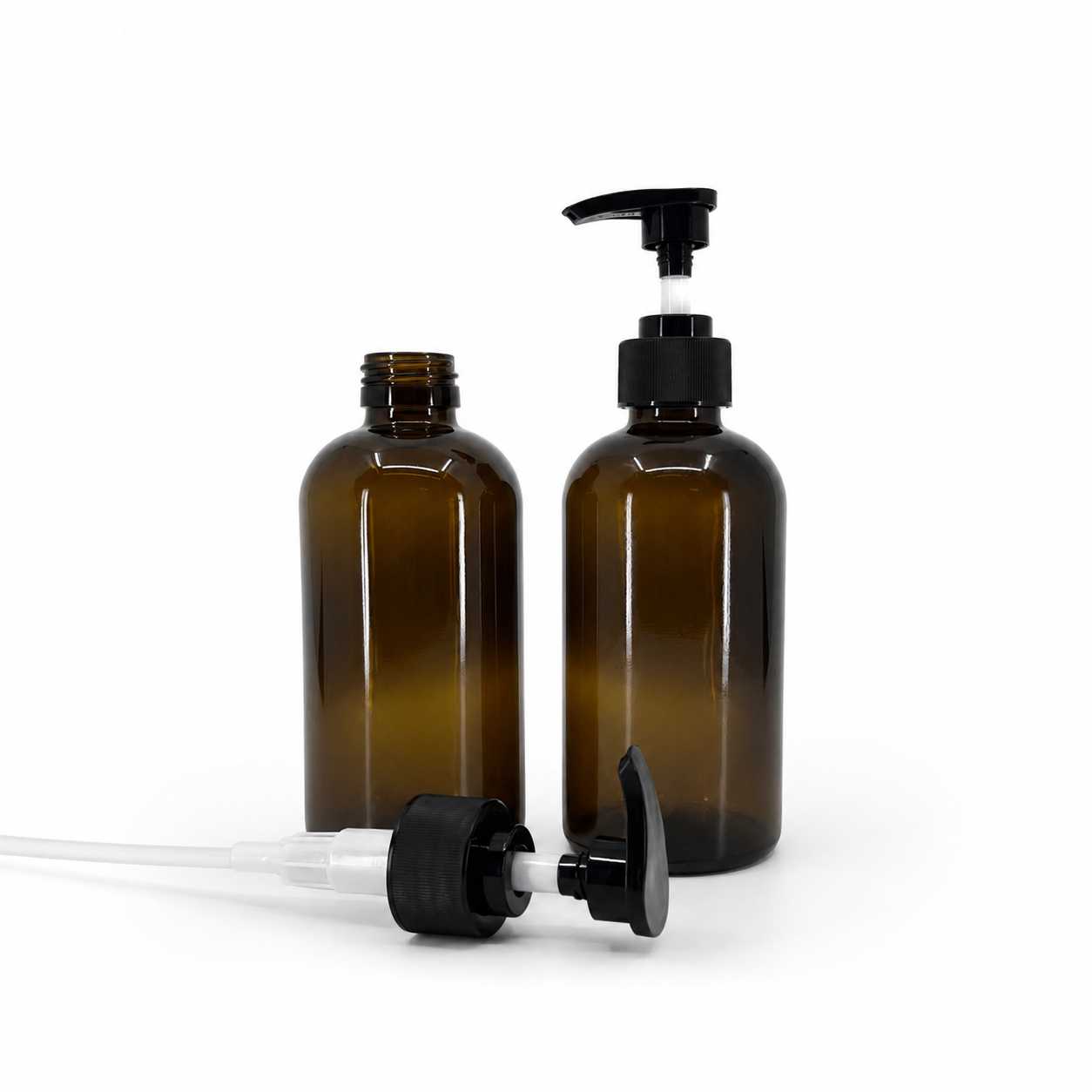
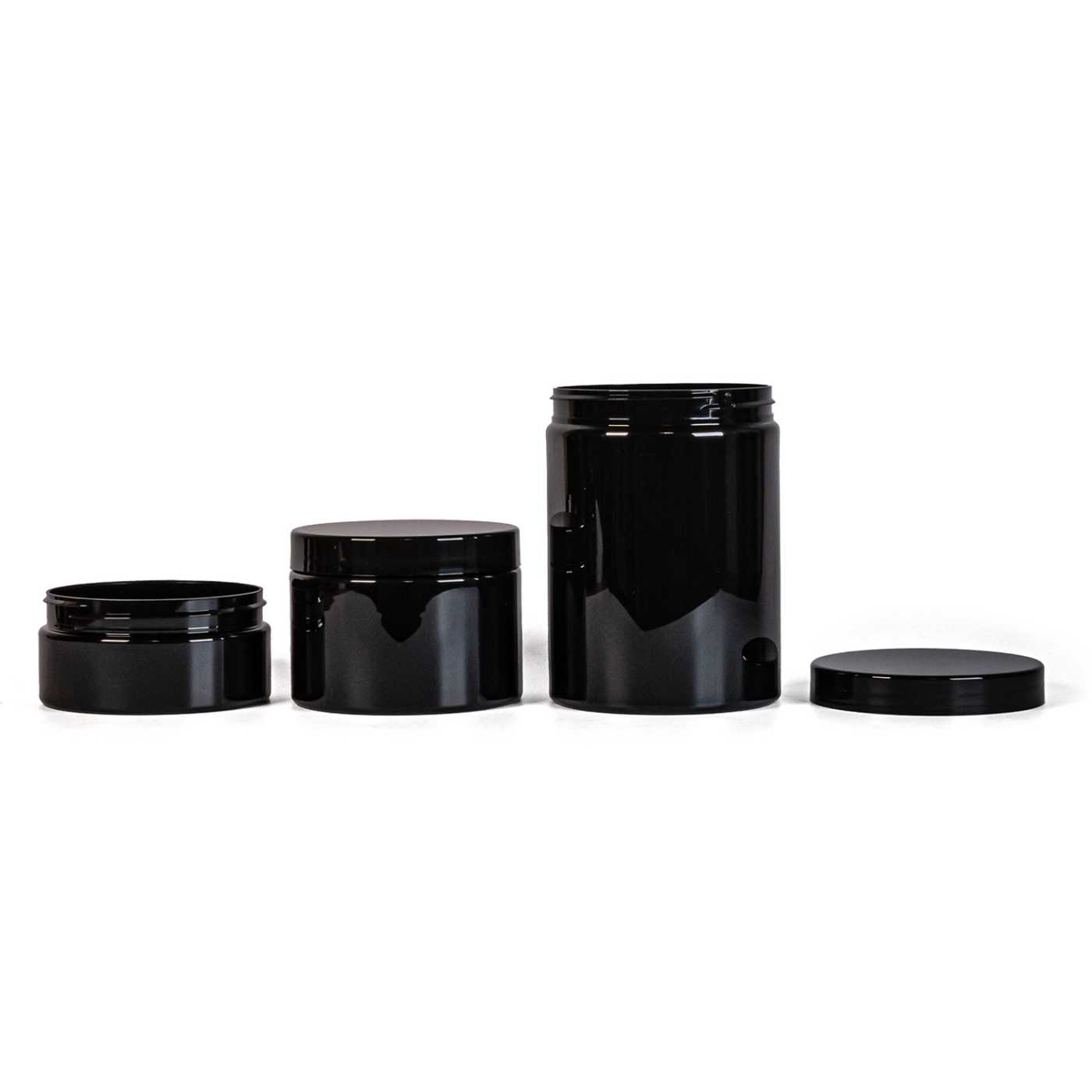
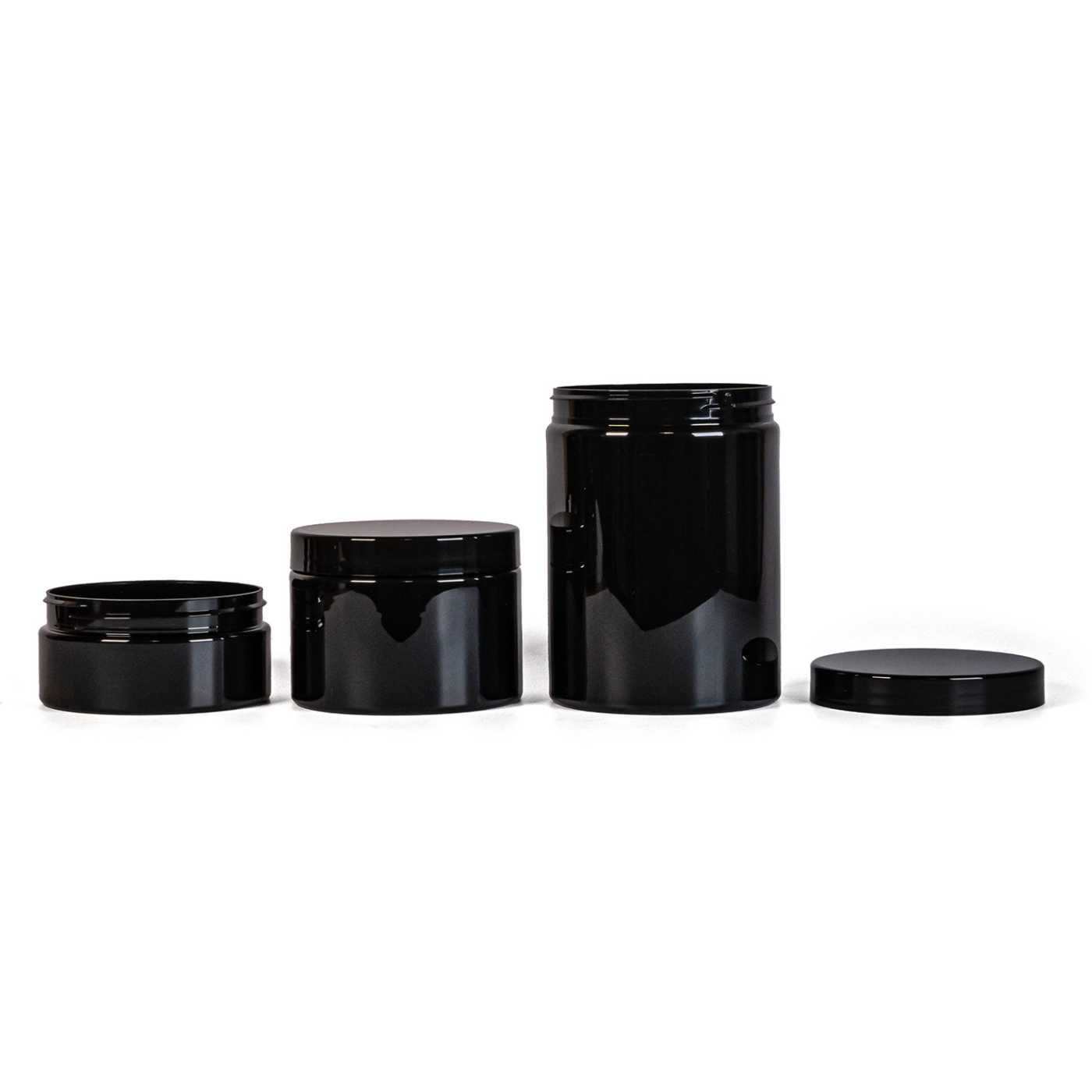
Orange oil contains a large proportion of limonene, which oxidises in air to hydroperoxides. These act on the skin as strong sensitisers, although fresh limonene is only a weak sensitiser. For this reason, add an antioxidant to the formulation, for example tocopherol, and fill the finished product into dark, tightly closed packaging.
Suitable for products such as
- Body lotions, creams and oils – as a fragrance component of leave-on products for the body and hands.
- Shower gels, shampoos and conditioners – fragrance and, according to the manufacturer, a cleansing effect in rinse-off products.
- Facial cosmetics for oily and problematic skin – cleansing balms and masks. With cedarwood oil, it creates an earthy citrus fragrance.
- Bath bombs and salts – the fragrance is released together with the steam and complements the aromatherapy experience of the bath.
- Soaps – the supplier lists them among suitable uses; we recommend checking the behaviour in your specific type of soap on a small batch.
- Candles, diffusers and massage blends – for candles, observe the IFRA limit for category 12.
- Hair sprays and scalp massage oils – according to the manufacturer, it brings a refreshing citrus impression during washing and massage.
Good to know
It is supplied as an orange-red liquid with the characteristic fragrance of orange. When handling it, avoid contact with strong acids, strong bases and oxidising agents, as well as extreme heat. It does not react with water.
The substance is subject to the CLP Regulation and is labelled with the pictograms GHS02 (flammable), GHS07 (irritant, sensitisation), GHS08 (serious health hazards) and GHS09 (ecotoxic). When labelling the finished product and assessing safety, rely on the safety data sheet. The product is not classified as CMR and contains no nanomaterials or intentionally added microplastics.
The oil is flammable, with a flash point of 47 °C. When measuring and mixing, keep it away from heat, sparks and open flame, and never add it to a hot mixture over a hob.
Frequently asked questions
Is orange essential oil soluble in water?
No, orange essential oil is insoluble in water. It mixes with vegetable oils and alcohol and tolerates non-ionic surfactants. It is added to facial toners, body or room sprays and other water-based products with a solubiliser, otherwise it stays floating on the surface in droplets and does not disperse evenly in the product.
At what temperature is orange essential oil added to a cream?
Orange essential oil is added to a cream only after the emulsion has cooled below 40 °C. The fragrance components of citrus oils are volatile, and at higher temperatures part of the fragrance escapes before the product sets. For this reason, add it as one of the last ingredients, together with other sensitive raw materials and vitamin E, and mix it in while stirring constantly.
How much orange essential oil is used in cosmetics?
Orange essential oil is used at 0.1–1% of the product weight. In the supplier's formulations, 0.3–0.5% is used in body and facial products, and around 0.3% in shower gel. The final amount must comply with the IFRA limit for the category the product belongs to; for example, a face cream has a different limit than a shower gel or a candle.
Why is orange essential oil combined with vitamin E?
Vitamin E slows the oxidation of limonene, which orange essential oil contains in large amounts. Oxidised limonene forms hydroperoxides, which sensitise the skin much more strongly than the fresh oil. Tocopherol added to the formulation, together with dark, tightly closed packaging, keeps the peroxide content low. The IFRA standard for such oils requires a peroxide value below 20 mmol/l and the lowest possible peroxide content.
Is orange essential oil suitable for oily and problematic skin?
Yes, orange essential oil is recommended for products for oily and problematic skin. The manufacturer attributes a cleansing effect to it, which helps remove excess sebum and impurities from the pores. It is therefore most often included in cleansing balms, masks and rinse-off facial products, always within the recommended usage rate.
What is the difference between orange essential oil and neroli?
Orange essential oil is pressed from the peel of the sweet orange, while neroli is distilled from bitter orange flowers. The peel oil has a fresh, sweet citrus fragrance and is one of the affordable raw materials. Neroli is floral, with citrus and green notes, and ranks among the more expensive perfumery oils. The choice depends on the desired fragrance character and the formulation budget.