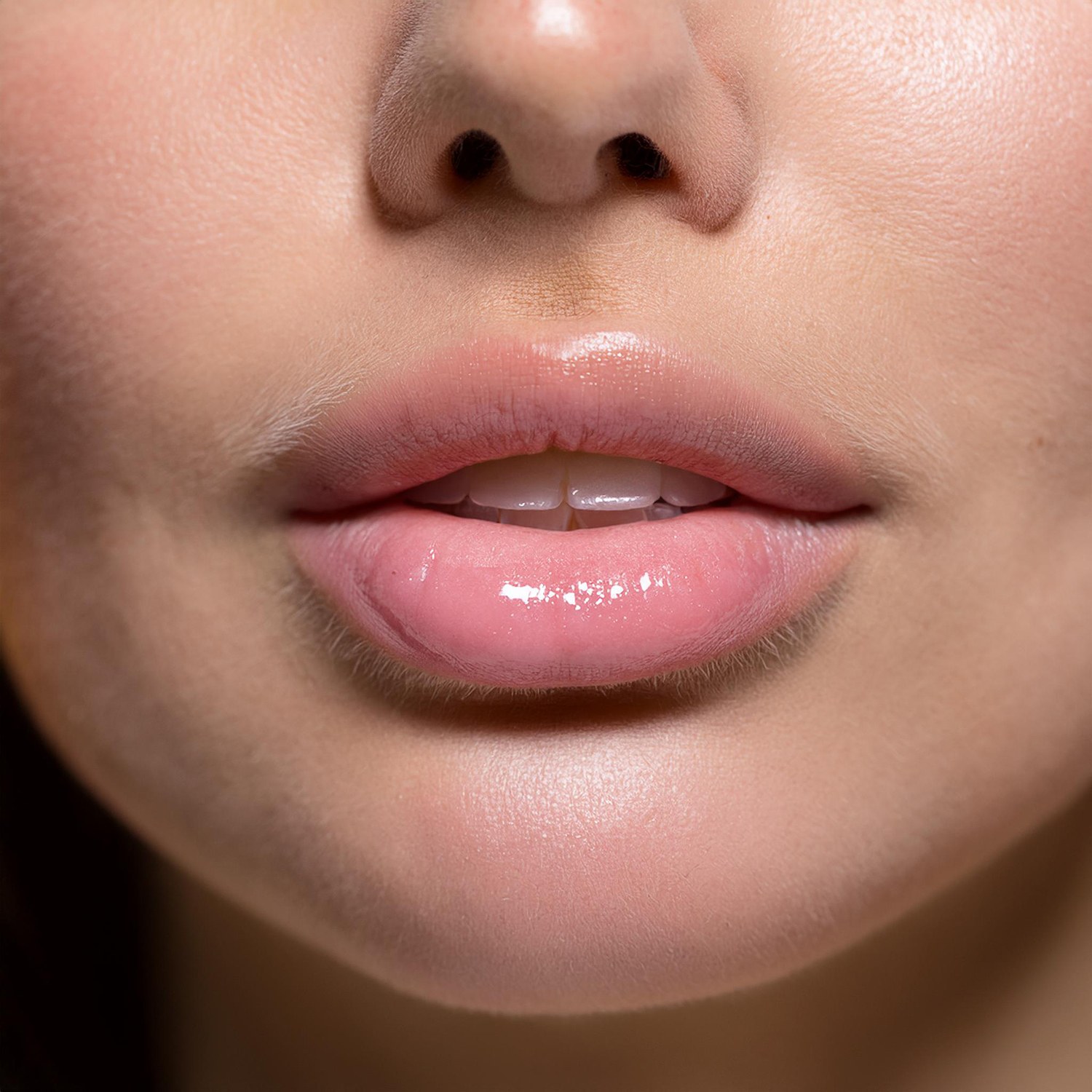
A natural lip balm will nourish and protect your lips even through the summer. Since we want the balm to stay in as solid a state as possible at high temperatures, we need to choose ingredients with a higher melting point — instead of coconut oil we reach for waxes and butters. Here is a recipe for 100 g of summer balm, along with tips on how to colour it.
About this recipe
This is a summer version of a natural lip balm. Coconut oil, which is ideal specifically for winter balms, is replaced here by waxes, cocoa butter and shea butter — ingredients with a higher melting point that keep the balm from going soft even in the heat.
To determine the correct ratio of ingredients, it is necessary, despite the stated quantities, to experiment a little. It is not only a question of temperature, but also of your preferences and subjective feeling. So if the balm seems too hard to you, next time round replace the shea/cocoa butter with coconut oil or reduce the dose of wax, which creates a feeling on the lips like the well-known traditional deer tallow. Not everyone finds this feeling on the lips pleasant.
Main benefits
- Stands up to the heat
Waxes and butters with a higher melting point keep the balm in as solid a state as possible even through a hot summer.
- Firmness to suit you
If the balm is too hard for you, replace the shea/cocoa butter with coconut oil or reduce the dose of wax.
- A free choice of oil
You can choose any nourishing oil — almond, avocado, jojoba or castor.
- Nourishment for the lips
Castor oil is perfect for nourishing the lips; it is thicker, though, so reduce the dose.
- Fragrance to taste
You can blend the essential oils to suit yourself, or replace them with flavours for balms.
- Colour variants
Mica powders turn the balm into a coloured one — ideal for coloured lip balm tubes.
Product properties
Key ingredients in the recipe
Below we go through the individual ingredients, their role in the recipe and possible substitutions, so you can tailor the balm to your own needs.
Natural beeswax
Wax is an ingredient with a high melting point — it is what keeps the summer balm solid. At the same time it creates a feeling on the lips like the well-known traditional deer tallow; if you do not find this feeling pleasant, reduce the dose. You can also use an alternative — candelilla wax, carnauba wax or jojoba wax.
Cocoa butter
Together with wax and shea butter, cocoa butter is one of the ingredients with a higher melting point that replace coconut oil in a summer balm. You can choose natural as well as deodorised — it depends on whether you want to perceive the cocoa aroma.
A nourishing oil
You can choose any nourishing oil, for example almond, avocado or jojoba. Castor oil is excellent, but it is thicker, so reduce the dose — for nourishing the lips, though, it is perfect. There is currently a very wide range on the market, from refined oils through cold-pressed ones up to organic quality; it is only up to you what quality of ingredients you choose.
Essential oils
For this balm we chose a combination of myrrh and orange (sweet orange) in a ratio of 1:4. For conversion: 0.1 g of essential oil is approximately 2–3 drops. You can also replace the essential oil with flavours for balms.
The recipe (100 g)
The quantities given correspond to a batch of 100 g of finished balm, so the grams are directly equal to percentages by weight. The essential oil makes up 0.50 g in total, in a myrrh : orange ratio of 1:4.
| Phase / ingredient | Share | Amount |
|---|---|---|
| Phase A — melt in a water bath | ||
| Natural beeswax | 30.00% | 30.00 g |
| Cocoa butter | 20.00% | 20.00 g |
| Nourishing oil (e.g. almond) | 49.50% | 49.50 g |
| Phase B — after removing from the heat | ||
| Myrrh essential oil | 0.10% | 0.10 g |
| Orange essential oil | 0.40% | 0.40 g |
| Optional | ||
| Mica powder | as required | — |
| Lip balm tube | — | — |
Procedure
- Melting the ingredients Phase Ahot water bath
Melt and mix all the ingredients except the essential oil in a hot water bath.
- Optional colouring optional
If you decide on a coloured natural lip balm, you need to mix the mica in the selected amount into the liquid phase, ideally into the oil, and stir this coloured oil into the melted mixture.
- Essential oil Phase B
Remove the mixture from the heat and add the drops of essential oil (0.1 g is approximately 2–3 drops).
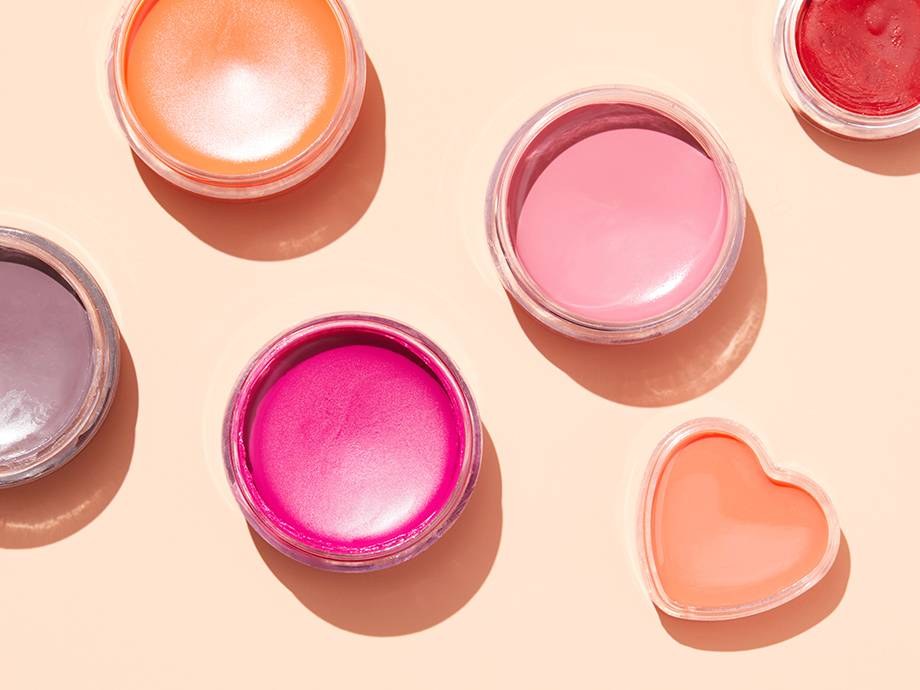
Colour variants with mica powder
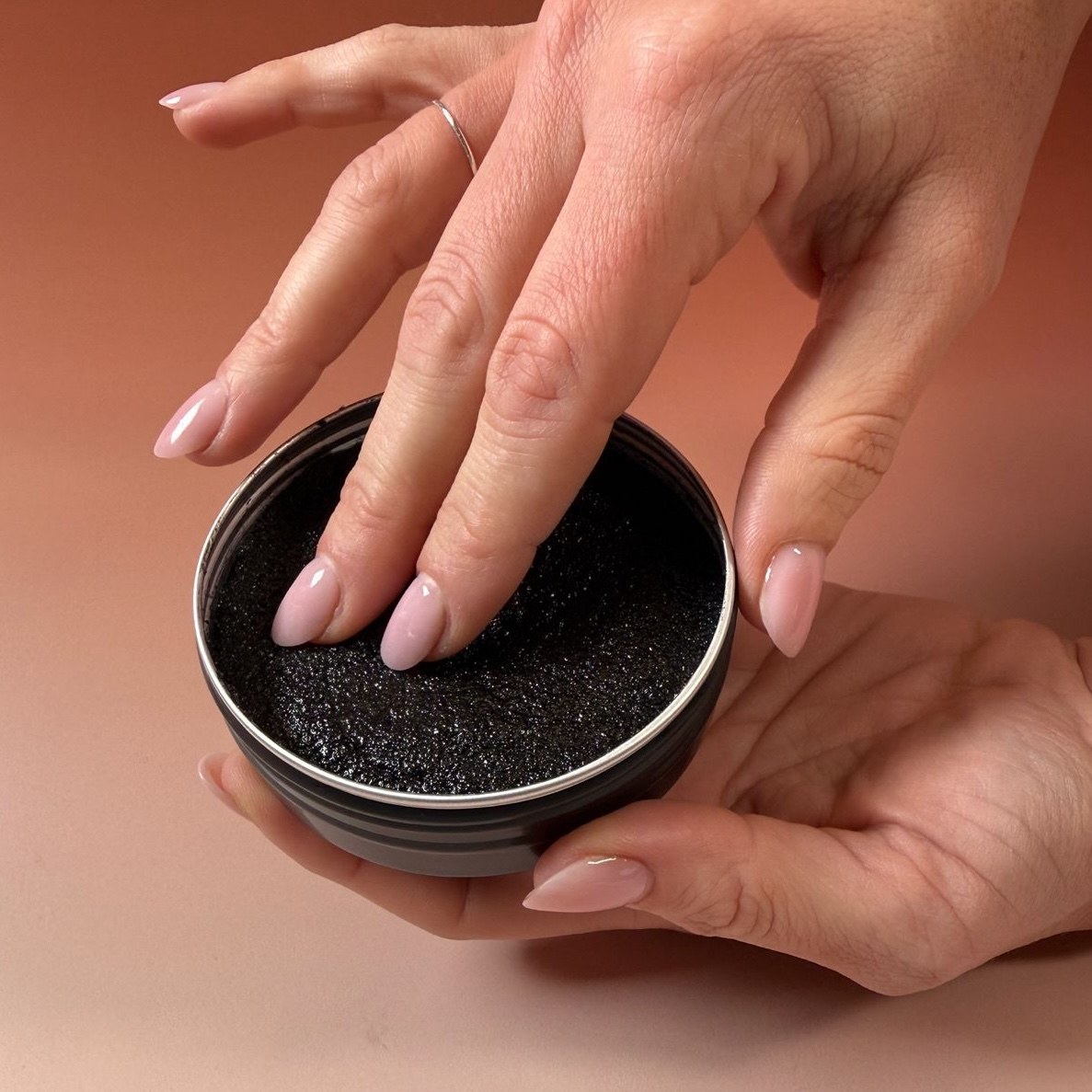
Since we have our new coloured lip balm tubes in our offer, they almost beg to be filled with a coloured balm. So do not hesitate and experiment with our mica powders too. If you decide on a coloured natural lip balm, you need to mix the mica in the selected amount into the liquid phase, ideally into the oil, and stir this coloured oil into the melted mixture.
Here are a few colour tips:
- Cream lip balm tube – mica powder Creme de la creme or Arctic white
- Yellow lip balm tube – mica powder Sunburst sparkle, Bonny buttercup
- Pink lip balm tube – mica powder Pink pearl, Fiery fusion, Silken deep rose
- Purple lip balm tube – mica powder Burlesque
- Green lip balm tube – mica powder Bejeweled, Harlequin shimmer
Frequently asked questions about the recipe
Practical questions about the summer lip balm — choosing the ingredients, consistency, dosing the fragrance and colouring.
Why does coconut oil not belong in a summer balm?
Coconut oil is ideal specifically for winter balms. In the hot summer we want the balm to stay in as solid a state as possible, so we reach for ingredients with a higher melting point — waxes, cocoa butter and shea butter.
What should I do if the balm is too hard?
Next time round, replace the shea/cocoa butter with coconut oil, or reduce the dose of wax. Wax creates a feeling on the lips like the well-known traditional deer tallow, and not everyone finds this feeling pleasant.
How many drops is 0.1 g of essential oil?
For conversion, 0.1 g of essential oil is approximately 2–3 drops.
Can beeswax be replaced?
Yes. You can use an alternative — candelilla wax, carnauba wax or jojoba wax.
Do I have to use an essential oil?
No, you can also replace the essential oil with flavours for balms. We chose a combination of myrrh and orange (sweet orange) in a ratio of 1:4.
How do I colour the balm with mica powder?
Mix the mica in the selected amount into the liquid phase, ideally into the oil, and stir this coloured oil into the melted mixture.
Conclusion
There are countless recipes for making lip balm. So keep trying, experiment, and over time you will certainly achieve the most suitable consistency.
Do not forget to share it with us afterwards ;-)
You will find the waxes, butters, nourishing oils and mica powders from this recipe in the Handymade range of ingredients.