
+421 950 333 113info@handymade.storeActive Days: −10 % with code ACTIVE10Shop now

Candle fragrance oils

Patchouli Essential Oil, 500 ml

Pack size10 ml100 ml500 ml1 l

Patchouli essential oil is obtained by steam distillation of the leaves of Pogostemon cablin and is added to cosmetics and homemade products mainly as a fragrance ingredient . full description

AvailabilityPre-order
Product codeEON067_500
€194.52incl. VAT€389.04/l

Lowest price in the last 30 days: €194.52

Expected back in stock: 20 Nov.~11 pkg on the way to us. This variant is currently out of stock — your order will be a pre-order and delivery may take longer.

Product description

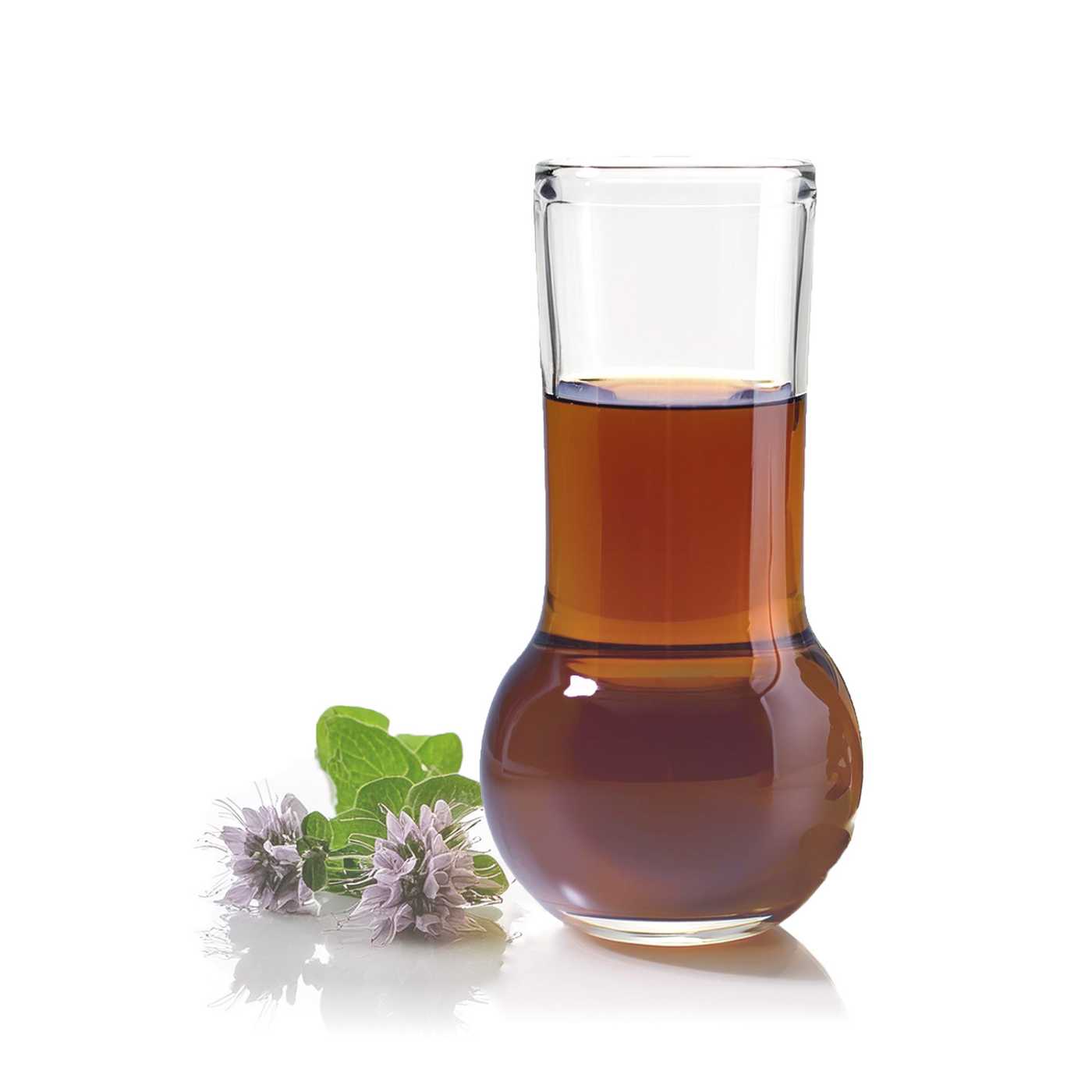
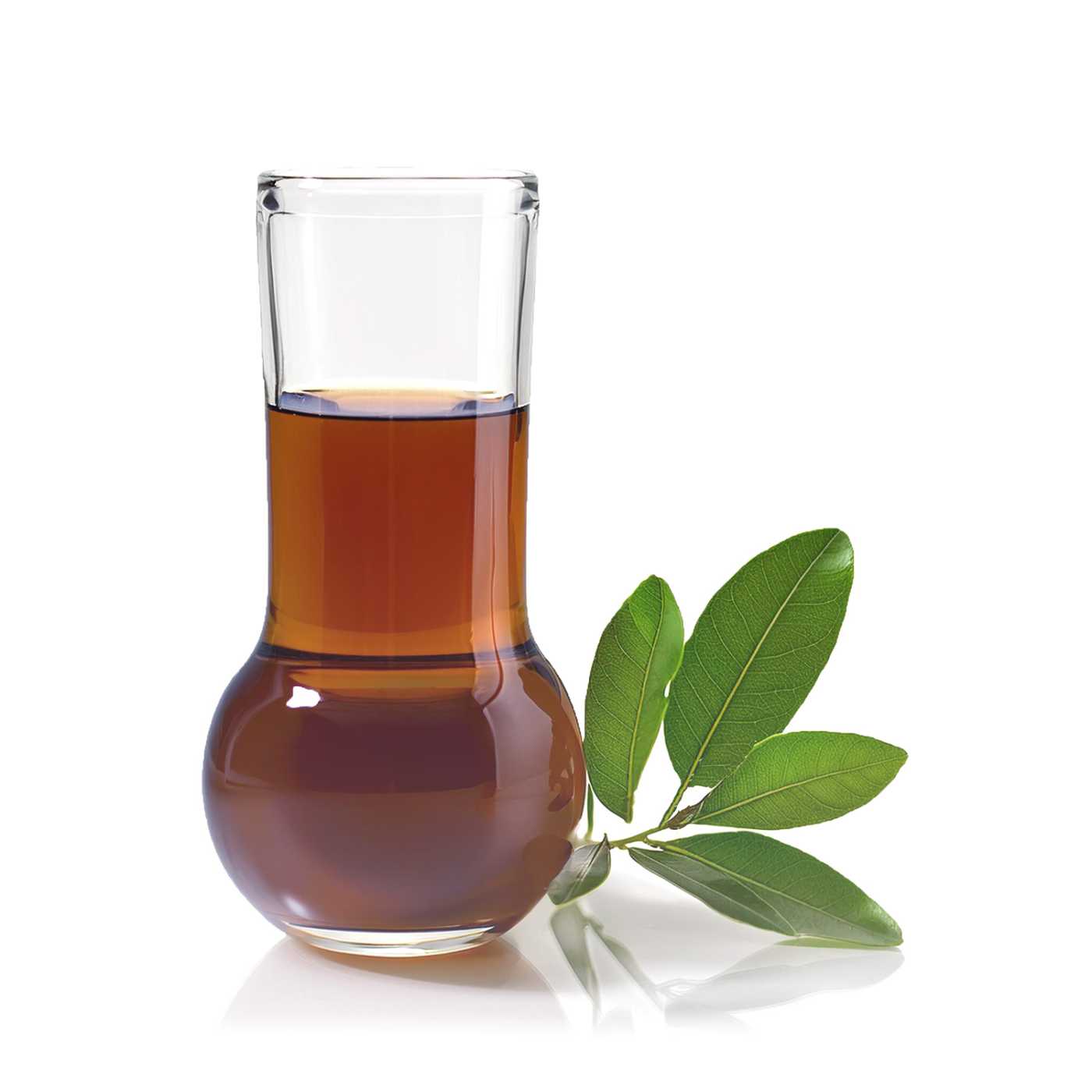
Patchouli essential oil is obtained by steam distillation of the leaves of Pogostemon cablin and is added to cosmetics and homemade products mainly as a fragrance ingredient. Its earthy, woody scent lasts a long time on the skin, which is why perfumers use it as a base note that gives a composition depth and prolongs the staying power of more volatile ingredients. We supply it in cosmetic grade.

Besides its scent, it also has uses in skin care. Patchouli is associated with an antimicrobial and anti-inflammatory effect and with a soothing effect on the skin, so it is often part of formulations for oily, problem and acne-prone skin. It also appears in products for mature skin. It works equally well in soaps, bath salts, candles and diffuser blends.


Scent and appearance

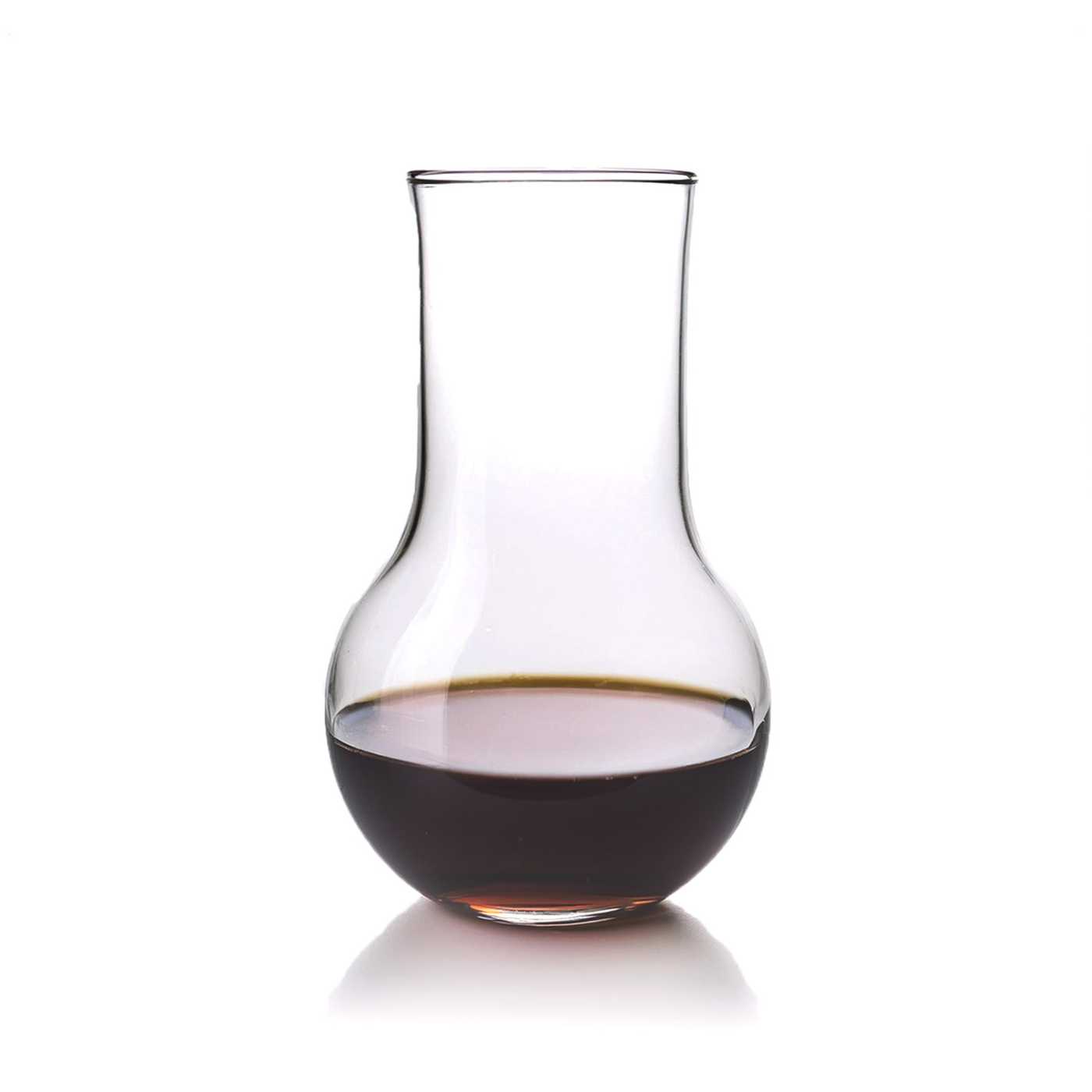
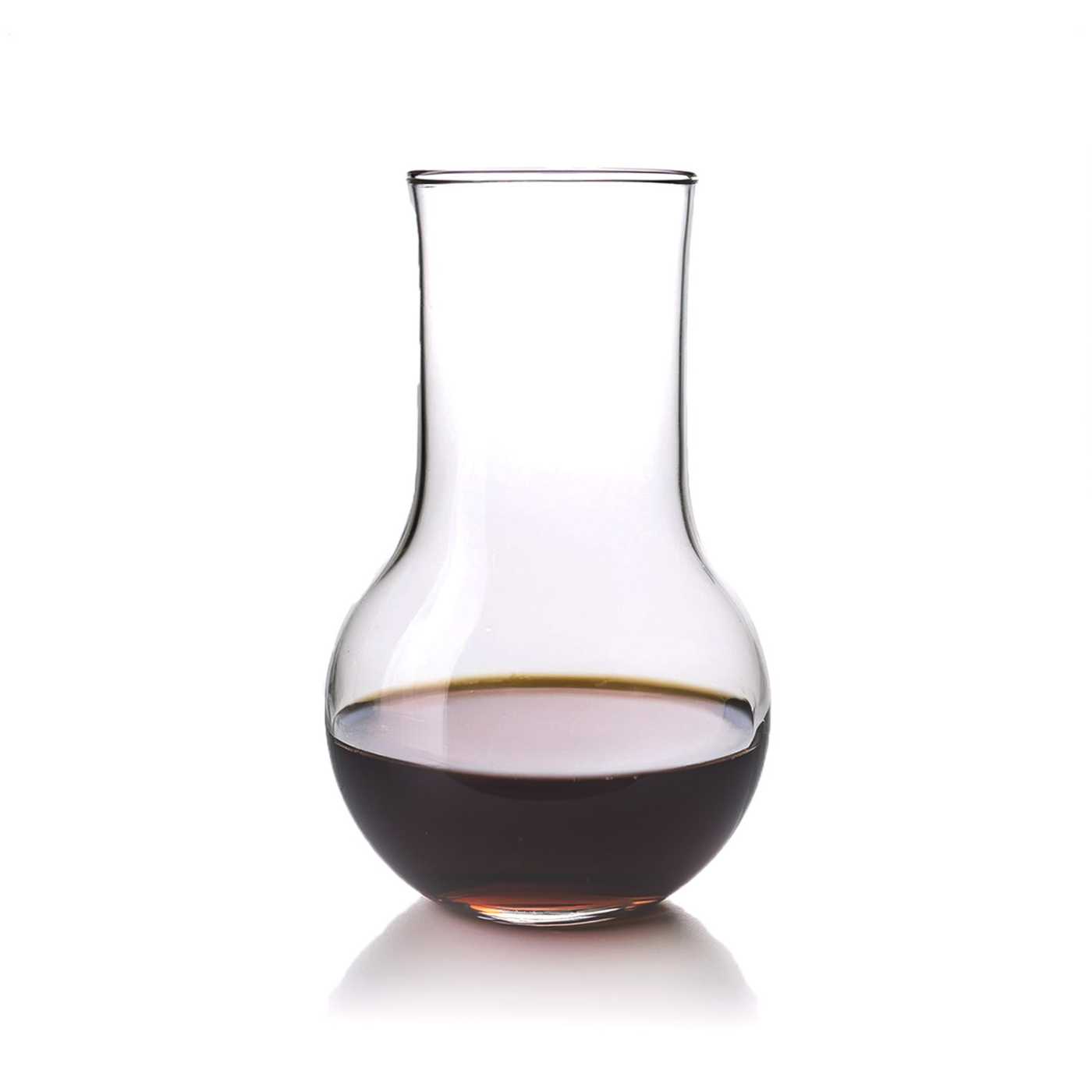
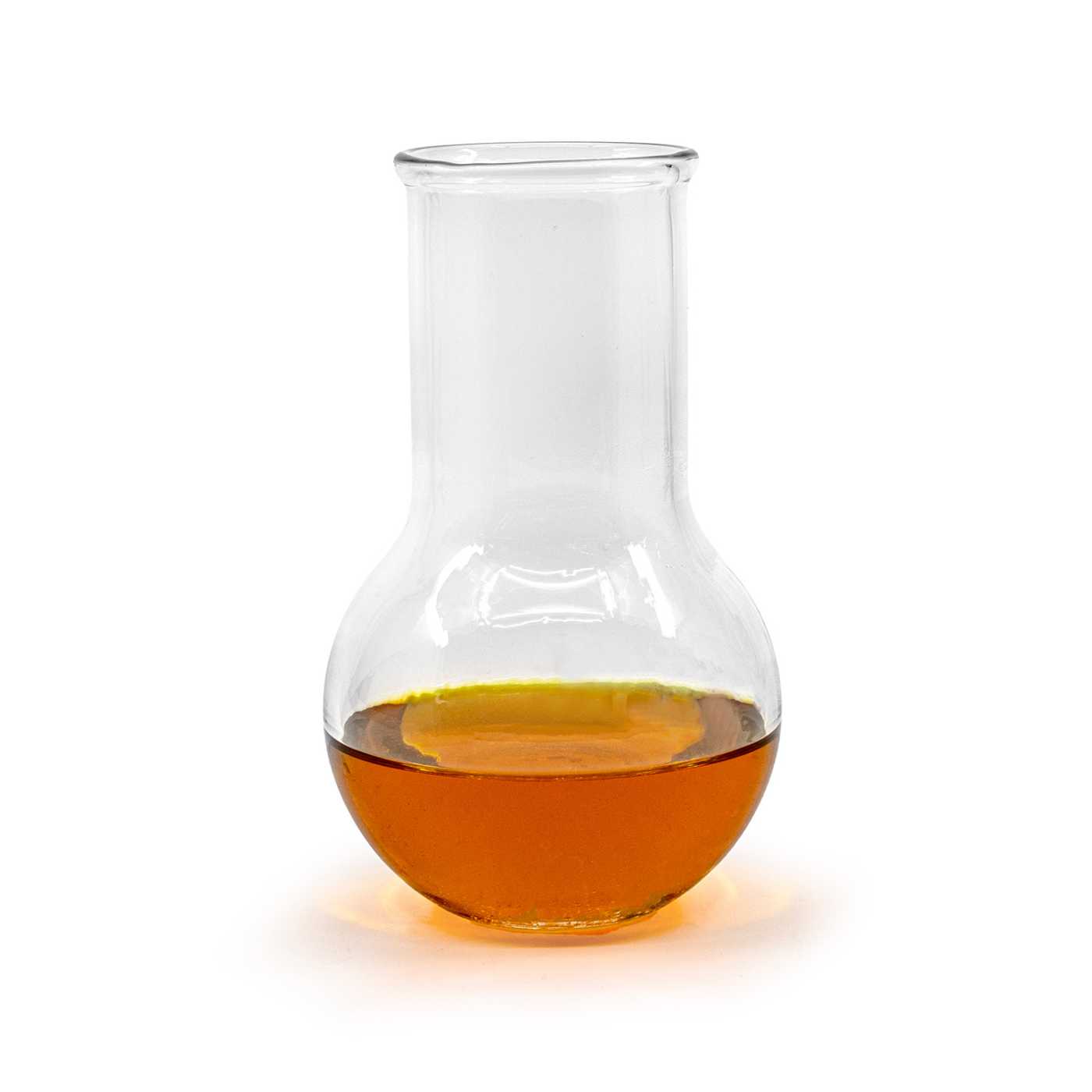
The oil is brown, from light brown to a darker reddish brown depending on the batch, and has a characteristic woody scent that many people perceive as earthy and warm. At higher usage rates it can tint light and clear products a slightly brownish shade. You should bear this in mind especially with white creams, clear gel soaps or light-coloured candles. The scent is strong, so a small proportion is enough in a composition.


Key benefits

  • Long-lasting base note – slows the evaporation of lighter fragrances, such as citrus, and gives the blend a firm foundation.
  • For oily and acne-prone skin – the reported antimicrobial and anti-inflammatory effect is used in facial products for problem skin, in cleansing soaps and in shampoos for an oily scalp.
  • Soothing effect on the skin – at a low usage rate it is also added to body oils and creams for mature skin.
  • Wide use beyond cosmetics – aromatherapy, diffusers, candles, household cleaning products and hobby crafts.
  • Plant origin – it contains no materials of animal origin and has not been tested on animals for cosmetic purposes.

Use in formulations

The oil is soluble in oil and in alcohol, and insoluble in water. In anhydrous products such as massage oils, balms, solid perfumes or oil serums, it is added directly to the oil phase when cold and only needs to be mixed in thoroughly. In balms and sticks containing waxes, it is added once the mass has melted and cooled slightly, just before pouring into moulds.

In emulsions it belongs in the cool-down phase at a temperature below 40 °C, that is, into the finished cream or lotion after emulsification, with constant stirring. The same procedure applies when adding it afterwards to a finished base formulation. It cannot be incorporated into toners, facial waters and water-based sprays without a solubiliser, as it would separate on the surface. Alcohol-based perfumes and colognes accept it without any problem, as it is fully compatible with alcohol.

In compositions, patchouli acts as a fixative. If you want bergamot, orange or lavender to last longer in a body oil or balm, add a small proportion of patchouli to them. The blend gains a warm base and depth, even when patchouli makes up only a fraction of the whole.

Patchouli is suitable for both rinse-off and leave-on products. In soaps, bath bombs and salts, it is added to the base as a fragrance ingredient. In salts, we recommend first mixing it into a small amount of carrier oil so that it spreads evenly. In candles, it is added to the melted wax before pouring, and in diffusers according to the type of carrier.


Suitable for products such as

  • Skin care for oily and problem skin – creams, serums, cleansing products and masks.
  • Body oils, creams and massage blends – patchouli gives the scent a warm base and lasts a long time on the skin.
  • Perfumes and solid perfumes – a base note for woody, oriental and earthy compositions.
  • Soaps and shower gels – a distinctive scent that stands out well in rinse-off products.
  • Shampoos and hair products – especially for an oily scalp.
  • Bath bombs and salts – as a single scent or blended with citrus and lavender.
  • Candles, diffusers and aromatherapy – an earthy scent for relaxing blends.
  • Household cleaning products – as a fragrance ingredient.

Good to know

The usage rate of fragrance ingredients in cosmetics is subject to the IFRA standard, and the limit differs by product category. A lip product, a deodorant, a face cream and a shampoo each have their own limit, so before making your product, check its category and the corresponding maximum proportion.

Patchouli essential oil contains fragrance allergens listed in Annex III of Regulation (EC) No 1223/2009, among them beta-caryophyllene, which may cause an allergic reaction. You need to take this into account when labelling the ingredients of a finished cosmetic product. Essential oils are never applied to the skin undiluted. With a new formulation, we recommend testing tolerance on a small area of skin.

The substance is classified under the CLP Regulation and contains hazardous substances. The undiluted oil irritates the skin and eyes and must not be swallowed. When working with it, wear protective gloves, protect your eyes and prevent release into drains, as the oil is harmful to aquatic organisms. Details on classification and safe handling are in the safety data sheet provided with the product.

The oil comes from Indonesia. It is not obtained from species endangered under CITES and is not classified as carcinogenic, mutagenic or toxic to reproduction.


Frequently asked questions

Is patchouli essential oil soluble in water?
No, patchouli essential oil does not dissolve in water. It dissolves in oils and in alcohol, so it can be added without any problem to oils, balms, emulsions and alcohol-based perfumes. For toners and water-based sprays, you need to incorporate it using a solubiliser, otherwise it separates and floats on the surface.
At what temperature should patchouli be added to a cream?
Patchouli essential oil is added to a cream in the cool-down phase at a temperature below 40 °C. The emulsion is formed first and cooled with constant stirring, and only then is the fragrance ingredient mixed in. The same procedure applies when adding it afterwards to a finished cream or lotion. At a higher temperature, some of the volatile components of the scent would be lost.
What skin type is patchouli essential oil suitable for?
Patchouli essential oil is suitable mainly for oily, problem and acne-prone skin, and it is also used in products for mature skin. It is associated with an antimicrobial, anti-inflammatory and soothing effect on the skin. In facial products it is used at a low usage rate and always diluted in an oil or emulsion.
Will patchouli essential oil colour the finished product?
Yes, at a higher proportion patchouli essential oil can tint a light product a brownish shade. The oil is brown to reddish brown, so the effect shows mainly in white creams, clear soaps and light-coloured candles. At the usual low usage rate of a fragrance ingredient, the colour change is small, and in darker or coloured products you will generally not notice it.
Can patchouli essential oil be used in candles and diffusers?
Yes, patchouli essential oil is suitable for candles, diffusers and aromatherapy blends. In candles, it is added to the melted wax before pouring into a jar or mould. In blends it anchors lighter notes, such as citrus. Candles and air fresheners fall under separate categories of the IFRA standard with their own limits.
Does patchouli essential oil contain allergens?
Yes, patchouli essential oil contains fragrance allergens listed in Annex III of the Cosmetics Regulation, among them beta-caryophyllene, which may cause an allergic reaction. For a finished cosmetic product, you therefore need to take into account the labelling of allergens in the ingredients. If you have sensitive skin, a tolerance test on a small area is recommended before first using a new formulation.

Parameters

INCI
Pogostemon Cablin Leaf Oil
CAS No.
8014-09-3 / 84238-39-1
EC number
282-493-4
Product colour
Brown
Country of origin
Indonesia
Processing method
Steam distillation
Odour
Woody
Appearance
Oily liquid
Function in formulation
Fragrance component
Recommended processing temperature
< 40 °C
Application type
Leave-onRinse-off
Natural Index (NI ISO 16128)
1,00
Natural Origin Index (NOI ISO 16128)
1,00
Volume
500 ml

Product documentation

CoACertificate of Analysis
batch BB202508008PDF ↓
TDSTechnical Data Sheet
Physical parameters and processingPDF ↓
SDSSafety Data Sheet
Available for purchased products —
Download all (ZIP)

2 PDF files in one archive

Learn how to work with it

From our blog
sirje K.15 Nov 2026EN

Verified purchase

Adam V.11 Oct 2026SK

Verified purchase

Variant: Esenciálny olej, patchouli, 10 ml
Diana P.7 Oct 2026EN

Verified purchase

Variant: Esenciálny olej, patchouli, 10 ml
Simona R.4 Oct 2026SK

Verified purchase

Variant: Esenciálny olej, patchouli, 10 ml
(4 reviews)