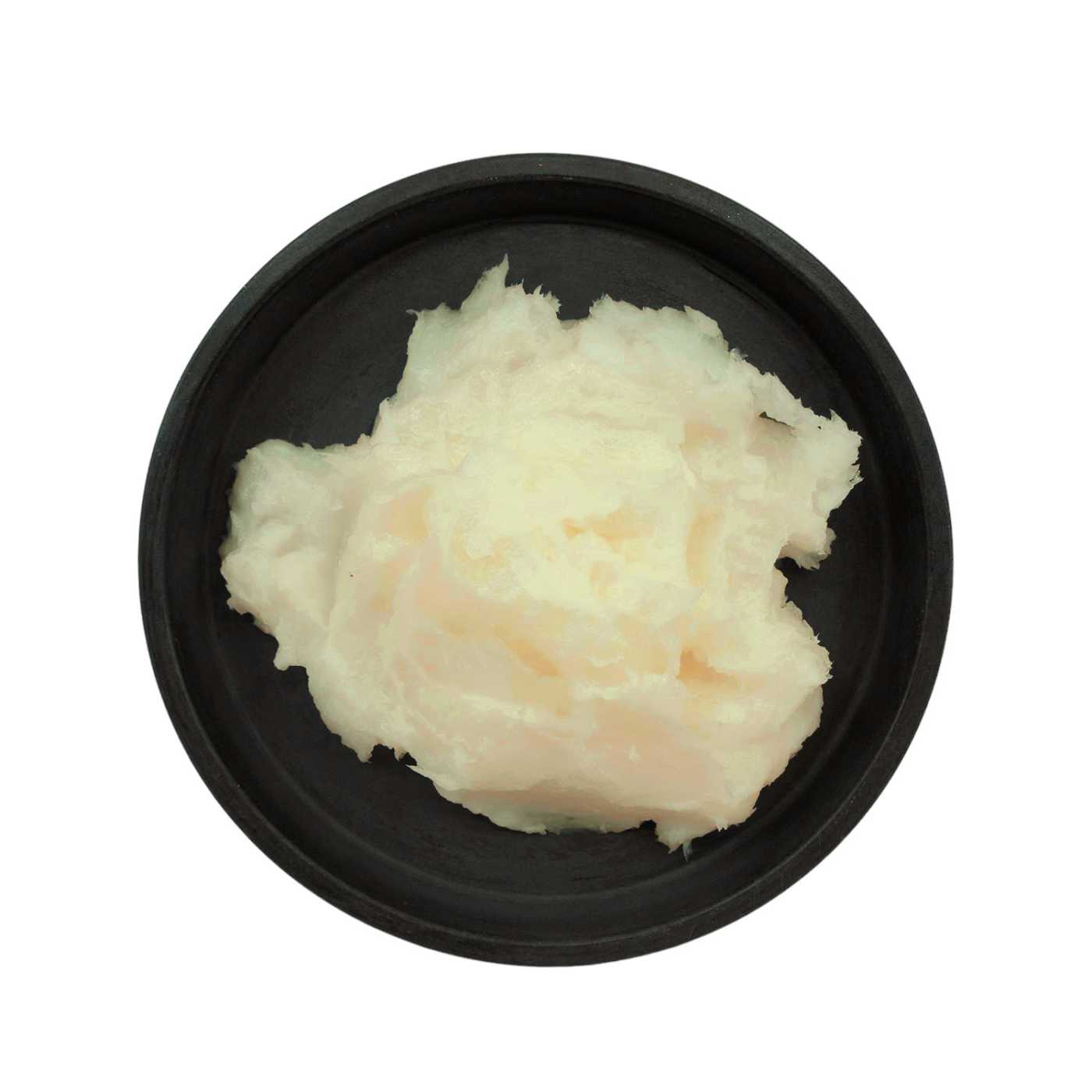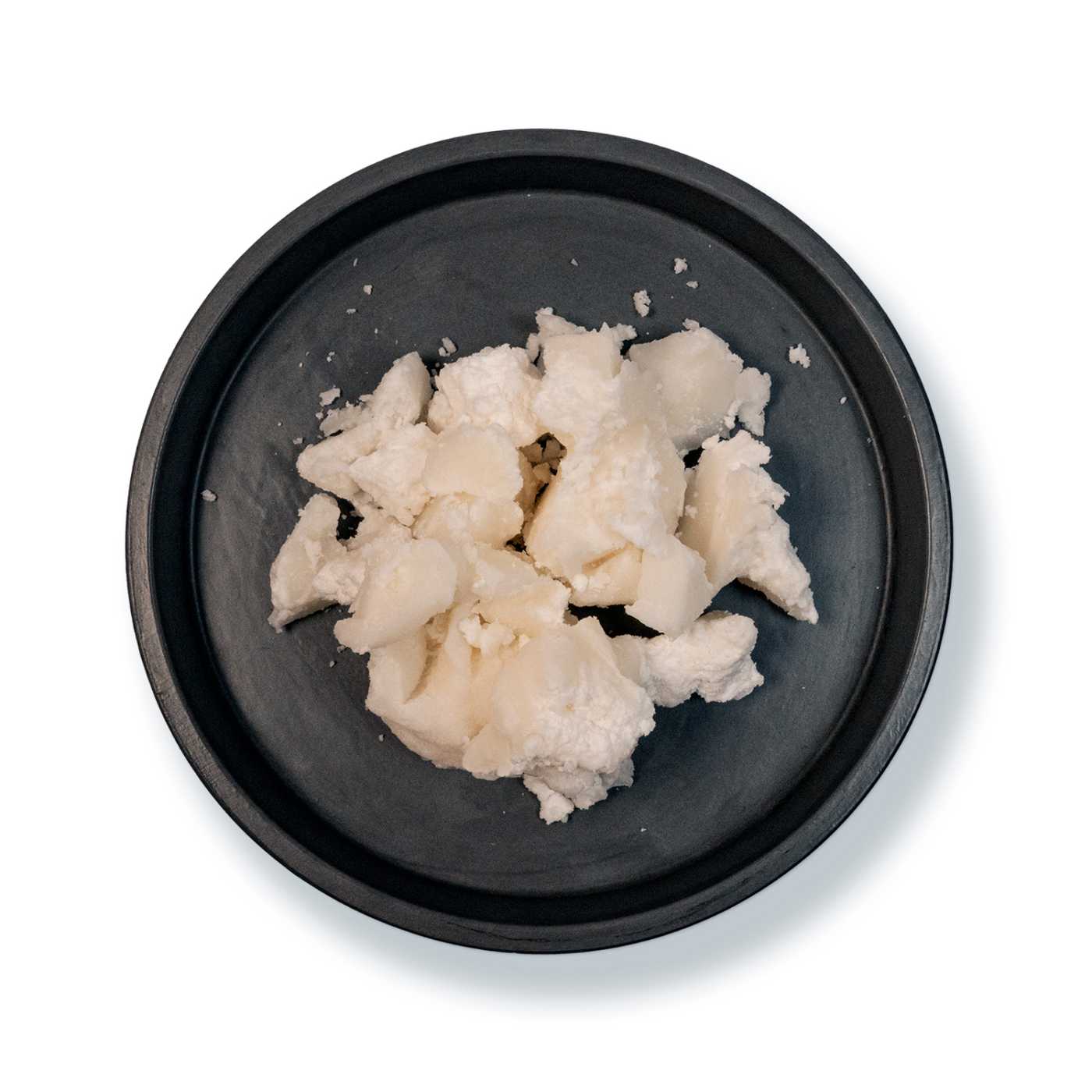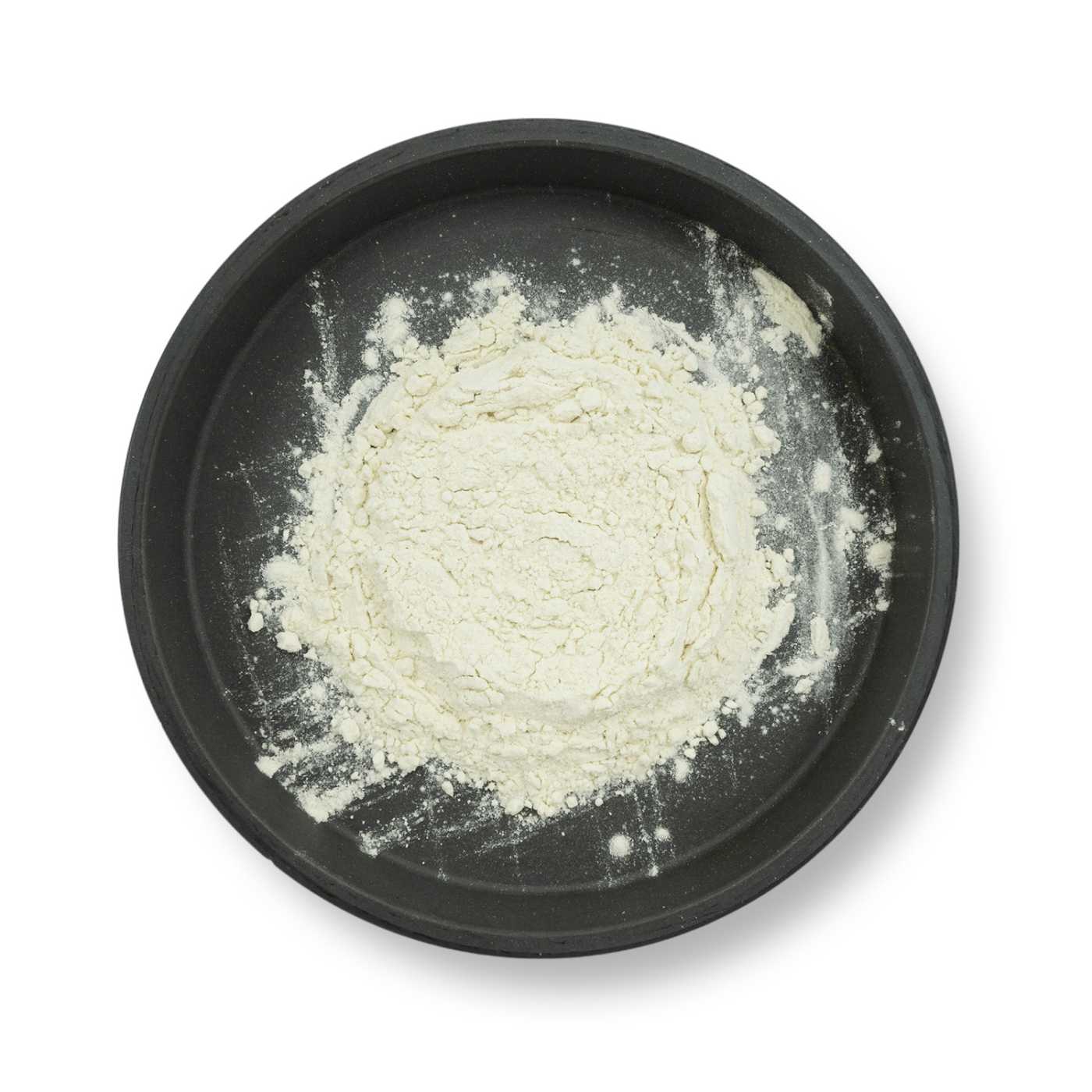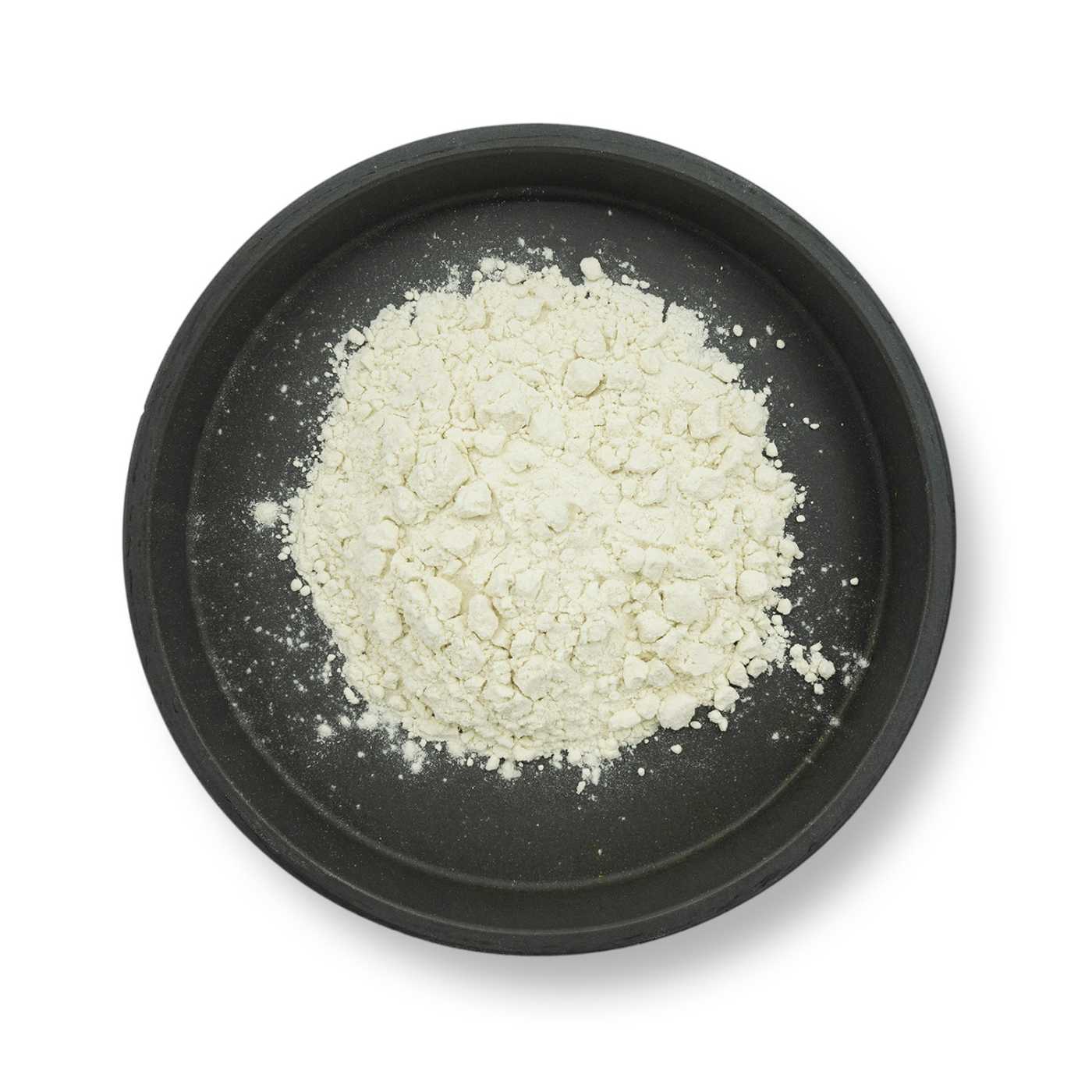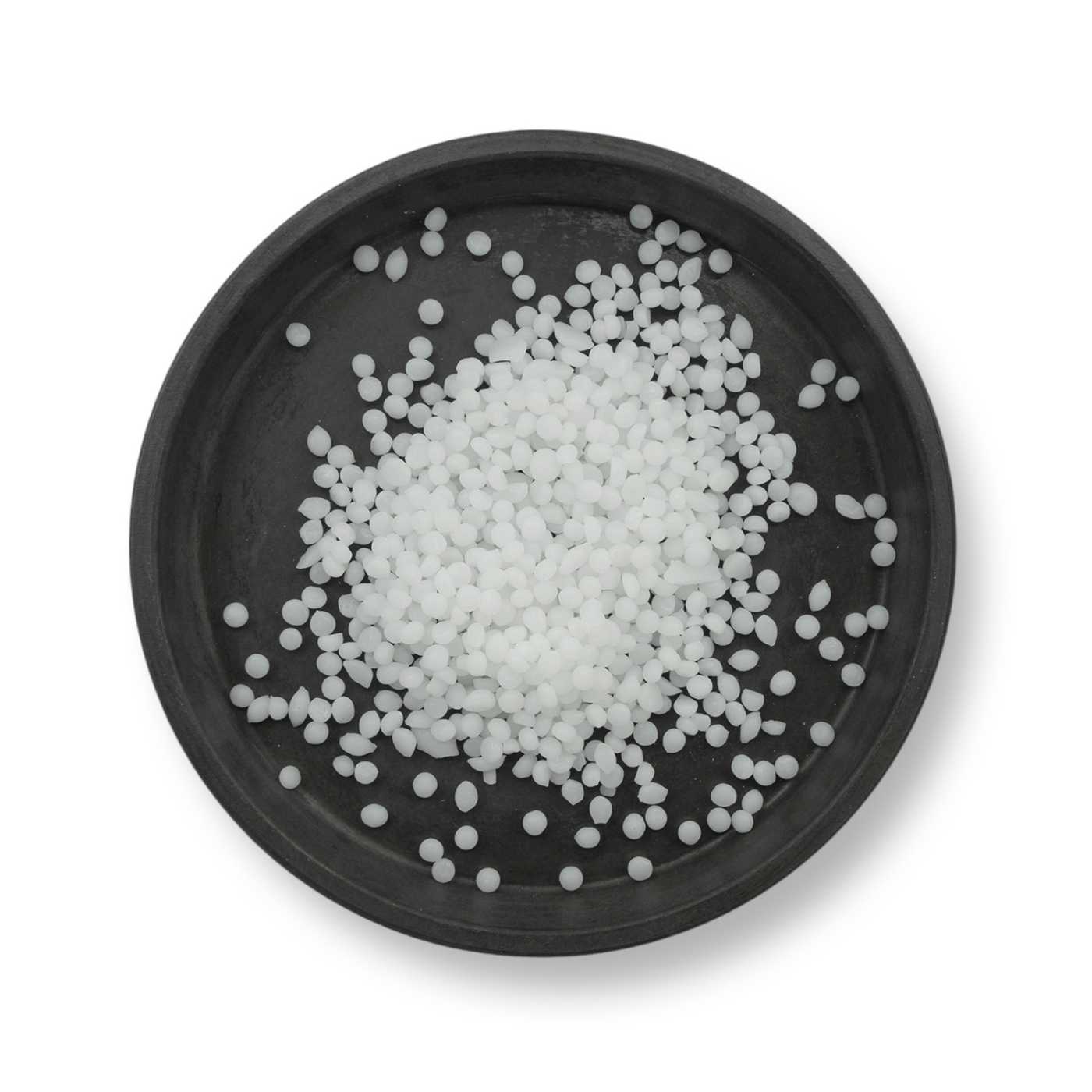
TEGO CARE SE 121 MB, Sucrose Stearate 100 g
Pre-order€7.34(€73.40/kg)

SURFACTANTS
Pack size100 ml500 ml1 l5 l20 l
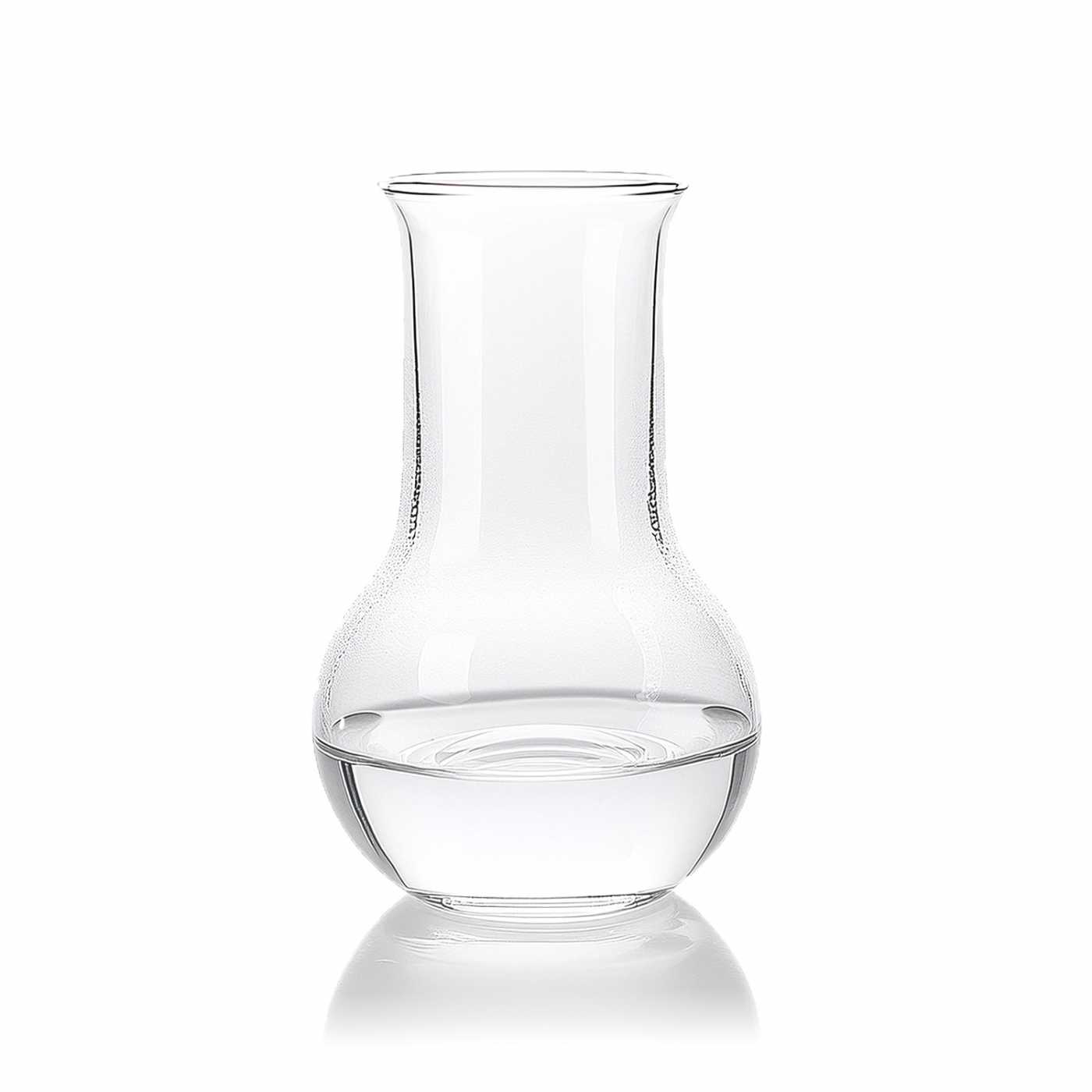
Decyl glucoside is a non-ionic surfactant from the alkyl polyglucoside group that cleanses and foams in formulations. full description
Lowest price in the last 30 days: €2.29
Decyl glucoside is a non-ionic surfactant from the alkyl polyglucoside group that cleanses and foams in formulations. It is produced from fatty alcohols of coconut and palm kernel oil and from glucose, making it a plant-based ingredient with the palm component carrying RSPO Mass Balance certification. It is used as a primary surfactant or as a co-surfactant in rinse-off products: shower gels, shampoos, liquid soaps, facial and intimate cleansers, and baby cosmetics. The manufacturer classifies it among surfactants with good dermatological tolerability and recommends it especially for gentle and everyday cleansing.
Decyl glucoside belongs in the water phase. It is water-soluble and is added cold or at mild heat; the recommended processing temperature is below 50 °C. The ingredient may separate during storage, which does not affect its quality. Mix it to a uniform consistency before weighing.
The recommended usage level is 2 – 40 % of the ingredient depending on product type. At the lower end it acts as a co-surfactant alongside an anionic base; at higher levels it forms the main cleansing portion in both sulfate-containing and sulfate-free formulations. Check the viscosity of the finished product in a test batch and adjust as needed with a thickener or a combination of other surfactants.
The ingredient is supplied alkaline, with a concentrate pH of approximately 11.5 – 12.5. Acidify the finished product accordingly — typically with citric acid or lactic acid — to a pH suitable for skin and the chosen preservative. Adjusting the pH below 7 will also cause the haze of the ingredient to disappear, which has no effect on its function.
It contains no preservative itself; the finished aqueous preparation is preserved in the usual way. Verify compatibility with the specific preservation system at the target pH.
The concentrate is classified as corrosive under CLP (GHS05). When handling the ingredient, protect your eyes and hands and rinse any affected area immediately with water. The data apply to the concentrate; full details are in the safety data sheet.
Decyl glucoside is intended for rinse-off products. When replacing part of an anionic surfactant, verify foam and viscosity in a test batch — the behaviour of the blend changes with the surfactant ratio.
At higher usage levels, account for the alkaline pH of the whole blend before adjustment. Add pH-sensitive ingredients according to the instructions for that ingredient, generally only after acidification.

Variant: Decyl glukozid, 1 l
Perfect for making my liquid cleansing products
Translated automatically

Top notch for making natural shampoo — Perfect surfactant!! An absolutely key item when making natural shampoo. The hair is softer and stays free of grease for considerably longer. From my experience it has the best stability and foaming when the pH is kept between 5.2 - 5.5.
Translated automatically

Variant: Decyl glukozid, 5 l
Variant: Decyl glukozid, 1 l