
Spend over €100 for discounted shipping!

+421 950 333 113[email protected]

Refined oils 100 ml

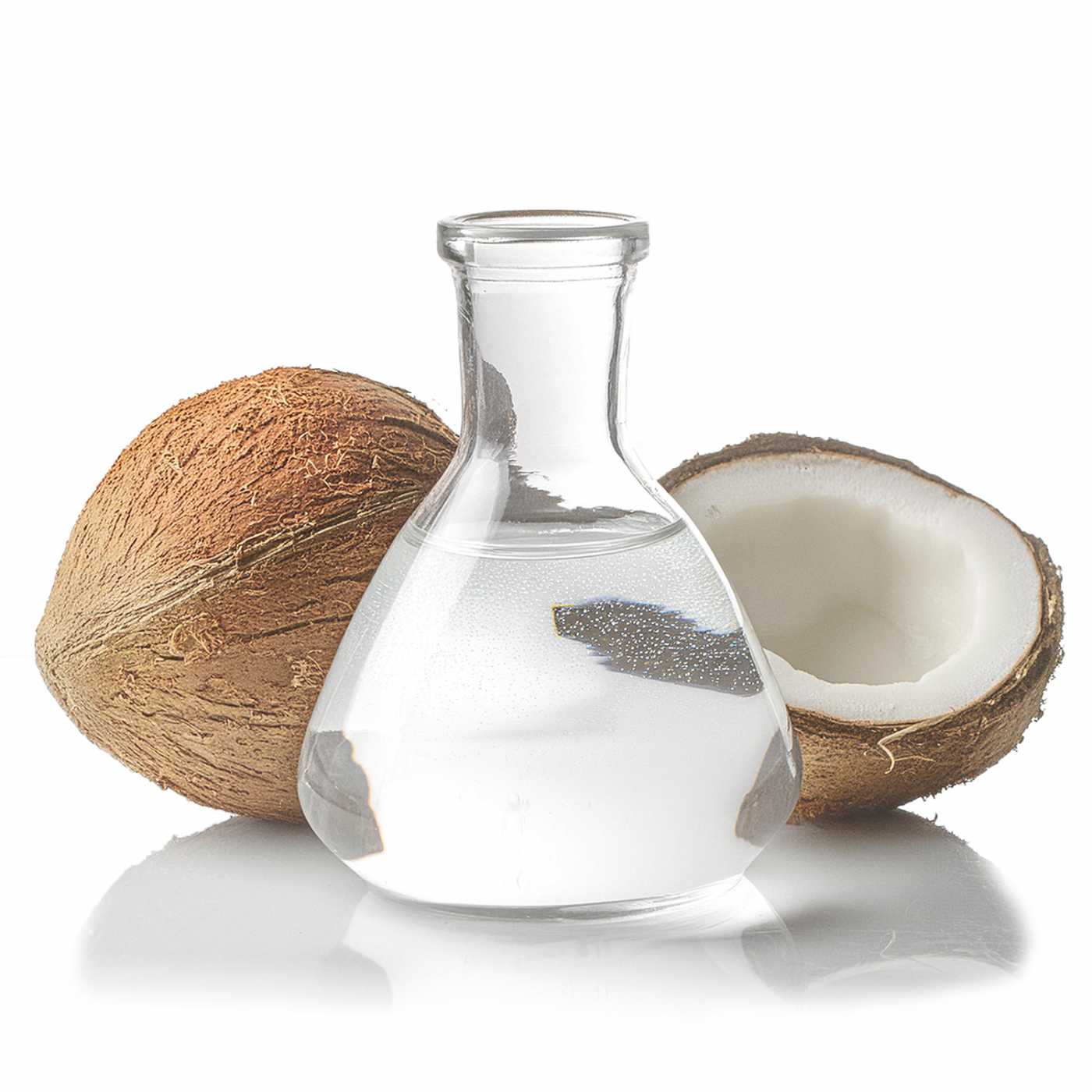
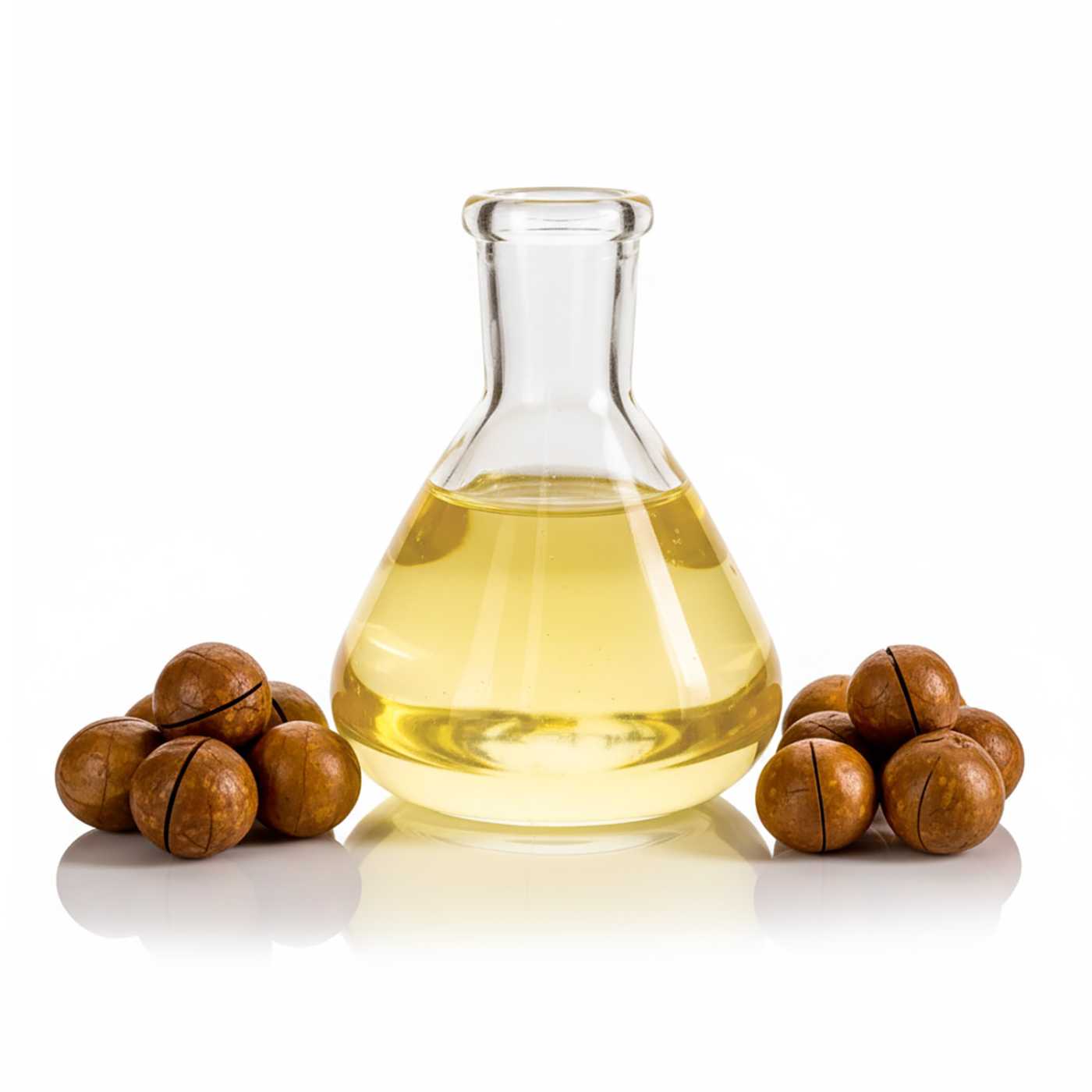
Fractionated Coconut Oil, 100 ml

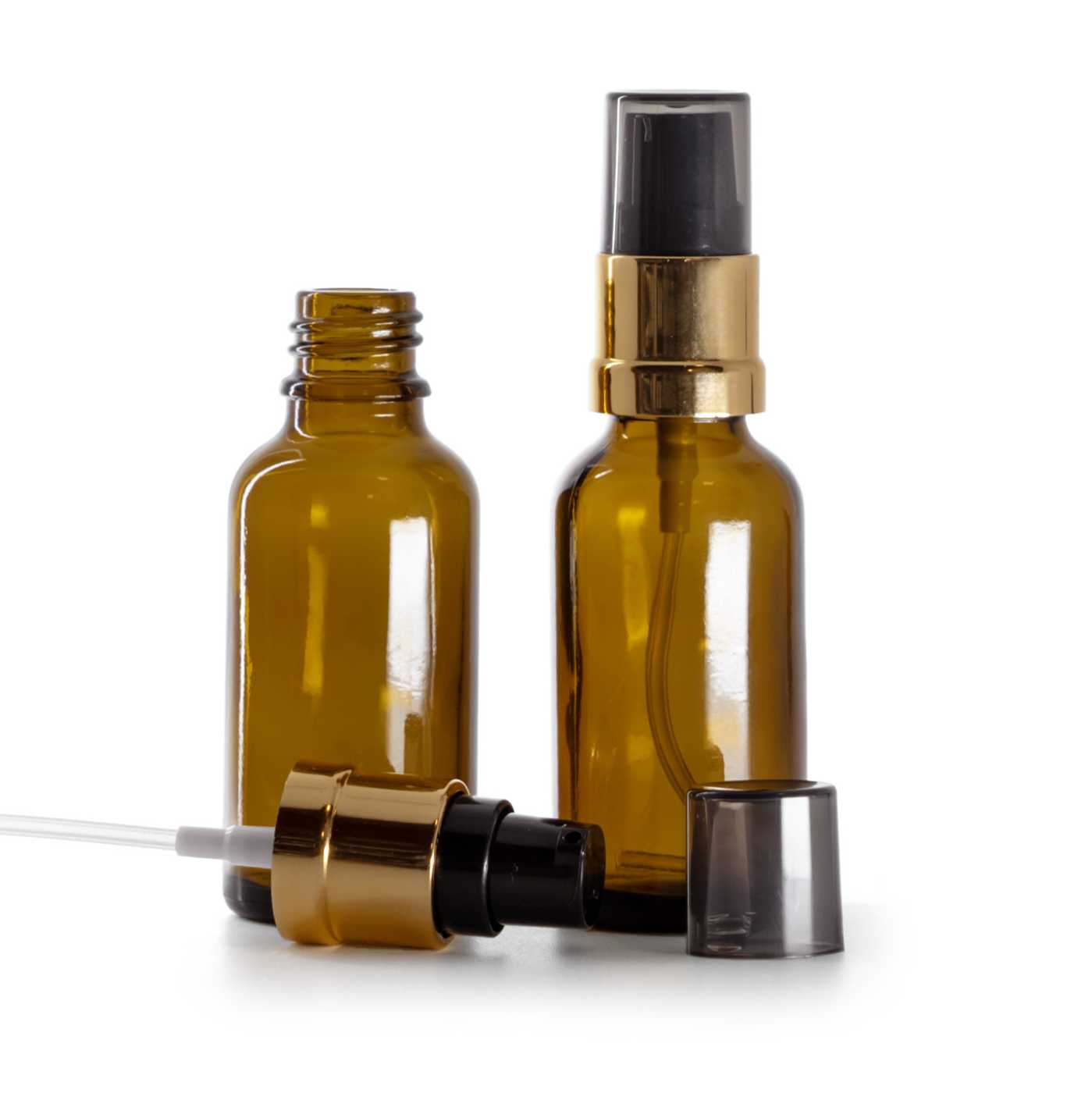
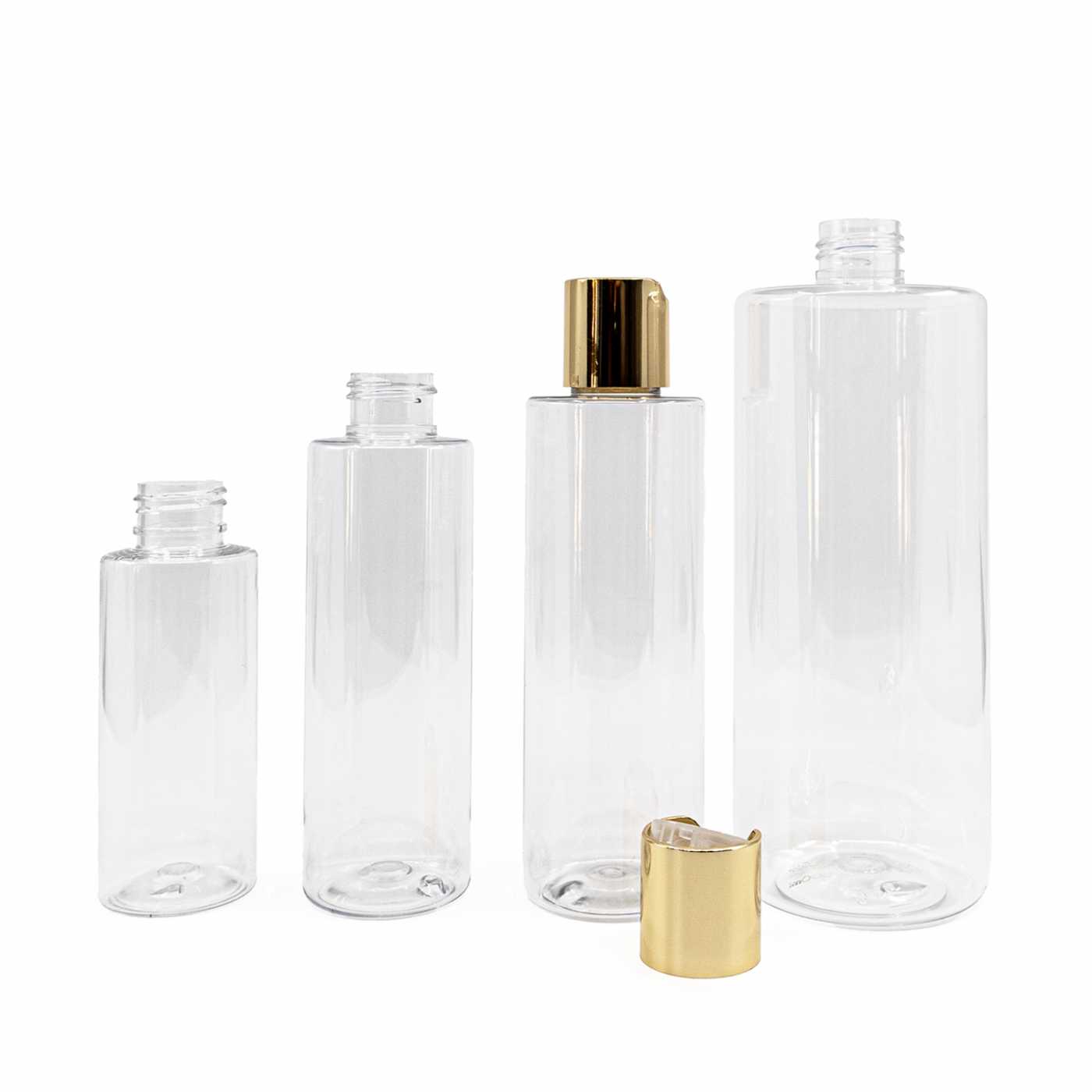
Pack size100 ml500 ml1 l5 l20 l

Coconut oil, fractionated Fractionated coconut oil gives the oil phase lightness and long stability. full description

AvailabilityIn stock · 777 packs
Product codeOL355_100
Batch23331
Best before05/2028
€4.29incl. VAT€42.90/l

Lowest price in the last 30 days: €4.29

Product description

Coconut oil, fractionated

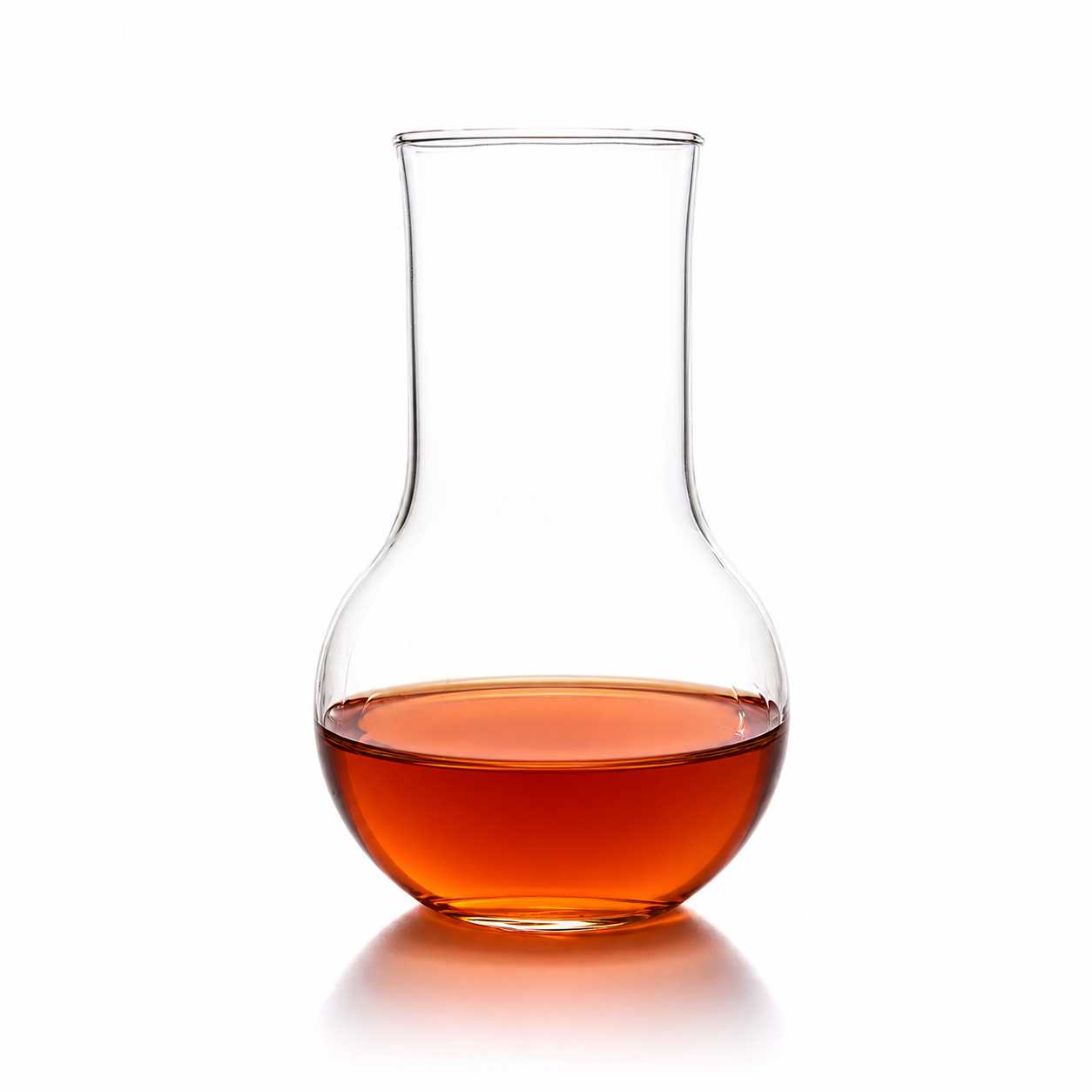
Fractionated coconut oil gives the oil phase lightness and long stability. It is produced from coconut oil by separating shorter fatty acids, caprylic and capric, so it remains liquid even in the cold, has no scent of its own and absorbs quickly into the skin without a greasy film. In a formulation it works as an emollient and carrier: it forms the base of the oil phase, dilutes essential oils and dissolves oil-soluble active ingredients.

Manufacturers choose it primarily for its oxidation resistance. The fatty acids in it have no double bonds, so it does not go rancid the way vegetable oils with a high proportion of unsaturated fatty acids do. The finished product does not change its scent and the oil phase does not yellow. It is suitable wherever you need a neutral oil that does not mask the scent or colour of other ingredients.


Key benefits

  • Liquid even in the cold – unlike regular coconut oil it does not solidify, and behaves consistently in body oils and serums throughout the year.
  • Fragrance- and colour-free – carries a fragrance composition or essential oils without any trace of its own.
  • Long shelf life – saturated chains do not yellow or go rancid, and the oil phase remains stable even without additional antioxidants.
  • Fast absorption – low viscosity gives the product a dry, light feel; skin does not feel sticky after application.
  • Dissolves oil-soluble actives – vitamin E, oil extracts and bisabolol dissolve well in it, making it a base for oil serums.
  • Compatible with oil-based ingredients – blends with vegetable oils, esters and waxes.

Use in formulation

It is added to the oil phase. In emulsions it is heated together with the other oils and emulsifier; in anhydrous products it is processed cold. In O/W emulsions it reduces the greasy feel brought by heavier oils such as avocado or olive, and improves the spreadability of the cream. As a carrier for essential oils on the skin, simply mix the essential oils into a measured amount of fractionated coconut oil and leave to stand for a few minutes.

Dosage depends on the product type. In creams and lotions it is typically one of several oil-phase components; in body and massage oils it forms the base and may represent the entire formulation.

If you want to keep valuable vegetable oils in the formulation but need a lighter feel, replace part of the heavier oil with fractionated coconut oil. Adjust the ratio to the desired texture and test on a small sample.

The oil is not water-soluble. It can be incorporated into water-based products such as toners or hydrating sprays only via a solubiliser or emulsifier. In hair cosmetics it is used in oil treatments for ends, where its low viscosity does not weigh hair down.


Suitable for products such as

  • Body and massage oils where a light touch and long shelf life matter.
  • Oil serums and carriers for essential oils and oil-soluble active ingredients.
  • Face creams and body lotions where it softens the texture and speeds up absorption.
  • Cleansing oils and cleansing balms where it dissolves make-up and oil-based impurities.
  • Lip balms and solid sticks as a liquid component that adjusts the hardness of the wax base.
  • Products for children and sensitive skin without fragrance, where a neutral profile matters.

Good to know

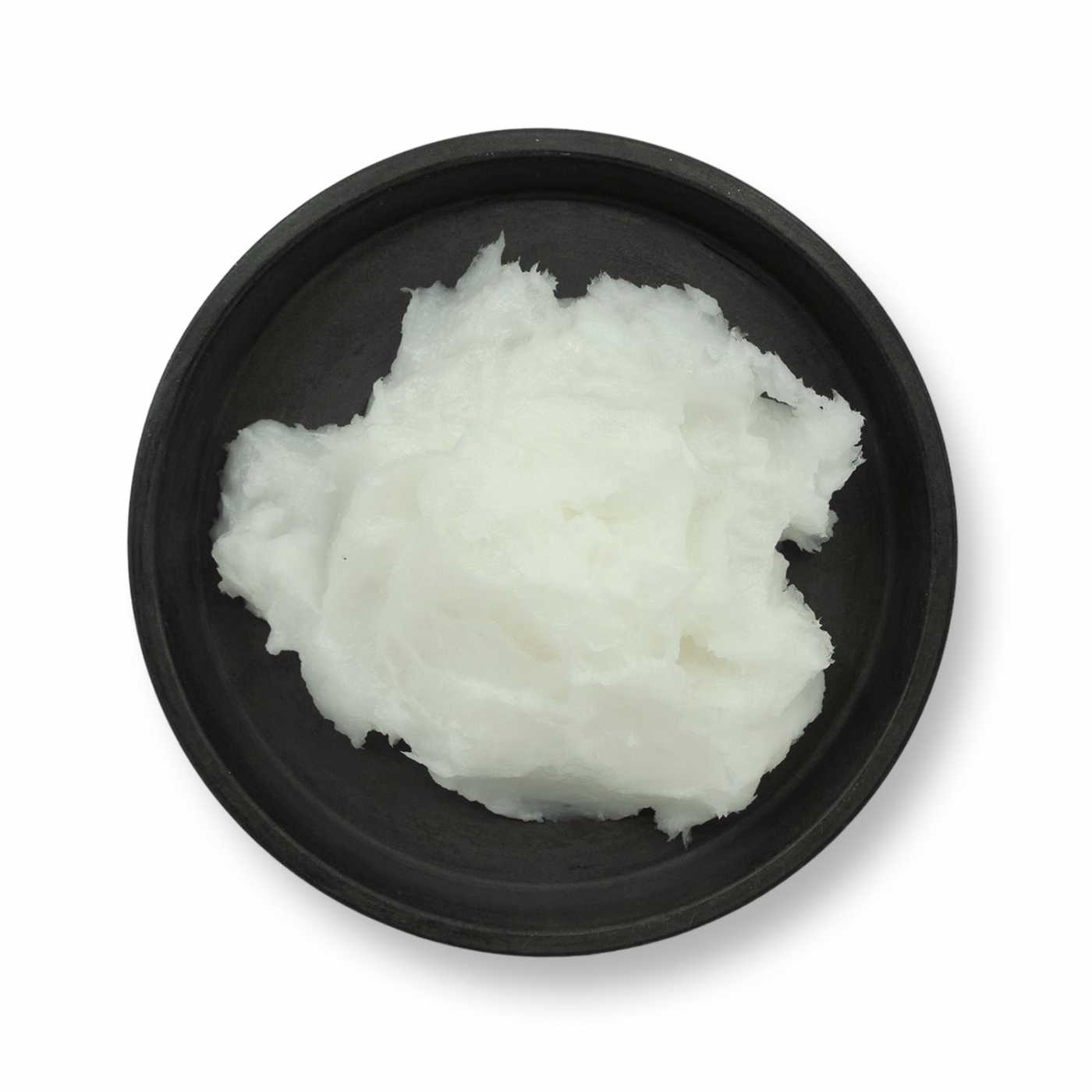
Fractionated coconut oil does not contain lauric acid or the other longer fatty acids present in virgin coconut oil. It is therefore unsuitable for soap making: the saponification of lauric acid that gives coconut soap its hardness and lather would be missing. For soap, use regular coconut oil.

At higher doses in emulsions it reduces the viscosity of the finished cream. In lotions and light creams this is desirable; in thick creams you can compensate with an oil-phase thickener or a higher proportion of solid components. In anhydrous products no preservative is needed; in emulsions with a water phase, preservation remains necessary as with any water-based system.

A neutral carrier does not reduce the effect of essential oils. Dose them according to the safety limits for the given product type, regardless of what they are dissolved in.


Frequently asked questions

What is the difference between fractionated and regular coconut oil?
Fractionated coconut oil is liquid, fragrance-free and contains only caprylic and capric acid. Regular coconut oil is solid, smells of coconut and contains mainly lauric acid. Fractionated is used as a light emollient and carrier; regular coconut oil as a nourishing fat and raw material for soap.
Is fractionated coconut oil water-soluble?
No, fractionated coconut oil is not water-soluble. It is incorporated into water-based products using an emulsifier, and in small amounts into toners or sprays using a solubiliser. In oil-based and anhydrous systems it blends without restriction.
Can fractionated coconut oil be used as a carrier for essential oils?
Yes, fractionated coconut oil is a common carrier for essential oils. It has no scent of its own, absorbs quickly, and the finished blend does not go rancid thanks to its oxidation resistance. Mix essential oils into it at a concentration that corresponds to the safety recommendations for the given product type.
Is fractionated coconut oil suitable for cold-process soap?
No, fractionated coconut oil is not recommended for soap making. It lacks lauric acid, which in regular coconut oil provides soap hardness and a rich lather. Its place is in cosmetics as an emollient, carrier and oil-phase component.
Does fractionated coconut oil leave a greasy film on the skin?
No, fractionated coconut oil absorbs quickly and leaves a dry, smooth feel on the skin. At high doses in thick creams it may reduce the viscosity of the product, but the greasy feel remains low. Olive or avocado oil stay on the skin longer.

Parameters

INCI
Caprylic/capric TriglycerideCaprylic/Capric Triglyceride
CAS No.
73398-61-5 / 65381-09-173398-61-5
EC number
277-452-2 / 265-724-3277-452-2
Country of origin
Malaysia
Processing method
Fractionation
Appearance
Oil solution
Formulation phase
Oil phase
Recommended processing temperature
< 80 °C
Recommended dosage range
1 – 100 %
Application type
Leave-onRinse-off
Natural Index (NI ISO 16128)
1,00
Natural Origin Index (NOI ISO 16128)
1,00
Renewable Carbon Content (RCC)
100 %
Volume
100 ml

Product documentation

CoACertificate of Analysis
batch 23331PDF ↓
TDSTechnical Data Sheet
Physical parameters and processingPDF ↓
Download all (ZIP)

2 PDF files in one archive

Learn how to work with it

From our blog
Daniel K.17 Oct 2026SK

Verified purchase

Variant: Kokosový olej, frakcionovaný, 100 ml

Franca G.29 Sept 2026IT

Verified purchase

Variant: Kokosový olej, frakcionovaný, 100 ml

Anne V.27 Sept 2026FR

Verified purchase

Variant: Kokosový olej, frakcionovaný, 100 ml
(3 reviews)