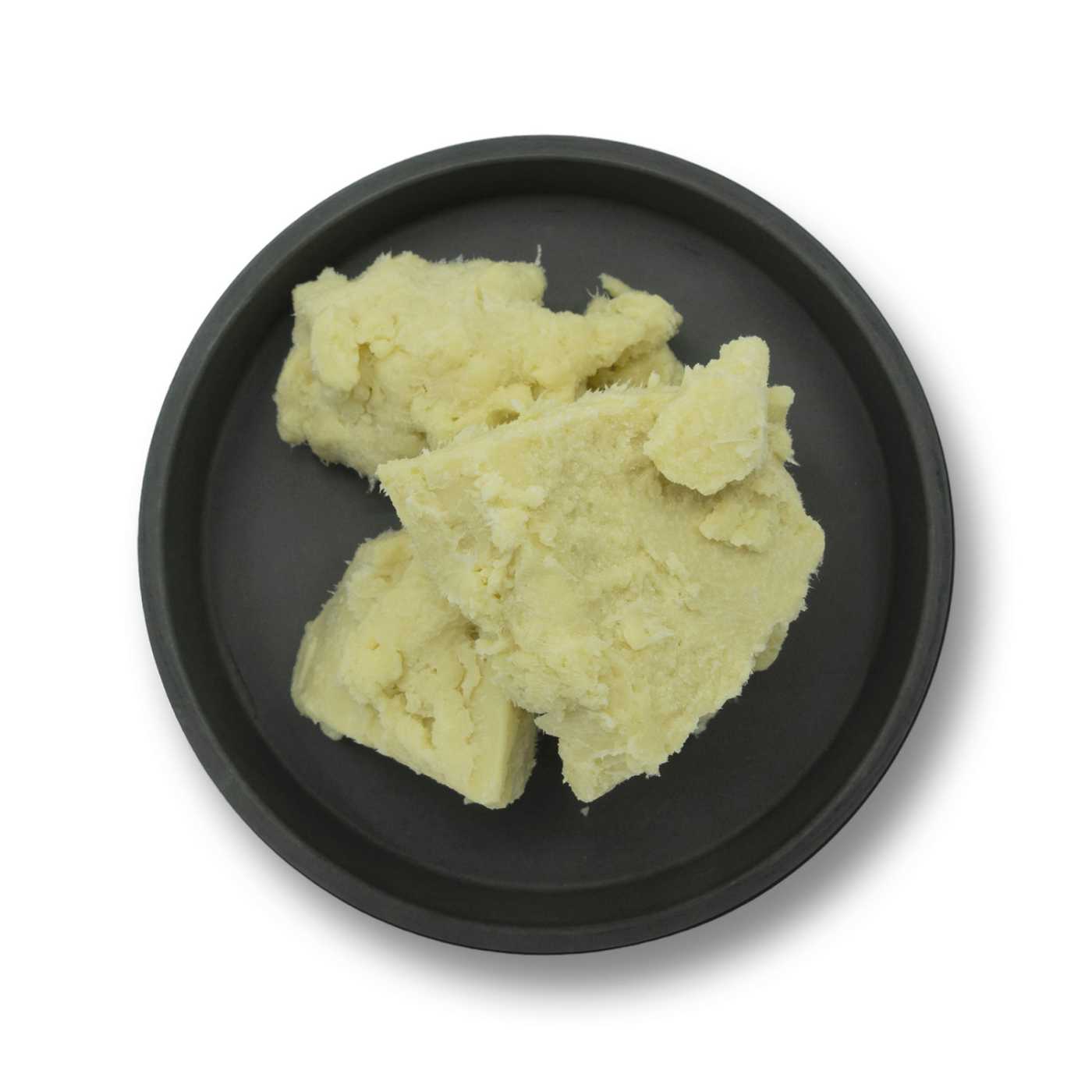
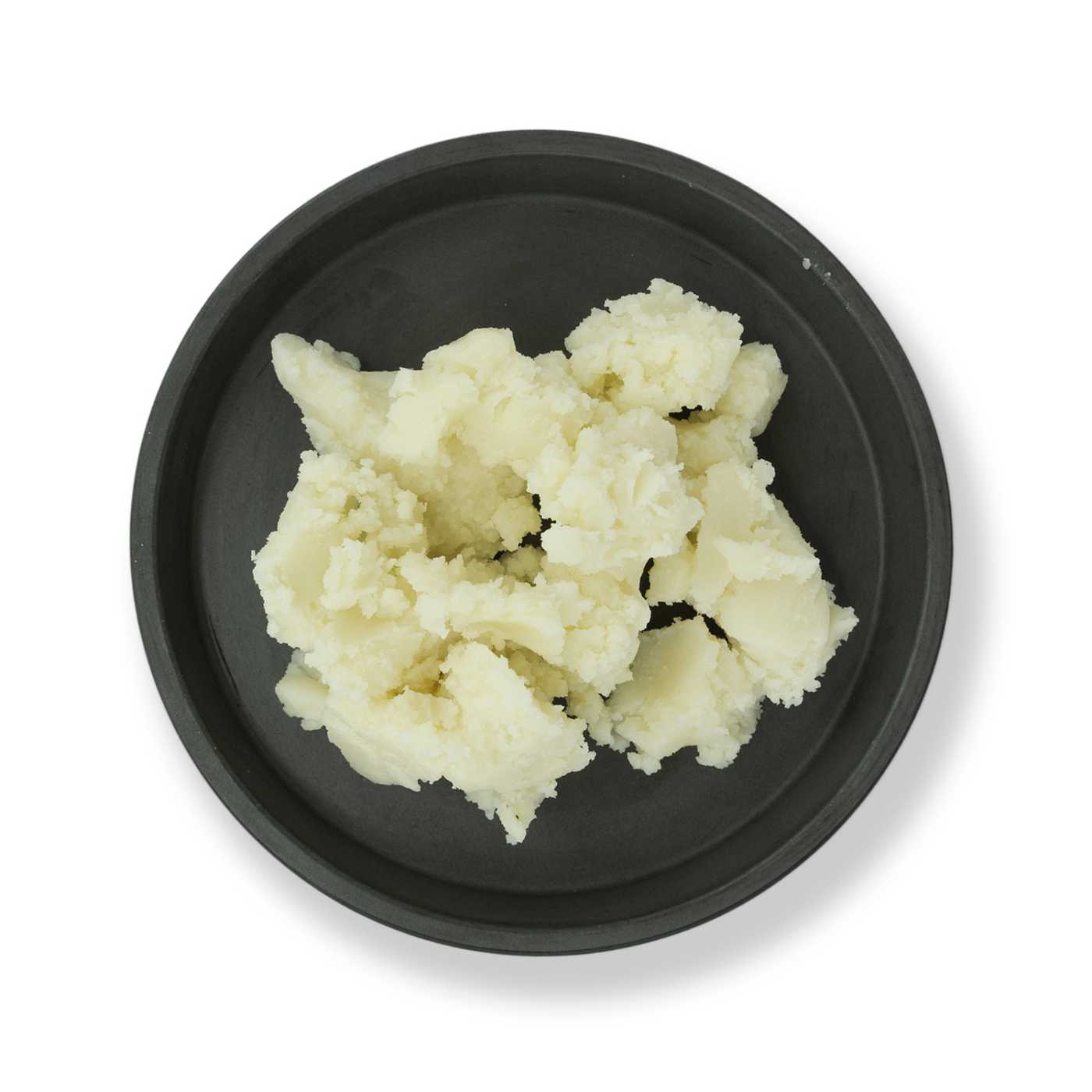
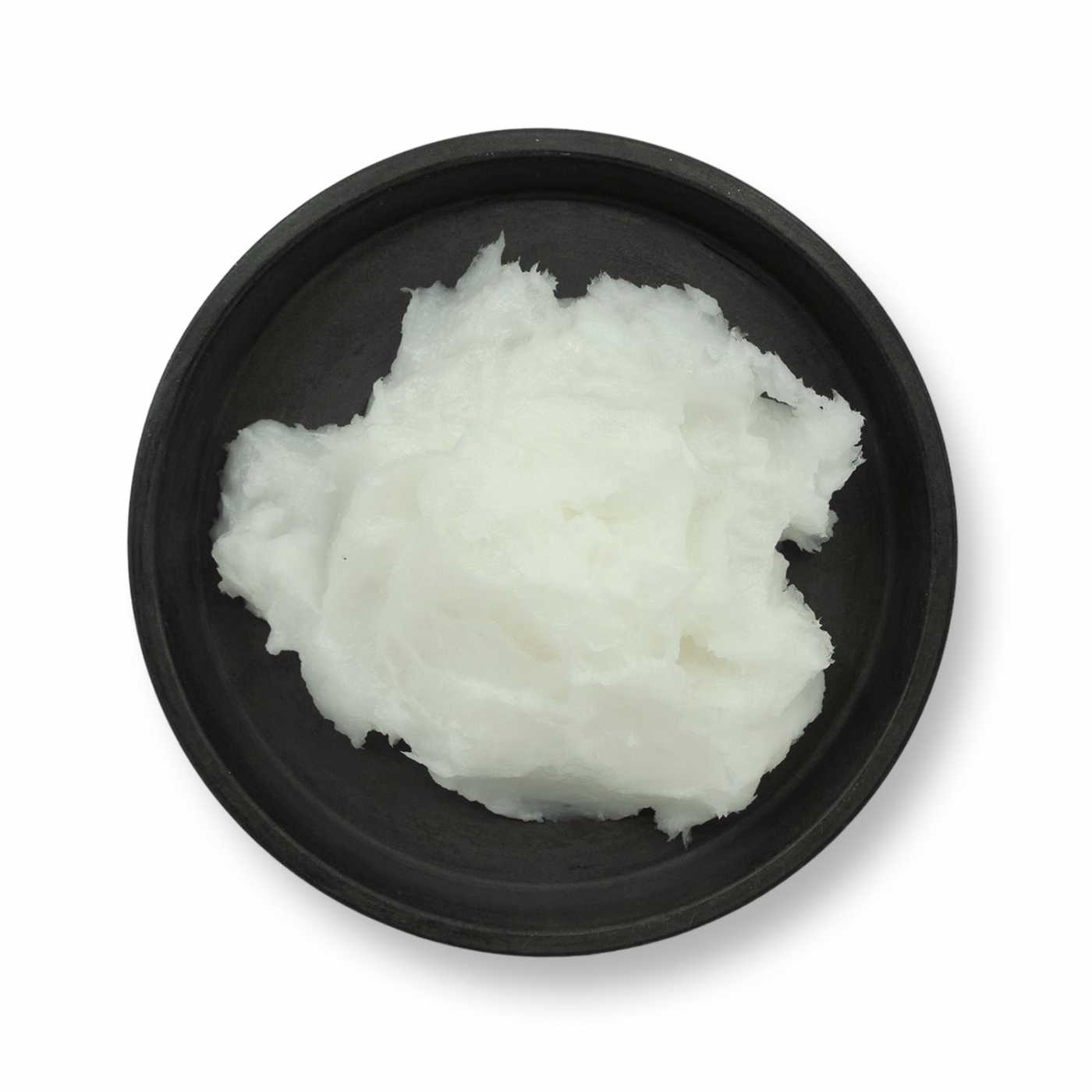
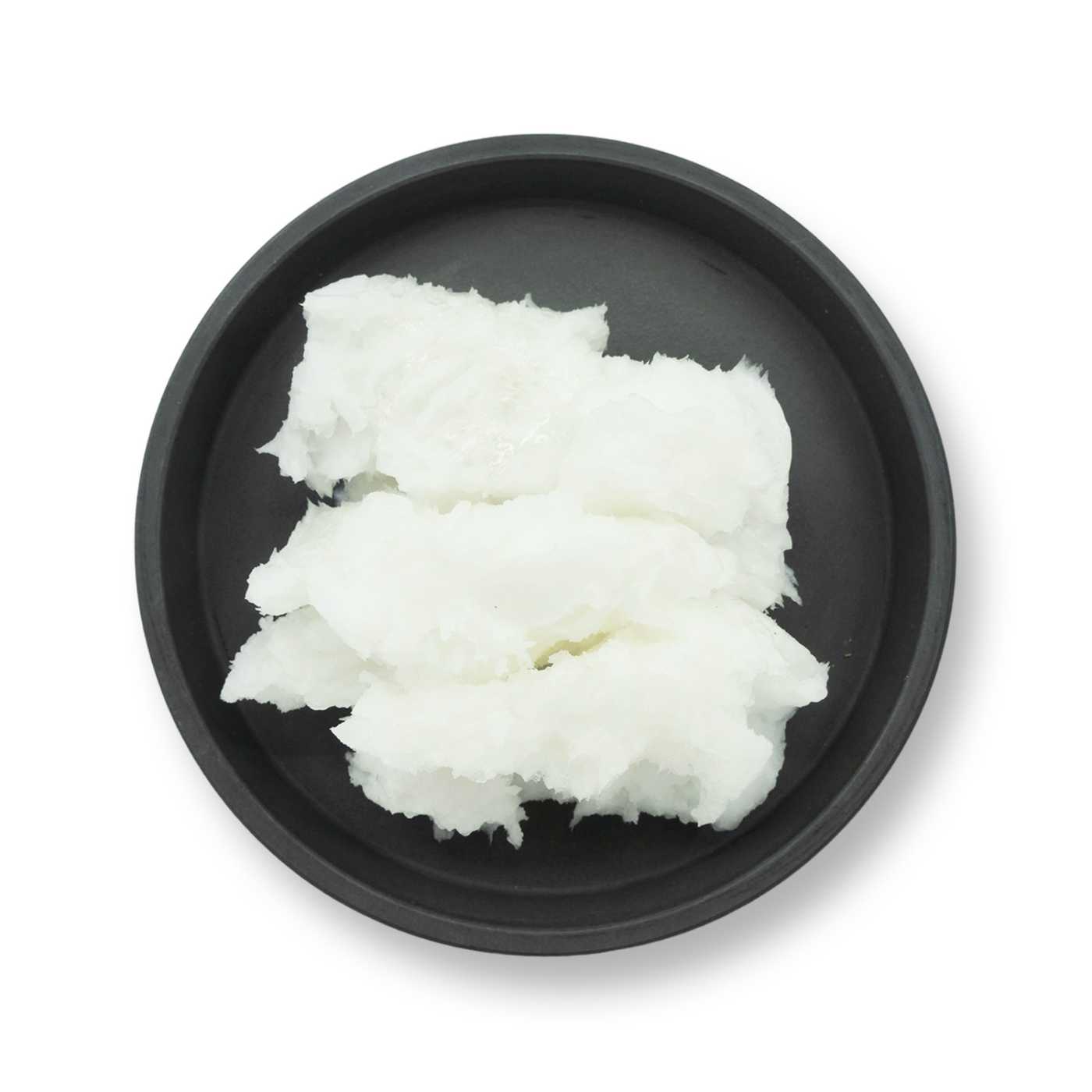
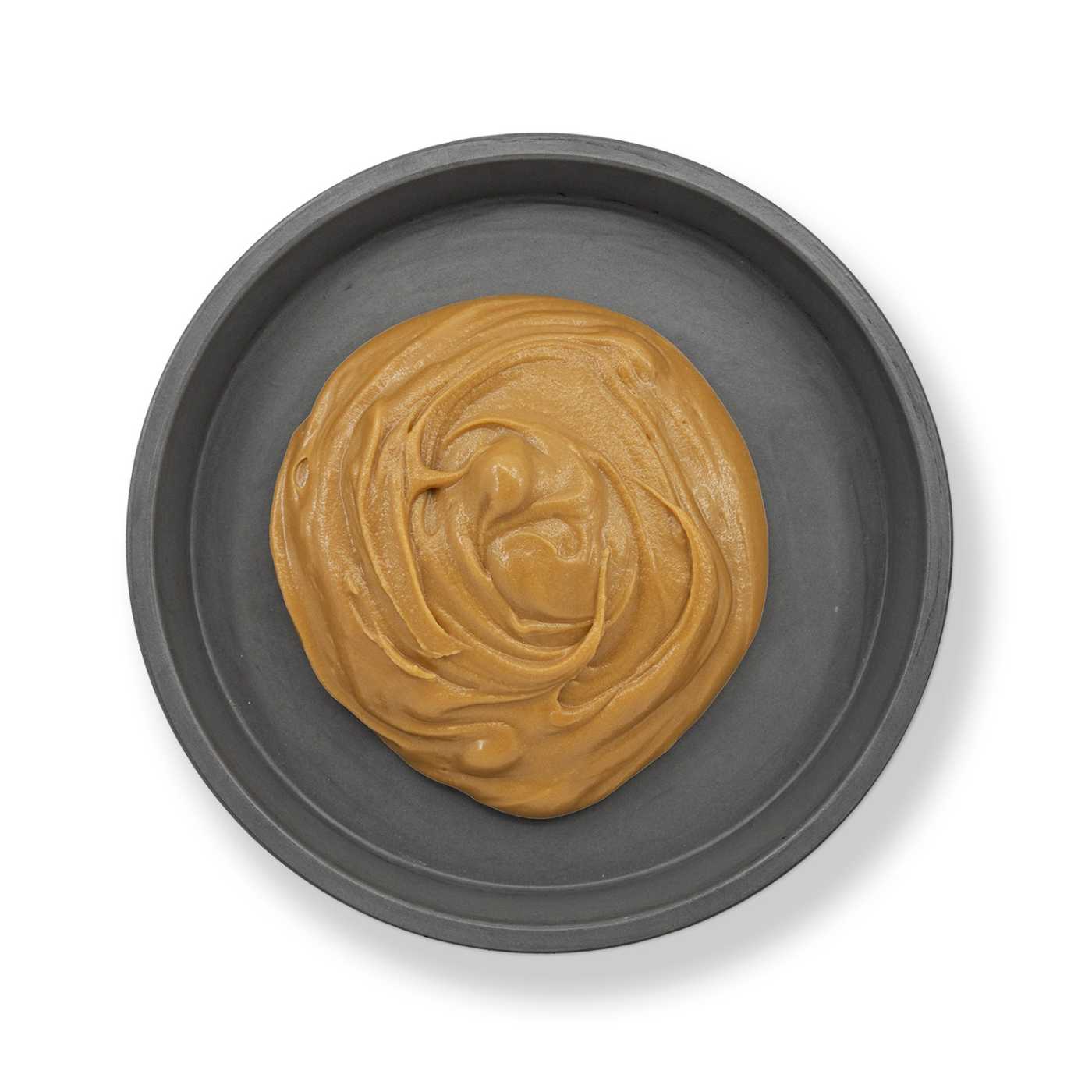
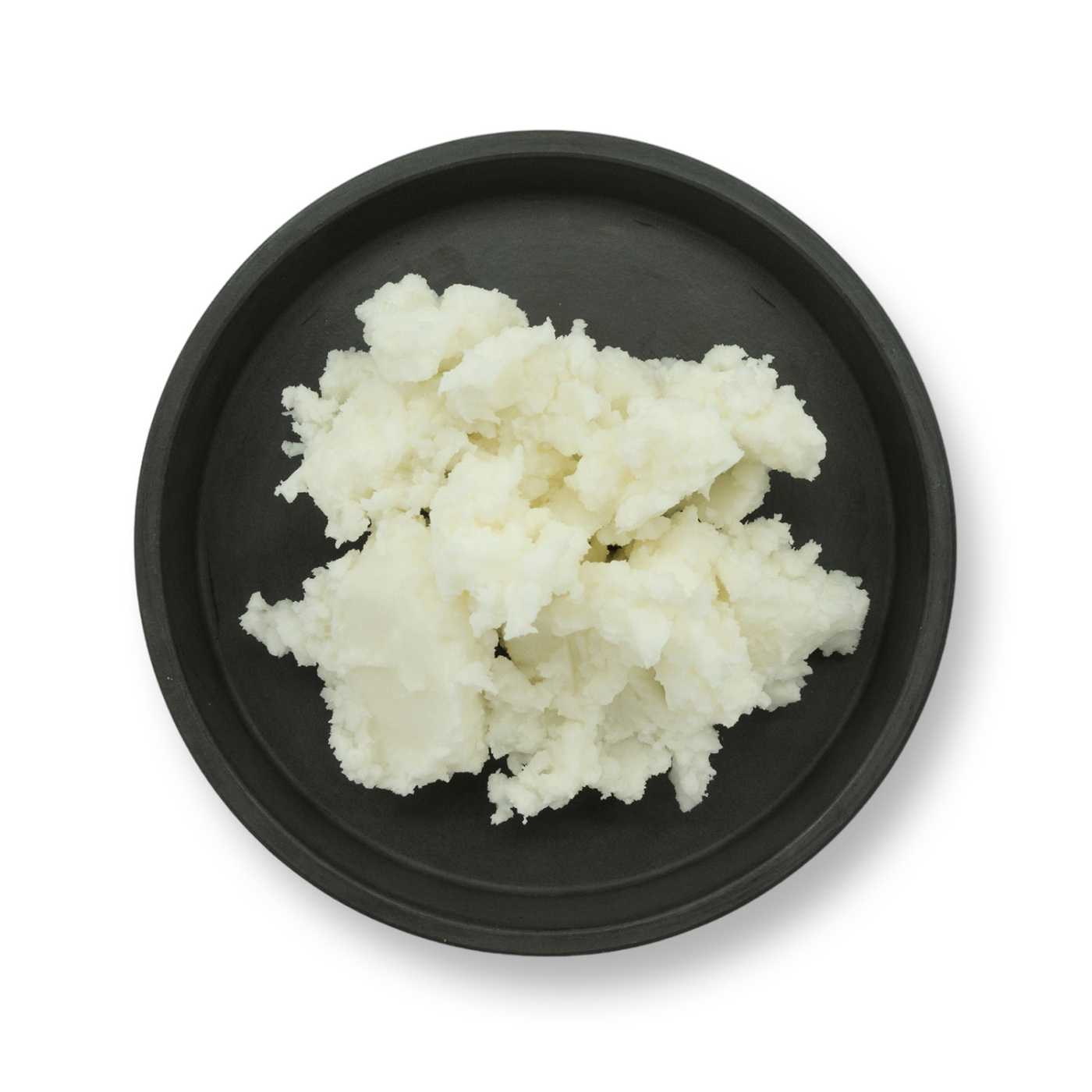
Unrefined shea butter (shea, karité) is a vegetable fat pressed from the seeds of the Vitellaria paradoxa tree, which grows in the savannas of West Africa. It is added to cosmetics as an emollient: it softens dry and rough skin, forms a protective layer on it that limits water evaporation, and gives body to creams, body butters, and balms. It works equally well in hair care, where it restores elasticity and shine to dry and brittle hair.
This butter of West African origin is produced by mechanical pressing, drying, and filtration, without refining, bleaching, or deodorisation. It therefore retains its natural scent and the full proportion of accompanying substances for which shea butter is valued in cosmetics. The raw material is vegan and has food-grade quality, making it suitable for lip balms as well.
What it brings to the formula
- Skin softening and protection – the butter forms a cohesive film on the skin that slows moisture loss. This is most appreciated by dry, cracked, and wind-exposed skin on hands, feet, and lips.
- Unsaponifiable fraction – shea butter contains an unusually high proportion of substances that do not convert into soap and remain in the product as a conditioning component. These are associated with the soothing effect for which the butter has traditionally been used on irritated and reddened skin.
- Antioxidant protection – the manufacturer states that the butter contains antioxidants that help neutralise free radicals. According to their data, it supports skin elasticity and firmness and helps reduce visible signs of ageing.
- Hair and scalp care – in hair butters and masks, it smooths dry, damaged, and frizzy hair, reduces brittleness, and adds shine. On the scalp, it relieves the feeling of tightness and dryness.
- Texture and consistency – in emulsions, it increases viscosity and gives creams a fuller, richer body. In anhydrous balms and sticks, it forms a base that melts on contact with the skin.
Use in formulation
The butter belongs in the oil phase. When making emulsions, it is melted together with the other oils and emulsifier and added during emulsification. In anhydrous products, it is dissolved directly in the heated mixture of oils and waxes; whipped butters are whipped during the cooling phase. It melts at body temperature, approximately 28–34 °C, so a water bath is sufficient for melting. The recommended processing temperature is up to 60 °C. Prolonged or intense heating alters the scent and unnecessarily stresses the sensitive accompanying substances.
Dosage ranges from 1 to 100 % depending on the product type. In light facial creams and lotions, a small proportion in the oil phase is sufficient; in body creams and butters the proportion is higher, and in lip balms, sticks, and whipped butters it can form the majority or the entire oil base. It can also be used pure, without further processing, in both rinse-off and leave-on products.
Unrefined butter also brings its natural, mildly nutty and sweet scent to the formula. In a product without fragrance it will remain noticeable; at lower dosages most fragrance compositions will mask it.
The butter contains no water and therefore does not require preservation on its own. A preservative is only needed once it becomes part of an emulsion or other product with a water phase.
Shea butter tends to form small granules when the melted mass cools slowly. After melting, therefore, chill it quickly in a refrigerator or freezer, or stir during solidification. The granules are simply fat crystals that melt immediately on the skin and are not a defect of the raw material.
Suitable for products such as
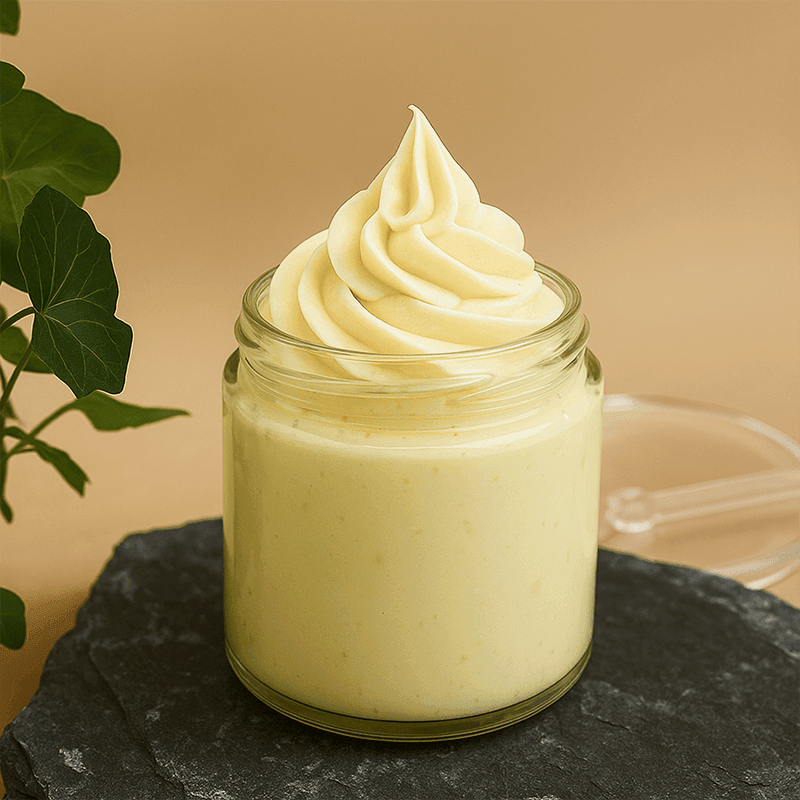
- Body butters and whipped butters – on their own or blended with lighter oils to reduce density and speed up absorption.
- Hand and foot creams, balms for cracked skin – wherever a protective film with longer-lasting effect is important.
- Lip balms and sticks – the food-grade quality of the raw material is an advantage here.
- Facial creams for dry and mature skin – at lower dosages as a richer emollient in the oil phase.
- Hair butters, masks, and leave-in conditioners – for dry, damaged, and frizzy hair and ends.
- Baby cosmetics and products for sensitive skin – due to low irritation potential and the absence of fragrance allergens.
- Cold process soap – as a hardening and conditioning fat in the fat blend.
Good to know
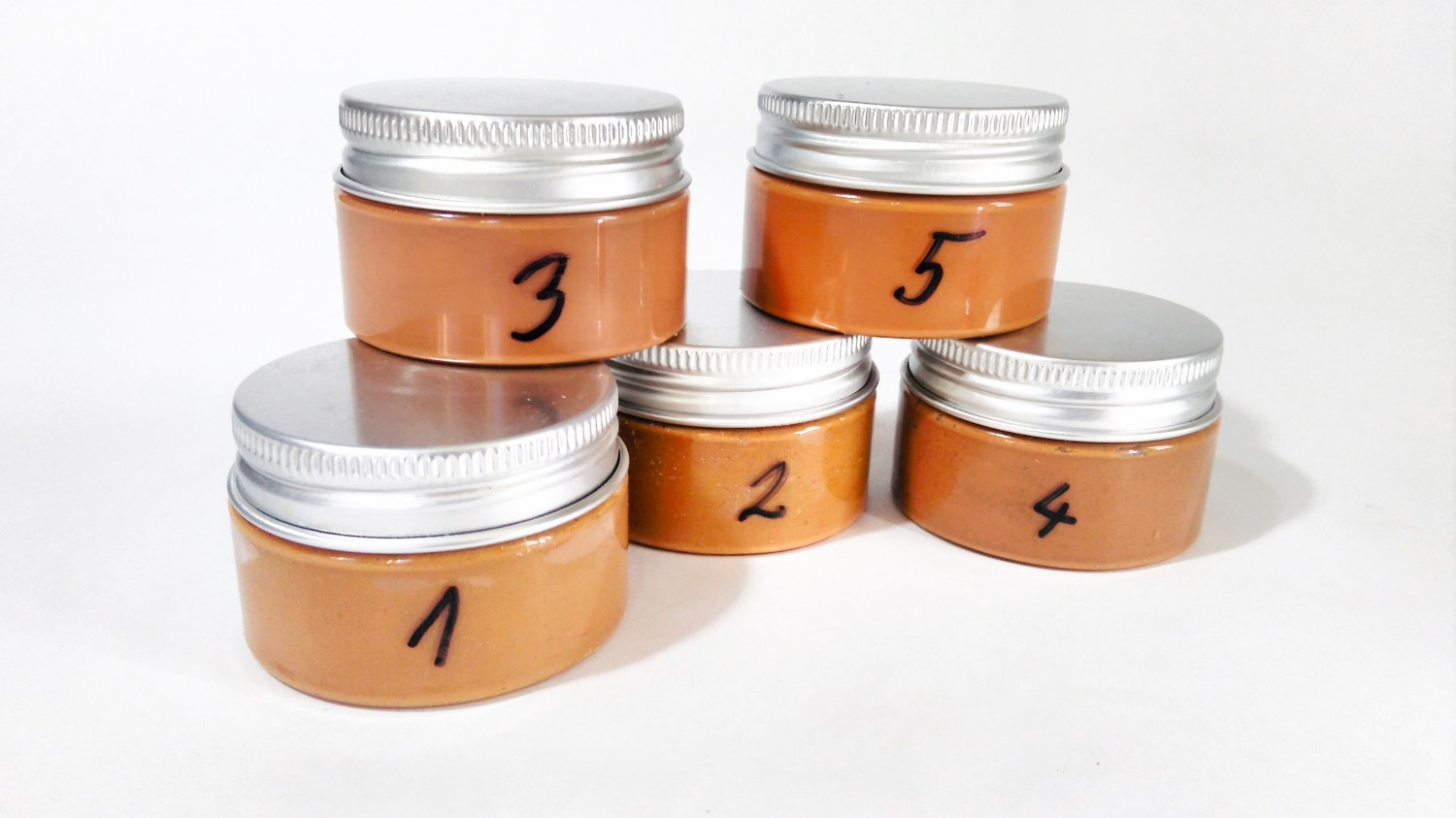
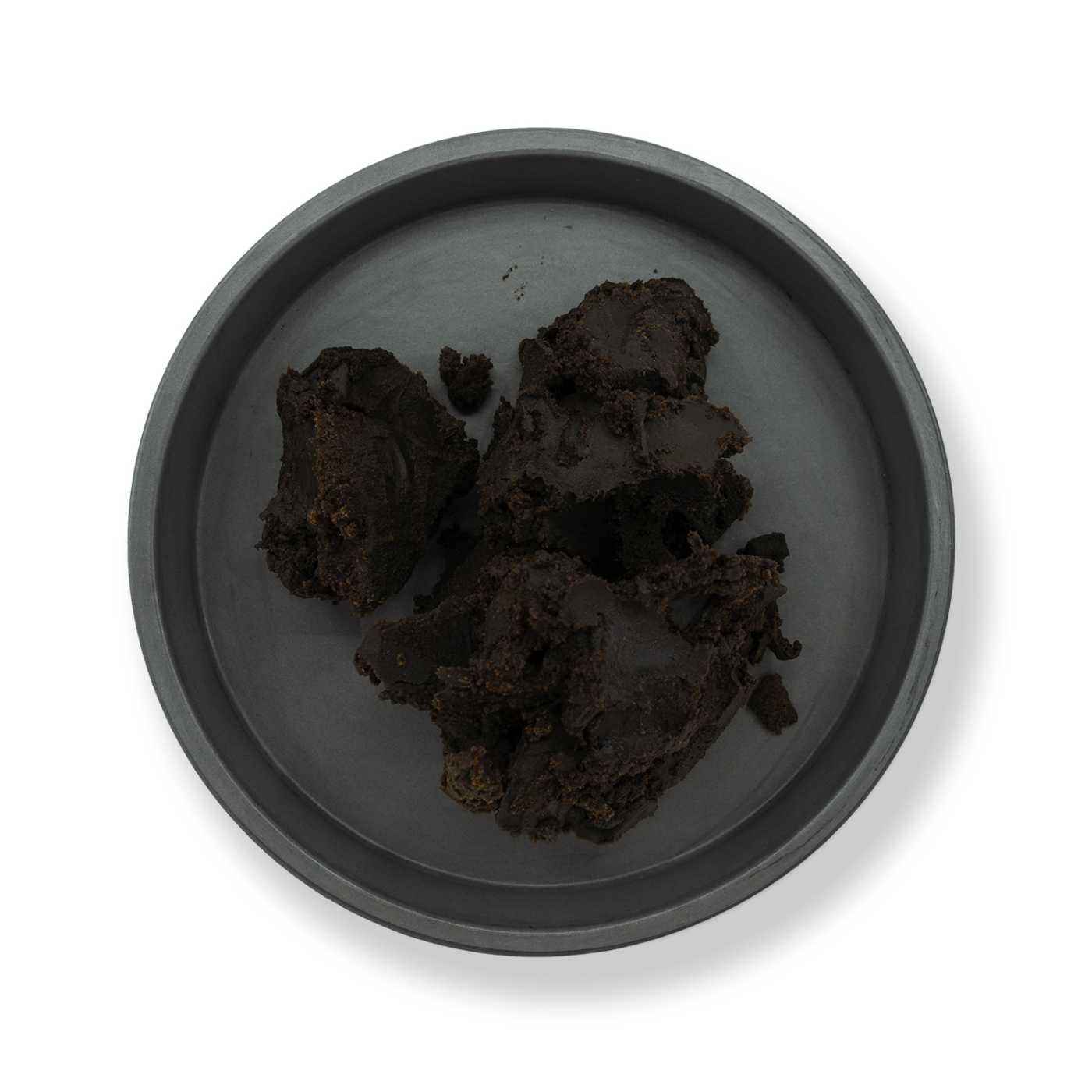
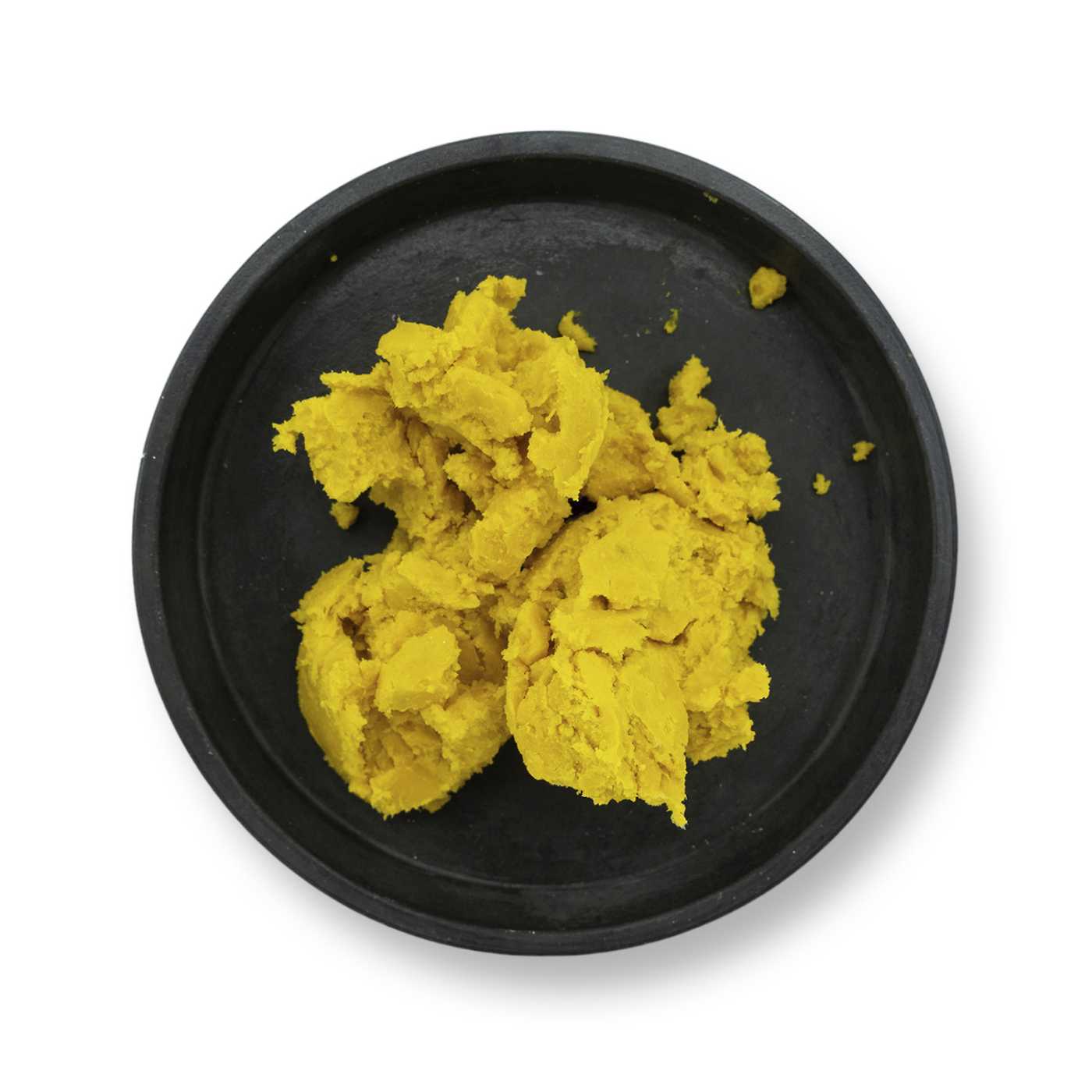
- The shade of unrefined butter naturally varies between batches from greyish-white to beige. In light-coloured creams, this may affect the product colour at higher dosages.
- Pure butter will soften in a warm room or in summer and solidify in the cold. Adjust the formula of anhydrous products to the season by adding wax or liquid oil.
- The skin feel is richer than with refined butter. A lighter result can be achieved by combining it with fast-absorbing oils (e.g. Prunus Amygdalus Dulcis Oil, Caprylic/Capric Triglyceride) or with ester emollients.
- For products with a longer expected shelf life, we recommend adding an antioxidant, such as Tocopherol, to protect the unsaturated fatty acids from oxidation.
The butter is free from palm oil, free from allergenic fragrance substances, and is not classified as hazardous; it can therefore be used without dosage restrictions in products for children and sensitive skin.
Difference between unrefined and refined shea butter
Unrefined butter undergoes only pressing and filtration, retaining its scent, colour, and the full proportion of unsaponifiable substances. Refined butter is bleached and deodorised, has a neutral scent, white colour, and more consistent properties between batches, but some of the accompanying substances are lost during refining. Choose the unrefined version where you want to make use of the full spectrum of components and the natural scent is not a concern. Refined butter belongs in fragranced and light-coloured formulas where the raw material should be as neutral as possible.
Frequently asked questions
Is unrefined shea butter water-soluble?
No, shea butter is insoluble in water and dissolves only in oils and fats. It therefore cannot be added directly to water-based products such as tonics or gels and requires an emulsifier to disperse it in an emulsion. In anhydrous products, it simply melts together with the other oils and waxes.
At what temperature does shea butter melt and how is it processed?
Shea butter melts at approximately 28–34 °C and is processed at temperatures up to 60 °C. A water bath is sufficient for melting; higher temperatures alter the scent and stress the sensitive accompanying substances. It is added to emulsions melted in the oil phase; whipped butters are prepared during the cooling phase, when the mass begins to solidify.
Why does shea butter form granules and can this be corrected?
Granules form when melted butter cools slowly and part of the fats crystallise before the rest. This does not mean the raw material is spoiled; the crystals melt immediately on the skin. You can eliminate them by melting the butter again completely at a temperature up to 60 °C and then cooling it quickly in the refrigerator.
Is unrefined shea butter suitable for sensitive and baby skin?
Yes, unrefined shea butter is commonly used in products for sensitive, dry, and baby skin. It contains no fragrance allergens or palm oil, is not classified as hazardous, and can be used in pure form. It has traditionally been used for irritated and dry skin; the manufacturer states a soothing effect and support for skin elasticity.
Does shea butter leave a greasy film on the skin?
Pure unrefined shea butter leaves a more noticeable protective film on the skin that gradually absorbs. The manufacturer states that it absorbs quickly without a greasy residue; however, the result depends on the amount applied and the combination with other oils. A lighter feel can be achieved in a whipped butter with drier oils or in an emulsion with a low dosage of butter.
Can unrefined shea butter be used in cold process soap?
Yes, shea butter is a common ingredient in the fat blend of cold process soap. It contributes hardness and a creamy lather, and its unsaponifiable fraction remains in the finished soap as a conditioning component. At a higher proportion of butter in the fat blend, the soap lathers less, so it is combined with oils that support lather.