+421 950 333 113info@handymade.storeHandymade Days: −10 % on all ready-made productsShop now

COSMETIC CLAYS

French Montmorillonite Cosmetic Clay, 1 kg

Pack size100 g500 g1 kg

Cosmetic clay, French montmorillonite is a natural mineral clay from the smectite group that binds sebum and impurities on the skin and in the hair. full description

AvailabilityIn stock · last 2 packs
Product codeKIL002_1000
Batch45.23-S2924BOS
Best before11/2028
€17.84incl. VAT€17.84/kg

Lowest price in the last 30 days: €16.05

Product description

Cosmetic clay, French montmorillonite is a natural mineral clay from the smectite group that binds sebum and impurities on the skin and in the hair. It swells in water, so in water-based products it also thickens and stabilises. It is used on its own as a powder mask and as an additive in pastes, creams and cleansing products for oily, combination and normal skin.


How montmorillonite works

Smectite clays are made of microscopic platelets arranged in layers. Their surfaces carry a negative charge, which is balanced by sodium, calcium, potassium or magnesium ions. These ions are easily exchanged for others. This property is called cation exchange capacity, and montmorillonite has a high one. On the skin, it therefore binds sebum and impurities, which are then rinsed off together with the clay. It works in the same way on the scalp and on hair that tends to become oily.

The second property is also related to water. Water enters between the layers of the clay and the clay swells. A powder and water form a paste, and a water-based product with added clay thickens.


Functions in a formulation

  • Thickener and rheology modifier – the swollen particles increase the viscosity of water-based systems and change their flow.
  • Stabiliser – helps keep water-based products uniform.
  • Mild abrasive – 90% of particles are smaller than 35 µm; when rinsed off, the clay helps to clean the skin mechanically.
  • Odour absorber – binds odours, which is useful in body and foot products.

Use in a formulation

The clay does not dissolve in water, it disperses in it. It neither dissolves nor disperses in oil or alcohol. It is incorporated into the water phase or added to the finished product afterwards.

The usage rate has a wide range, 1–100%. The lower limit corresponds to an addition to an emulsion, where the clay adjusts the thickness and texture. The upper limit is the powdered clay on its own, which is mixed with water only at the time of use. Pastes and ready-made masks lie between them, depending on the required thickness.

The raw material is slightly alkaline, with a pH of 7.5–9.

The clay can raise the pH of a water-based product. After incorporating it, check the pH and adjust it if necessary.

In purely oil-based, anhydrous products, montmorillonite neither thickens nor stabilises. It swells only in water and other polar environments.


Suitable for products such as

  • Powder and ready-made face masks
  • Hair and scalp masks for hair and scalp that tend to become oily
  • Mud bath products
  • Cleansing pastes and creams for the face, body, hands and feet, both rinse-off and leave-on
  • Mouthwashes

Good to know

The negatively charged clay strongly binds cationic substances. Cationic antimicrobial ingredients, for example cetylpyridinium or chlorhexidine, are held between its layers and are released only in excess or at a very low pH. When combining it with cationic active ingredients, conditioning agents or preservatives, expect their effectiveness to be lower.

The clay is dried during production, which frees it from bacteria, but it is not sterile. The total microorganism count is typically up to 1000 CFU/g and pathogens are absent. Water-based products containing the clay, that is pastes and creams, must be preserved.

For a mask, mix the dry powdered clay with water only immediately before use.

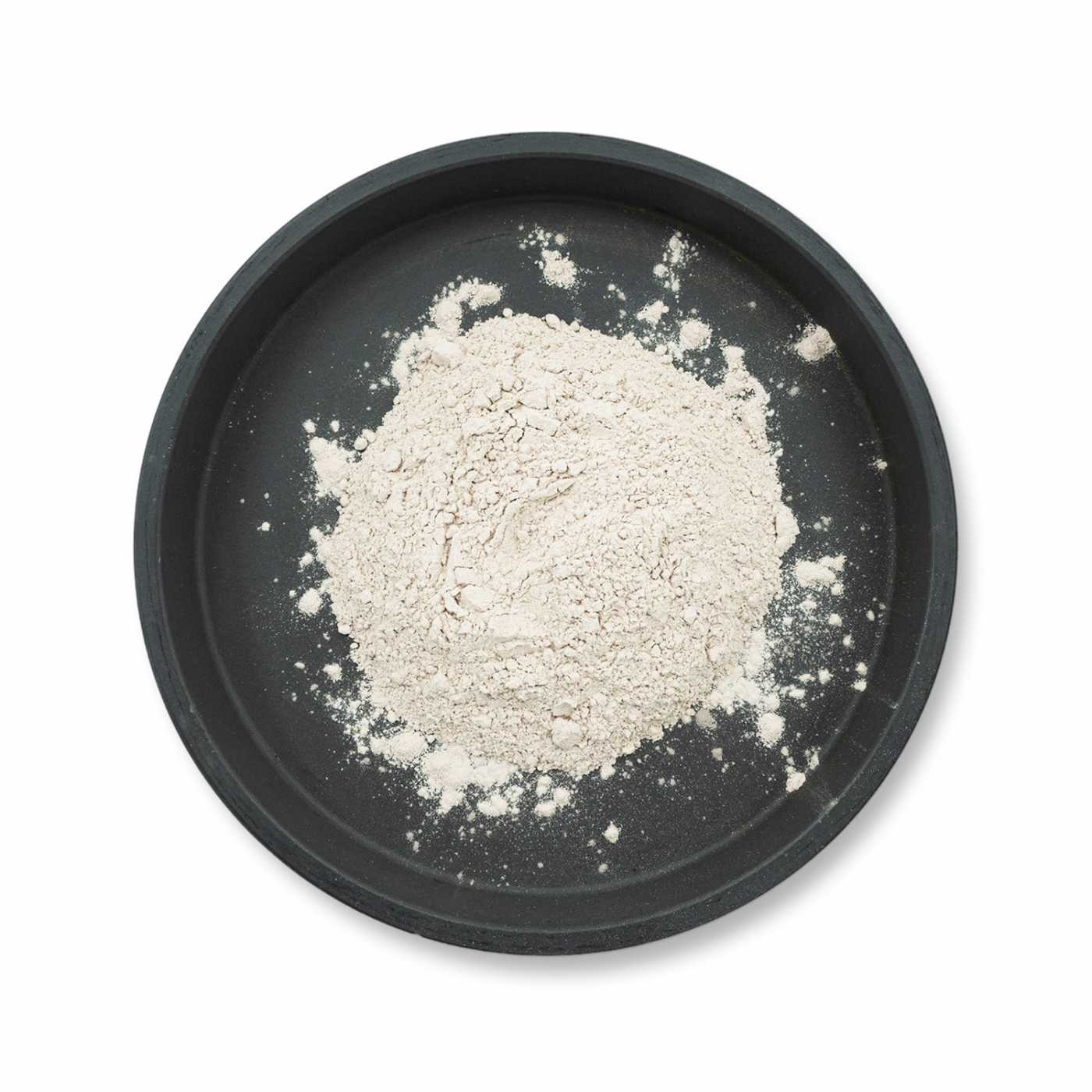
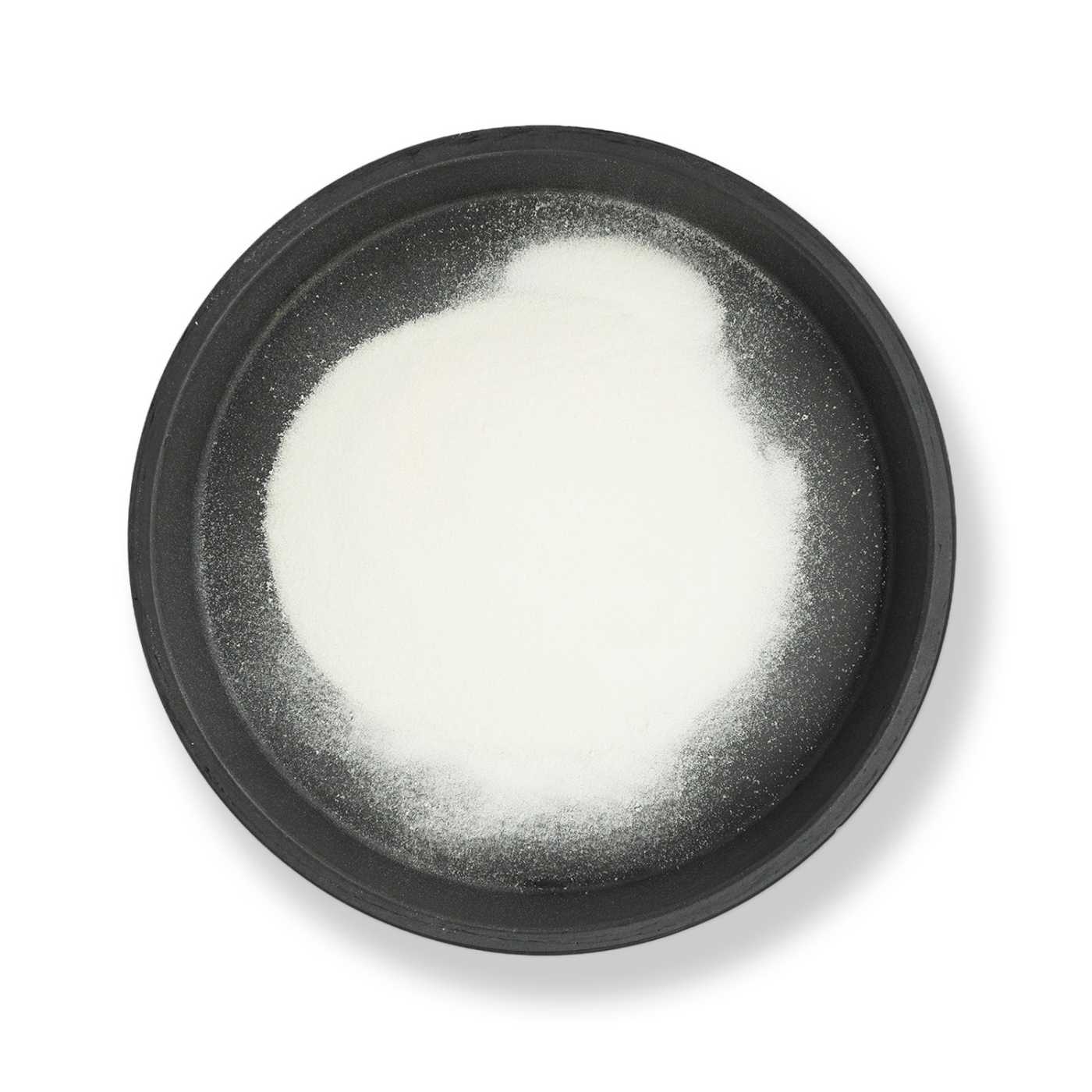
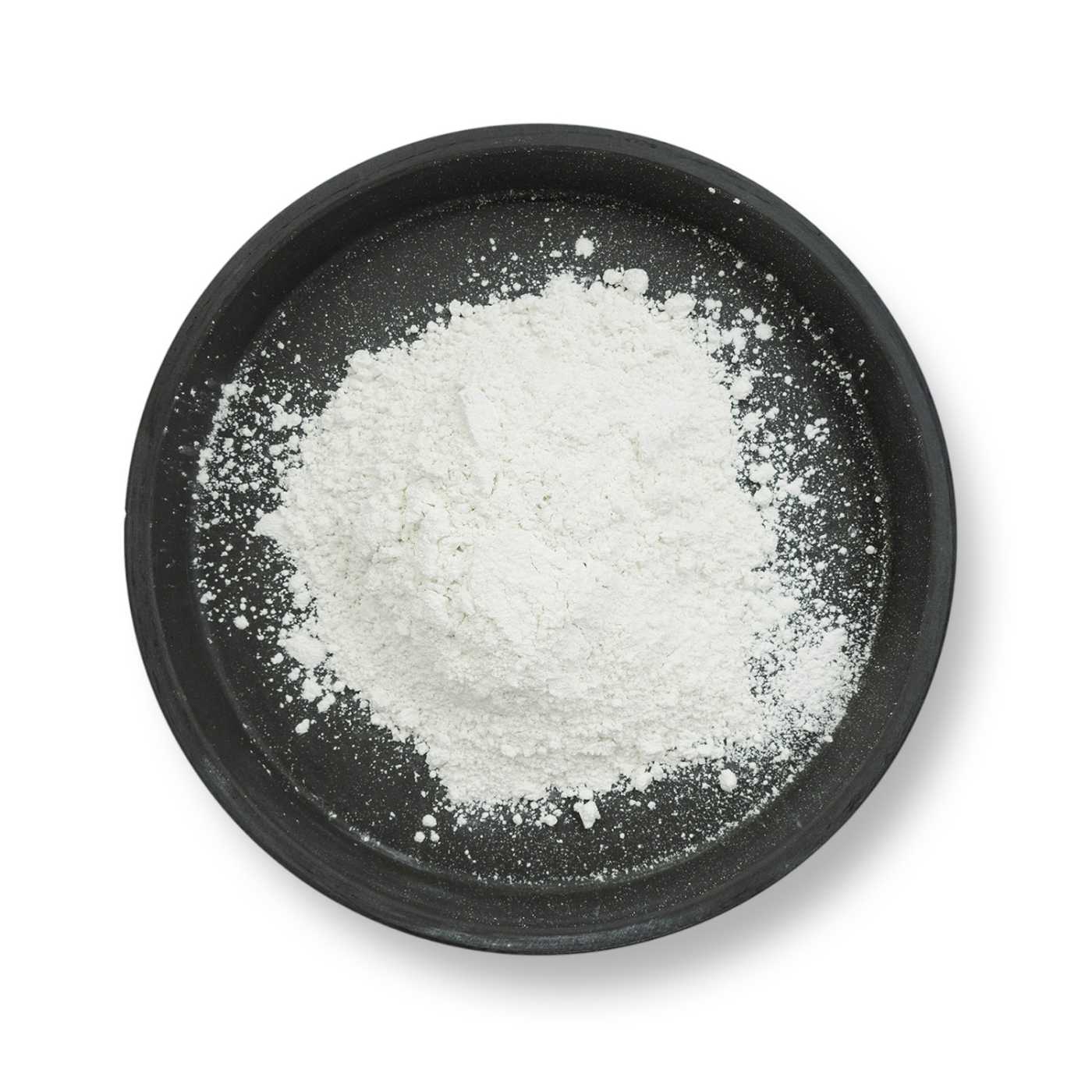
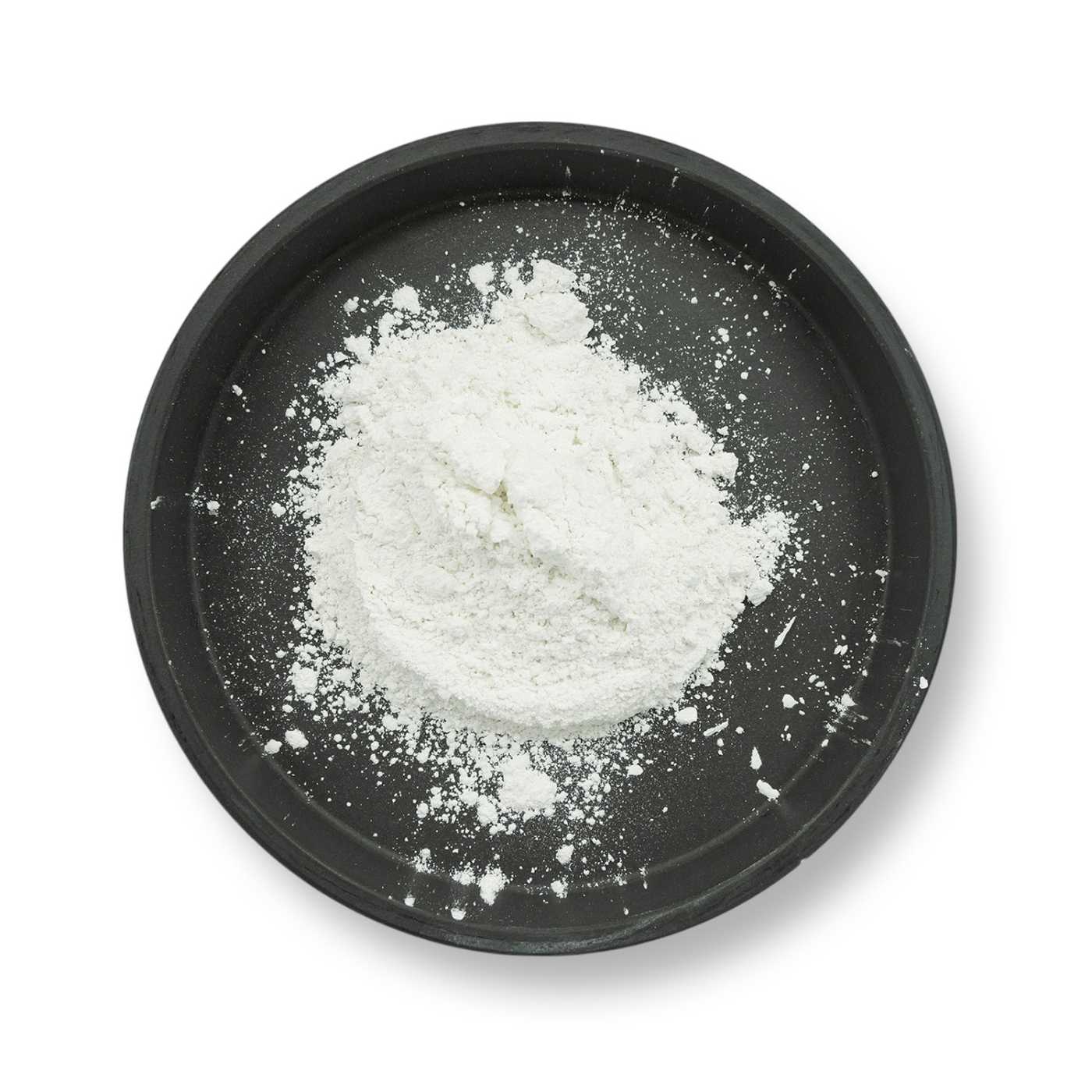
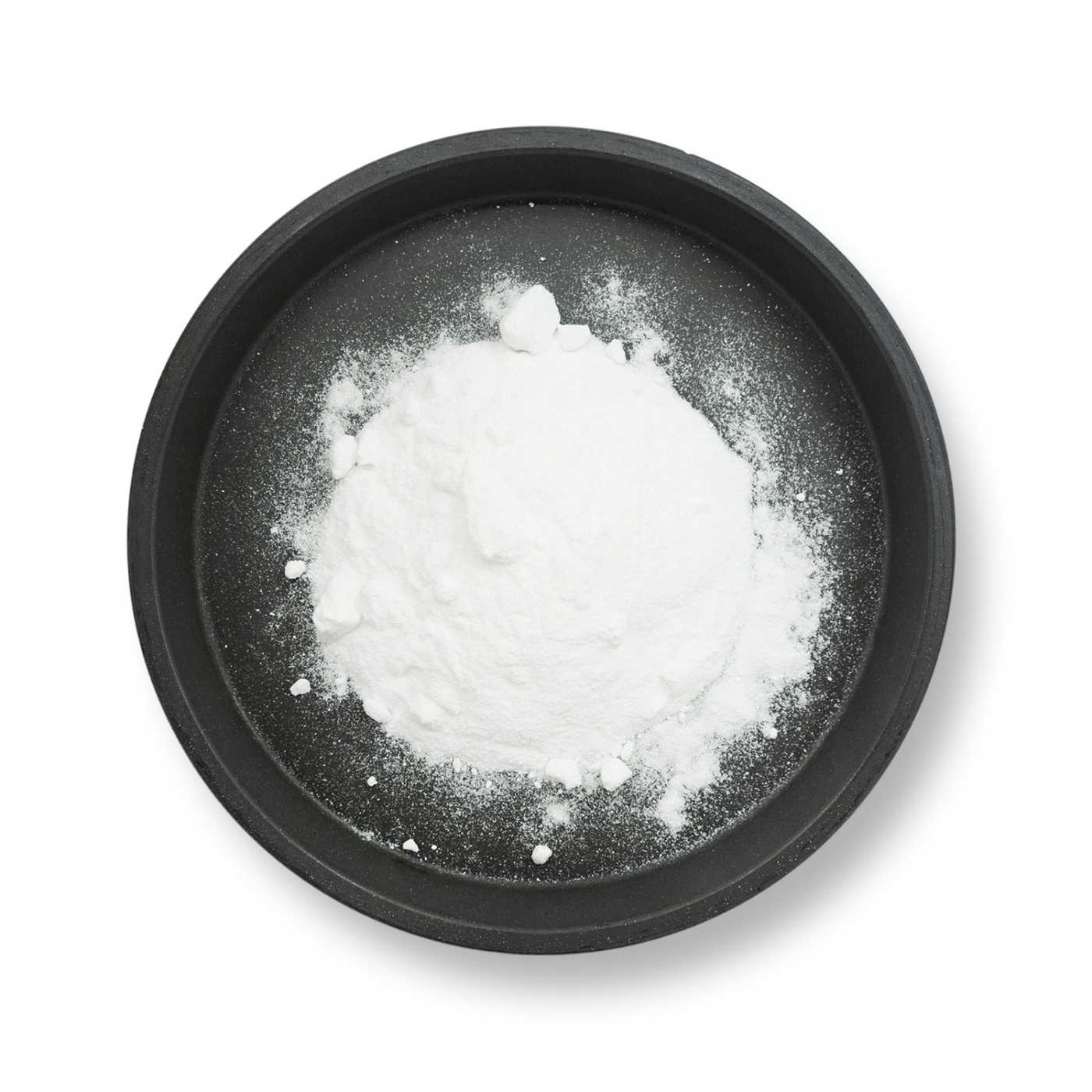
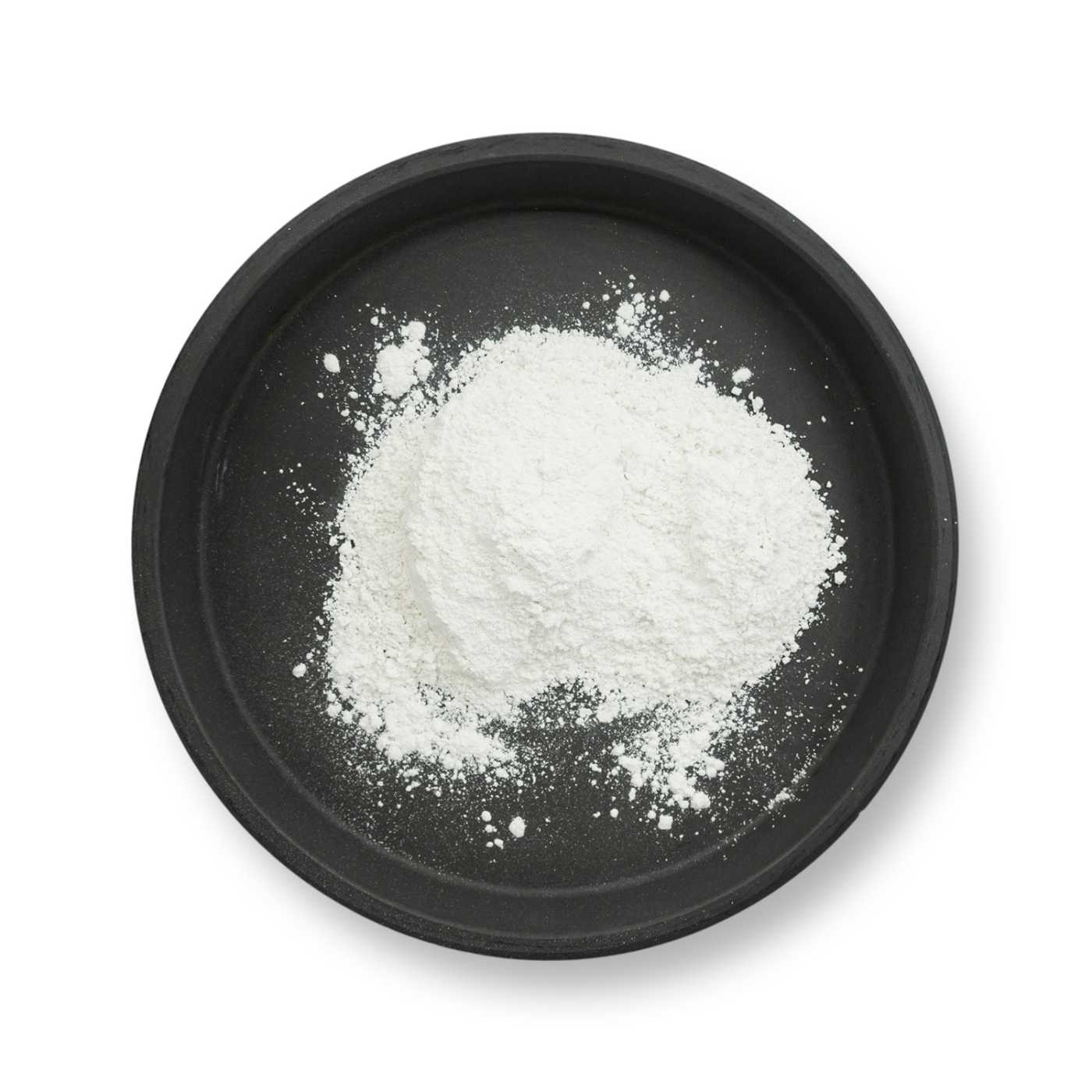
The raw material is a whitish-pink, odourless powder. It is processed exclusively mechanically, by drying, milling and sorting the particles, without chemical processes. It also contains a proportion of non-clay minerals. As a natural mineral, it may contain technically unavoidable traces of heavy metals within the permitted limits. It is vegan and has COSMOS Approved status (ECOCERT).


Frequently asked questions

Is montmorillonite cosmetic clay soluble in water?
No, montmorillonite does not dissolve in water, it only disperses and swells in it. Depending on the amount of clay, the result is a paste or a thicker water phase. It neither dissolves nor disperses in oil or alcohol, so it is added to the water phase or to the finished product afterwards.
How much montmorillonite goes into a mask and how much into a cream?
Montmorillonite is used at a rate of 1–100%. As a powder mask it is used on its own and mixed with water at the time of use. In emulsions and creams it is added at low percentages, where it adjusts the thickness and texture. The rate for pastes and ready-made masks lies between these limits and depends on the required thickness.
Do products with montmorillonite need to be preserved?
Yes, every product in which the clay is mixed with water needs to be preserved. The clay is dried during production, but it is not sterile. Dry powdered clay does not need a preservative if it is mixed with water only immediately before use. The clay can bind cationic preservatives and weaken them, which should be kept in mind when choosing a preservative.
What is the difference between montmorillonite and bentonite?
Montmorillonite is a mineral, while bentonite is a clay composed predominantly of montmorillonite. Bentonite is formed by the alteration of volcanic ash and is named after the American locality where it was first described. Both belong to the smectites, swell in water and bind sebum. French montmorillonite is a light, whitish-pink clay ground into a fine powder.
What skin type is French montmorillonite suitable for?
French montmorillonite is suitable for oily, combination and normal skin and for hair that tends to become oily. It binds sebum and impurities from the skin. It is used on the face, body, hands, feet and scalp, in both rinse-off and leave-on products.
Does montmorillonite change the pH of a product?
Yes, montmorillonite can raise the pH of a water-based product, because it is slightly alkaline with a pH of 7.5–9. After incorporating the clay into a water-based product, you should therefore measure the pH and adjust it if necessary.

Parameters

Chemical name
Montmorillonite
CAS No.
1318-93-0
EC number
215-288-5
Product colour
PinkWhite
Country of origin
France
Processing method
DryingMillingSeparation
Appearance
Powder
Formulation phase
Water phasePost-addition
Recommended usage rate
1 – 100 %
Application type
Leave-onRinse-off
Biodegradability
Not applicable
Certifications
Vegan
Manufacturer's certificate
ECOCERTCOSMOS Approved
Natural Index (NI ISO 16128)
1,00
Natural Origin Index (NOI ISO 16128)
1,00
Organic content
0 %

Product documentation

CoACertificate of Analysis
batch 45.23-S2924BOSPDF ↓
TDSTechnical Data Sheet
Physical parameters and processingPDF ↓
SDSSafety Data Sheet
Available for purchased products —
Download all (ZIP)

2 PDF files in one archive

REVIEWS

Verified by customers.

No reviews yet.

Only customers with a delivered order can write reviews.