+421 950 333 113info@handymade.storeHandymade Days: −10 % on all ready-made productsShop now

COSMETIC CLAYS

French Red Cosmetic Clay, 1 kg

Pack size100 g500 g1 kg

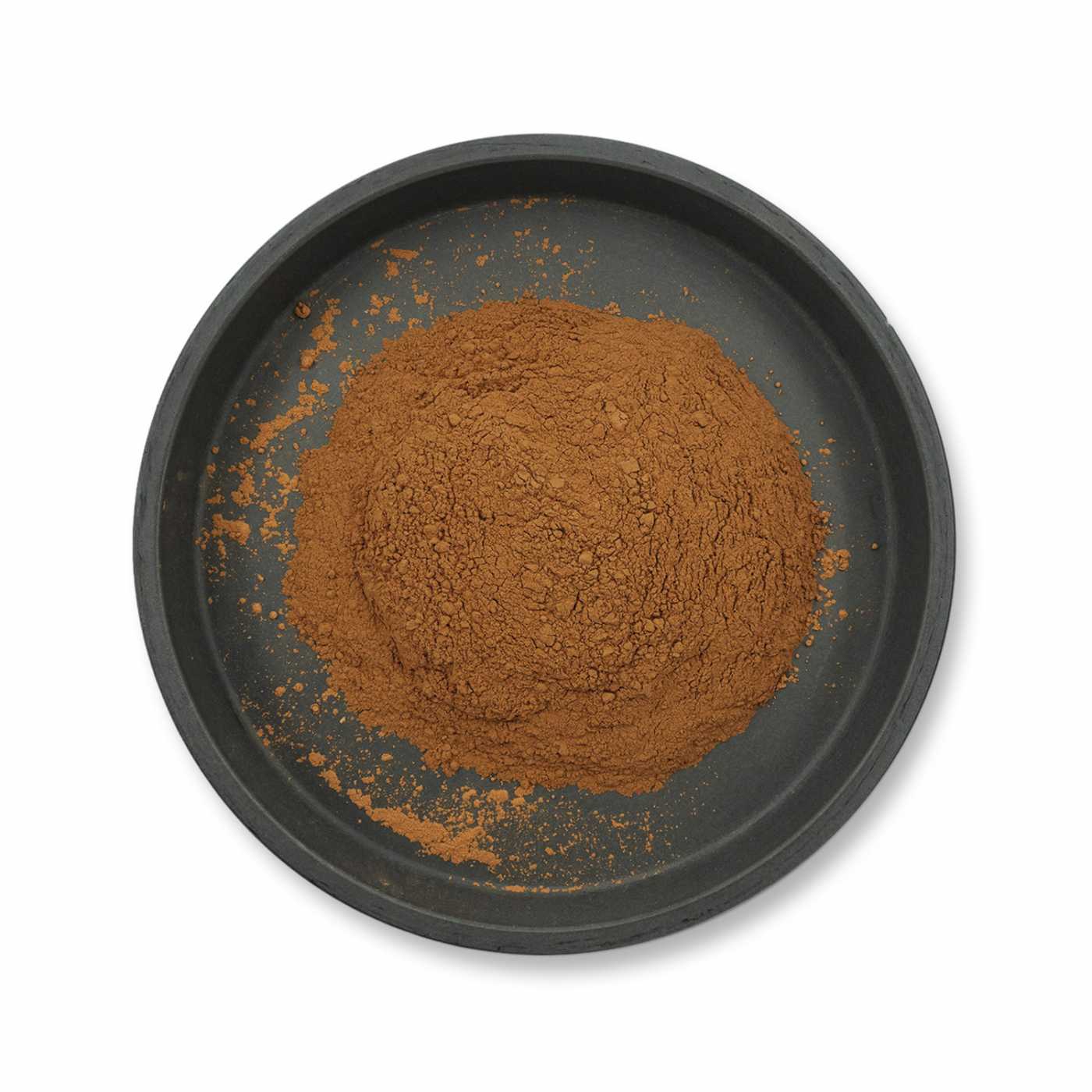
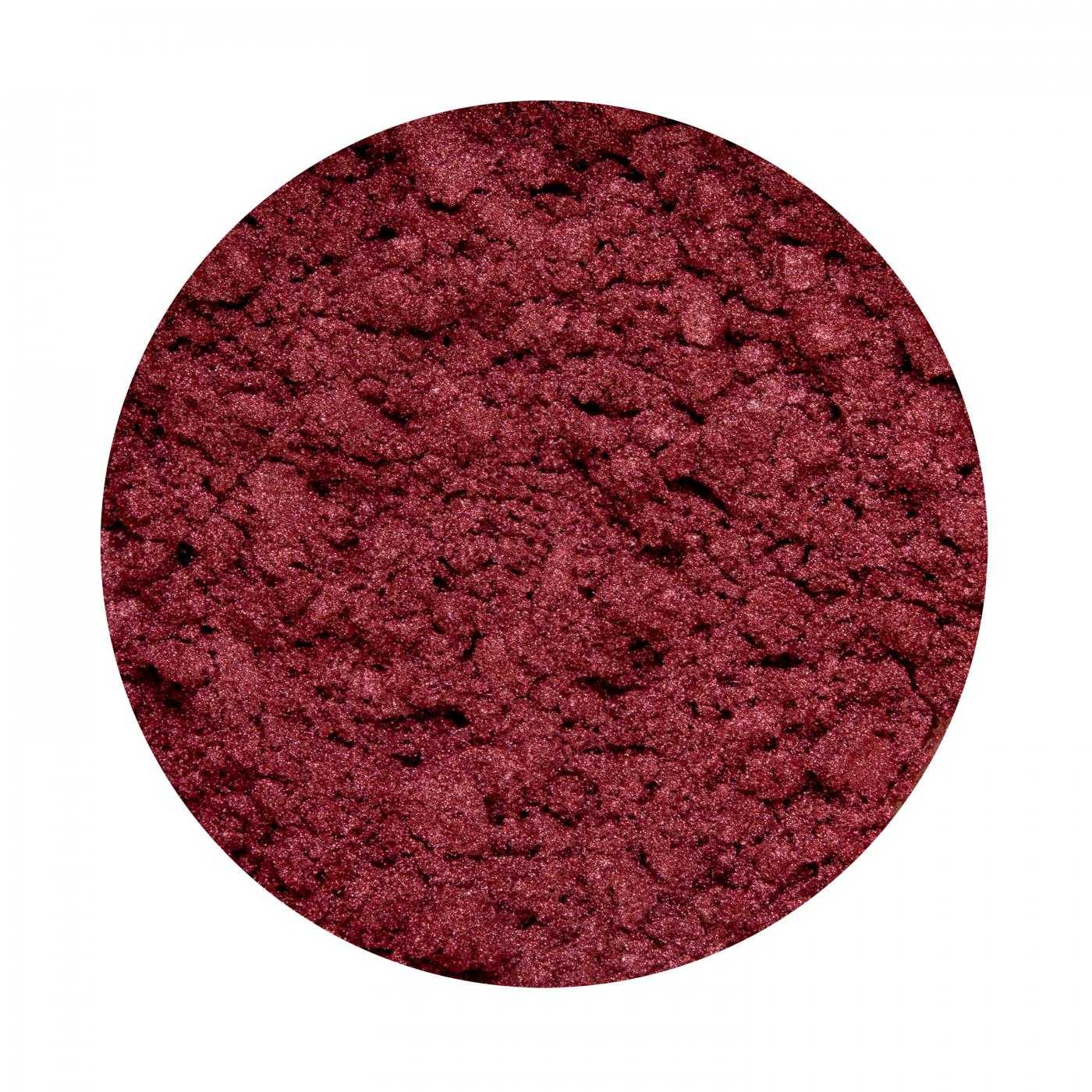
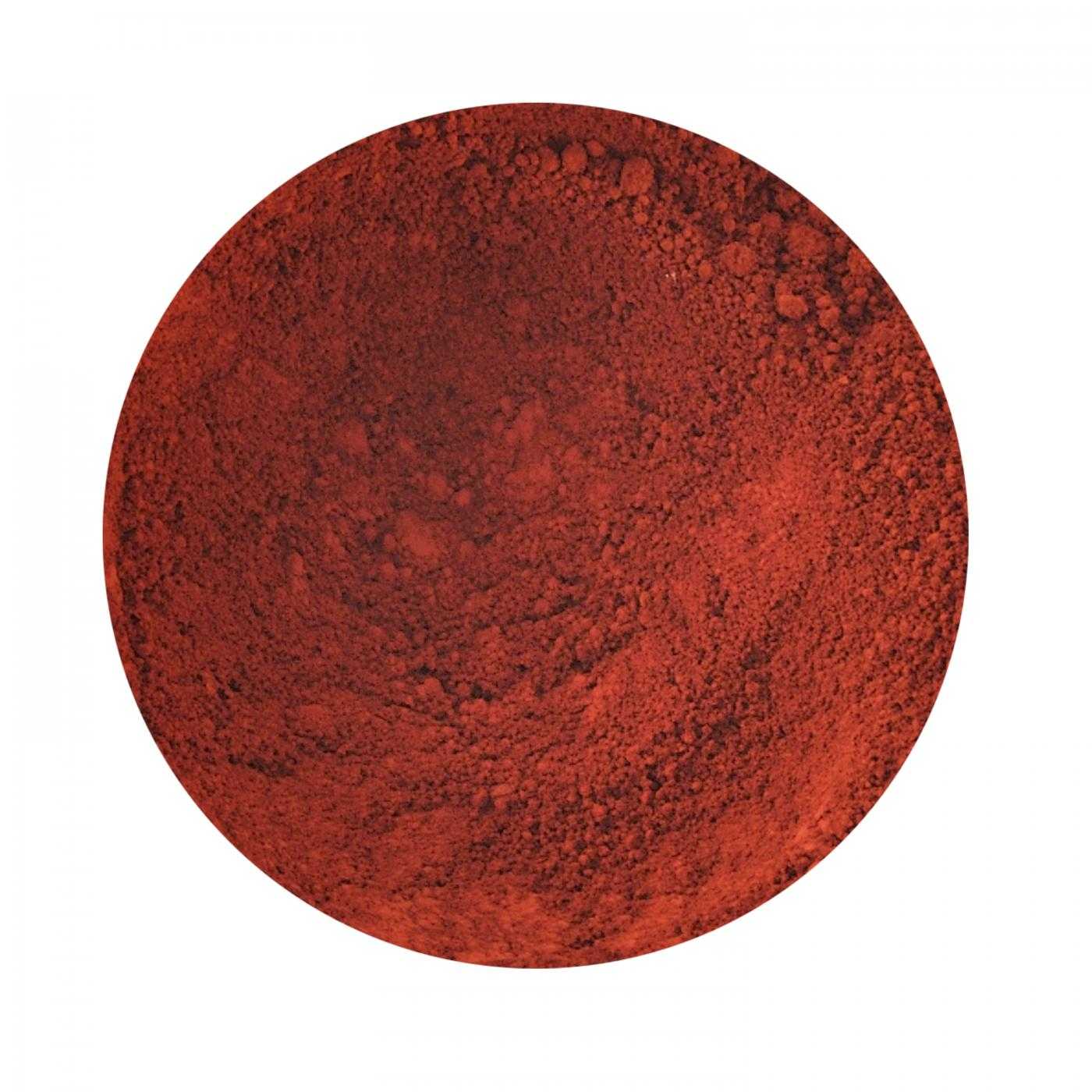
Red French cosmetic clay binds excess sebum and impurities from skin and hair, and at the same time gives products a natural reddish-brown colour. full description

AvailabilityIn stock · last 3 packs
Product codeKIL032_1000
Batch08.24-S2924BIS
Best before02/2029
€20.99incl. VAT€20.99/kg

Lowest price in the last 30 days: €18.89

Product description

Red French cosmetic clay binds excess sebum and impurities from skin and hair, and at the same time gives products a natural reddish-brown colour. It is used mainly in face and body masks, cleansing products and soaps for oily and problem skin. It works both as the base of a clay mask and, in a small amount, as a natural dye.

It is a blend of two clay minerals, illite (approximately 75%) and kaolin (approximately 25%), and it naturally also contains a share of non-clay minerals. It comes from France and is processed only mechanically, by drying and grinding, without any chemical processes.


How it works on skin and hair

Clay works on the surface of the skin. Its tiny particles bind sebum, impurities and odours, which are then rinsed off along with it. Illite is one of the clays with higher absorbency, while kaolin is among the milder ones. Combined, they are suitable for oily, problem and acne-prone skin.

Besides cleansing, clay also has an astringent effect. It slightly tightens the skin, and pores look less prominent after use.

It also works mechanically when rinsed off. Finely ground particles help loosen dead skin cells, which is a gentle form of exfoliation.

In hair care, clay is used for hair prone to oiliness and for the scalp, where it likewise binds excess sebum.


Functions in a formulation

  • Sebum and odour absorbent – binds sebum and odours; it is useful in masks, cleansing products and products for greasy hair.
  • Natural dye – the clay gets its reddish-brown shade from its naturally high iron content. It colours a product even at a low usage rate.
  • Opacifier – turns a clear base into an opaque one.
  • Abrasive ingredient – 90% of the particles are smaller than 45 µm, so the clay works as a gentle scrub.

Use in a formulation

Clay dissolves neither in water nor in oil; it disperses in both. It is incorporated into the water phase or added afterwards to the finished product. In some recipes it is also added straight into the initial phase together with glycerine, or with vegetable butters and oils. It is odourless and does not affect the fragrance of the product.

The usage rate covers a wide range: 5–100%. The upper limit means a pure clay mask, while around 10% is used as the base of a product. When the clay is only meant to colour a product or bind sebum, much less is enough: around 0.3% in a conditioner or 0.6% in a facial cleansing gel bar.

Its pH has to be taken into account. The clay is mildly alkaline, with a pH of 8–9, and it raises the pH of the product.

In products with an acidic pH, take the clay into account when making the final pH adjustment. In recipes it is combined, for example, with lactic acid.


Suitable for products such as

  • face and body masks, both powdered and ready-made
  • facial cleansing products, including solid cleansing bars
  • soaps, where it serves as a natural dye and a gentle abrasive ingredient
  • conditioners and other products for hair prone to oiliness, and for the scalp
  • decorative cosmetics that make use of its colour and its ability to bind sebum

It can be used in both rinse-off and leave-on products.


Good to know

Clay is a natural mineral and is not sterile. In standard quality it contains fewer than 1 000 CFU/g of microorganisms, and the monitored pathogens are not present.

Every clay product that contains water needs a preservative and hygienic production. Clay does not replace preservation.

As a mineral, it is not biodegradable. It is approved for natural cosmetics under the COSMOS standard (COSMOS Approved). We recommend checking the pH, the stability and the final shade of the finished product on a trial batch.


Frequently asked questions

Is red French clay soluble in water?
No, red French clay does not dissolve in water; it only disperses in it. It behaves the same way in oil. In a recipe it is incorporated into the water phase or added afterwards to the finished product. In some recipes it is also added to the initial phase together with glycerine or with vegetable butters and oils.
What is the usage rate of red French clay in cosmetics?
Red French clay is used in cosmetics at a usage rate of 5–100%. The upper limit means a pure clay mask, while around 10% is used as the base of a product. When a product only needs to be coloured or to bind sebum, lower rates are used too, for example around 0.3% in a conditioner or 0.6% in a facial cleansing gel bar.
What skin type is red French clay suitable for?
Red French clay is suitable mainly for oily, problem and acne-prone skin. It binds excess sebum and impurities, has an astringent effect, and pores look less prominent after use. In hair cosmetics it is used for hair prone to oiliness and for the scalp.
Does a product with red French clay need to be preserved?
Yes, every product with red French clay that contains water needs to be preserved. Clay is a natural mineral without heat sterilisation, it is not sterile, and it does not protect the product against microorganisms on its own. In standard quality it contains fewer than 1 000 CFU/g of microorganisms. For this reason, work hygienically during production and use a preservative.
Does red French clay affect the pH of a product?
Yes, red French clay has a pH of 8–9 and raises the pH of the product. In products with an acidic pH, it has to be taken into account when making the final pH adjustment. In recipes it is combined, for example, with lactic acid. We always recommend measuring the pH of the finished product.
Can red French clay be used as a soap dye?
Yes, red French clay is used in soaps as a natural mineral dye. It gets its reddish-brown shade from its naturally high iron content. In soap it also works as a gentle abrasive ingredient. The final shade depends on the usage rate and the composition of the soap, so we recommend trying it on a small batch.

Parameters

INCI
Illite, Kaolin
CAS No.
12173-60-3, 1332-58-7
EC number
601-803-4, 310-194-1
Product colour
RedBrown
Country of origin
France
Processing method
DryingMilling
Appearance
Powder
Formulation phase
Water phasePost-addition
Recommended usage rate
5 – 100 %
Application area
FaceHairScalpBody
Application type
Leave-onRinse-off
Biodegradability
Non-biodegradable
Manufacturer's certificate
COSMOS Approved
Natural Index (NI ISO 16128)
1,00
Natural Origin Index (NOI ISO 16128)
1,00

Product documentation

CoACertificate of Analysis
batch 08.24-S2924BISPDF ↓
batch 08_24-S2924BISPDF ↓
TDSTechnical Data Sheet
Physical parameters and processingPDF ↓
SDSSafety Data Sheet
Available for purchased products —
Download all (ZIP)

3 PDF files in one archive

REVIEWS

Verified by customers.

No reviews yet.

Only customers with a delivered order can write reviews.