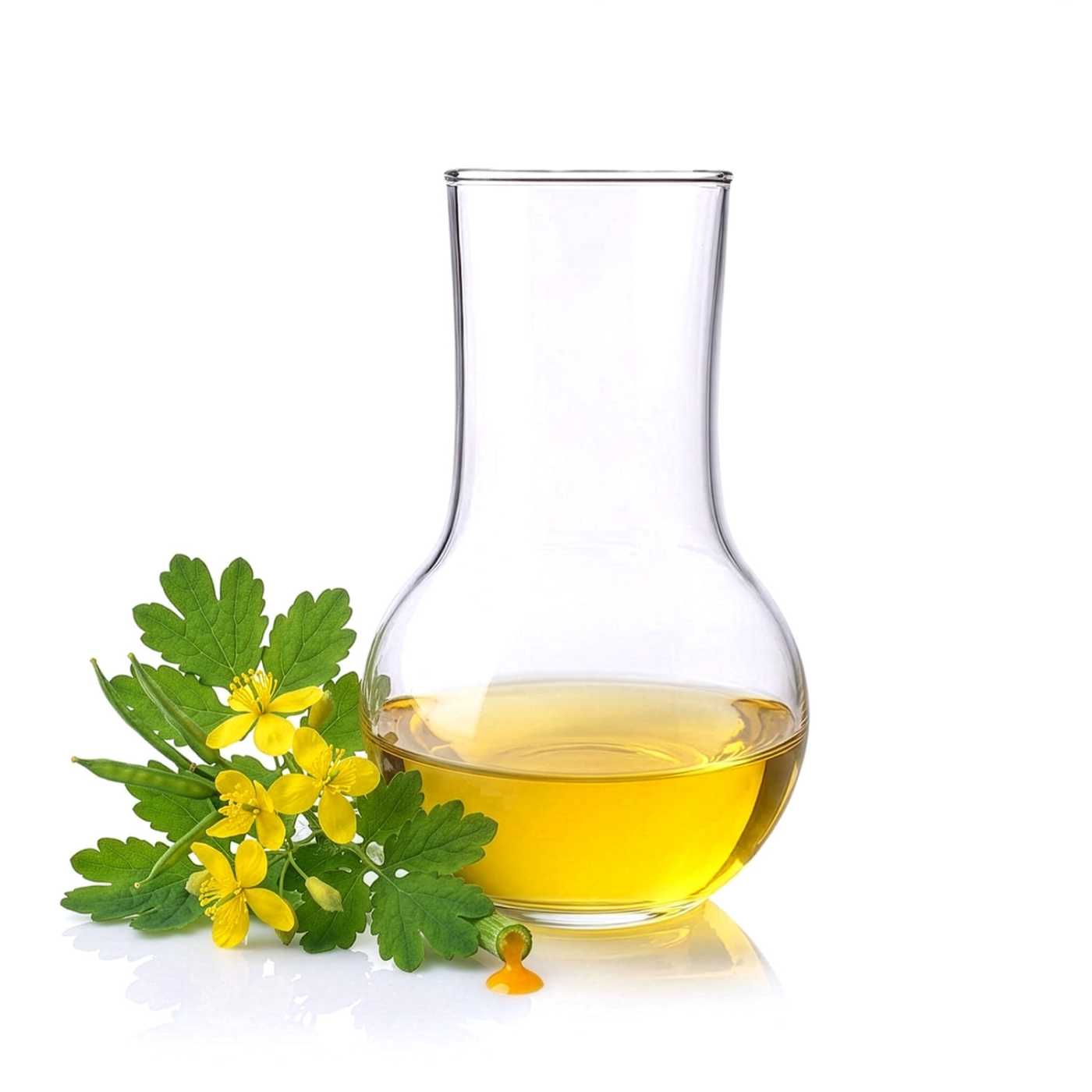
Celidonia Active Lipo Extract, 100 ml
Pre-order€7.99(€79.90/l)

ACTIVE INGREDIENTS
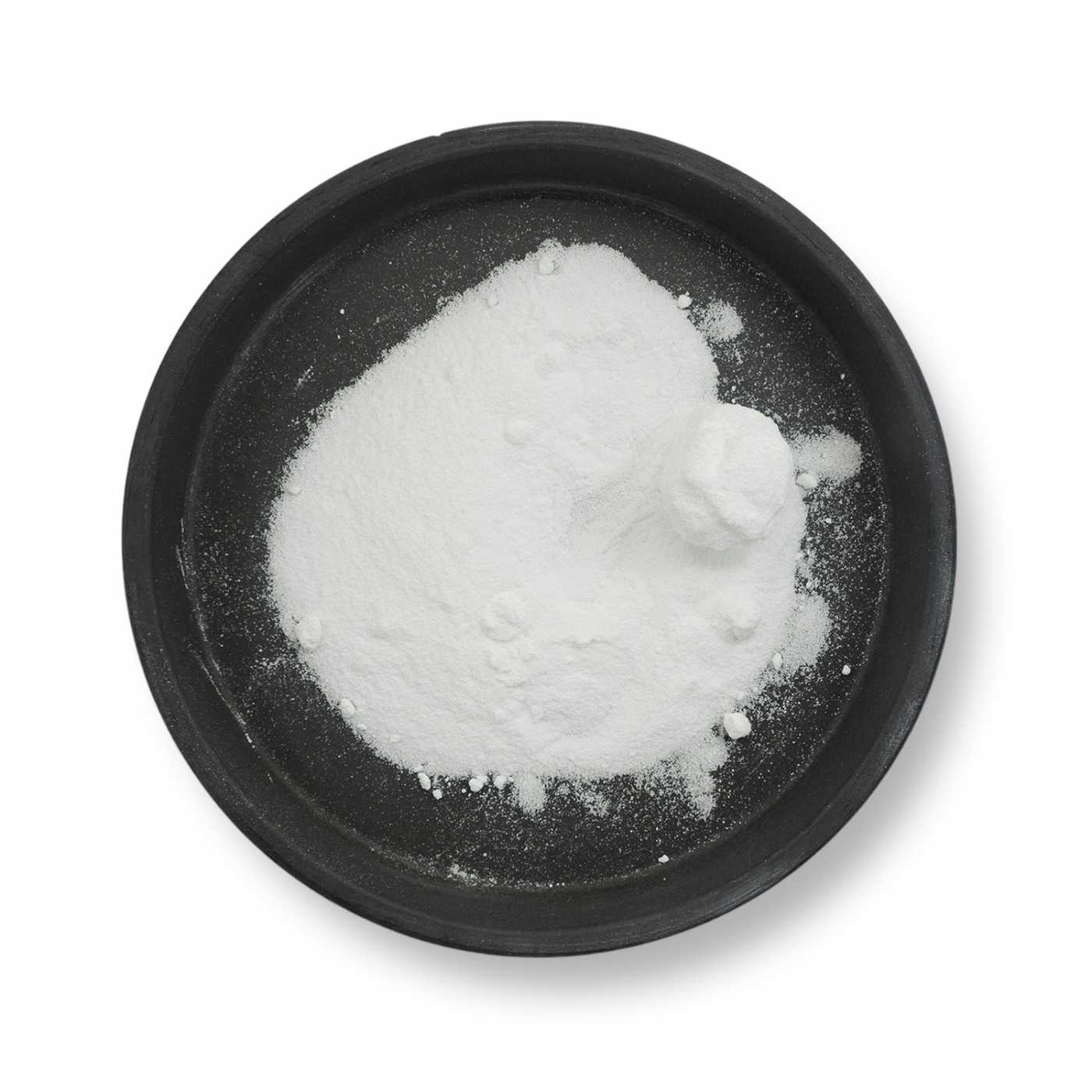
GDL (Glucono delta-lactone) belongs to the group of polyhydroxy acids (PHAs) . On the skin it gradually loosens dead cells from the surface, binds water and acts as a mild chelating agent . full description
Lowest price in the 30 days before the discount: €1.67
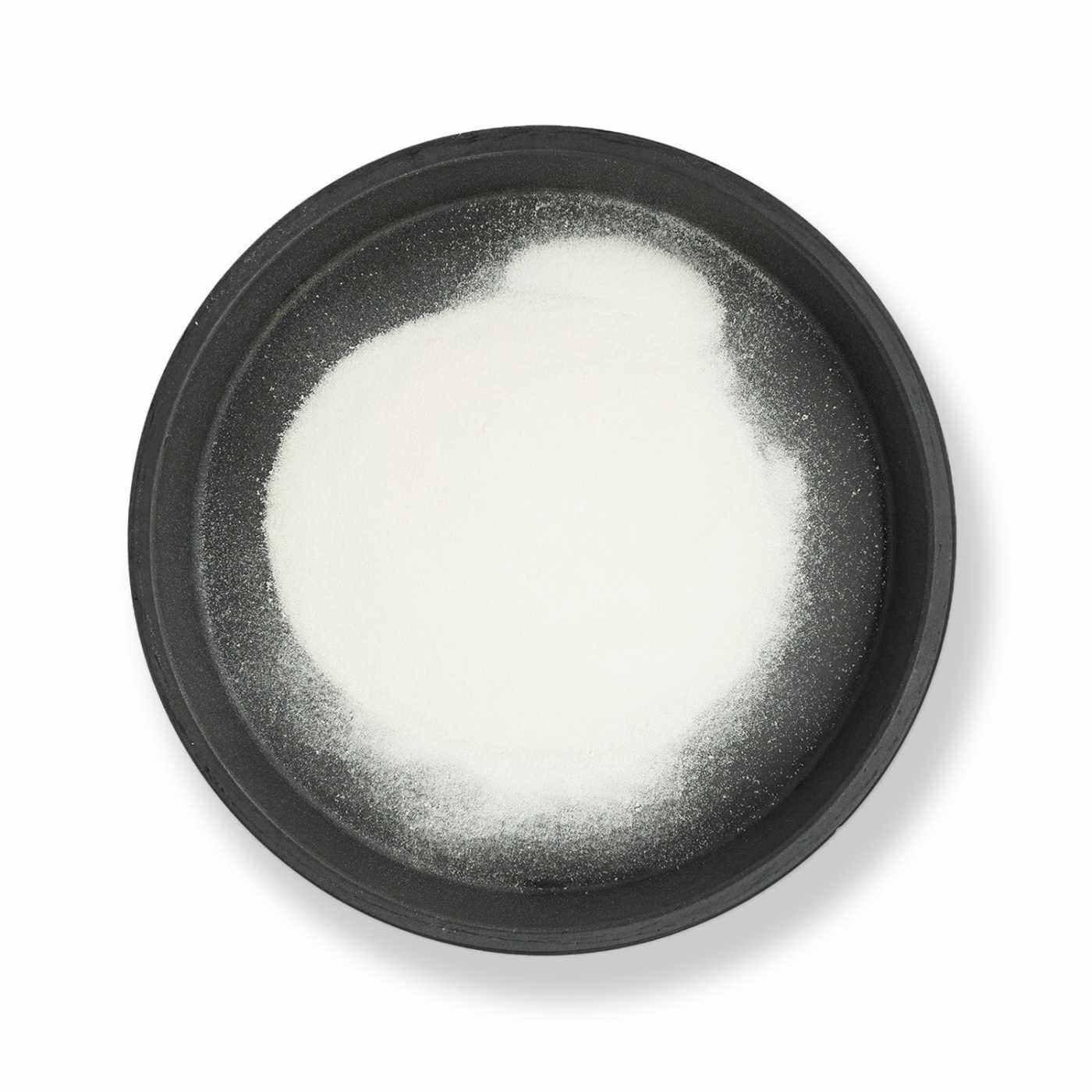
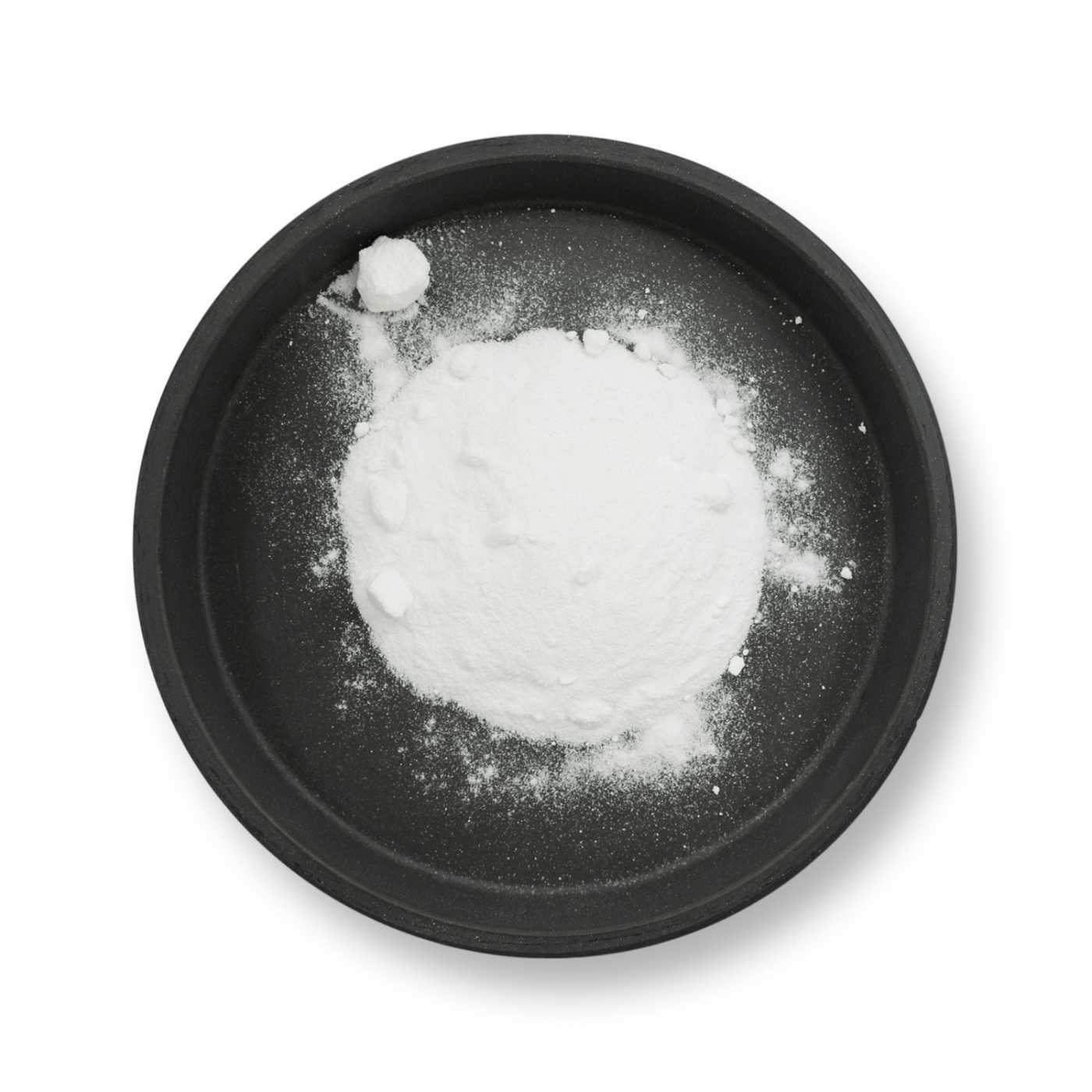
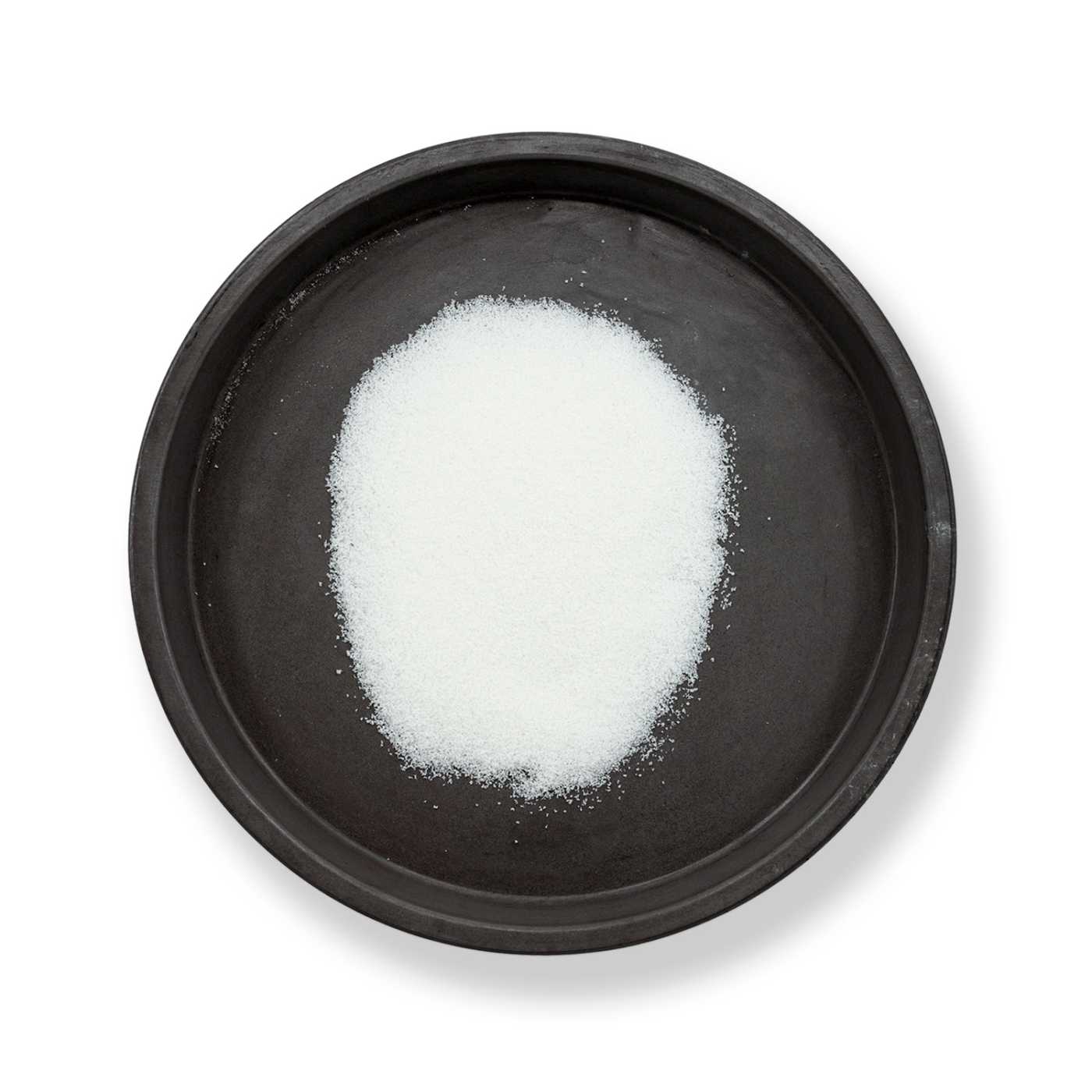
GDL (Glucono delta-lactone) belongs to the group of polyhydroxy acids (PHAs). On the skin it gradually loosens dead cells from the surface, binds water and acts as a mild chelating agent. It exfoliates gently, without penetrating deep into the skin, and is therefore also suitable for products for sensitive and dry skin. In a formulation it is simply weighed out and dissolved in the water phase.
It is produced biotechnologically, by fermenting glucose syrup from maize followed by crystallisation. The ingredient originates in the European Union and is readily biodegradable.
GDL itself is not an acid. Once dissolved in water, it gradually converts into gluconic acid, which belongs to the PHAs. The conversion is slow. The pH of the solution keeps falling for a long time after mixing and only settles once an equilibrium forms between the two forms. This behaviour determines how the ingredient is handled. A 1% solution on its own has a pH of around 3.6.
The difference from AHA acids lies in the size of the molecule. Gluconic acid is larger than glycolic acid, penetrates the skin less and acts mainly on the surface. The shedding of dead cells is more gradual and the skin is less irritated. The molecule also holds water, so in a formulation it serves as a moisturising agent too.
GDL dissolves in water very well, at approximately 590 g/l, and only partially in alcohol. It is added to the water phase or afterwards to the finished product, always at a temperature below 40 °C. It is most often weighed out together with the other powders and dissolved directly in water or hydrosol.
The recommended usage rate is 1–10%. In toners, mists and cleansing products it appears in lower amounts, and in a scalp scrub around 5%, where it complements physical abrasives. The target pH of the formulation is 3.0–4.5. Above a pH of around 4.5 the ingredient remains in the product, but the exfoliating effect weakens.
Measure the pH of the product only after it has settled, not immediately after mixing. In water GDL converts into gluconic acid gradually, and the finished product would otherwise become more acidic later than the level you set.
Because the pH changes gradually, we recommend including a buffering ingredient that keeps the pH stable. Unstable pH can compromise the stability of the product and the efficacy of the preservative. Sodium Lactate, for example, is used in formulations as a buffering partner. With sodium phytate (Sodium Phytate), GDL forms a buffer that is then fine-tuned only with sodium hydroxide.
In cleansing products, check the pH after all ingredients have been mixed. Glucoside surfactants raise the pH, GDL lowers it, and the final value depends on their ratio. In a scrub with betaine and isethionate surfactants, the target is set at pH 4.5–5.0, taking both GDL and the preservative into account.
GDL is often combined with trehalose, betaine, allantoin, panthenol, glycerine and tocopherol. The result is often products in which exfoliation is accompanied by soothing and hydration of the skin.
The ingredient is not a preservative itself. It lowers the pH of the product and acts synergistically in natural preservative blends with sodium benzoate. However, a water-based product containing GDL needs its own preservative system that works at acidic pH.
Avoid strong heating, which causes GDL to decompose, and contact with oxidising agents. In emulsions it is added only after they have cooled below 40 °C.
GDL is not classified as hazardous under the CLP Regulation. It contains no known skin or fragrance allergens, nanomaterials or ingredients of animal origin. It complies with Regulation (EC) No 1223/2009 on cosmetic products.

Good, a very good product, but complicated to formulate so that it stays active without pH drift.
Translated automatically