Maize Starch, 1 kg
Pre-order€7.99(€7.99/kg)

BATH BOMBS
Citric acid serves primarily as a pH regulator in cosmetics. A few tenths of a percent is enough to shift a toner, shampoo or emulsion from the neutral or alkaline range into the mildly acidic range that corresponds to… full description
Lowest price in the last 30 days: €4.19
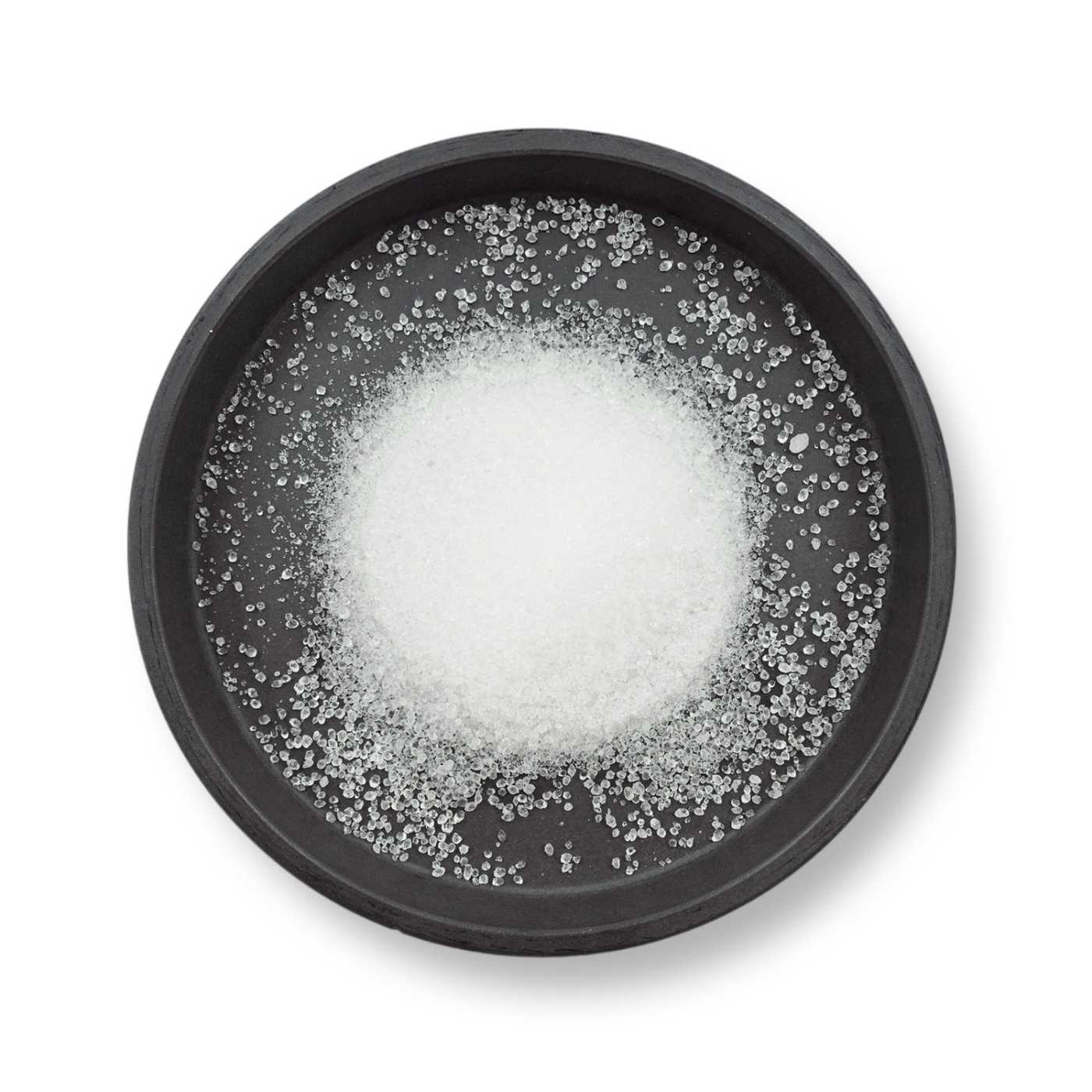
Citric acid serves primarily as a pH regulator in cosmetics. A few tenths of a percent is enough to shift a toner, shampoo or emulsion from the neutral or alkaline range into the mildly acidic range that corresponds to the skin's natural pH. In addition, it binds metal ions from water and raw materials, supporting product stability, and in bath bombs it forms a pair with baking soda that begins to fizz on contact with water.
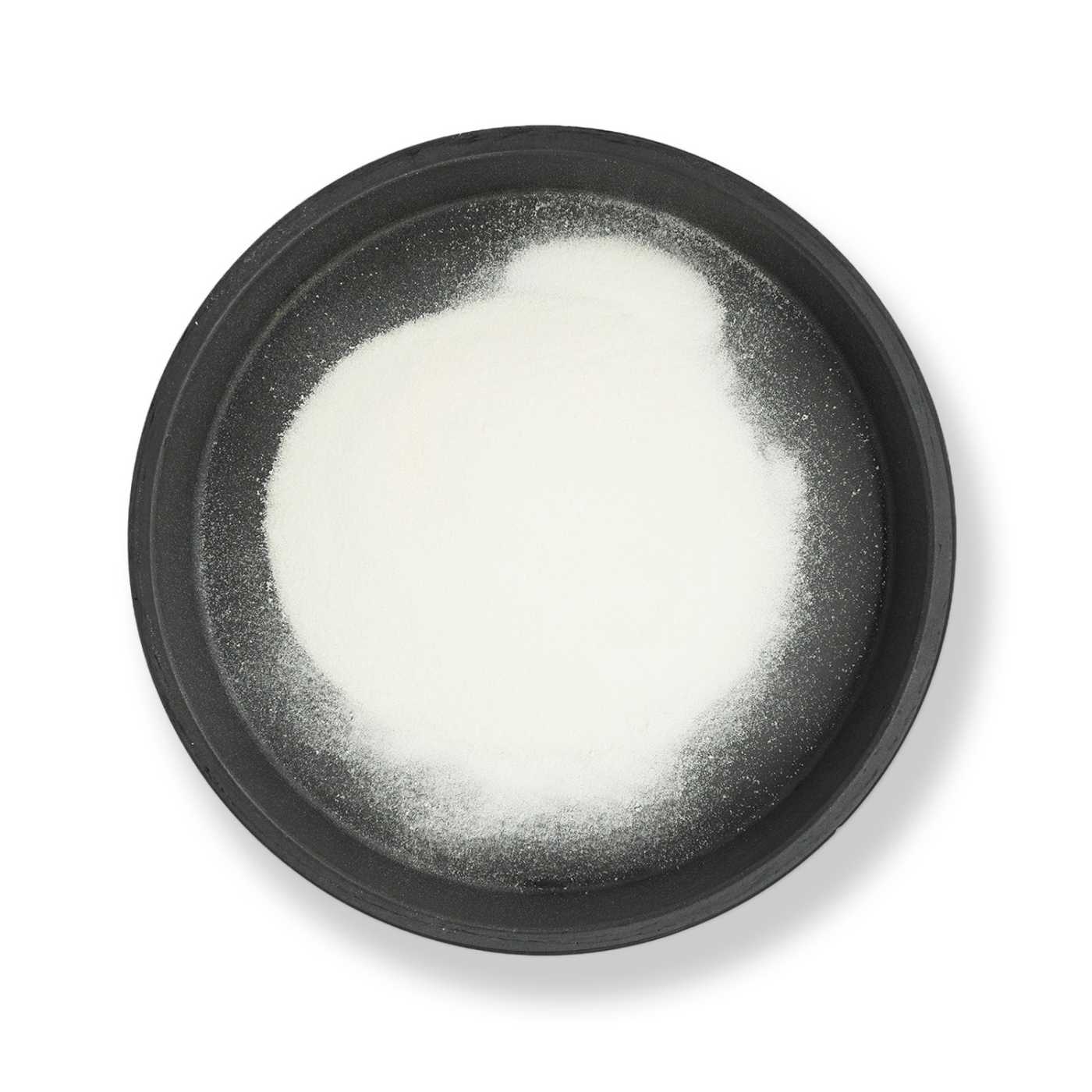
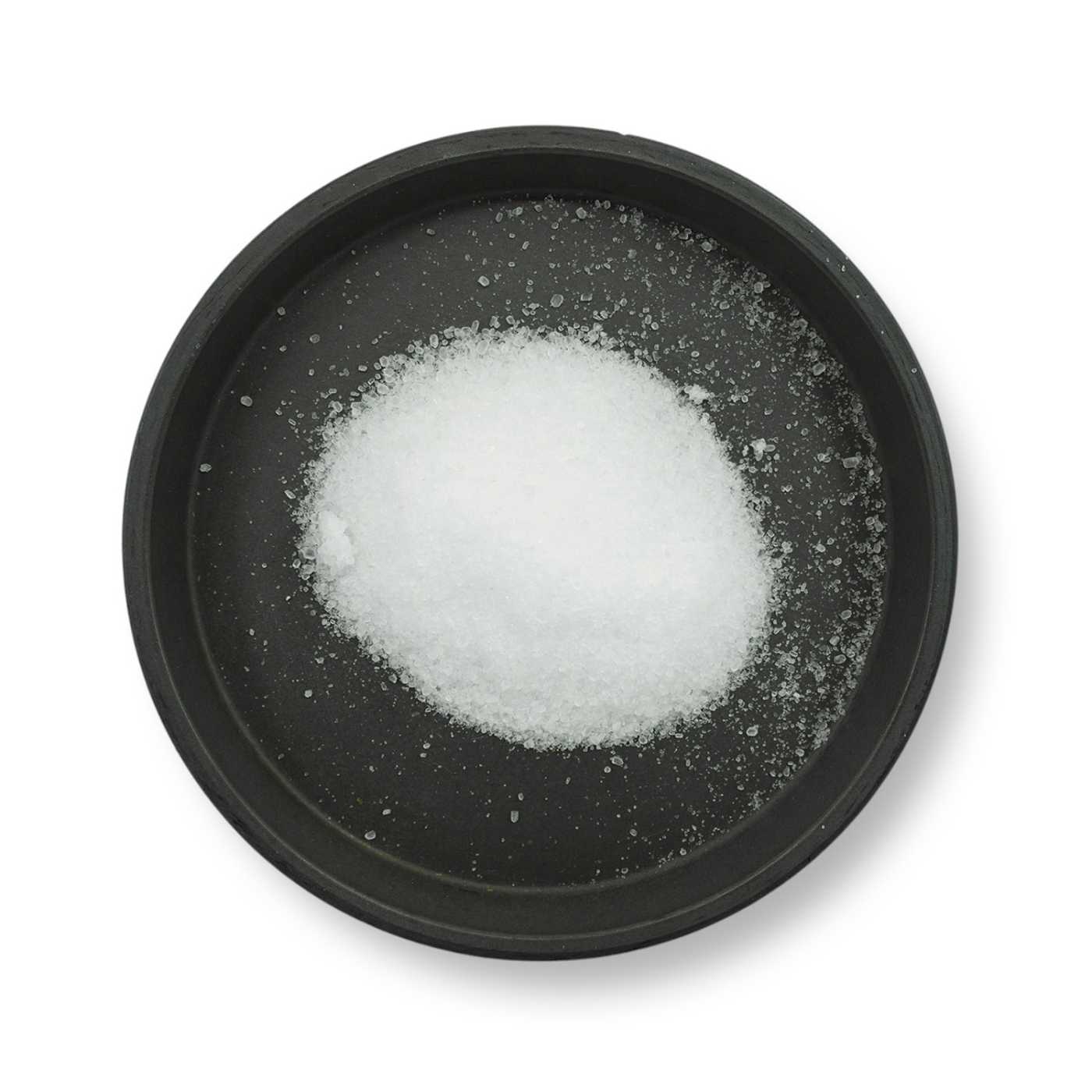
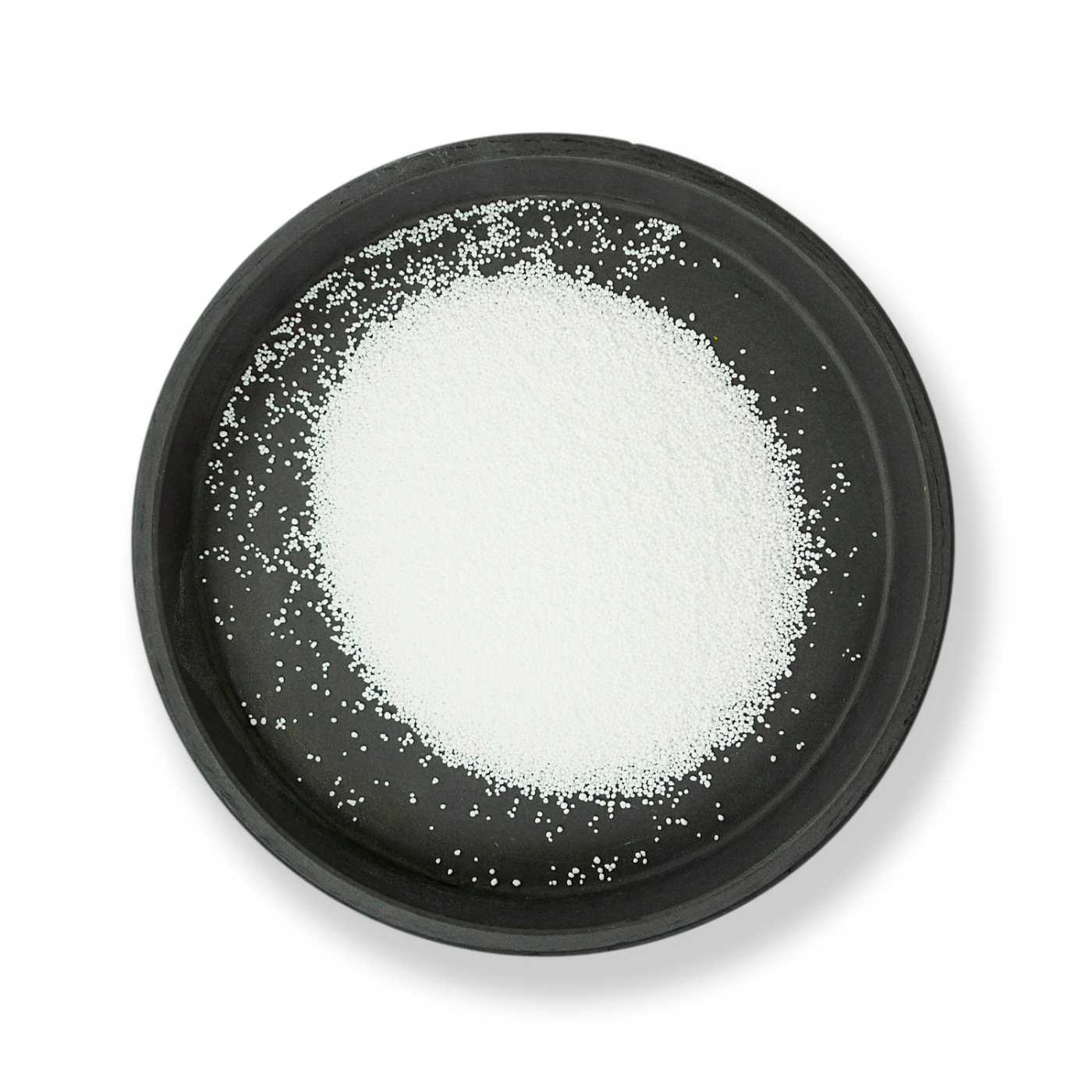
It is supplied as a monohydrate in cosmetic and food-grade quality. It dissolves in water, so it belongs in the water phase or is added at the end of production as a diluted solution.
For pH adjustment, a dosage of 0.1 – 2% is recommended; an ordinary emulsion or shampoo will manage with the lower half of this range. The recommended pH range of the finished product is 3.0 – 6.0, processing up to 80 °C. The acid is added to the water phase, to the cooling phase, or additionally at the end when the product is finished and the pH is only being fine-tuned.
In bath bombs it is the main ingredient alongside baking soda, and dosing here is not governed by pH adjustment percentages. The mixture is combined dry and moistened only minimally to prevent the reaction from starting prematurely.
In cold-process soap it neutralises part of the sodium hydroxide. The resulting sodium citrate binds calcium from hard water, thereby reducing soap scum formation. The amount of lye in the recipe must therefore be increased proportionally; otherwise the soap will come out softer than planned due to a higher excess of fat.
In hair care it is used for an acidic rinse after washing or to adjust the pH of conditioners. A mildly acidic environment closes the hair cuticle, so hair combs more easily after drying and has more shine.
Never pour the powder directly into a finished emulsion. Dissolve it in a small amount of water and add it drop by drop with constant stirring. Measure the pH only after it has fully dissolved and cooled down; the final value settles with a delay.
Low pH affects viscosity. Some thickeners lose thickness in an acidic environment, so with gel products adjust the pH before thickening or choose a thickener that is stable in an acidic environment. Citric acid and citrates are also electrolytes; a higher dose may thin or conversely thicken a surfactant system. After adding, allow the product to stabilise and reassess the viscosity.
Preservatives based on organic acids (potassium sorbate, sodium benzoate) work only in an acidic environment. Without pH adjustment with citric acid, preservation in such formulations does not function.
For leave-on products with a pH at the lower end of the range, we recommend testing compatibility on a small area of skin. The exfoliating effect becomes more pronounced as pH decreases and dosage increases.
The raw material is classified under the CLP regulation with the GHS07 pictogram (irritant). Work with the powder and concentrated solutions wearing gloves and protective eyewear, and avoid inhaling dust. Details on safe handling are given in the safety data sheet.
Both raw materials share the same origin but behave in opposite ways. Citric acid lowers pH, while sodium citrate slightly raises it and binds metals without acidifying the product. They often work together: the acid sets the target pH and the citrate holds it in place as a buffer. Citrate is chosen for chelation without a pH shift; acid for acidifying the product.

the only thing I didn't like was that it doesn't come in a bucket, but since I have a few of my own, all good!
Translated automatically

Variant: Kyselina citrónová, monohydrát 5 kg
Variant: Kyselina citrónová, monohydrát, 1 kg