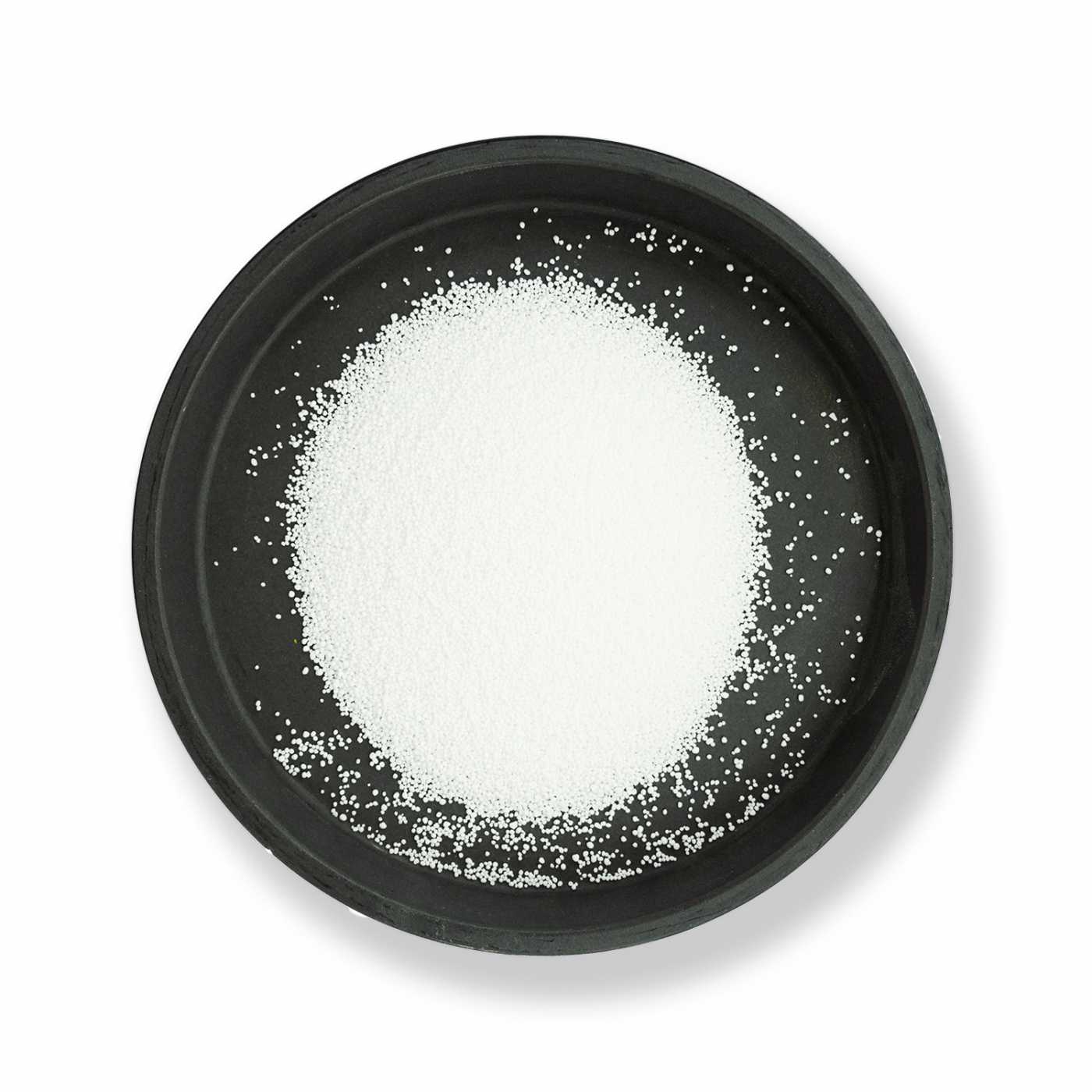
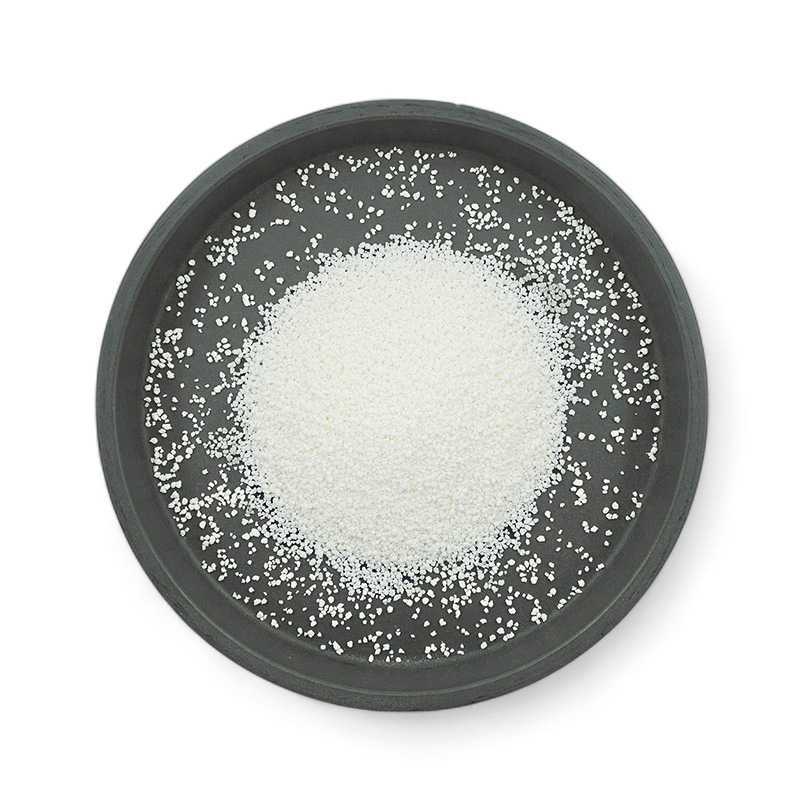
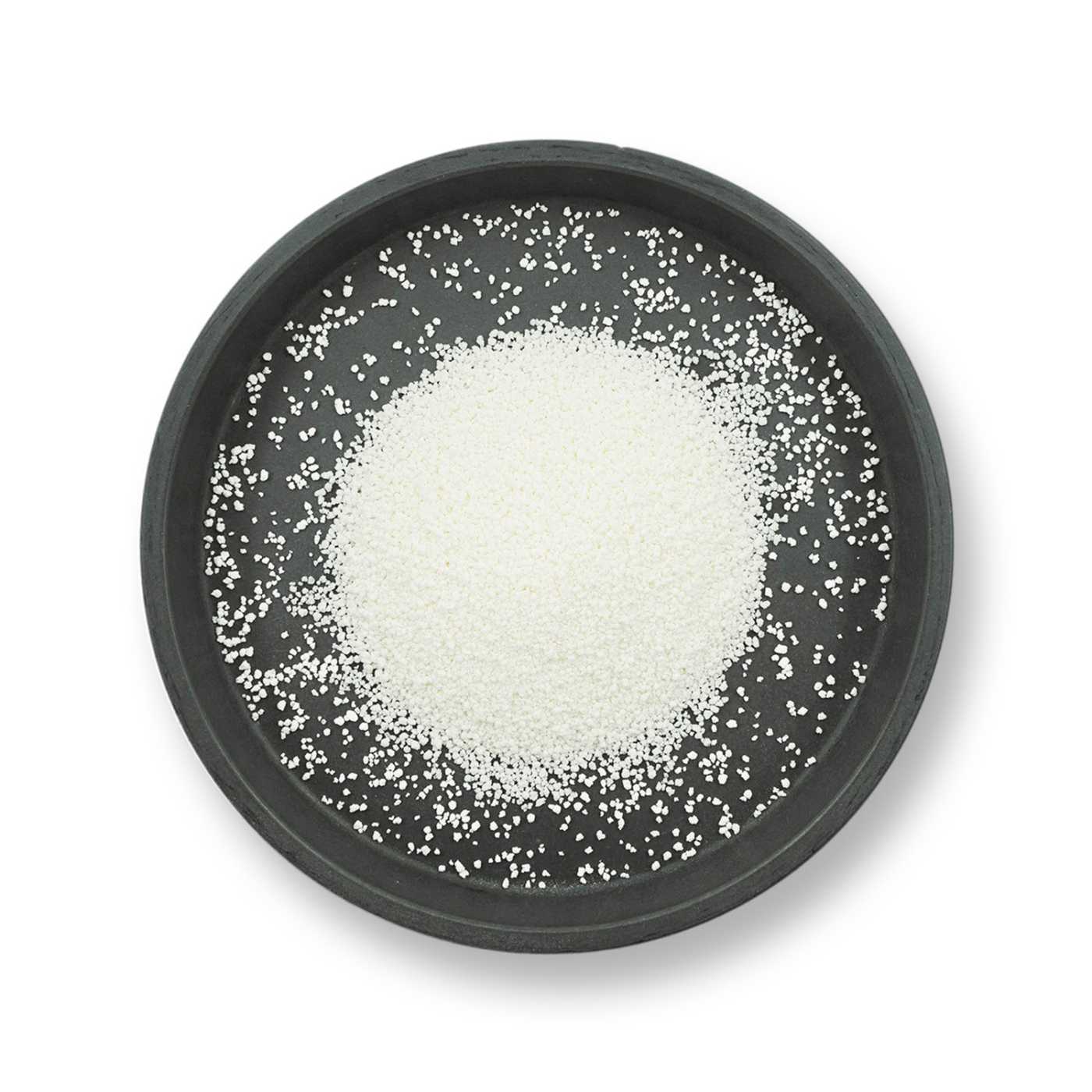
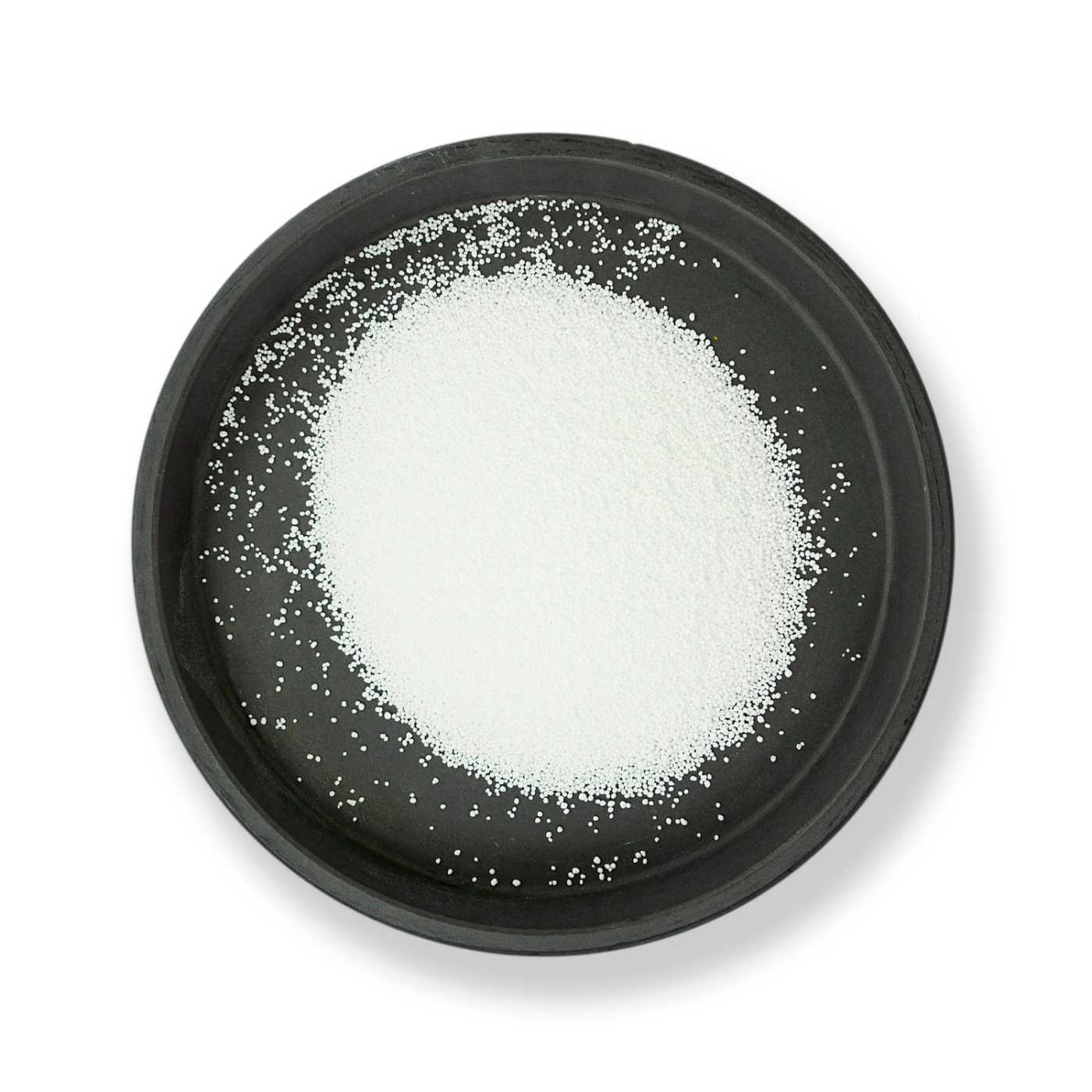
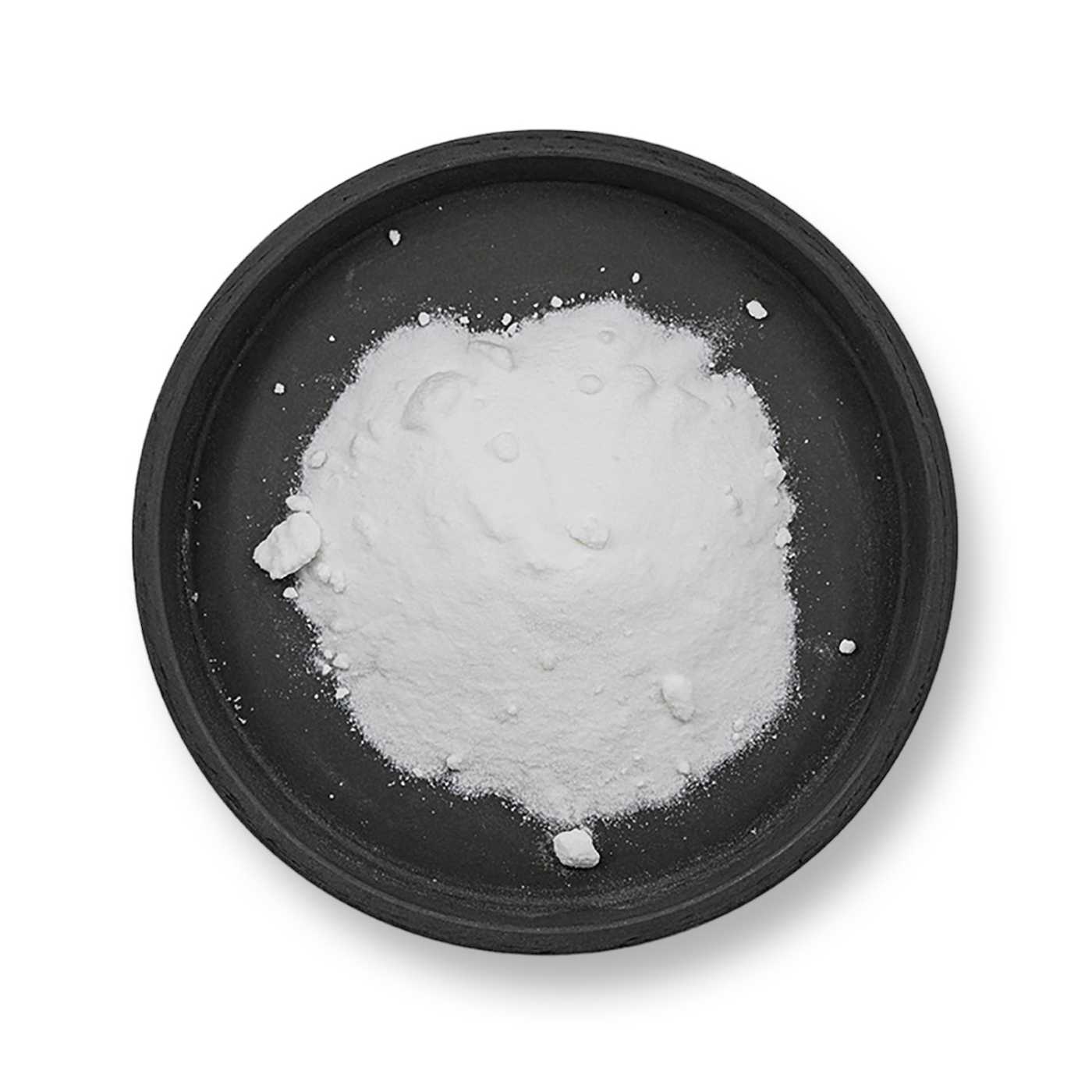
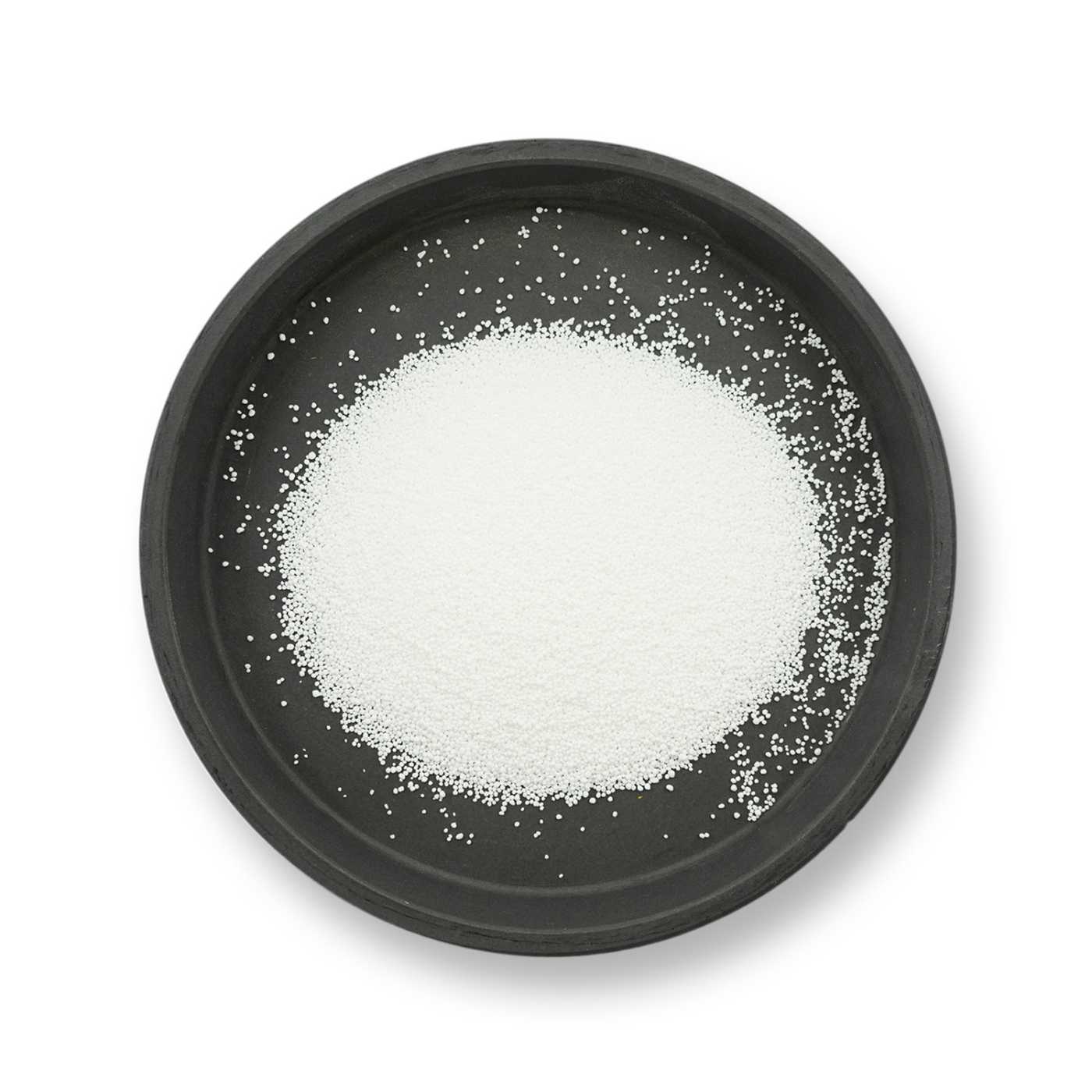
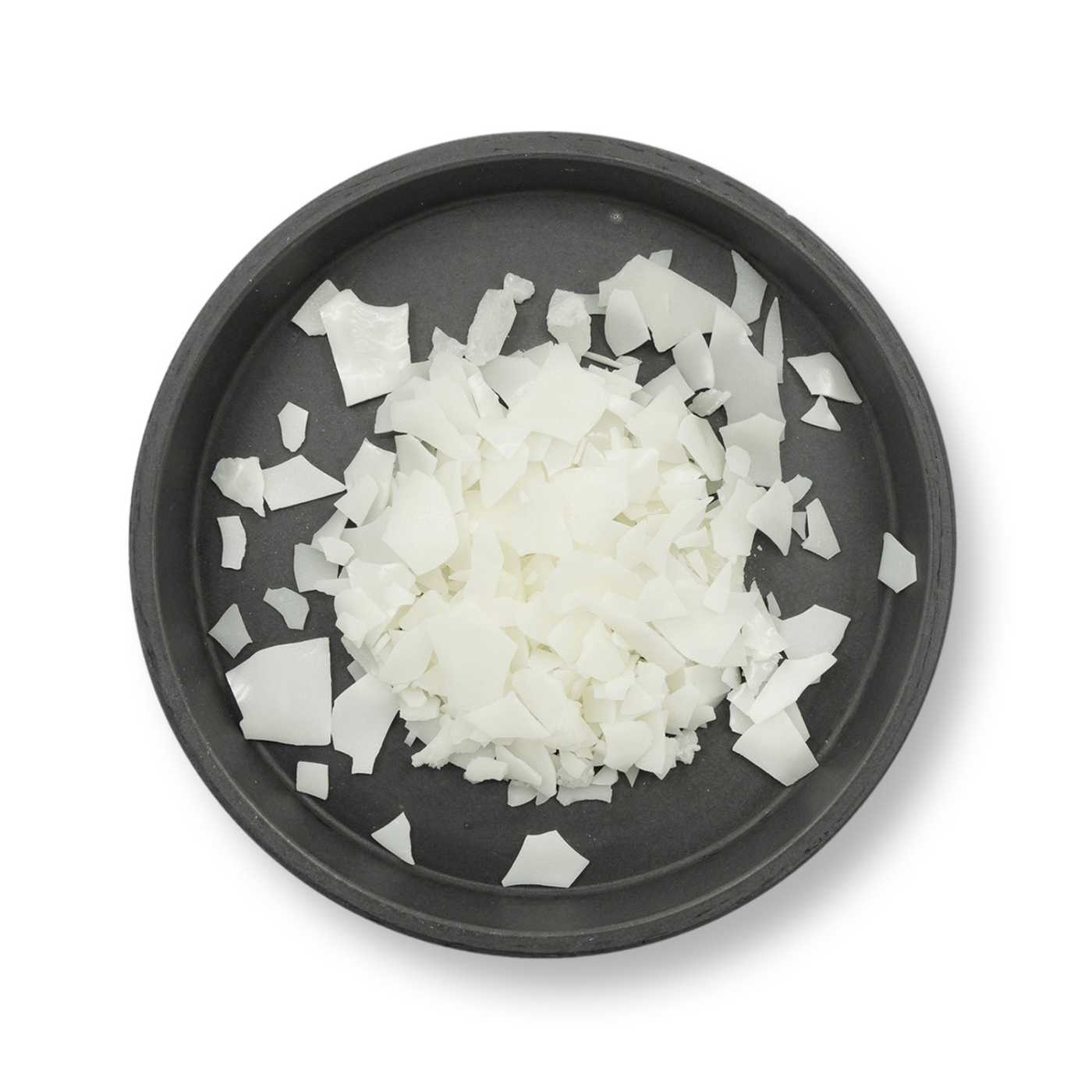
Glucopon 50 G supplies a sugar surfactant in powder form to laundry powders, tablets and cleaning blocks. The alkyl polyglucoside with a C12–C14 chain is applied to an inorganic and organic carrier and spray-dried into granules, so it blends with other powder components without handling a liquid concentrate. In a formulation it acts as a wetting agent and cleaning surfactant and tolerates the strongly alkaline environment typical of powder detergents.
The active substance accounts for approximately 50 % of the granule weight. The remainder consists of the carrier including sodium silicate, the anionic surfactant Sodium Coco-Sulfate and water. Both the alkyl chain and the sugar part of the molecule are derived from plant raw materials.
Key properties
- Powder form with low dust generation – granules produced in a fluid bed flow freely and generate little dust when blending powders. Handling of the viscous liquid alkyl polyglucoside is eliminated.
- Compatibility with all surfactant types – can be combined with anionic, non-ionic, amphoteric and cationic surfactants. In a formulation it complements the primary anionic surfactant and improves wetting.
- Stability in alkaline environments – tolerates a formulation pH in the range 4 – 12, including formulations containing soda ash and silicates.
- Wetting and cleaning performance – a solution at washing concentration significantly reduces the surface tension of water, according to manufacturer data to approximately 27 mN/m at 1 g/l. The wash solution thus penetrates fabric and beneath soil more quickly.
- Environmental profile – readily biodegradable according to OECD 301. The manufacturer lists it as suitable for formulations certified under EU Ecolabel, Blue Angel and Ecocert.
Use in formulation
The granulate is added to the dry blend together with the other powder components; the recommended dosage is 2 – 30 %. The lower end of the range corresponds to the role of a supplementary wetting agent alongside the primary anionic surfactant; the upper end to formulations in which the alkyl polyglucoside is to carry most of the cleaning performance.
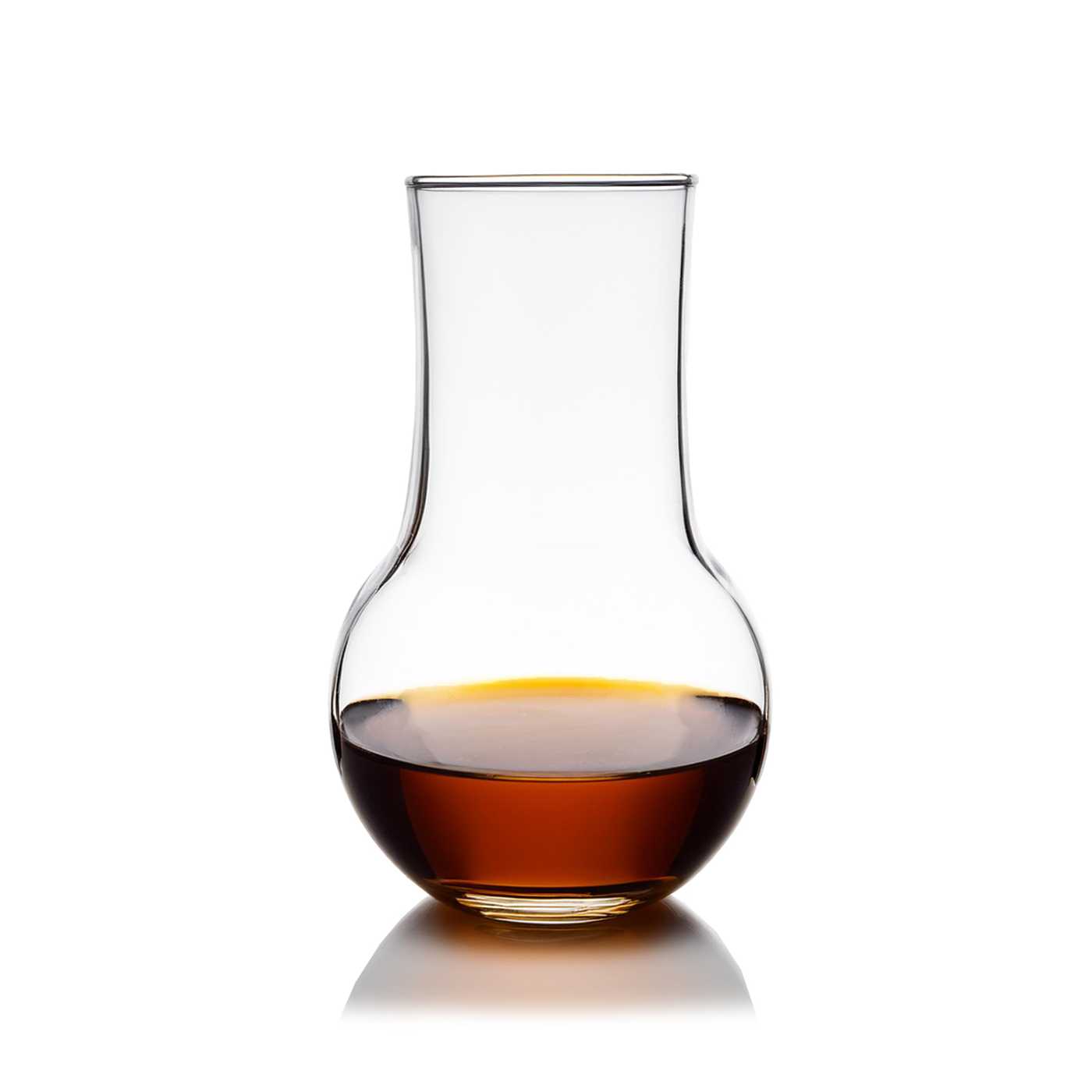
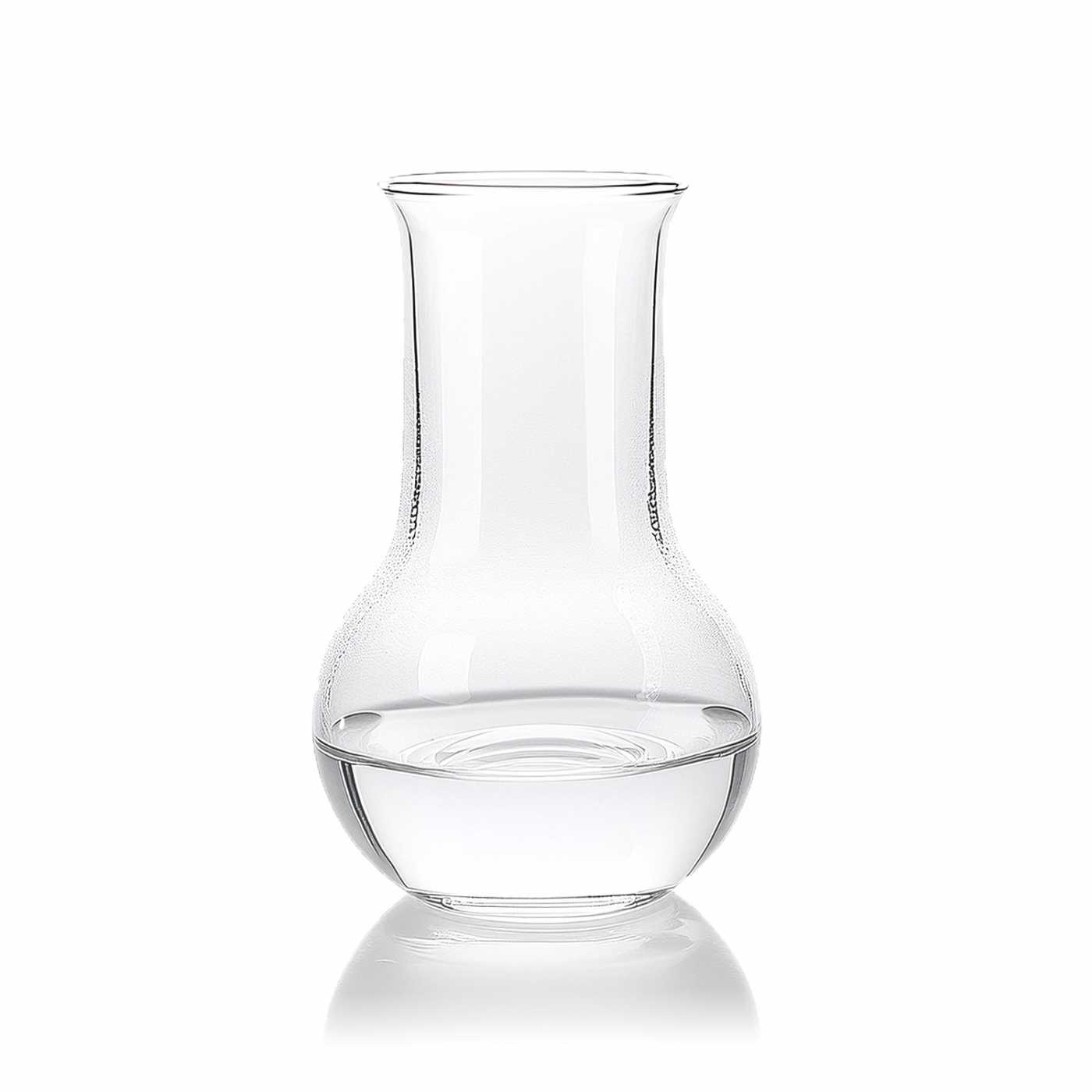
At washing and cleaning concentrations, i.e. in the order of grams per litre, the surfactant is active in water: the manufacturer measures surface tension, wetting and foam volume at these concentrations. A concentrated stock solution cannot be prepared from the granulate. At 10 % concentration at room temperature a non-homogeneous mixture with a separated phase forms; the same behaviour is observed in ethanol, isopropanol and in oils. The raw material is therefore intended for solid products, not liquid preparations.
The manufacturer also lists it for tablets and powders for automatic dishwashers. The granulate foams in water, so test the foaming behaviour of the finished formulation in a dishwasher.
An aqueous solution of the granulate has a pH of approximately 10; the silicate carrier also contributes to alkalinity. In formulations with neutral or slightly acidic pH, account for this contribution and verify the value in the finished blend.
The product is classified under CLP as corrosive and irritant. When handling, protect eyes and skin; when weighing larger quantities, limit dust generation. Safety handling data are in the safety data sheet attached to the product.
Suitable for products such as
- Laundry powders and laundry tablets – improves fabric wetting and complements the cleaning performance of anionic surfactants.
- Dishwasher tablets and powders – an alkali-stable surfactant that tolerates the environment of silicates and carbonates.
- Cleaning blocks – solid cleaners where a powder form of surfactant is required.
- Powder surface cleaners – degreasing and cleaning powders for household and professional cleaning use.
Good to know
Supplied in technical grade for laundry and cleaning products. Compared to liquid alkyl polyglucosides such as Coco-Glucoside or Lauryl Glucoside, it contains the same active substance but is used differently. Liquid types belong in gels, liquid cleaners and shampoos; the granulate in powders and tablets. Direct substitution is not possible because the granulate contains a carrier and does not behave in water like a clear concentrate.
Contains no fragrance allergens, ingredients of animal origin, GMOs or microplastics. The product is not classified as CMR and is registered under REACH.
Frequently asked questions
Is Glucopon 50 G soluble in water?
At washing concentrations the surfactant is active; a concentrated stock solution cannot be prepared from it. At quantities in the order of grams per litre the granulate reduces the surface tension of water and wets fabric, which is also how the manufacturer measures it. At 10 % concentration at room temperature a non-homogeneous mixture with a separated phase forms, so you cannot prepare a clear stock solution or a liquid preparation from it.
Can Glucopon 50 G be used in a liquid laundry gel?
No, it is not intended for liquid products. At higher concentrations it does not dissolve in water, and the silicate carrier would form a sediment in a gel. Liquid cleaners, gels and shampoos use liquid alkyl polyglucosides, such as Coco-Glucoside or Lauryl Glucoside. The granulate belongs in powders, tablets and cleaning blocks.
How much Glucopon 50 G is used in a laundry powder?
The recommended range is 2 – 30 % of the powder weight. As a supplementary wetting agent alongside the primary anionic surfactant, the lower end of the range is sufficient. Higher dosage makes sense in formulations where the alkyl polyglucoside is to take over most of the cleaning performance. Verify the final dose with a test wash.
Is Glucopon 50 G suitable for dishwasher tablets?
Yes, the manufacturer lists it among raw materials for automatic dishwasher tablets and powders. The surfactant remains stable in the strongly alkaline environment of silicates and carbonates typical of these products. Alkyl polyglucoside foams in water, so test the foaming behaviour of the finished tablet directly in the dishwasher.
Can Glucopon 50 G be combined with soda ash and anionic surfactants?
Yes, it is compatible with both. Alkyl polyglucoside is stable in the pH range 4 – 12, so neither soda ash nor silicates degrade it. With anionic surfactants such as Sodium Lauryl Sulfate or linear alkylbenzene sulfonates, it forms blends with improved wetting and complements them in a formulation rather than replacing them.
Is Glucopon 50 G suitable for formulations with an eco-label?
According to manufacturer data, yes. The surfactant is readily biodegradable according to OECD 301, the manufacturer declares renewable carbon content at 100 % and lists the raw material as suitable for products with EU Ecolabel, Blue Angel and Ecocert. Whether the finished product meets certification requirements depends on the complete formulation and its assessment by the certification body.