Pre-orderSold out
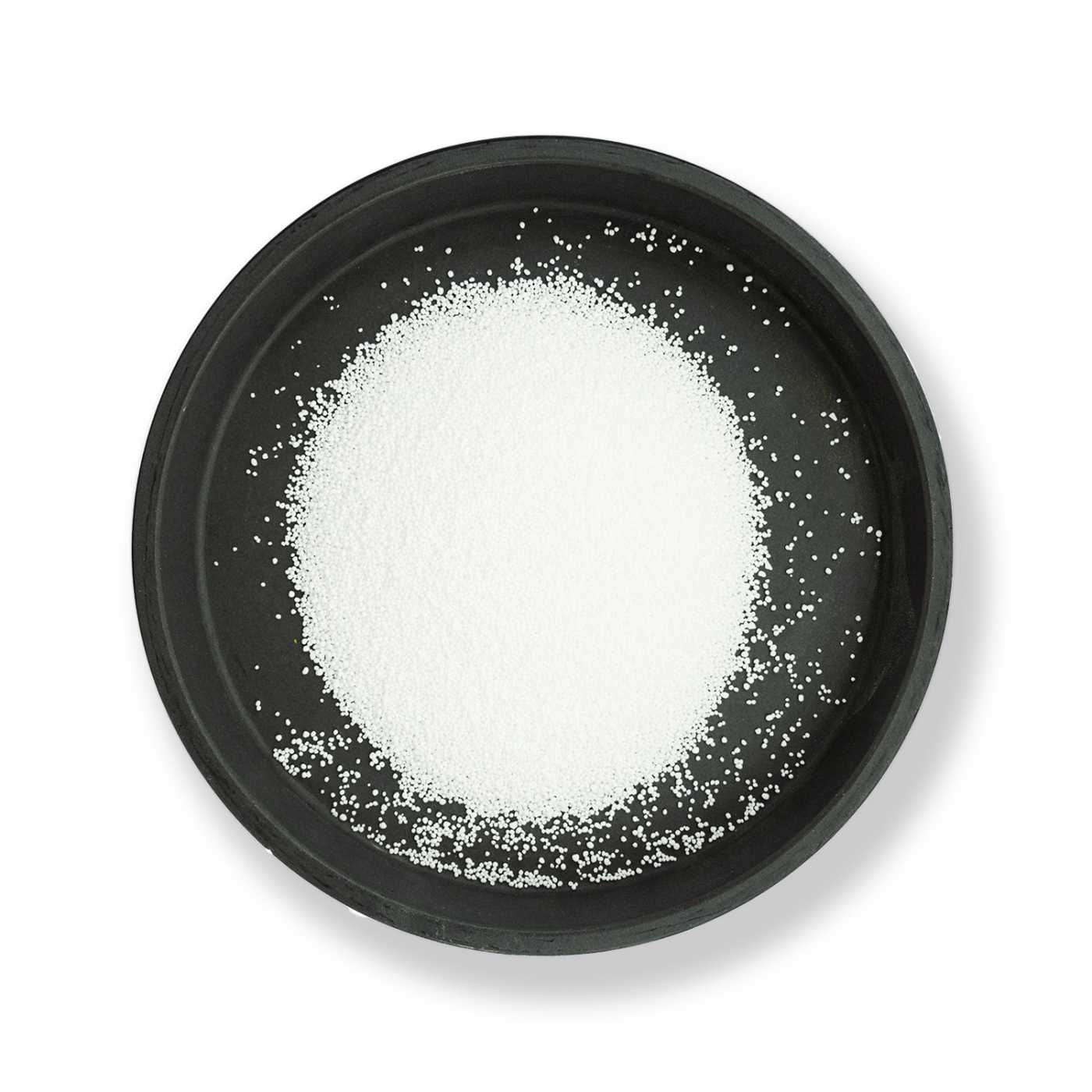
Trilon M Max EcoBalanced, Chelator, 100 g
€4.40(€44.00/kg)

CLEANING & WASHING
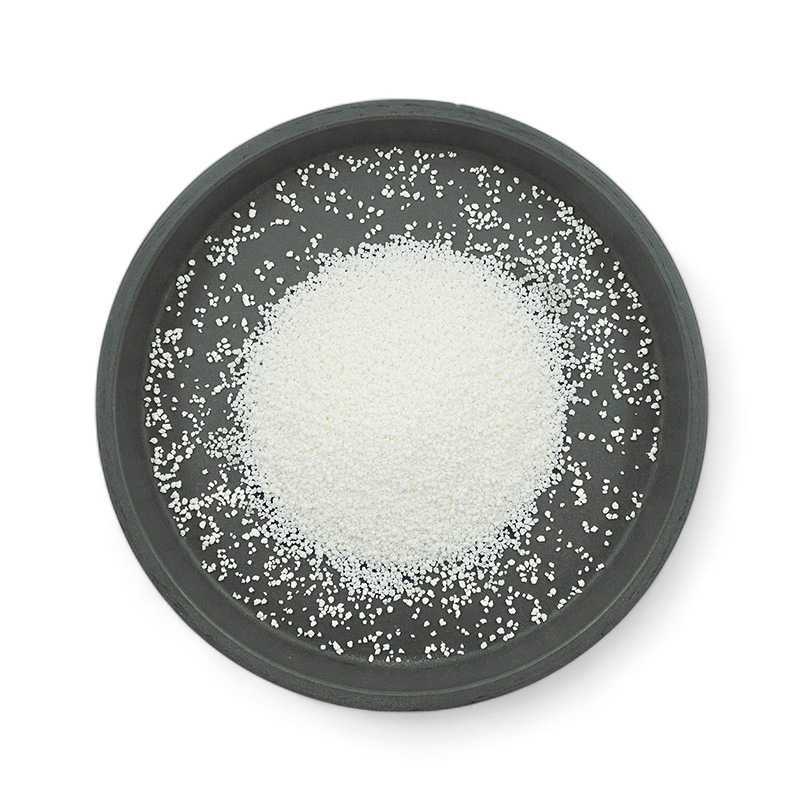
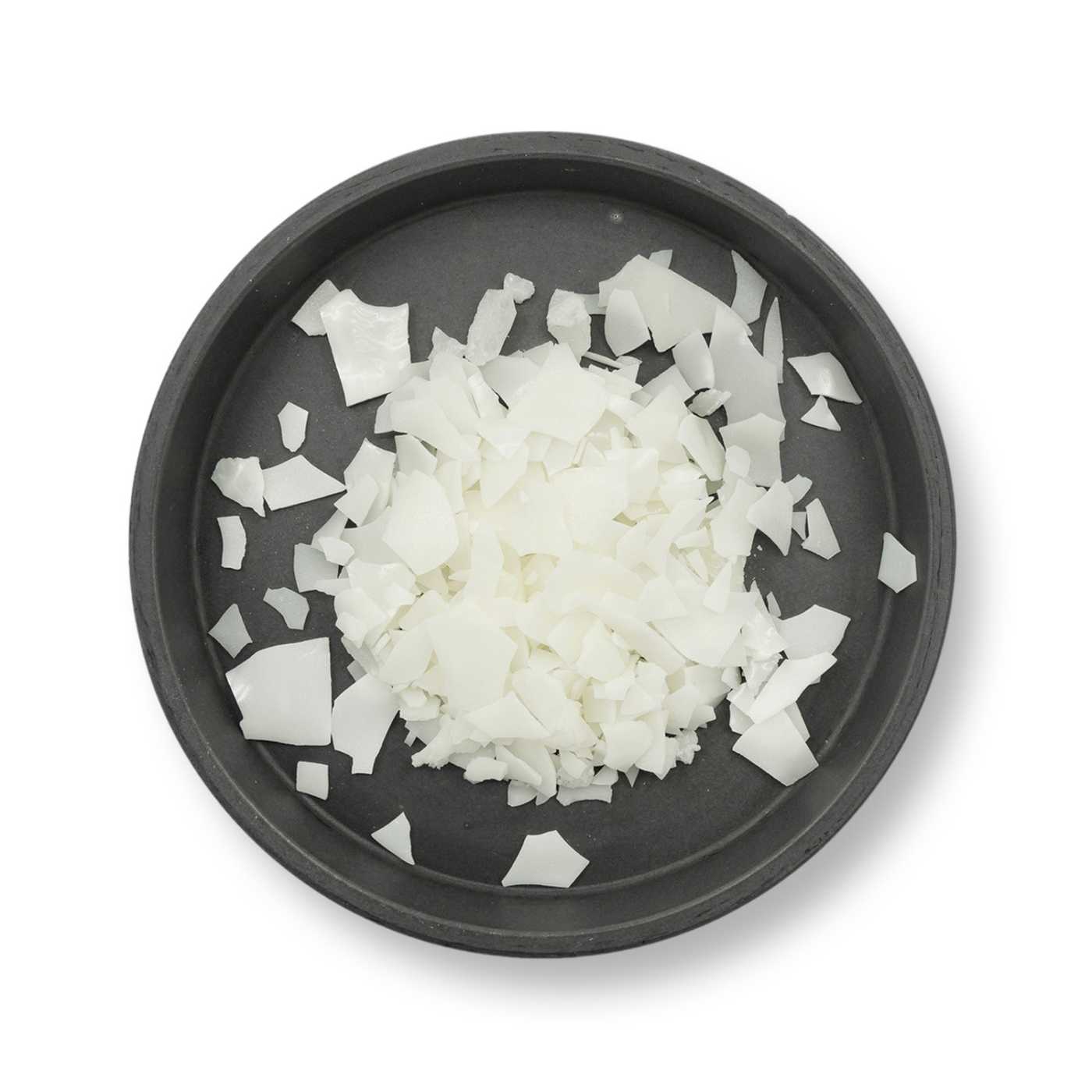
Glucopon 50 G APG is a glucoside surfactant in the form of granules for powder and tablet cleaning products. full description
Lowest price in the last 30 days: €52.19
Glucopon 50 G APG is a glucoside surfactant in the form of granules for powder and tablet cleaning products. It gives laundry powders, dishwasher tablets and cleaning blocks the wetting and cleaning power of an alkyl polyglucoside. It is poured, weighed and dry-blended together with the other powder ingredients. It is made from plant-based raw materials and is readily biodegradable.
The active ingredient is the same. An alkyl polyglucoside with a C12–14 chain is a non-ionic surfactant that lowers the surface tension of water. Water then wets fabric, dishes and soil more easily.
The form is different. Liquid glucoside is a solution of the surfactant in water. Here the surfactant is applied to a solid carrier, made up mainly of silicate and sodium sulfate. The granules contain 45–55% of the alkyl polyglucoside itself. A further 3–6% is the anionic surfactant Sodium Coco-Sulfate.
The form also determines the use. A liquid surfactant brings water into a dry blend. The granules contain approximately 5% water and can be mixed directly with powder raw materials. On the other hand, they do not belong in liquid products.
The granules significantly reduce the surface tension of water. At 1 g/l in distilled water and 23 °C it drops to approximately 27 mN/m. Wetting speeds up with concentration: in the test, the wetting time falls from approximately 200 s at 0.5 g/l to 100 s at 1 g/l and 50 s at 2 g/l.
Foaming is moderate. In a test at 40 °C and a dose of 2 g/l in water with a hardness of 1.8 mmol Ca/l, approximately 450 cm³ of foam was produced after 30 seconds.
The granules are stable in an alkaline environment. Their aqueous suspension (50 g/l) has a pH of 9.5–10.5 and is compatible with soda ash and the other alkaline ingredients of laundry powders and dishwasher tablets. They can be combined with anionic, cationic, non-ionic and amphoteric surfactants.
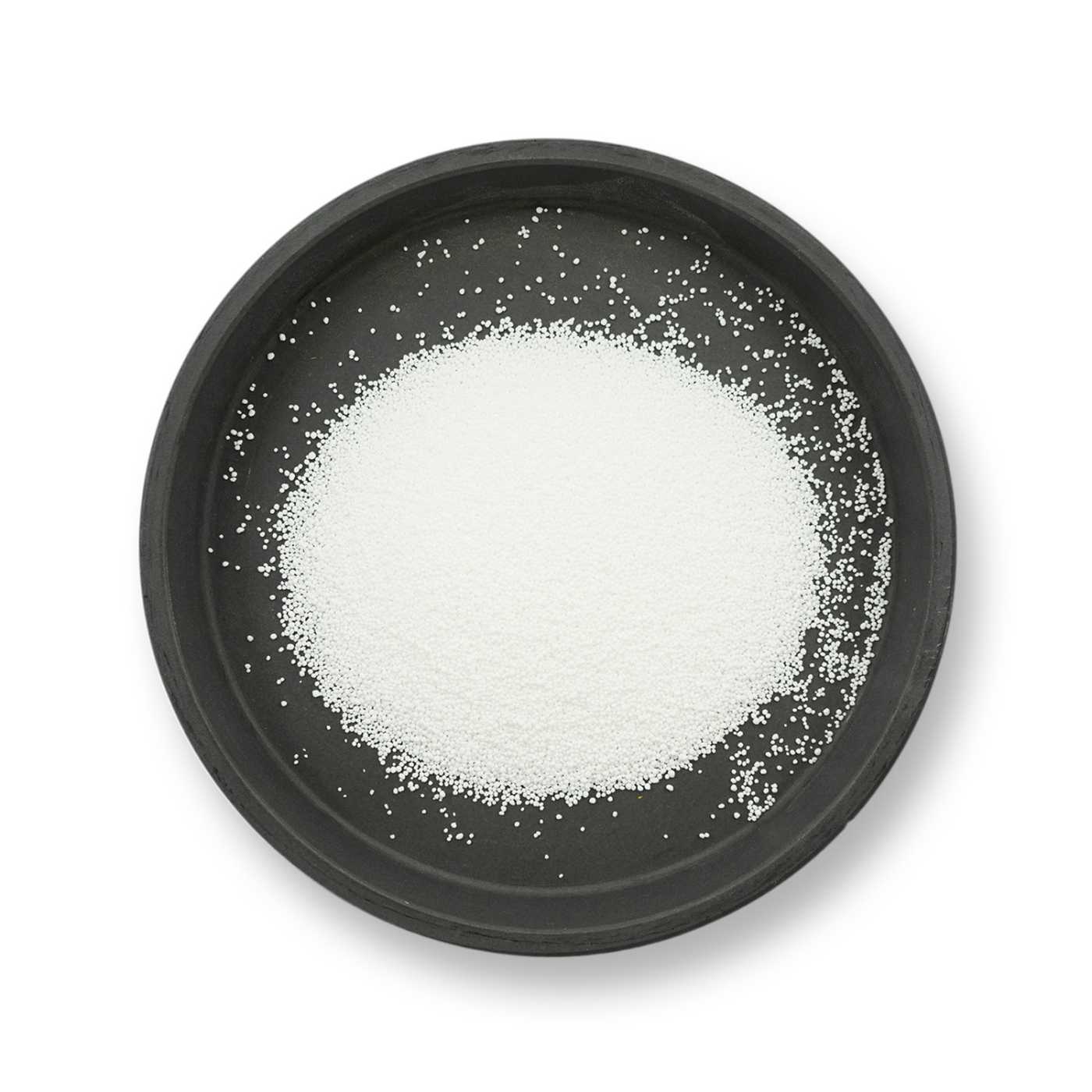
The granules belong in dry blends. They are produced in a fluidised bed, the grains have a mean diameter of approximately 1.1 mm and produce little dust when poured. They mix easily into powders and a blend containing them can be pressed into tablets.
In water they behave differently from liquid surfactants. At a 10% concentration they do not dissolve in distilled or drinking water and the phases separate. The same applies in dilute acids, salt solution, ethanol and isopropanol. In a 5% sodium hydroxide solution they dissolve only partially and an insoluble sediment remains. In a powder, tablet or block, the insoluble carrier is not a problem, but in a clear liquid cleaner it would show up as cloudiness and sediment.
For dishwasher powders and tablets, keep in mind that the granules produce a moderate amount of foam. This needs to be considered when designing the formulation.
The raw material is of technical grade and is intended for household cleaning and laundry products.
The granules are classified as corrosive (GHS05) and are subject to the CLP Regulation. Work under local exhaust ventilation, wear chemical-resistant gloves and eye and respiratory protection, and follow the safety data sheet.
Fine dust from the raw material can form an explosive mixture with air. When pouring and mixing, limit the raising and settling of dust, remove sources of sparks and open flames, and prevent static discharge.
The raw material has ECOCERT Approved certification, is produced without ethylene oxide and is suitable for products with the EU Ecolabel and Blue Angel ecolabels.