Lauryl Lactyl Lactate, 100 ml
Pre-order€6.99(€69.90/l)

SURFACTANTS
Pack size200 g500 g1 kg5 kg10 kg
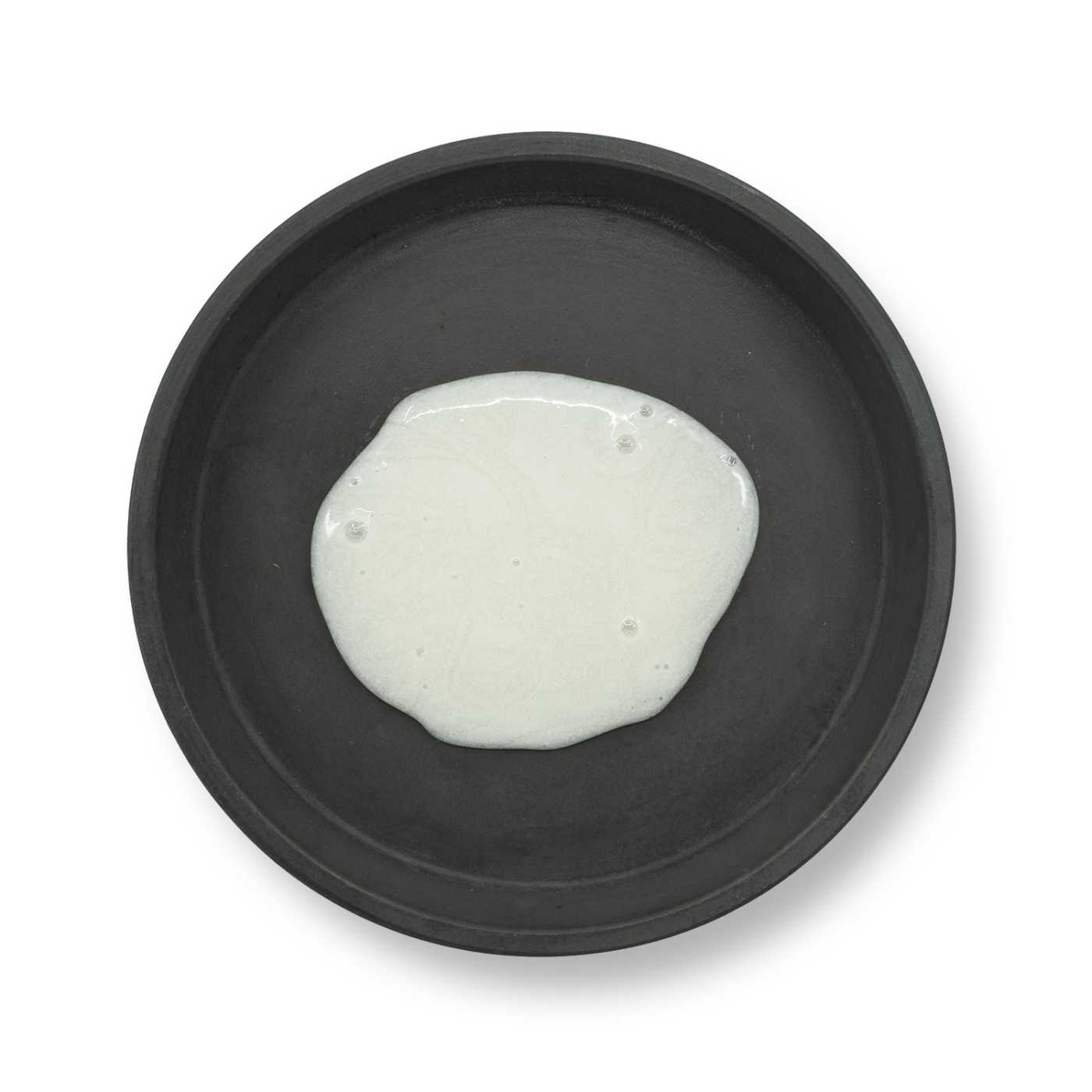
Lauryl glucoside is a non-ionic surfactant of plant origin that cleans, foams, and helps incorporate oily components into water-based preparations. full description
Lowest price in the last 30 days: €3.69
Lauryl glucoside is a non-ionic surfactant of plant origin that cleans, foams, and helps incorporate oily components into water-based preparations. It is produced from the fatty alcohol of coconut and palm oil and from glucose derived from maize or wheat. It belongs to the group of alkyl polyglucosides, surfactants used in sulfate-free cleansing products.
It is suitable for rinse-off and leave-on products and, according to manufacturer data, is appropriate for children's and sensitive skin. It remains functional over a wide pH range, which is why it is used in shower gels, liquid soaps, intimate hygiene products, and household cleaners. The ingredient holds certifications from ECOCERT, NATRUE Approved, and COSMOS Approved, is readily biodegradable, and contains no sulfates, PEG, ethylene oxide, preservatives, or silicones.
Lauryl glucoside is added to the water phase, or alternatively incorporated afterwards into the finished base. The recommended dosage is 5 – 30 % depending on whether it forms the main cleansing base or merely supplements other surfactants. In shampoos and shower gels, it is typically combined with an anionic and an amphoteric surfactant to adjust the foam, viscosity, and skin compatibility of the finished product. In products for children or intimate hygiene, it can form a substantial part of the surfactant base.
It is processed at temperatures up to 80 °C. In a cold process, it is blended directly into the water; when heating the water phase, it is added together with the other water-soluble components. As a solubiliser, it is first mixed with the oil or fragrance composition, and only this mixture is then added to the water with continuous stirring. The finished formulation can have a pH in the range of 5 – 12, covering acidic shampoos, neutral gels, and alkaline liquid soaps and household cleaners.
When using a higher proportion of lauryl glucoside in the surfactant base, check the pH and viscosity of the finished product. Adjust viscosity in the finished formulation, not by estimation.
The concentrated ingredient is classified under CLP regulations and carries the pictograms GHS05 (corrosive) and GHS07 (irritant). This applies to the undiluted surfactant handled during manufacturing.
Work with the concentrate in accordance with the instructions in the safety data sheet. Protect undiluted lauryl glucoside from contact with skin and eyes, and incorporate it into the formulation within the recommended dosage range.
The product contains no preservatives, so water-based formulations with lauryl glucoside require their own preservation system. It is only partially soluble in alcohol, so it is suitable for preparations with a high content of ethanol only after verifying clarity and stability.
Unlike anionic surfactants such as Sodium Coco-Sulfate, lauryl glucoside carries no electric charge. It is therefore also compatible with cationic surfactants, which cannot always be combined with anionic surfactants. We recommend verifying the exact behaviour in a specific surfactant combination in a trial batch.

It's great in shower gel, it softens the skin beautifully.
Translated automatically
Scent: Lauryl glukozid, 500 g