+421 950 333 113info@handymade.storeActive Days: −10 % with code ACTIVE10Shop now

BUTTERS 100 g

Illipe Butter, Refined, 100 g

Pack size50 g100 g500 g2.5 kg

Illipe butter is a vegetable fat from the seeds of the Shorea stenoptera tree. It softens skin and hair and gives the product firmness . full description

AvailabilityIn stock · 14 packs
Product codeBUT300_100
Batch23867
Best before07/2028
€7.19incl. VAT€71.90/kg

Lowest price in the last 30 days: €6.47

Product description

Illipe butter is a vegetable fat from the seeds of the Shorea stenoptera tree. It softens skin and hair and gives the product firmness. In a higher proportion, it noticeably firms and thickens a balm, stick or body butter. It is suited to the care of dry and mature skin, lips and dry hair.

The nuts are collected from wild trees native to the rainforests of Southeast Asia. The butter is mechanically pressed from them and then refined. The country of origin of the finished raw material is the European Union. The raw material is purely plant-based, is Vegan certified and contains no palm oil-derived ingredients.


Effect on skin and hair

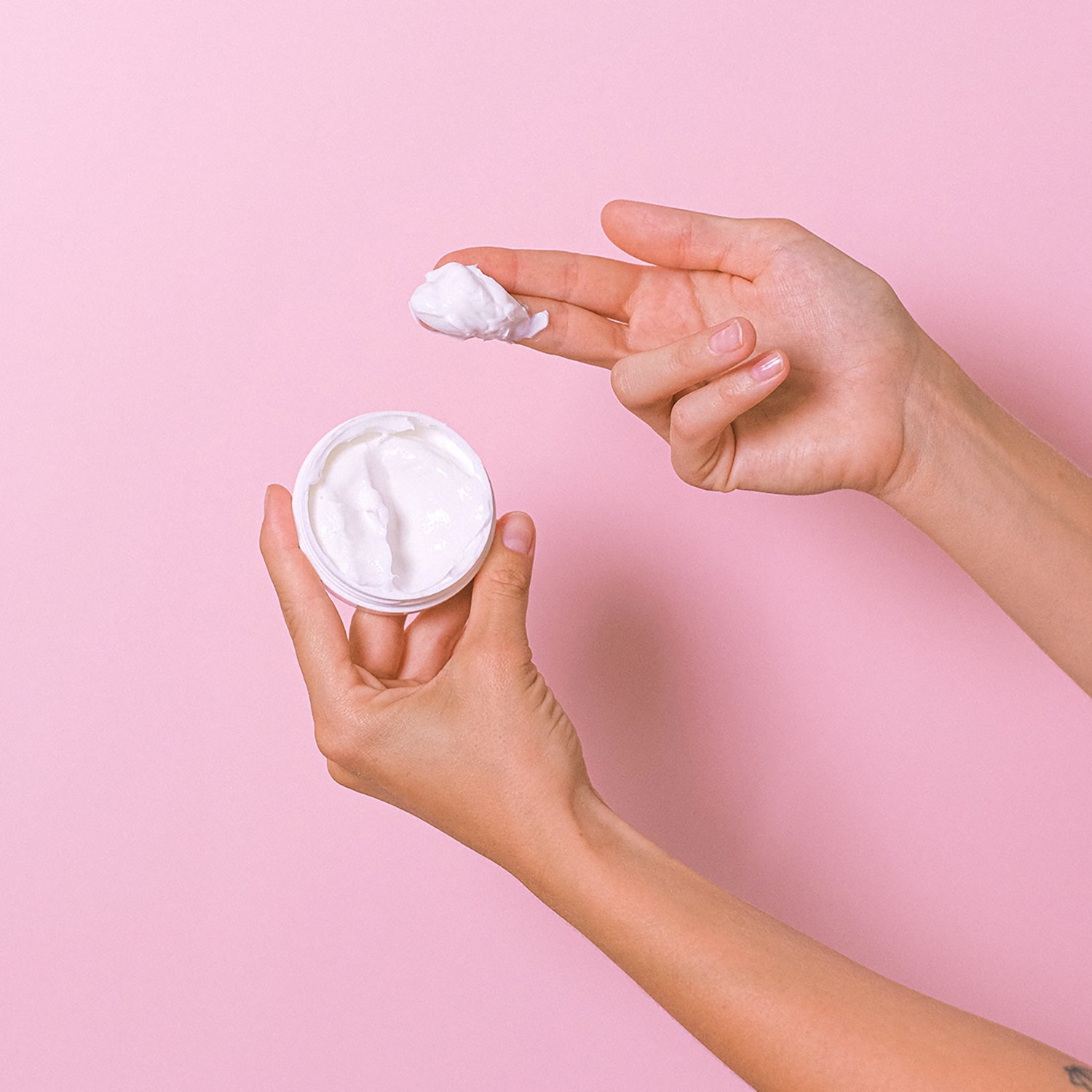
Illipe butter is an emollient. On the skin it forms a protective film that limits moisture loss, and the skin underneath stays soft and smooth. You will appreciate it most on dry, rough and cracked skin. It spreads well and leaves no greasy feel after absorption.

In hair care it works in a similar way. It softens and smooths dry hair, which is then easier to comb through.


Comparison with cocoa butter and shea butter

It is closest to cocoa butter. It resembles it in properties and in fatty acid profile, and it can replace it in balms and sticks. However, illipe butter is somewhat harder and has a higher melting range, so the product turns out firmer after the substitution.

The difference compared with shea butter is more pronounced. Illipe butter is harder and melts at a higher temperature, so in a higher proportion it firms and thickens the product more.


Use in formulations

The butter belongs in the oil phase. It dissolves in oils and is insoluble in water. It melts slowly in a water bath, for butters usually at 40–70 °C, and the processing temperature should stay below 80 °C.

In formulations it is used at an indicative rate of 2–4%, around 2% in a cream and around 4% in a serum. It is added to the oil phase together with emulsifiers based on Glyceryl Stearate, fatty alcohols and liquid oils, for example argan, olive or camellia oil. It is often combined with tocopherol and glycerine.

In anhydrous balms and whipped butters it is blended with softer butters and liquid oils. The ratio of butters with different melting points determines whether the product will be firm or lighter and how it will melt on application.

We recommend fine-tuning the ratio of illipe butter, softer butters and liquid oils in small test batches.

The fat is highly resistant to oxidation. It is dominated by saturated fatty acids, stearic (40–50%) and palmitic (15–20%), complemented by oleic acid (30–40%). Linoleic acid is below 2%. In blends with more sensitive oils it serves as a stable component.

It can also be used in soap making. The saponification value is 180–190 mg KOH/g and the high proportion of stearic and palmitic acid contributes to a harder soap.


Suitable for products such as

  • Lip balms and sticks – the butter adds firmness and leaves a protective film on the lips.
  • Body butters and balms – combined with softer butters and oils, it determines how firm the product will be.
  • Creams for dry and mature skin – in the oil phase it softens the skin.
  • Hair butters, conditioners and masks – for dry hair that needs softening and smoothing.
  • Soaps – as a fat that increases hardness.

Good to know

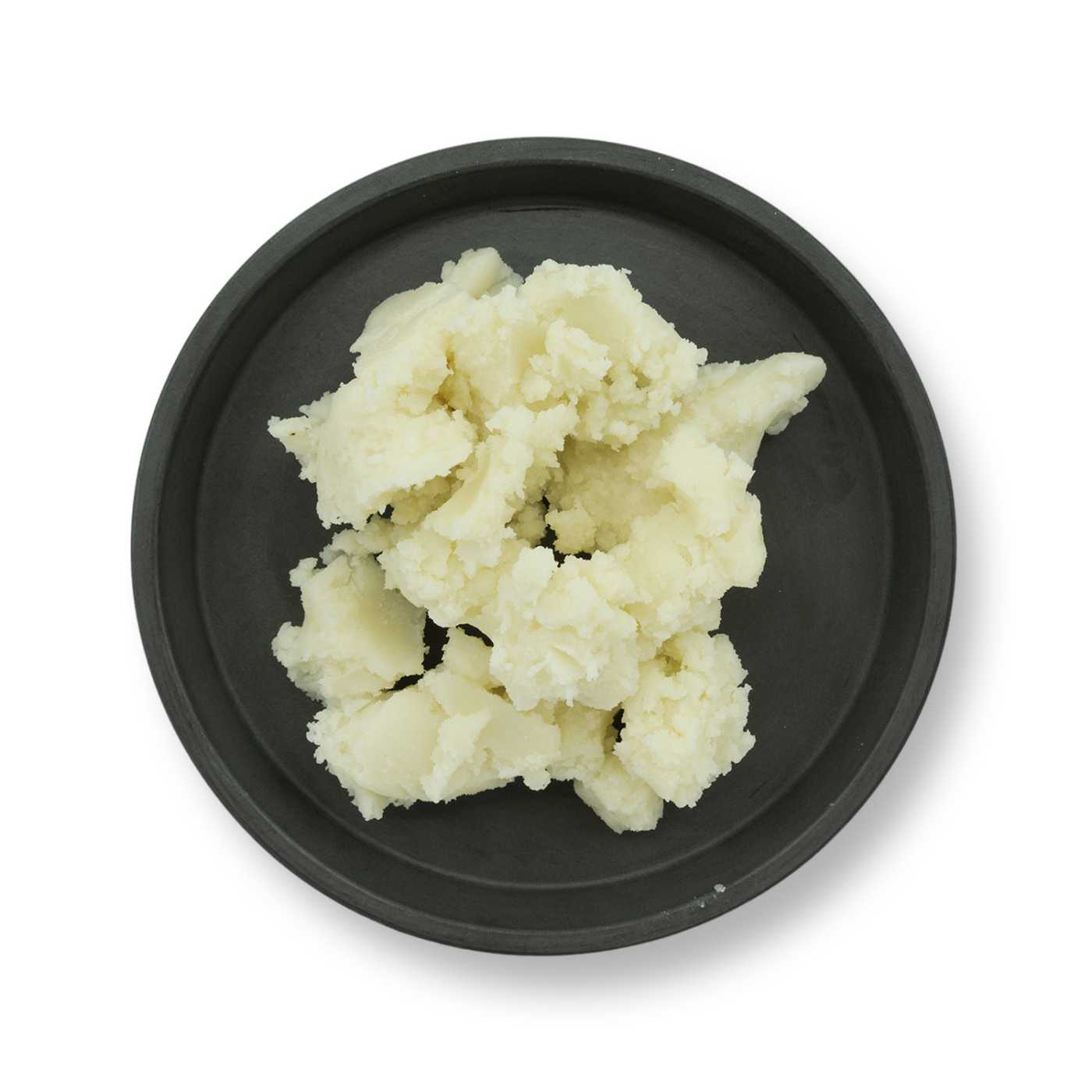
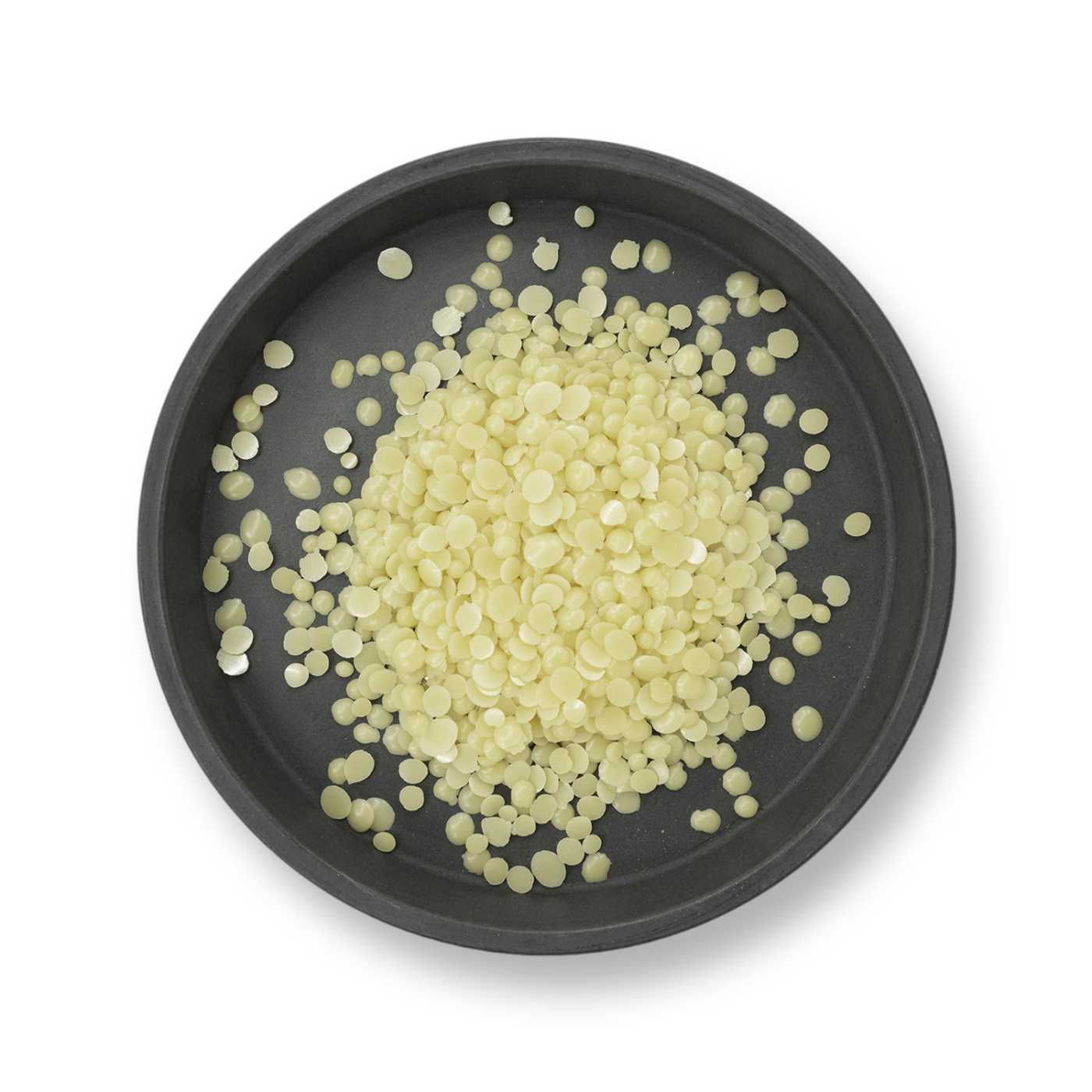
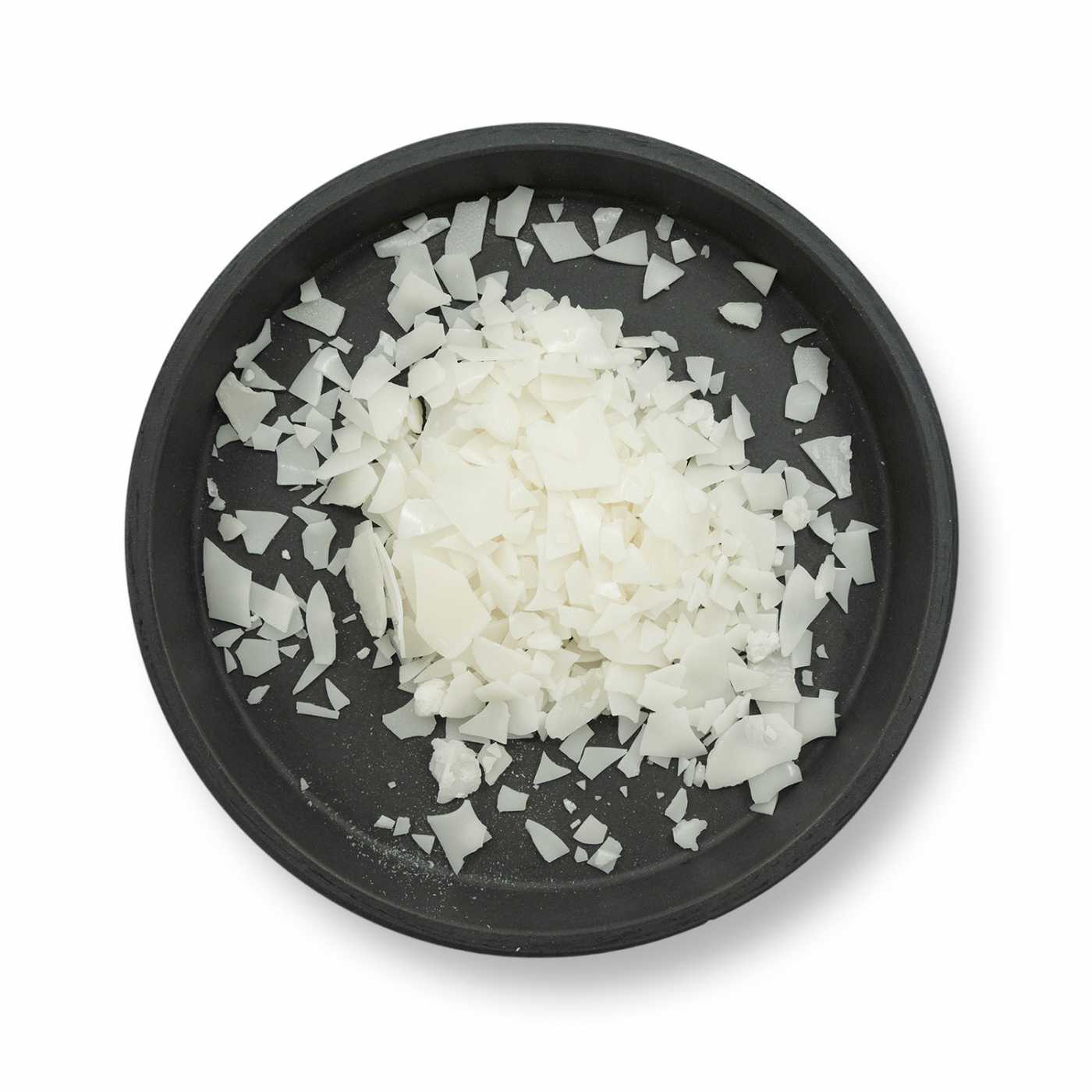
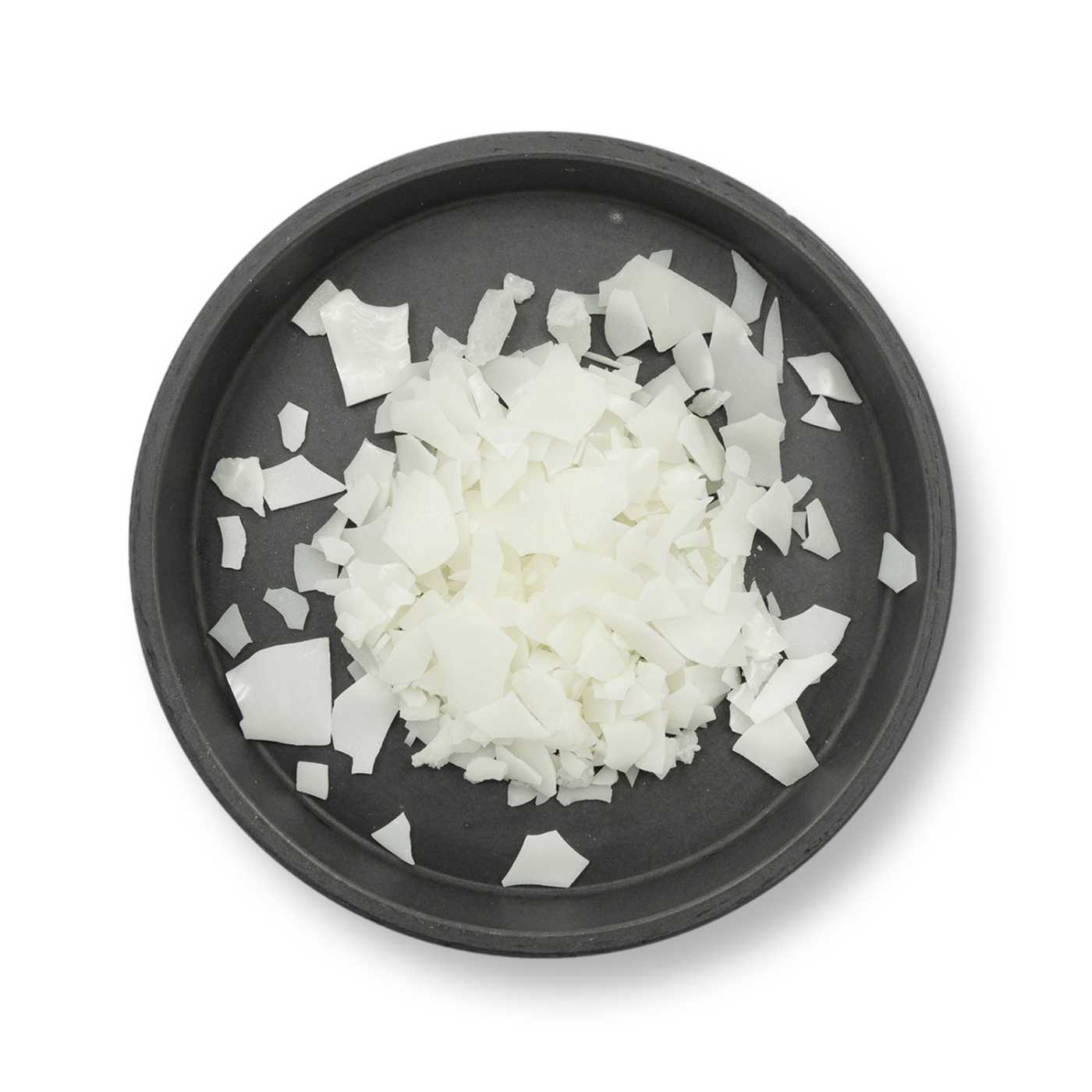
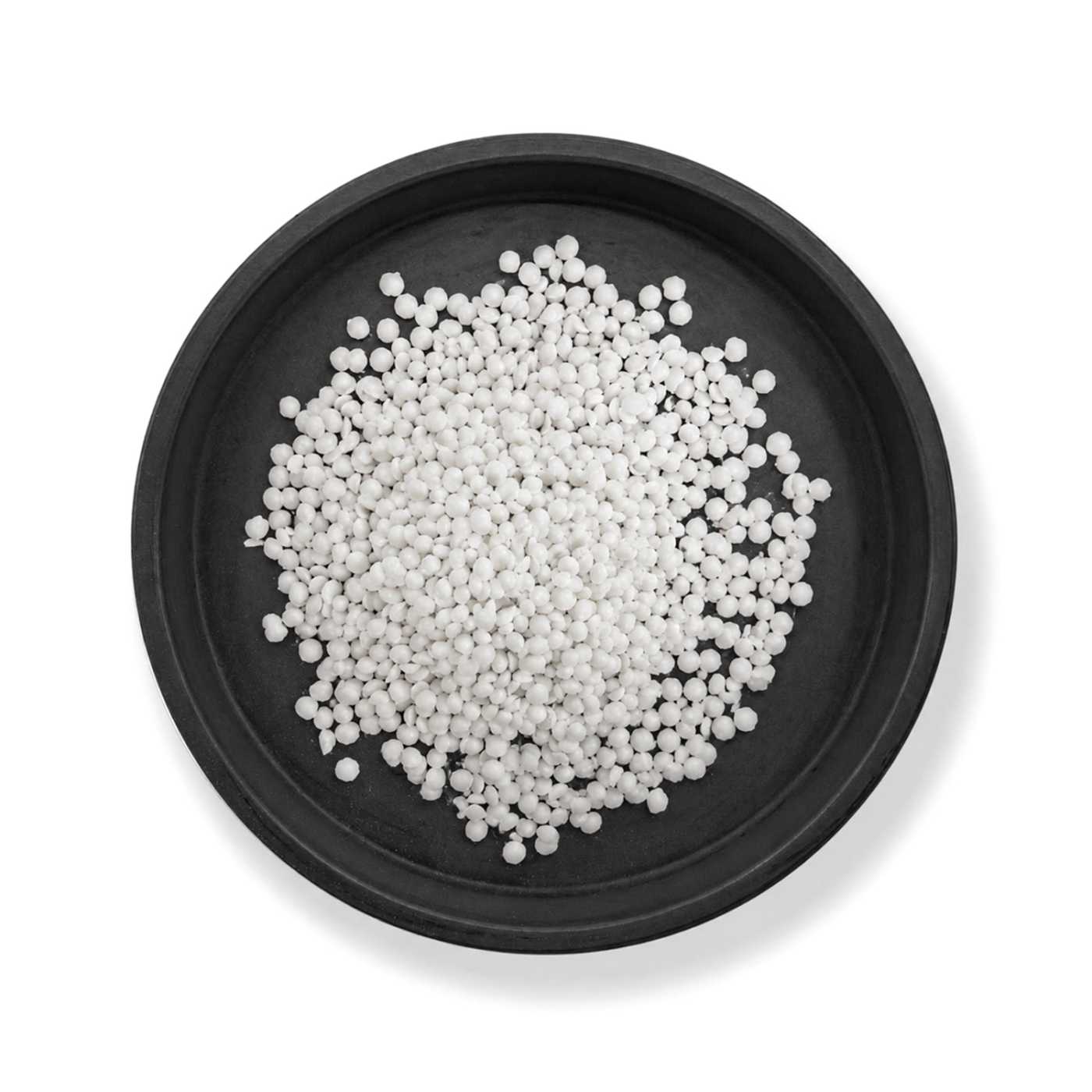
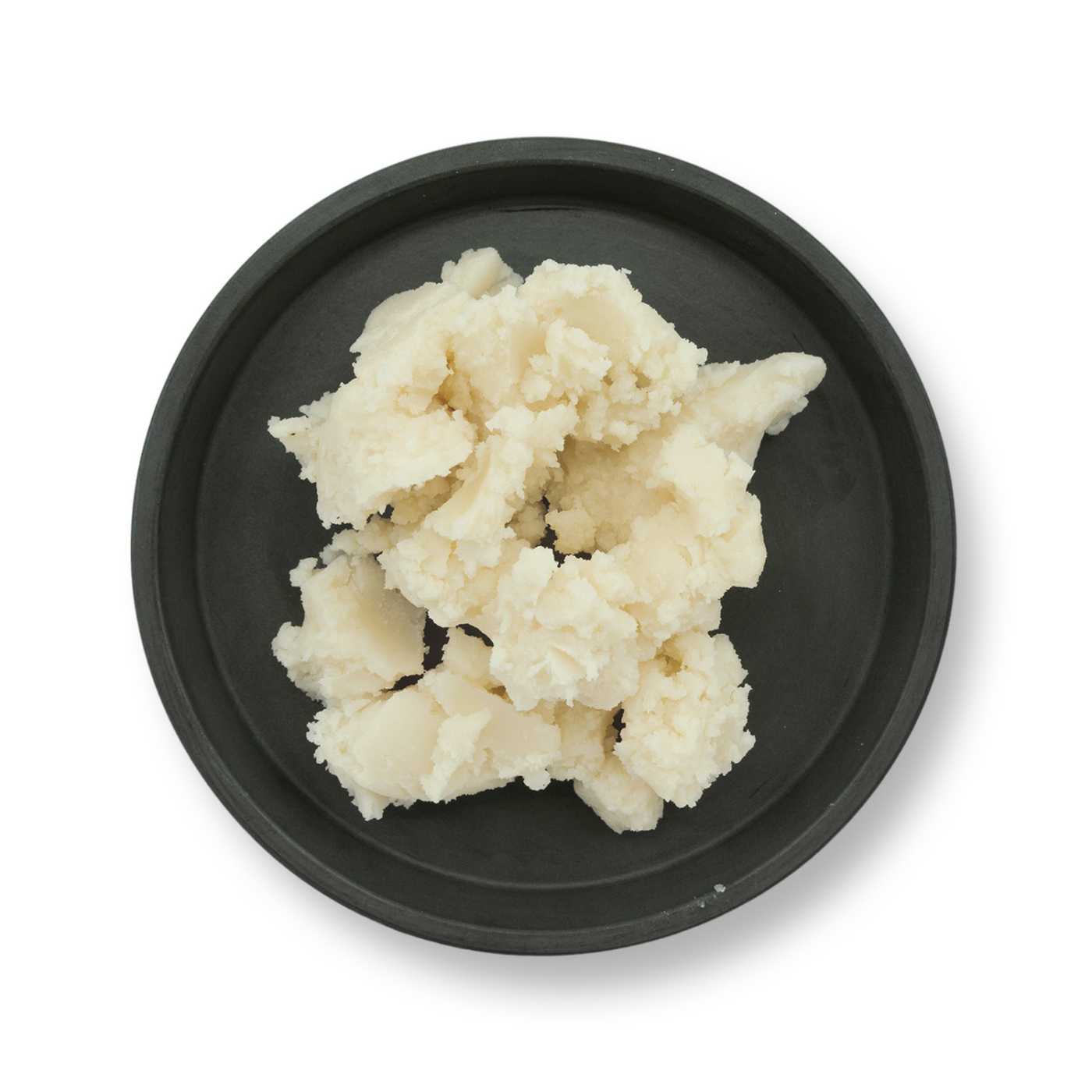
Refined illipe butter is odourless and ivory to light yellow in colour. It does not affect the fragrance of the product and affects the colour only minimally, so it is also suitable for light and lightly fragranced products.

The raw material contains no fragrance allergens or preservatives and is not classified as hazardous.

Do not overheat the butter and do not leave it near an open flame.


Frequently asked questions

What is the difference between illipe butter and cocoa butter?
Illipe butter is somewhat harder than cocoa butter and has a higher melting range. The two butters are close in fatty acid profile and properties, so illipe butter can replace cocoa butter in balms and sticks. The product will be firmer after the substitution, so it is worth fine-tuning the ratio of butters and liquid oils in a test batch.
Does refined illipe butter have a scent, and will it affect the colour of the product?
Refined illipe butter is odourless and does not affect the fragrance of the finished product. Its colour is ivory to light yellow, and it tints the product only minimally. It is also suitable for light creams and balms and for lightly fragranced products, where the butter’s own scent would be a nuisance.
How much illipe butter should be added to a cream?
In a cream, illipe butter is added at an indicative rate of around 2%, and in formulations in general 2–4%. It is melted in the oil phase together with the emulsifier and the other fats at a temperature below 80 °C. In anhydrous balms and whipped butters, its proportion is adjusted according to the required firmness of the product.
Is illipe butter suitable for soap?
Yes, illipe butter can be used in soap making. The saponification value of 180–190 mg KOH/g is used to calculate the lye solution. The high proportion of stearic and palmitic acid in the butter contributes to a harder soap. The butter is odourless, so it does not affect the fragrance of the soap.
Is illipe butter suitable for hair?
Yes, illipe butter is also used in hair care, especially for dry hair. It softens and smooths the hair and makes it easier to comb. On the hair it forms a protective film that limits moisture loss. It is added to the oil phase of hair conditioners, masks and hair butters.

Parameters

Chemical name
Shorea stenoptera, ext.
CAS No.
91770-65-9
EC number
294-851-7
Product colour
YellowBeige
Country of origin
European Union
Appearance
Butter
Formulation phase
Oil phase
Function in formulation
Emollient
Application area
FaceHairBodyLips
Recommended processing temperature
< 80 °C
Application type
Leave-onRinse-off
Biodegradability
Readily biodegradable
Certifications
Vegan
Manufacturer's certificate
BRC
Natural Index (NI ISO 16128)
1,00
Natural Origin Index (NOI ISO 16128)
1,00
Renewable Carbon Content (RCC)
100 %

Product documentation

CoACertificate of Analysis
batch 23867PDF ↓
batch 19320PDF ↓
TDSTechnical Data Sheet
Physical parameters and processingPDF ↓
SDSSafety Data Sheet
Available for purchased products —
Download all (ZIP)

3 PDF files in one archive

Learn how to work with it

From our blog
REVIEWS

Verified by customers.

No reviews yet.

Only customers with a delivered order can write reviews.