10% off everything in Base IngredientsStock up

+421 950 333 113info@handymade.store

AROMA COMPOUNDS

Methyl salicylate, synthetic, 10 ml

Pack size10 ml100 ml500 ml1 l

Methyl salicylate, synthetic Methyl salicylate is a fragrance ingredient with the characteristic scent of wintergreen (wintergreen oil). full description

AvailabilityIn stock · 8 packs
Product codeISO100_10
Batch21495
Best before09/2028
€1.77incl. VAT€177.00/l

Lowest price in the last 30 days: €1.77

Product description

Methyl salicylate, synthetic

Methyl salicylate is a fragrance ingredient with the characteristic scent of wintergreen (wintergreen oil). In a formulation it acts as a fragrance ingredient with the INCI name Parfum and is supplied in cosmetic grade. It is miscible with oils and soluble in alcohol, so it suits oil-based, anhydrous and emulsion products for the body, hands, face and hair.

This raw material is not pure wintergreen essential oil. It has a combined origin, is processed by blending and filtration, and is supplied in commercial fragrance grade. Its scent corresponds to wintergreen oil, and that name is also listed among its other names.


What it is suitable for

  • Fragrance ingredient – gives the product a wintergreen scent in preparations for the body, hands, face, hair and scalp.
  • Solubility in oil and alcohol – it can be incorporated directly into oil-based and anhydrous products, without auxiliary substances.
  • Rinse-off and leave-on products – the raw material is intended for both types of application, always within the IFRA limit for the given product category.
  • Ready biodegradability – it meets the criteria for ready biodegradability under the OECD 301 test.

Use in a formulation

Methyl salicylate is added to the oil phase, to the cooling phase, or incorporated afterwards into the finished base. The recommended processing temperature is up to 40 °C. For emulsions, wait until the mixture has cooled after the phases are combined, and only then stir in the fragrance ingredient. The raw material is a mixture of volatile organic compounds, and part of the scent would be lost on heating.

The raw material does not dissolve in water. It cannot be incorporated directly into toners, sprays or other water-based products. If you want to add it to an aqueous base, use a solubiliser and check the clarity and stability of the finished product on a sample. In alcohol-based bases it dissolves readily.

The manufacturer does not state a recommended usage rate, and there is no single universal value. The maximum permitted amount in the finished product is determined by the IFRA limit for the specific product category (for example, category 1 includes lip products). You will find the limits for all categories in the IFRA certificate in the Product documentation section.

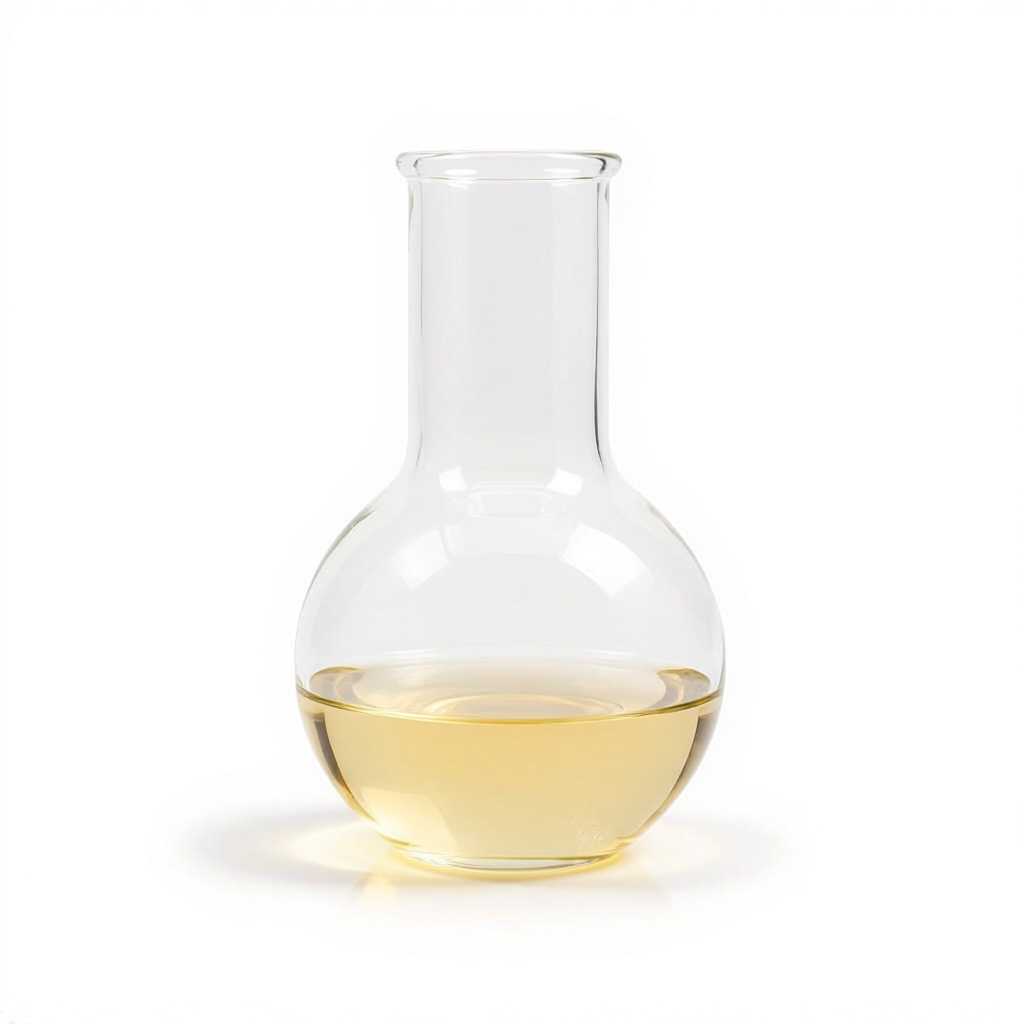
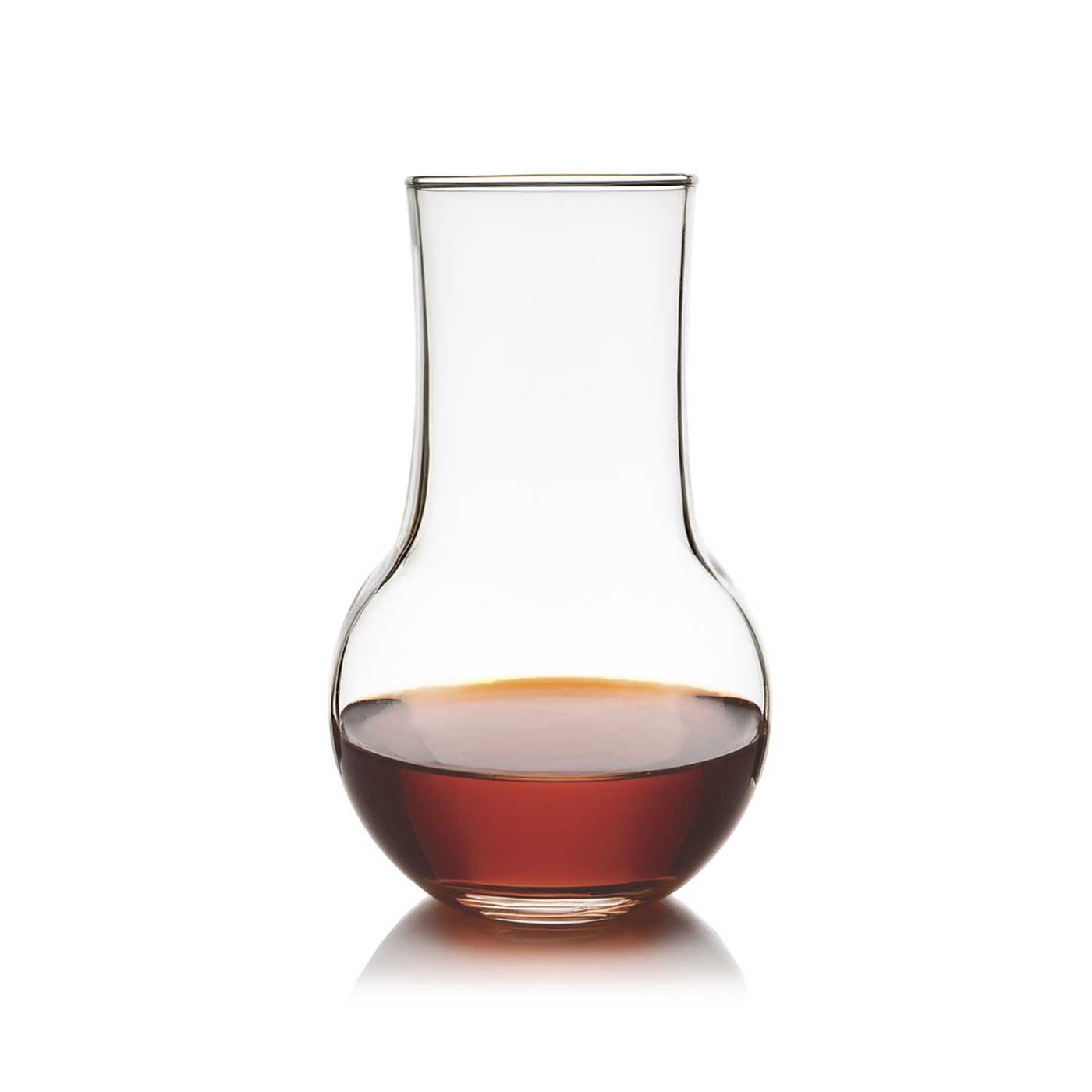
The colour of the raw material ranges from colourless to yellow. For light and white bases, check the shade on a test sample and compare it with the base without the fragrance ingredient.


Suitable for products such as

  • Body oil blends – direct incorporation into the oil phase.
  • Balms and solid anhydrous products – added after the base has melted and cooled slightly, before it sets.
  • Creams and lotions – stirred in during the cooling phase of the emulsion.
  • Rinse-off body and hair products – shower gels or shampoos, where the raw material is dosed according to the IFRA limit for rinse-off categories.

Good to know

The raw material is subject to the CLP Regulation and is classified as carcinogenic, mutagenic or toxic for reproduction (CMR) under Regulation (EC) No 1272/2008. It is marked with the GHS05 (corrosive to skin and materials), GHS07 (irritant, sensitisation, mild toxicity) and GHS08 (serious health hazards with long-term effects) pictograms. Details of the classification and safe handling are in the safety data sheet for the product.

When working with the undiluted raw material, use gloves and eye protection and work in a ventilated area. To compare usage rates, prepare diluted samples, not finished batches.

The first time you use it in your own recipe, make a small test batch. This lets you check the strength of the scent and its behaviour in the specific base, especially in emulsions and products with a high water content.


Frequently asked questions

Is methyl salicylate soluble in water?
No, methyl salicylate does not dissolve in water. It is miscible with oils and soluble in alcohol, so it is added directly to oil-based, anhydrous and alcohol-based bases. In water-based products such as toners or sprays, it is incorporated through a solubiliser, and the stability of the finished mixture must be checked on a sample.
How much methyl salicylate can I add to a cream or oil?
There is no single universal value, and the manufacturer does not state a recommended range. The maximum permitted amount is determined by the IFRA limit for the specific product category. Categories differ by product type; for example, lip products belong to category 1. The exact limits for all categories are given in the IFRA certificate in the Product documentation section.
When should methyl salicylate be added to an emulsion?
Methyl salicylate is added during the cooling phase, when the emulsion is below 40 °C. It can also be incorporated afterwards into the finished base while stirring continuously. At a higher temperature, part of the volatile scent would be lost and the resulting fragrance profile would be weaker than expected when dosing.
Is methyl salicylate the same as wintergreen essential oil?
Not exactly. This raw material is supplied in commercial fragrance grade with the INCI name Parfum and has a combined origin. Its scent corresponds to wintergreen oil, and that name is also listed among its other names. It is intended as a fragrance ingredient for cosmetics. When choosing, go by its function in the formulation, the IFRA limits and the data in the safety data sheet.
What should I watch out for when working with methyl salicylate in a home workshop?
The raw material is subject to the CLP Regulation, is classified as CMR under Regulation (EC) No 1272/2008 and carries the GHS05, GHS07 and GHS08 pictograms. When handling the undiluted raw material, use gloves and eye protection, work in a ventilated area and follow the safety data sheet. In the finished product, it is dosed according to the IFRA limit for the given category.

Parameters

INCI
Parfum
Product colour
ColourlessYellow
Country of origin
United Kingdom
Processing method
BlendingFiltration
Appearance
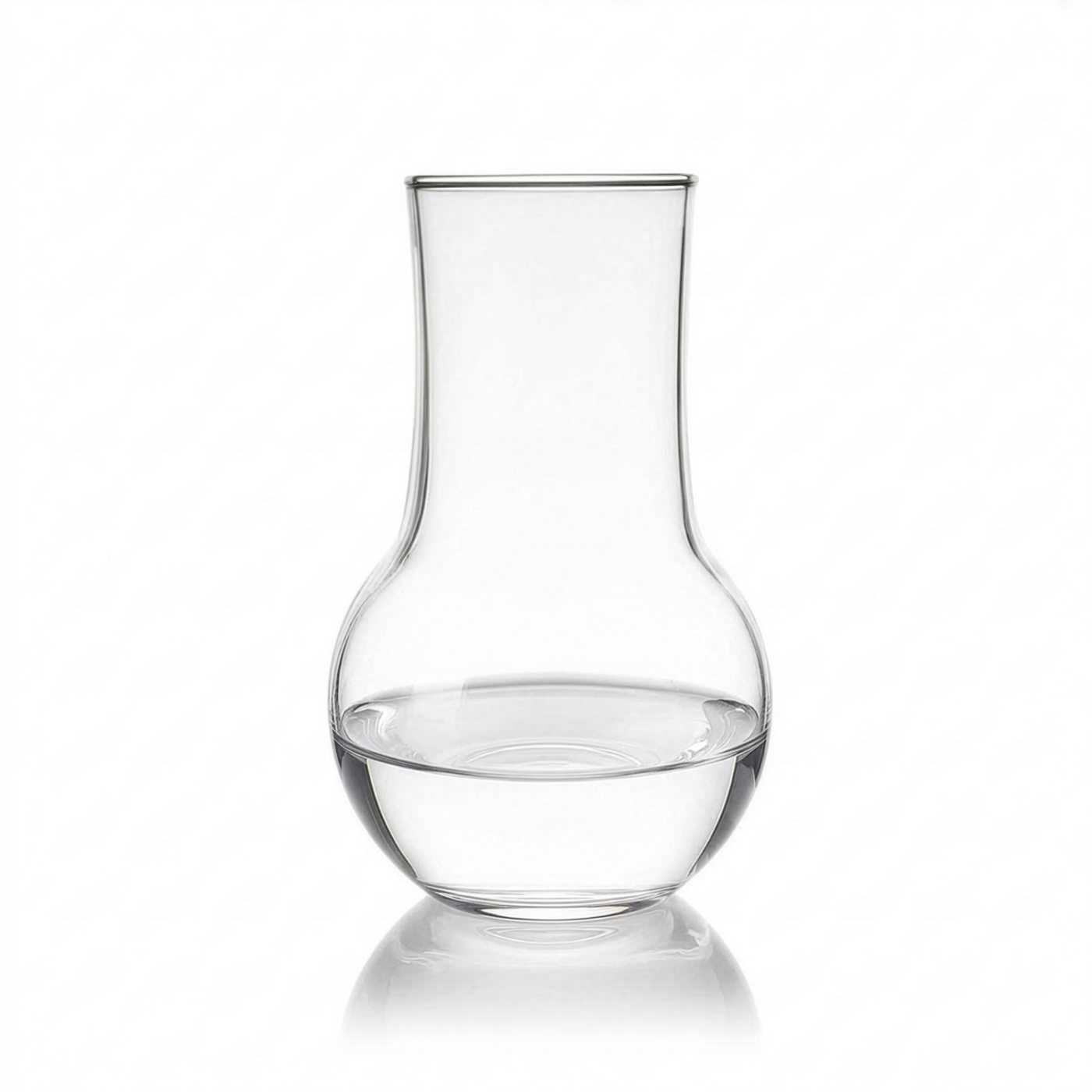
Liquid
Function in formulation
Fragrance component
Recommended processing temperature
< 40 °C
Application type
Leave-onRinse-off
Volume
10 ml

Product documentation

CoACertificate of Analysis
batch 21495PDF ↓
TDSTechnical Data Sheet
Physical parameters and processingPDF ↓
IFRAIFRA Certificate
batch 21495PDF ↓
AllergensAllergen Declaration
batch 21495PDF ↓
SDSSafety Data Sheet
Available for purchased products —
Download all (ZIP)

4 PDF files in one archive

REVIEWS

Verified by customers.

No reviews yet.

Only customers with a delivered order can write reviews.