+421 950 333 113info@handymade.storeHandymade Days: −10 % on all ready-made productsShop now

MICA POWDERS

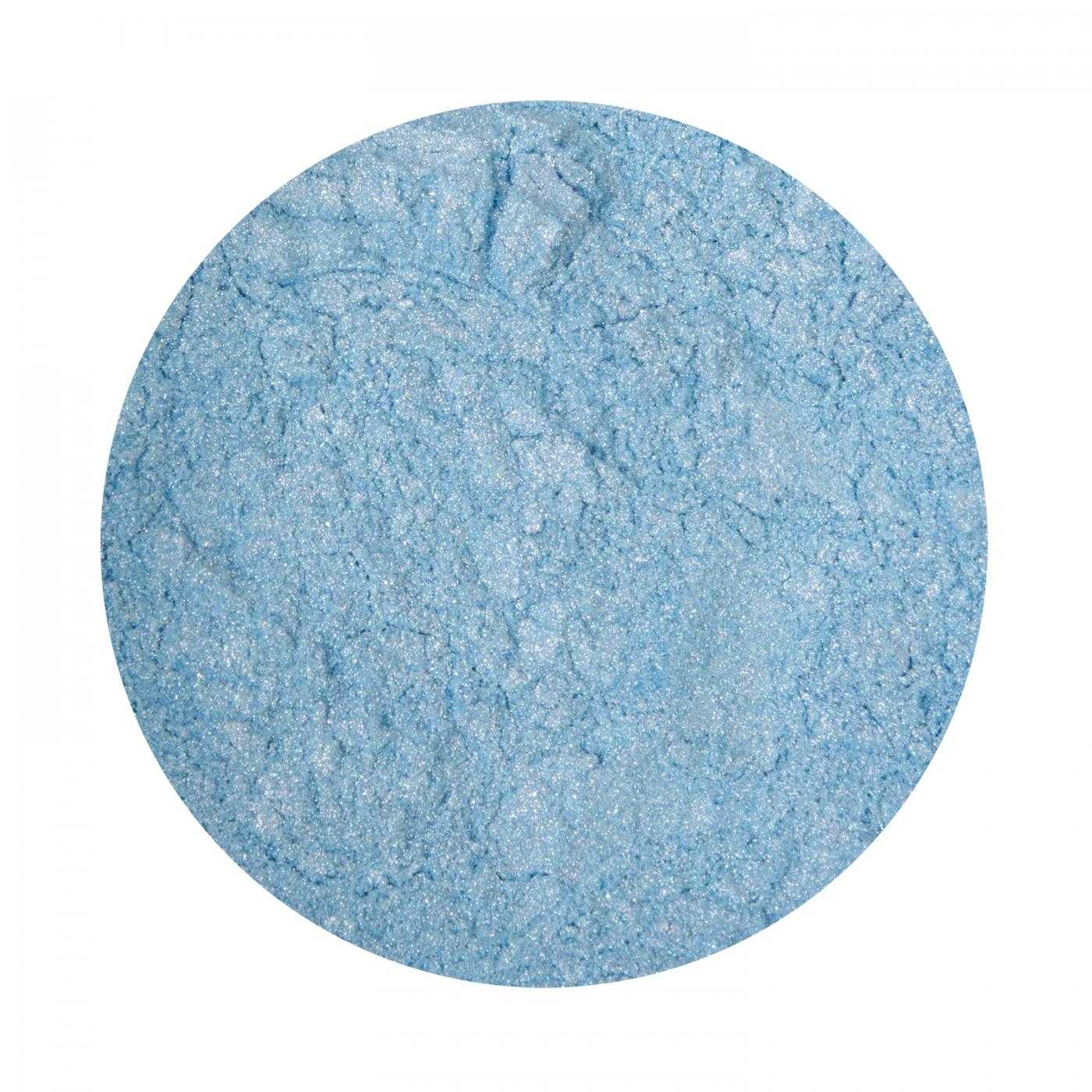
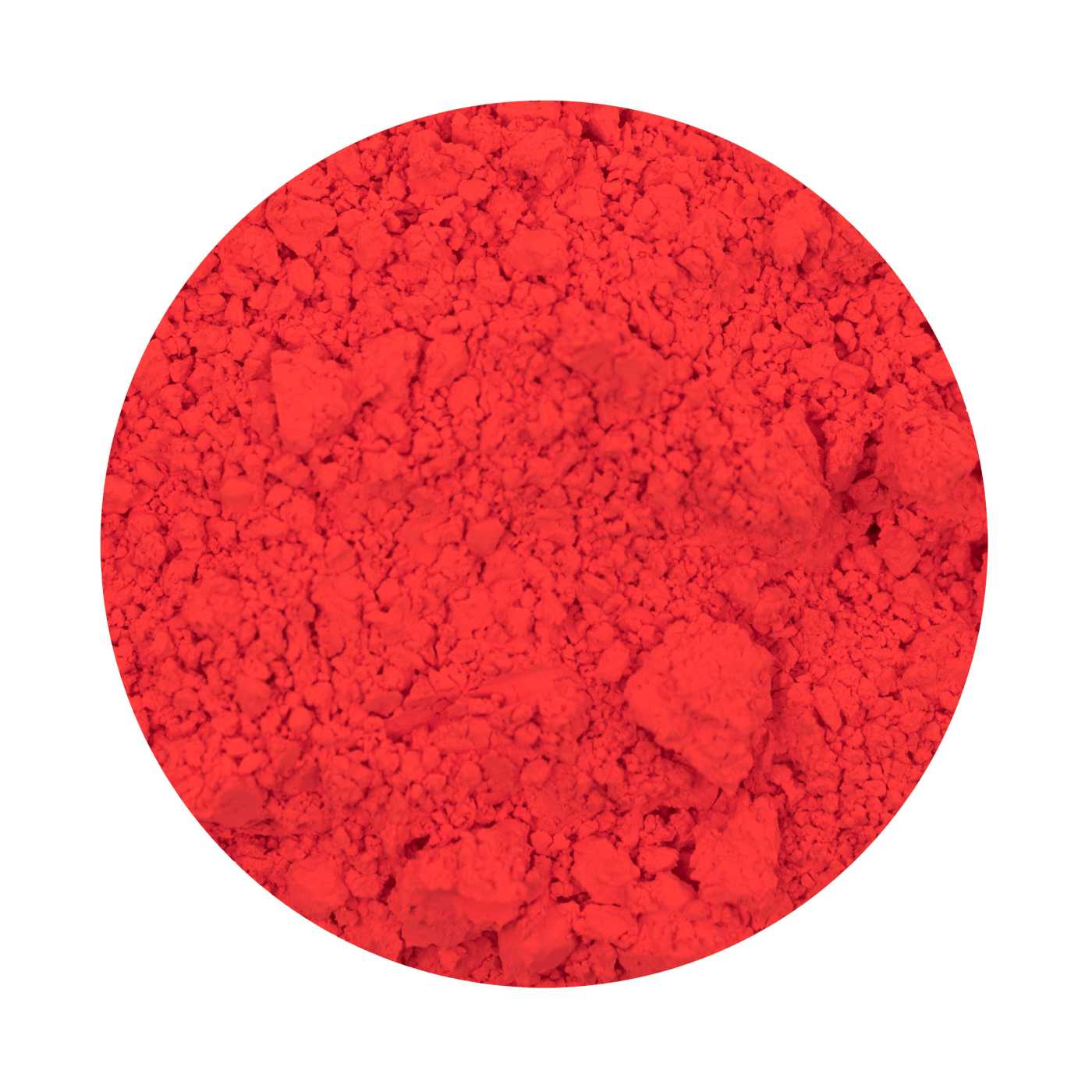
MICA Pigment Powder, Neptune, 500 g

Pack size10 g50 g200 g500 g

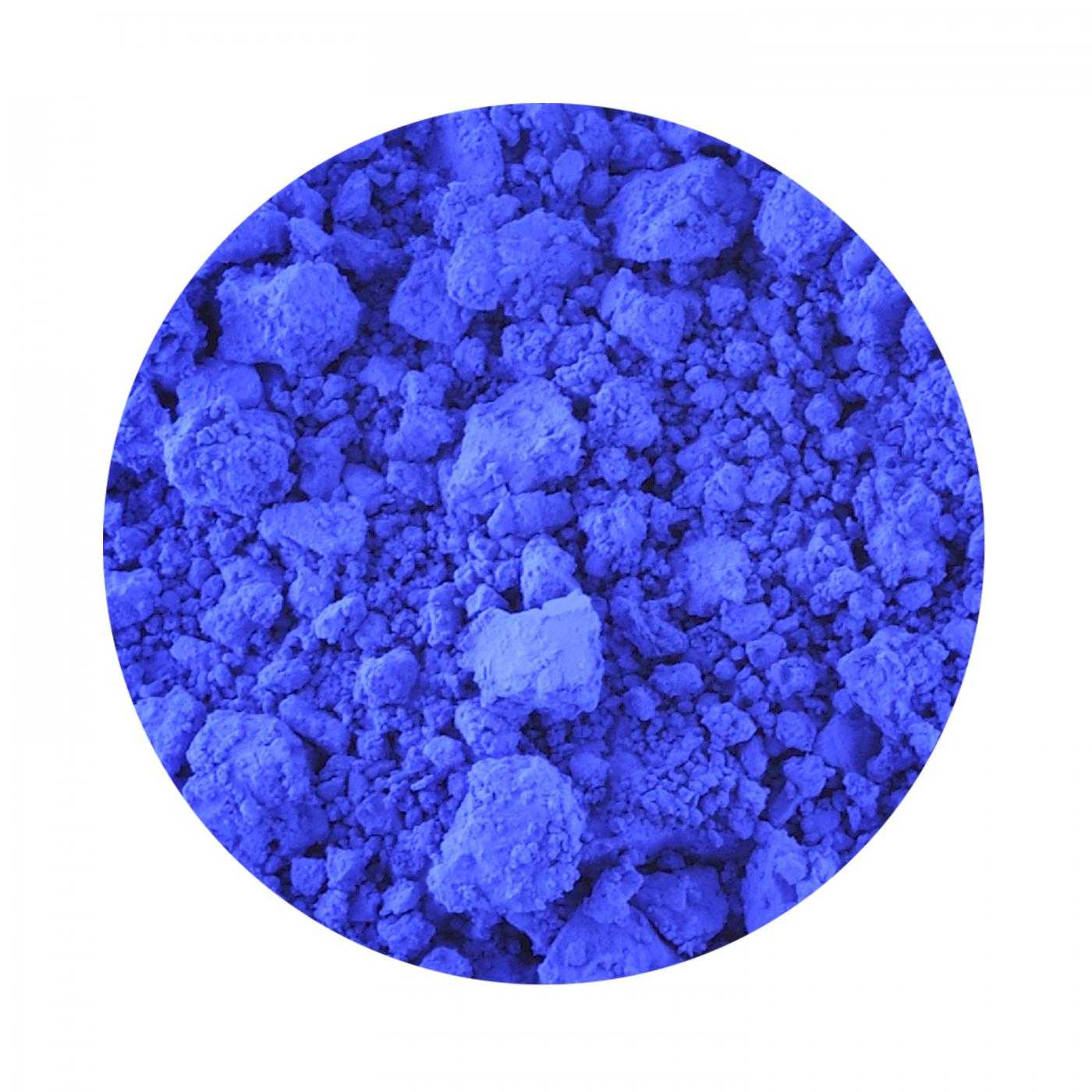
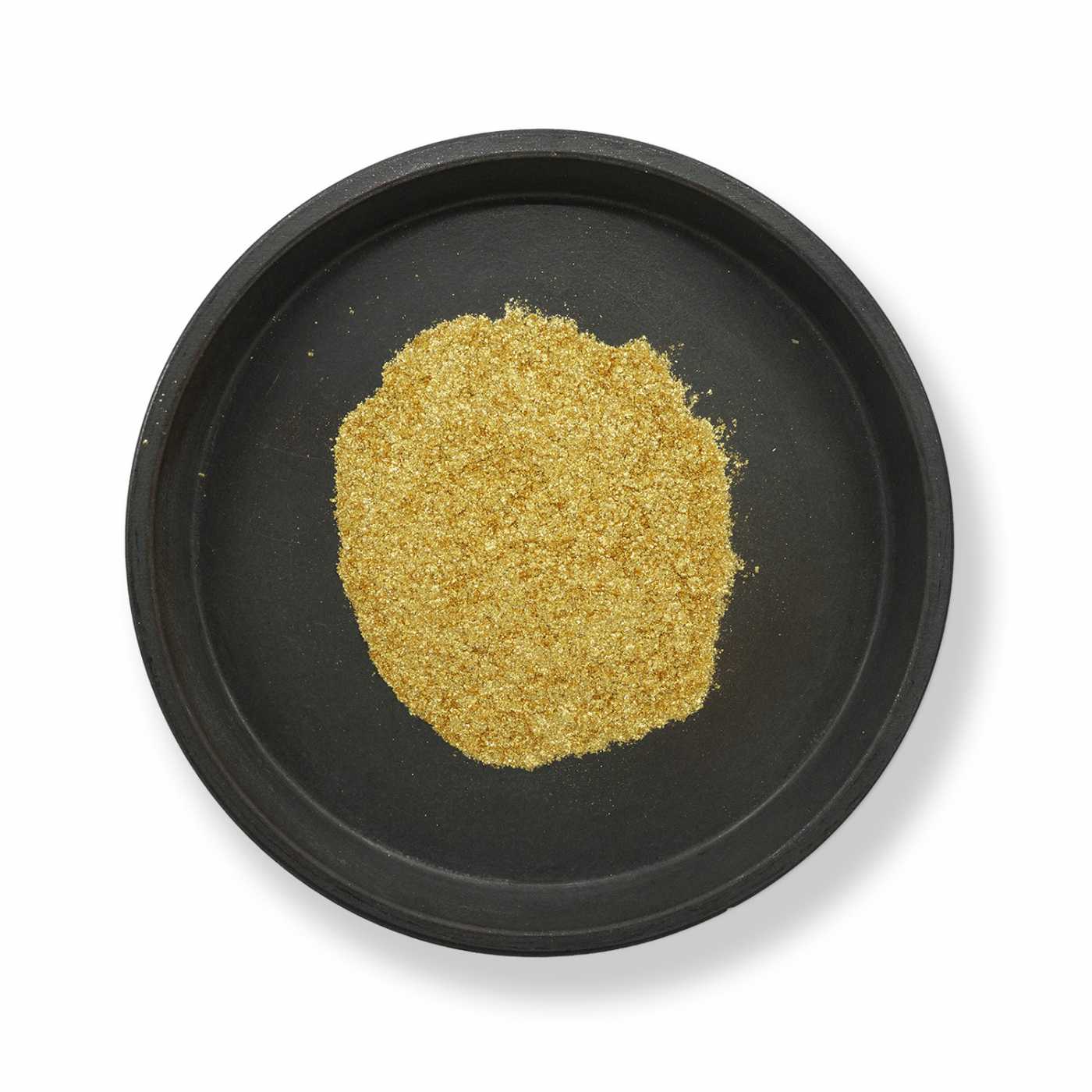
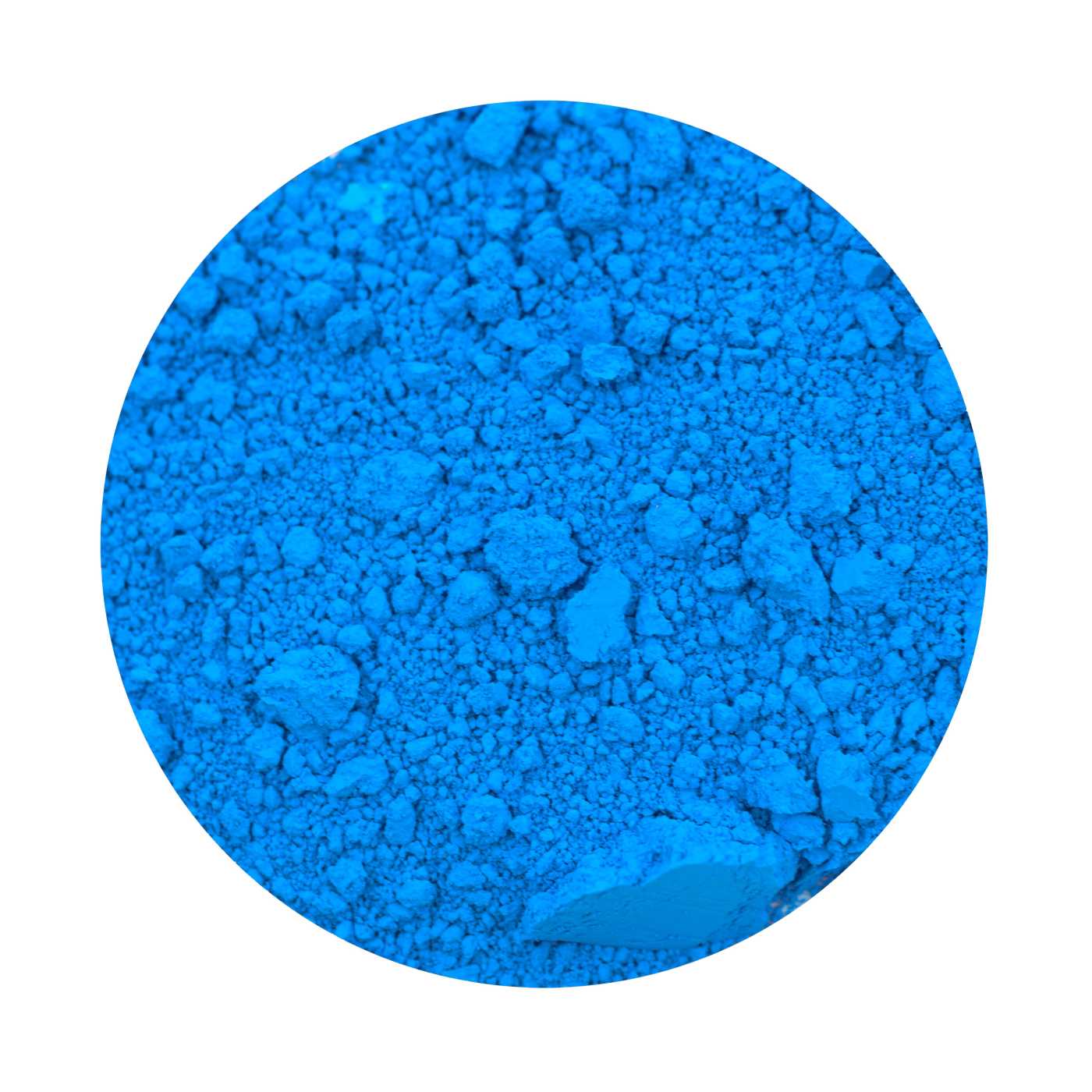
Mica Neptune is a mineral pigment powder of European origin that gives products a blue colour with a pearlescent shimmer . full description

AvailabilityIn stock · last 1 pack
Product codeFM610_500
Batch38225A
Best before06/2029
€69.99incl. VAT€139.98/kg

Lowest price in the last 30 days: €69.99

Product description

Mica Neptune is a mineral pigment powder of European origin that gives products a blue colour with a pearlescent shimmer. It is used to colour soaps, bath bombs, candles and decorative cosmetics where a sparkling colour is wanted. It also withstands hot soap bases and melted candle wax.

It is suitable for rinse-off and leave-on products for the face, body, hands and nails. It contains no nanomaterials and no ingredients of animal origin.


How the blue pearlescent effect is created

The pigment is based on mica, a mineral with flat, shiny particles. Their surface is coated with a layer of titanium dioxide, which reflects light and creates a pearlescent shimmer. The blue shade is completed by ultramarine, a mineral pigment.

The particles are 10–60 µm in size.


Use in a formulation

Mica Neptune is an insoluble powder. It does not dissolve in water, oil, alcohol or glycols; it can only be dispersed in them. Before adding it to a product, it is practical to mix it into a small amount of oil, glycol or water. The colour is then distributed evenly.

It is added during the cooling phase or afterwards to the finished mixture. There is no limit on processing temperature, as the pigment is heat-stable up to 800 °C.

The usage rate is 1–10%, depending on how intense the colour and how pronounced the pearlescent effect should be.

It is enough to stir the mica gently into the product. Crushing and long high-shear homogenisation reduce the shimmer of the pearlescent particles.


pH and stability of the blue shade

The blue shade is partly created by ultramarine, which is sensitive to an acidic environment. The formulation should have a pH of 6.0–9.0. In an acidic environment, ultramarine gradually decomposes, fades to white and releases hydrogen sulphide, which smells of rotten eggs. Strong mineral acids break it down quickly, weak organic acids such as acetic acid more slowly.

In an alkaline environment, ultramarine is generally stable. This also applies to soap.

Hydrogen sulphide can also be released during intensive grinding, high shear or heating. The powder itself is odourless.

When a product loses its blue colour or starts to smell of sulphur, the cause is usually an acidic pH, for example after adding citric acid, acidic extracts or AHA acids. It helps to keep the pH within the recommended range or to choose a different dye.


Suitable for products such as

  • Soaps – colouring soap base.
  • Bath bombs and salts – a blue pearlescent tint for the product.
  • Candles – pearlescent colouring of the wax.
  • Lip balms and lip glosses – a sparkling effect in an anhydrous base.
  • Decorative cosmetics – powders and other products with a pearlescent effect.
  • Face, body and hair care – products with a pH in the recommended range.
  • Nail care – products with a pearlescent shimmer.
  • Hobby and art projects – colouring creative materials.

Good to know

In anhydrous products, mica binds part of the oil. Its oil absorption is 50–65 g of oil per 100 g of powder, so at higher usage rates it thickens powders and balms. This needs to be taken into account when adjusting a formulation.

The pigment meets the requirements of Annex IV of Regulation (EC) No 1223/2009 for cosmetic dyes, including the limits for heavy metals and microbial purity. It is not classified as hazardous under the CLP Regulation.

Do not inhale the dust when working. Use a respirator and eye protection, and wash your hands after work.


Frequently asked questions

Is mica Neptune soluble in water or oil?
No, mica Neptune does not dissolve in water, oil or alcohol. It can only be dispersed in these liquids and in glycols. Before adding it to a product, it is practical to mix it into a small amount of oil, glycol or water so that the particles are distributed evenly.
How much mica Neptune should I add to a product?
Mica Neptune is used at a rate of 1–10%. The rate is chosen according to the required intensity of colour and pearlescent effect. It is added during the cooling phase or afterwards to the finished mixture, and it can be used in rinse-off and leave-on products.
Why did my product with mica Neptune lose its blue colour?
The most common cause is an acidic pH of the product. The blue shade is partly created by ultramarine, which decomposes in an acidic environment, fades to white and releases hydrogen sulphide with a smell of rotten eggs. This happens after adding citric acid, acidic extracts or AHA acids. The formulation should have a pH of 6.0–9.0.
Is mica Neptune suitable for soap and candles?
Yes, mica Neptune is used in both soaps and candles. The pigment is heat-stable up to 800 °C, so it withstands hot soap base as well as melted wax. Ultramarine, which contributes to the blue shade, is generally stable in the alkaline environment of soap. It is enough to stir the mica gently into the base; long high-shear mixing reduces its shimmer.
Can mica Neptune be used in lip balm and decorative cosmetics?
Yes, mica Neptune is also intended for leave-on products, including lip care and decorative cosmetics. It meets the requirements of Annex IV of Regulation (EC) No 1223/2009 for cosmetic dyes and contains no nanomaterials. In anhydrous products such as balms and powders, it binds part of the oil and thickens them at higher usage rates.

Parameters

INCI
Mica, Titanium Dioxide, Ultramarines, Tin Oxide
CAS No.
12001-26-2, 13463-67-7, 1317-97-1, 18282-10-5
EC number
310-127-6, 236-675-5, 215-111-1, 242-159-0
CI number
77019, 77891, 77007, 77861
Product colour
Blue
Country of origin
Spain
Appearance
Powder
Function in formulation
Colorant
Application area
FaceBodyHandsNails
Recommended processing temperature
Bez obmedzenia °C
Recommended usage rate
1 – 10 %
Recommended formulation pH range
6,00 – 9,00
Application type
Leave-onRinse-off
Suitable for
All skin types
Biodegradability
Not applicable
Natural Index (NI ISO 16128)
0,00
Natural Origin Index (NOI ISO 16128)
1,00
Organic content
0 %
Renewable Carbon Content (RCC)
0 %

Product documentation

CoACertificate of Analysis
batch 38225PDF ↓
batch 38225APDF ↓
TDSTechnical Data Sheet
Physical parameters and processingPDF ↓
SDSSafety Data Sheet
Available for purchased products —
Download all (ZIP)

3 PDF files in one archive

Veronika F.19 Nov 2026SK

Verified purchase

Emőke F.3 Nov 2026SK

Verified purchase

Marianna H.13 Oct 2026SK

Verified purchase

Variant: MICA, práškové farbivo, Neptune, 10 g
Raj pre deti s.r.o.27 Sept 2026SK

Verified purchase

Variant: MICA, práškové farbivo, Neptune, 10 g
(4 reviews)