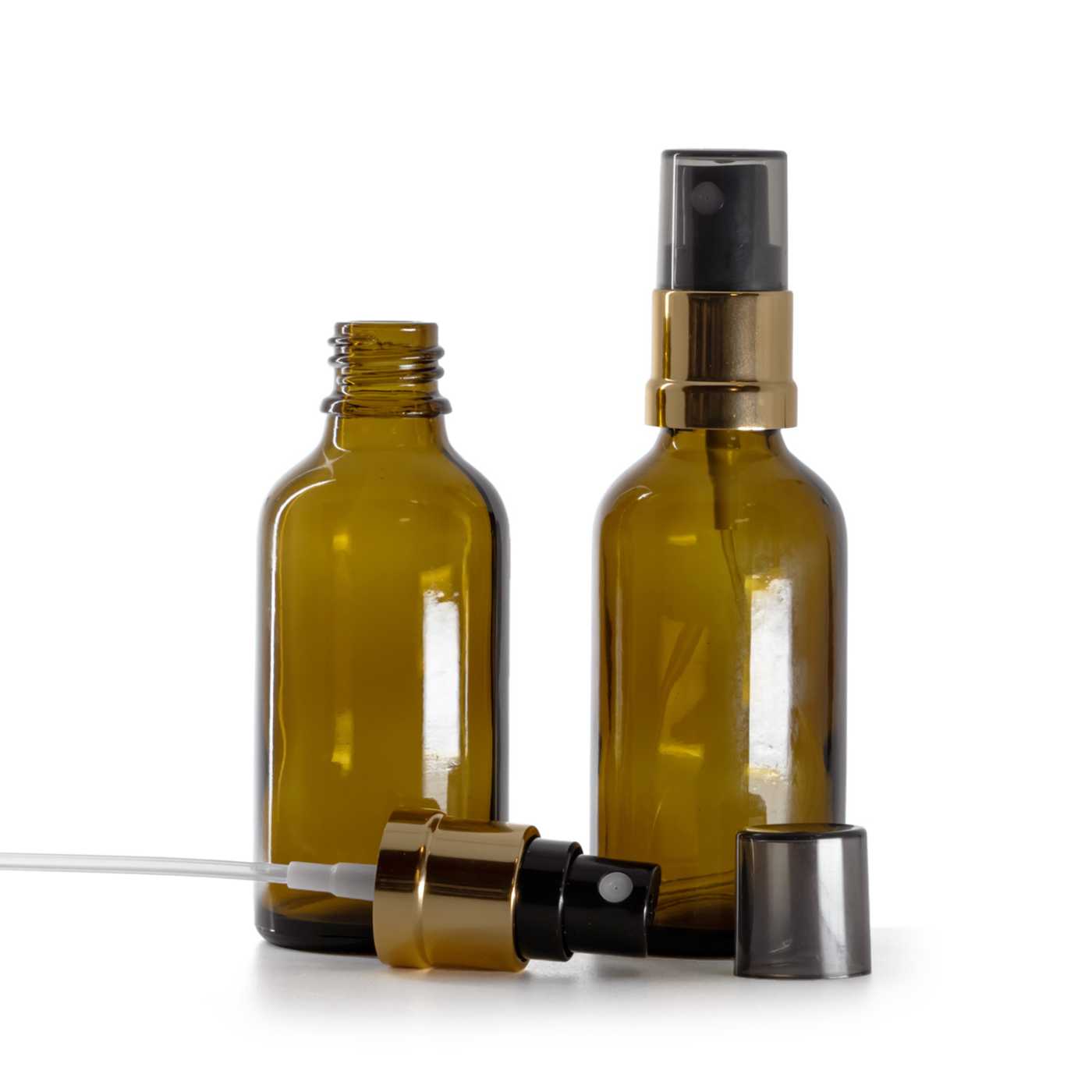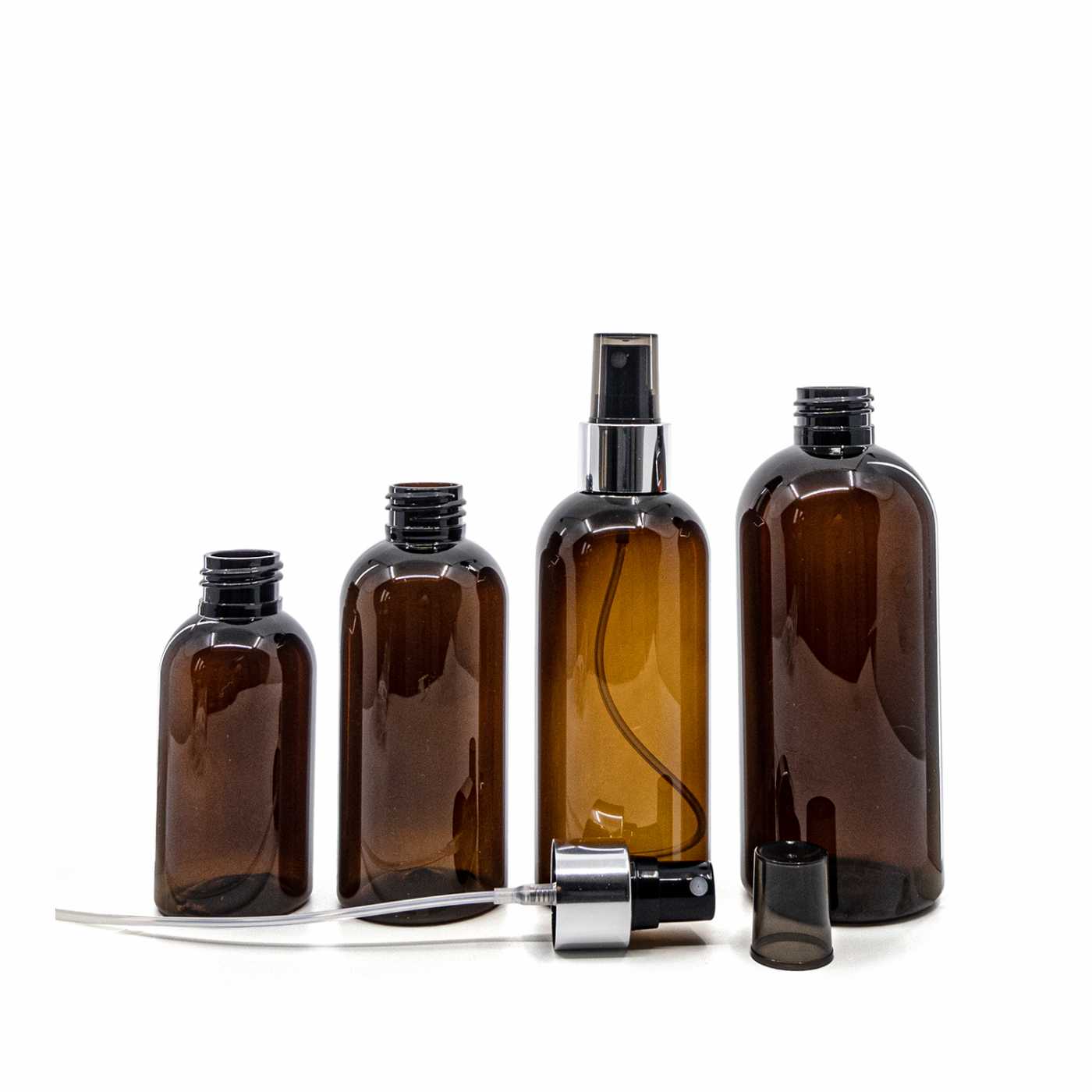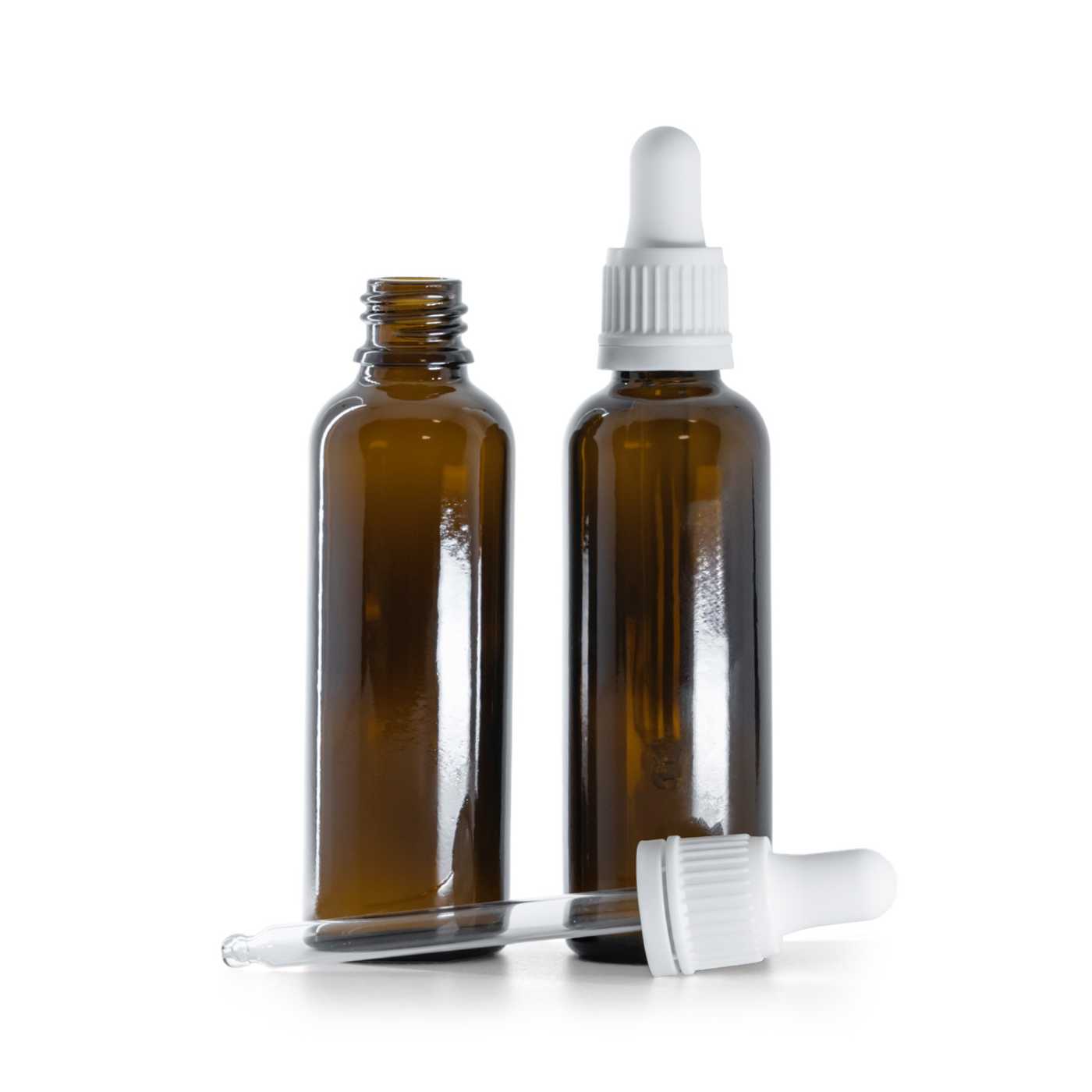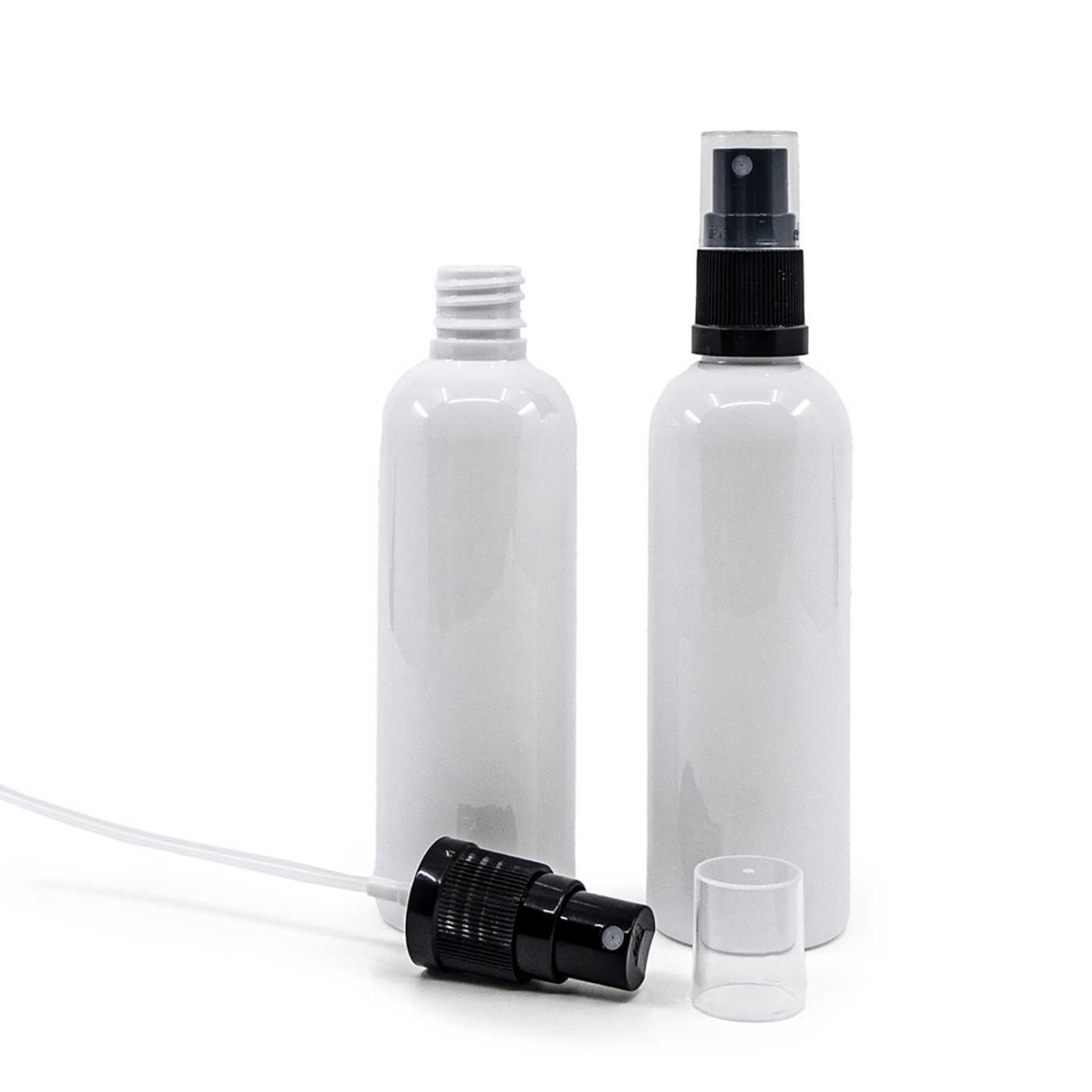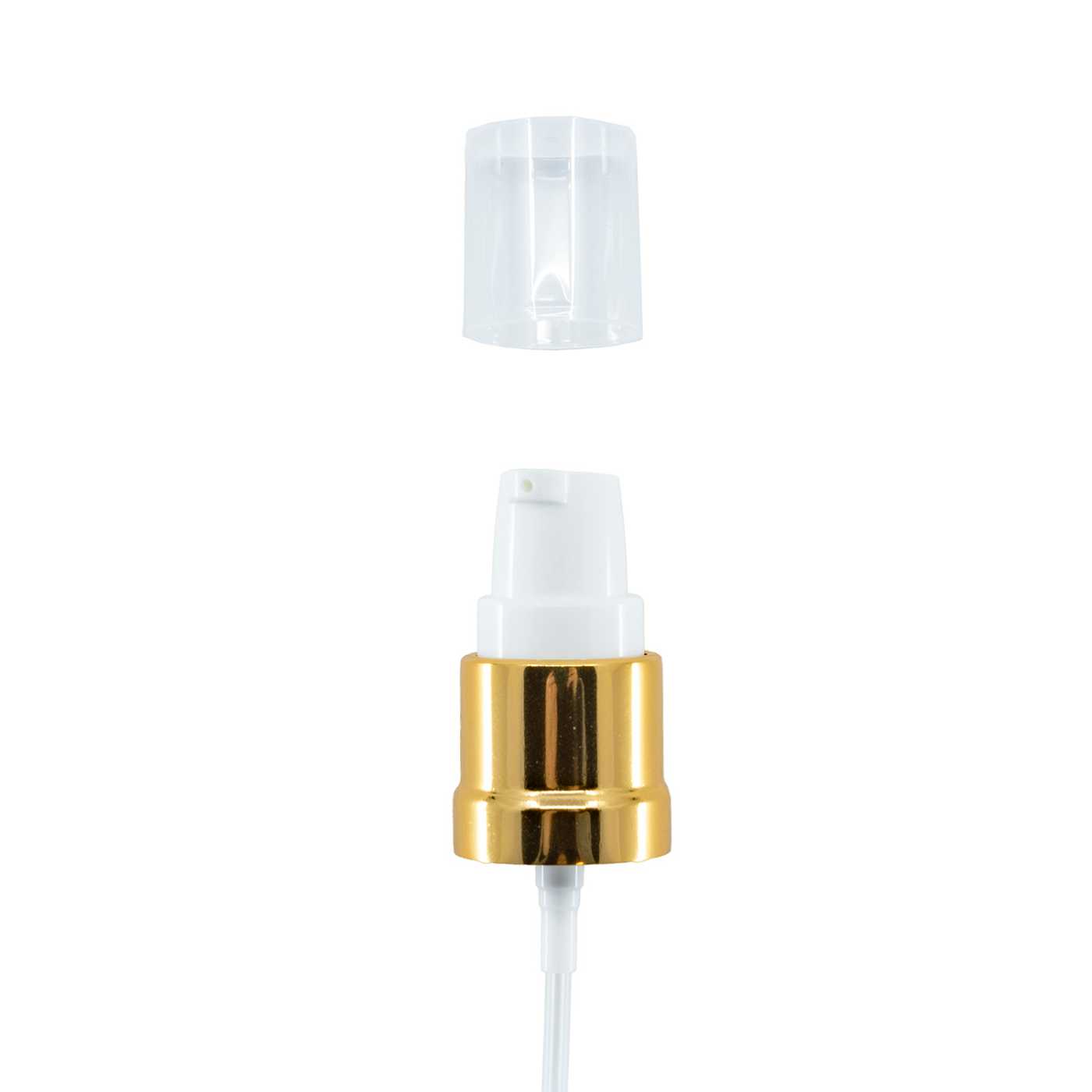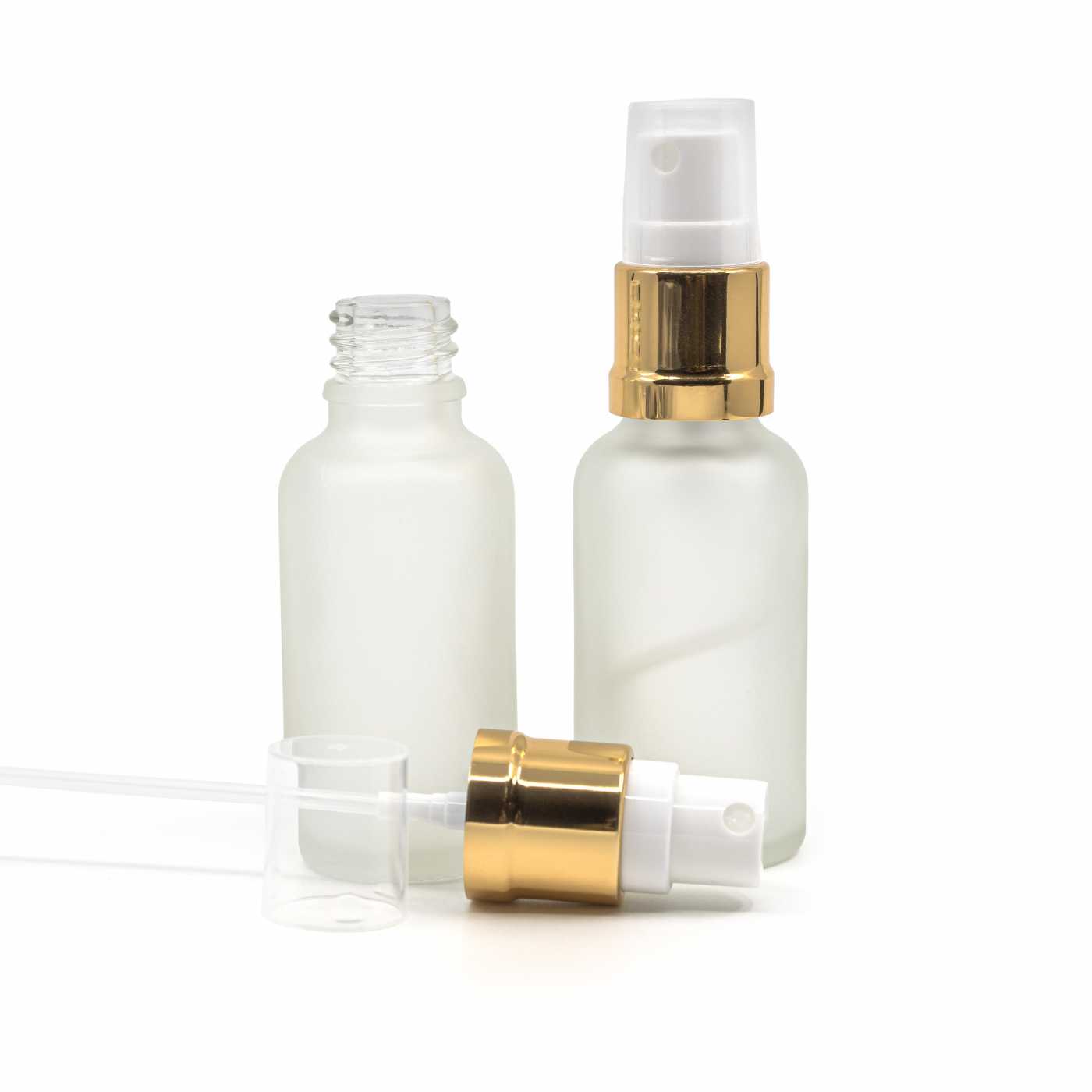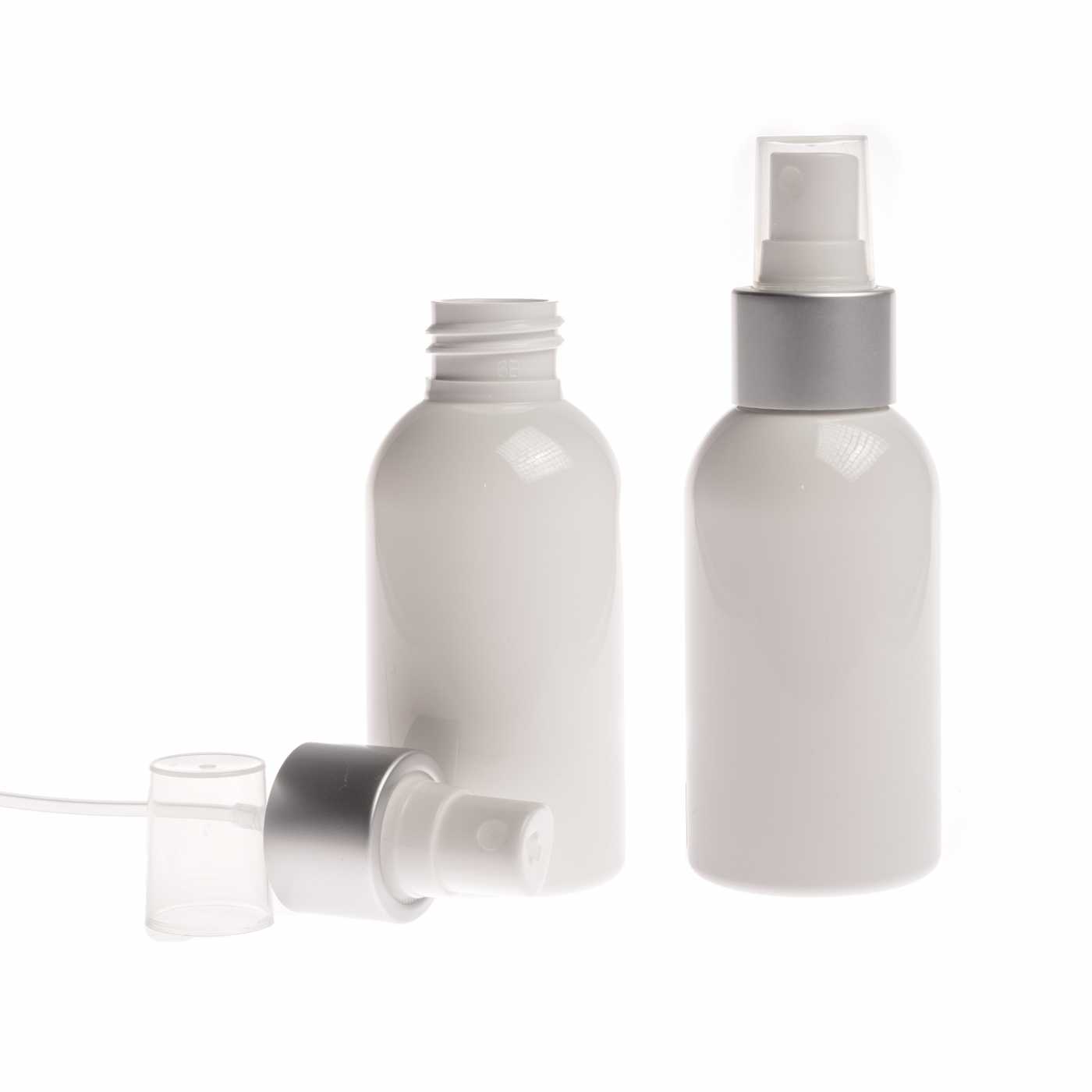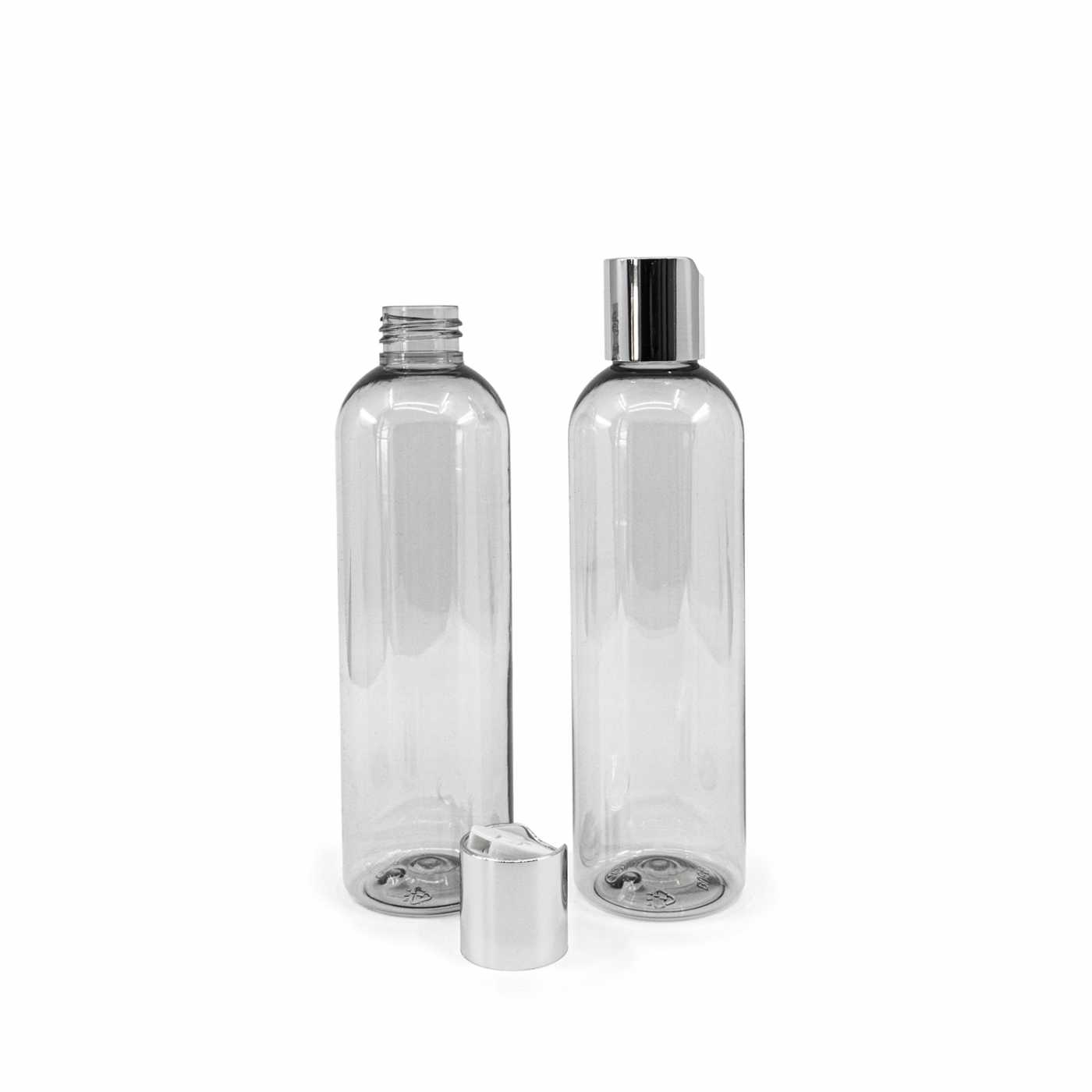
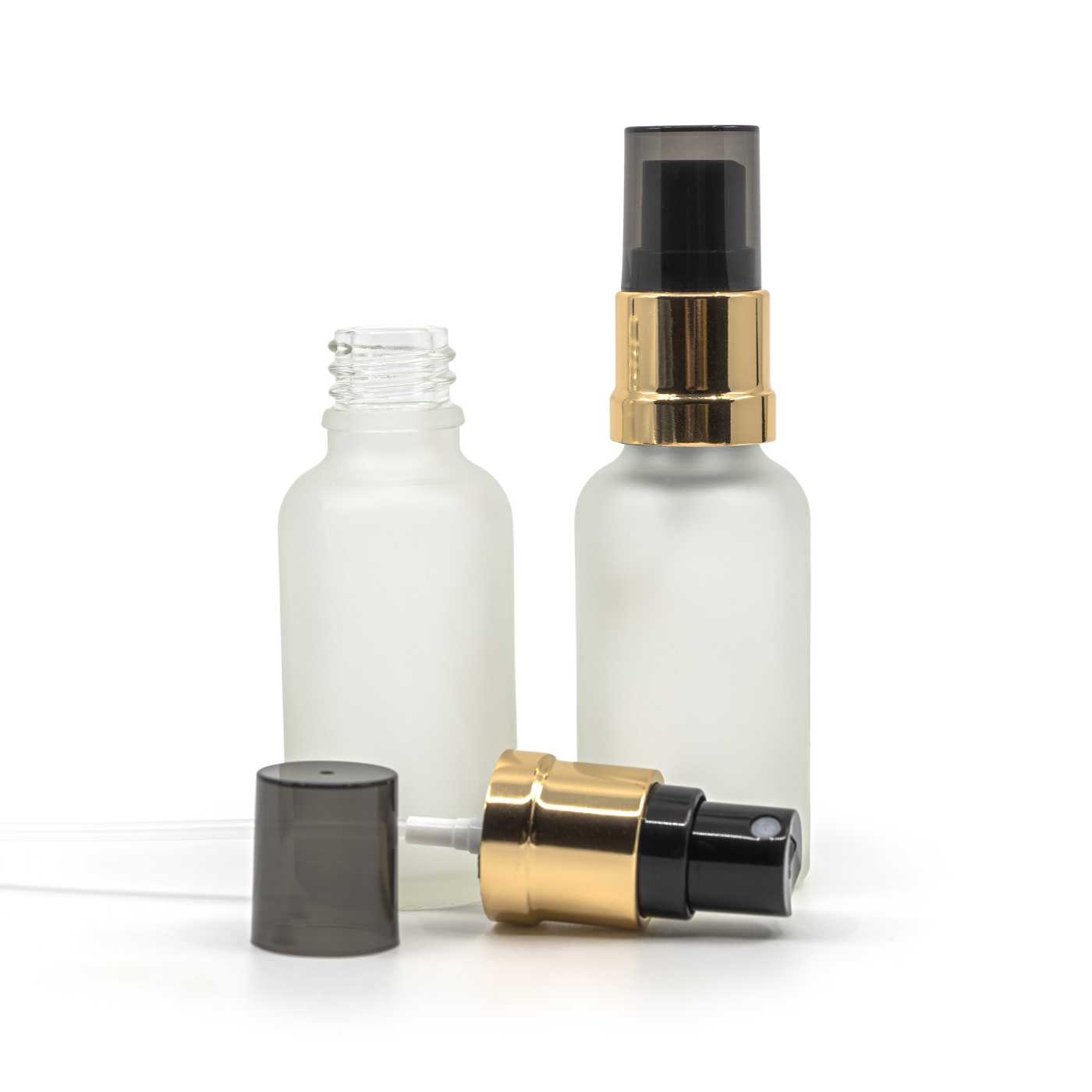
Clear Frosted Glass Bottle, Glossy Gold Black Spray, Smoky Overcap, 30 ml
Pre-order€1.17

HYDROLATES, FLOWER WATERS
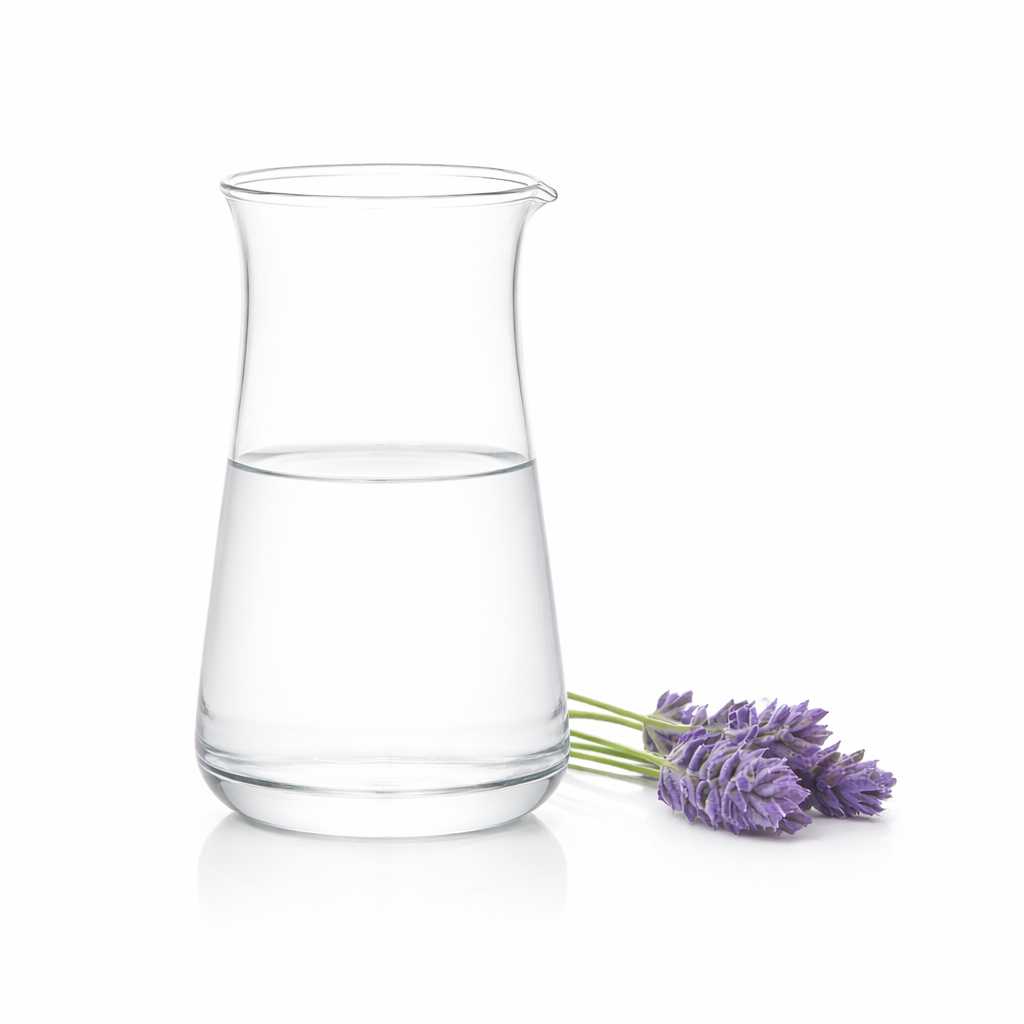
Lavender hydrosol in organic quality is produced by steam distillation of narrow-leaved lavender flowers (Lavandula angustifolia). full description
Lowest price in the last 30 days: €3.69
Lavender hydrosol in organic quality is produced by steam distillation of narrow-leaved lavender flowers (Lavandula angustifolia). It brings a water component with its own scent and character of the plant to the formulation. In the formula it replaces part or all of the water phase, so ordinary water becomes a carrier of the lavender profile without adding fragrance separately. It is suitable for tonics, facial sprays, hydrosol mists and as the water phase of emulsions in both rinse-off and leave-on products.
The raw material comes exclusively from flowers, is 100 % natural, vegan and without the addition of other ingredients. The scent is mild, slightly sweet, herbal-floral, so it is also suitable for formulations where the fragrance is meant to stay in the background.
The hydrosol belongs in the water phase. It is soluble in water and alcohol, but does not dissolve in oils, so it cannot be used on its own in an anhydrous product. In emulsions it can replace the entire water phase or only part of it, depending on how prominent the lavender profile should be in the final product.
Processing cold is the gentlest approach for the scent. If the formulation requires heating the water phase (hot emulsification), some of the volatile compounds will be lost during heating. The common practice is to heat the water phase with distilled water and add the hydrosol only to the cooling emulsion, or use it only as a supplement to the water phase.
In emulsions, add the hydrosol only during the cooling phase. This preserves more of its scent and limits evaporation.
In simple tonics and sprays, the hydrosol can form the base of the formulation. It is supplemented with glycerin or other water-soluble active ingredients, a preservative and, if needed, a solubiliser when a small amount of oil or essential oil is to be included in the product.
The hydrosol and essential oil are produced in the same steam distillation, but they are two different raw materials. Essential oil is a concentrated oil fraction with a high content of aromatic compounds and does not dissolve in water. Hydrosol is the water fraction, containing only traces of water-soluble components, and is used at a high proportion, typically as the entire water phase. Neither replaces the other. In a single formulation they complement each other well: the hydrosol forms the base and the essential oil is added in a small amount through a solubiliser or into the oil phase.
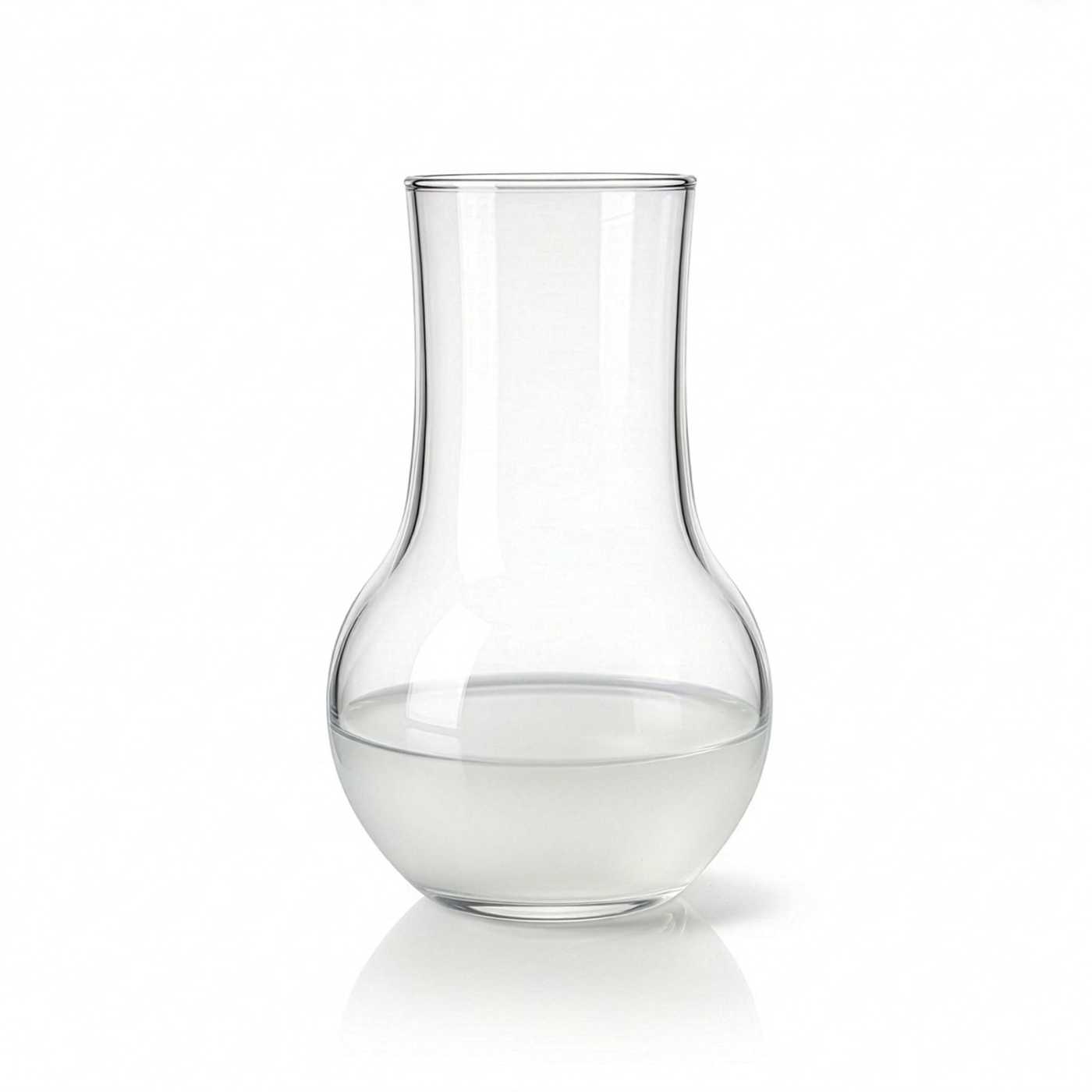
The raw material is clear to slightly turbid, colourless. Slight turbidity is normal in hydrosols and is not a sign of a defect.
Lavender hydrosol contains fragrance allergens listed in Annex III of Regulation (EC) No 1223/2009. When labelling the finished product, they must be taken into account and their content in the final product verified based on the proportion of hydrosol used.
The hydrosol is supplied without adjustment, so before using it in a larger batch, check the pH and if necessary adapt its value in the finished product to the chosen preservative. Many preservation systems have their efficacy tied to a specific pH range.
The hydrosol is a water-based raw material and does not preserve itself. Every product in which you use it must contain a preservative suitable for aqueous systems, otherwise microbial degradation is a risk.
In tonics and sprays with a higher alcohol content it causes no issues, as it is miscible with alcohol.
Only customers with a delivered order can write reviews.