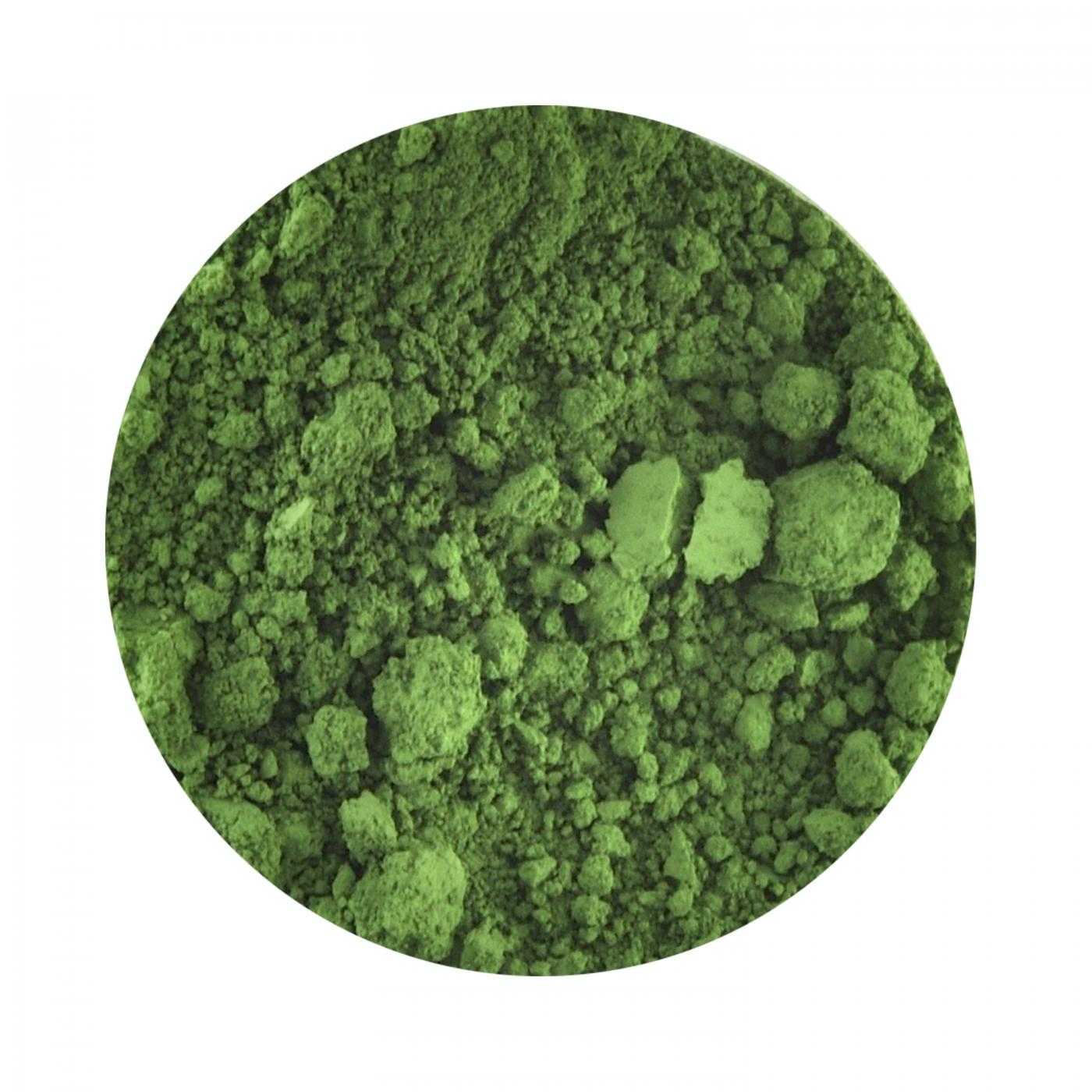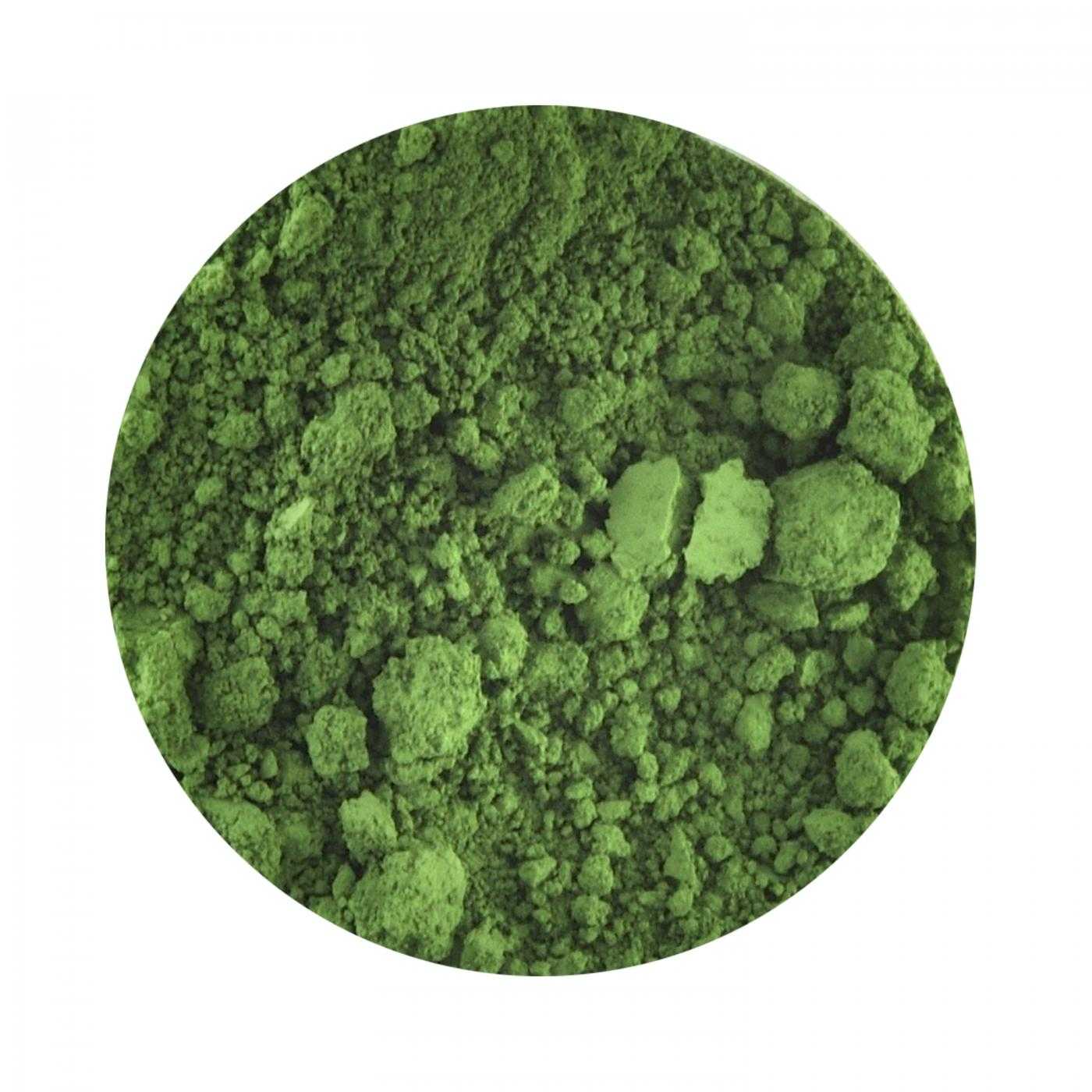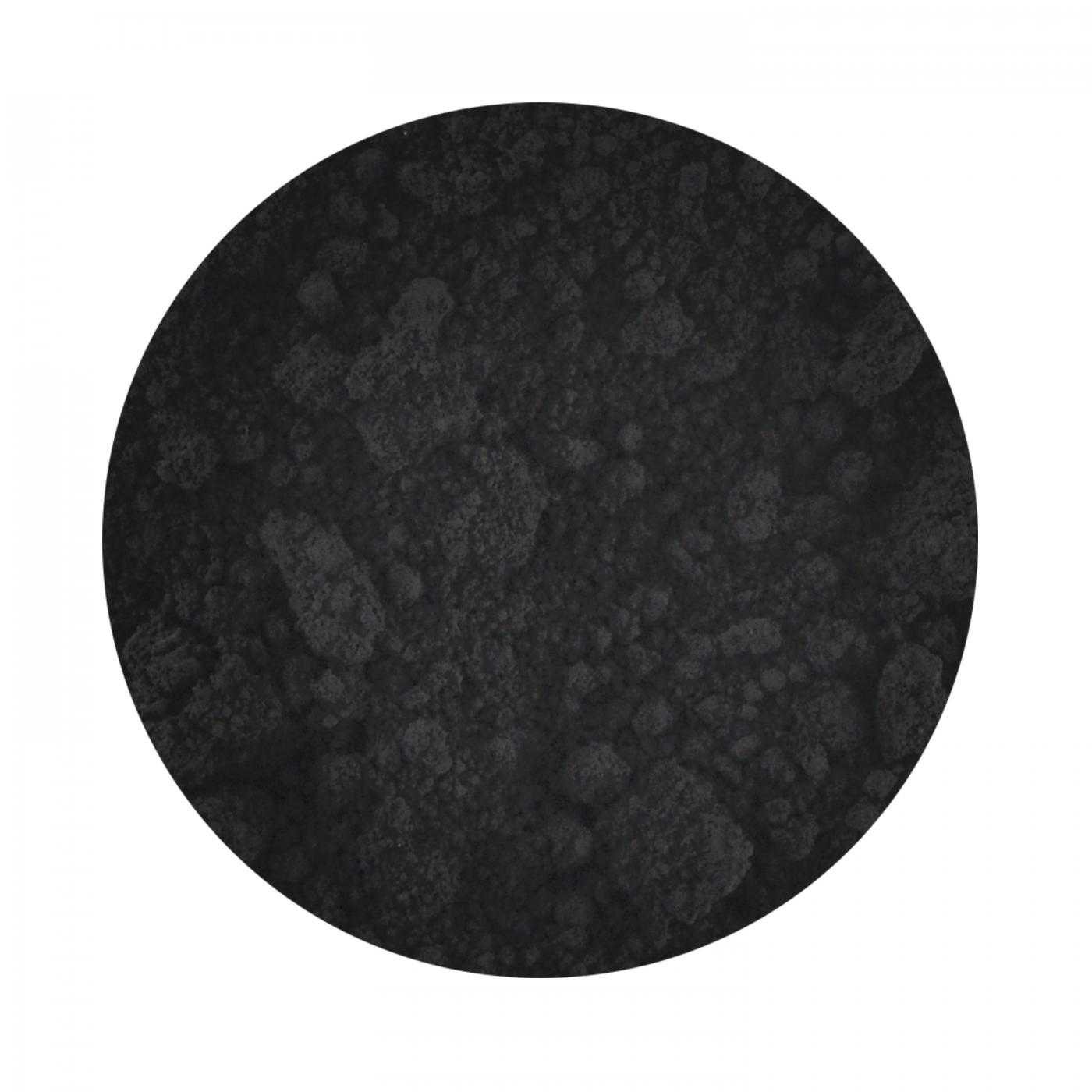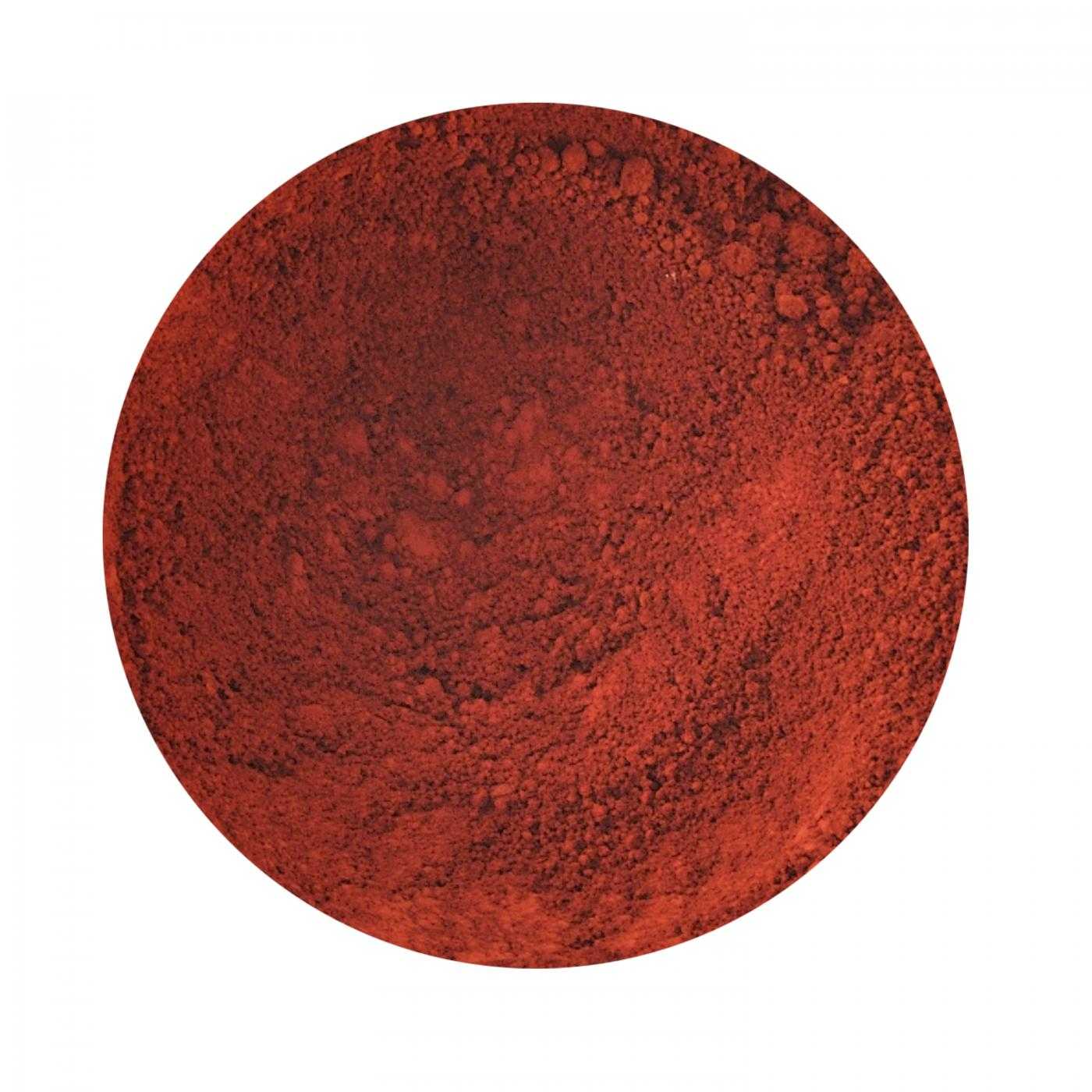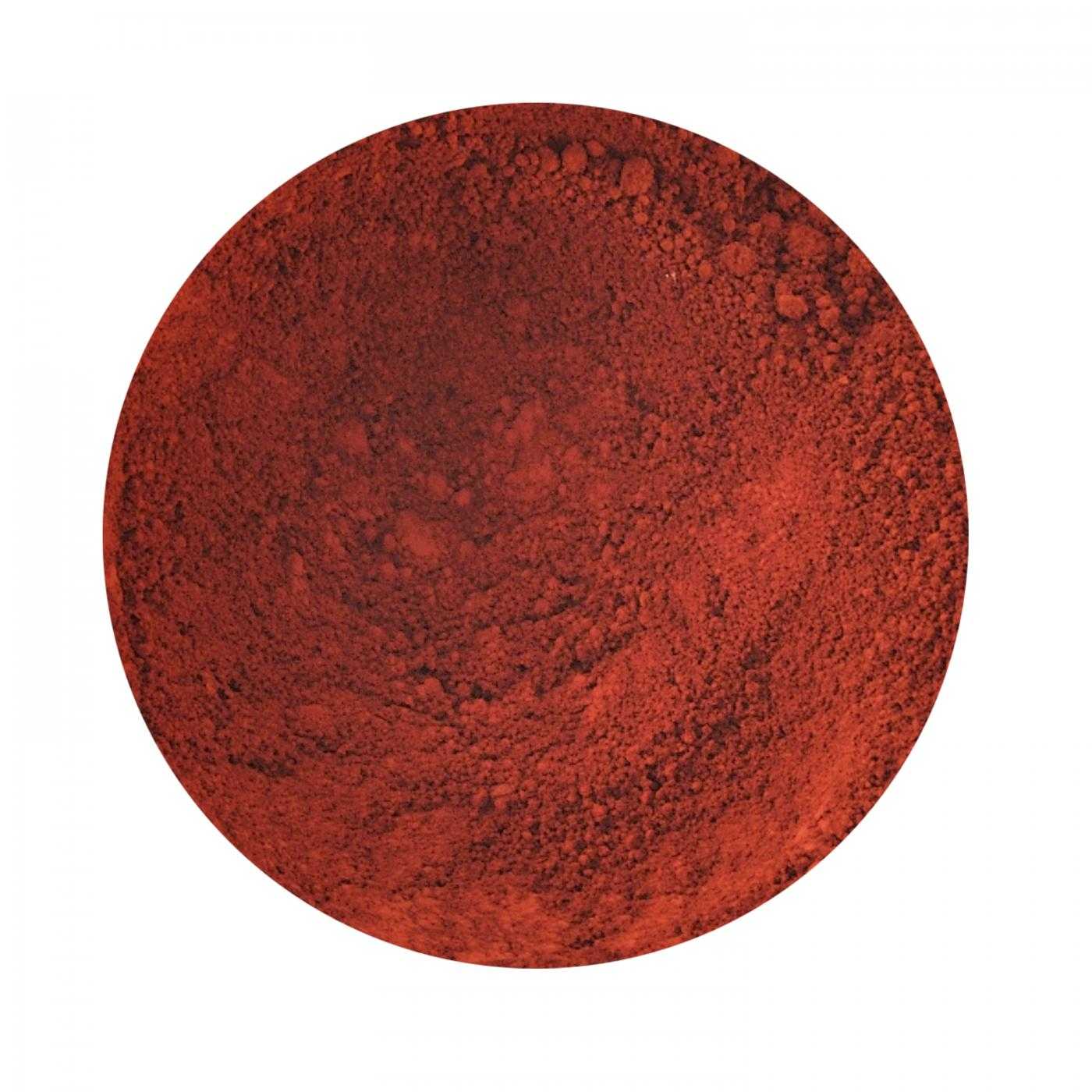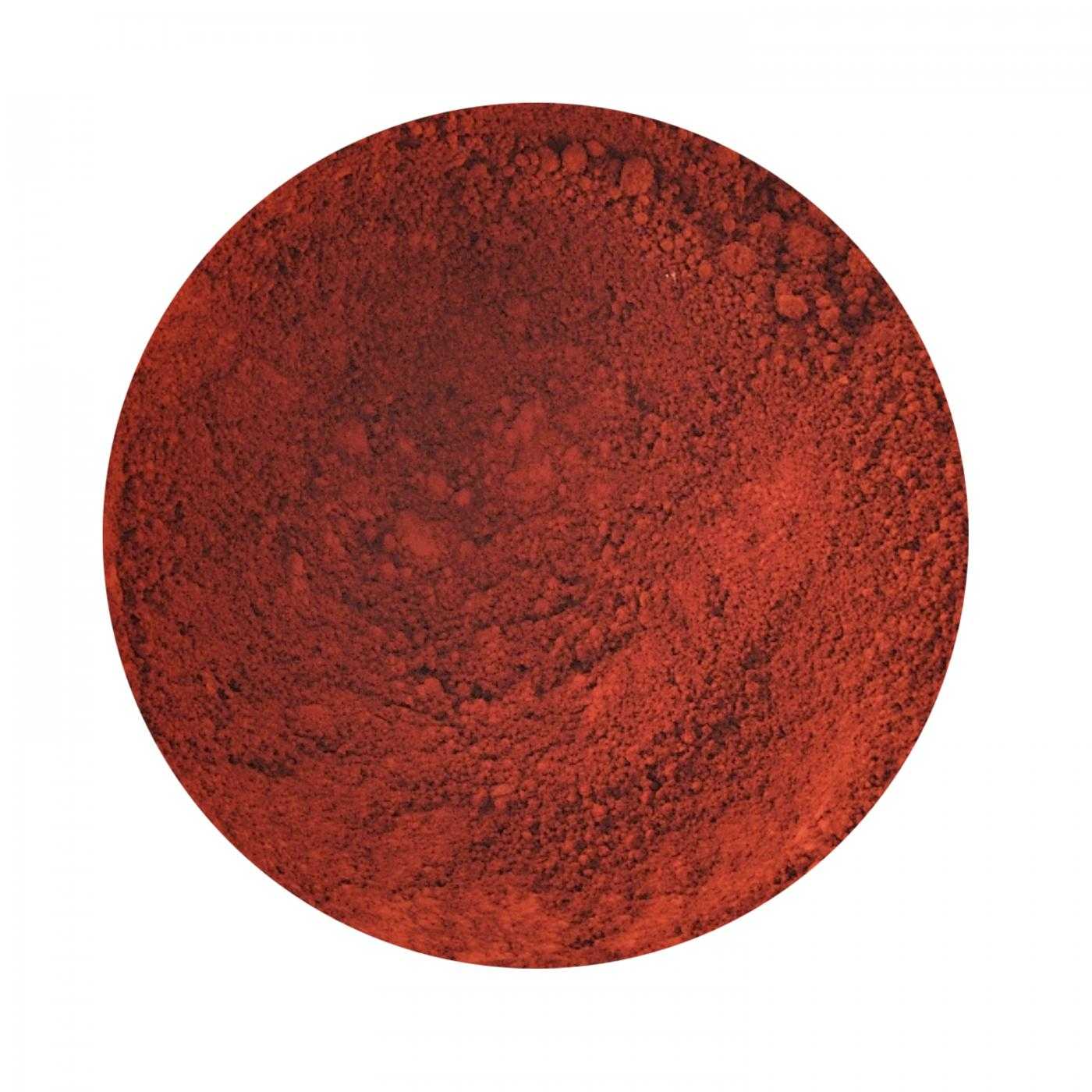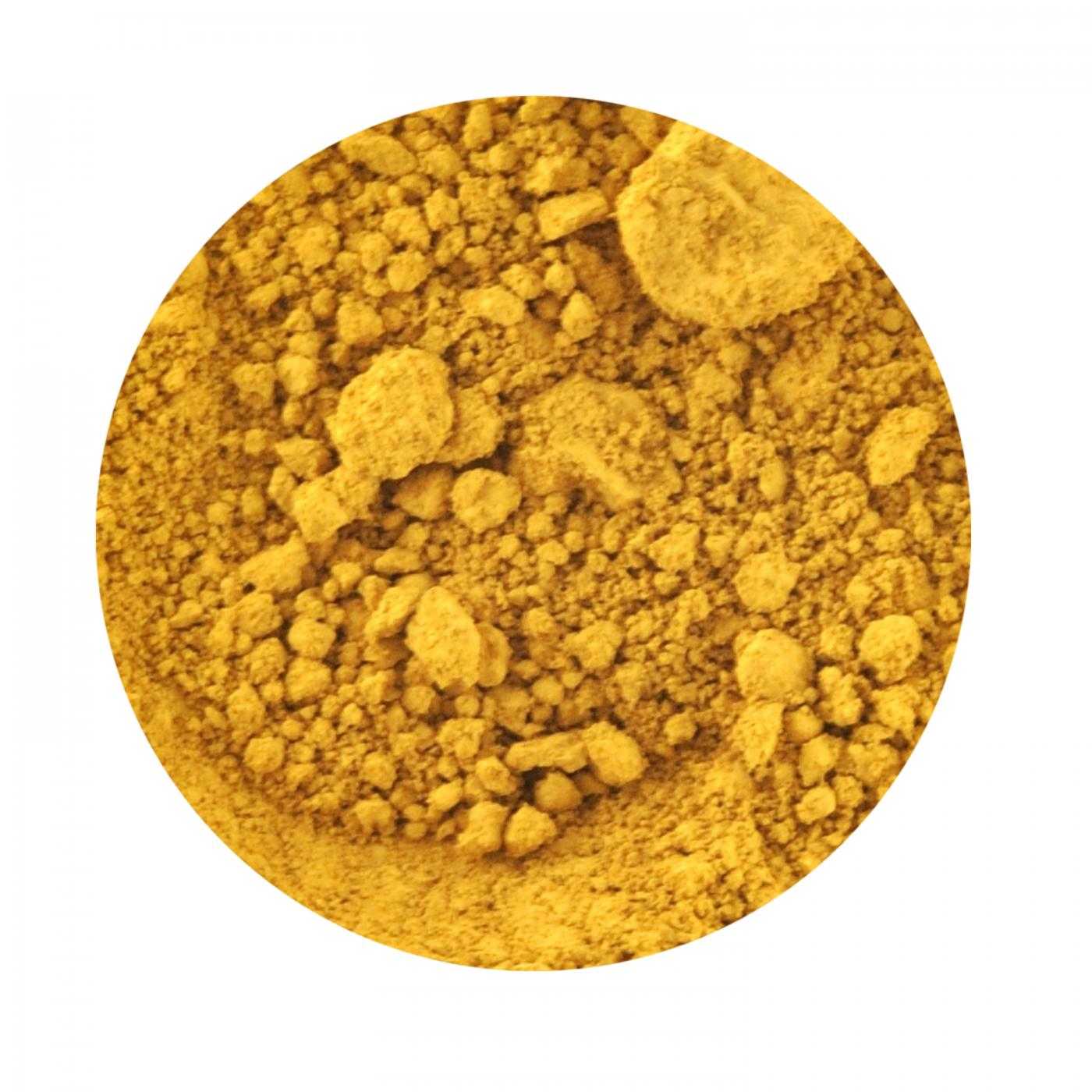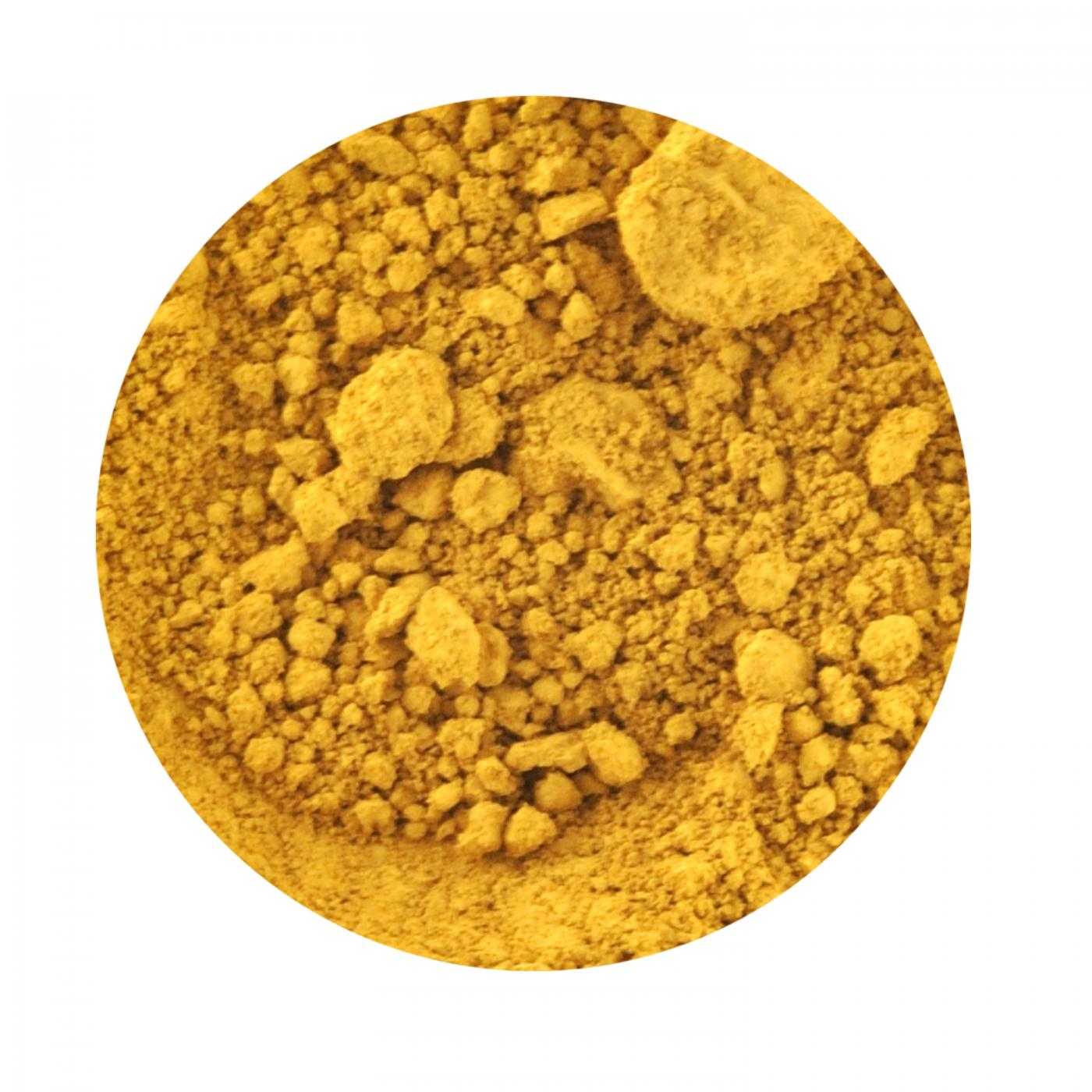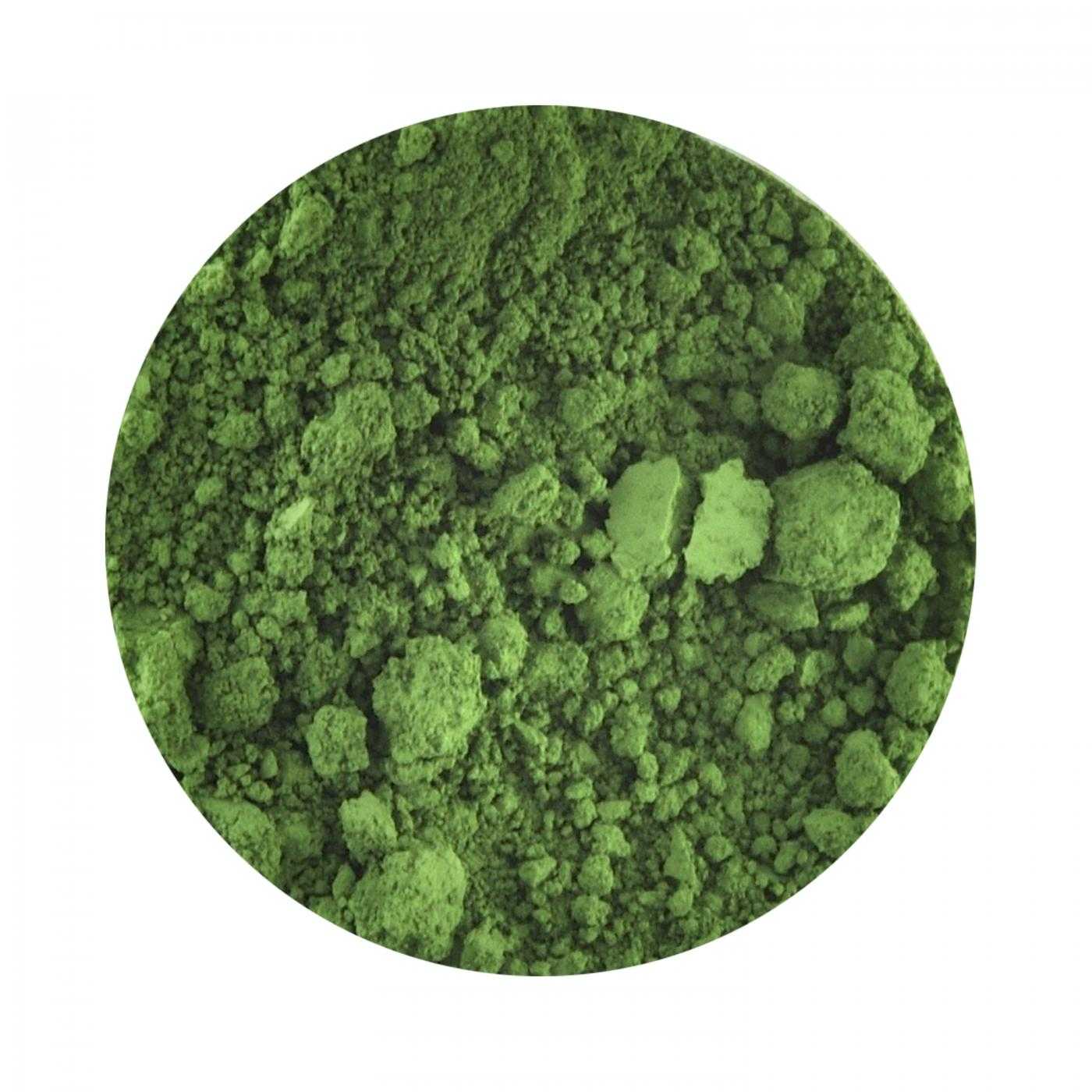
Chromium Oxide, Green, 10 g
Pre-order€1.77(€177.00/kg)

Documentation for every product
15 products in this category
14 in stock now
4.9 out of 5 · 665 ratings
Showing 15 of 15 products
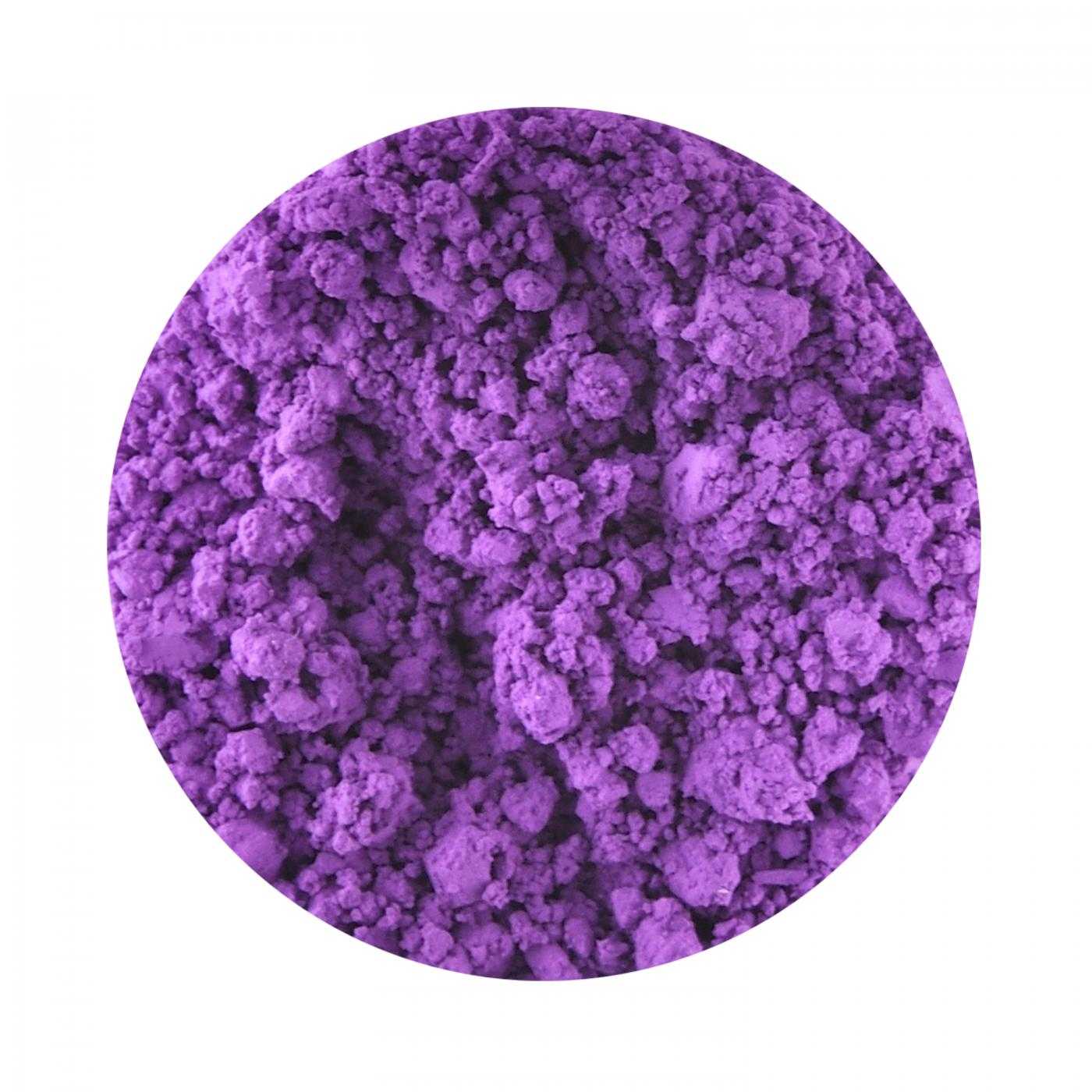
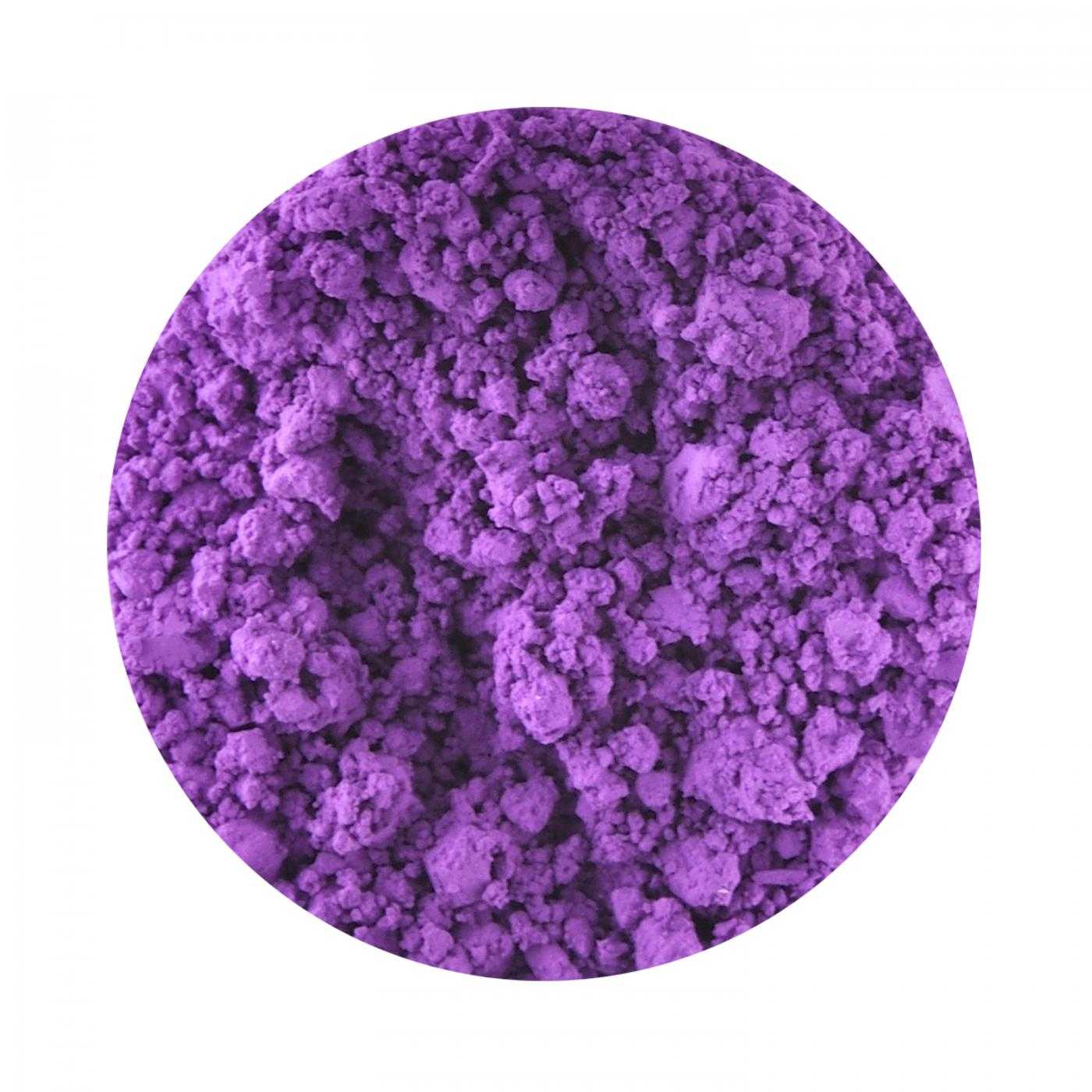
15 oxide pigment items: iron oxide in red, yellow and black, green chromium oxide and manganese violet – each in 10 g, 50 g and 500 g packs.
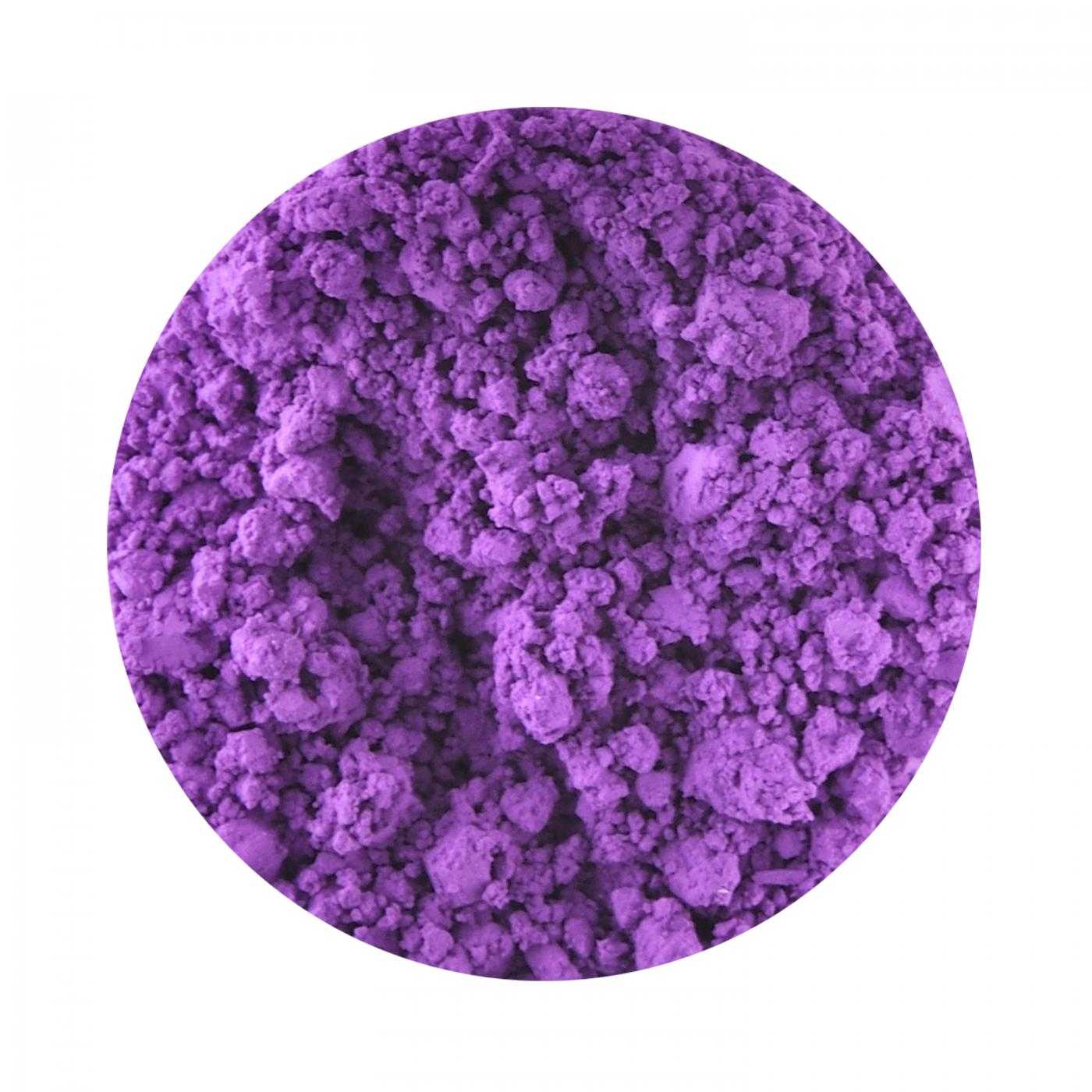
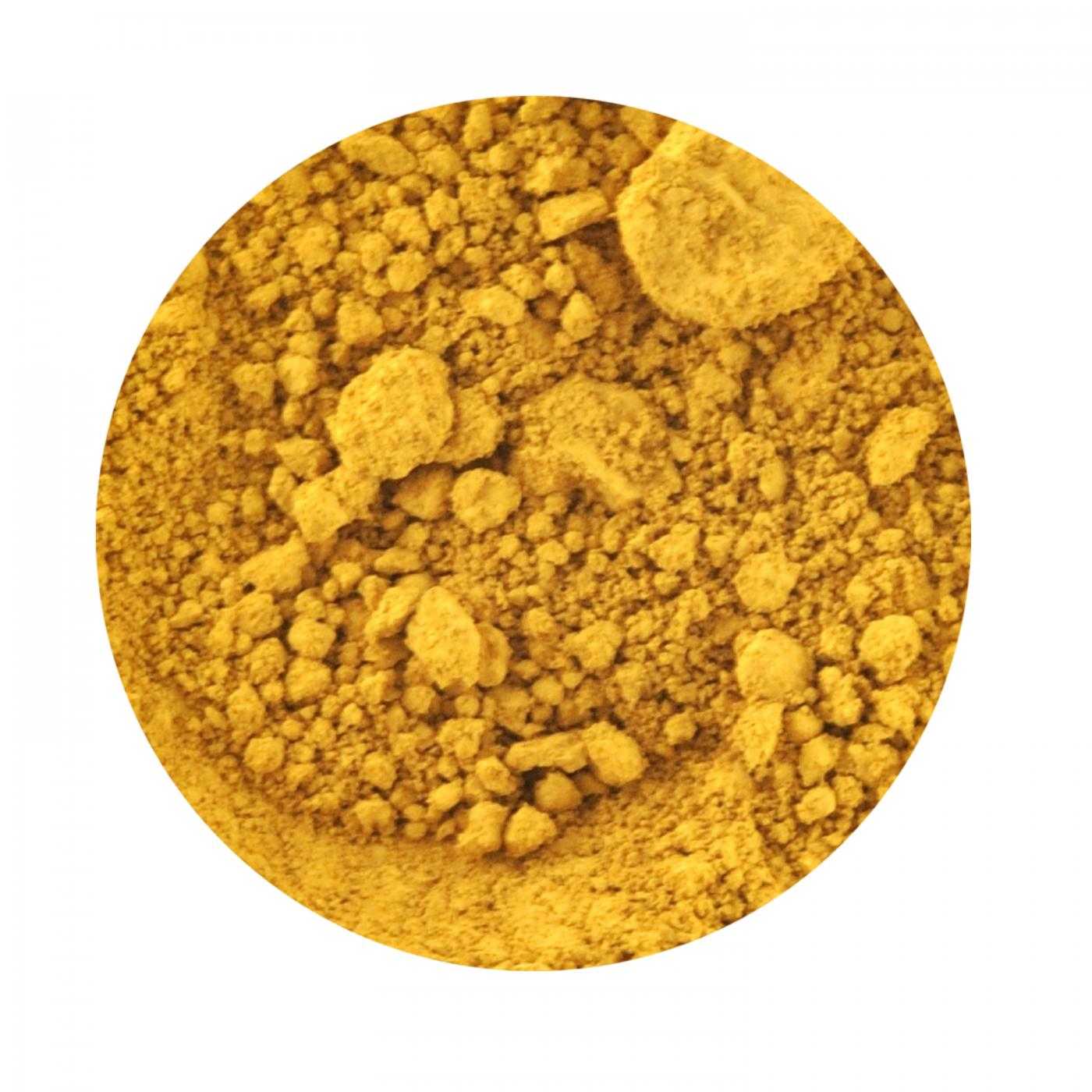
Iron oxides and green chromium oxide are matte, highly opaque pigments that hold up to heat and to alkalinity, which makes them the backbone of colouring cold process soap; they suit powders and lipsticks as well. The exception is manganese violet (CI 77742) – chemically it is not an oxide but manganese ammonium pyrophosphate, and in alkaline CP soap it loses its colour; use it in powders, eyeshadows, lipsticks and bases with a neutral pH. The five basic shades are ideal for mixing further tones.
They are insoluble pigments, so disperse them in a little oil before use to stop them clumping. Dose gradually, roughly 0.1–2.0% in soaps and 0.05–1.0% in powders and make-up.
Intense blue and violet come from ultramarines and pearlescent effects from MICA/MIKA; an overview of all the types is in powder colourants.
Iron oxides and green chromium oxide are – they stand up to heat and to alkalinity, so the colour holds in CP soap and does not fade. Manganese violet is the exception: in an alkaline environment it loses its colour, so use it in powders, eyeshadows, lipsticks and bases with a neutral pH.
Disperse them in a small amount of oil first and only then stir them into the batch. A rough dosage is 0.1–2.0% in soaps and 0.05–1.0% in powders and make-up; add it gradually.