Milk thistle seed oil, refined, 100 ml
Pre-order€4.19(€41.90/l)

Cold pressed oils 1 l +
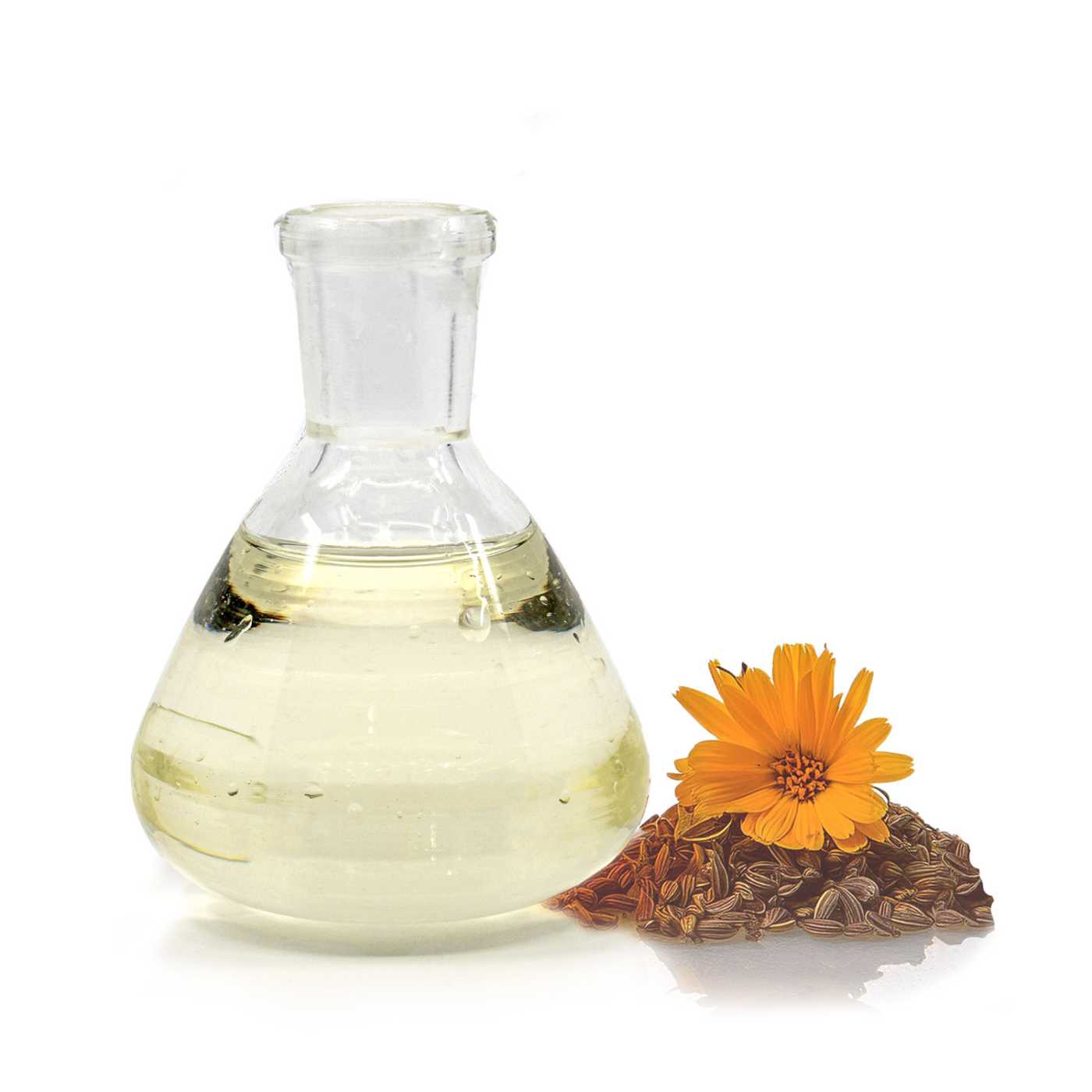
Cold-pressed safflower oil is a light vegetable oil in which linoleic acid predominates. It absorbs quickly into the skin and leaves no greasy feel, so it also suits the care of oily, acne-prone and problematic skin . full description
Lowest price in the last 30 days: €119.10
Cold-pressed safflower oil is a light vegetable oil in which linoleic acid predominates. It absorbs quickly into the skin and leaves no greasy feel, so it also suits the care of oily, acne-prone and problematic skin. It is certified organic and unrefined, and it can be used on its own or as part of the oil phase of creams, serums and hair products.
Safflower oil comes in two types, which differ in their fatty acid composition. This one is high-linoleic: linoleic acid makes up 67.8–83.2% and oleic acid 8.4–21.3%. Of the saturated acids, it contains palmitic acid (5.3–8.0%) and stearic acid (1.9–5.0%).
The feel on the skin depends on the composition. Oils dominated by linoleic acid are thin, spread well and absorb faster than oils rich in oleic acid. Linoleic acid is also a natural component of the fats in the skin barrier.
The other side of this composition is stability. The high-oleic type of safflower oil resists oxidation better. The high-linoleic type is more sensitive to it and needs protection from heat, light and air.
The oil belongs in the oil phase. It is insoluble in water and soluble in oils.
Process it at a temperature below 40 °C. Add it to emulsions only after cooling, and to anhydrous blends cold. Long and unnecessary heating speeds up oxidation.
The usage rate is 1–100%, and the oil can also be applied on its own. In recipes it is most often used in the range of 2–30%, usually around 6% in creams and lotions and around 15% in cleansing oils.
With a high proportion of oil, for example in cleansing oils and serums, always add an antioxidant. Tocopherol is a proven choice, and the chelating agent Sodium Phytate will add further protection.
In oil blends it is often combined with sunflower oil, grape seed oil or the ester Decyl Cocoate. In emulsions it is complemented by Cetearyl Alcohol, Xanthan Gum and glycerine. Mixed with C10-18 Triglycerides, it can be thickened to a balm texture. The higher their proportion, the thicker the blend and the more slowly it melts on the skin.
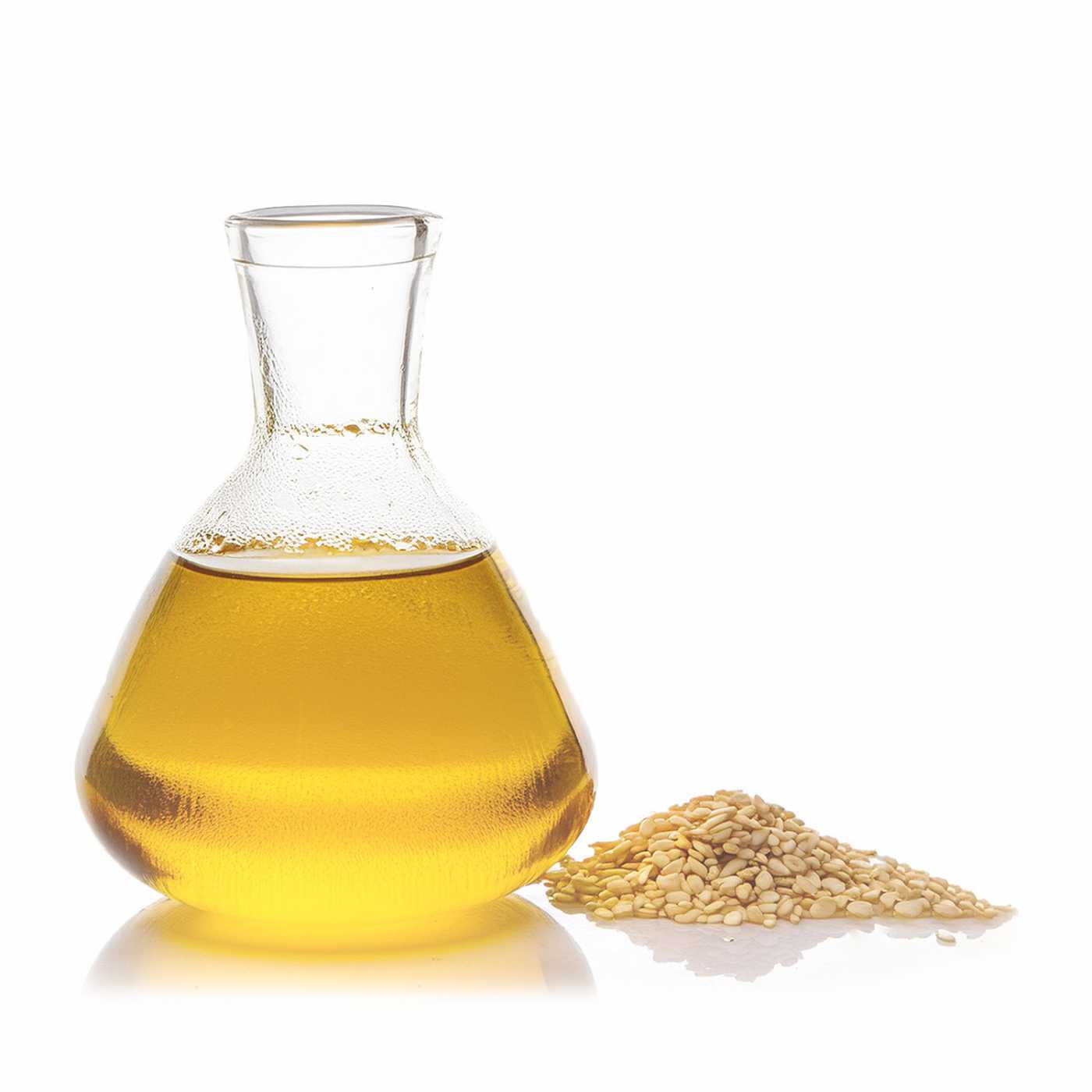
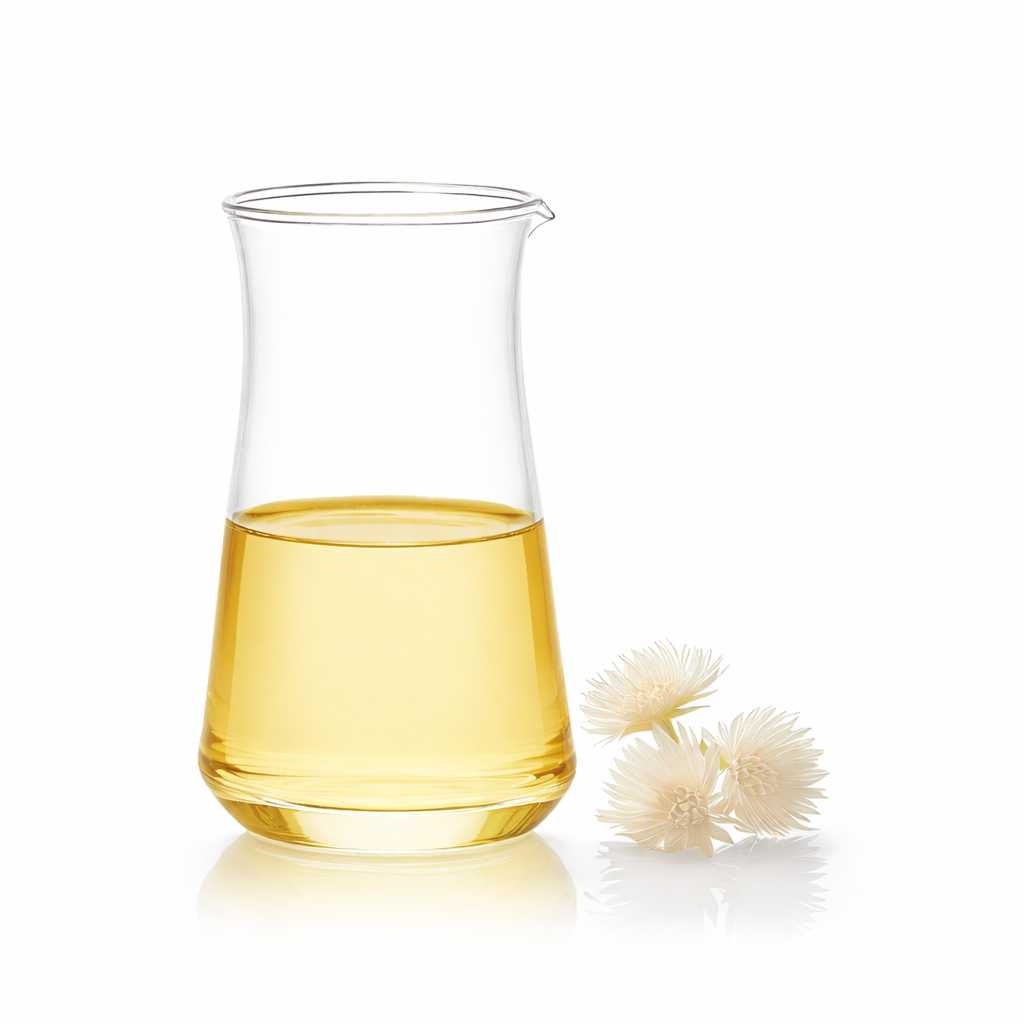
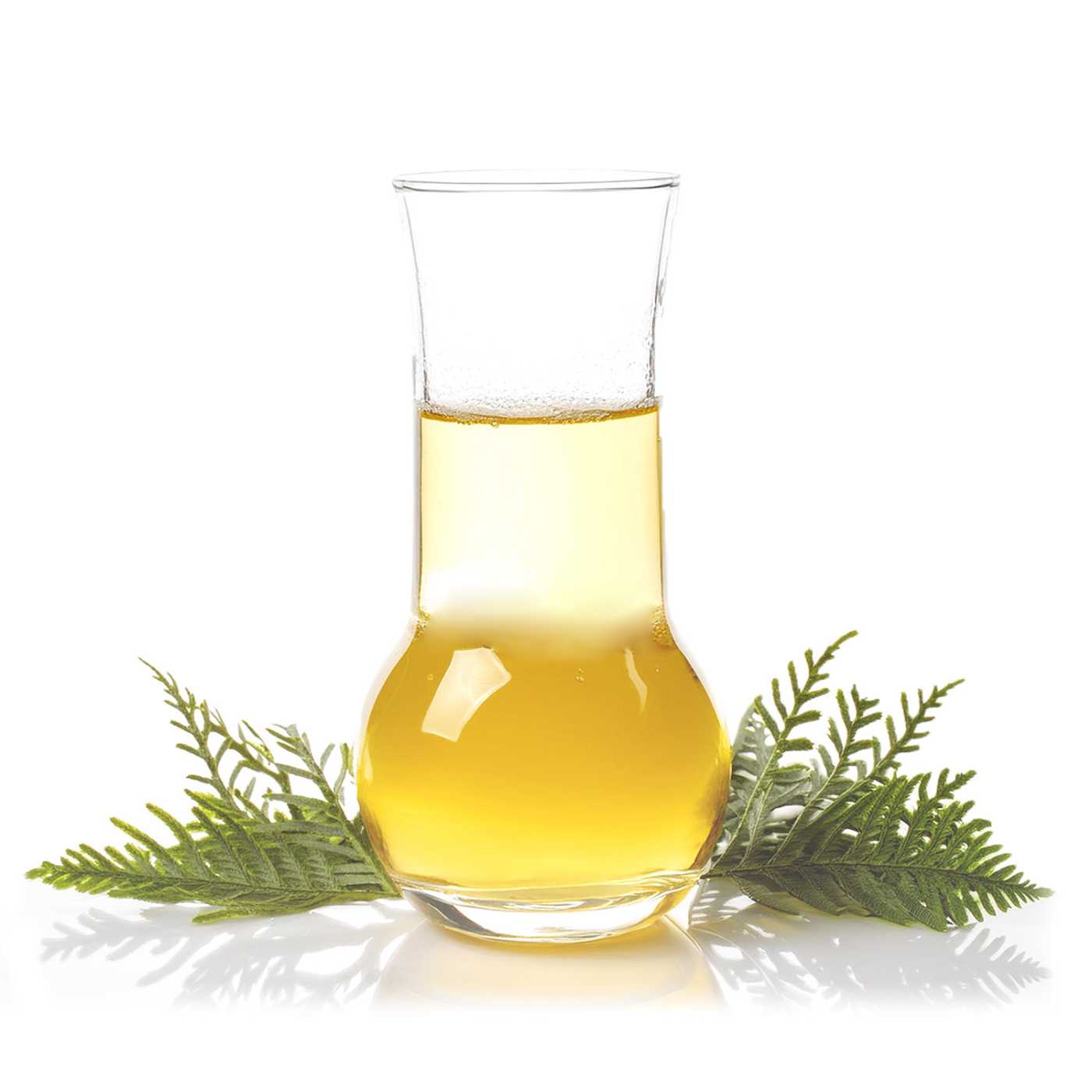
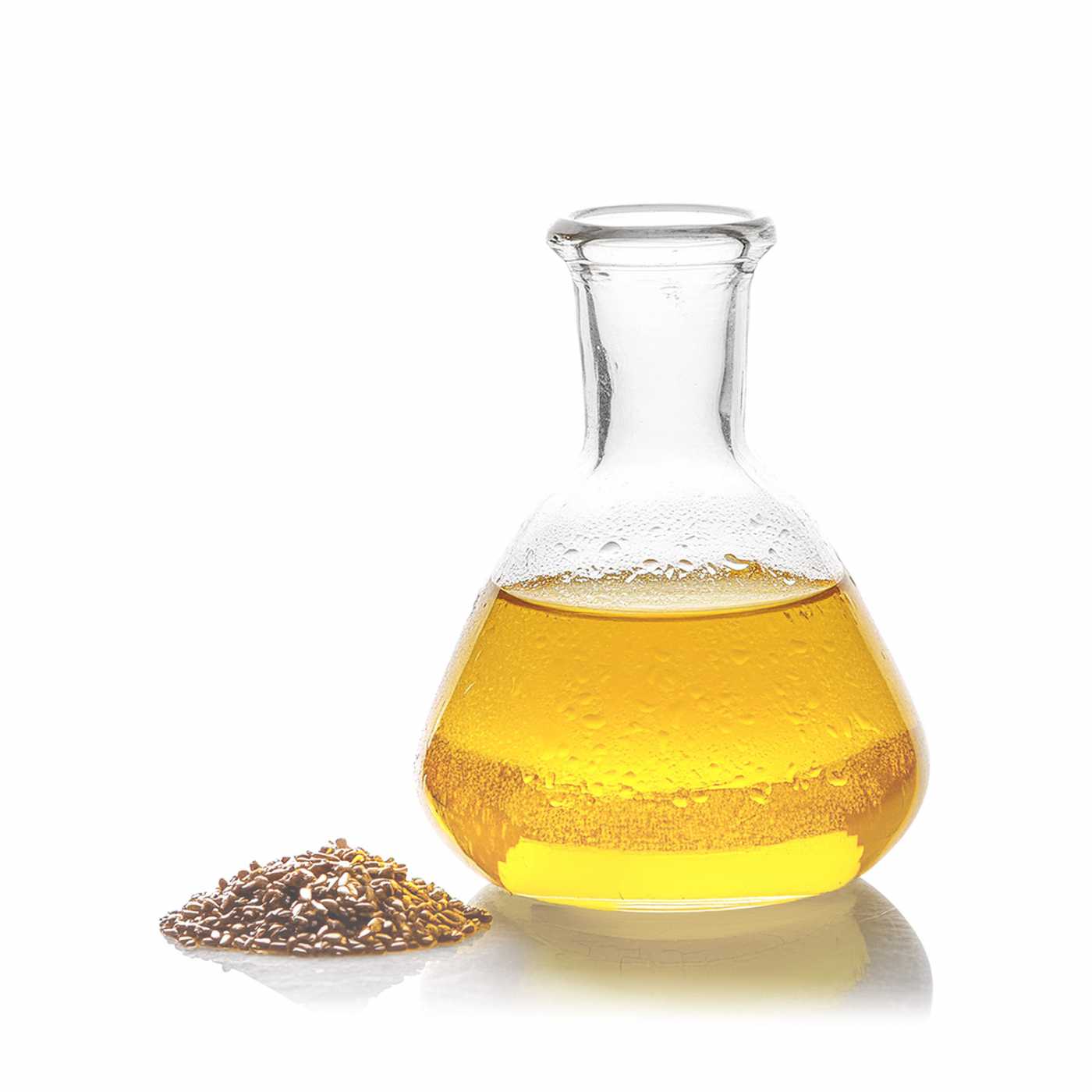
The oil is unrefined and keeps its yellow to golden colour and characteristic odour.
Light significantly speeds up oxidation and breaks down the natural tocopherols in the oil. Fill finished products into opaque packaging.
Oxidised oil can be recognised by its changed, rancid odour. Do not use such oil in cosmetics. Do not mix the oil with strong acids, alkalis or oxidising agents.
As well as being cosmetic grade, the oil is also food grade and has a Kosher certificate. It is vegan and contains no fragrance allergens.

My very favorite little oil.
Translated automatically