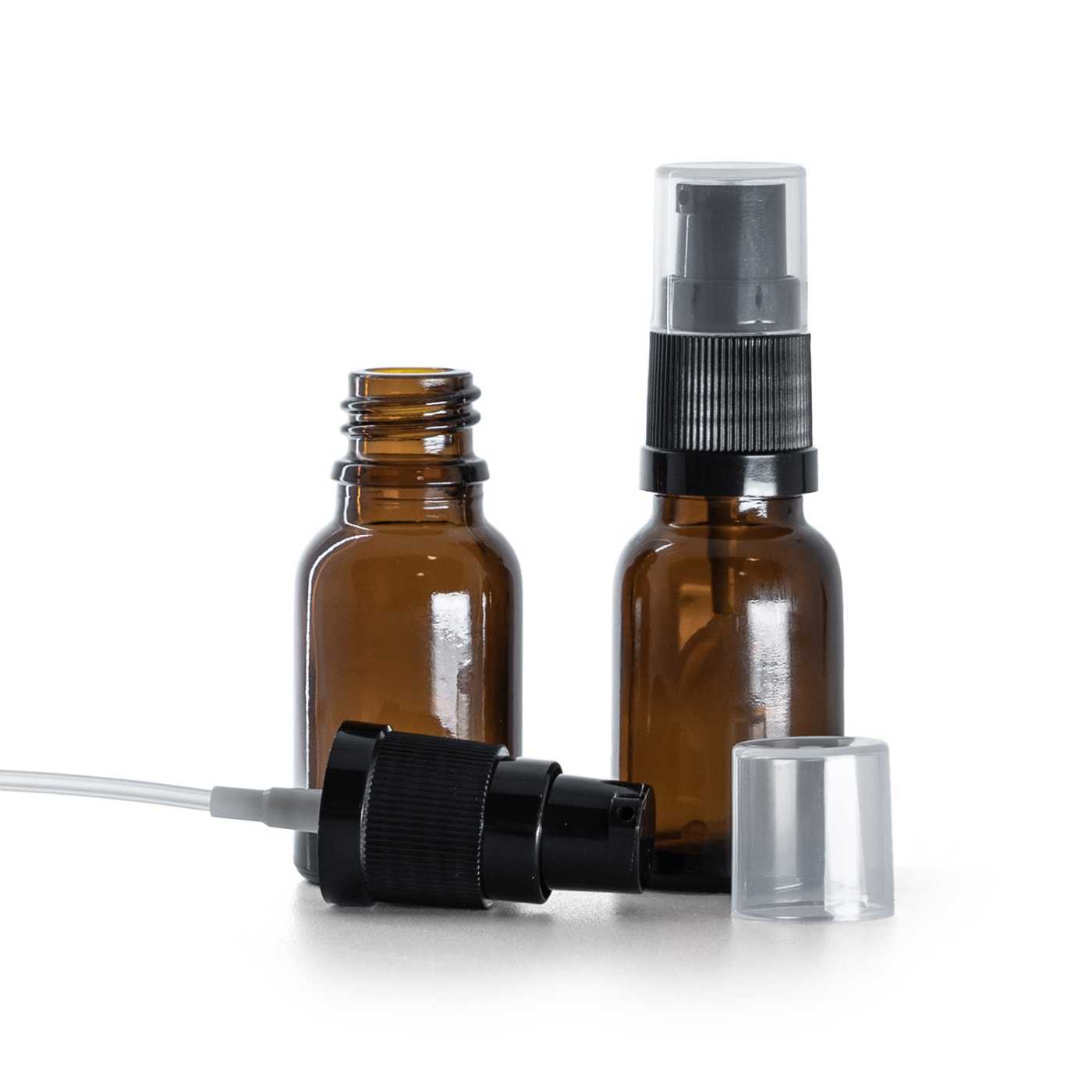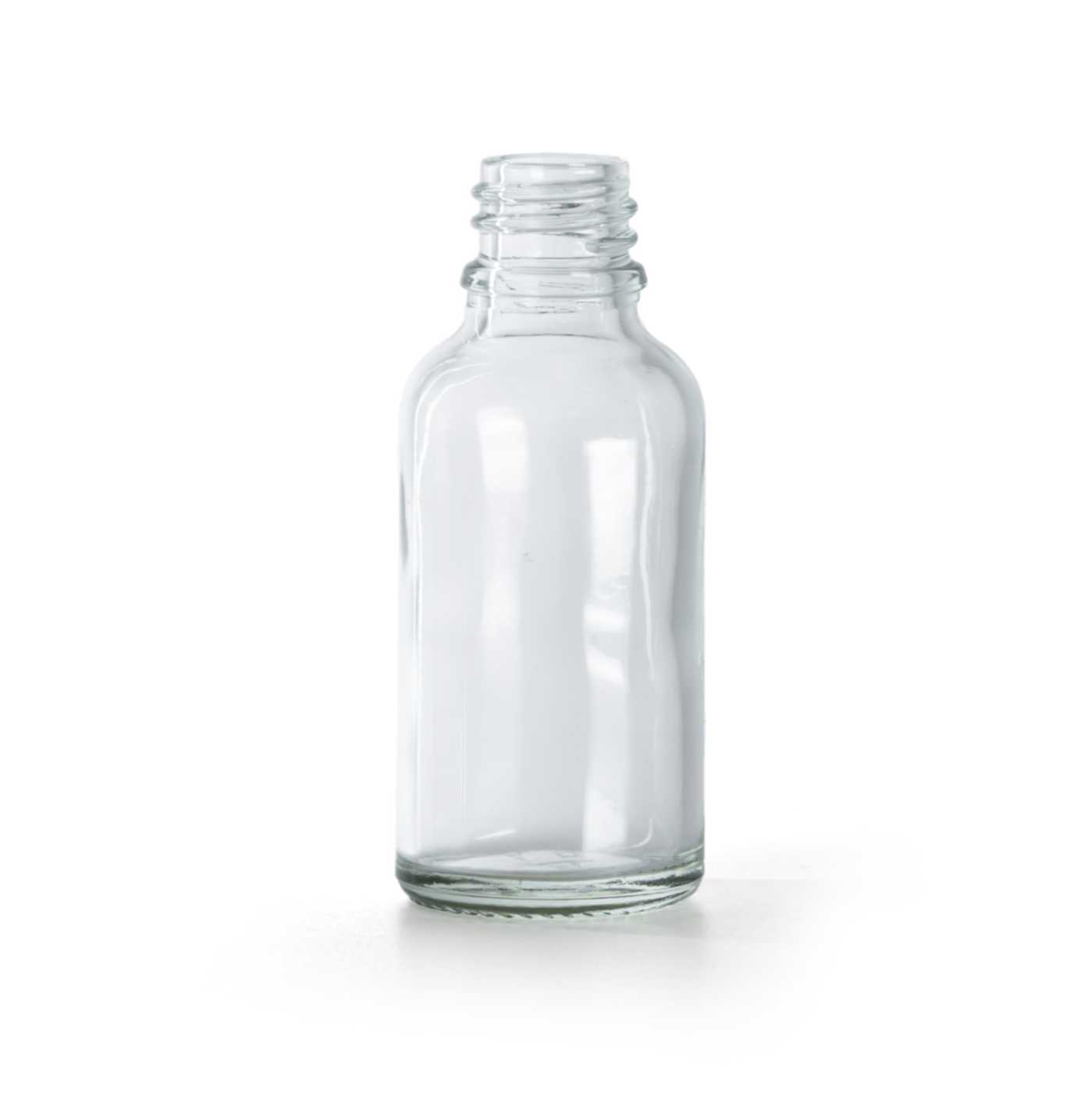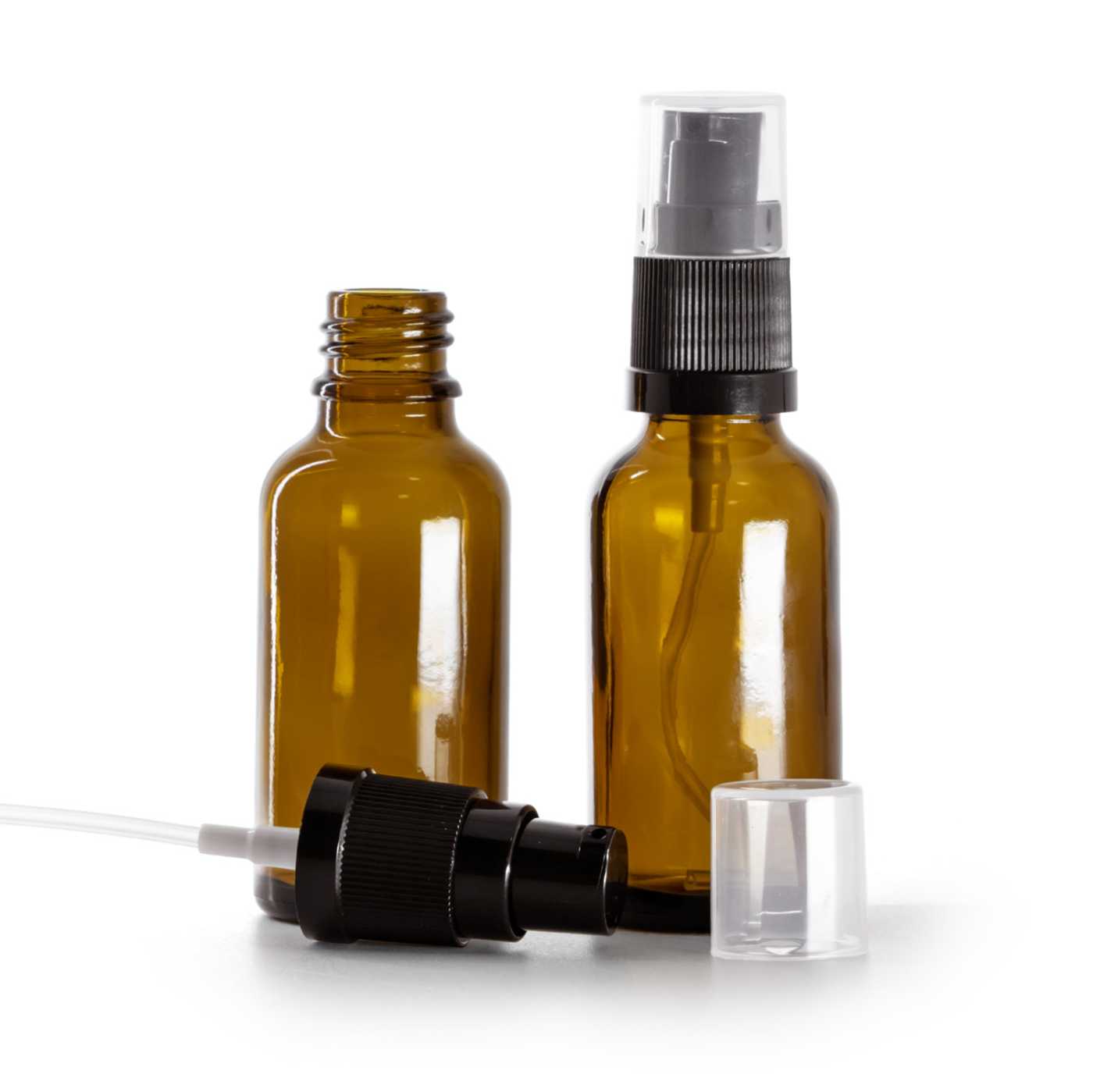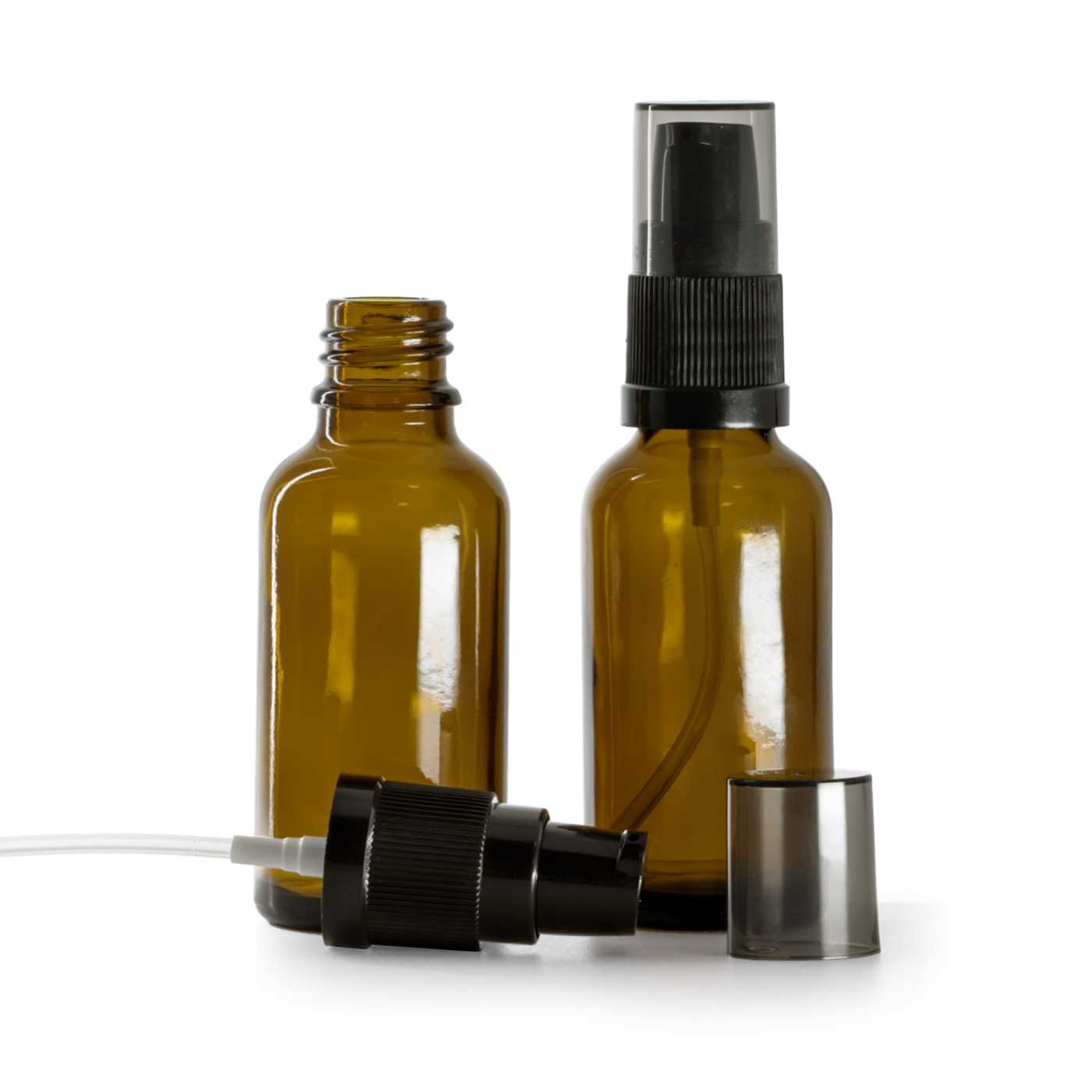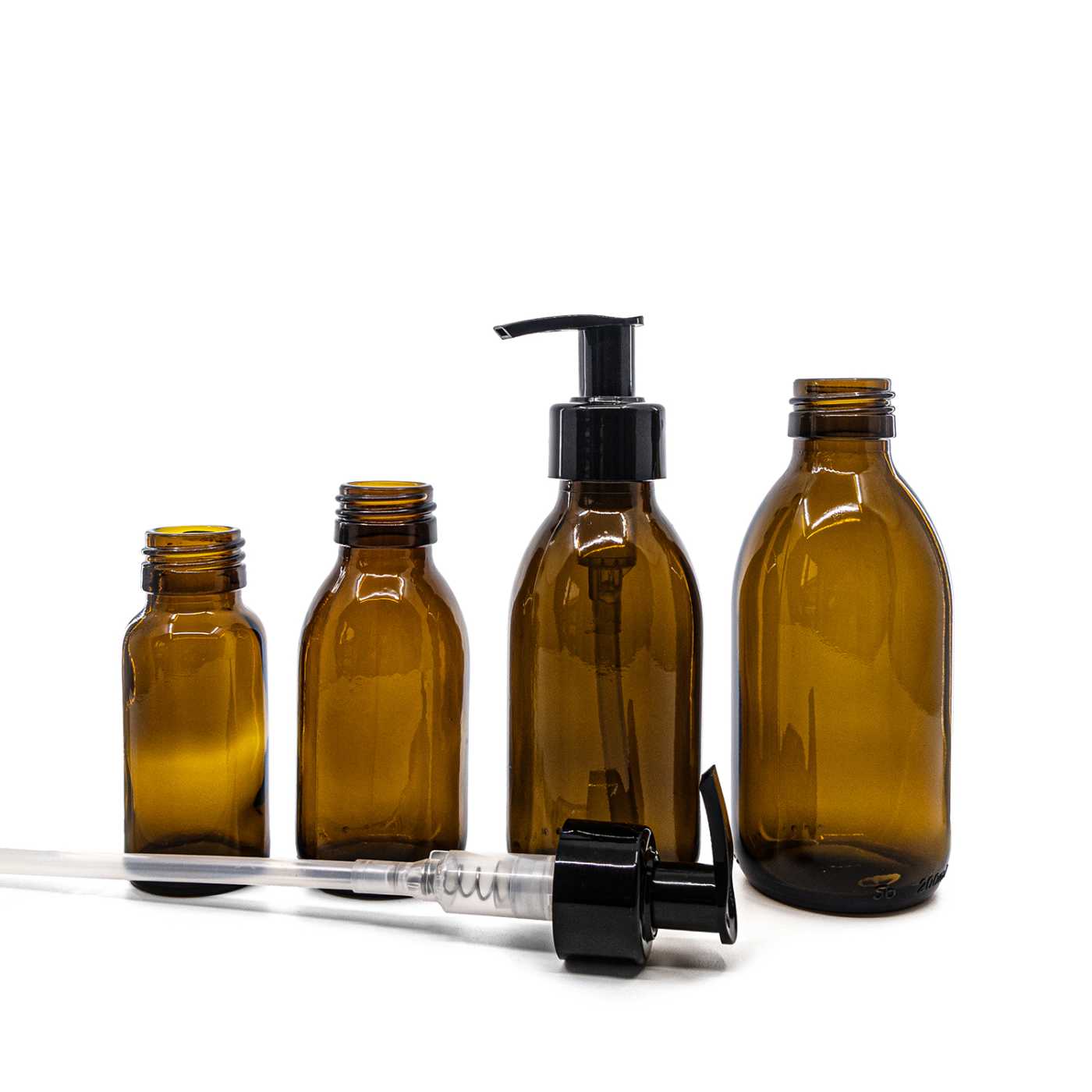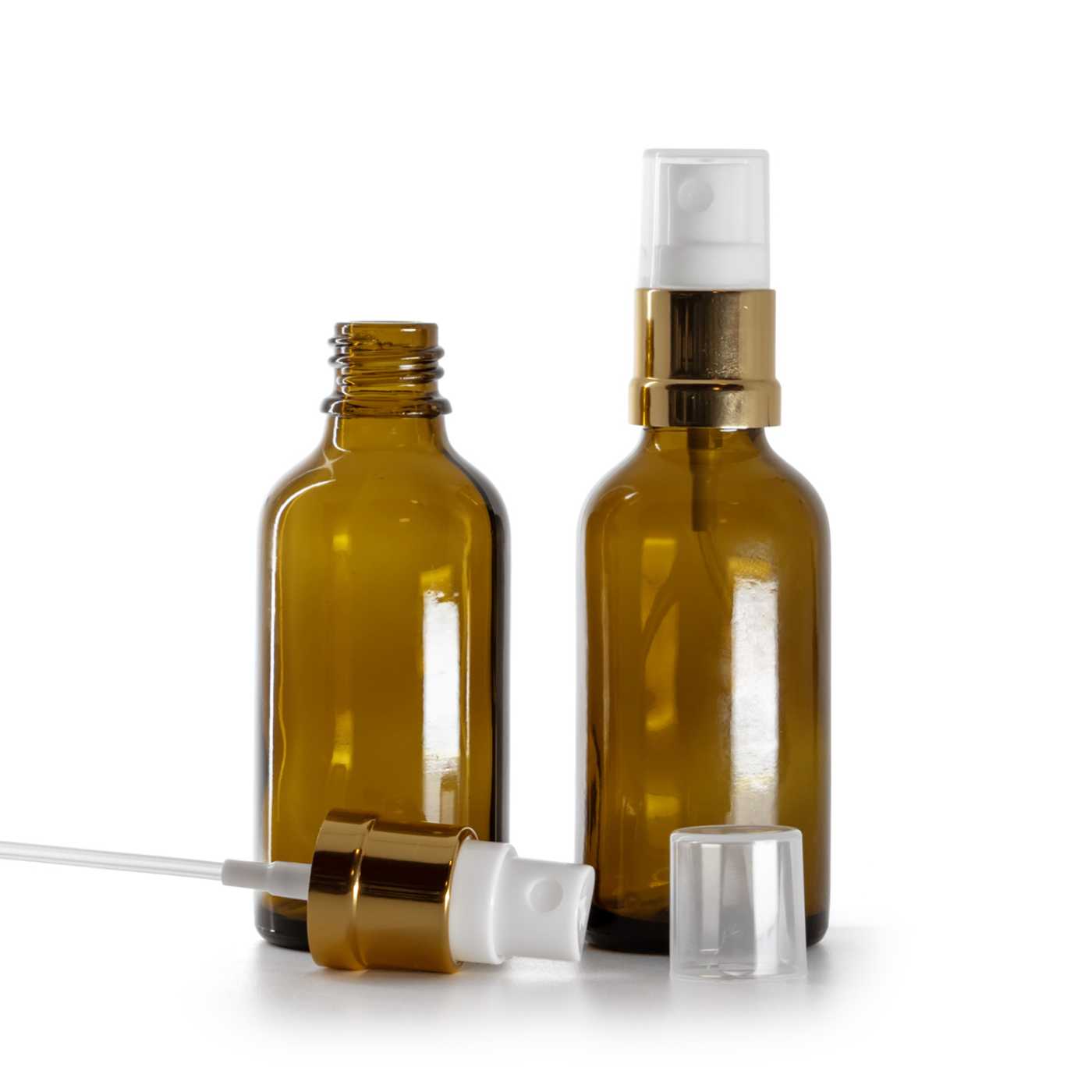

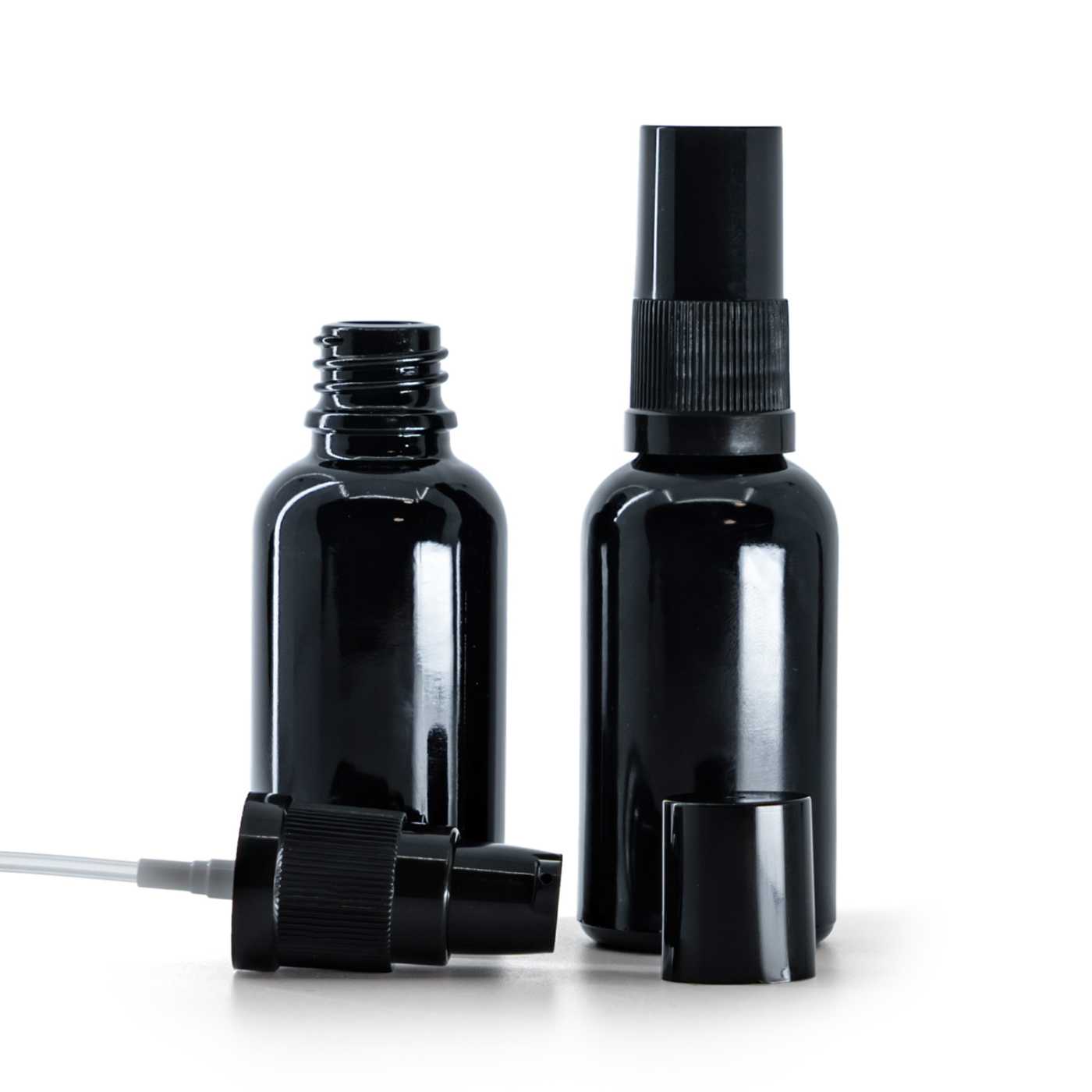
Gloss Black Glass Bottle, Lotion Pump with Black Overcap, 30 ml
Pre-order€0.92

SURFACTANTS
Pack size100 g500 g1 kg5 kg20 kg
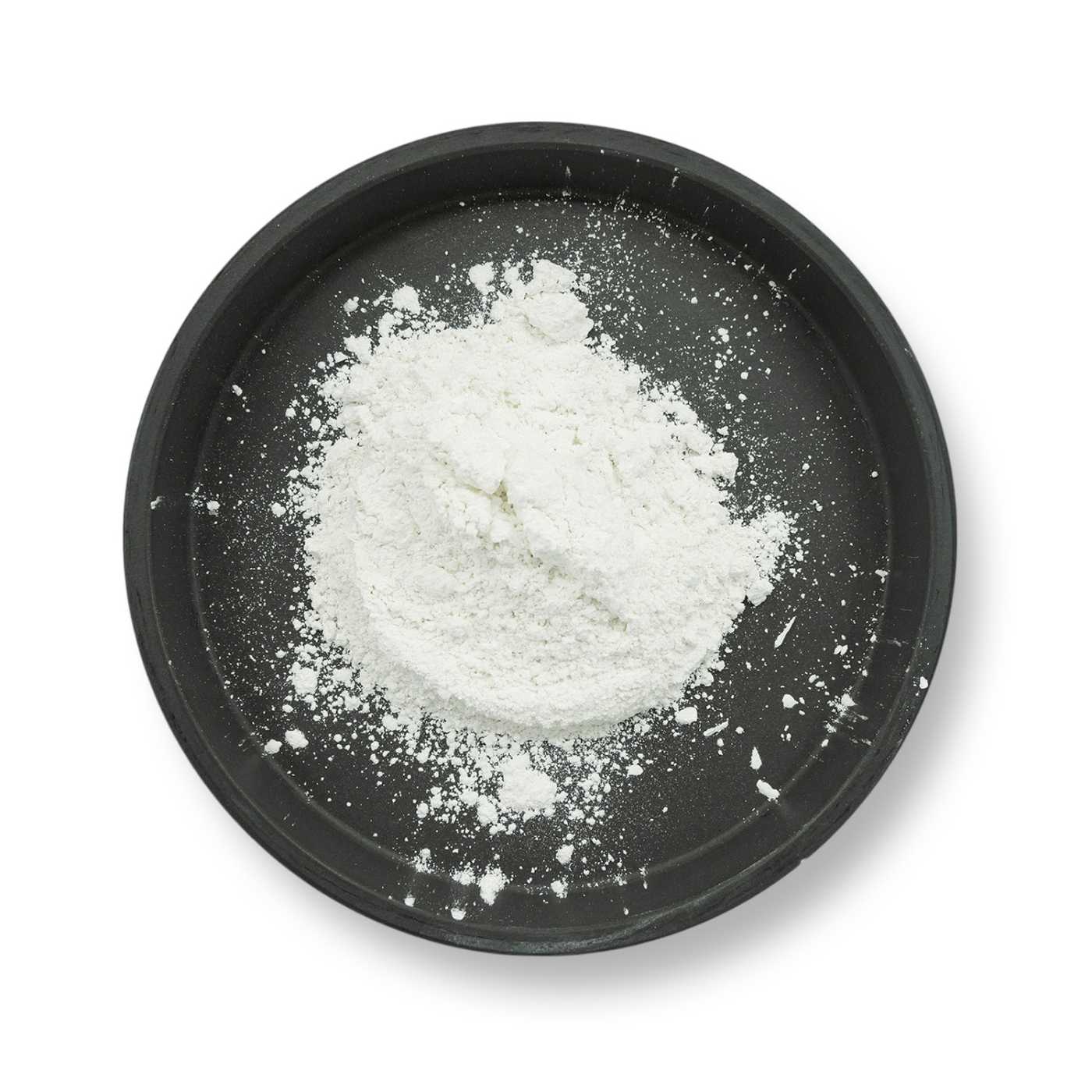
Sodium Cocoyl Isethionate (SCI) is a solid anionic surfactant that forms the base of shampoo bars, syndets and sulphate-free cleansing products for sensitive and baby skin. full description
Lowest price in the last 30 days: €29.99
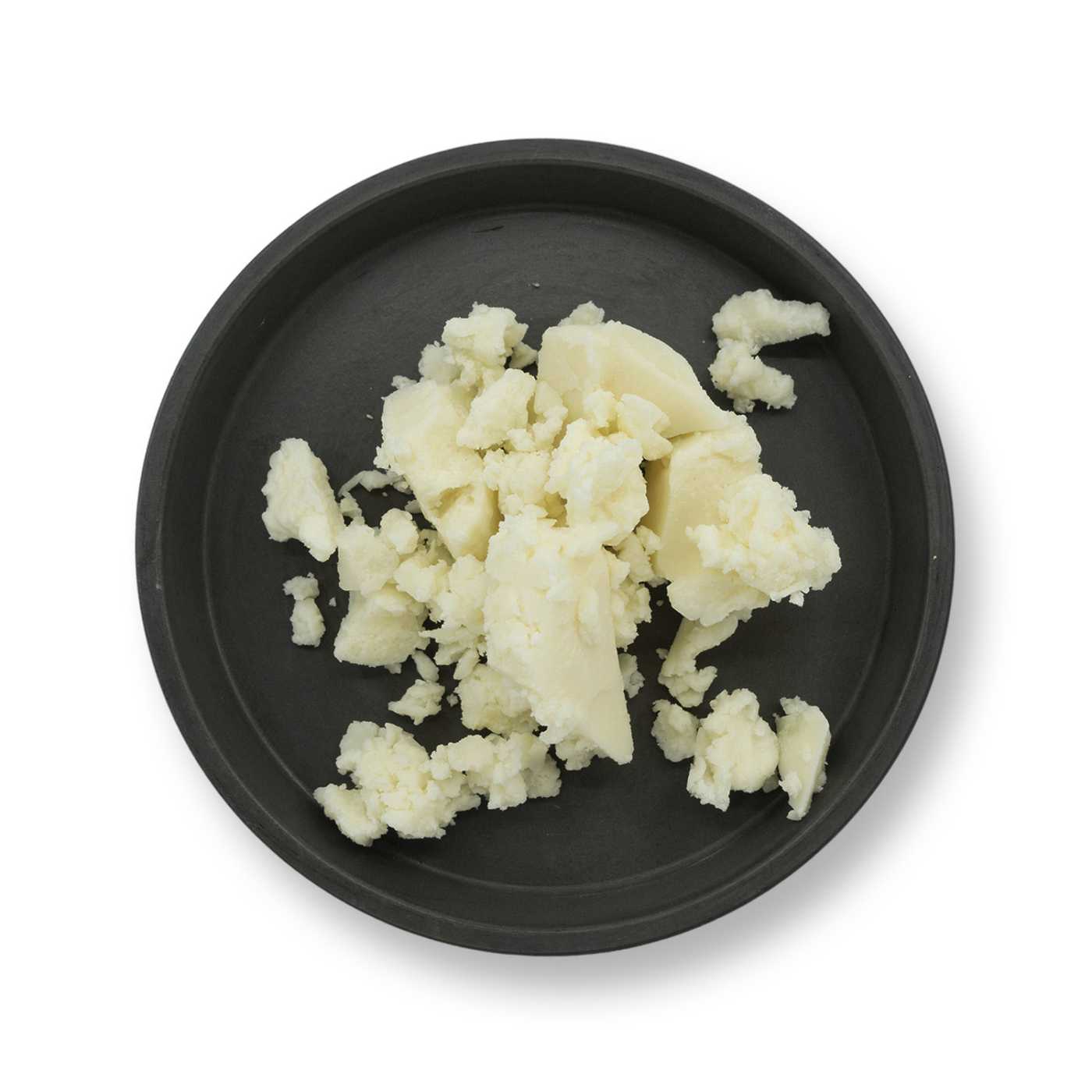
Sodium Cocoyl Isethionate (SCI) is a solid anionic surfactant that forms the base of shampoo bars, syndets and sulphate-free cleansing products for sensitive and baby skin. It cleans comparably to sulphate surfactants and produces a dense, creamy foam, while placing less strain on the skin barrier.
It is produced by esterification, contains no sulphates, PEG or silicones, and is readily biodegradable. The raw material holds RSPO Mass Balance certification for sustainably sourced palm oil. In formulations you will find it under the abbreviation SCI or under the trade name Elfan AT 84.
SCI is only partially soluble in water; it can be dispersed in it, and it does not dissolve in oil. It belongs in the water phase or the surfactant phase. It does not dissolve when cold; once heated it swells and forms a thick white paste. Heat it in a water bath at 75–85 °C until the visible grains and lumps of powder disappear. They usually disappear at around 75 °C. Do not heat the aqueous solution for longer than necessary, as SCI gradually hydrolyses in it at elevated temperature. At approximately 55 °C this becomes apparent within 30 days.
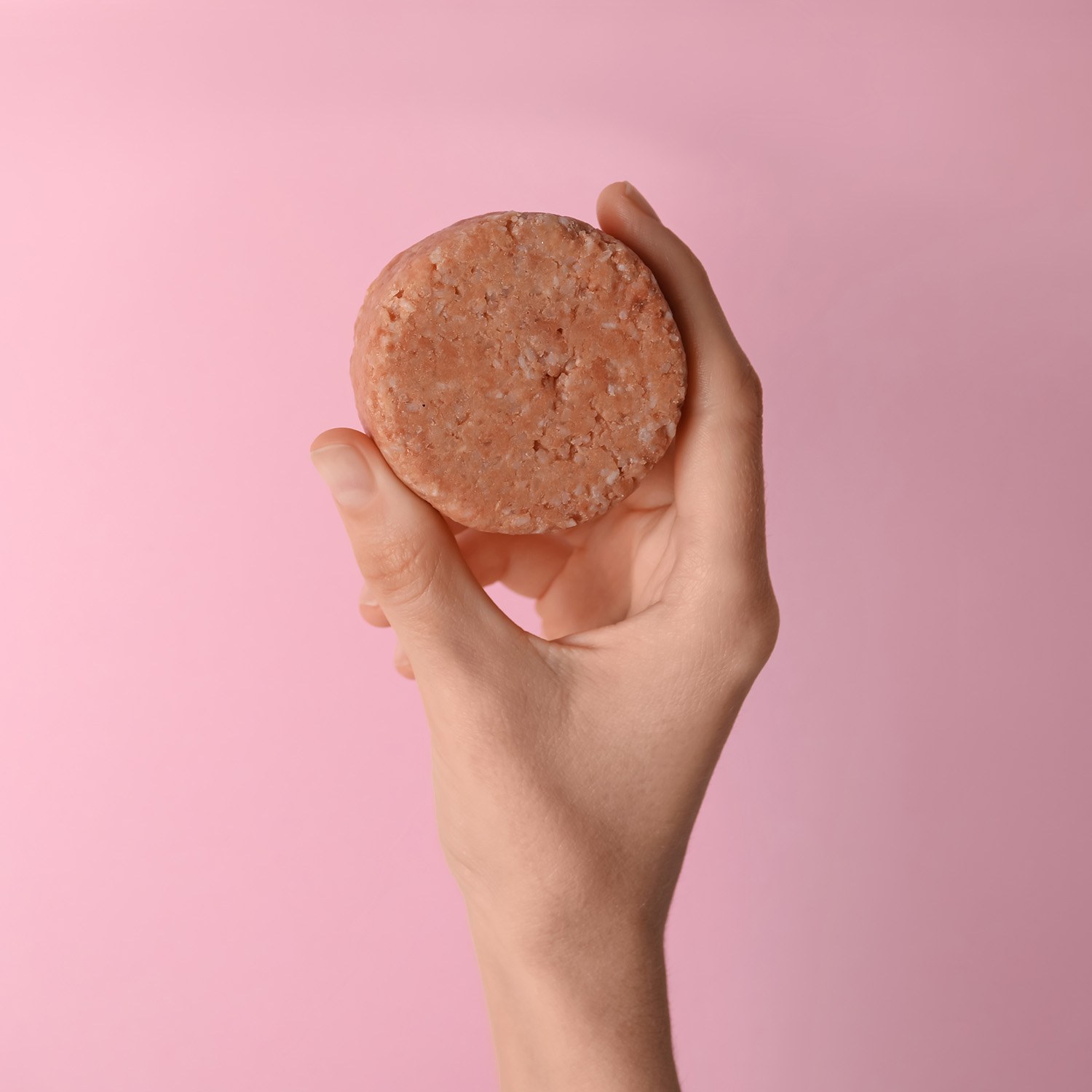
In solid cleansing products, SCI does not have to be dissolved in water. Melt it directly in a liquid secondary surfactant, most often Cocamidopropyl Betaine, and then mix oils, butters and powders into the melted surfactant phase. The product sets without added water.
The recommended usage rate is 5–50%, exclusively in rinse-off products. The CIR (Cosmetic Ingredient Review) assessment states the same upper limit for rinse-off products. As a guide by product type: shampoo bars 40–55% (rates above 50% already exceed the recommended range and must be evaluated in the safety assessment); solid face and body cleansers 25–40%; liquid cleansers and shampoos usually 15–25%; foaming scrubs 5–15%; powder-to-foam cleansers around 9%. When calculating the rate, allow for an activity of at least 82%; the raw material contains up to 13% free fatty acids.
The recommended pH of the finished formulation is 5–7. A 10% solution of the raw material on its own has a pH of 4.0–6.0, and it tolerates acidic and neutral environments. If you combine it with alkaline ingredients, measure the pH while the surfactant phase is still melted and adjust it with citric acid or lactic acid. For a solid product, dissolve a gram of the finished product in water and measure the solution.
It combines with anionic, non-ionic and amphoteric surfactants. In formulations it most often appears alongside Cocamidopropyl Betaine, glycerine, Cetearyl Alcohol, xanthan gum and tocopherol. In shower gels it is melted together with Sodium Lauryl Sulfoacetate and stearic acid in one phase. An HLB of approximately 25 places it among the strongly hydrophilic surfactants.
In liquid products, SCI tends to turn cloudy, recrystallise and separate during storage. Even a 10% solution is often cloudy and needs heating. As the main surfactant of liquid gels and shampoos it is therefore risky; in liquid formulations it belongs in a smaller proportion alongside well-soluble surfactants. We recommend verifying the stability of every liquid product containing SCI with a storage test.
The raw material itself contains no preservatives or antioxidants. Aqueous products containing SCI therefore need to be preserved. We also recommend a preservative for shampoo bars and syndets, which repeatedly come into contact with water in the shower.
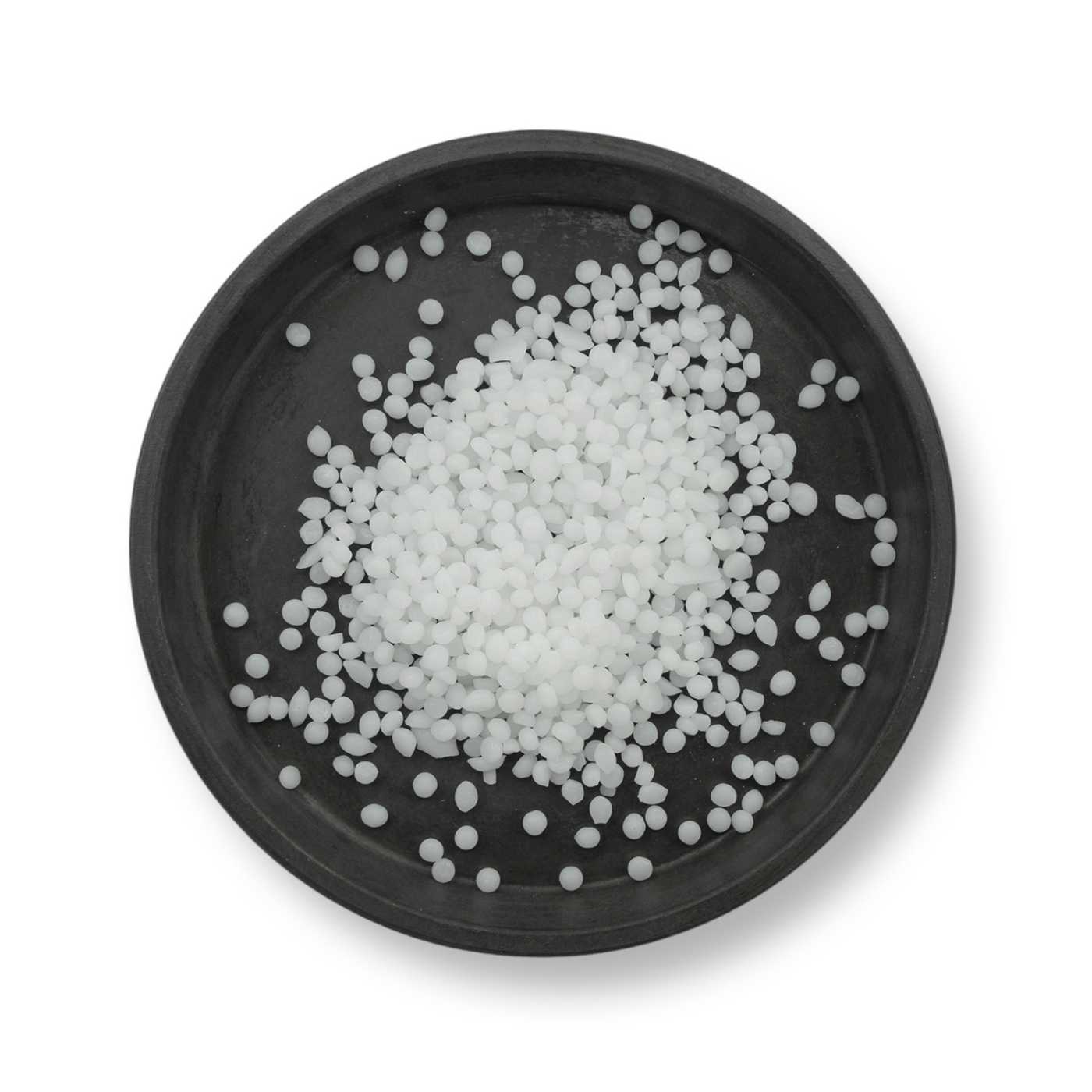
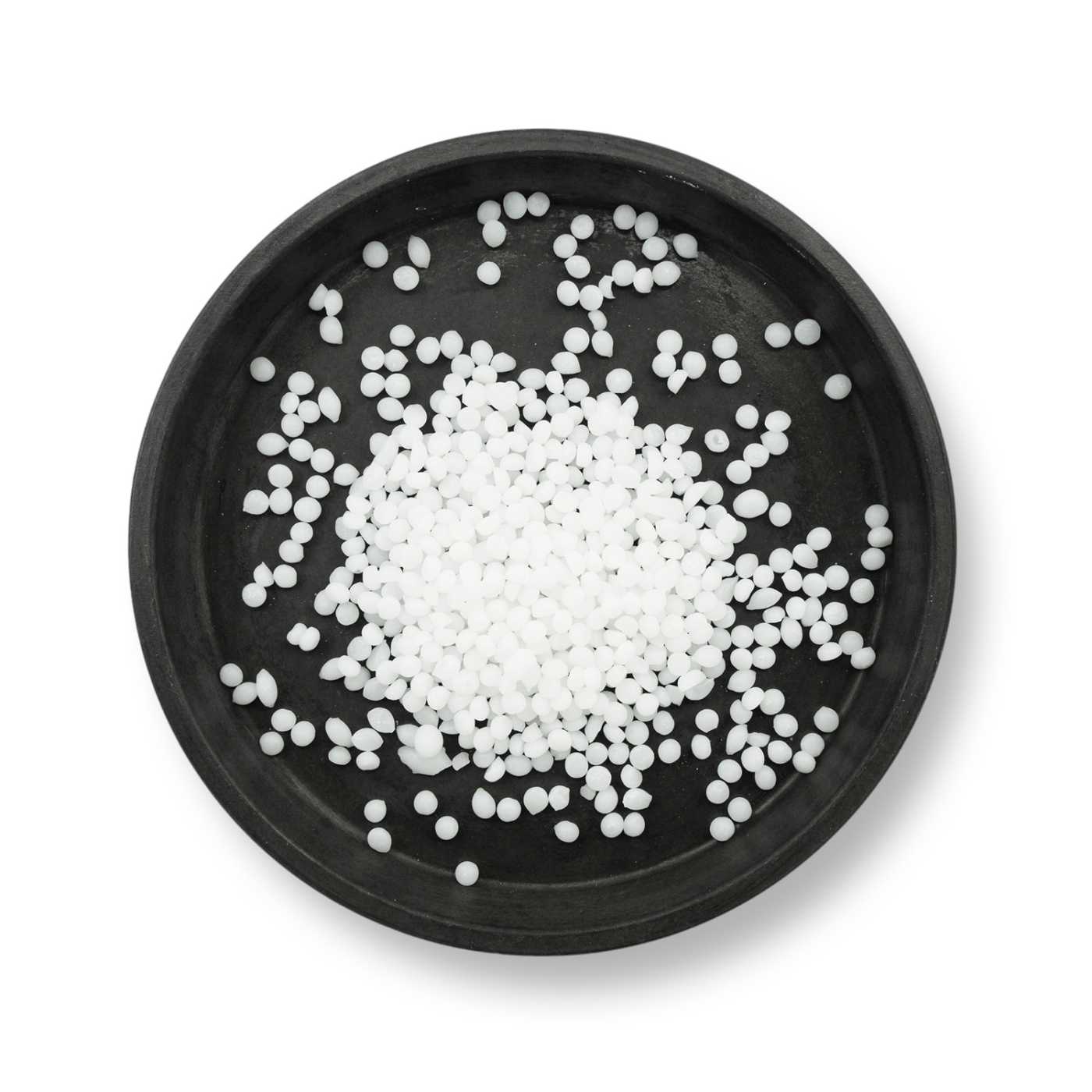
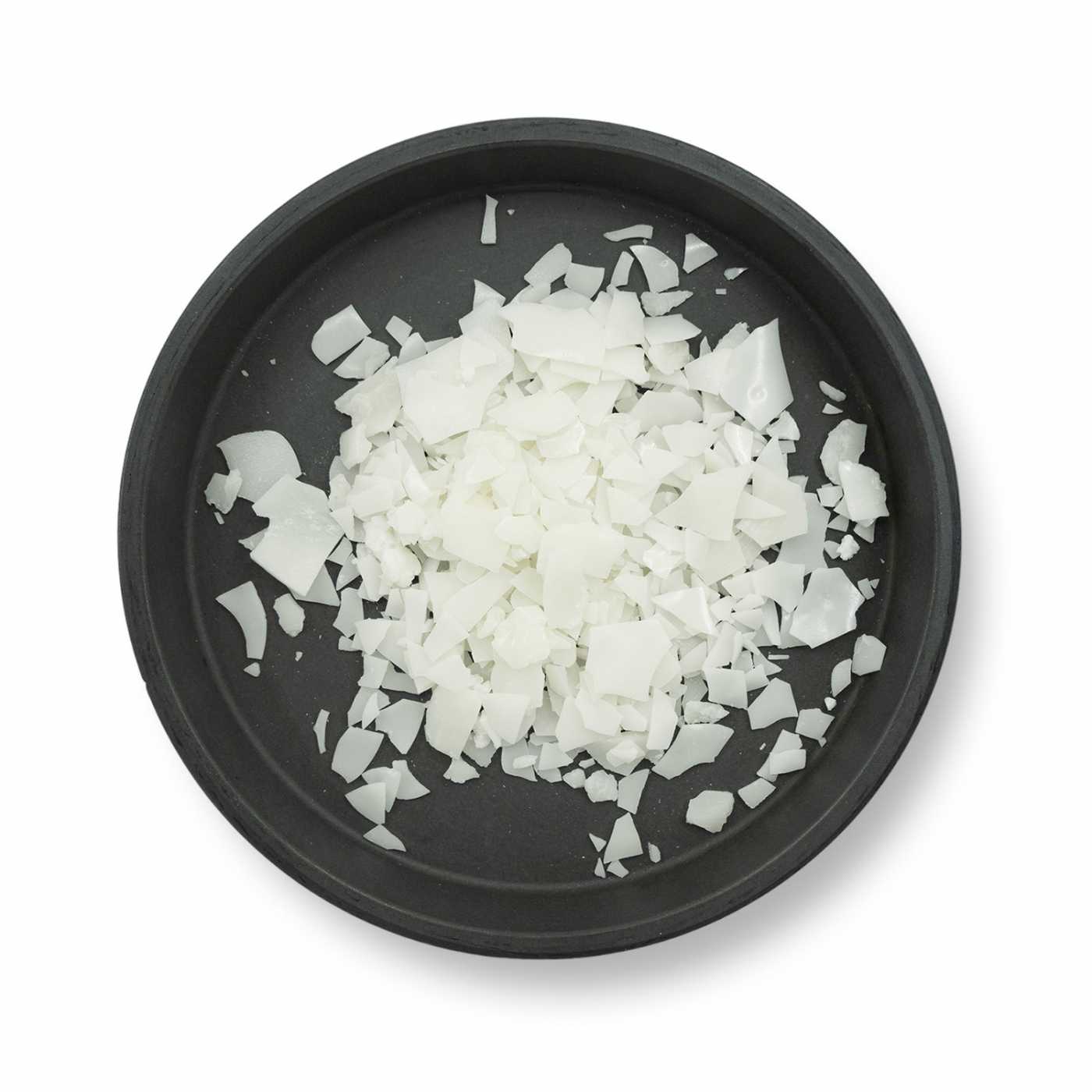
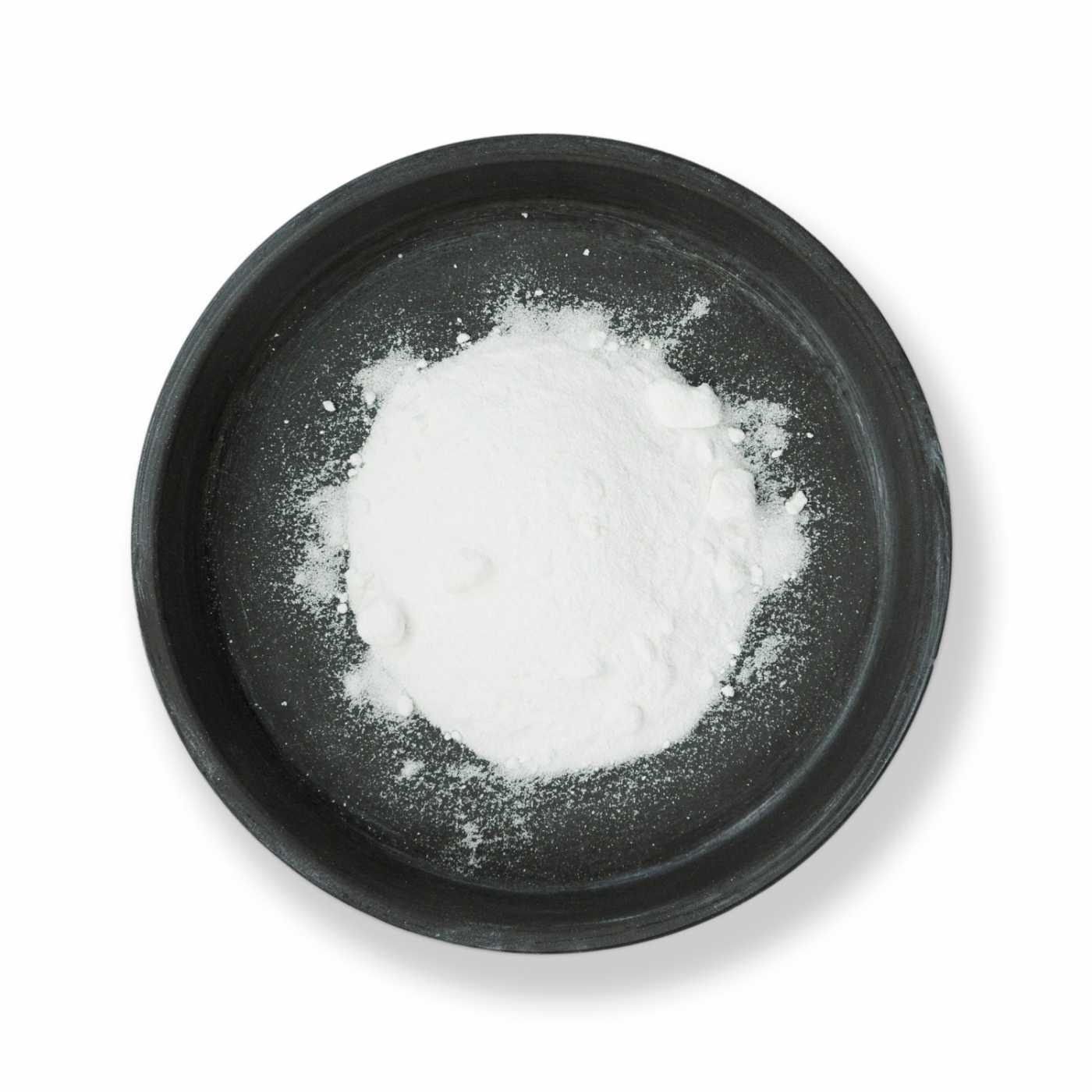
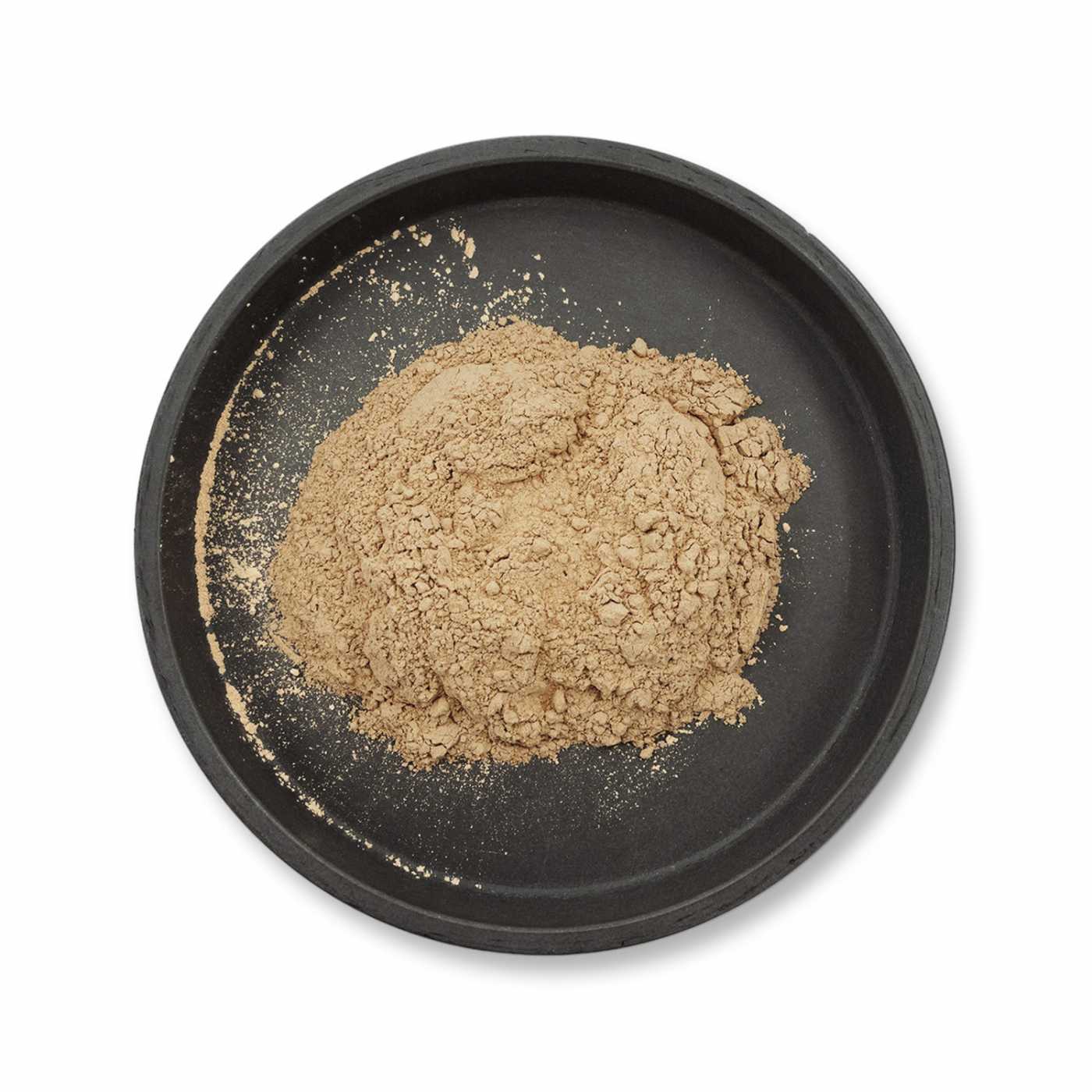
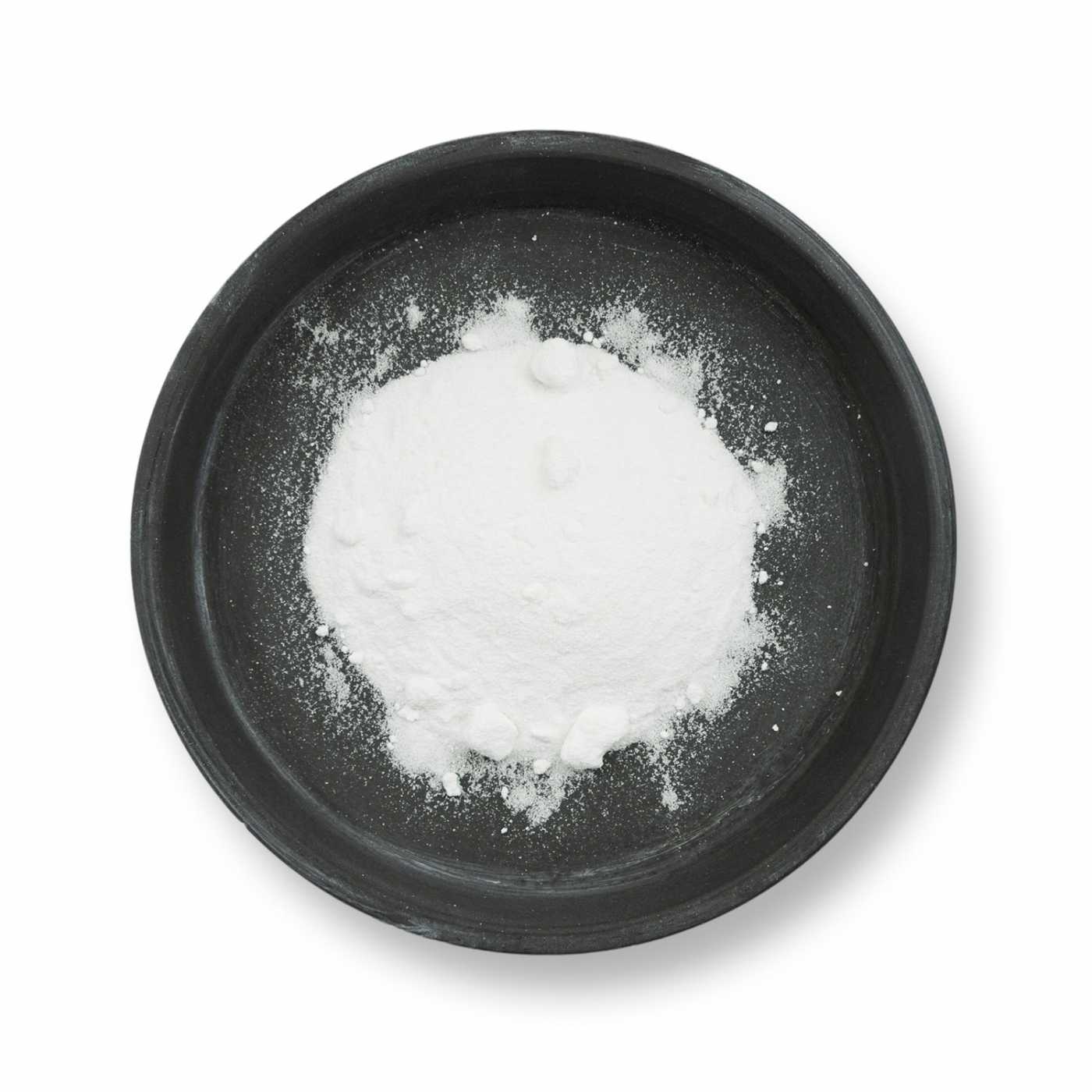
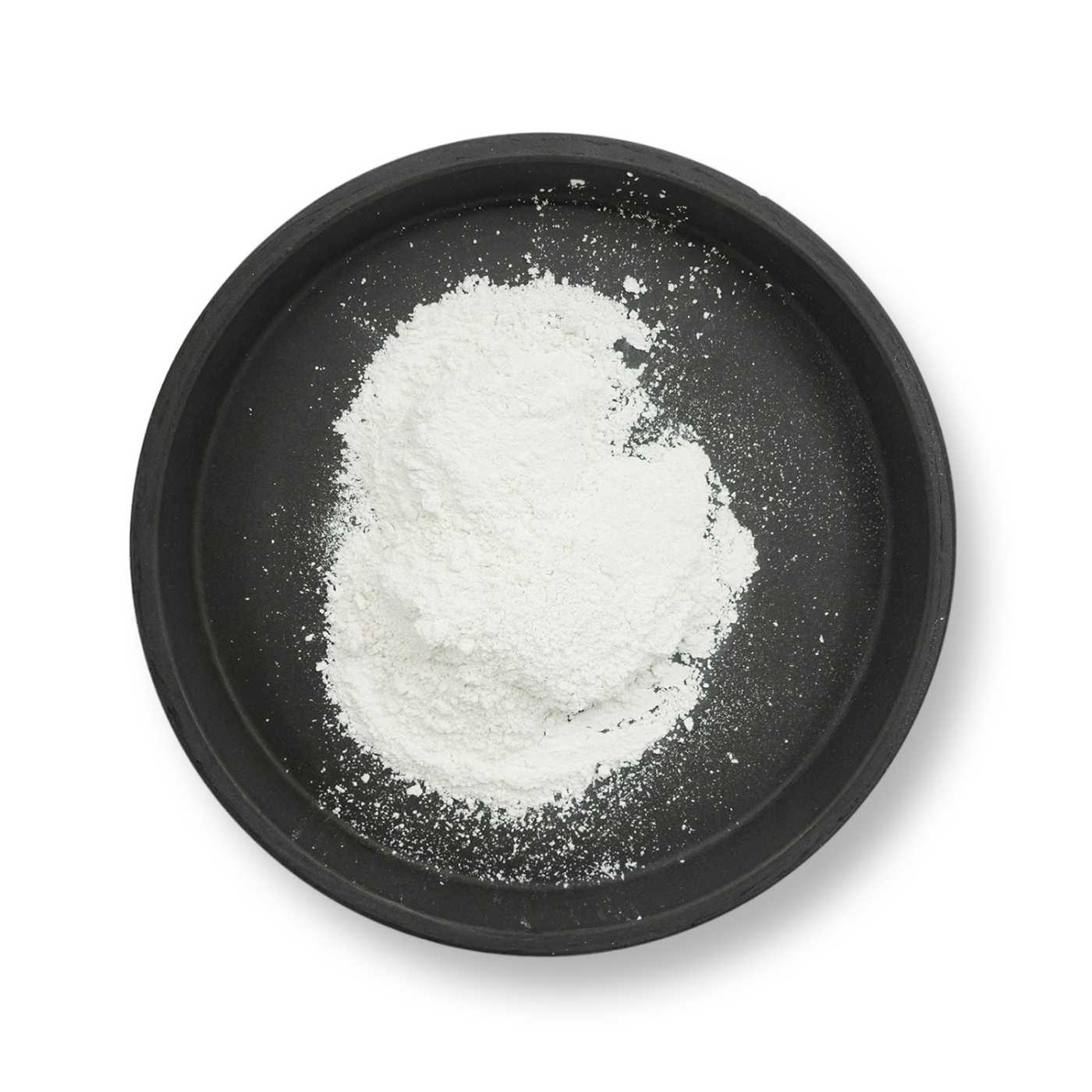
We supply SCI as a fine powder that does not need to be ground or crushed. Formulations written for flakes or pellets include this step; with the powder you can skip it. However, it creates dust easily when poured, so add it slowly and carefully.
The raw material is subject to CLP classification with the GHS07 pictogram (irritant). When weighing and pouring, wear a respirator or dust mask and avoid raising dust. Fine dust can be explosive, so work away from open flames, sparks and static electricity. You will find details in the safety data sheet.
The raw material contains no materials of animal origin or GMO ingredients and has not been tested on animals.

This product is the best SCI I've ever had. Perfect foam, doesn't irritate.
Translated automatically

Variant: Sodium Cocoyl Isethionate (SCI) prášok 1 kg

Variant: Sodium Cocoyl Isethionate (SCI) prášok 100 g