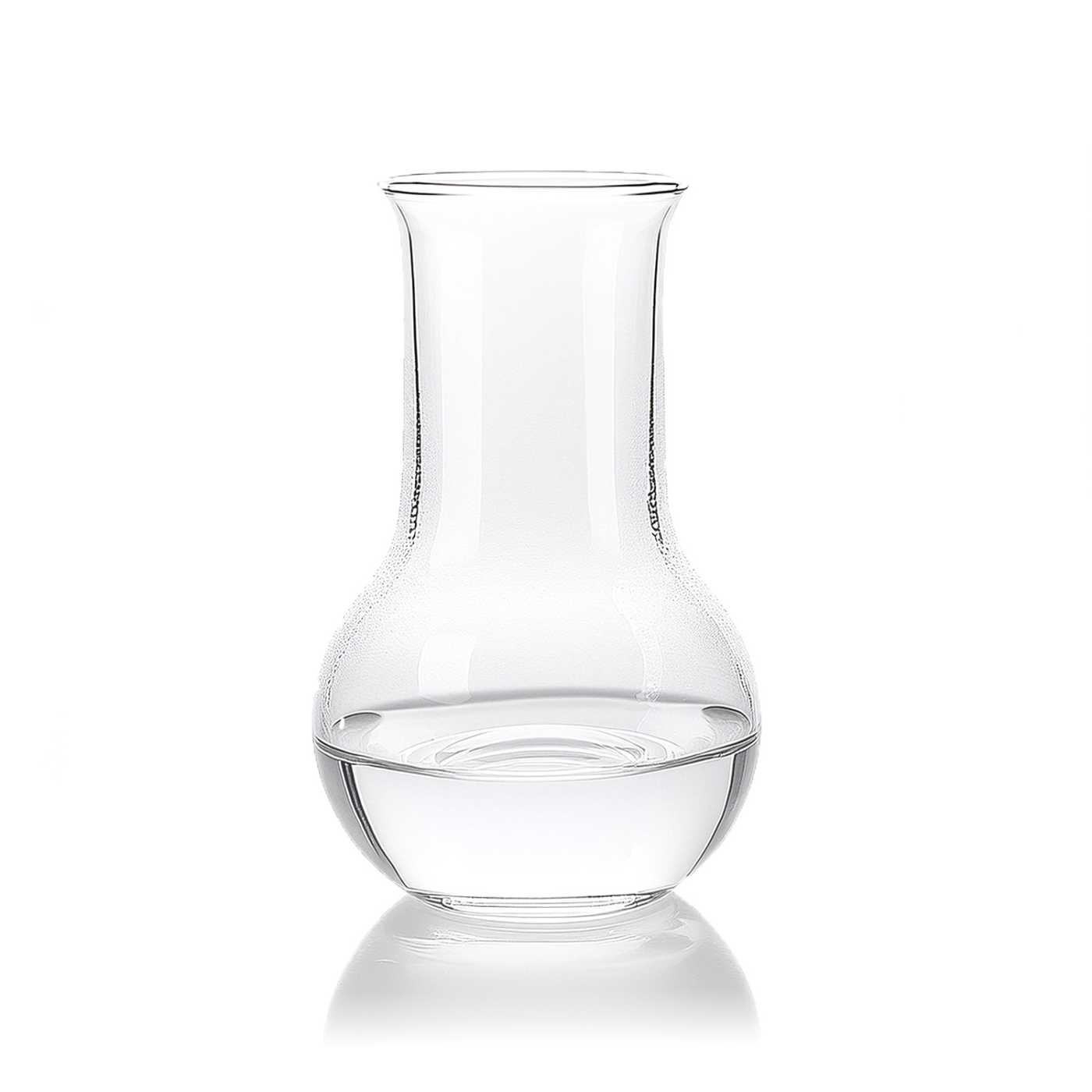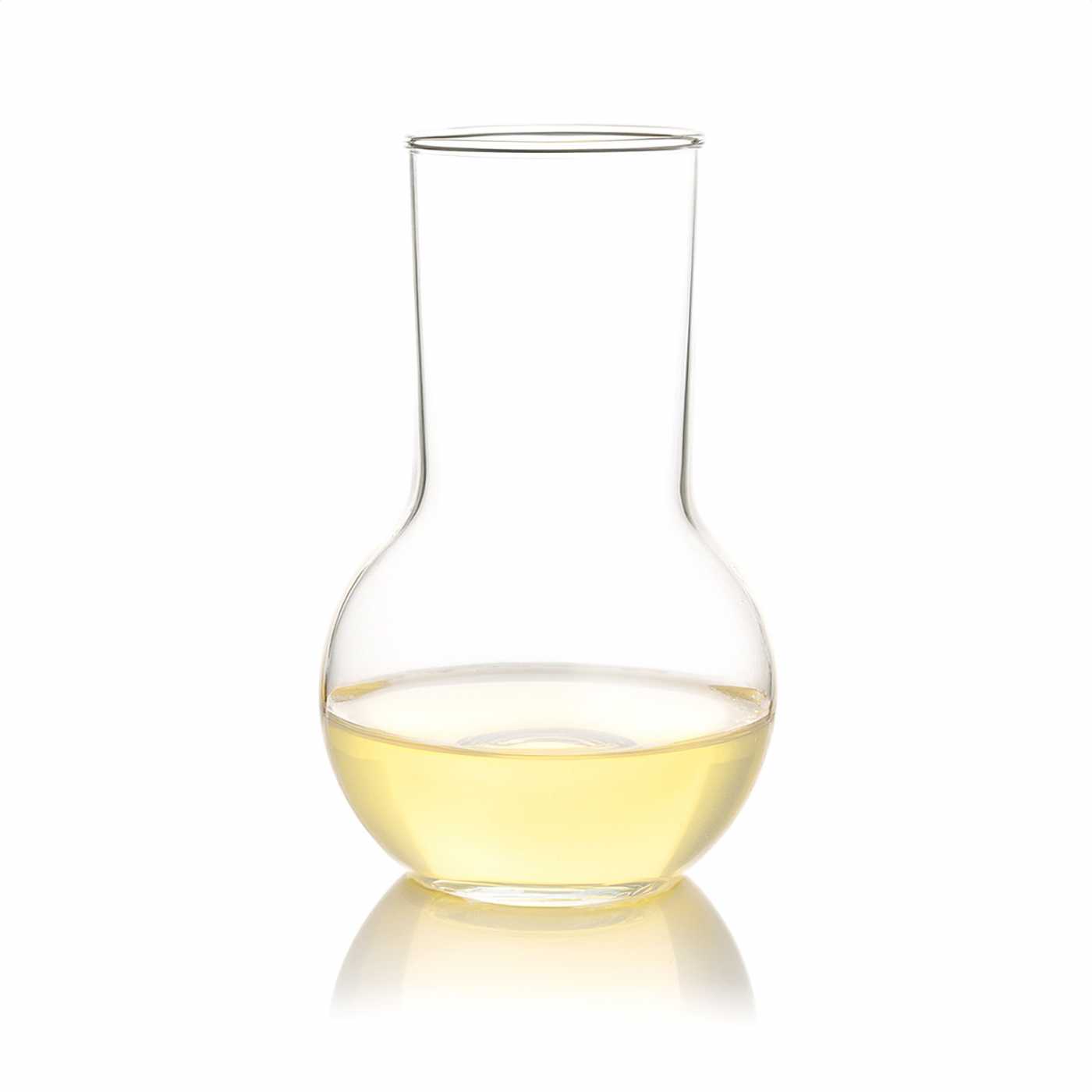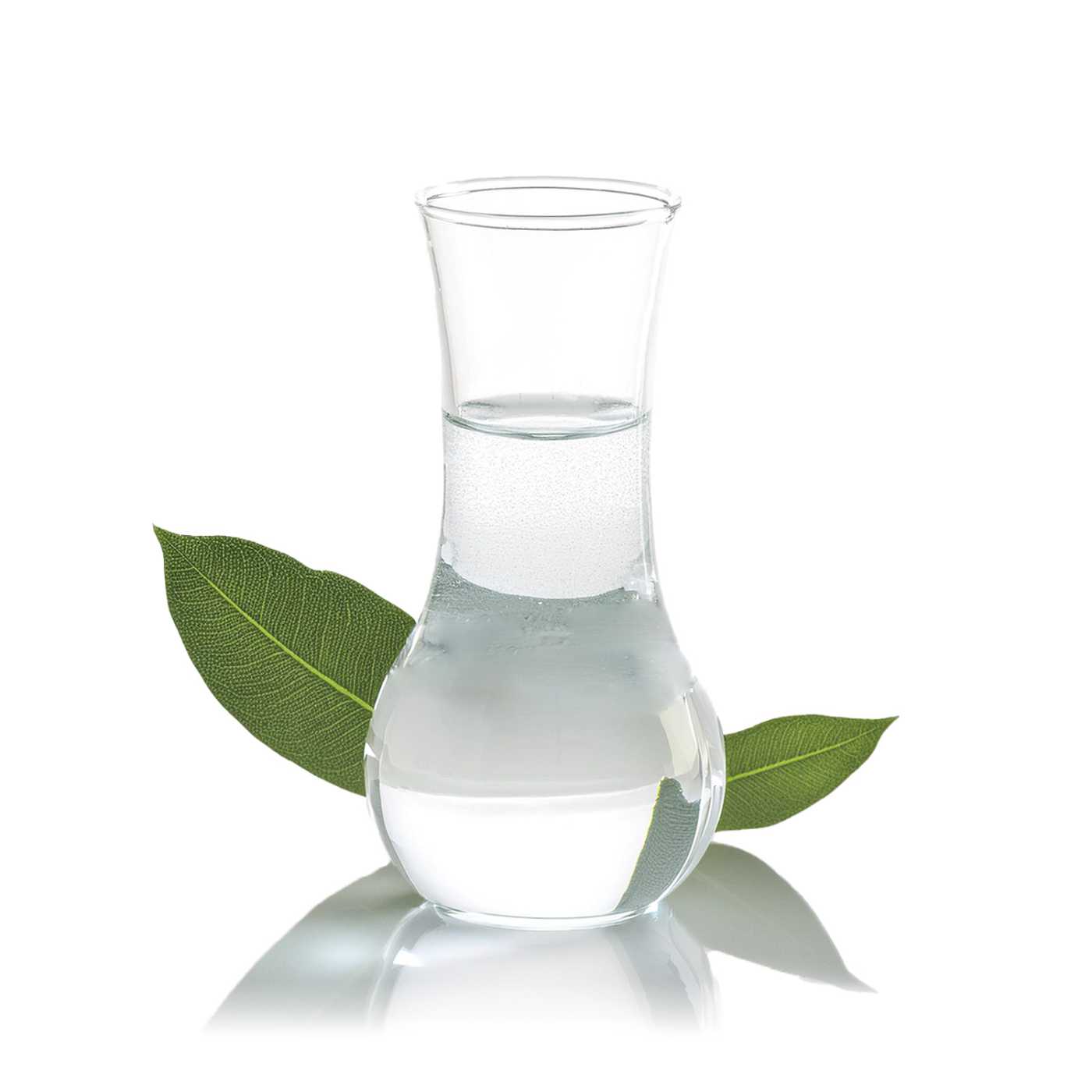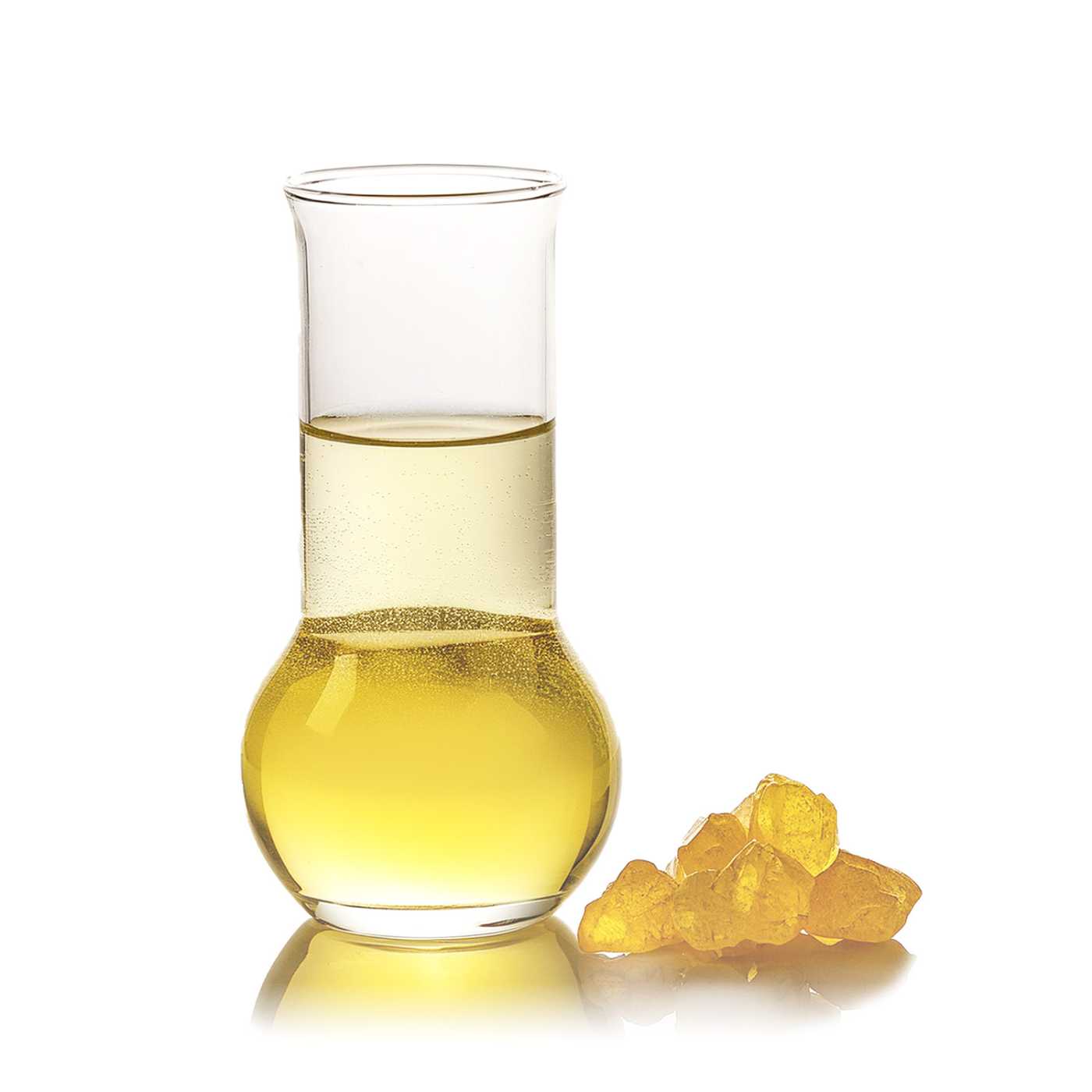
TENSIDES, SURFACTANT
Sodium Laureth Sulfate 26%, 1 l
Pack size100 ml500 ml1 l5 l20 l
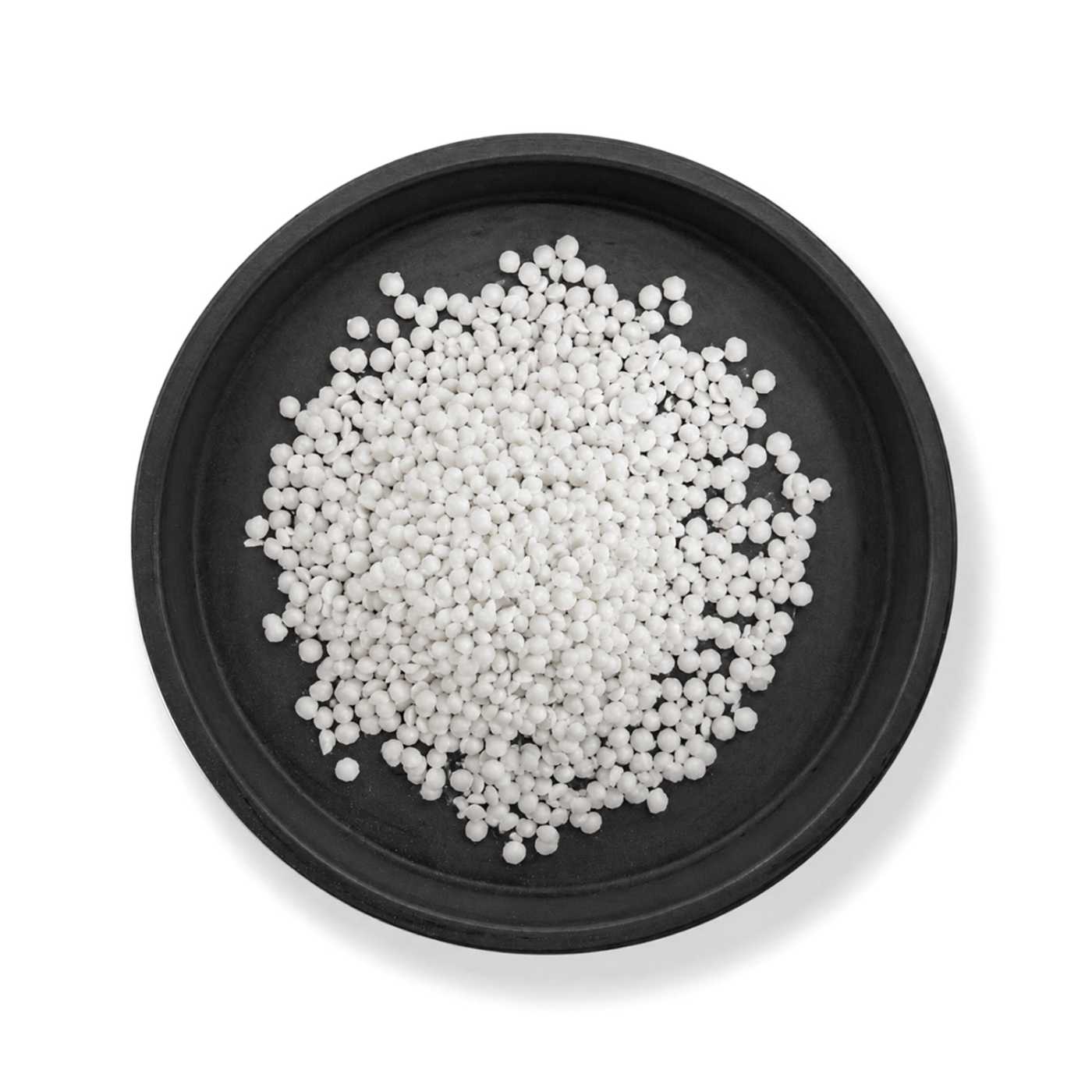
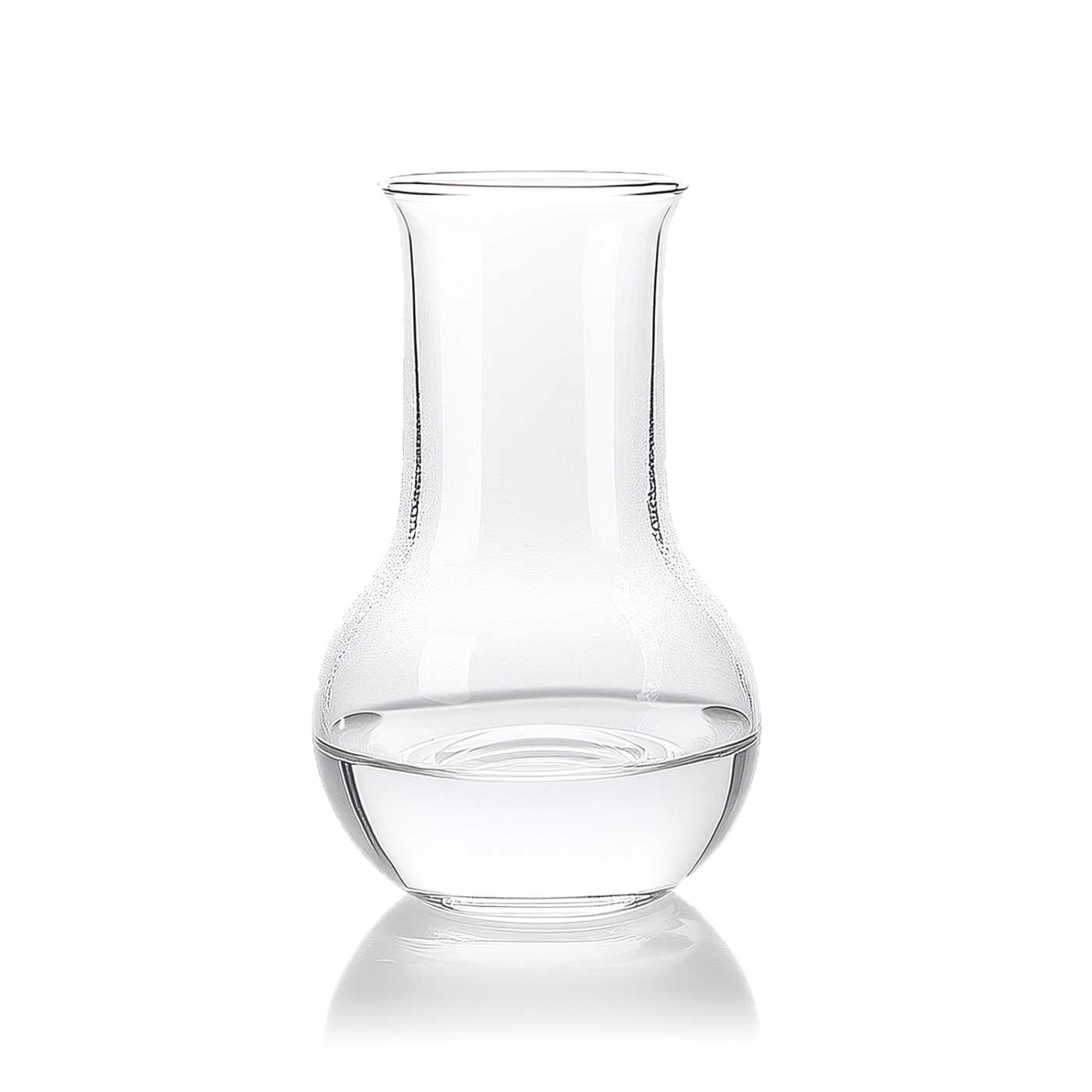
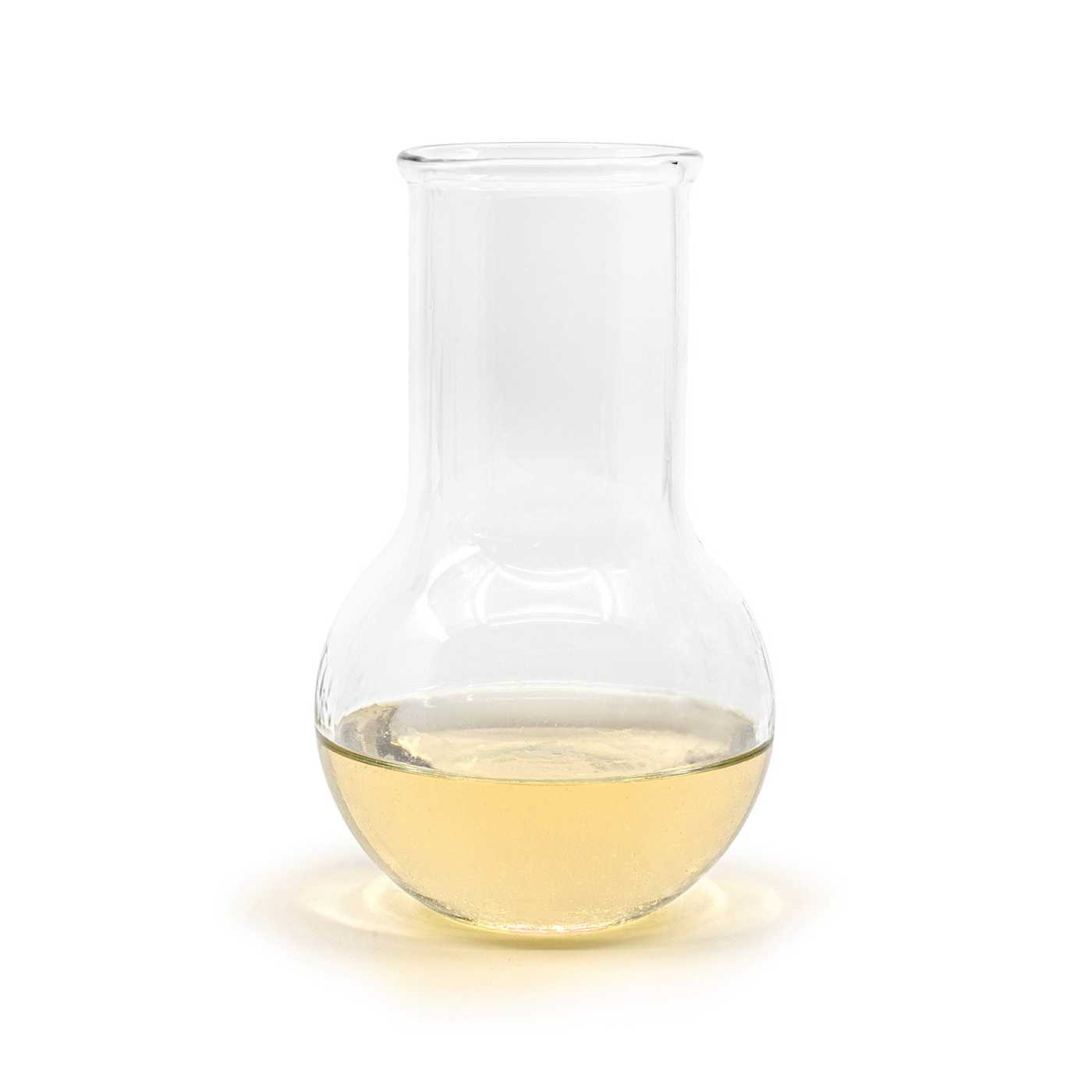
Sodium Laureth Sulfate (SLES) 26 % is an anionic surfactant – an ethoxylated derivative of lauryl alcohol, which is subsequently sulfated and neutralised to the sodium salt. full description
Lowest price in the last 30 days: €6.49
Product description
Sodium Laureth Sulfate (SLES) 26 % is an anionic surfactant – an ethoxylated derivative of lauryl alcohol, which is subsequently sulfated and neutralised to the sodium salt. The base is a fatty alcohol (often from coconut/palm sources) that is ethoxylated (addition of ethylene oxide) and then undergoes sulfation; the result is a high-foaming detergent with wide application in cosmetics and household/personal care products.
The 26 % concentration means it is an aqueous solution with approximately 26 % active surfactant matter (the remainder is water and accompanying components typical for this type of raw material). SLES is known for strong foam generation and good cleansing performance, which is why it is often used as the base for shampoos, shower gels and liquid soaps; the mildness of the finished product is usually improved by combining it with amphoteric surfactants (betaines), non-ionic surfactants and humectant ingredients.
Key benefits
- Excellent foaming – quickly produces rich foam and a pleasant “foam feel”.
- Strong cleansing performance – suitable for wash-off products requiring higher degreasing power.
- Stable and universal base – proven surfactant for shampoos, shower gels and soaps.
- Good compatibility – easily combined with betaines, glucosides, sarcosinates and conditioning ingredients.
- Practical 26 % concentration – easier dosing and dilution during manufacturing.
Suitable for products such as
- Shampoos (classic and “performance” shampoos).
- Shower gels and body wash gels.
- Liquid soaps and hand wash gels.
- Cleansing gels (rinse-off) – with appropriate composition and pH.
- Bath foam and products with enhanced foaming.
Use in formulation
- Soluble in: water (supplied as an aqueous solution).
- Miscible with: anionic, amphoteric and non-ionic surfactants; for improved mildness and more stable foam it is often combined with Cocamidopropyl Betaine or Coco-Betaine.
- Compatible with: humectants (glycerin, propanediol), chelating agents and conditioning polymers; viscosity can often be adjusted using salt-thickening or polymers (depending on the overall surfactant system).
- Dosage (guideline): according to the target level of active surfactants in the finished product; since this is a 26 % solution, the percentages in the formula are set higher than with more concentrated SLES raw materials.
- Processing tip: during manufacturing, minimise air incorporation (low shear, agitator below the surface); add salt gradually after complete homogenisation to avoid exceeding the viscosity maximum.
Safety and storage
- Avoid contact with eyes; in case of eye contact, rinse with water.
- When working with surfactants, use appropriate protective equipment and minimise aerosol formation.
- Store in a tightly closed container, in a dry place, away from direct sunlight and sources of heat.
- For products intended for sensitive skin, soften the system with suitable co-surfactants and humectants, and adjust pH according to the product type.
FAQ
Betaines improve the creaminess and stability of the foam and at the same time make the cleansing profile milder. The blend is usually more pleasant on the skin and its viscosity is often easier to adjust.
SLES is an ethoxylated sulfate and typically shows different foaming and viscosity behaviour compared with SLS, and it is often perceived as “milder” in use. In practice, however, mildness is always determined by the entire surfactant system, pH, fragrance and preservation.
Surfactant systems reach a maximum viscosity at a certain salt concentration. If you exceed this, the micelles change and the viscosity decreases. Dose the salt in small increments and always allow the mixture to become fully mixed.
Yes, it is often used specifically in clear gels. However, clarity is influenced by the fragrance, solubilisation system, surfactant ratio, thickening and pH, so it is advisable to fine-tune the formula at the end and carry out stability tests.
Adding an amphoteric co-surfactant, reducing the overall level of active surfactants, supplementing with humectants and, in hair products, using conditioning polymers can help. A properly adjusted pH is also important.
See also other surfactants available from Handymade.sk.
Parameters
- INCI
- Sodium Laureth Sulfate
- CAS No.
- 68891-38-3
- EC number
- 500-234-8
- Country of origin
- European Union
- Grade
- Cosmetic Grade
- Processing method
- EthoxylationSulfation
- Odour
- Charakteristická
- Appearance
- Kvapalina
- Active surfactant matter
- Spĺňa %
- Formulation phase
- Water phase
- Function in formulation
- Foaming agent
- Recommended processing temperature (°C)
- < 60 °C
- Recommended dosage range (%)
- 5 - 40 %
- Solubility
- Water-soluble
- Application type
- Rinse-off
- Ionic character
- Anionic
- Recommended formulation pH range
- 5 - 8
- Biodegradability
- Easily Biodegradable (OECD 301)
- Natural Index (NI ISO 16128)
- 0,00
- Natural Origin Index (NOI ISO 16128)
- 0,50
- Volume
- 1000 ml
Product documentation
Verified by customers.
No reviews yet.
Only customers with a delivered order can write reviews.