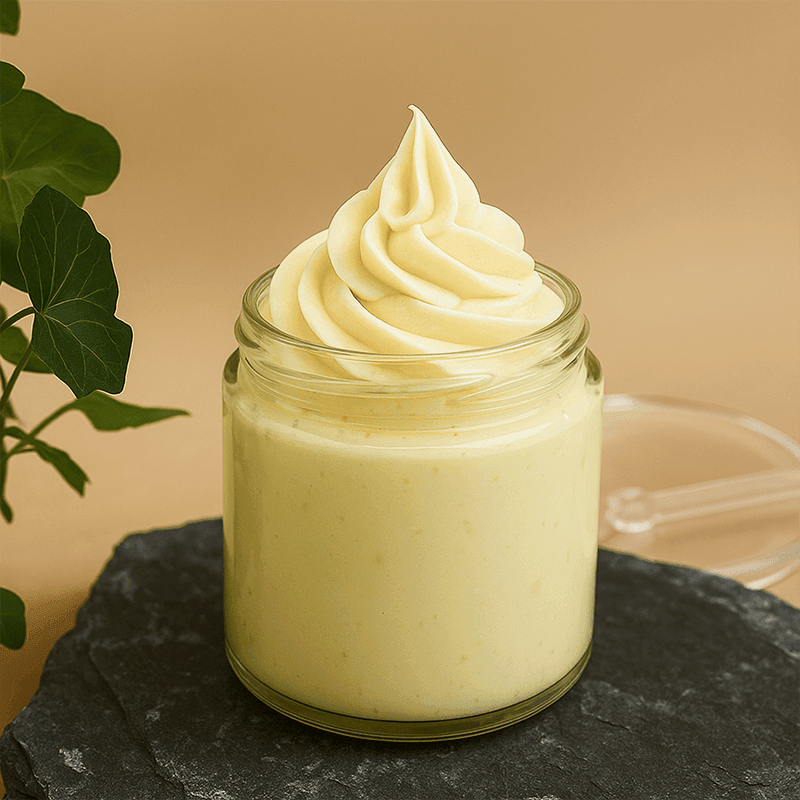
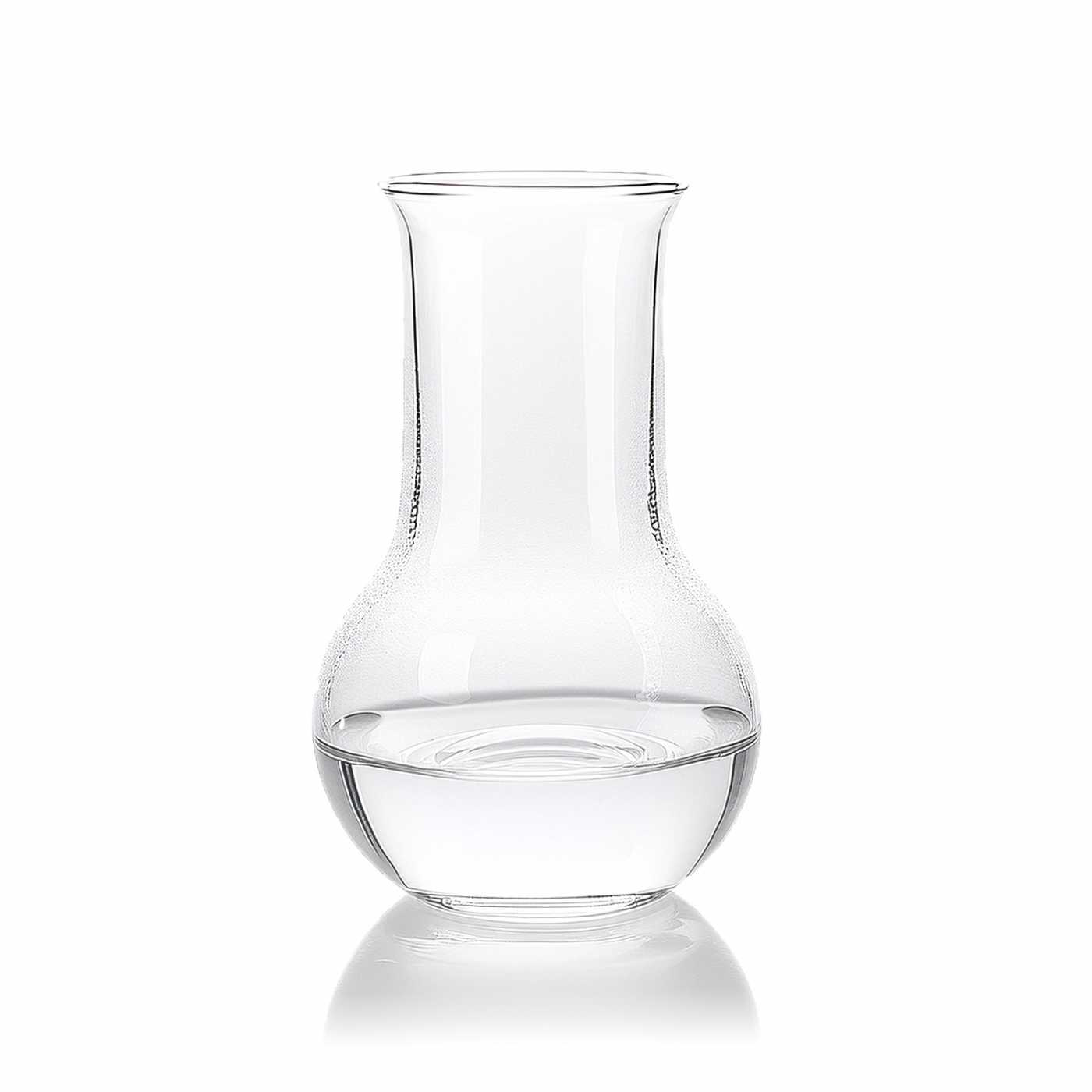
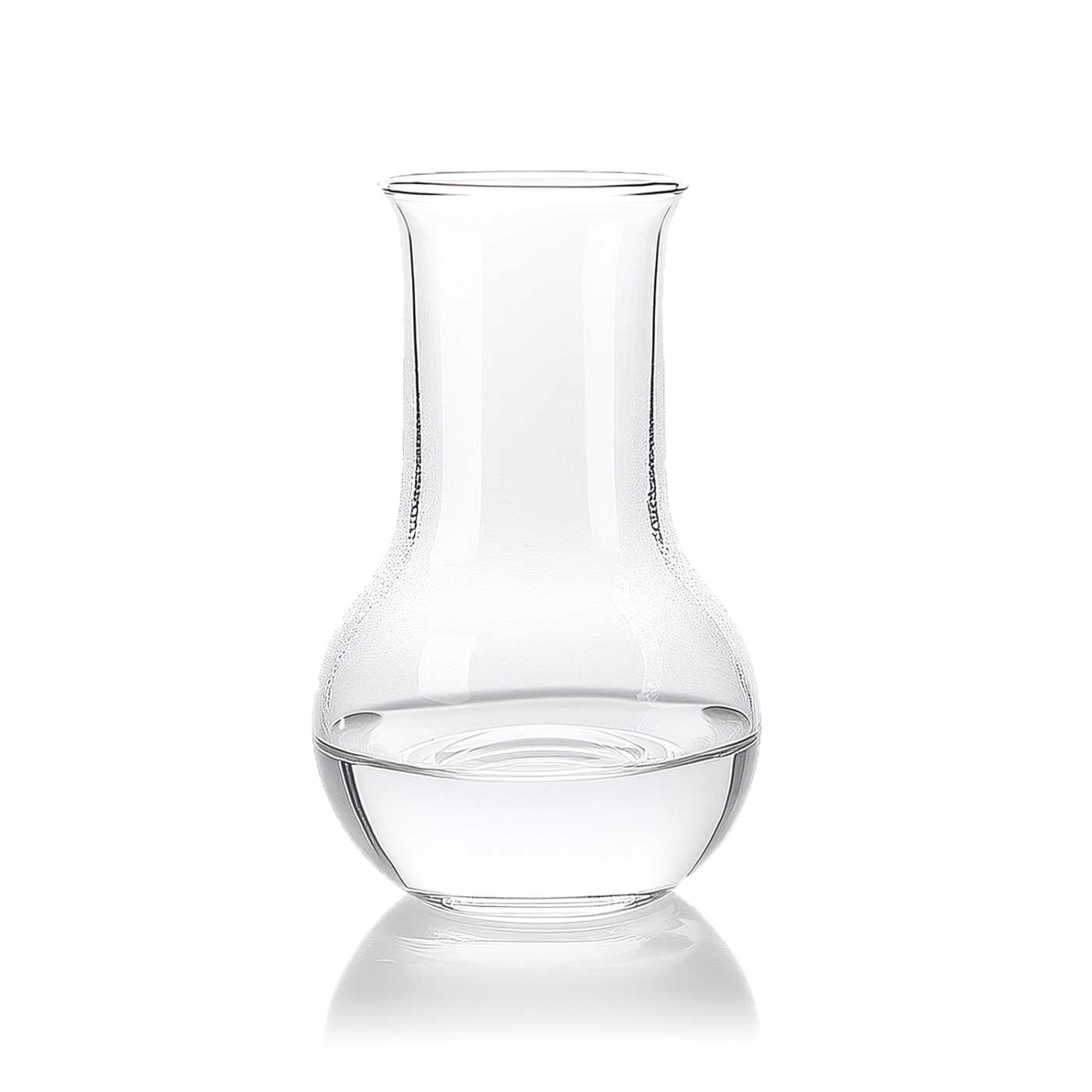
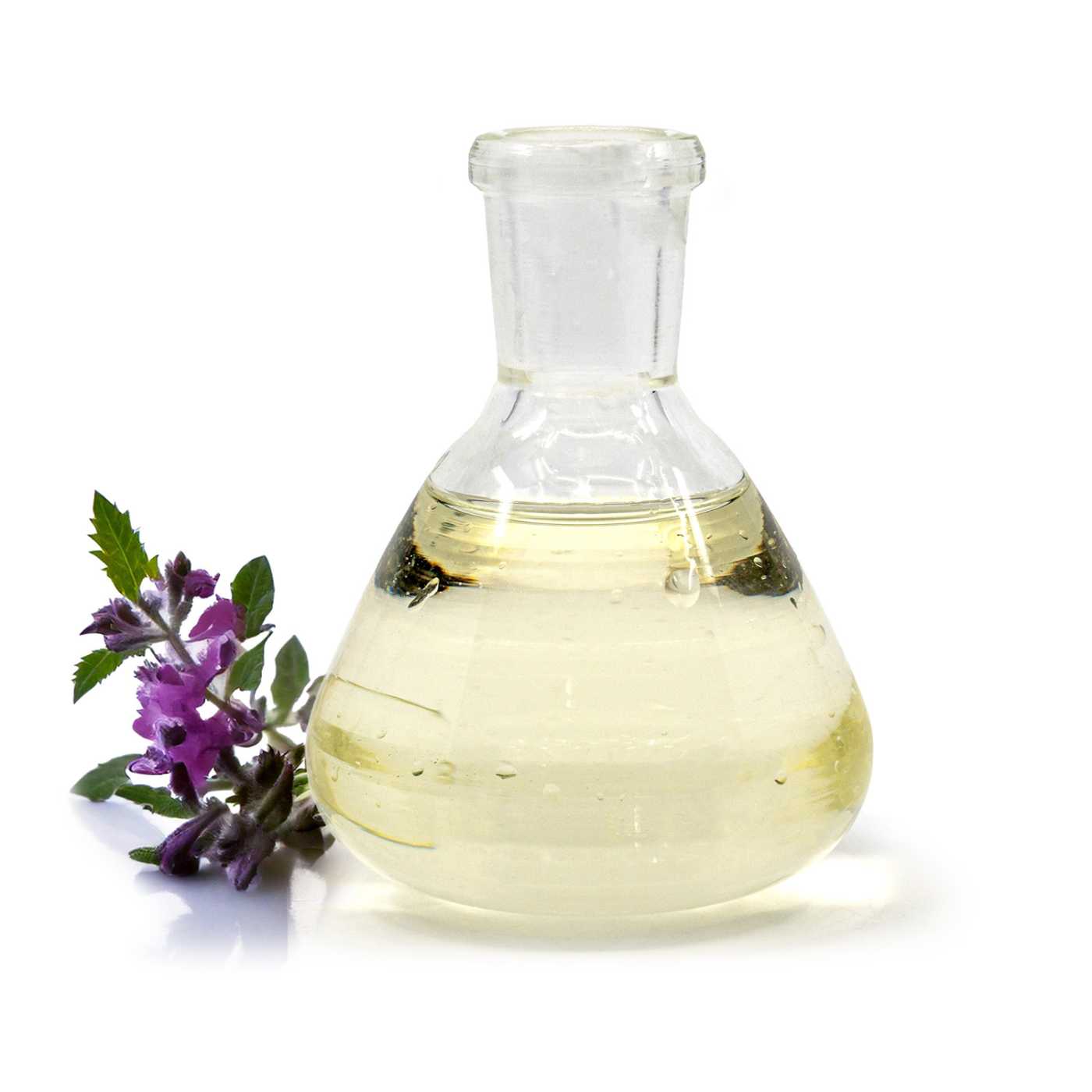
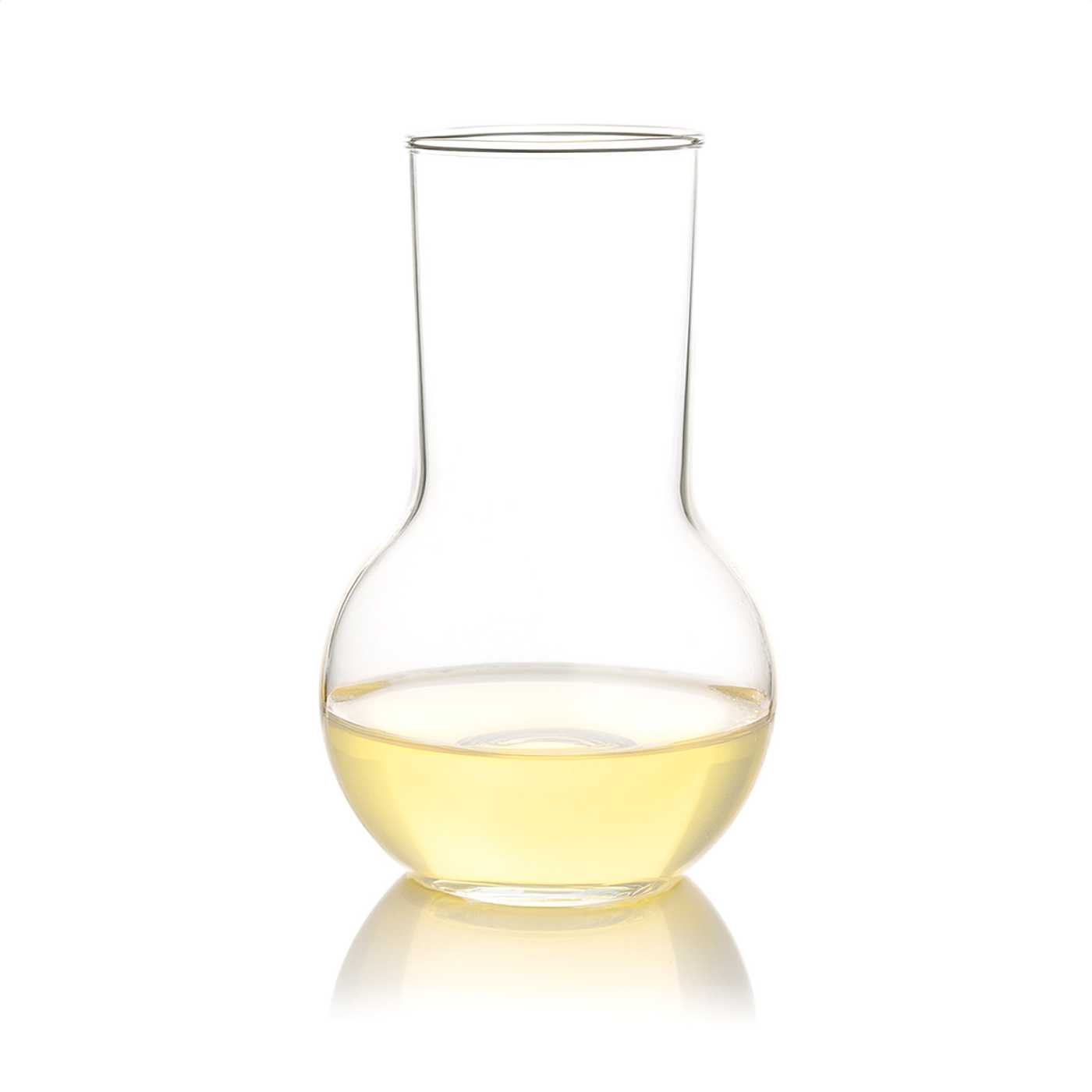
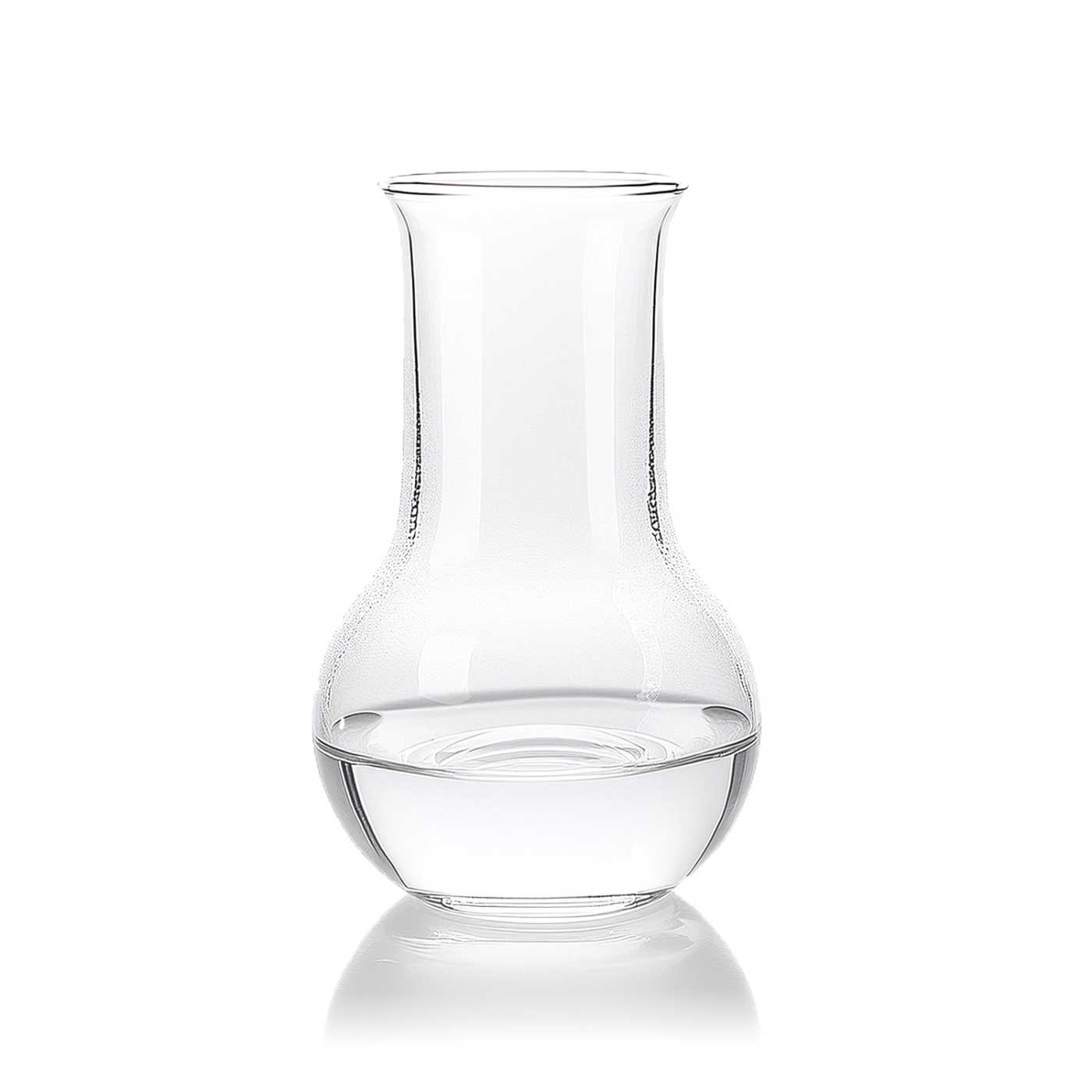
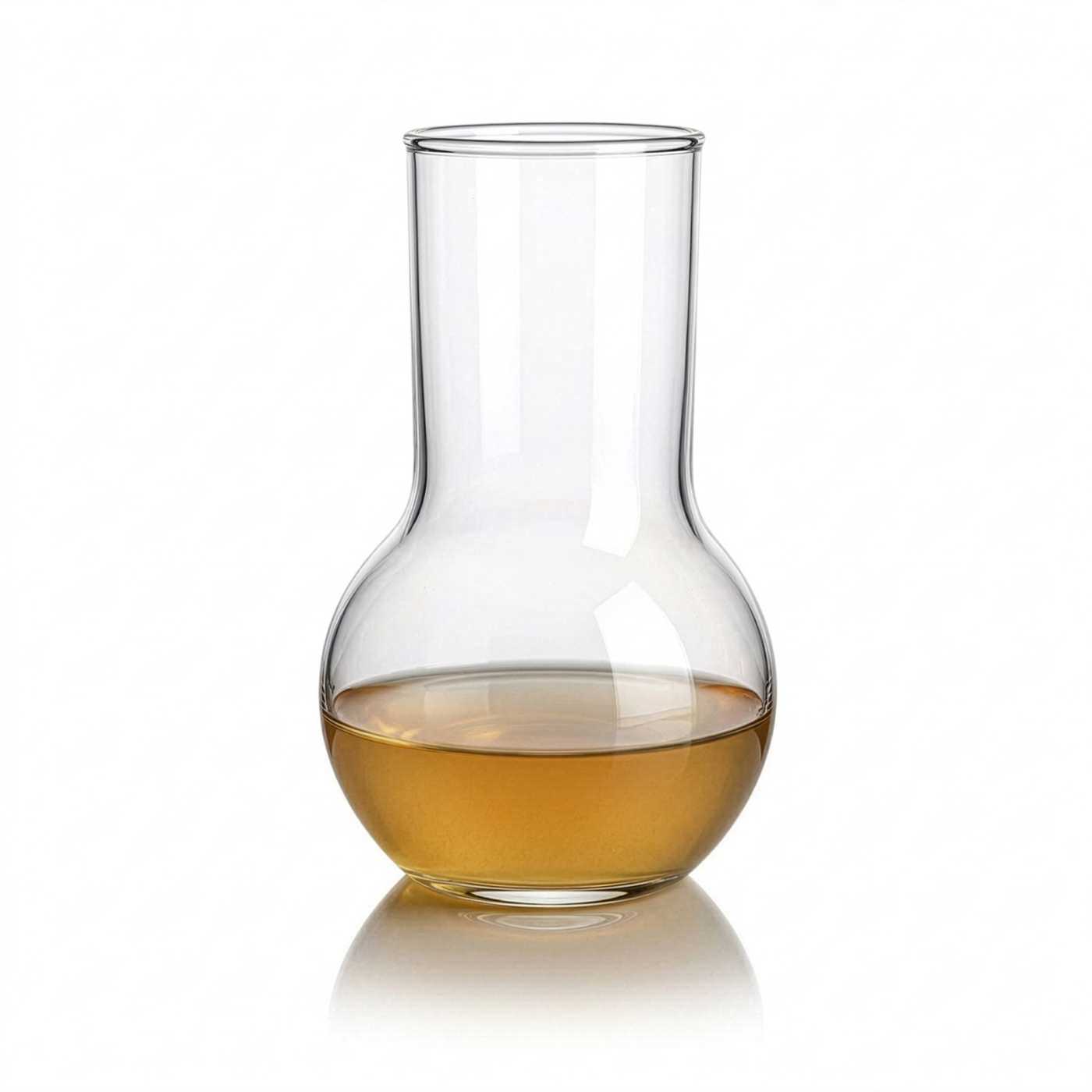
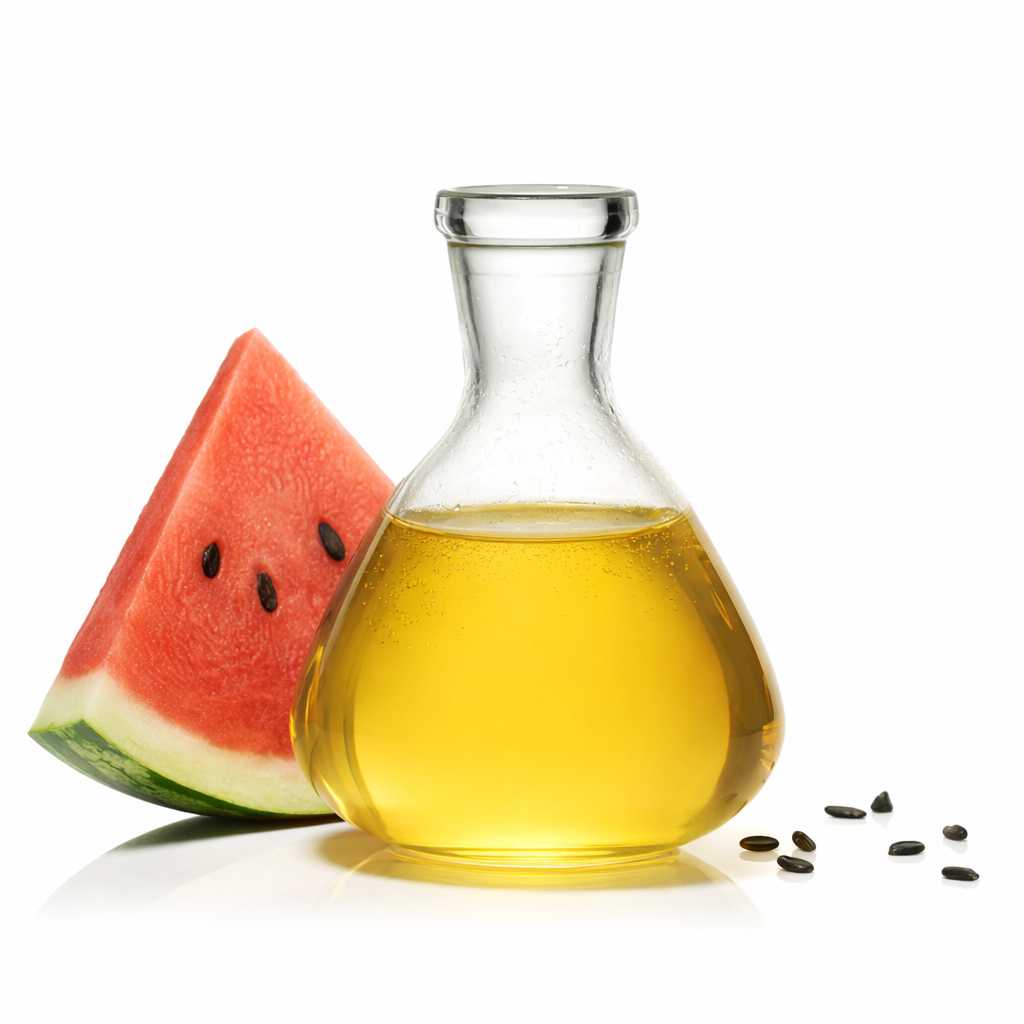
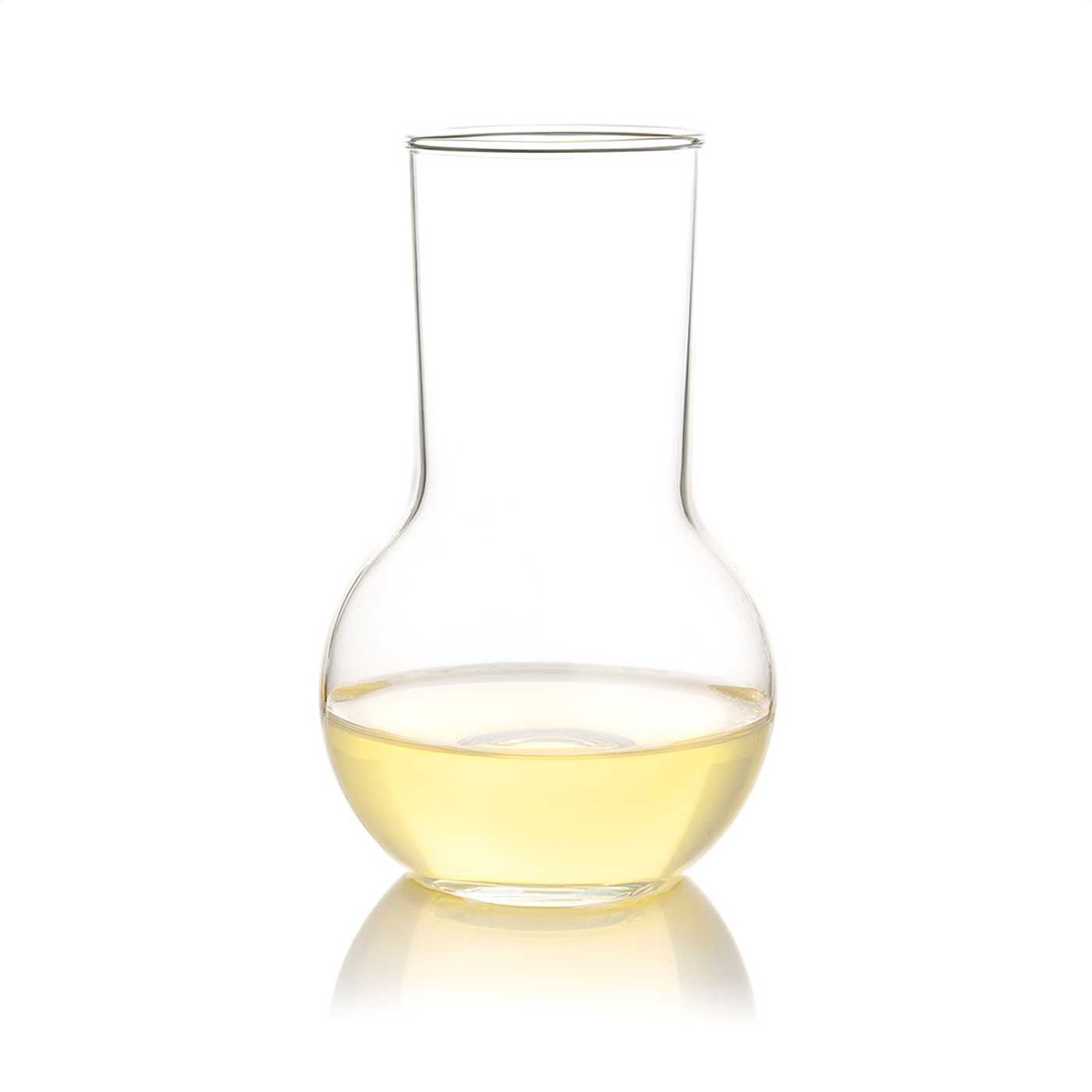
Coco-Caprylate/Caprate is a light plant-based emollient that replaces heavier oils in creams, lotions and oil preparations and gives them a non-greasy character. It spreads smoothly on the skin, leaves no greasy film and supports hydration. It is based on an ester of caprylic and capric acid with saturated fatty alcohols from coconut and palm kernel oil with RSPO MB certification, which makes it suitable even for formulations with a natural profile.
Key properties
- Medium spreading speed – an indicative value of around 800 mm²/10 min means it spreads smoothly across the skin and does not sit on it like a heavy oil. It therefore combines well with both fast and slow emollients to fine-tune the feel during application.
- Non-greasy feel – suitable where the customer wants neither shine nor stickiness, for example in day creams, body lotions and hand preparations.
- Low viscosity – it thins thicker oils, butters and esters and improves their spreadability.
- Oxidation stability – a saturated ester with a low iodine value resists yellowing and changes in scent better than unsaturated plant oils, which extends the sensory stability of the finished product.
- Broad compatibility – it works in the range of pH 3 – 12, can be processed cold or with heat, and can be used in emulsions, anhydrous products, oil serums and rinse-off cosmetics.
- Ready biodegradability – a practical argument for rinse-off preparations. The renewable carbon content is 100 %.
Use in formulation
It belongs in the oil phase. In emulsions it is added together with the other oils and emulsifiers; when processing with heat it is recommended not to exceed 80 °C. When cold, it is simply stirred into the oil phase or directly into the finished oil or serum. It is fully miscible with plant oils, esters, melted waxes and with ethanol. It does not dissolve in water, so it does not belong in aqueous toners and gels without an emulsifier or solubilizer.
The recommended dosage is 1 – 30 %. At lower proportions (1 – 5 %) it mainly adjusts the feel during application, softens the "drag" of thick oils and reduces the greasiness of butters. At higher proportions it forms the main part of the oil phase of light emulsions and dry body oils. The higher the proportion, the lighter the resulting feel. For products for dry skin, therefore supplement it with a more occlusive ingredient, for example a butter, wax or thicker oil, so the preparation nourishes for longer.
When designing an O/W emulsion, allow for a required HLB value of around 11 – 12. This helps when choosing an emulsifier or pair of emulsifiers that will keep this oil phase stable.
The raw material contains no preservatives, antioxidants or solvents. In anhydrous oils and serums it needs no preservation; a finished emulsion with a water phase is preserved in the usual way. The emollient itself does not perform a preservative function.
Suitable for products such as
- Light facial and body emulsions – day creams and body lotions where the feel should be non-greasy.
- Dry body and massage oils – as a base or an ingredient that reduces the greasiness of plant oils.
- Oil serums and cleansing oils – a light oil component that is easily removed during rinsing.
- Hand and foot creams – the non-greasy feel is appreciated especially by users who apply the product during the day.
- Hair care – oil treatments, serums for hair ends and leave-in preparations, where it does not weigh the hair down with a heavy film.
- Shower and bath oils – ready biodegradability is an advantage in rinse-off formulations.
Good to know when formulating
- At temperatures below 8 – 15 °C the liquid may become cloudy. Before measuring, let it warm to room temperature and stir.
- In anhydrous products with butters and waxes it reduces the firmness of the mixture. For balms and solid sticks, therefore adjust the ratio of waxes so the product holds its shape.
- It is compatible with common cosmetic raw materials with no known restrictions. For oil-soluble active ingredients it can also be used as a carrier to pre-dissolve them before adding to the emulsion.
- Compared with plant oils such as sunflower or almond, it brings no unsaturated fatty acids or accompanying substances. Its role is technological: to adjust the feel, spreadability and stability of the oil phase.
The raw material is not classified as hazardous and does not require a safety data sheet. When working with larger volumes, nevertheless keep containers clean and protect it from moisture so that no water gets into the oil phase.
Frequently asked questions
Is Coco-Caprylate/Caprate soluble in water?
No, it does not dissolve in water. It is miscible with plant oils, esters, melted waxes and with ethanol. It can only be incorporated into aqueous products such as toners or gels with the help of an emulsifier or solubilizer, otherwise it separates on the surface.
How much Coco-Caprylate/Caprate is added to a cream?
The recommended dosage is 1 – 30 % of the total weight of the formulation. In creams it is commonly used as part of the oil phase. A lower proportion softens the feel of heavier oils, a higher proportion gives a markedly light emulsion. Choose the final proportion according to the skin type and the desired feel.
Can Coco-Caprylate/Caprate be added cold?
Yes, it is added both cold and with heat. When processing with heat it is recommended not to exceed 80 °C. In anhydrous oils and serums it is simply stirred into the other oil components without heating; in emulsions it is included in the oil phase before emulsification.
Can Coco-Caprylate/Caprate be used in hair care?
Yes, it is used in oil treatments, serums for hair ends and leave-in preparations. As a light emollient it leaves no heavy film on the hair. It is also suitable for rinse-off preparations, where its ready biodegradability is an advantage.
Is Coco-Caprylate/Caprate of plant origin?
Yes, it is made from coconut and palm kernel oil, and the palm component has RSPO MB certification. The raw material is vegan, GMO-free, paraben-free and free of allergenic fragrances. It is suitable for all skin types and for both rinse-off and leave-in preparations for the face, body, hands and hair.