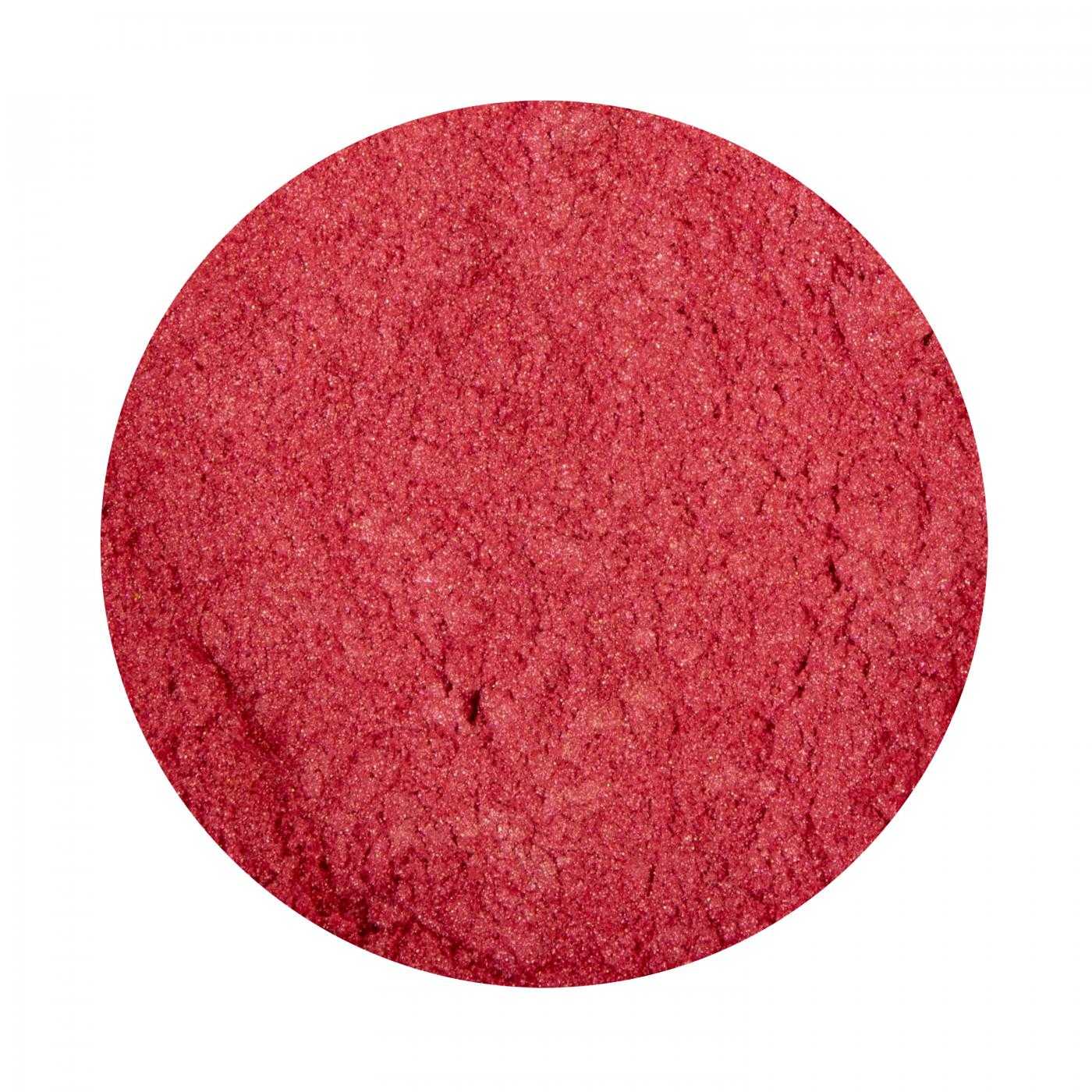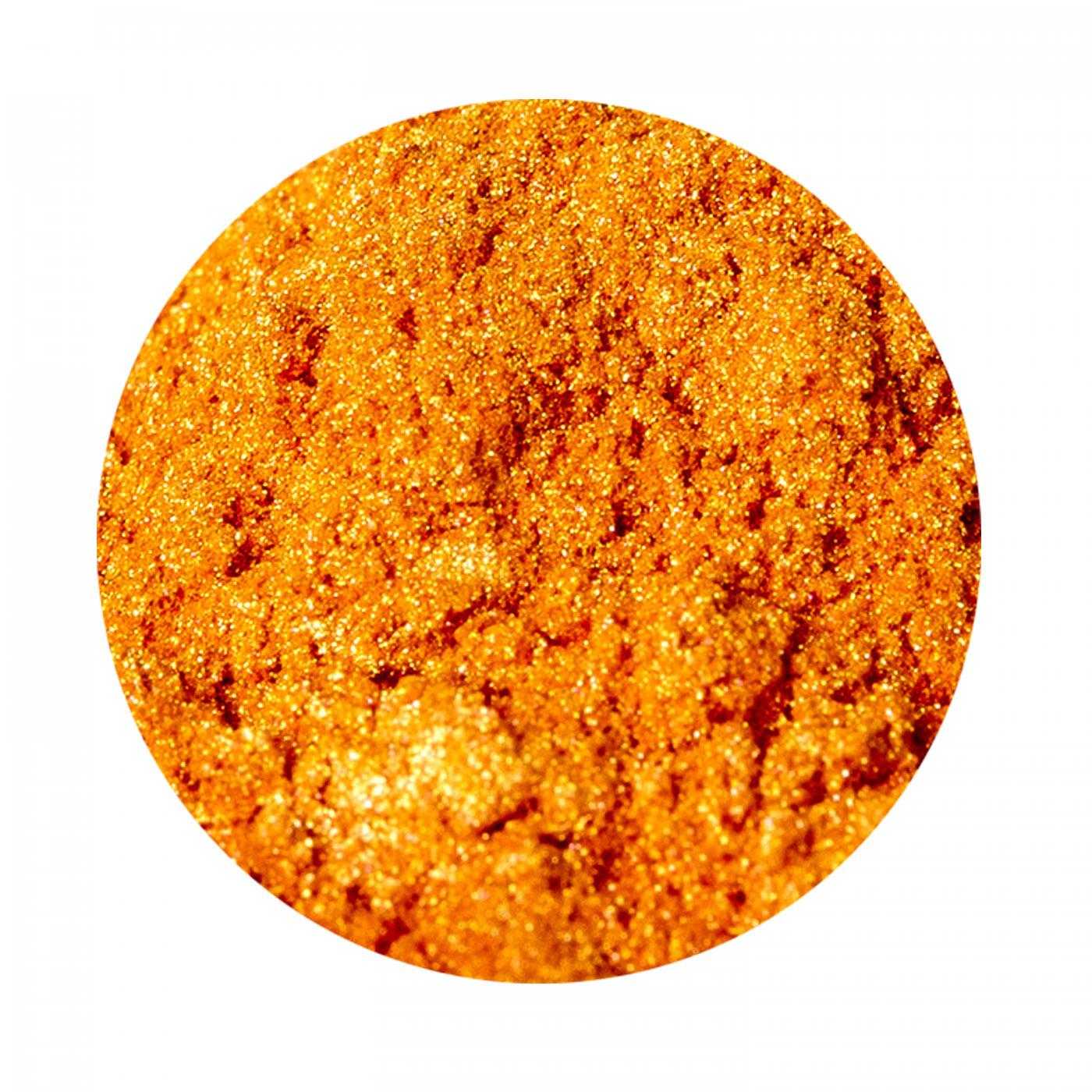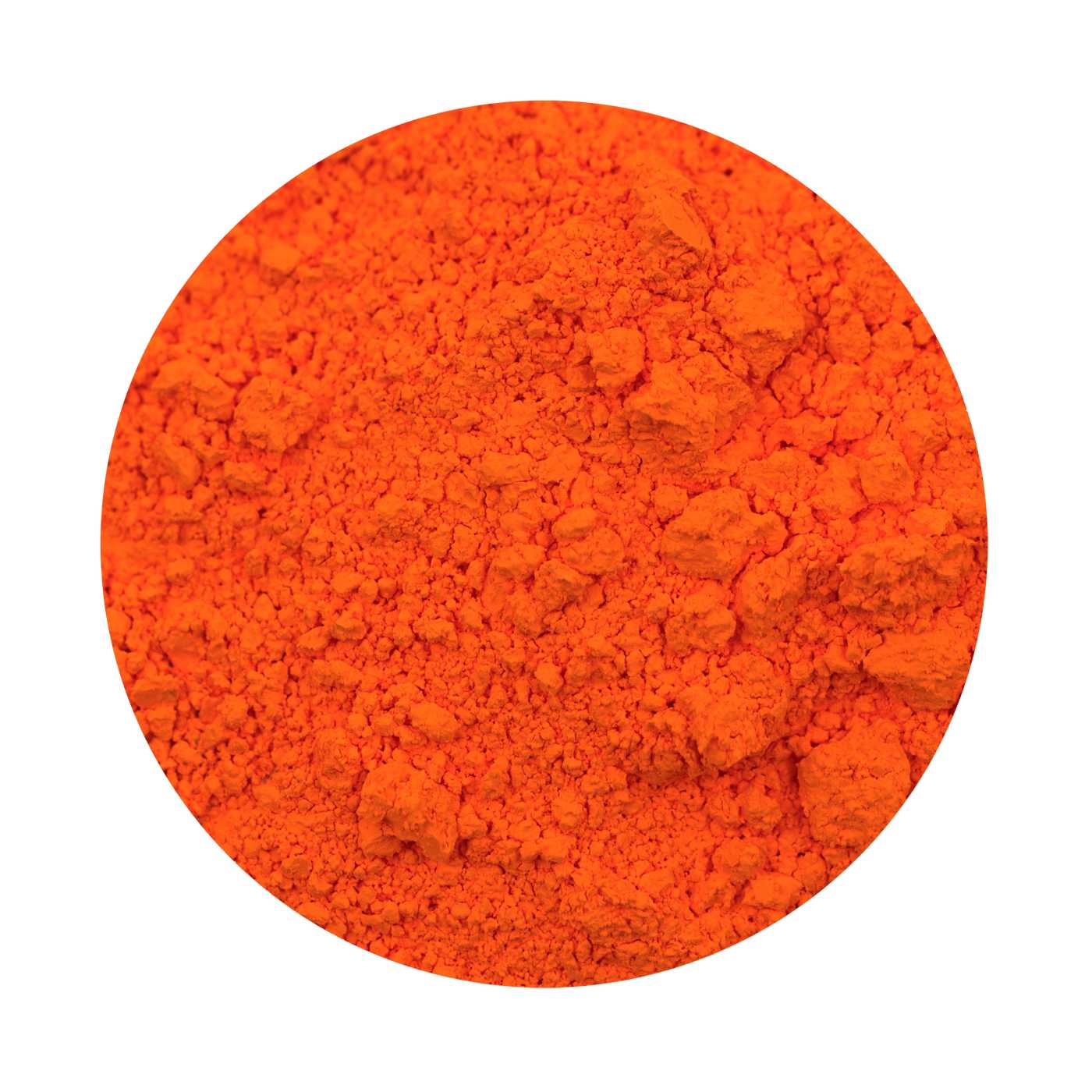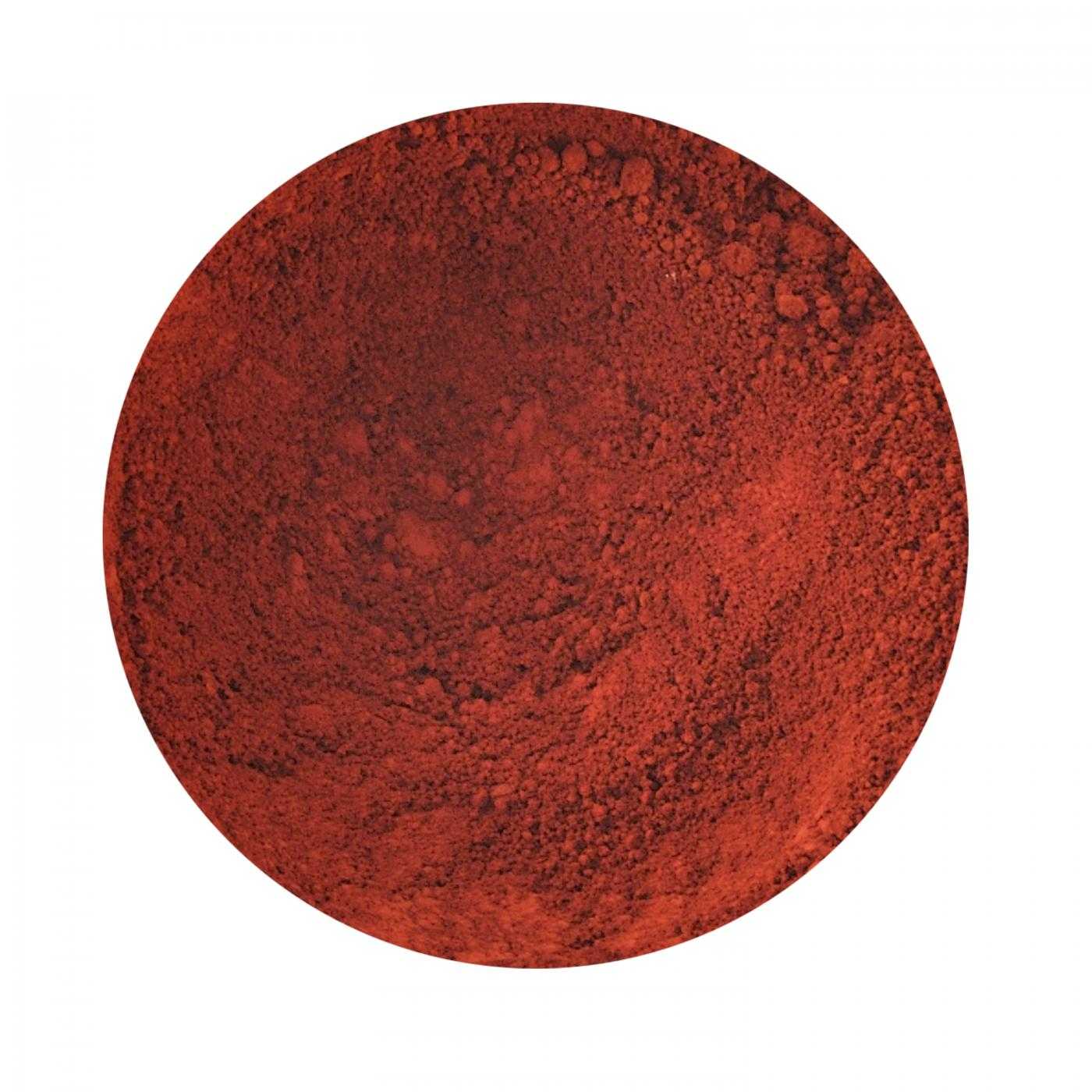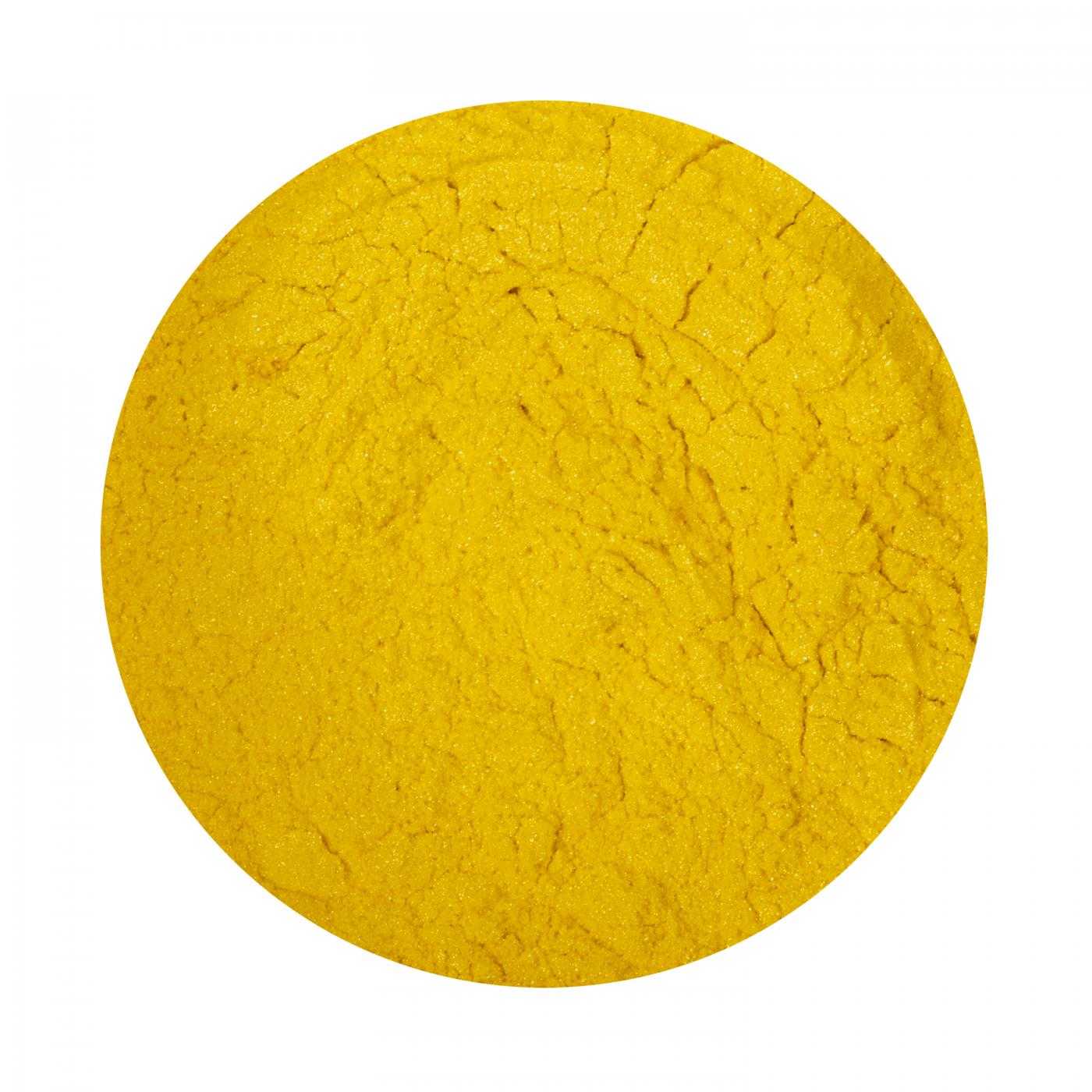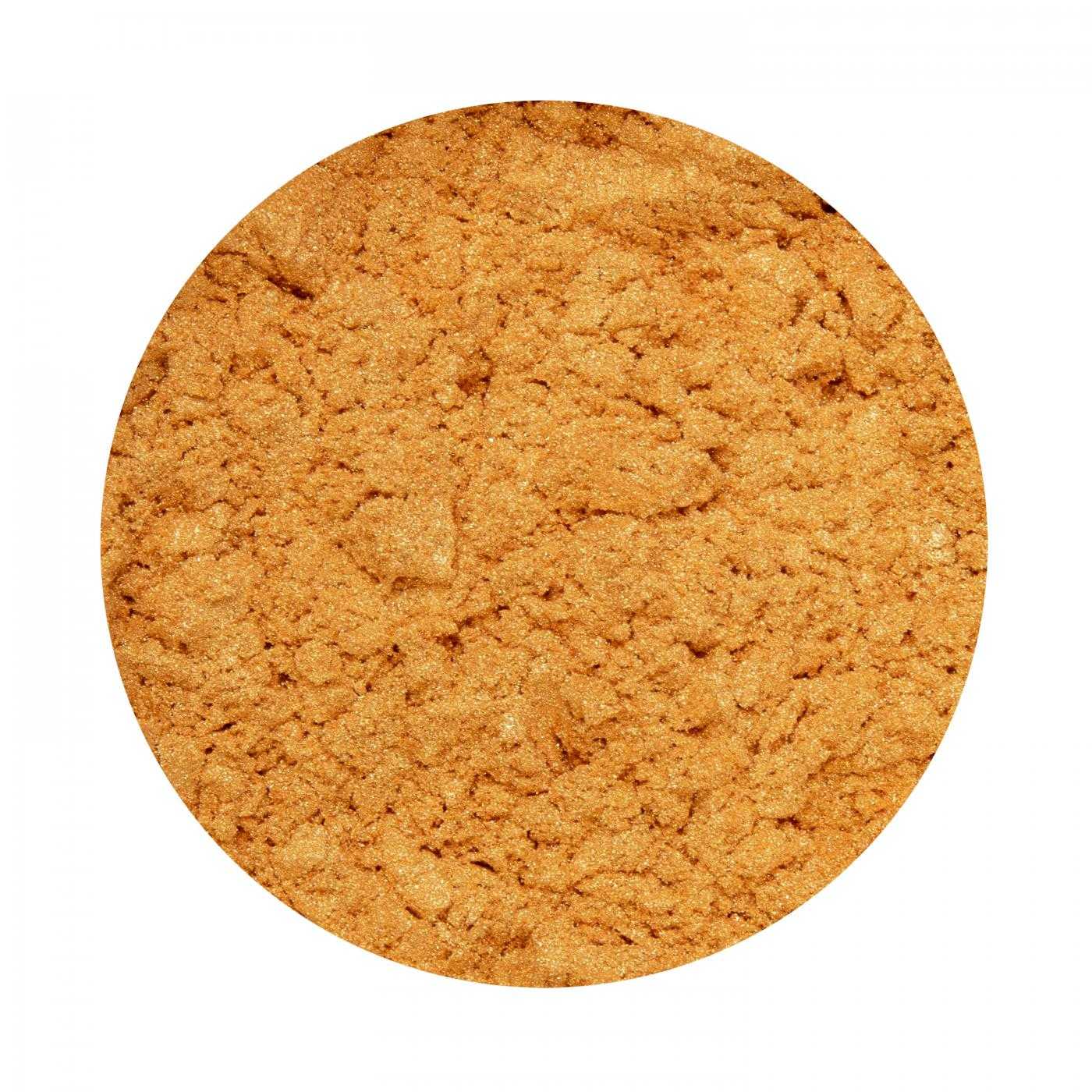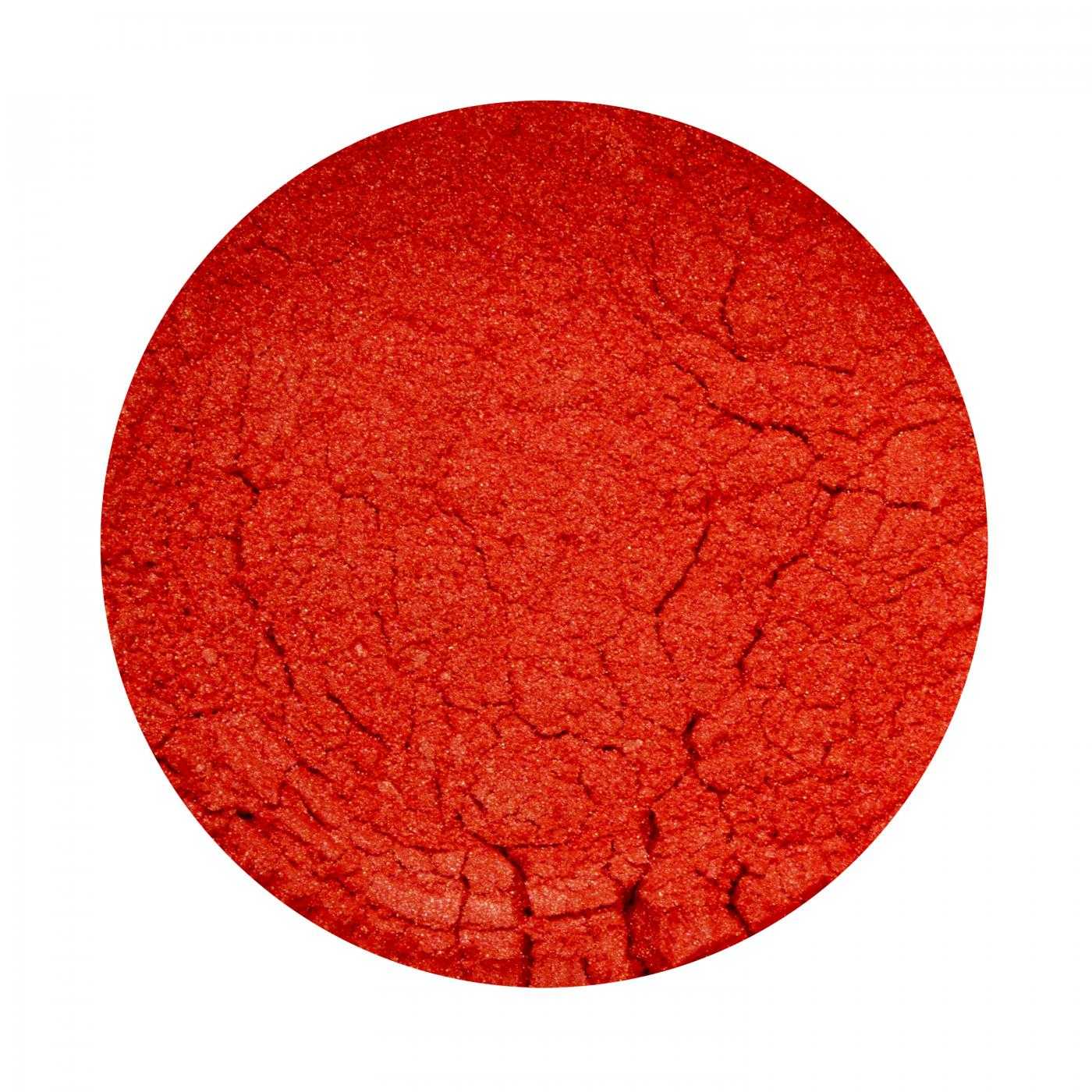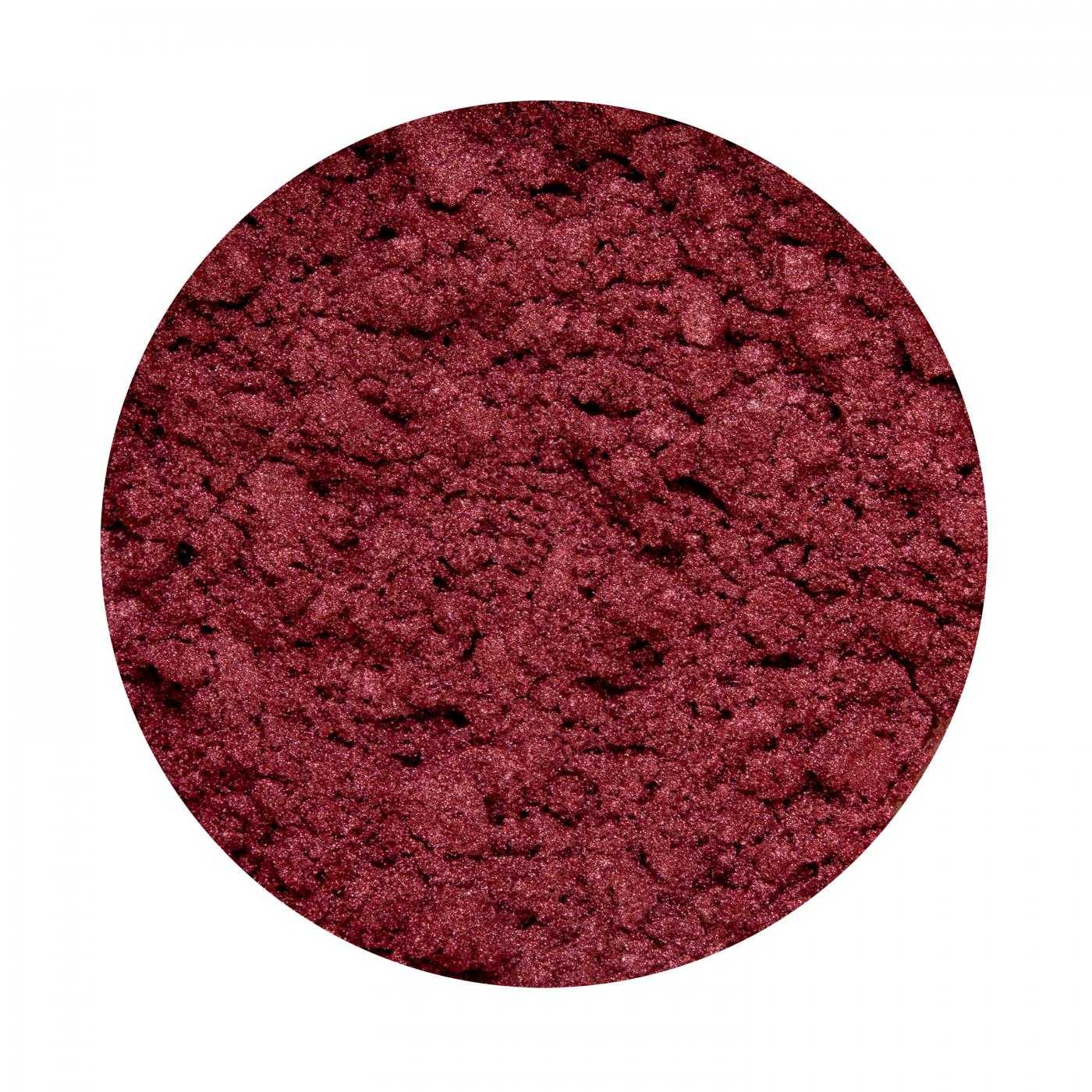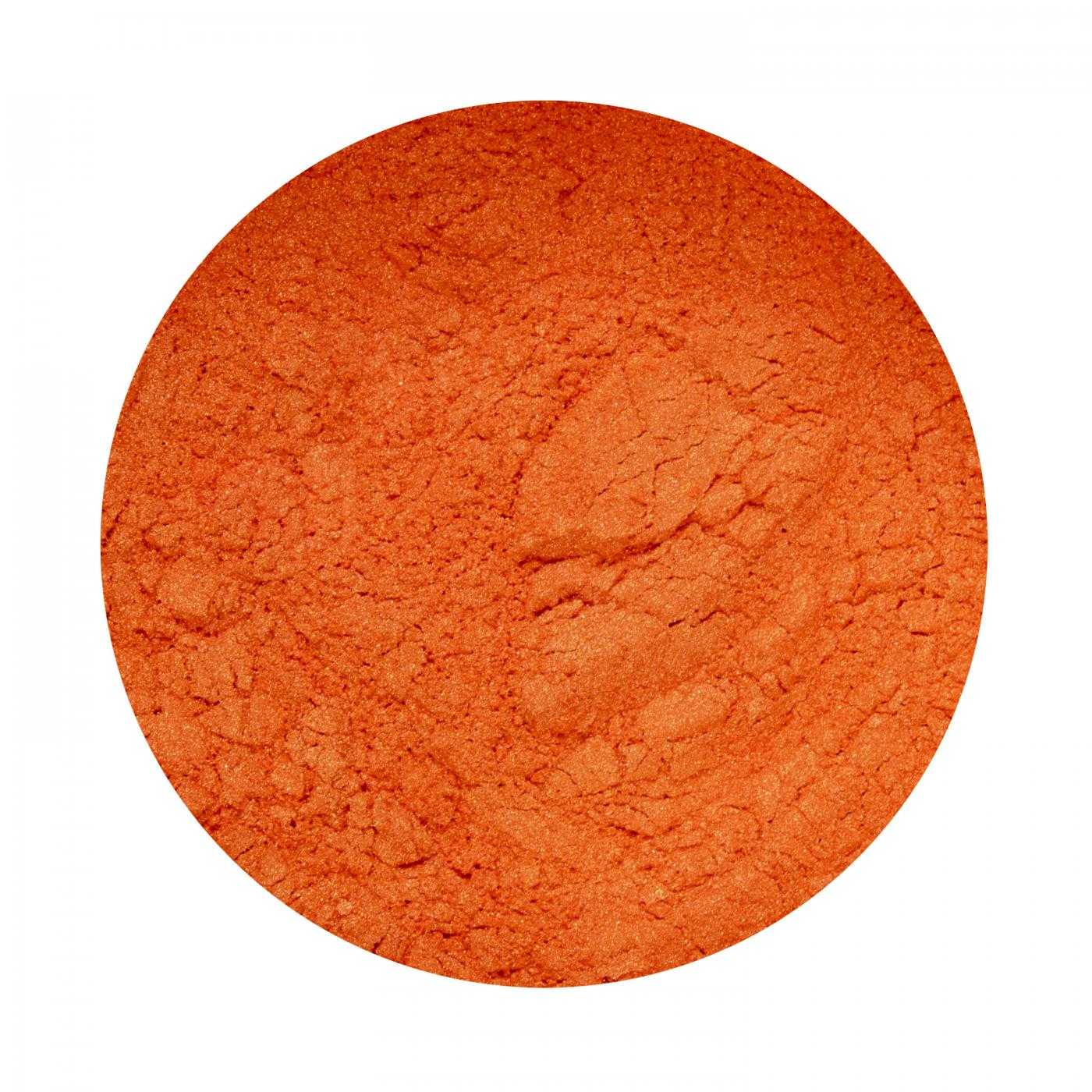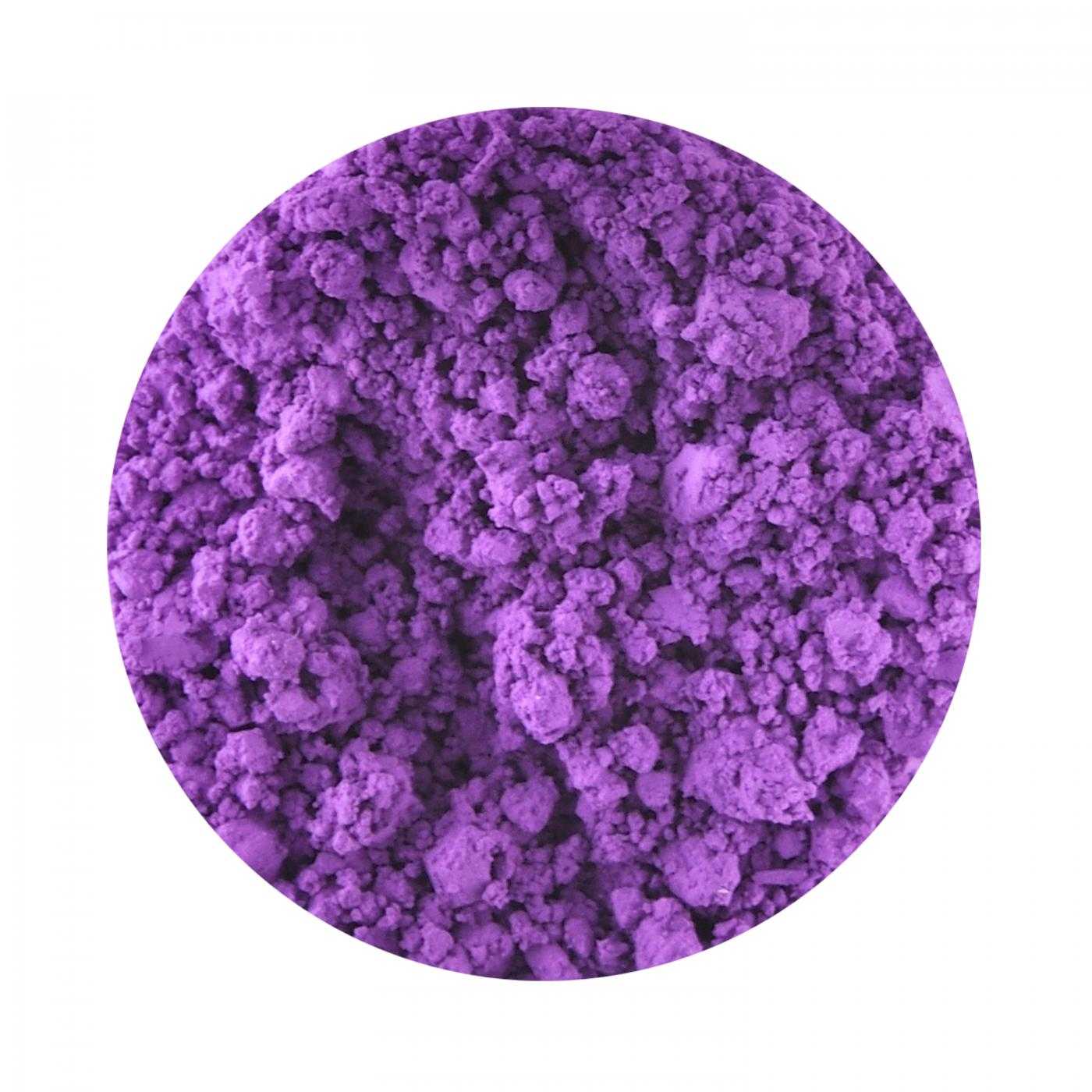
Manganese Violet, 10 g
Pre-order€2.09(€209.00/kg)

ULTRAMARINS
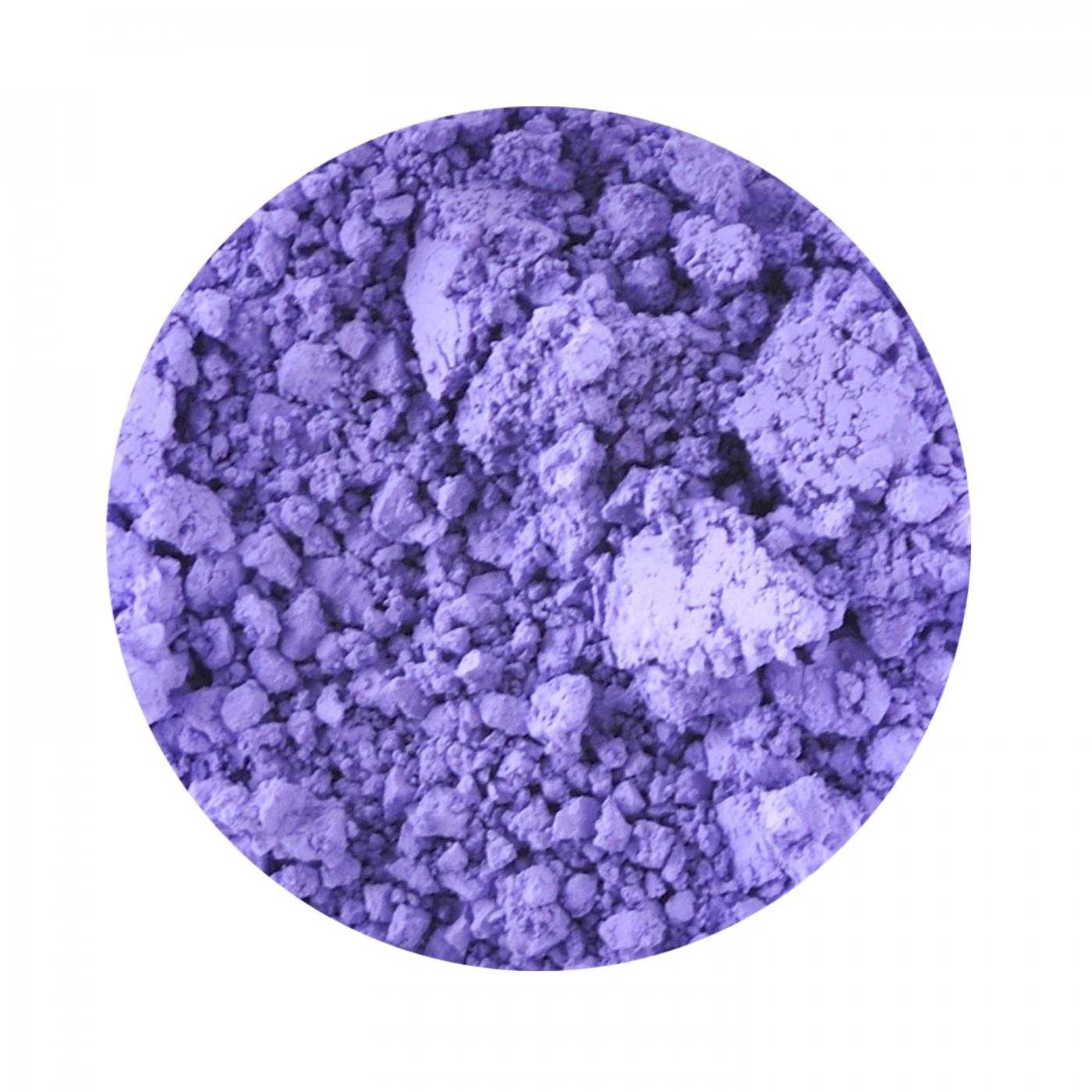
Violet ultramarine with a red undertone is an inorganic pigment for colouring soaps, candles, decorative cosmetics and bath salts. full description
Lowest price in the last 30 days: €46.19
Violet ultramarine with a red undertone is an inorganic pigment for colouring soaps, candles, decorative cosmetics and bath salts. It holds its colour in an alkaline environment, in light and at high temperature, so it does not fade in soap or in a candle. Acids, on the other hand, break it down, so it does not belong in acidic products.
The pigment does not dissolve in water or in oil. Its particles disperse in the mass and colour it as a whole. They have an average size of 1.7 µm and give a matte violet with a red undertone.
Ultramarine is produced synthetically from raw materials such as kaolin and sulphur, by calcination followed by grinding. Its original blue form was once ground from the semi-precious stone lapis lazuli. The colour is carried by sulphur radicals enclosed in the crystal lattice of the pigment. As long as the lattice holds, the shade does not change.
Ultramarine is very resistant to alkalis. The recommended pH of the product is 7–11, which also corresponds to soap bases, and the colour lasts even in alkaline soap.
In an acidic environment it behaves the opposite way. The acid breaks down the crystal lattice, the pigment fades and the released sulphur forms hydrogen sulphide, which smells of rotten eggs. Mineral acids act quickly, acetic acid much more slowly. The change is irreversible, and a faded product cannot be repaired.
Heat and light do not harm the colour. The pigment withstands temperatures above 260 °C and its lightfastness is rated 7–8 on the Blue Wool Scale, which is excellent. It is also suitable for products that are poured hot.
Ultramarine does not belong in acidic products or in contact with acids. This applies to citric acid in bath bombs as well as to acidic toners and peels. The colour fades in them and a sulphur odour may appear.
The pigment is added to the oil phase or afterwards to the finished product. It can be dispersed in both water and oil, but if poured directly into the mass, it easily forms lumps and colour spots.
Before adding it, grind the pigment with a small amount of oil or glycerine. It will then disperse evenly in the mass.
The usage rate is 0.5–10% depending on the required intensity. In a stick highlighter with an oil and wax base, approximately 0.5% is used.
Ultramarine is handled similarly to iron oxides and can be freely mixed with them. In combination with red pigments, for example carmine, rich purple and violet shades are created.
Ultramarine is the cosmetic pigment CI 77007, permitted under Annex IV of Regulation (EC) No 1223/2009. It is not classified as hazardous under CLP, contains no nanomaterials and is odourless.
When working with the powder, avoid inhaling the pigment. Use a dust respirator and eye protection when weighing and pouring it.
Only customers with a delivered order can write reviews.