+421 950 333 113info@handymade.storeActive Days: −10 % with code ACTIVE10Shop now

VITAMINS AND ANTIOXIDANTS

THDA, Oil Soluble Vitamin C, 30 ml

Pack size5 ml30 ml100 ml

Vitamin C (THDA) brings the effect of vitamin C to oil serums, facial oils and the oil phase of creams, where water-soluble ascorbic acid cannot reach. full description

AvailabilityIn stock · 21 packs
Product codeVIT009_30
BatchC25100901B
Best before10/2027
€53.99incl. VAT€1,799.67/l

Lowest price in the last 30 days: €53.99

Product description

Vitamin C (THDA) brings the effect of vitamin C to oil serums, facial oils and the oil phase of creams, where water-soluble ascorbic acid cannot reach. This oil-soluble vitamin C ester is mixed into the formulation cold and offers the skin antioxidant protection, brightening and support with uneven pigmentation.

According to the manufacturer, vitamin C (THDA) penetrates the skin well and significantly reduces the amount of free radicals formed in it after UV radiation. The manufacturer describes it as a stable derivative intended for oil-based formulations, so it is also suitable for anhydrous serums and facial oils, where water-soluble forms of vitamin C could not be used at all.


Key benefits

  • Antioxidant protection of cells – active ascorbic acid is released only in the skin, where a skin enzyme cleaves the ester bond. According to the manufacturer, it thus reduces cell damage caused by free radicals.
  • Brightening and uneven pigmentation – the manufacturer classifies the ingredient among skin-lightening substances. It belongs in facial products intended to brighten and even out skin tone.
  • Care for more mature skin – vitamin C is an established active ingredient in anti-ageing care. The oil form delivers it into serums and creams with a richer oil phase.
  • Component of sun protection products – the manufacturer states its use in sun care products, where it complements UV filters with an antioxidant component.
  • Does not lower the pH of the product – the manufacturer describes it as pH-neutral and non-irritating. The ingredient is suitable for all skin types.

Use in formulations

The ingredient is oil-soluble and insoluble in water. It mixes with vegetable oils and is added to emulsions as part of the oil phase. It cannot be incorporated into a purely water-based serum without an emulsifier or solubiliser.

The recommended processing temperature is below 40 °C. Heat is among the conditions to avoid with this ingredient, so it is not heated together with butters and waxes. The solid components are melted first, the oil phase is left to cool and only then is vitamin C (THDA) mixed in. In an oil serum it is added directly, cold.

The manufacturer states a usage rate of 0.01–20%. At higher usage rates, we recommend checking skin tolerance and the stability of the finished product. The recommended pH range of the finished product is 4.0–6.5; the ingredient tolerates both acidic and neutral environments. The pH is not measured in anhydrous oil-based products.

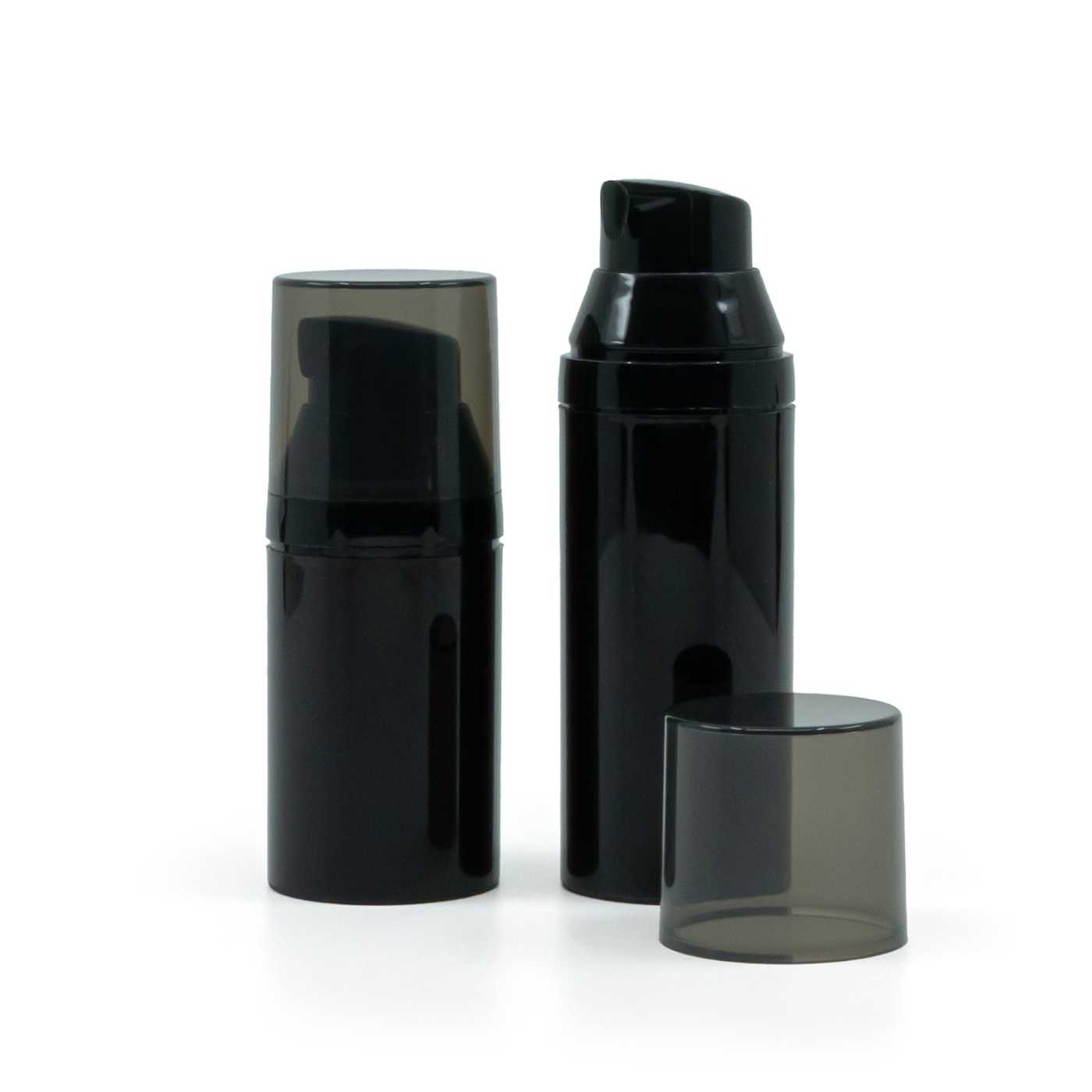
Although the manufacturer describes the derivative as stable, it decomposes quickly under oxidative stress without protection. We recommend combining it with a stabilising antioxidant, for example tocopherol, and limiting exposure to air with airless packaging or smaller pack sizes.


Suitable for products such as

  • Anhydrous oil serums – the simplest route to vitamin C in oil form. It is enough to mix it with carrier oils.
  • Brightening facial creams and emulsions – a component of the oil phase.
  • Anti-ageing serums and creams – complements other oil-soluble active ingredients.
  • Facial oils and balms – day and night care with a higher proportion of oils.
  • Sun protection products – an antioxidant component alongside UV filters.

The ingredient is intended for leave-on facial products.


Good to know

The ester itself is only a weak antioxidant and neutralises hydrogen peroxide poorly. Peroxide may continue to form as it decomposes, so it should not serve as the only antioxidant protecting the oils in a product. The oils need their own protection.

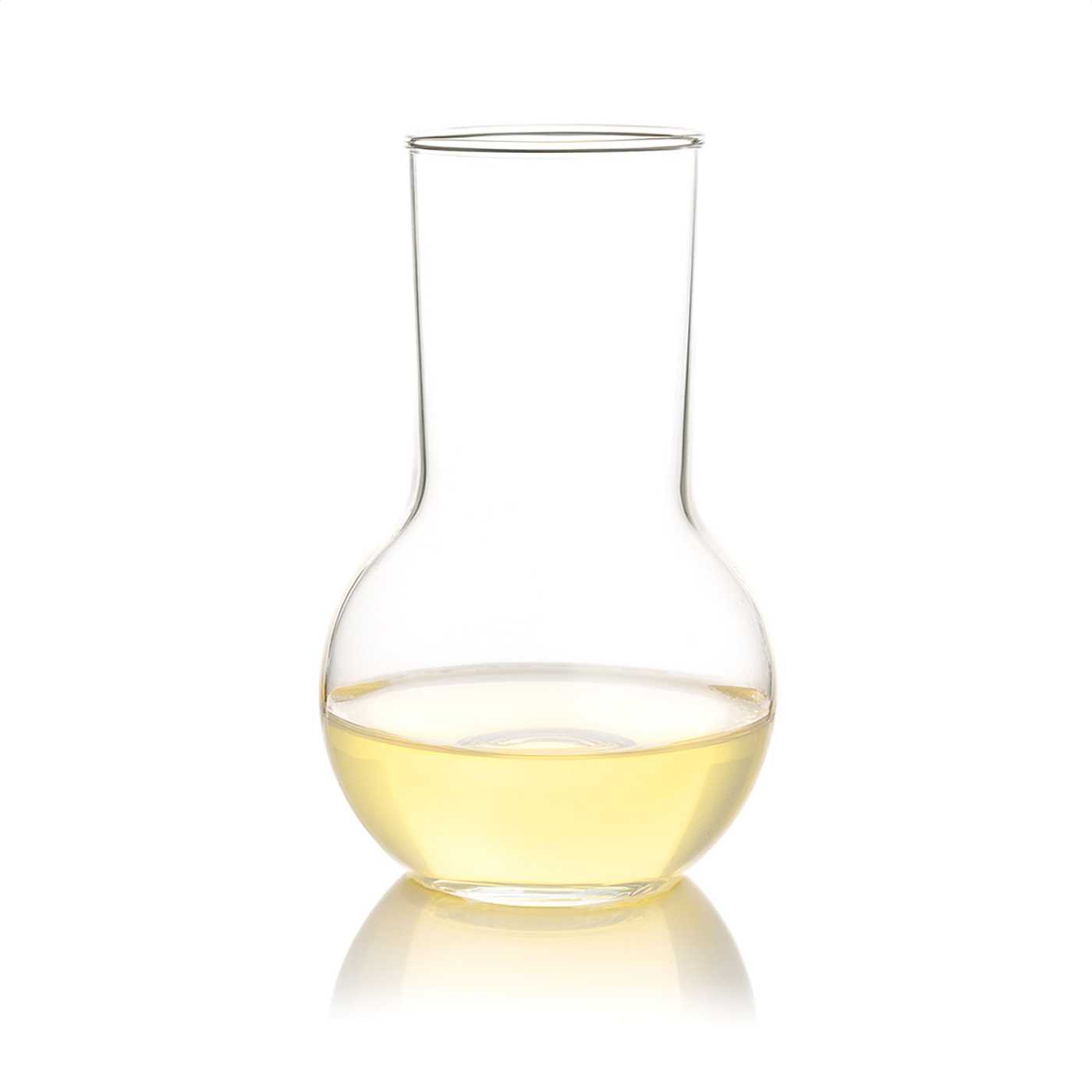
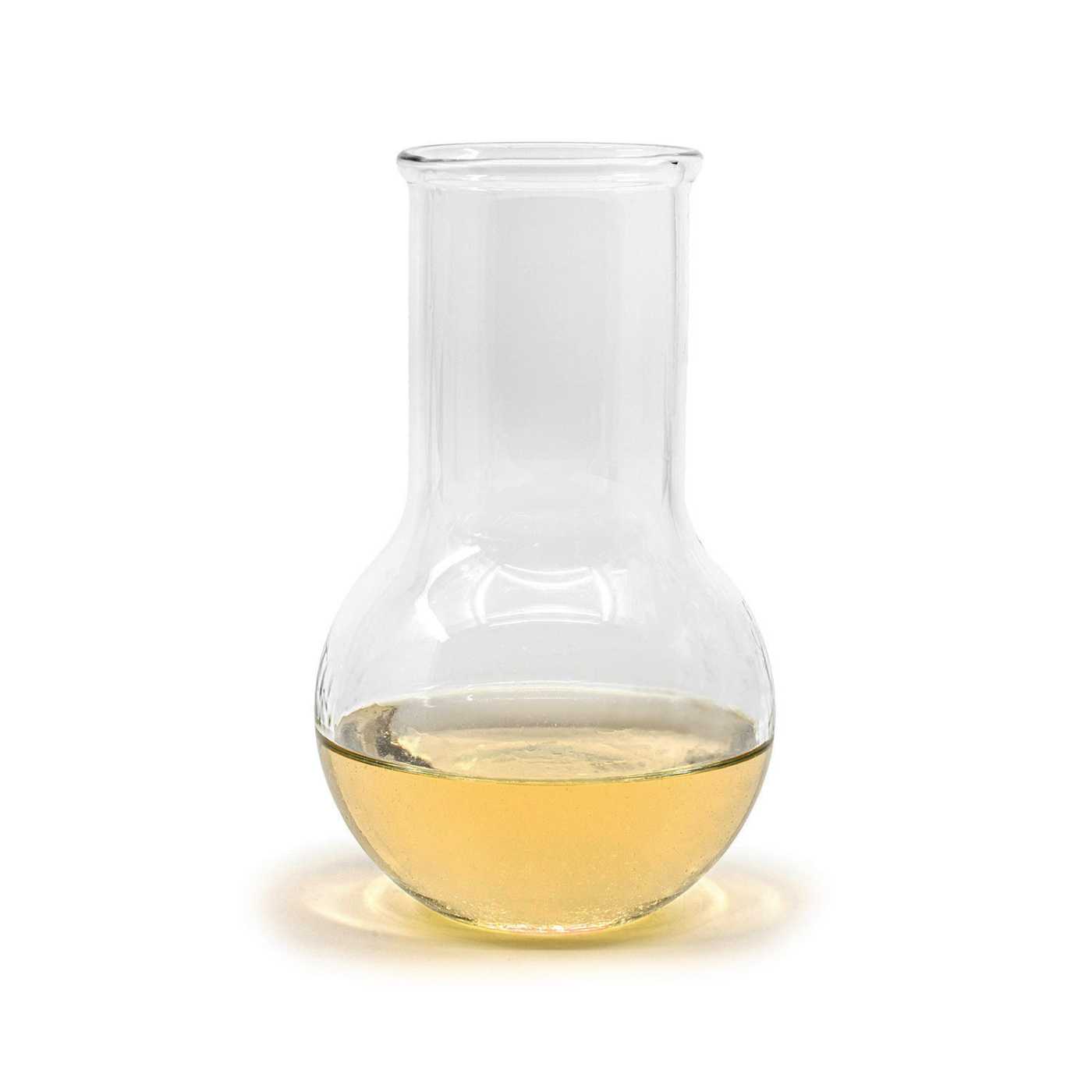
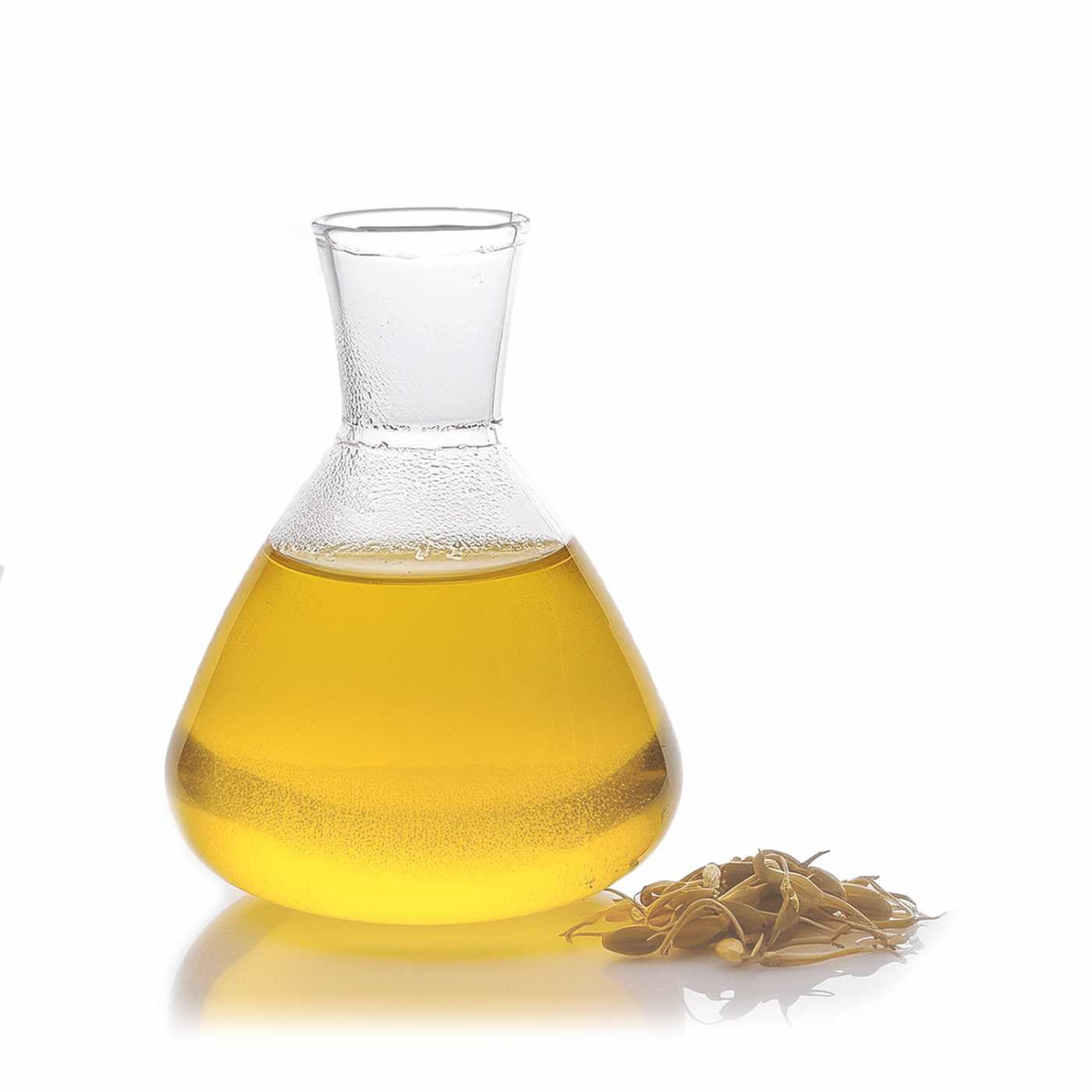
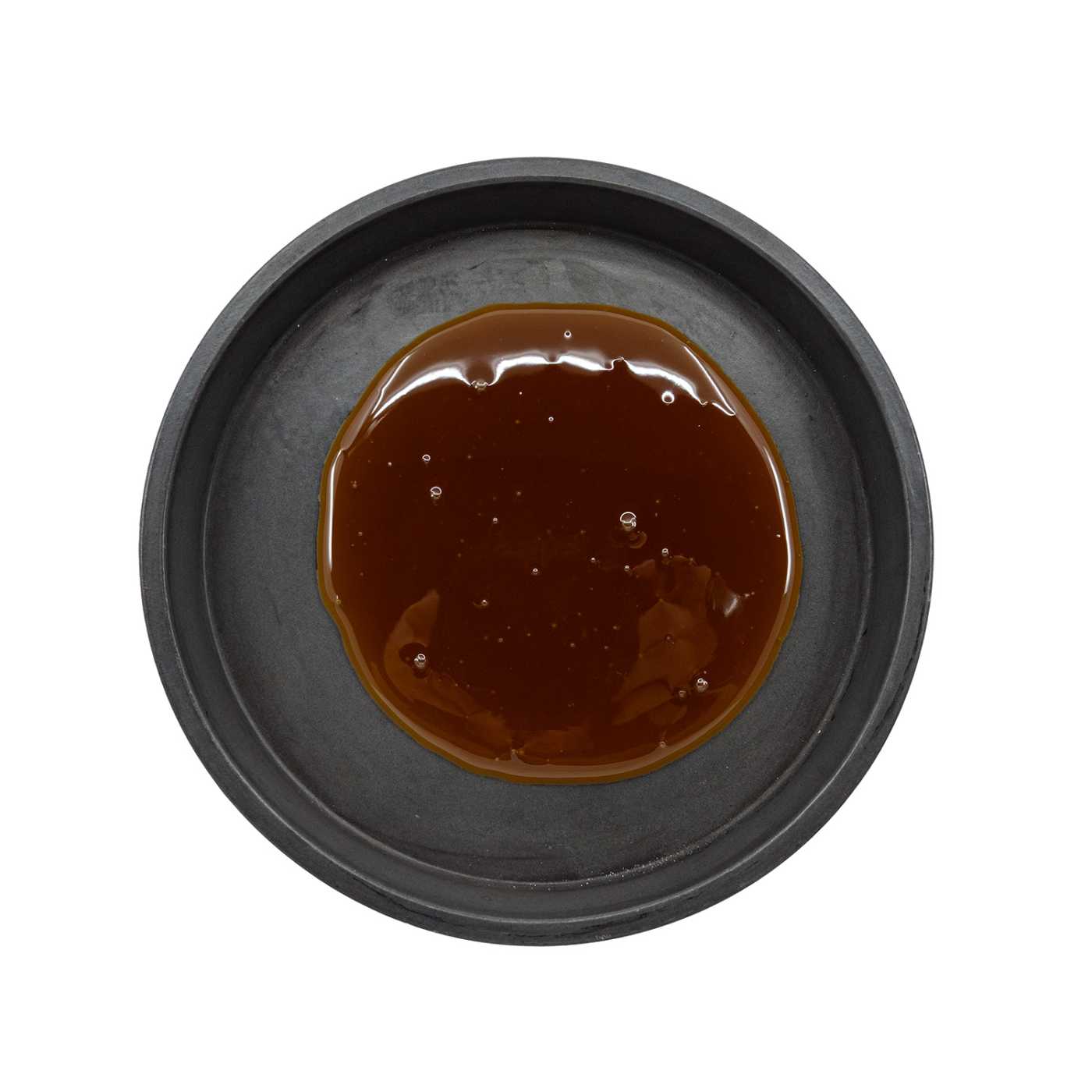
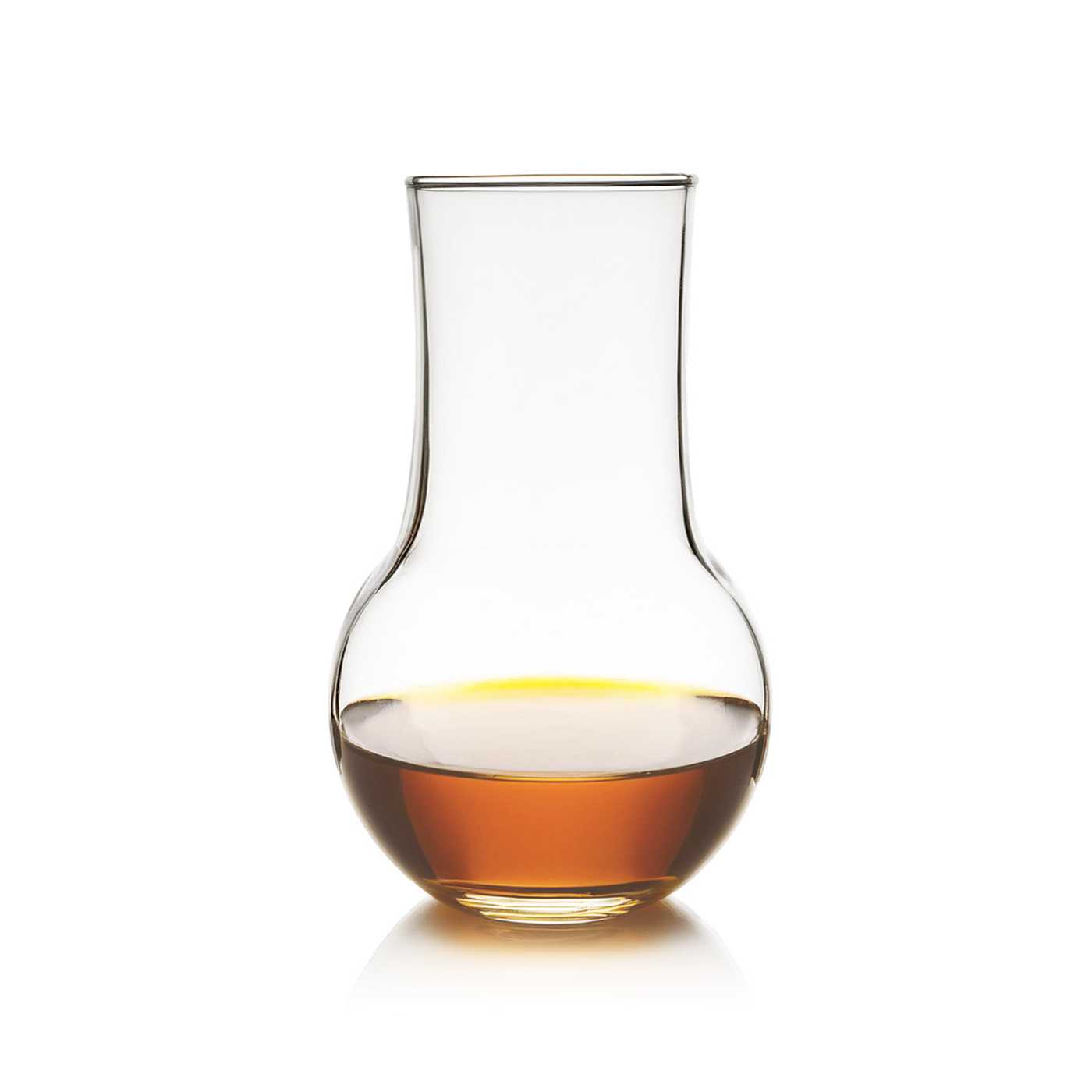
The fresh ingredient is a colourless to light yellow clear liquid. Marked darkening or cloudiness may signal reduced quality, so we recommend checking the ingredient visually before use and keeping the packaging tightly closed.

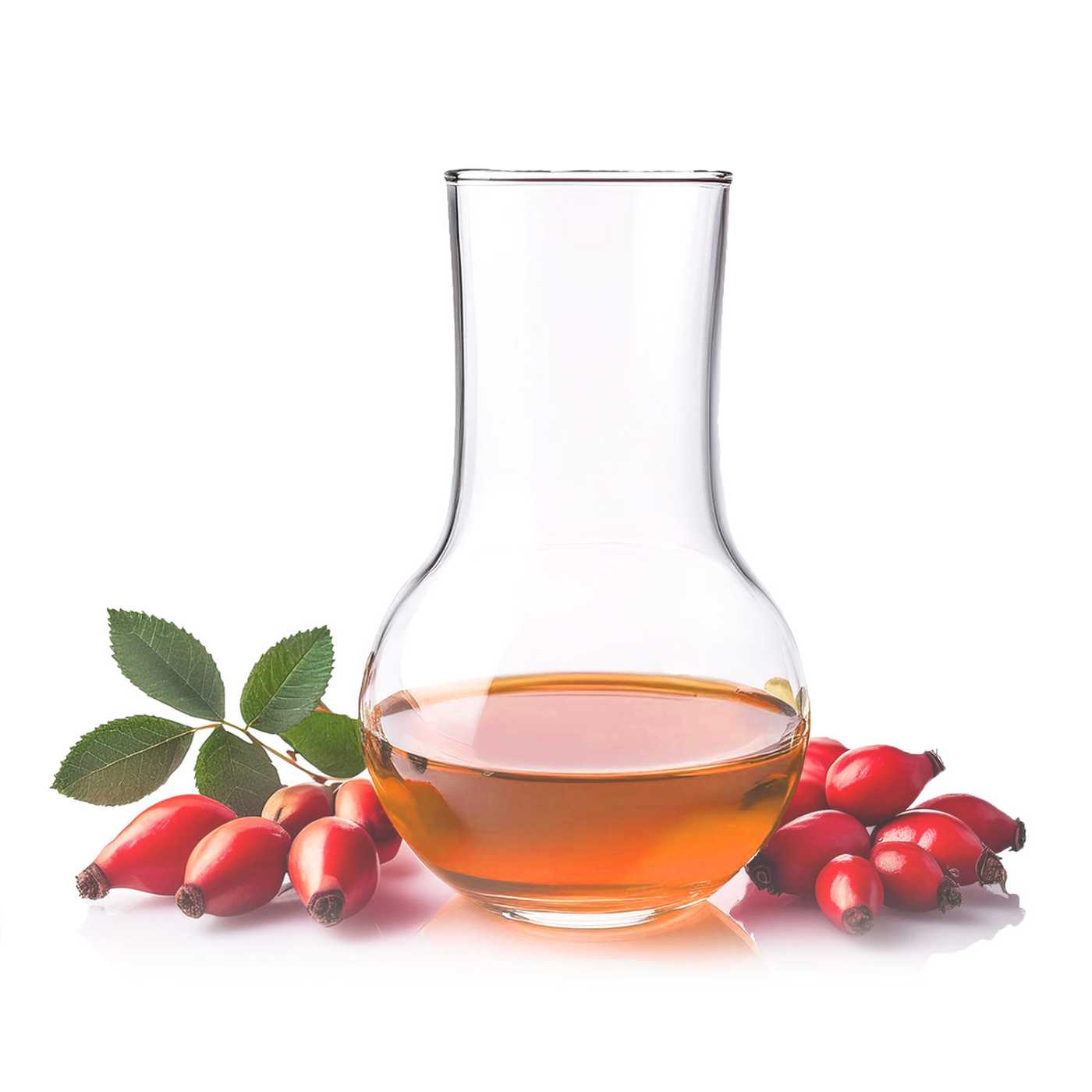
Neither rosehip oil nor orange essential oil contains vitamin C. Vitamin C is water-soluble and does not pass into vegetable oils. If an oil-based product is to contain vitamin C, it must be supplied by a derivative, for example this ingredient.

The ingredient is synthetic, vegan according to the manufacturer’s declaration, free of preservatives and free of components of animal origin. The CIR (Cosmetic Ingredient Review) panel assessed it as safe for use in cosmetics.

The ingredient is subject to CLP classification (GHS07 irritant, sensitisation; GHS09 ecotoxic) and contains known skin allergens. When handling the concentrate, wear gloves and prevent release into waste or the environment. Details are in the safety data sheet.


Frequently asked questions

Is vitamin C (THDA) soluble in water?
No, vitamin C (THDA) is soluble only in oil and does not dissolve in water. It is added to the oil phase of emulsions or to anhydrous oil-based products. It can be brought into a water-based toner or gel only through an emulsifying or solubilising system.
Can vitamin C (THDA) be heated when making a cream?
Heating is not recommended; vitamin C (THDA) is processed at a temperature below 40 °C. It is added to an emulsion only after cooling and to an oil serum cold. If the formulation contains butters or waxes, they are melted separately, the oil phase is left to cool and then vitamin C (THDA) is mixed in.
What is the difference between vitamin C (THDA) and ascorbic acid?
Vitamin C (THDA) is an oil-soluble ester of ascorbic acid, whereas ascorbic acid is water-soluble and oxidises quickly in aqueous solution. The ester does not lower the pH of the product and the manufacturer states it is non-irritating, whereas ascorbic acid requires an acidic pH and may irritate the skin. The active form of vitamin C is released from the ester only in the skin.
How much vitamin C (THDA) is added to an oil serum?
The manufacturer recommends a usage rate of 0.01–20% for vitamin C (THDA). A low usage rate is enough as an antioxidant additive, while targeted brightening serums work with higher concentrations. At higher usage rates, it is advisable to check skin tolerance and product stability. It is added to the serum cold.
Is vitamin C (THDA) enough as an antioxidant to protect the oils in a product?
No, vitamin C (THDA) is not suitable as the only antioxidant protecting the oils. The ester itself is a weak antioxidant and hydrogen peroxide may form as it decomposes. The oils in the product need their own stabiliser, for example tocopherol, which also slows the decomposition of vitamin C (THDA) and prolongs its effectiveness.
Is vitamin C (THDA) suitable for sensitive skin?
The manufacturer describes vitamin C (THDA) as pH-neutral and non-irritating, and the ingredient is suitable for all skin types. For sensitive skin, we recommend starting with a lower usage rate and checking the tolerance of the finished product. The concentrated ingredient is classified as irritant and contains known skin allergens; this applies to handling the concentrate during production.

Parameters

INCI
Tetrahexyldecyl Ascorbate
CAS No.
183476-82-6
EC number
430-110-8
Product colour
YellowClear
Country of origin
China
Appearance
Oily liquid
Formulation phase
Oil phase
Application area
Face
Function in formulation
Active ingredientAntioxidant
Recommended processing temperature
< 40 °C
Recommended usage rate
0,01 – 20,0 %
Recommended formulation pH range
4,0 – 6,5
Application type
Leave-on
Suitable for
All skin types
Certifications
Vegan
Volume
30 ml

Product documentation

CoACertificate of Analysis
batch C25100901BVCTPDF ↓
batch C25100901BPDF ↓
TDSTechnical Data Sheet
Physical parameters and processingPDF ↓
SDSSafety Data Sheet
Available for purchased products —
Download all (ZIP)

3 PDF files in one archive

REVIEWS

Verified by customers.

No reviews yet.

Only customers with a delivered order can write reviews.