Leather Fragrance Oil, 10 ml
Pre-order€1.88(€188.00/l)

Candle fragrance oils
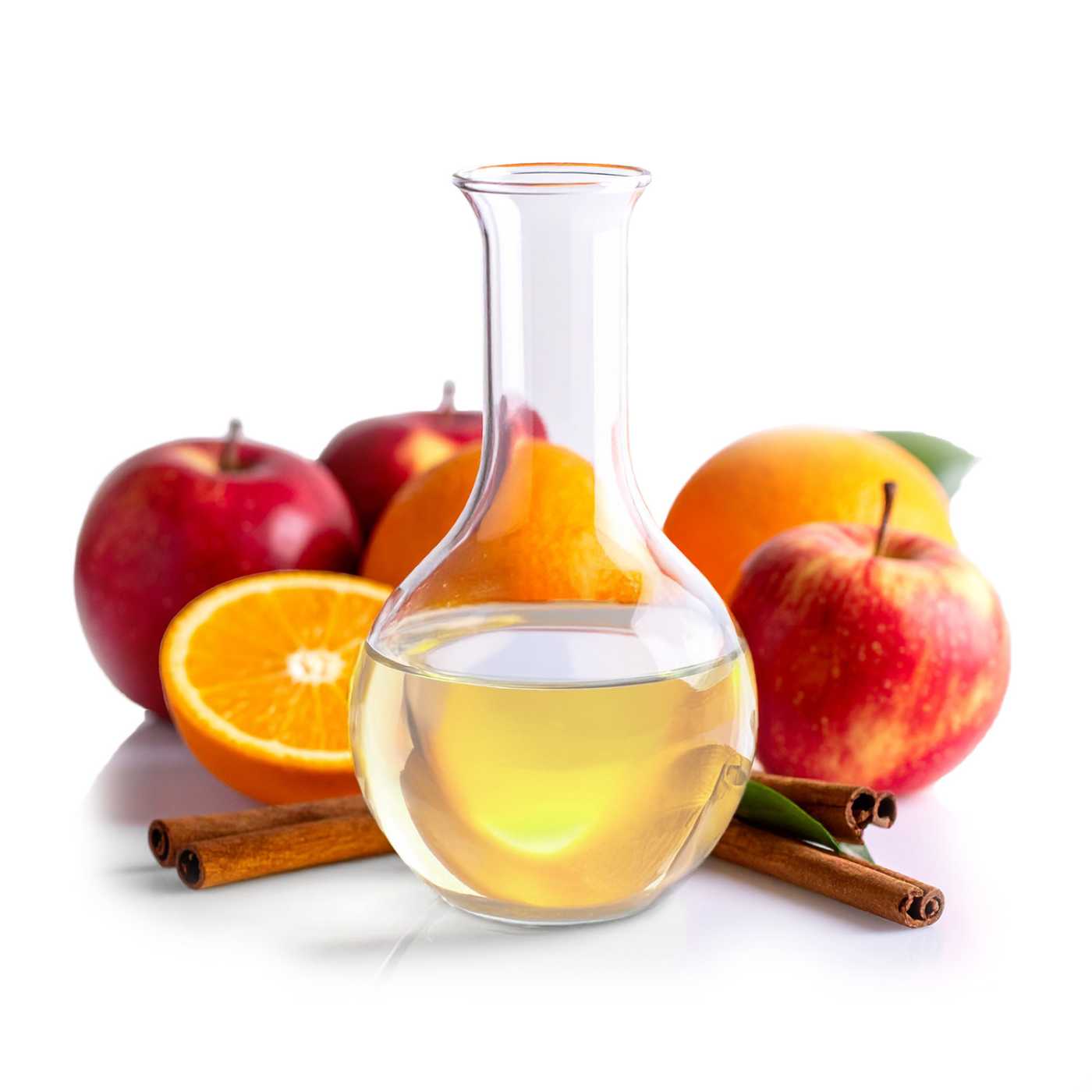
Fragrance oil, apple cinnamon This fragrance oil with the scent of apples and cinnamon can be used to scent soaps, shower and bath products, candles, colour cosmetics, deodorants, and cleaning products and laundry… full description
Lowest price in the last 30 days: €62.99
This fragrance oil with the scent of apples and cinnamon can be used to scent soaps, shower and bath products, candles, colour cosmetics, deodorants, and cleaning products and laundry detergents. In a formulation it acts as the fragrance component and suits seasonal products where a warm fruity-spicy autumn and winter scent is expected.
The composition is of synthetic origin, made in Europe, and of cosmetic grade. It is not an essential oil or an extract of apples or cinnamon. It is a fragrance composition designed to resemble this pairing of scents.
The composition is soluble in oil and in alcohol, and insoluble in water. In emulsions, balms, butters and oils, it is incorporated directly into the oil phase or into the finished product after cooling. In water-based and clear systems (toners, clear gels) it will not disperse evenly without a solubiliser, and it may separate or make the product cloudy. Use a suitable solubiliser or an alcohol-based carrier.
Add it during the cooling phase or afterwards, at a temperature below 40 °C. Fragrance components are volatile and prolonged heating causes part of the scent to be lost, so add it to emulsions only after cooling and while stirring constantly.
There is no single universal usage rate. The highest permitted amount in the finished product is set by the IFRA limit for the given category (for example, category 1 = lip products, category 9 = soaps and shower gels, category 12 = candles). The limits for all categories are in the IFRA certificate in the Product documentation section, and you should check them before production.
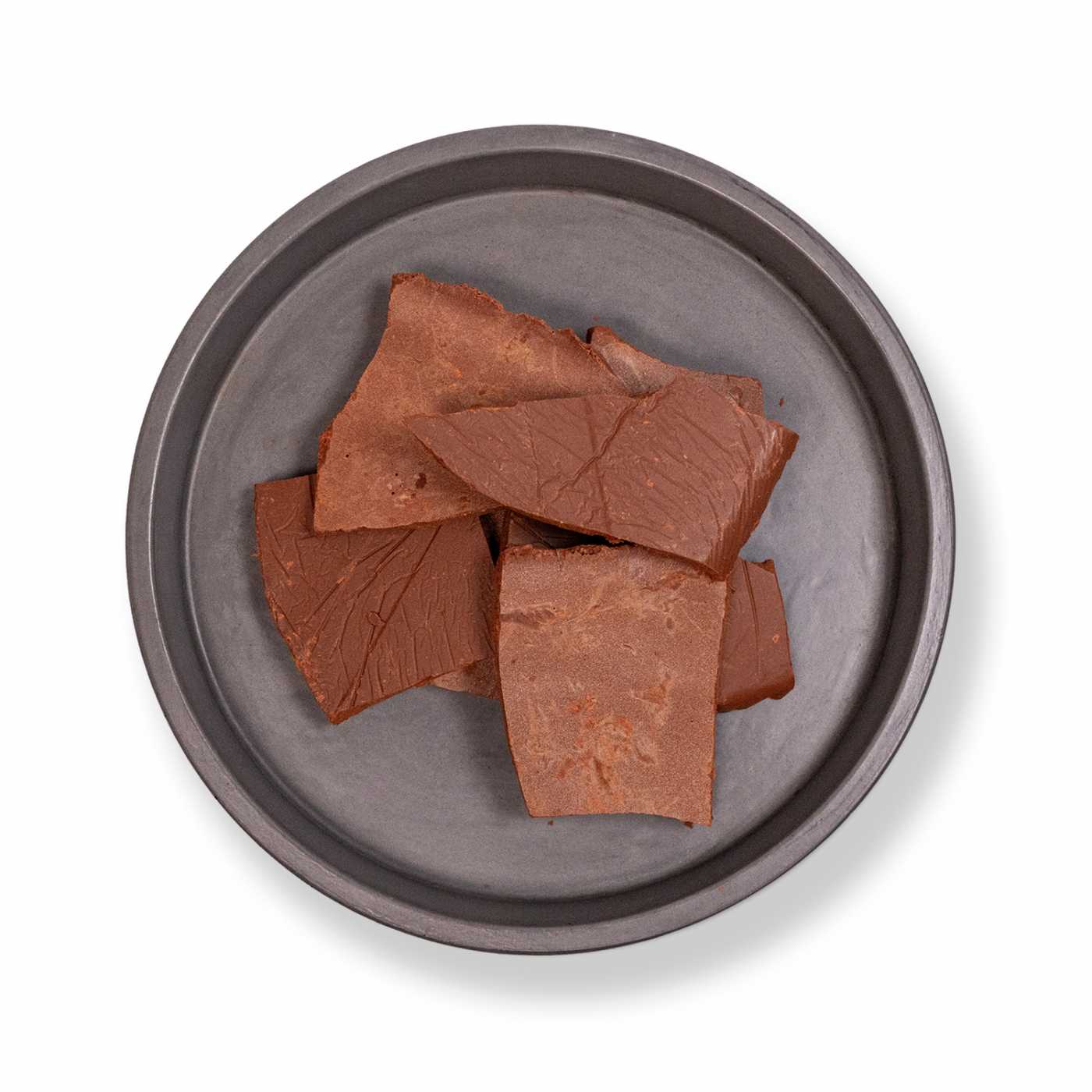
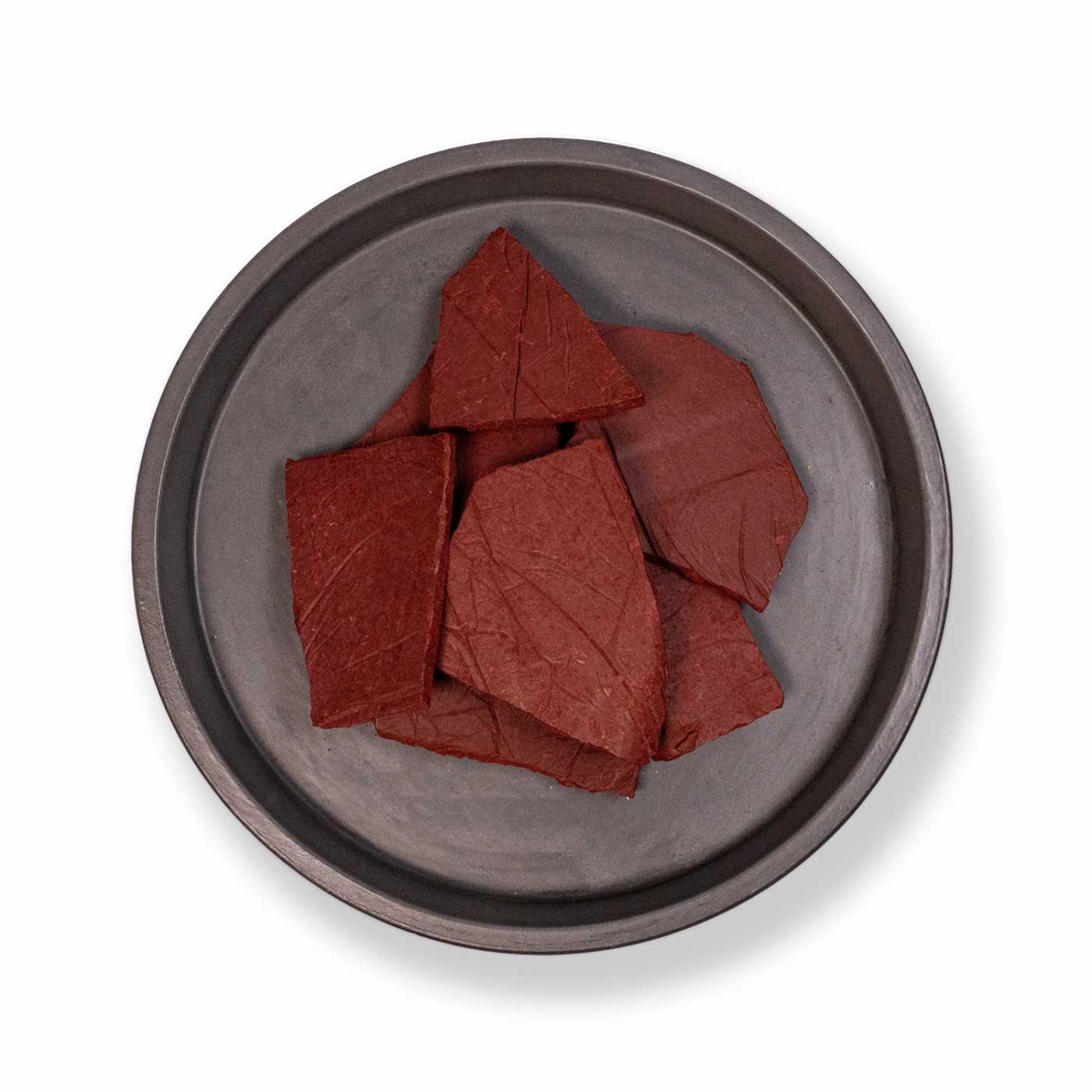
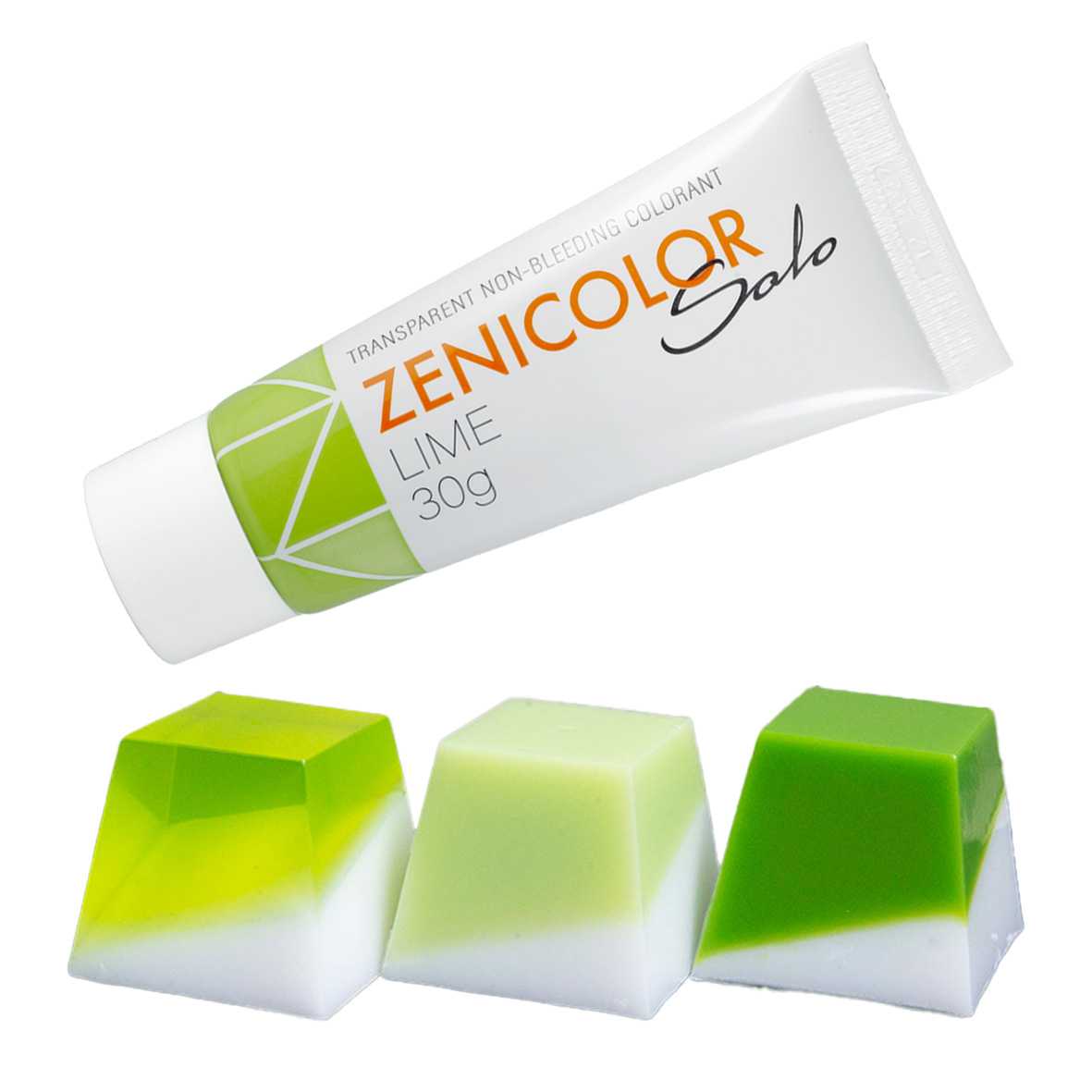
In cold process soap, the fragrance leaves you enough time to work. In a practical test by an experienced soap maker, the batter thickened somewhat faster after the fragrance oil was added than with compositions that do not accelerate trace at all. After fifteen minutes it still had the consistency of thick pudding and had not seized. This is enough for layered soaps or simple designs; for more demanding techniques, add the fragrance just before pouring and work steadily. The batter turns slightly pink, which you should take into account with white and light-coloured soaps or when choosing dyes.
A fragrance oil is not the same as an essential oil. An essential oil is obtained from a plant by distillation or pressing, and its composition depends on the origin of the raw material. A fragrance oil is a composed blend of aromatic compounds designed to give a consistent, repeatable scent. For the maker, this means more predictable behaviour between batches.
The product is subject to classification under CLP and is marked with the GHS07 (irritant, sensitisation, mild toxicity) and GHS09 (ecotoxic) pictograms. It contains one or more fragrance allergens listed in Annex III of Regulation (EC) No 1223/2009 as amended, including Commission Regulation (EU) 2023/1545. When handling the concentrate, follow the instructions in the safety data sheet. Products for children, for the eye area or for the lips have their own IFRA categories (1, 3 and 5D) with their own limits.
The presence of volatile organic compounds is assumed, which is common for fragrance compositions. We recommend checking the strength and character of the scent in the finished product on a small test sample.
The composition has not been tested on animals, contains no materials of animal origin, no parabens and no intentionally added microplastics, and is not classified as CMR.

Variant: Vonný olej, jablko škorica, 10 ml