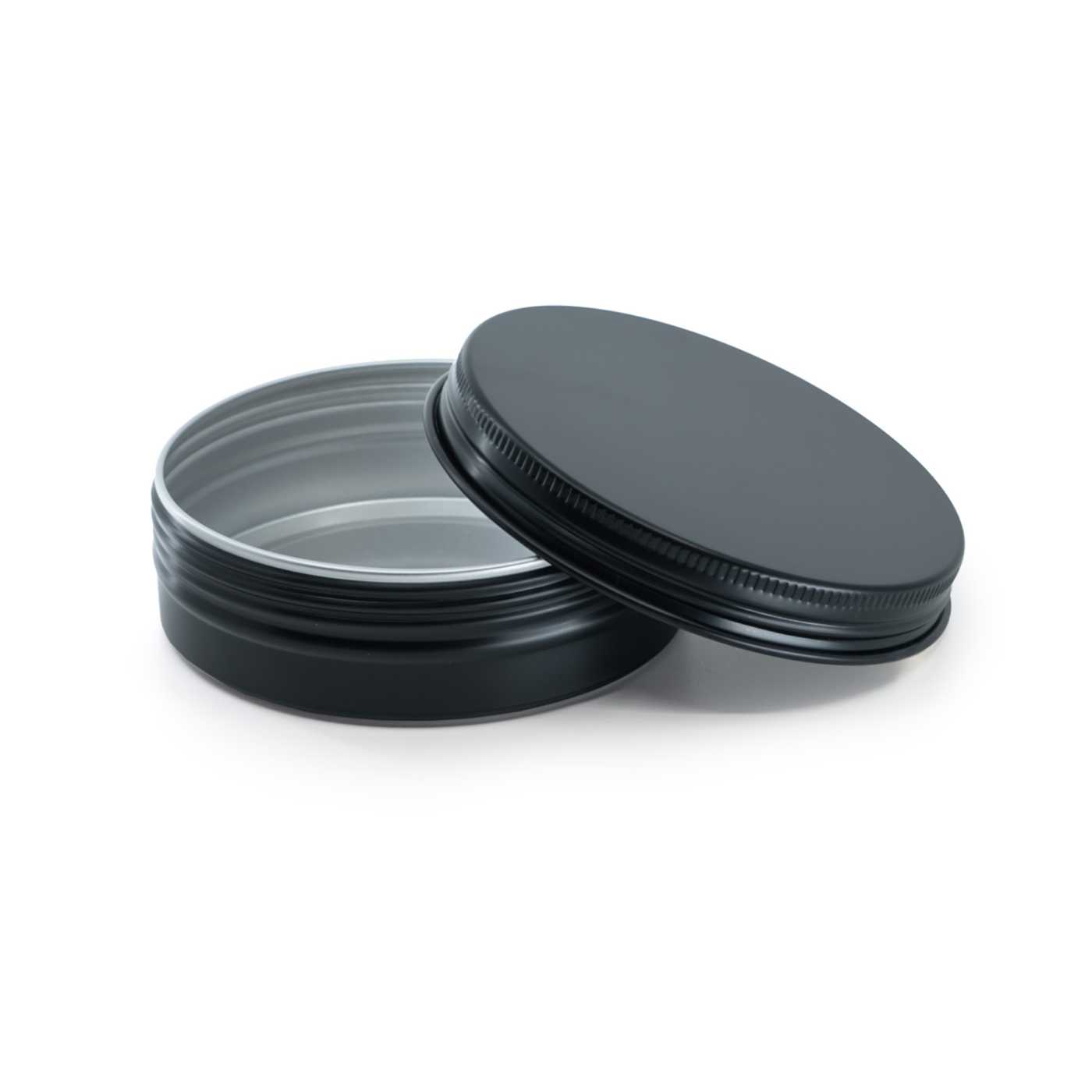
Aluminium jar with lid, black, 82 mm, 100 ml
Pre-order€2.29

COSMETIC CLAYS
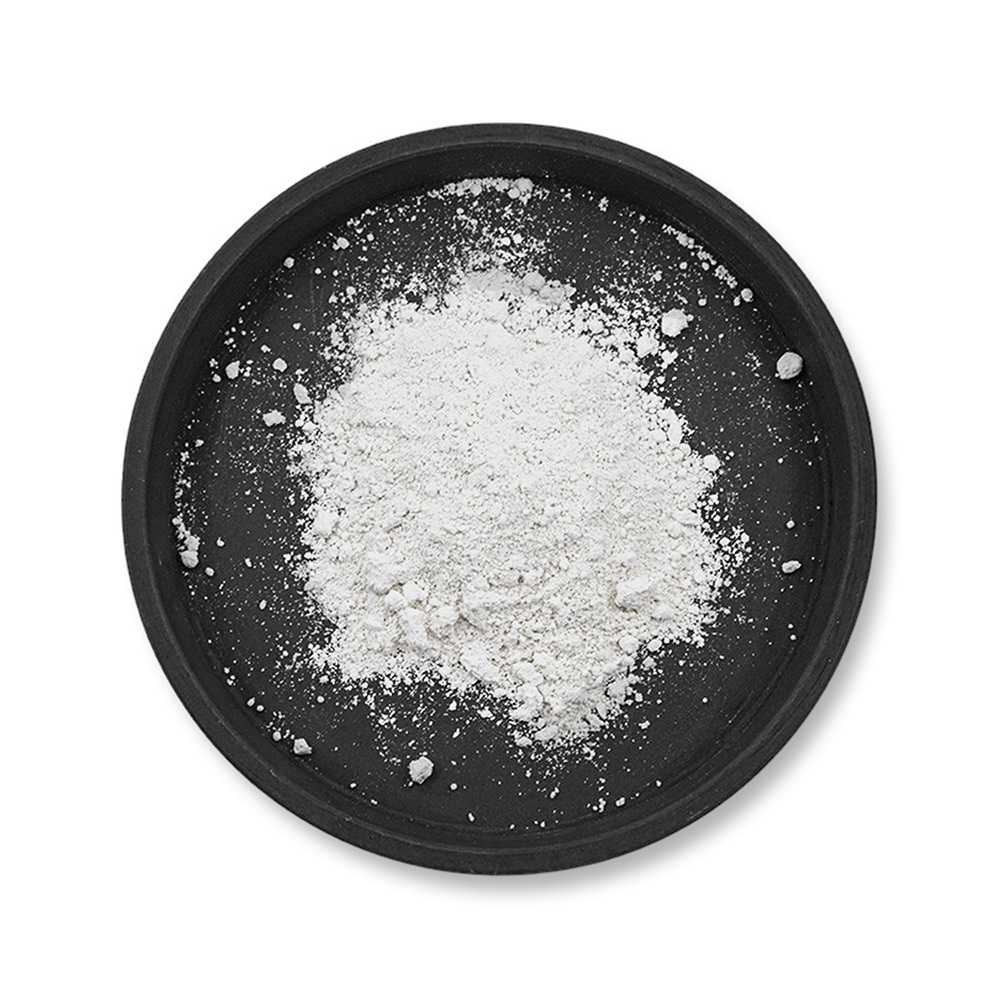
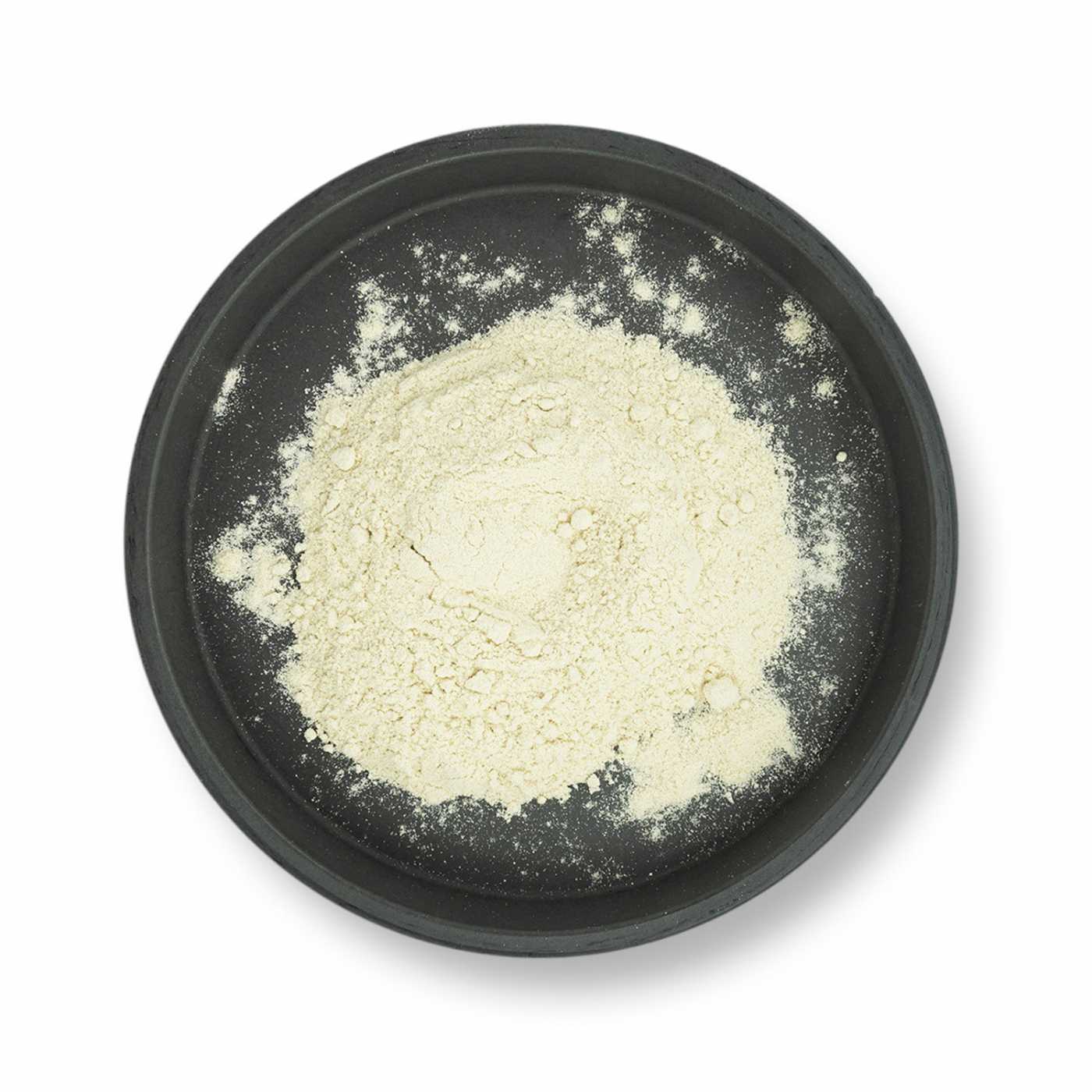
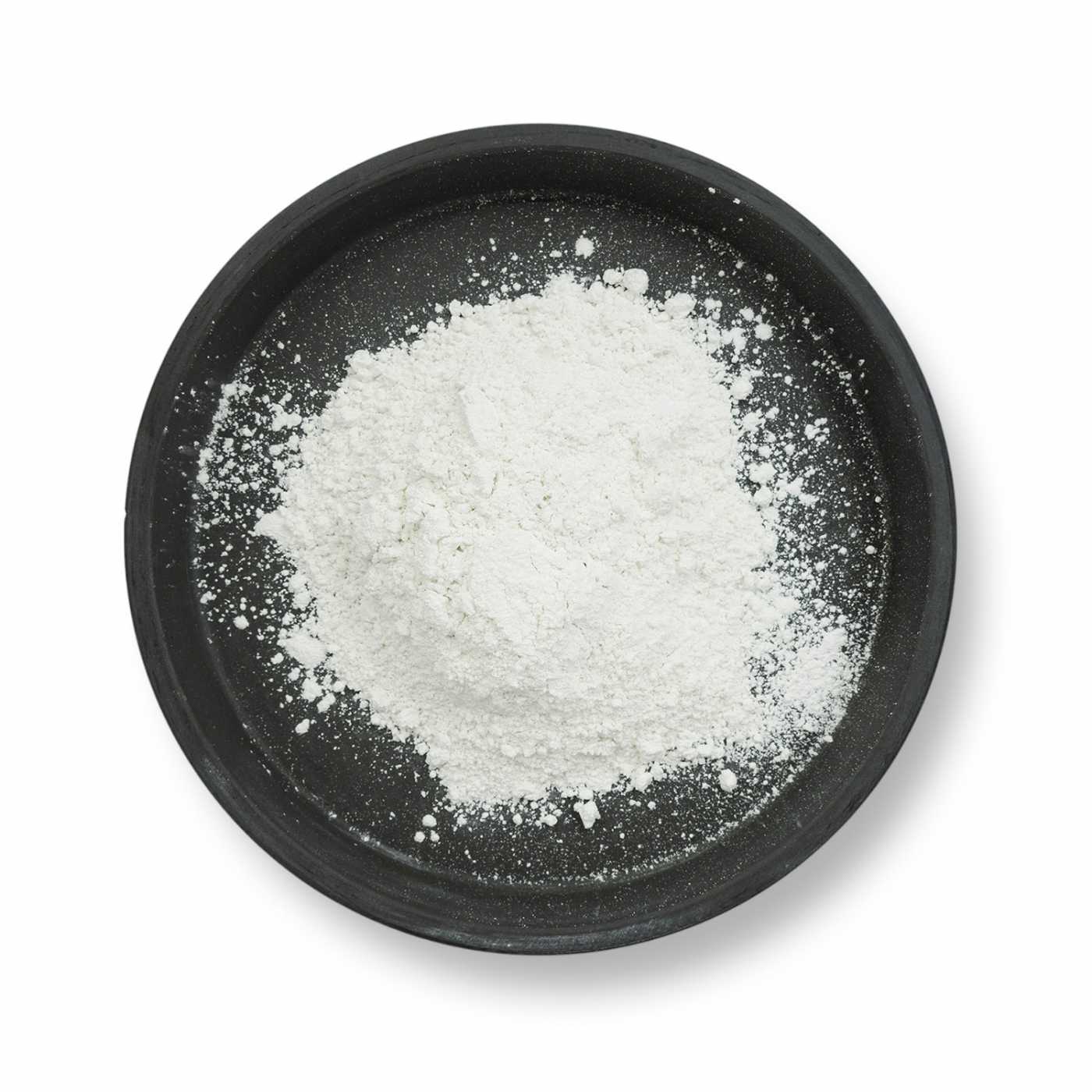
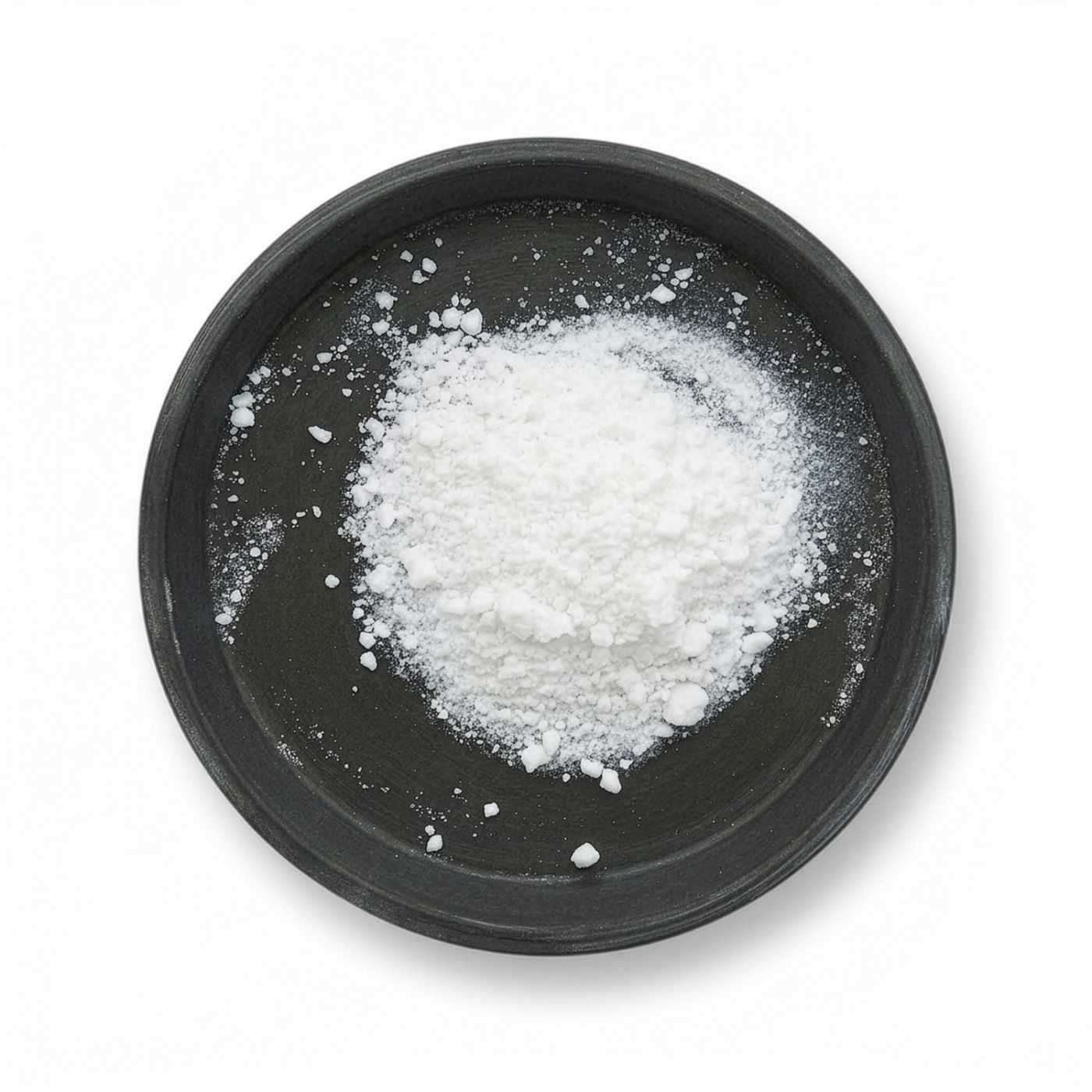
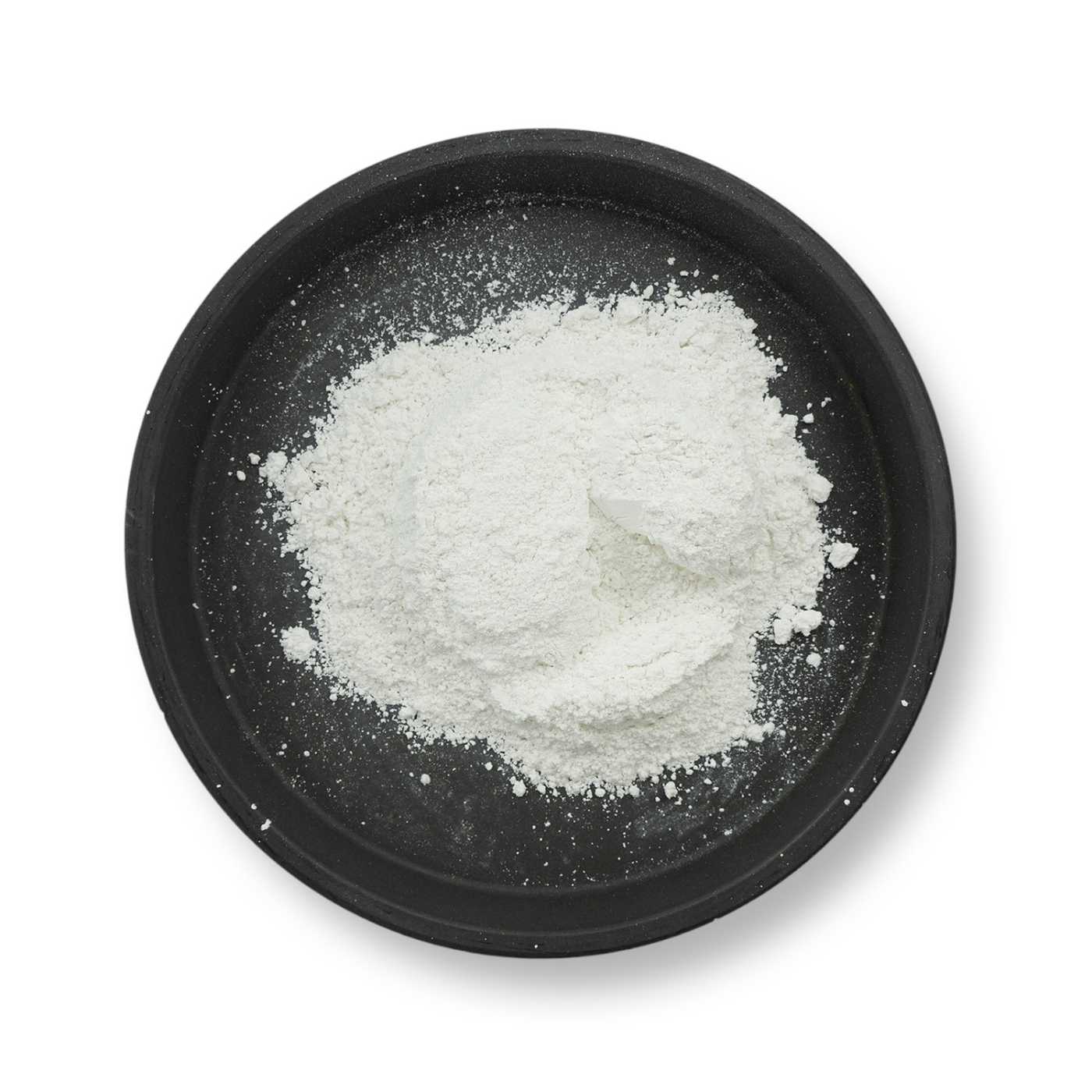
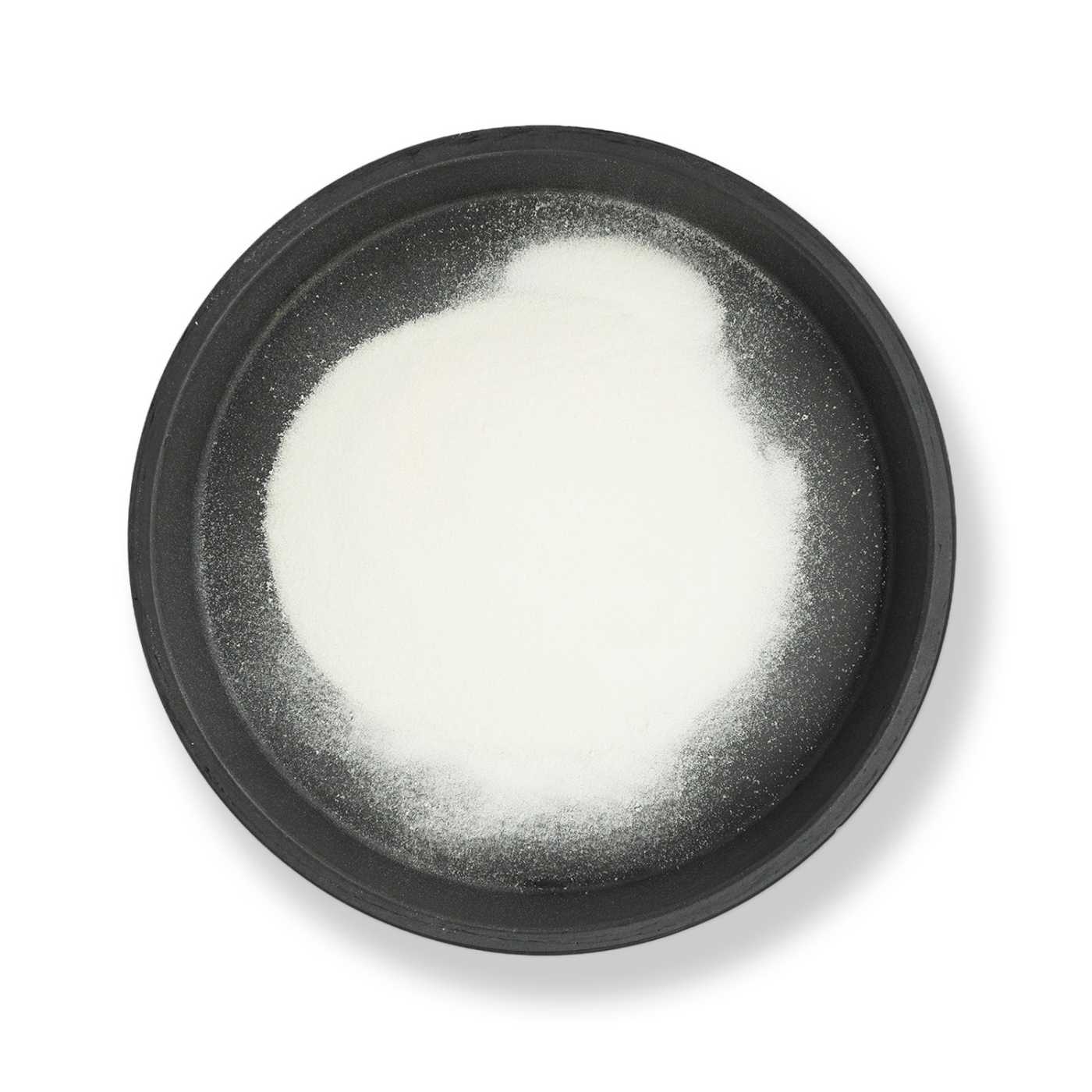
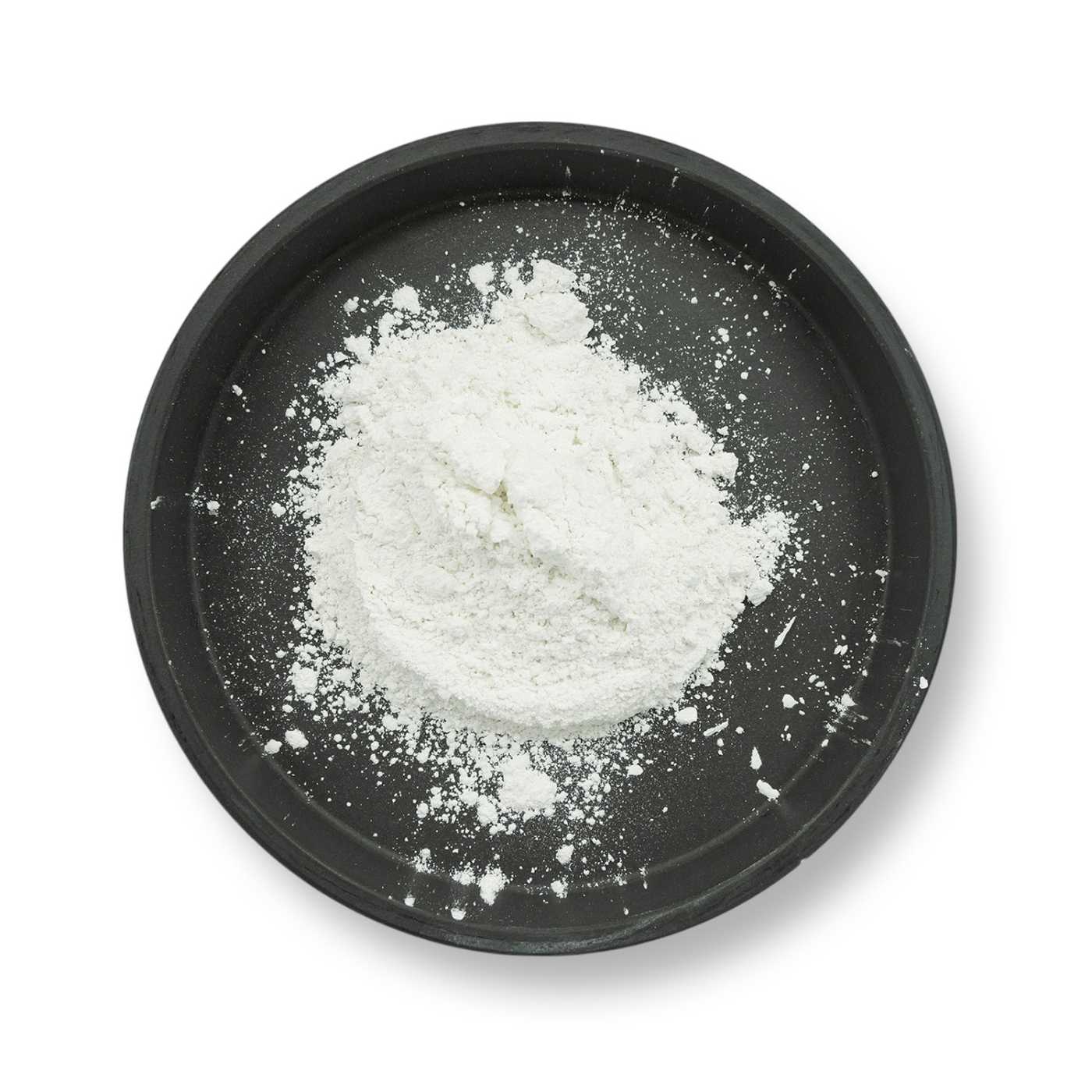
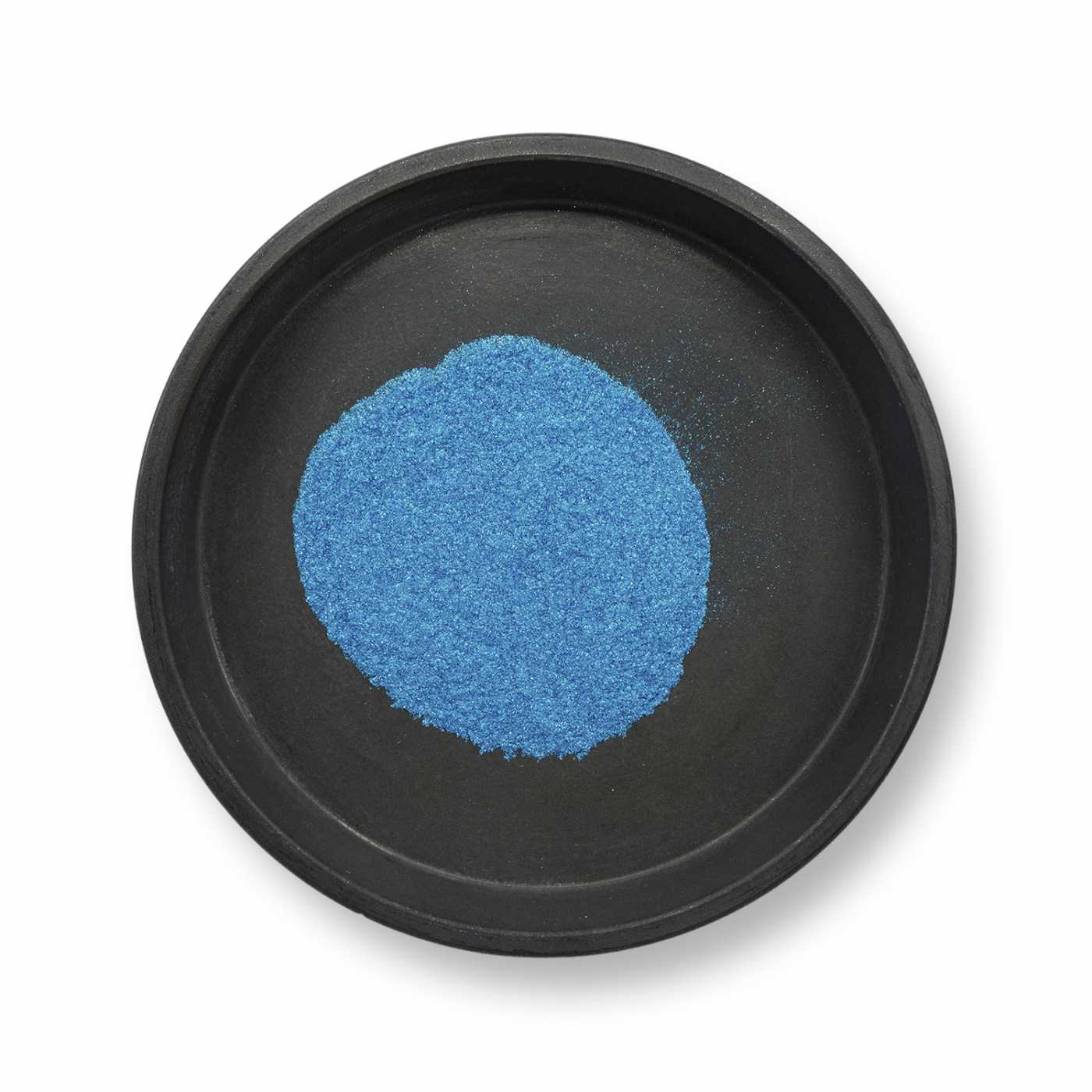
White kaolin is a cosmetic clay for formulations intended to absorb excess sebum and odours and mattify the skin. In a cream it also thickens the formula and gives it a white, opaque colour. full description
Lowest price in the last 30 days: €74.58
White kaolin is a cosmetic clay for formulations intended to absorb excess sebum and odours and mattify the skin. In a cream it also thickens the formula and gives it a white, opaque colour. This mineral of European origin is obtained by drying and milling, and the Super Fine grade denotes very fine milling. It is worked into the water phase or incorporated afterwards into the finished base, and it suits both rinse-off and leave-on products.
Kaolin is insoluble in water, so it does not dissolve in the product but disperses. The powder is added to the water phase with constant stirring or incorporated afterwards into a finished cream or gel. To prevent lumps, it helps to mix it beforehand with a small amount of water, hydrosol or glycerine into a smooth paste and only then stir it into the base. Sieving the powder before incorporating it works just as well.
The usage rate depends on the type of product. In creams and emulsions, where it acts as a mattifying and thickening ingredient, 1–10% is added. In masks and powders, where it makes up the main part of the recipe, the rate is 20–50%. The overall recommended range is 1–50%, and the pH of the formulation should be kept in the range 5–9.
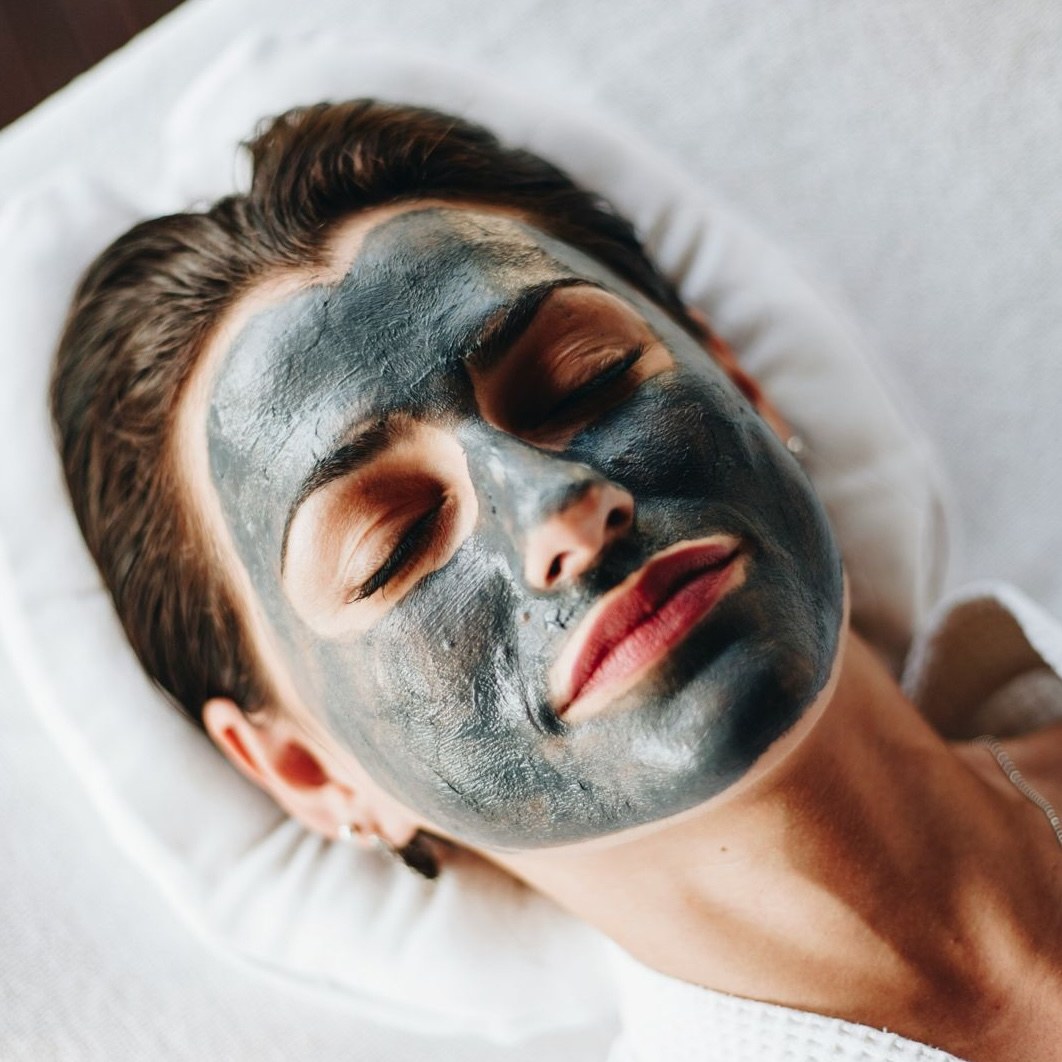
To prepare a face mask, mix the powder with water or hydrosol just before use to the consistency of a thick paste. The dry blend can be stored for longer, but a finished moistened mask without preservative is intended for single use.
In liquid products the insoluble powder settles over time. In toners and liquid masks, therefore, plan for a thickener that keeps it in suspension, or for shaking before use. At a higher proportion in a cream, spreadability changes and the feel on the skin tends to be drier and more powdery.
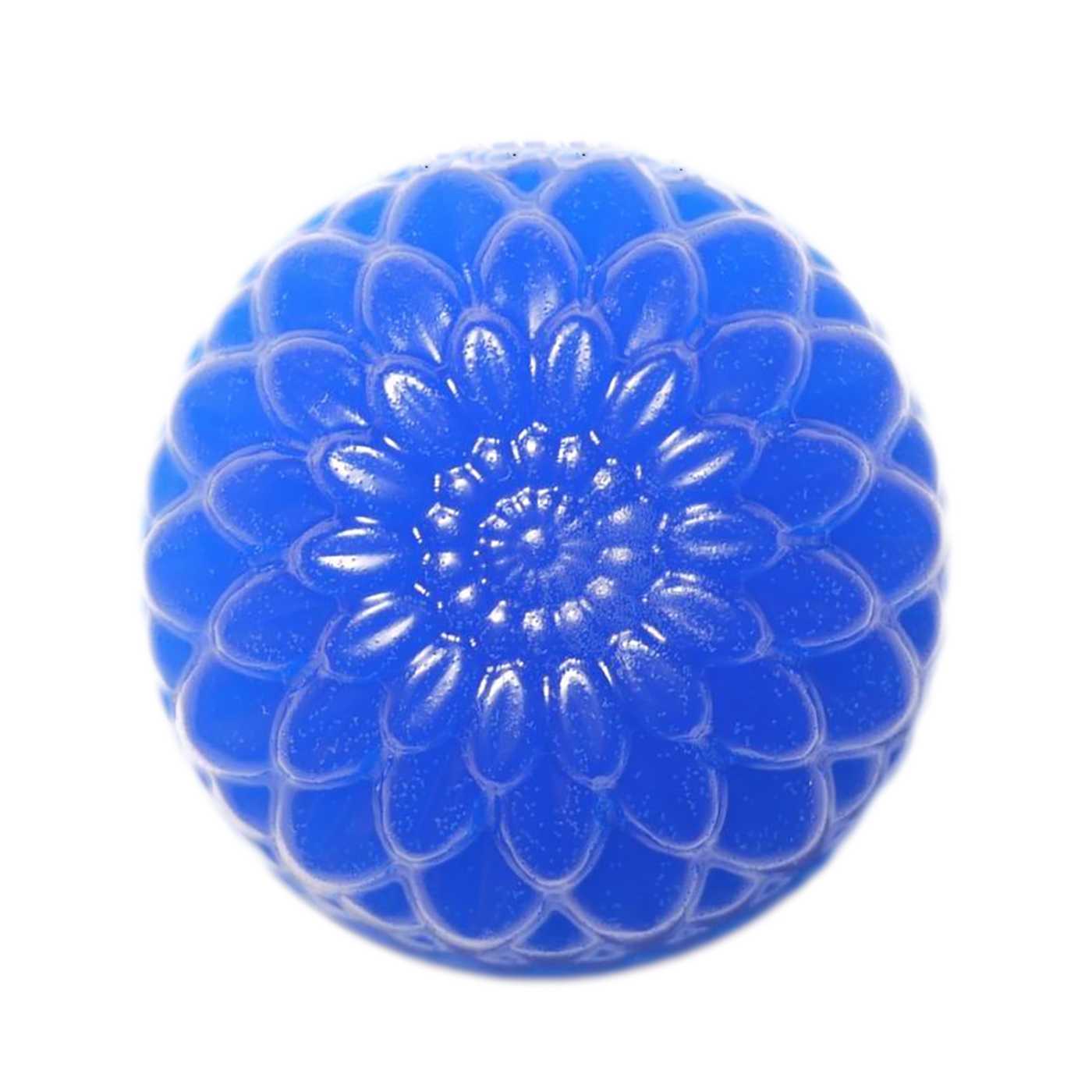
In soap, the powder is most often added as a slurry mixed into part of the water or oil from the recipe, so that it disperses evenly. In bath bombs and bath salts it is mixed directly in with the dry ingredients, where it refines the blend and supports a white colour.
White kaolin is also sold under the names china clay, Bolus Alba or Superfine British Clay. In recipes it is always the same hydrated aluminium silicate, differing mainly in the fineness of milling.
The product is of mineral origin and contains no materials of animal origin, parabens, silicones, preservatives or palm oil ingredients. Compatibility with common cosmetic raw materials is unrestricted. However, once mixed with water or hydrosol, the result is a product with a water content that requires a preservative system, unless it is intended for immediate use.
Only customers with a delivered order can write reviews.