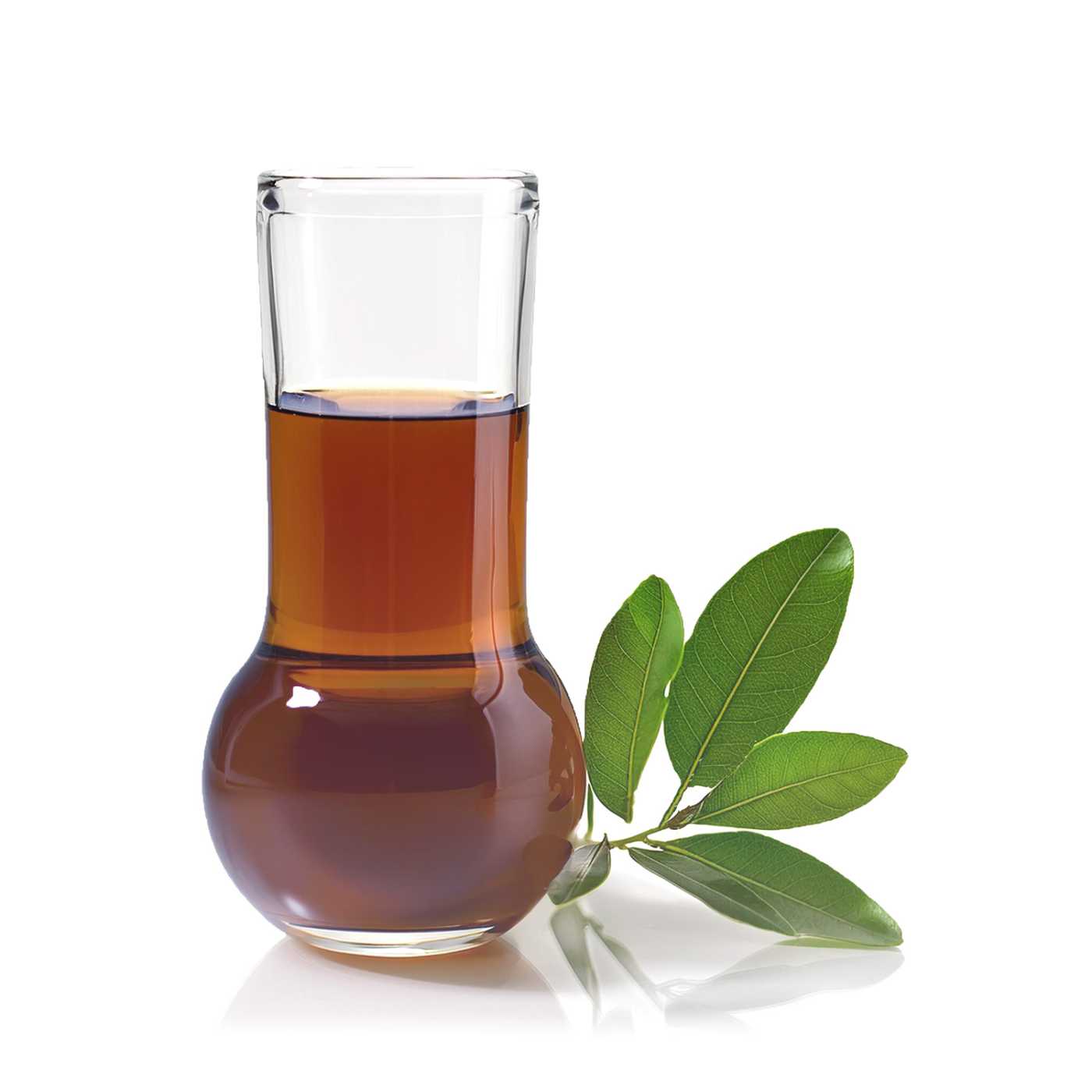
Leather Fragrance Oil, 10 ml
Pre-order€1.88(€188.00/l)

Candle fragrance oils
Fragrance oil, white tea is a fragrance composition of European origin that gives cosmetics the scent of white tea. It has a single role in a product: it provides fragrance. full description
Lowest price in the last 30 days: €14.69
Fragrance oil, white tea is a fragrance composition of European origin that gives cosmetics the scent of white tea. It has a single role in a product: it provides fragrance. It is added at the end of production, dissolves in oils and in alcohol, and is suitable for both rinse-off and leave-on products, from soaps and shower gels to creams, body oils and hair care.
The composition is of synthetic origin, contains no materials of animal origin and has not been tested on animals. Besides cosmetics, it is also used in bath bombs, candles, diffusers and household cleaning products.
White tea fragrance oil is not made from tea leaves. It is a blend of fragrance compounds designed so that the scent resembles white tea. Essential oils are of plant origin and are also credited with cosmetic effects, whereas a fragrance oil makes no such claims. In a product it is the fragrance component, so when choosing the other raw materials only its scent and stability need to be considered.
The composition is soluble in oil and in alcohol, and does not dissolve in water. It is therefore incorporated directly into emulsions, oils, balms and soaps. In water-based products such as toners, body sprays or clear gels, it needs a solubiliser (for example Polysorbate 20 or PEG-40 Hydrogenated Castor Oil). Mix it with the solubiliser first and only then add it to the water phase, otherwise it will stay on the surface in droplets and the product will turn cloudy.
In creams and lotions, add it only in the cooling phase, when the emulsion is below 40 °C and already stable. Fragrance compounds are volatile, and at a higher temperature part of them would escape and the scent of the finished product would change. Add it with brief, thorough mixing so that it disperses evenly and does not disturb the texture. In anhydrous products, that is body oils, balms or massage bars, mix it into the oil phase after it has cooled.
There is no single universal usage rate. The manufacturer does not state a recommended range, and the maximum amount in the finished product is set by the IFRA limit for the given product category (for example, category 1 covers lip products, category 5A body creams and oils, and category 9 soaps and shampoos). You can find the limits for all categories in the IFRA certificate in the Product documentation section.
In cold process soap, the composition behaves well. In a practical test by a soap maker, it did not accelerate trace, the batter did not thicken after the fragrance was added, and it left time even for slower techniques such as multicoloured patterns. It did not discolour the batter, and the soap kept the shade of the base recipe. Add it to the soap batter at light trace.
For candles, wax melts and diffusers, no data are available on how the fragrance behaves in wax or on its strength during burning. Make a test candle or a small batch of diffuser blend and fine-tune the amount of fragrance according to the result, while observing the IFRA limit for category 12.
The scent can come across with different strength in different bases: in solid soap after saponification, in an emulsion with a preservative, or in a product with the distinct smell of a vegetable oil. Therefore, check the behaviour of the fragrance and the stability of the emulsion on a small sample of the finished formulation, and assess it after several days, once the scent has settled. When working with the undiluted composition, protect your skin and follow the instructions in the safety data sheet.
The composition contains one or more fragrance allergens listed in Annex III of Regulation (EC) No 1223/2009, as amended, and as a mixture it is subject to CLP classification (GHS07 and GHS09 pictograms). For the finished product, therefore, work with the safety data sheet and the IFRA certificate from the product documentation.

Scent — Gorgeous scent, like Dolce Gabbana Light Blue
Translated automatically

Beautiful scent. Not too sweet. Light, fresh.
Translated automatically