10% off all active ingredientsShop active ingredients

+421 950 333 113info@handymade.store

Essential oils, 10 ml

Mentha Citrata Leaf Essential Oil, 10 ml

Pack size10 ml100 ml500 ml

Lemon mint essential oil has a fresh, minty scent with a distinct fruity and slightly citrusy note that sets it apart from menthol-rich peppermint. full description

AvailabilityPre-order
Product codeEON062_10
€4.19incl. VAT€419.00/l

Lowest price in the last 30 days: €4.19

Pre-orderThis variant is currently out of stock — your order will be a pre-order and delivery may take longer.

Product description

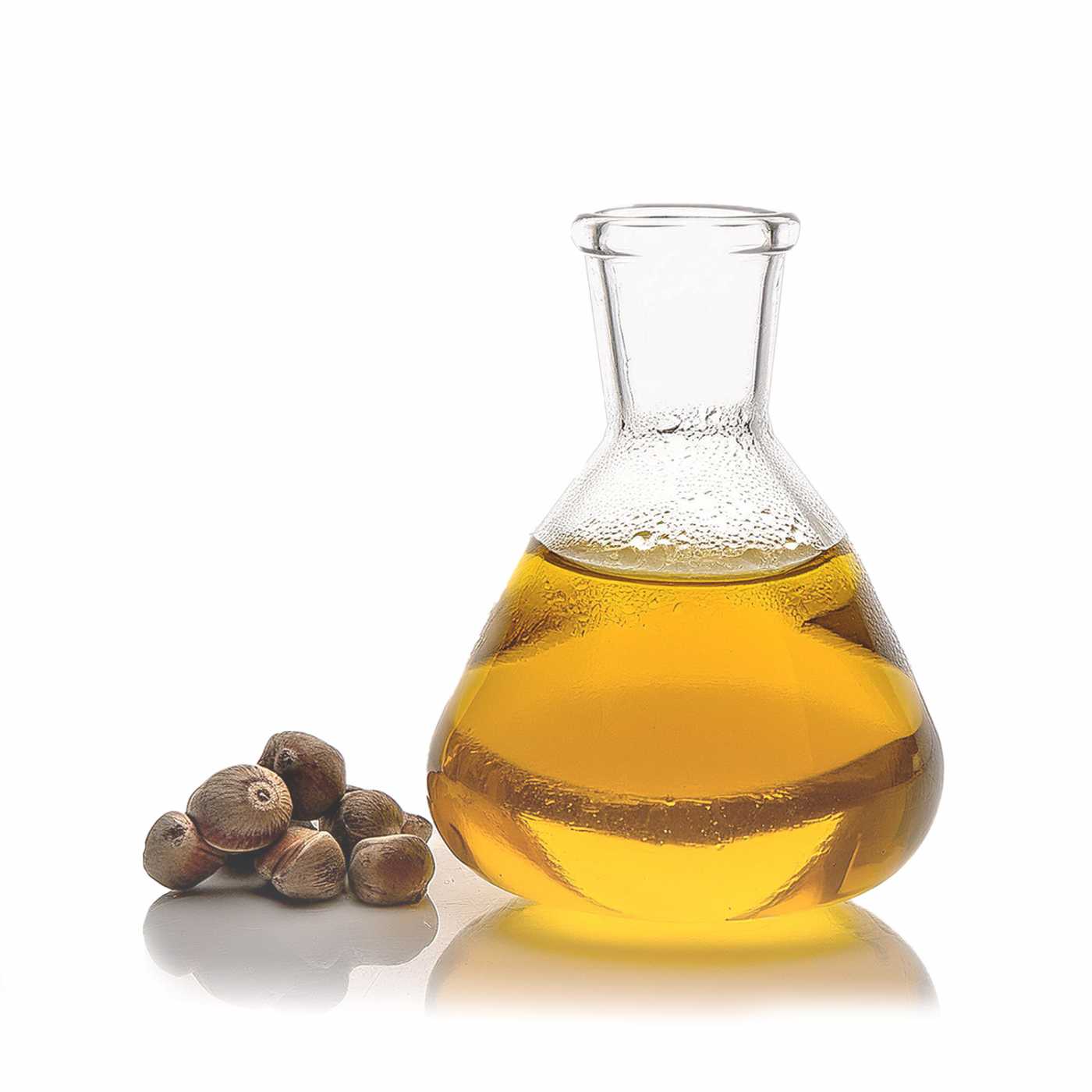
Lemon mint essential oil has a fresh, minty scent with a distinct fruity and slightly citrusy note that sets it apart from menthol-rich peppermint. It is obtained by steam distillation of the leaves and flowering tops of Mentha citrata and serves as a fragrance ingredient in formulations. It is supplied as a 100% pure, undiluted essential oil of plant origin, vegan.

In formulations, it replaces ordinary mint wherever the minty scent should feel softer: in facial and body care, shower and hair products, soaps, as well as in candles and diffusers. It is suitable for both rinse-off and leave-on products, and the supplier lists it among the fragrance ingredients suitable for formulations for oily and problem skin.


Scent and character

In perfumery terms, it is a top note. It is the first to be noticed after application and also the first to fade, so in a composition it forms the fresh opening of the fragrance. If the minty note is meant to last longer in the product, it is combined with middle and base notes, which evaporate more slowly.

The scent itself is cooling and minty, without a sharp menthol onset. Fruity and citrus tones soften it, so it can also be used in facial cosmetics, where peppermint would seem too penetrating. It works on its own as well as in custom blends with other essential oils.


Use in formulations

The oil is soluble in alcohol and in vegetable oils; it does not dissolve in water. In anhydrous products, that is massage and body oils, balms or solid sticks, it is incorporated directly, but only once the base has cooled. In emulsions, it is added during the cooling phase, when the cream or lotion is below 40 °C, and under constant stirring so that it disperses evenly. A higher processing temperature is not recommended.

In water-based systems without oil, for example facial toners, body sprays or water-based bath products, the essential oil must first be mixed with a solubiliser, otherwise it separates on the surface and the product turns cloudy. The other option is an alcohol base, in which the oil dissolves directly.

There is no single universal usage rate. The manufacturer does not state a recommended range, and the maximum permitted amount in the finished product is set by the IFRA limit for the specific product category (for example category 1 = lip products, category 5B = facial toners and creams, category 9 = soaps and shampoos). The limits for all categories are given in the IFRA certificate in the Product documentation section; check them before putting together your recipe.


Suitable for products such as

  • Facial care – creams and toners for oily and problem skin, where the mint should feel fresh without sharpness (IFRA category 5B, 5C).
  • Body care – body oils, lotions, butters and foot creams (IFRA category 5A).
  • Shower and bath products – shower gels, washes and bath products with a suitable carrier (IFRA category 9).
  • Hair care – shampoos and rinse-off conditioners, where the cooling scent complements refreshing formulations (IFRA category 9).
  • Soaps – solid and liquid soaps (IFRA category 9). We recommend checking the behaviour in cold process soap with a test batch.
  • Candles and diffusers – a fragrance ingredient for candles of all types (IFRA category 12) and for aromatherapy diffusers.

Good to know

The essential oil contains one or more fragrance allergens listed in Annex III of Regulation (EC) No 1223/2009 as amended, including Regulation (EU) 2023/1545. If you make cosmetics for sale, take this into account when labelling the finished product.

As a raw material, the oil is subject to classification under the CLP Regulation and contains hazardous substances. Details on classification and safe handling are given in the safety data sheet.

Adding to a ready-made base is the simplest route: weigh out the finished base (cream, gel, oil) and mix in the essential oil drop by drop or by weight according to the calculated limit. For larger batches, weighing is more accurate than counting drops.

The oil is readily biodegradable, contains no ingredients of animal origin or intentionally added microplastics, and does not come from species endangered under the CITES convention.


Frequently asked questions

Is lemon mint essential oil soluble in water?
No, it does not dissolve in water. It dissolves in alcohol and in vegetable oils, so it is added directly to anhydrous products and to the oil phase of emulsions. For toners, sprays and other water-based products without oil, it must first be combined with a solubiliser, otherwise the oil separates on the surface and the product turns cloudy.
What usage rate of lemon mint essential oil is safe?
The safe amount depends on the type of product and is set by the IFRA limit for the given category, not by a single universal figure. The manufacturer does not state a recommended range. A different limit applies to lip products (category 1), another to facial creams (category 5B), and another to soaps and shampoos (category 9). The exact values for all categories are given in the IFRA certificate in the Product documentation section.
At what temperature should lemon mint essential oil be added to a cream?
It is added during the cooling phase, when the emulsion is below 40 °C. A higher processing temperature is not recommended. After adding it, stir the cream again so that the fragrance ingredient disperses evenly. In anhydrous bases, for example body oils or balms, the oil is incorporated directly, also only once the base has cooled.
What is the difference between lemon mint, peppermint and lemon balm?
Lemon mint is a separate species of mint, Mentha citrata, with a minty scent complemented by fruity and citrus notes, which feels softer than menthol-rich peppermint (Mentha piperita). Lemon balm (Melissa officinalis), which is sometimes also described as lemony, is a different plant. When choosing a raw material for your recipe, therefore, go by the botanical name, not only by the common name.
Do I need to deal with allergens when using lemon mint essential oil?
Yes, the oil contains one or more fragrance allergens listed in Annex III of Regulation (EC) No 1223/2009 as amended, including Regulation (EU) 2023/1545. If you sell the finished product, take this into account when labelling it. The allergen content in the finished product depends on the usage rate of the essential oil in your recipe.
Can lemon mint essential oil be used in candles and diffusers?
Yes, the supplier lists it as suitable for candles of all types as well as for diffusers and aromatherapy. For candles, the IFRA limit for category 12 applies, which you will find in the IFRA certificate in the product documentation. In a diffuser, it is used on its own or in a blend with other essential oils according to the instructions for the device.

Parameters

INCI
Mentha Citrata Herb Oil
CAS No.
85085-49-0 / 68917-15-7
EC number
285-378-7
Product colour
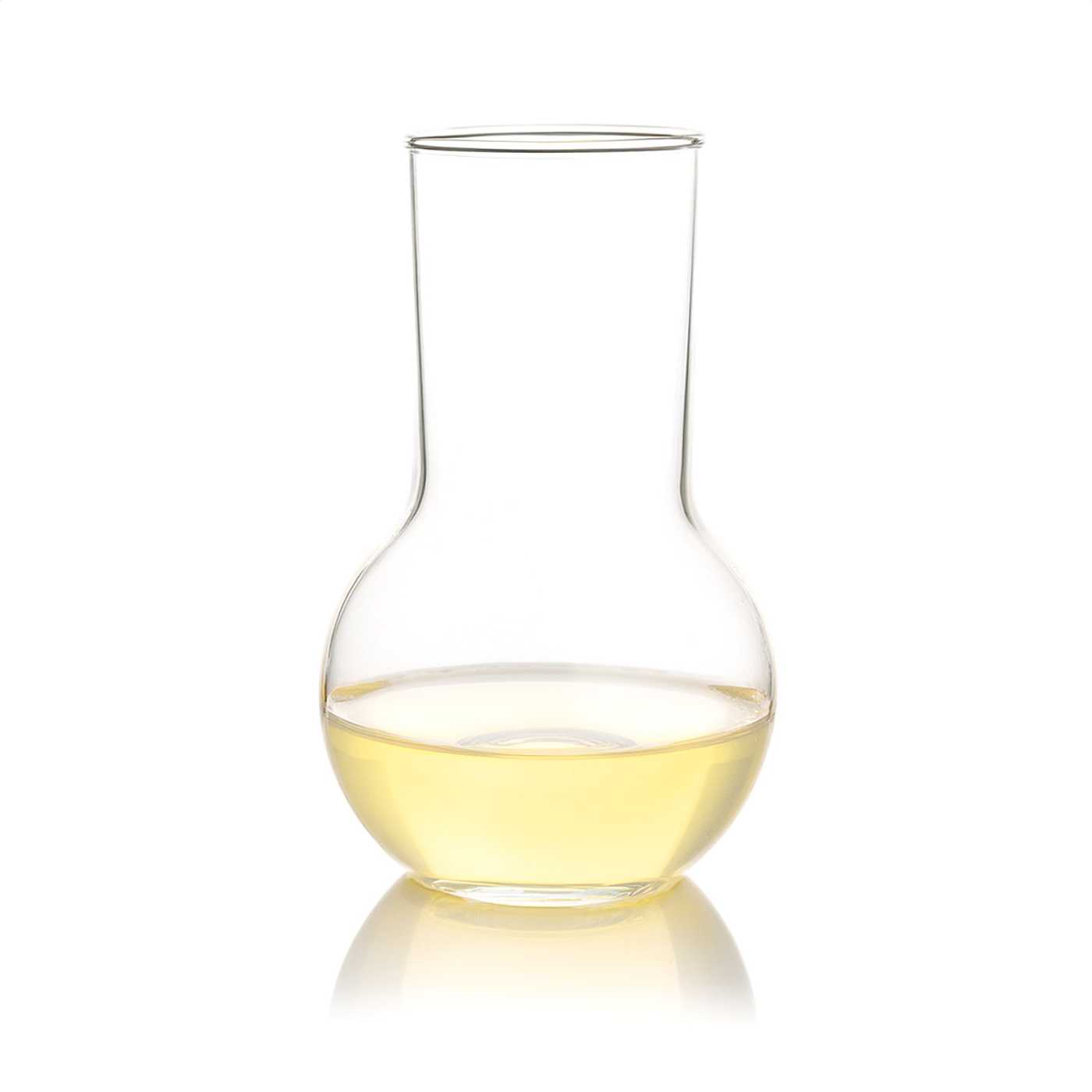
YellowClear
Processing method
Steam distillation
Odour
Fresh
Appearance
Oily liquid
Function in formulation
Fragrance component
Recommended processing temperature
< 40 °C
Application type
Leave-onRinse-off
Biodegradability
Readily biodegradable
Certifications
Vegan
Natural Index (NI ISO 16128)
1,00
Natural Origin Index (NOI ISO 16128)
1,00
Renewable Carbon Content (RCC)
100 %
Volume
10 ml

Product documentation

CoACertificate of Analysis
batch 0423-1217-AI-MCEOPDF ↓
TDSTechnical Data Sheet
Physical parameters and processingPDF ↓
AllergensAllergen Declaration
batch 0423-1217-AI-MCEOPDF ↓
Download all (ZIP)

3 PDF files in one archive

REVIEWS

Verified by customers.

No reviews yet.

Only customers with a delivered order can write reviews.