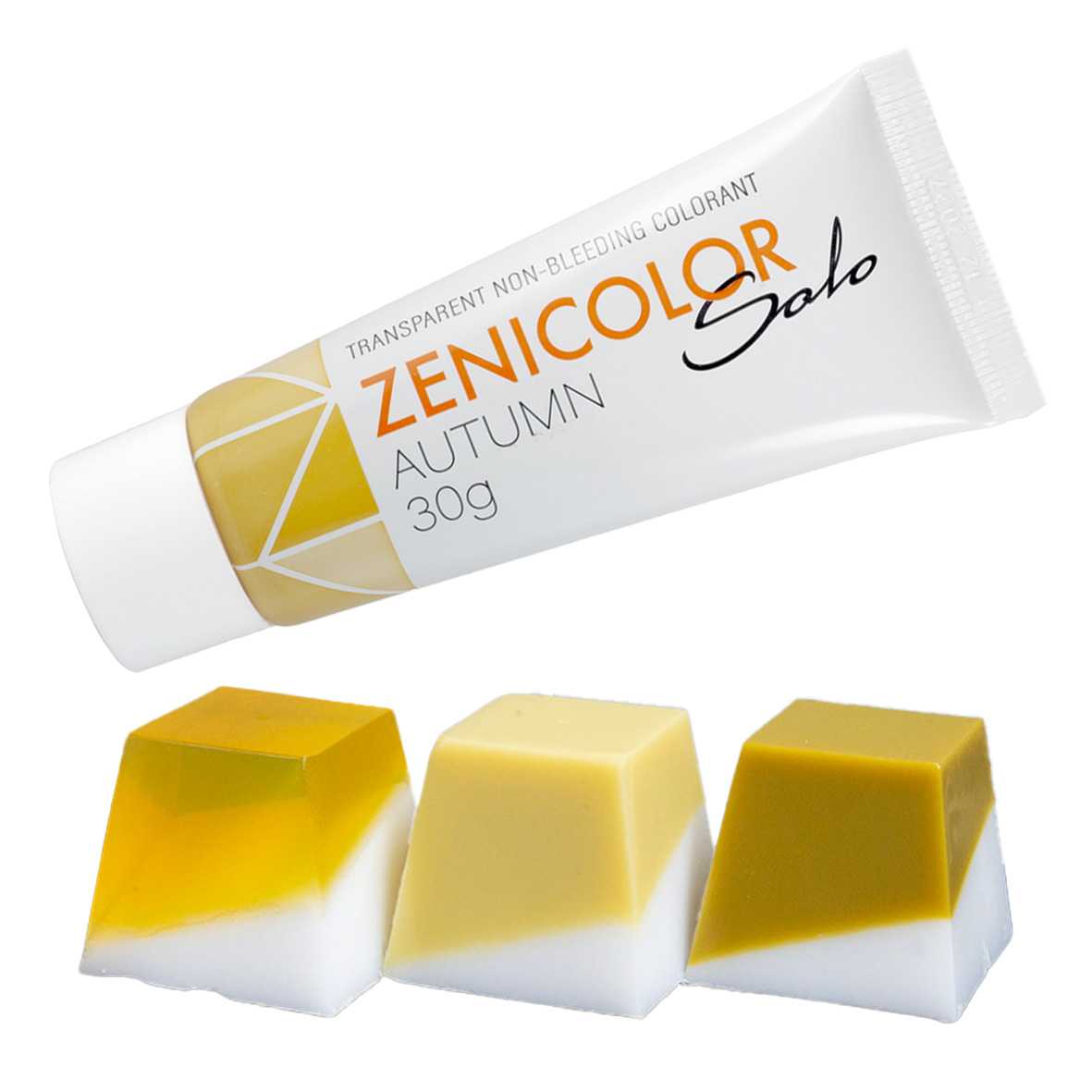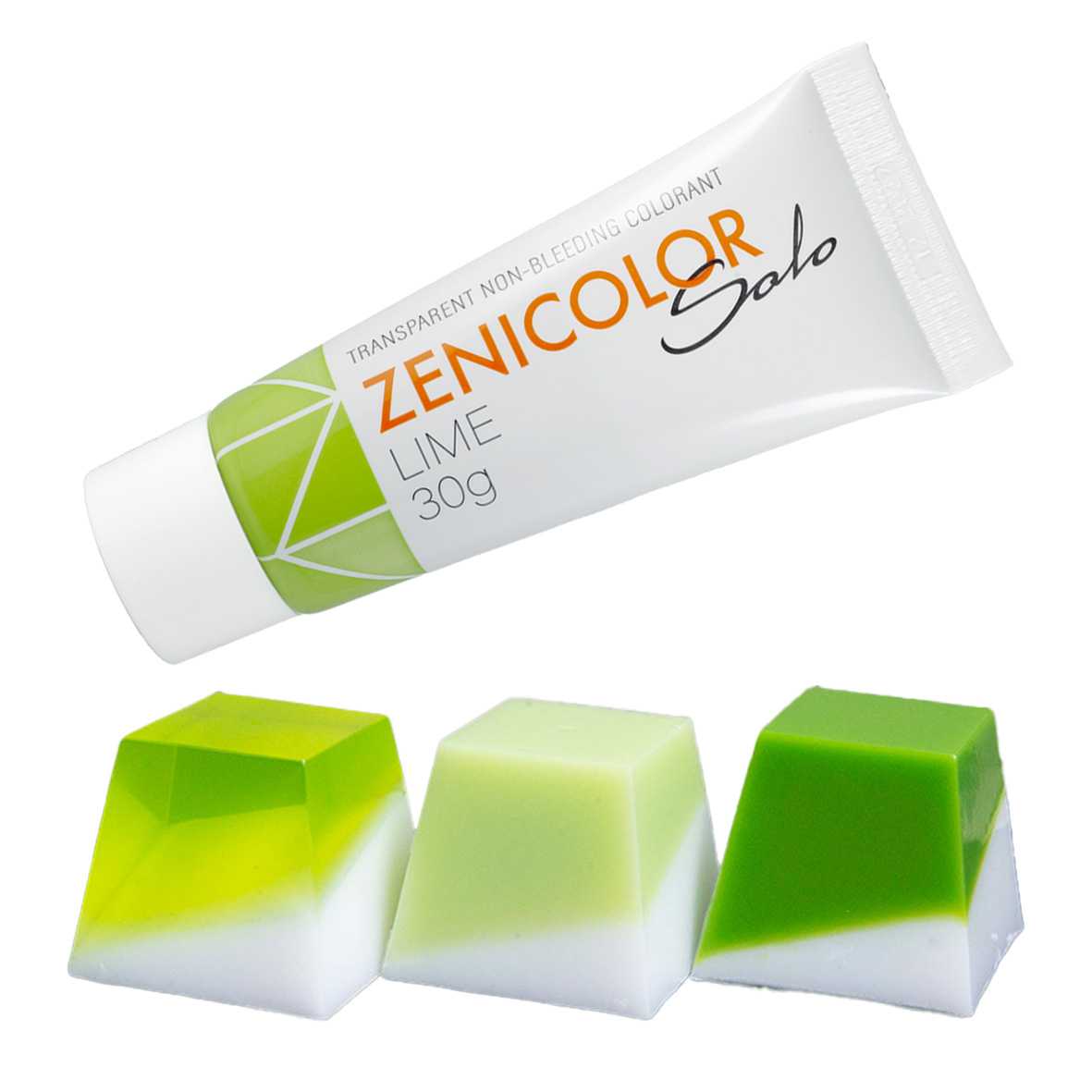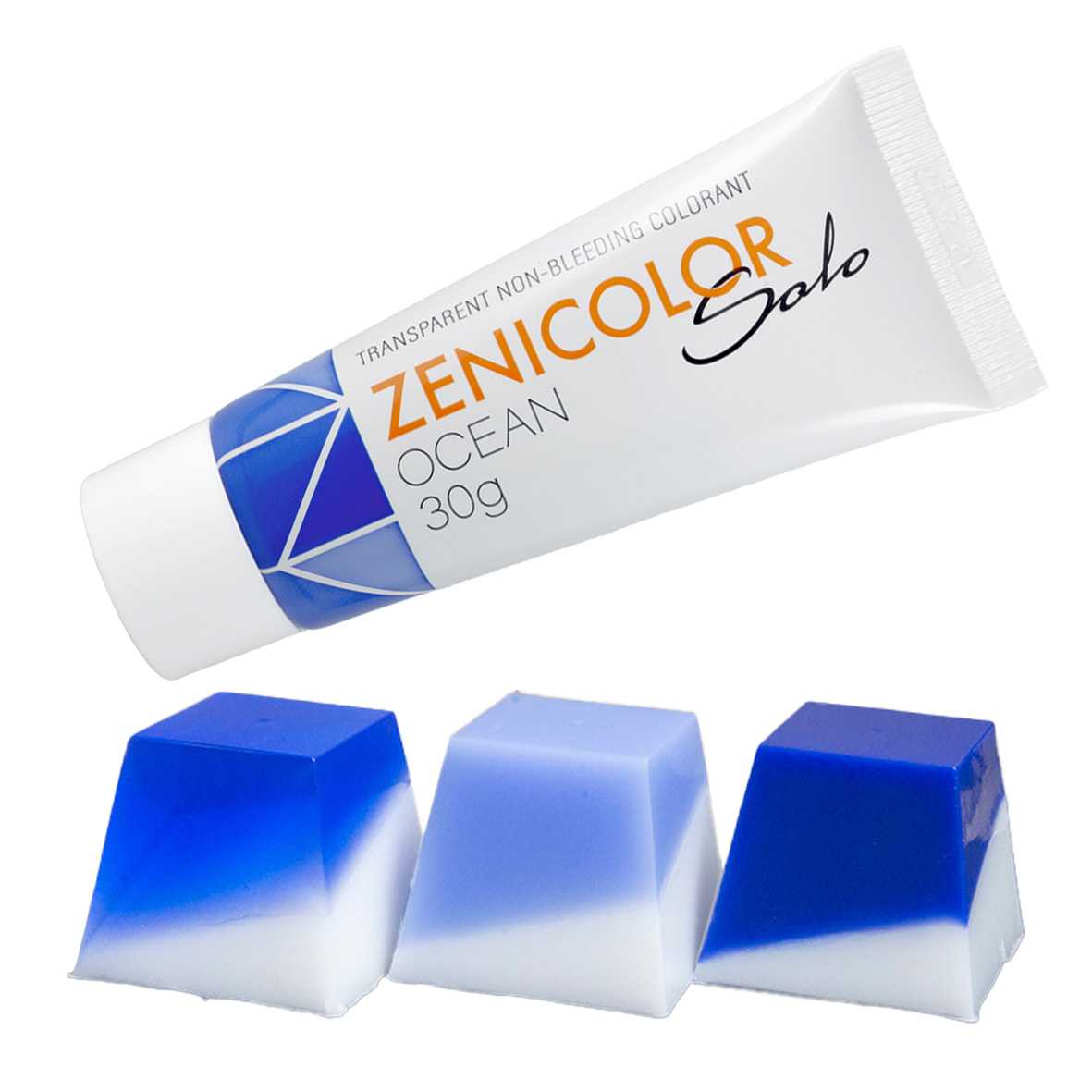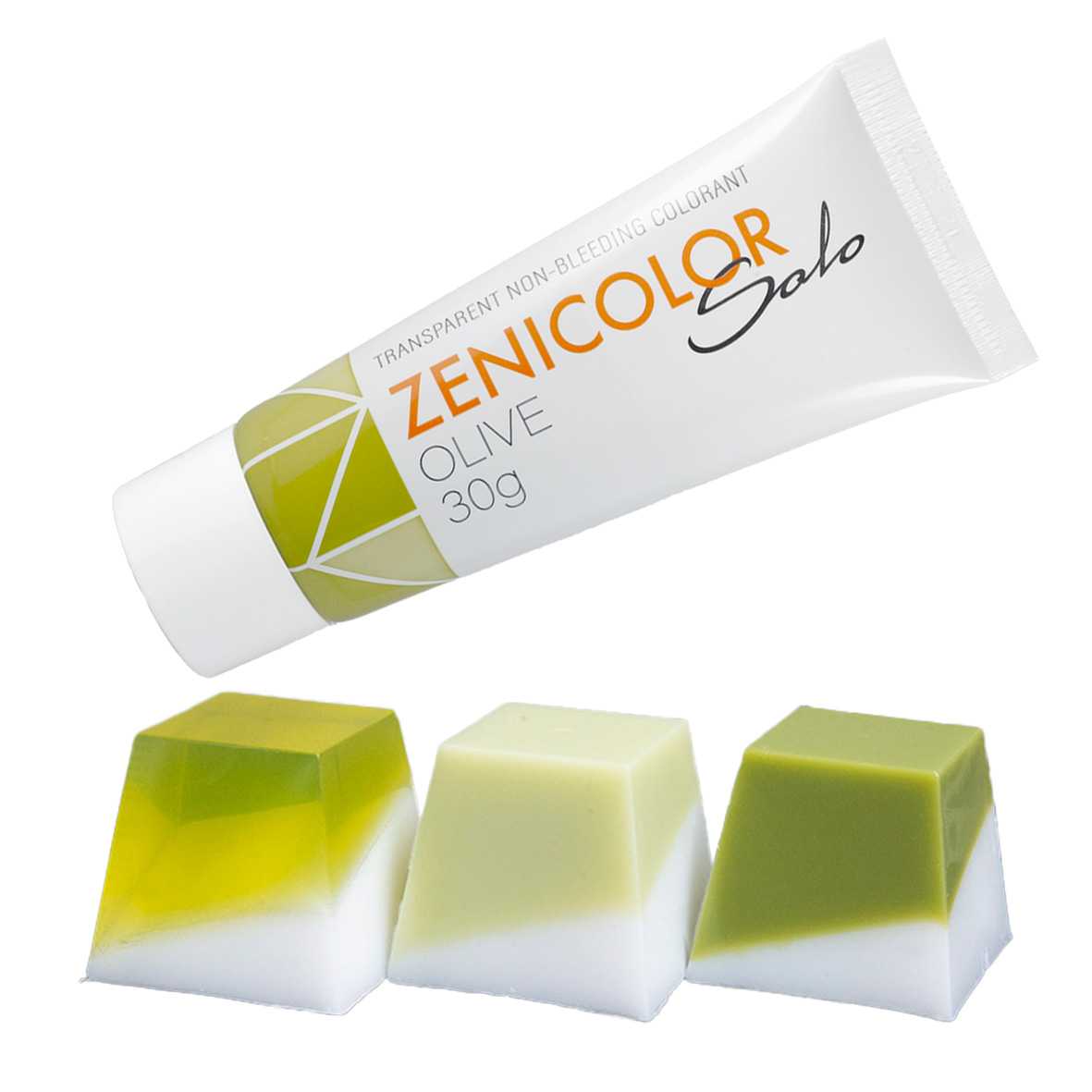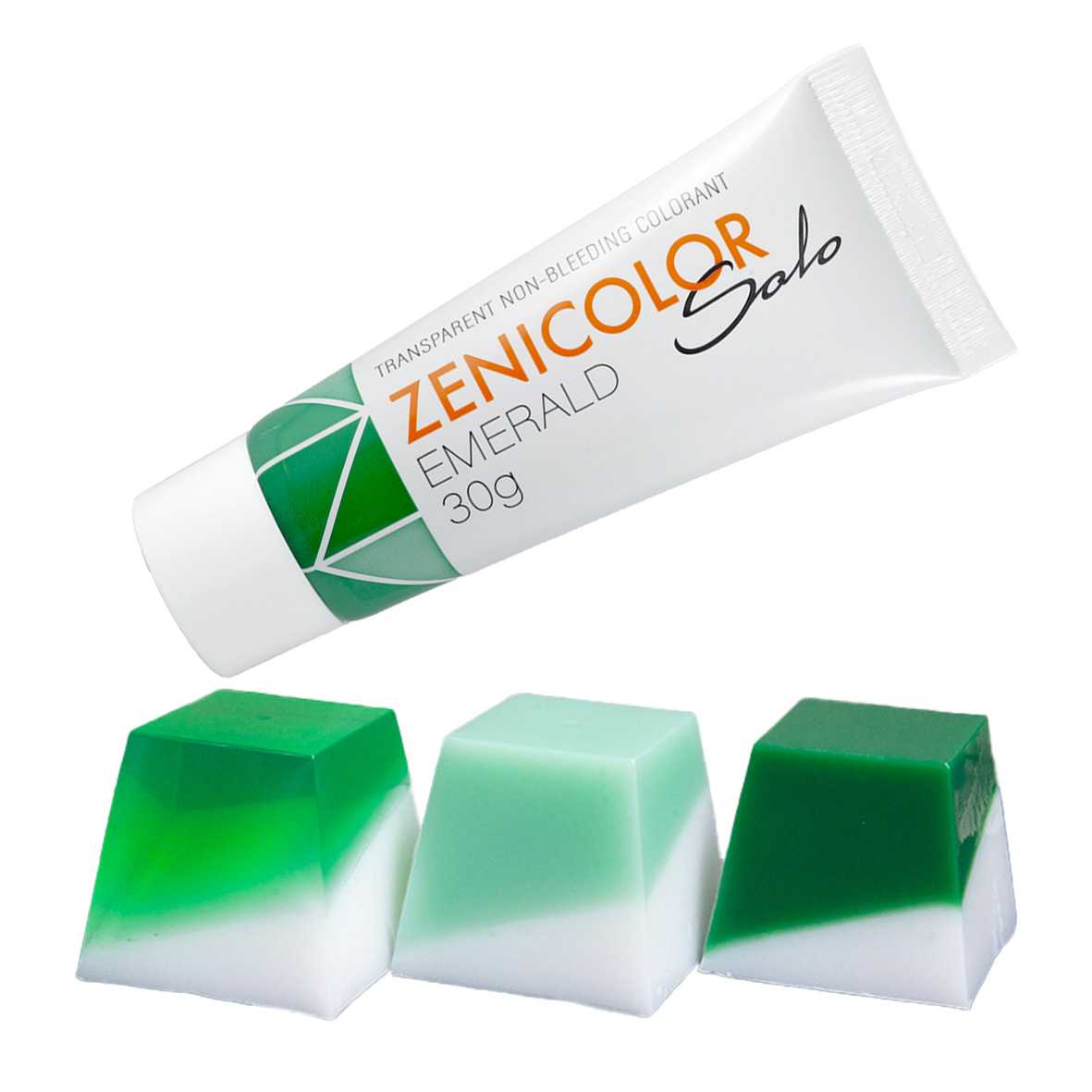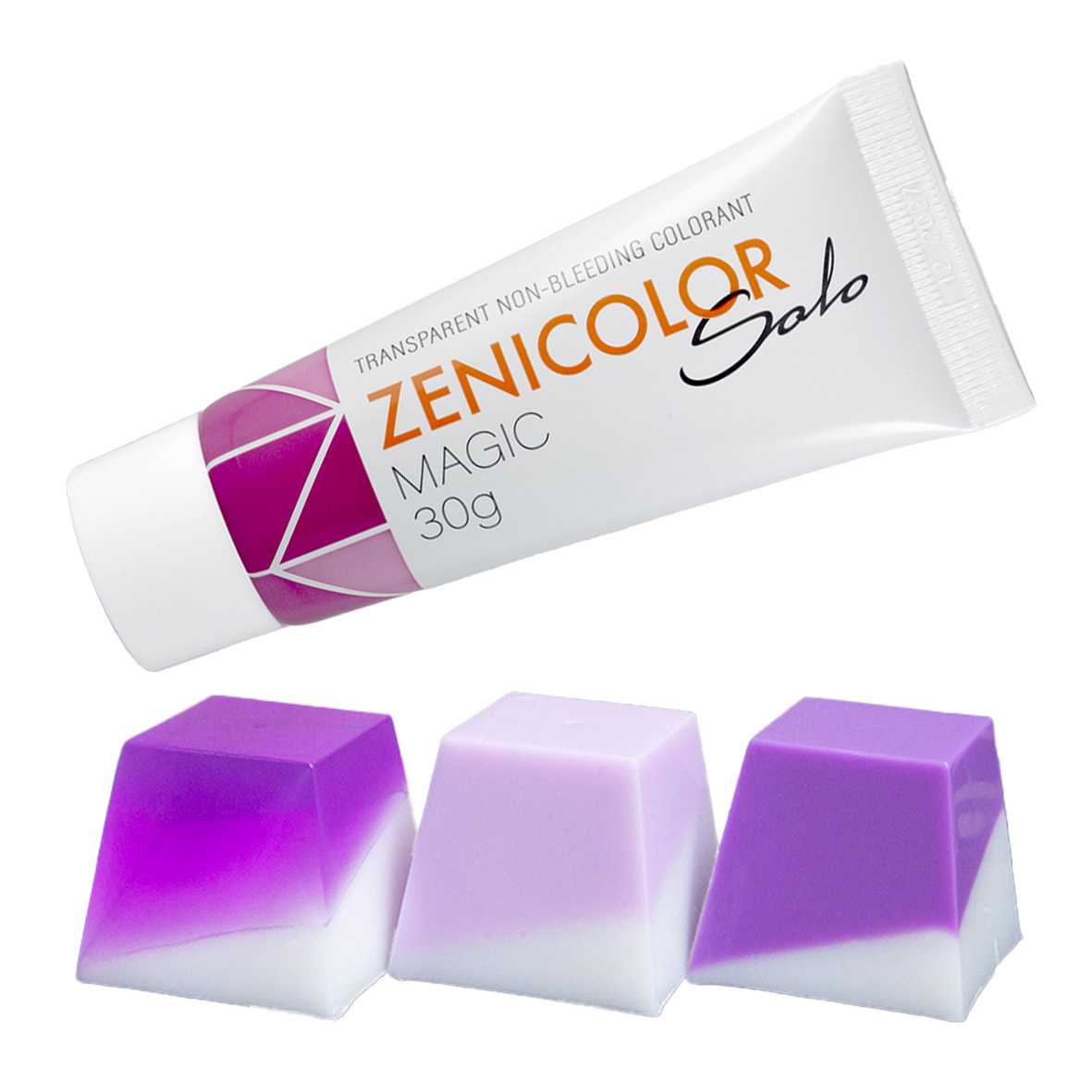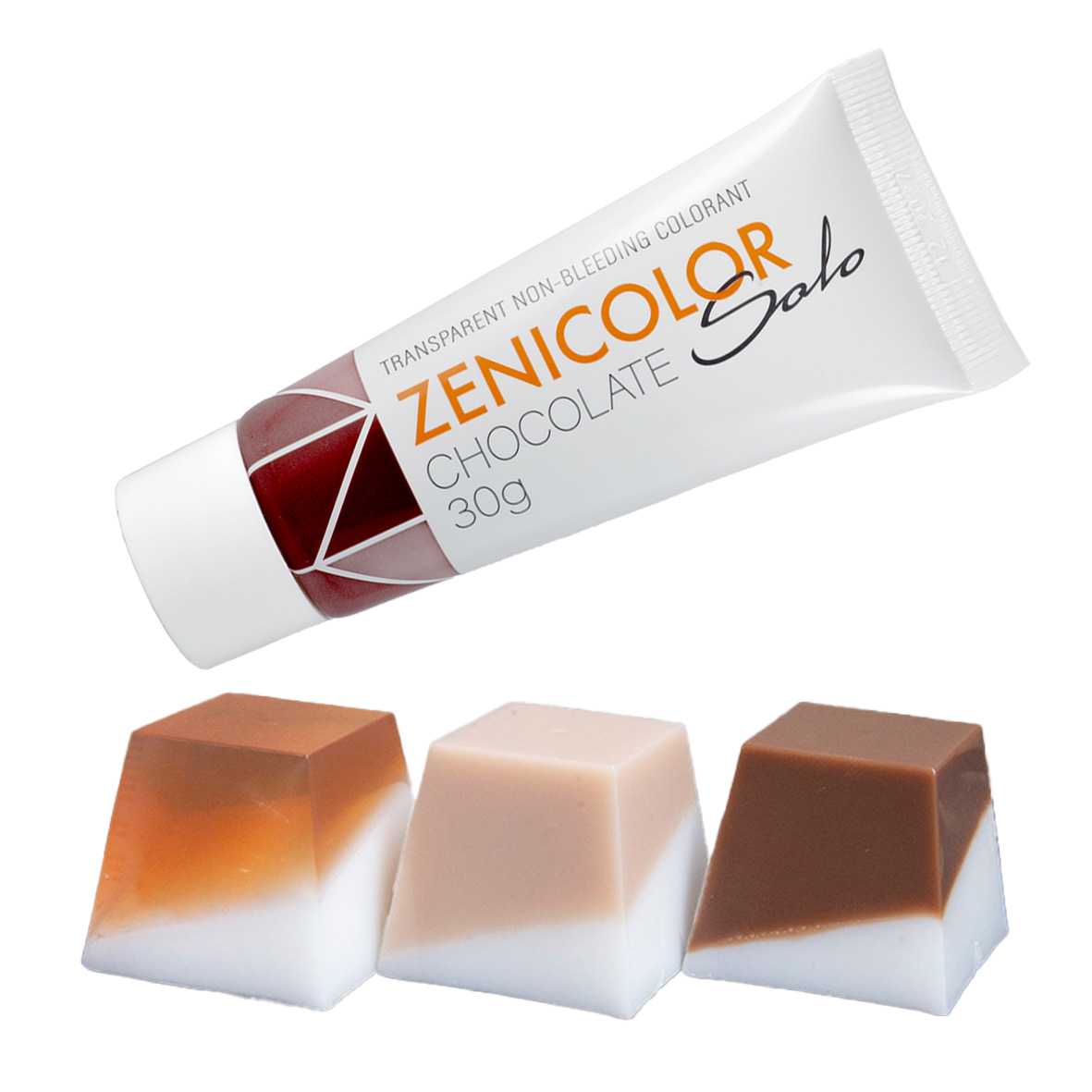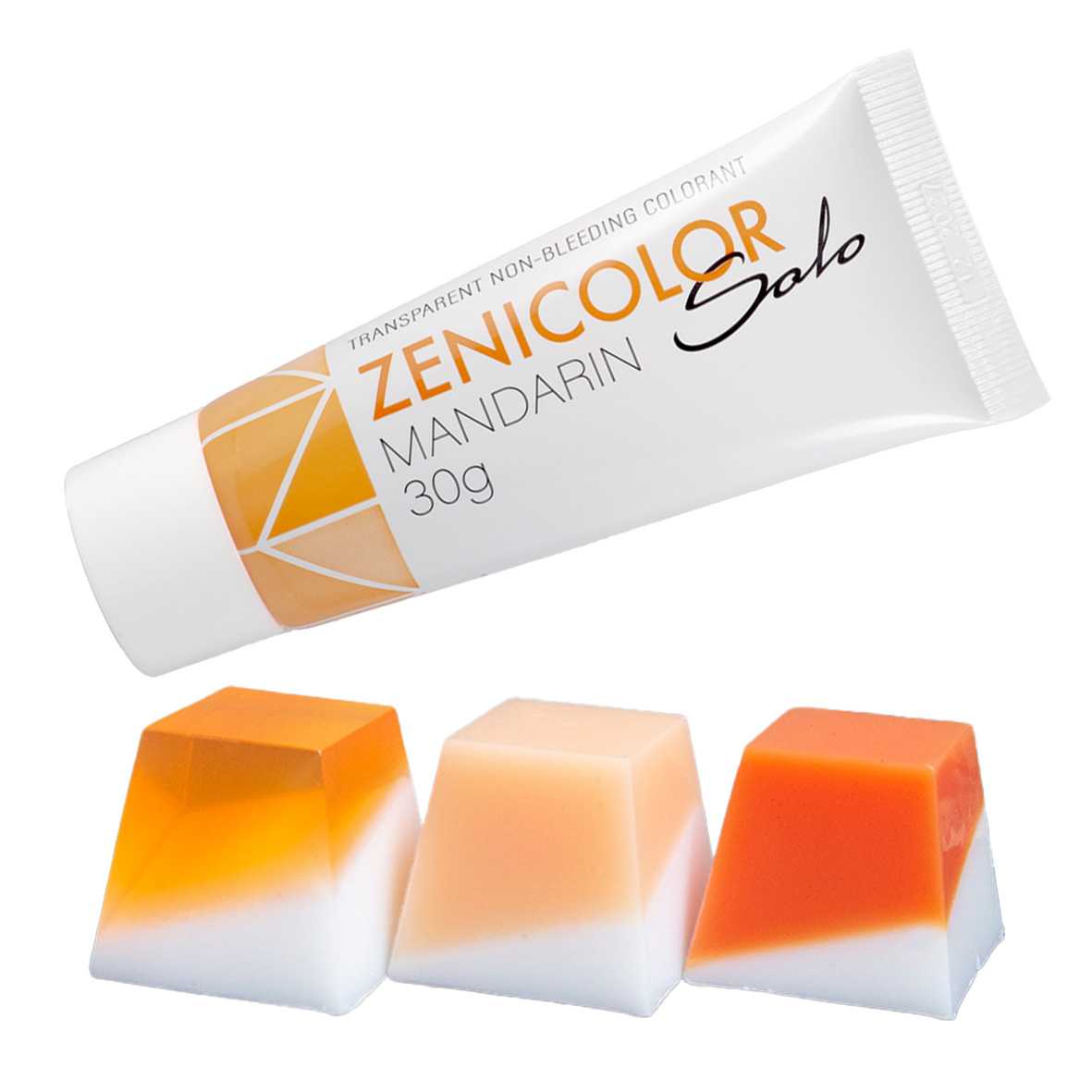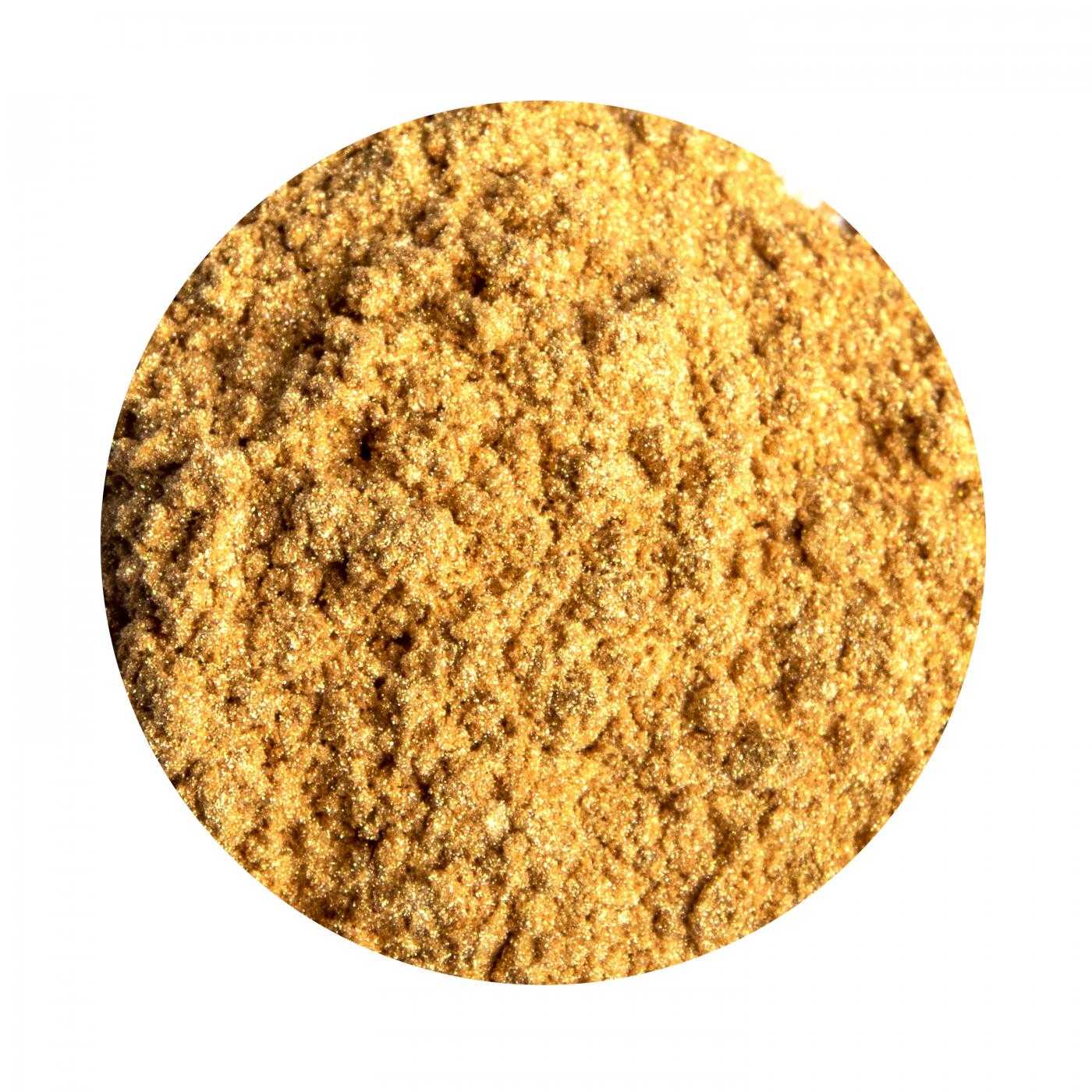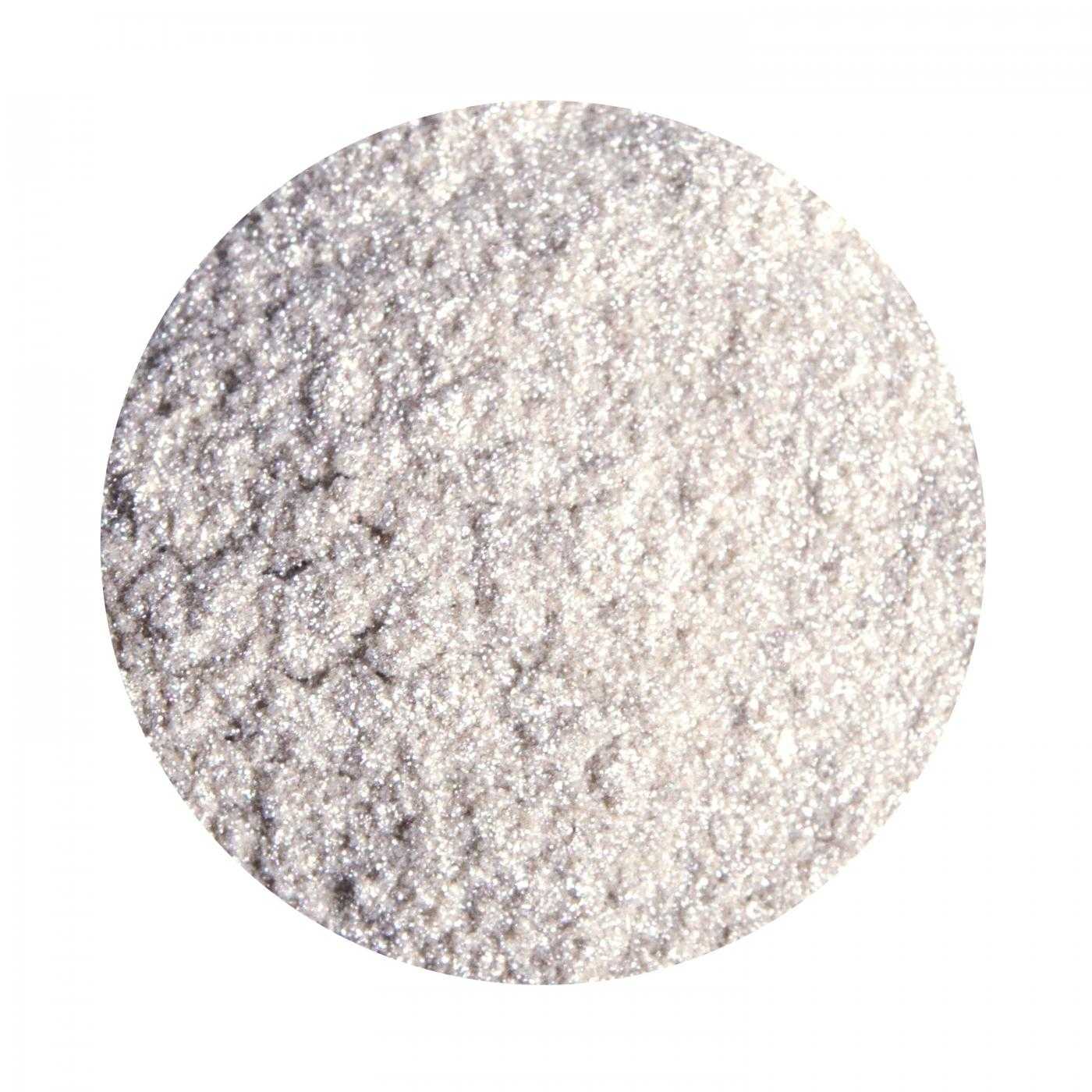
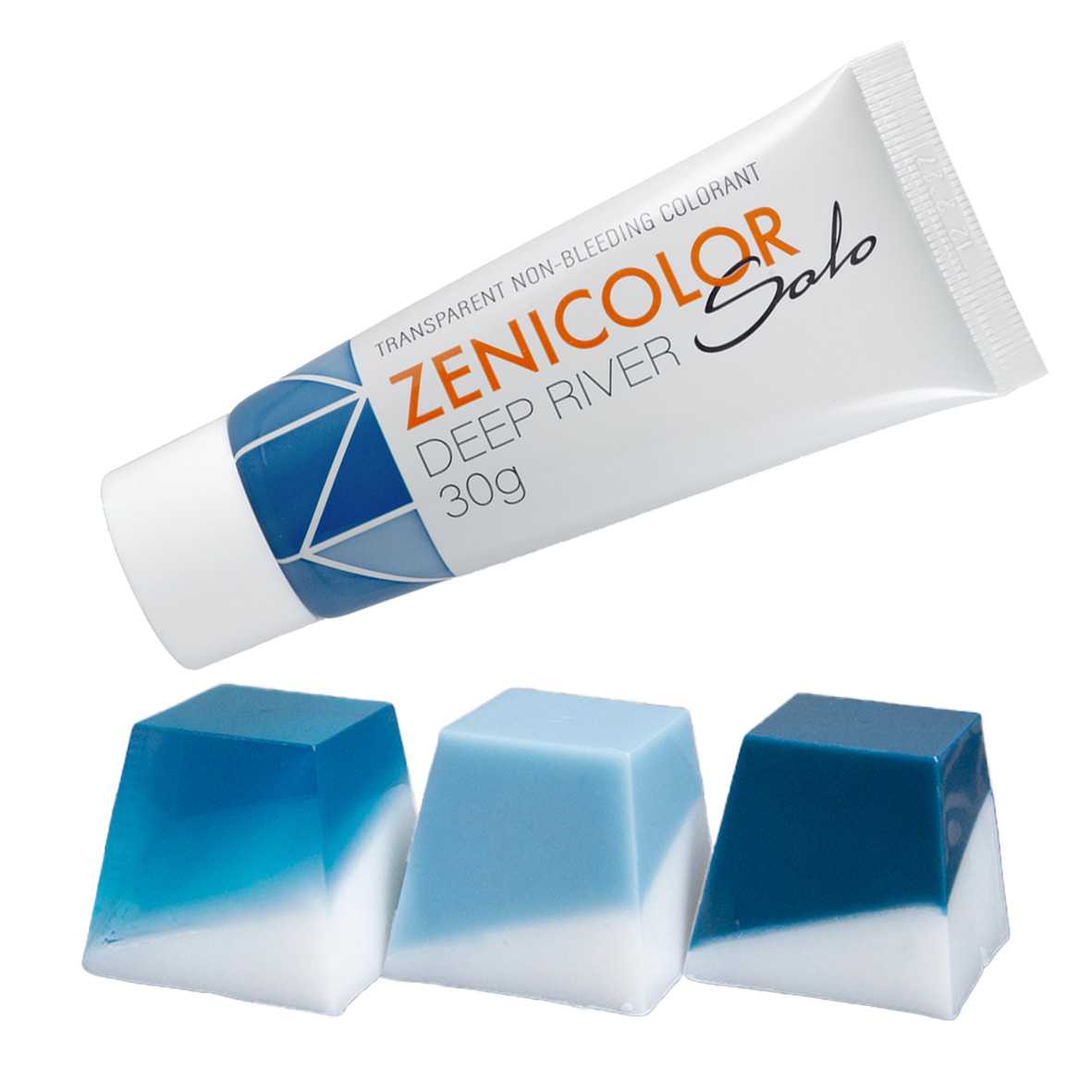
ZENICOLOR SOLO, Melt & Pour Colourant, 30 g Deep River
Pre-order€2.59(€86.33/kg)

Candle fragrance oils
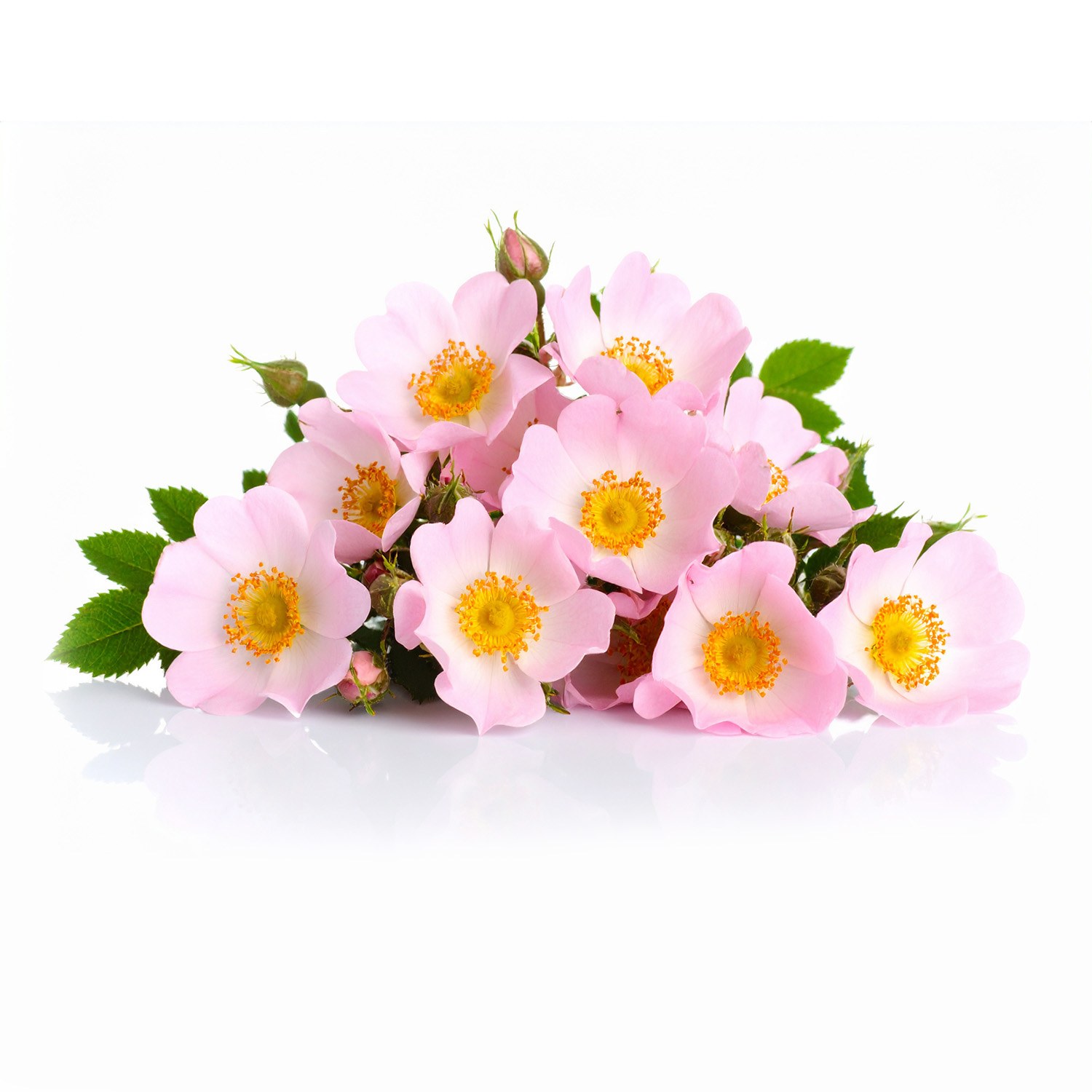
Product description Wild rose fragrance oil is a fragrance composition with a floral, rose-toned scent that serves as the fragrance component in a product – it gives it a recognisable and pleasant scent. full description
Lowest price in the last 30 days: €61.63
Wild rose fragrance oil is a fragrance composition with a floral, rose-toned scent that serves as the fragrance component in a product – it gives it a recognisable and pleasant scent. Makers reach for it when they want to give their product the character of a delicate rose without having to work with a concentrated essential oil.
The scent is also stable and reproducible from batch to batch – a practical advantage in series production, where it matters that the product always smells the same.
The fragrance oil is incorporated in the cool-down phase or added afterwards to the already cooled mixture. The recommended processing temperature is up to 40 °C – fragrance components are volatile, and at a higher temperature part of the scent is lost or its character changes.
Because the ingredient is oil-soluble and insoluble in water, it can be mixed directly into anhydrous and oil-based systems (body oils, butters, balms). For water-based and clear products (toners, spray fresheners, clear gels), you must first combine it with a suitable solubiliser, otherwise the fragrance will not dissolve and oil droplets or cloudiness will remain in the product.
Add the fragrance oil as one of the last ingredients, cold and after thorough mixing. In emulsions, incorporate it only in the cool-down phase below 40 °C to minimise scent loss and avoid putting strain on the stability of the emulsion.
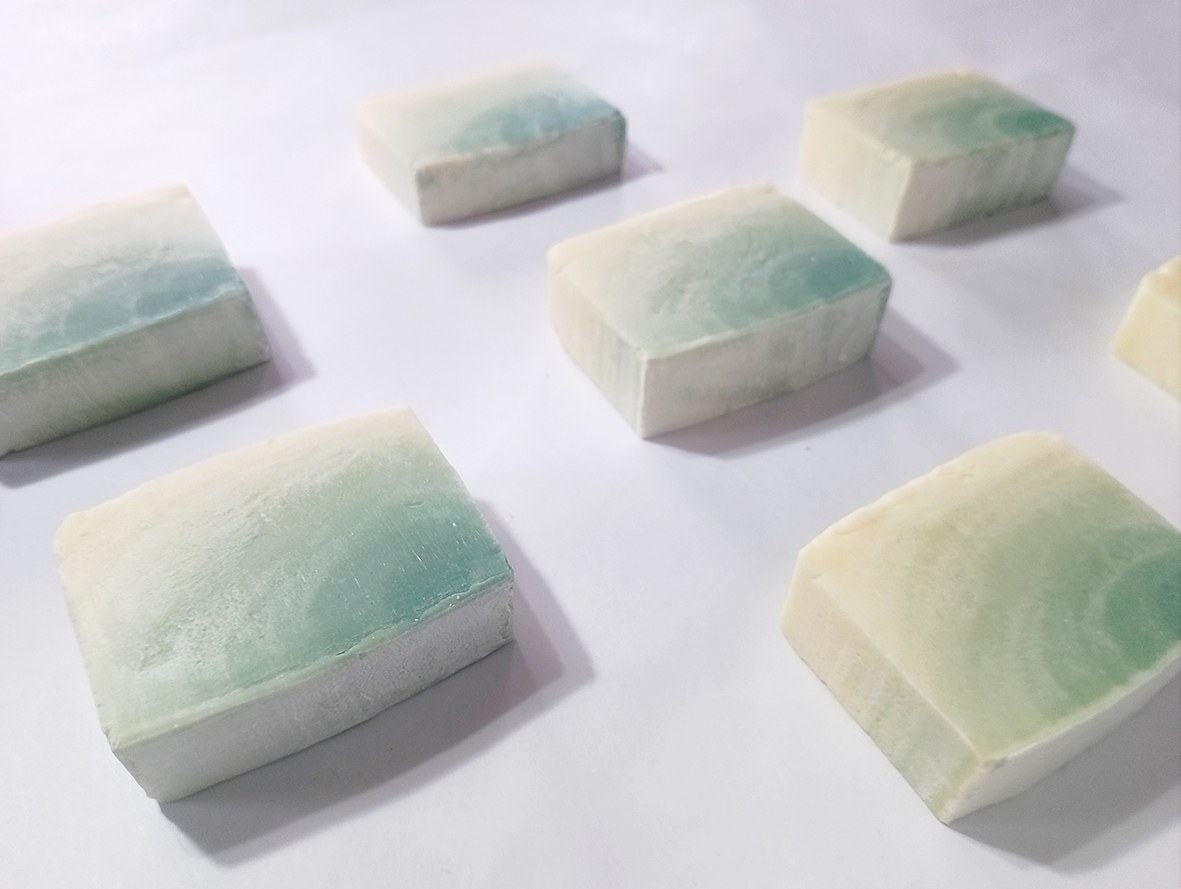
In cold process soap, according to a practical test by a soap maker, the fragrance is well-behaved – it does not noticeably accelerate trace and the mixture remains workable. After about ten minutes the mixture had the consistency of thin pudding, stayed smooth and could be stirred easily, so there is time to pour it into the mould and to decorate it if you wish. It practically does not discolour the mixture, which is an advantage for light and colour-coordinated soaps.
Always base the specific usage rate and suitability for a given type of product on the IFRA category for the relevant product – the limit differs, for example, between lip products, deodorants, rinse-off soaps and leave-on creams.
The ingredient is subject to CLP classification and contains one or more fragrance allergens listed in Annex III of Regulation (EC) No 1223/2009. This has two practical consequences: the allergens present must be declared on the label of the finished product above the threshold values, and when handling and labelling the product you should follow the safety data sheet and the pictograms.
This is a fragrance classified under CLP that contains allergens. Observe the maximum usage rate according to the IFRA category for the given type of product and declare the allergens in the ingredients list of the finished product.
For colour-sensitive products, it is an advantage that it is colourless and does not change the shade of the mixture.