
Spend over €100 for discounted shipping!

+421 950 333 113[email protected]

Wooden wicks

Wooden wick, .01 spiral, 9.5 mm, 100 pcs

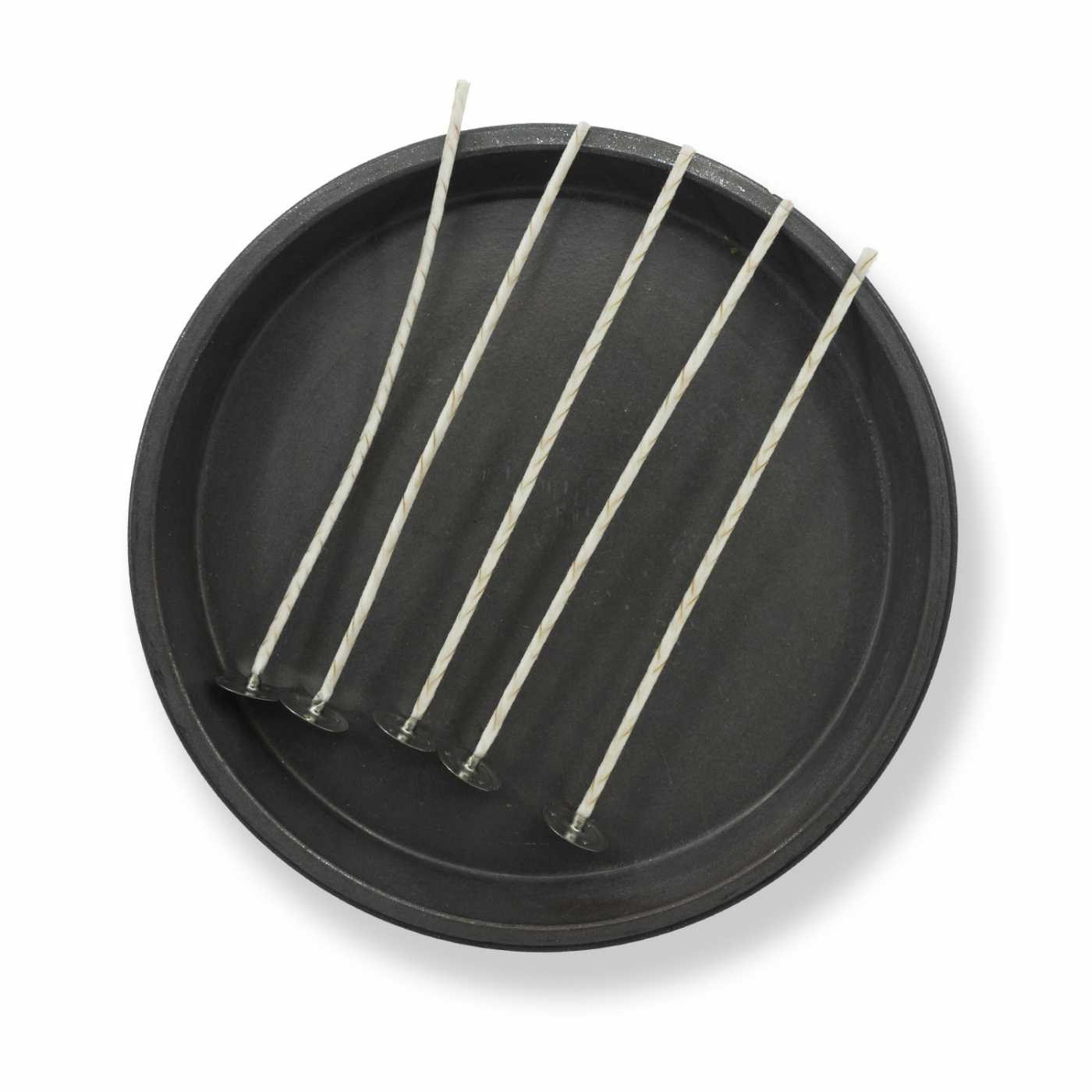
Wooden wick coiled into a spiral gives the candle a wider, more lively flame and a quiet crackling reminiscent of a fireplace. full description

AvailabilityPre-order
Product codeSVKW6-SVKP2_100
€131.24incl. VAT

Lowest price in the last 30 days: €131.24

Save €47.76 with this set
Pre-orderThis variant is currently out of stock — your order will be a pre-order and delivery may take longer.
What's in the set
100× Wooden wick, .01 spiral, 9.5 mmDrevený knôt, .01 špirála, 9,5 mm ZASOBA

Product description

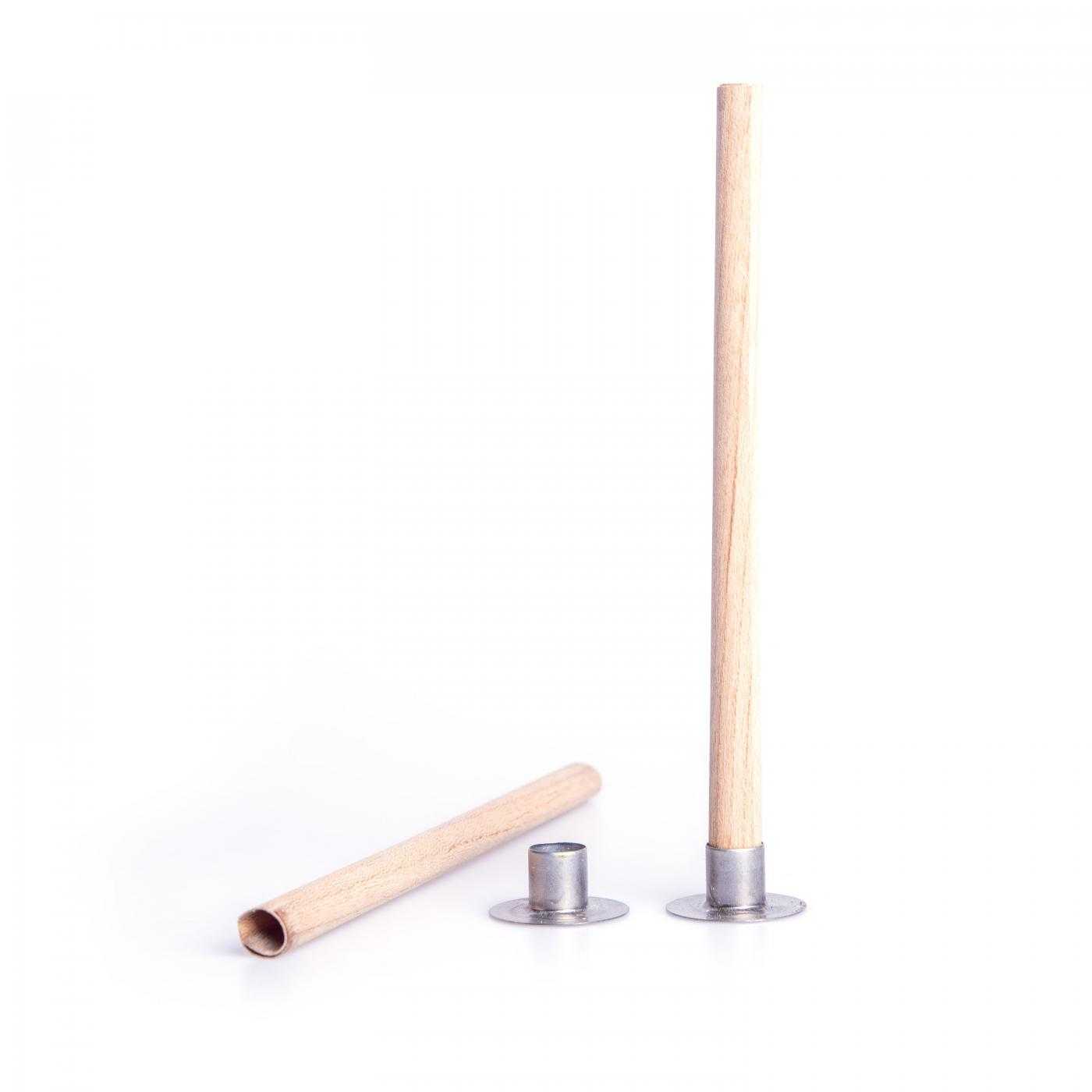
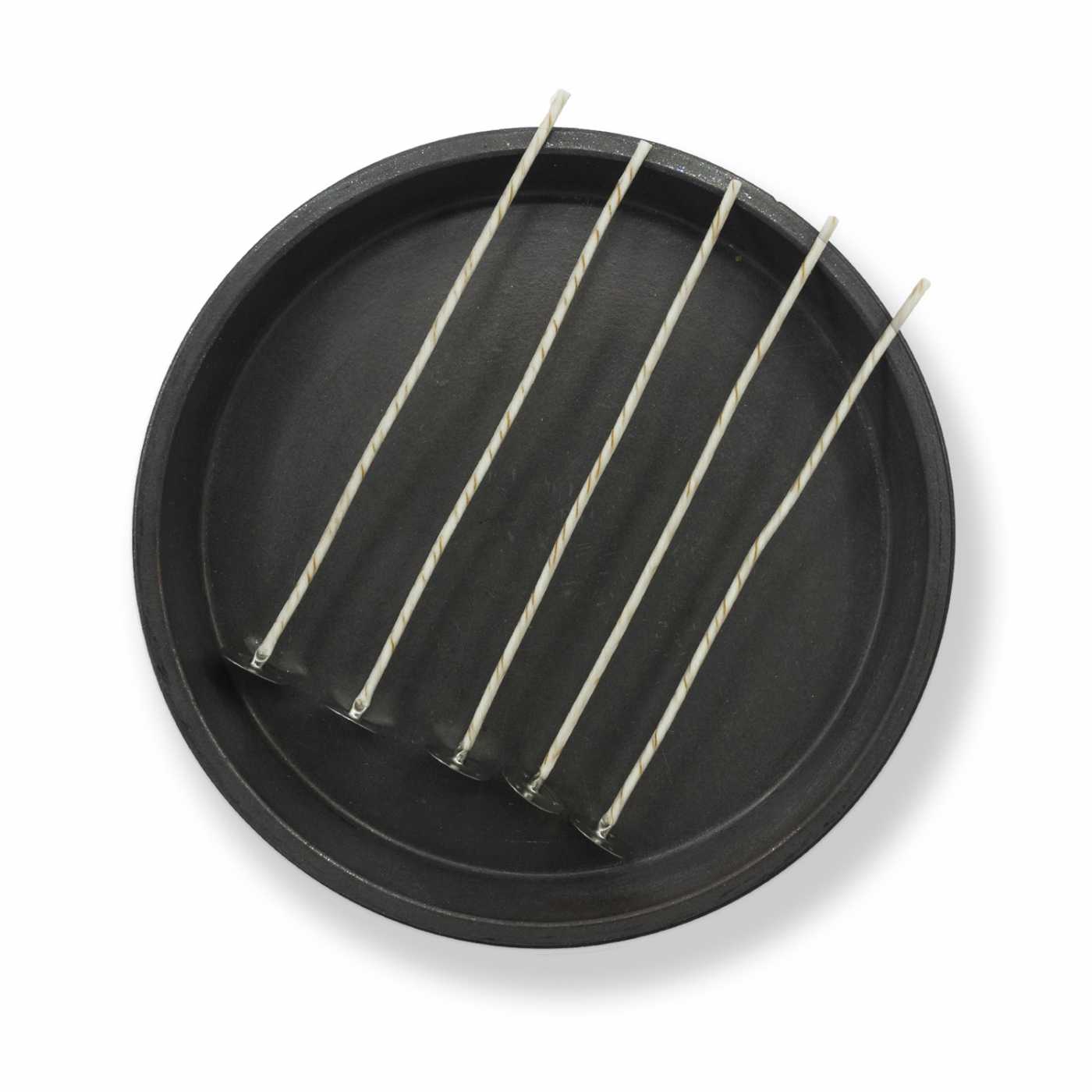
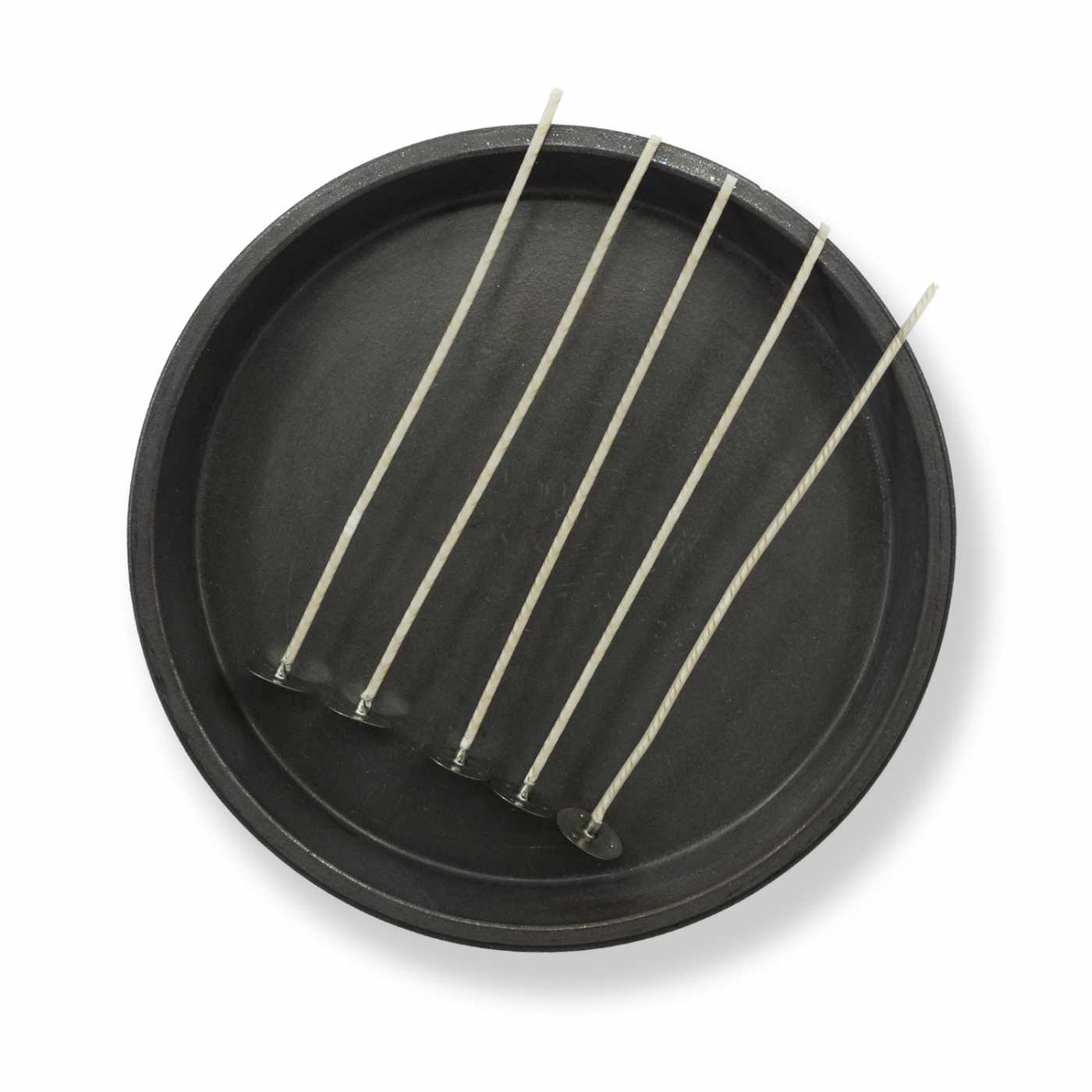
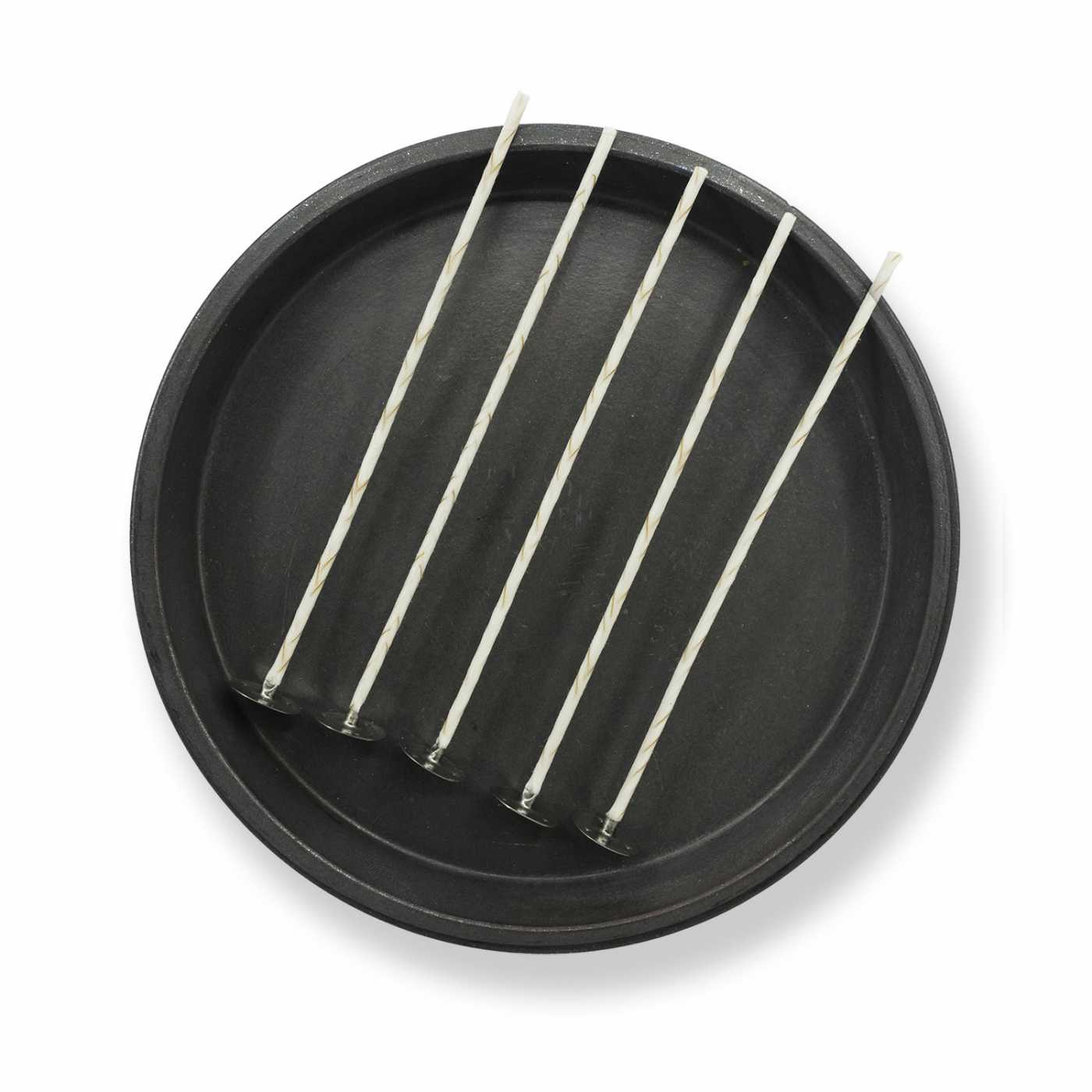
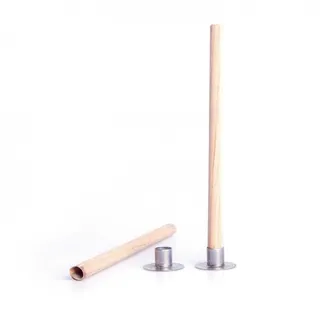
Wooden wick coiled into a spiral gives the candle a wider, more lively flame and a quiet crackling reminiscent of a fireplace. Instead of a straight lamella, the flame burns along the curved surface of the wood, making the candle feel different from one with a cotton or straight wooden wick. It comes as a complete set with a metal stand that holds the wick perpendicular to the base of the container. The packaging contains 100 pieces of wicks with stands, ready to use without any additional accessories.

The wick is made from certified wood. The manufacturer describes it as natural, allergen-free and biodegradable. The designation .01 indicates the thickness of the wooden lamella; a higher number in the range means a thicker lamella.


Key benefits

  • Spiral shape – the flame does not stay in a single plane as with a straight wick, but wraps around the curved wooden surface. The effect is particularly noticeable with candles in clear glass.
  • Crackling while burning – the wood produces a soft crackling sound as it burns. The intensity depends on the wax, the size of the flame, and how well the wick is saturated with wax.
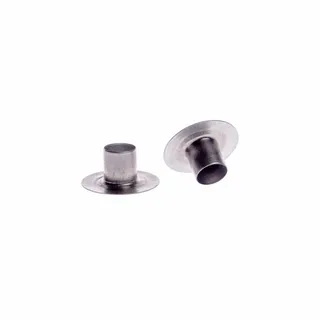
  • Stand included – the metal stand keeps the wick upright during pouring and wax setting. There is no need to secure the wick with skewers or glue the wood itself; simply attach the stand to the bottom of the container.
  • Thinner lamella .01 – the smaller thickness produces a smaller, calmer flame that is easier to work with in smaller containers. In a wide container the flame may be weak, so it should be verified with a test burn.

Use in candle making

Insert the wick into the stand and glue the stand to the bottom of the container with hot glue or a wick sticker. Fill the container with wax in the usual way. It is advisable to leave the wood in the container throughout the setting process to prevent it from shifting. Once set, trim the wick so that approximately 3 – 5 mm of wood protrudes above the wax surface. A wooden wick that is too long does not draw wax high enough and the flame goes out; one that is too short gets covered by wax.

Wooden wicks are sensitive to the type of wax. Soy and other plant-based waxes, which are thicker in liquid form, may burn weaker than paraffin or blends with coconut wax. Choosing a wax designed for container candles helps. The behaviour of a specific combination of wax, fragrance and container cannot be guaranteed in advance, so a test burn is recommended, monitoring whether the melted wax layer reaches the edge of the container after a few hours.

Before the first lighting, allow the candle to cure for a few days after pouring so that the wax and fragrance oil can form a stable structure. The wooden wick will then absorb wax more readily and the flame will stabilise more quickly.

The wick length is intended for standard container candles. If the container is shorter, trim the wick from the top after the wax has set. Trimming from the bottom before inserting it into the stand is not recommended, as this changes the support in the stand.


Suitable for products such as

  • Container candles in glass or ceramic of small to medium diameter, where the thinner .01 lamella melts the wax right to the edge.
  • Fragrance oil candles where crackling and a lively flame are part of the experience.
  • Test and sample candles when the maker is looking for the right wooden lamella thickness for a specific wax and container.

The spiral wick with stand is not suitable for free-standing poured candles without a container, as the stand requires a solid base.


Good to know

Wooden wicks in a finished candle are not trimmed with scissors like cotton wicks. Between burns, the charred tip is broken off with fingers or tweezers. This step should be included in the candle care instructions for the customer; otherwise the flame will noticeably weaken after the first burn.

A small flame in the first few minutes after lighting is normal and is not a defect of the wick. The wood first needs to absorb the melted wax, after which the flame will build up.

The spiral shape gives the flame a larger surface area than a straight wick of the same thickness. During the first test, watch whether the container overheats and whether soot forms above the flame. If so, reduce the fragrance oil dosage or trim the wick.

The stand remains on the base of the container after the candle has burned down. When reusing the container, remove it together with the remaining wax after gentle heating. Both wood and wax are flammable, so make and test candles away from flammable materials and never leave a burning candle unattended.


Frequently asked questions

Which containers is the wooden wick .01 spiral 9.5 mm suitable for?
It works best in container candles of small to medium diameter. The thinner .01 lamella produces a calmer flame that melts the wax right to the edge in a narrower container, but may leave a tunnel in a wide one. The exact diameter range depends on the wax and fragrance oil, so a test burn is recommended before larger production.
How is the wooden wick .01 spiral secured in the container?
Insert the wick into the included metal stand and glue the stand to the bottom of the container with hot glue or a wick sticker. The stand keeps the wick perpendicular during pouring and wax setting, so no further fixing is required. If the wick needs to be trimmed, always trim it from the top after the wax has set, not from the bottom, so that the support in the stand is maintained.
Does the wooden wick .01 spiral work in soy wax?
Yes, but the behaviour needs to be verified by testing. Soy wax is thicker in liquid form than paraffin, so the wood draws it up more slowly and the flame may be smaller. A blend of soy and coconut wax, or a wax designed for container candles, often helps. With pure soy wax, a thicker lamella from the same range may be more suitable.
Why does the wooden wick burn with a small flame after lighting?
A small flame in the first few minutes is normal, as the wood must first absorb the melted wax. Once saturated, the flame will grow and stabilise. If it does not build up even after a longer time, the wick is usually too long or the wax is too thick. In that case, trim the wick and repeat the test.
How is the wooden wick .01 spiral maintained between burns?
Before each subsequent lighting, break off the charred tip so that 3 – 5 mm of clean wood remains above the wax. Scissors are not needed; fingers or tweezers are sufficient. Without this step, the flame weakens and the candle stops melting the wax to the edge of the container.
What is the difference between a spiral wooden wick and a straight wooden wick?
The spiral wick has a lamella coiled into a spiral, so the flame burns along a curved surface and appears wider and more lively. A straight wick produces a flat flame in a single plane. At the same lamella thickness, the spiral has a larger burning surface, so it requires separate testing of the flame and container temperature even where a straight wick already performed well.

Parameters

Metal Sustainer for Spiral Wicks

Country of origin
USA

Wooden wick, .01 spiral, 9.5 mm

Country of origin
USA
Height
127,0 mm
Dimensions
šírka 9,5 mm (.375"), výška 127,0 mm (5"), hrúbka .01
Product material
Wood
REVIEWS

Verified by customers.

No reviews yet.

Only customers with a delivered order can write reviews.