
Tea Tree (Australian) Essential Oil, 10 ml
Pre-order€2.09(€209.00/l)

Wooden wicks
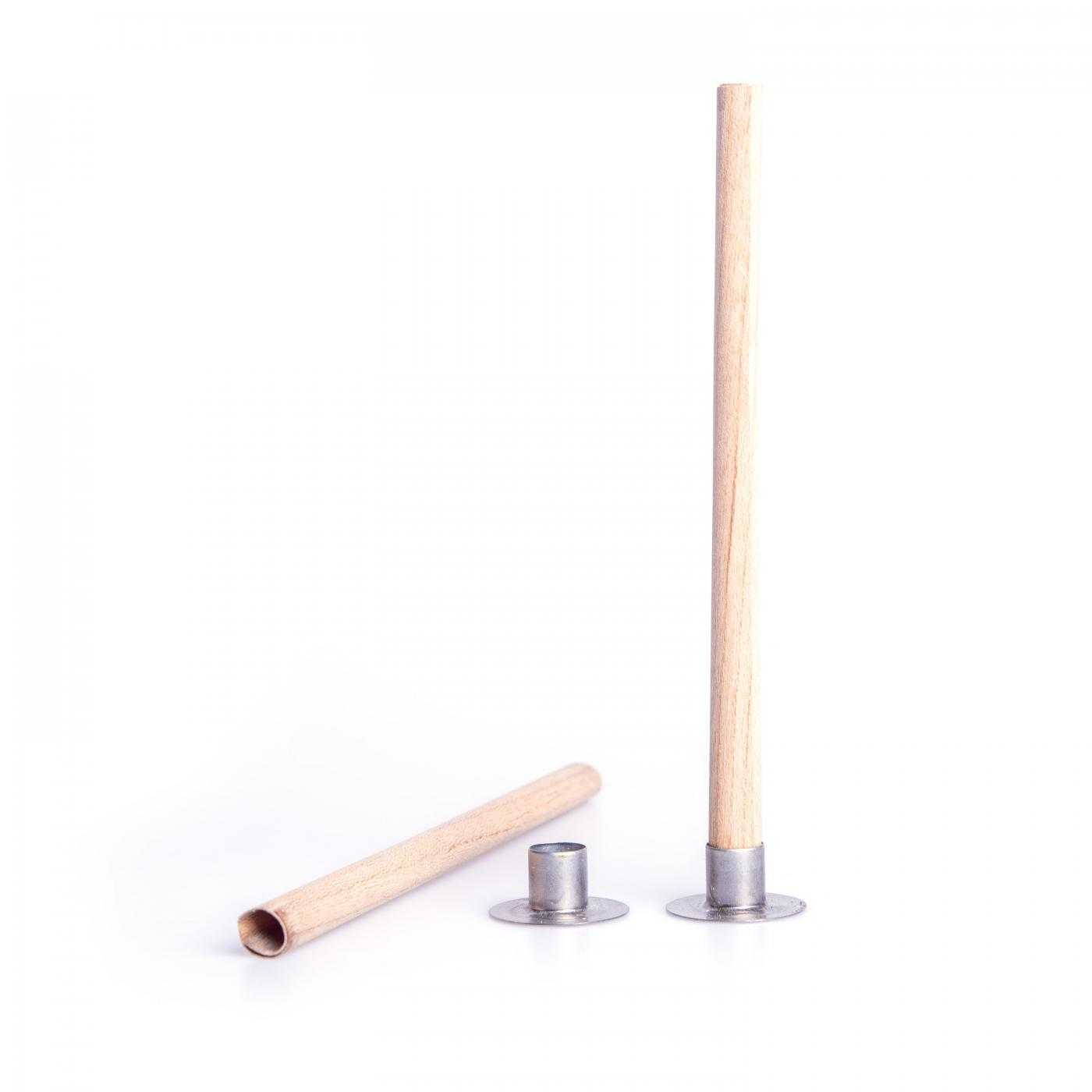
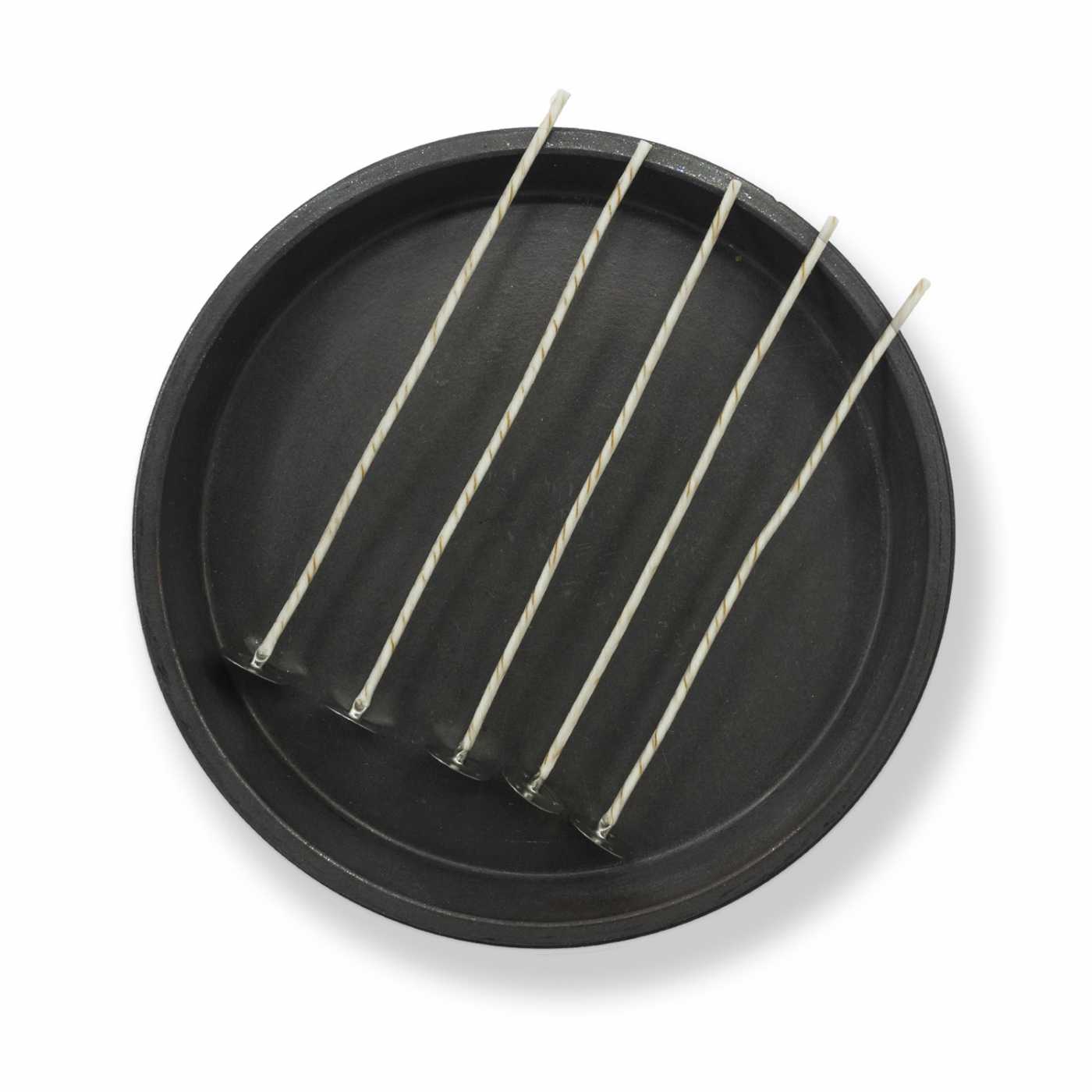
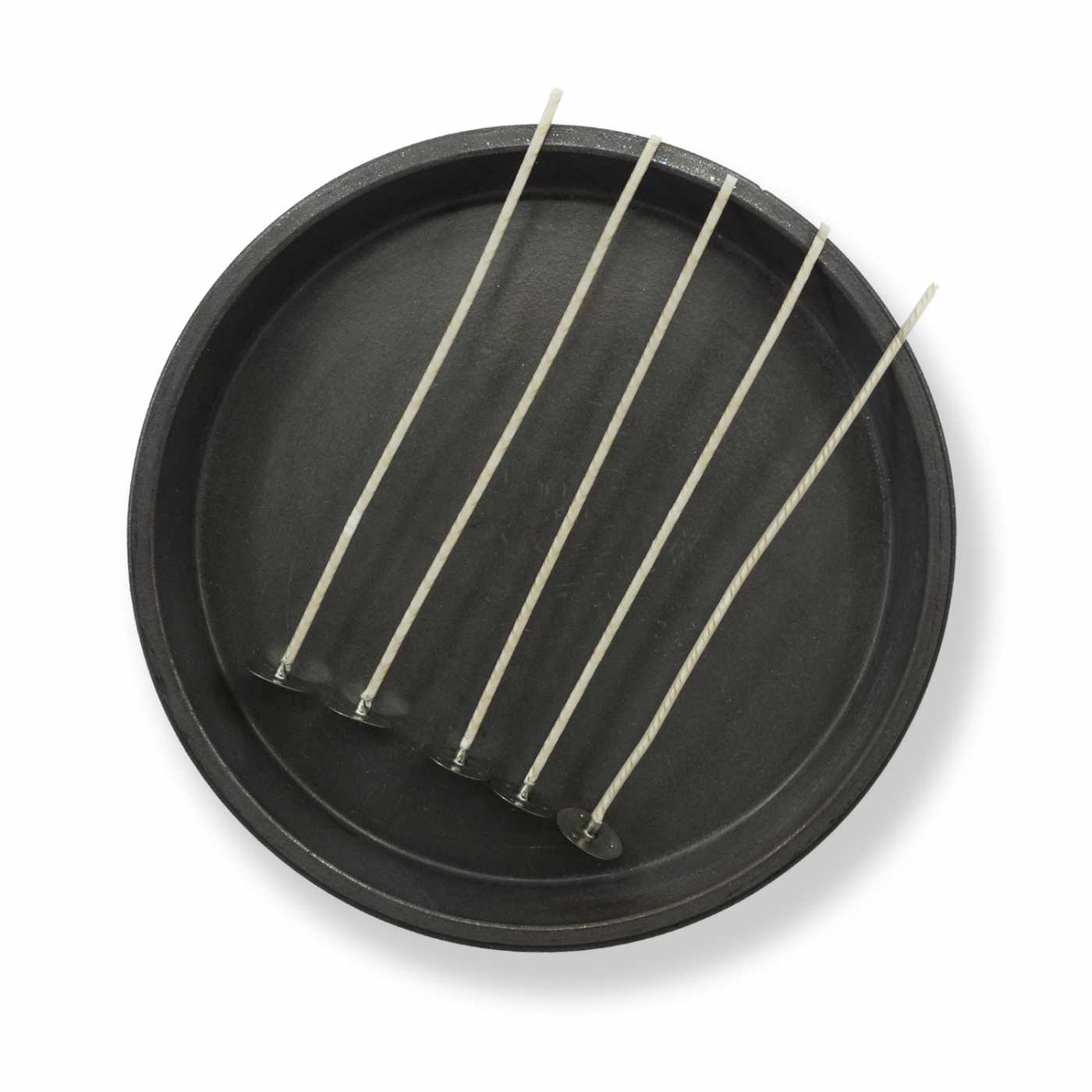
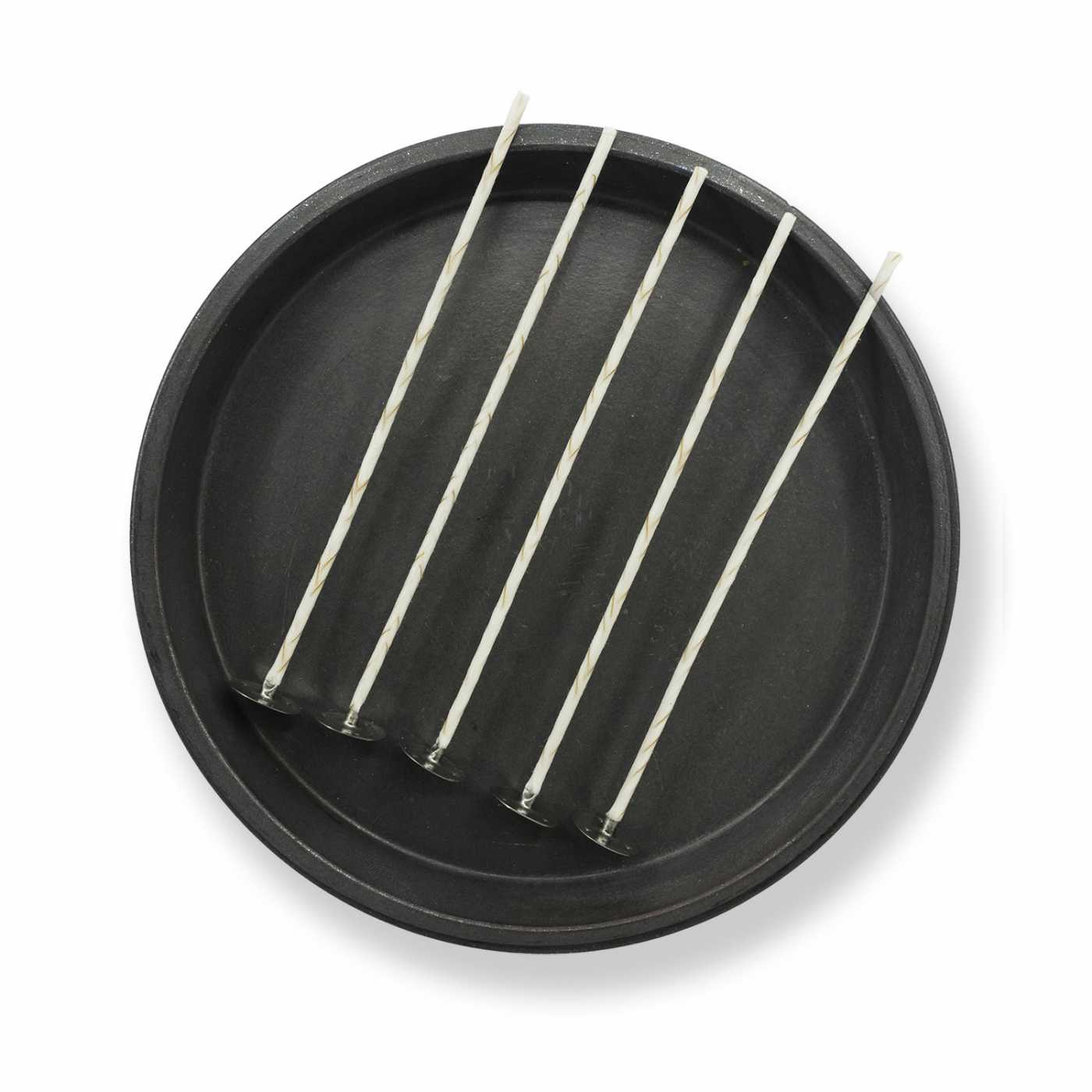
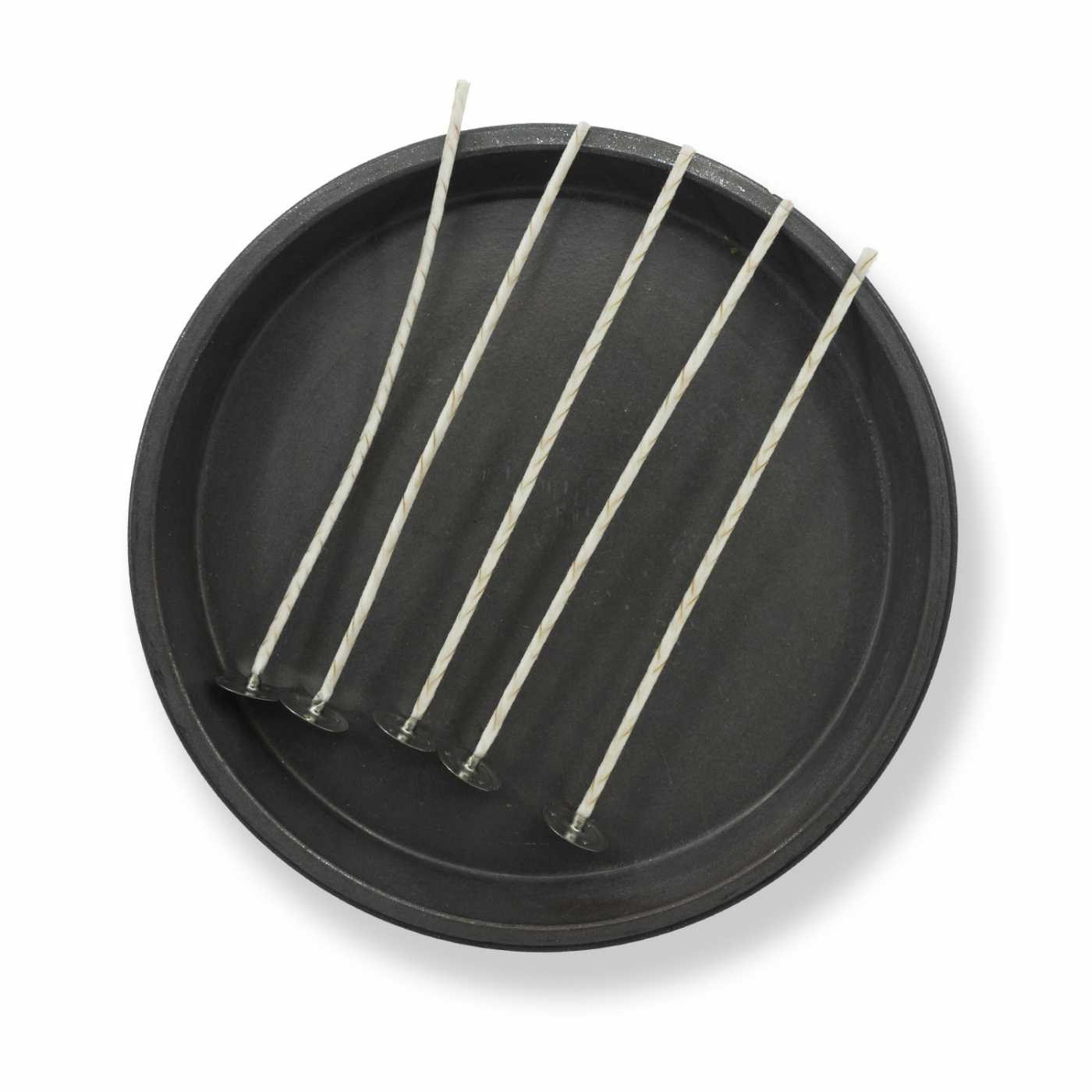
A spiral wooden wick with a stand is a complete kit for making container candles . The thin wooden strip with a thickness of .01 replaces the classic cotton wick and gives the candle the look of burning wood. full description
Lowest price in the last 30 days: €1.56
Save €0.23 with this set
 Wooden wick, .01 spiral, 9.5 mmDrevený knôt, .01 špirála, 9,5 mm ZASOBA
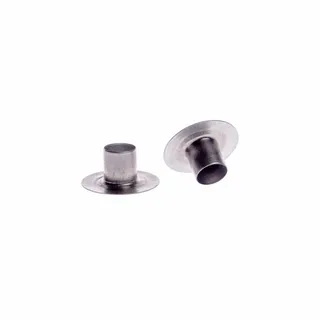
A spiral wooden wick with a stand is a complete kit for making container candles. The thin wooden strip with a thickness of .01 replaces the classic cotton wick and gives the candle the look of burning wood. The kit includes a metal stand that holds the wick upright at the bottom of the container, so there is no need to prop it up or centre it by hand when pouring the wax.
The wick is made in the USA from certified wood. The manufacturer describes it as natural, allergen-free, and biodegradable. It is particularly suited to candle makers who want to differentiate their products from standard wicks and offer customers a candle with a visible wooden strip and a gentle crackling sound when burning.
The wick is first inserted into the metal stand and placed together with it in the centre of the container base. The stand is typically secured to the base with a small drop of hot glue or a little melted wax to prevent it from shifting during pouring. The wax is then poured at the temperature appropriate for the type of wax used and left to set completely.
Once the wax has set, the wick is trimmed with scissors to the desired height above the wax surface. The appropriate height varies depending on the wax, the diameter of the container, and the amount of fragrance added, so we recommend verifying it with a test burn.
Every wooden wick behaves differently in every wax. Before making a larger batch, we recommend making a test candle, burning it through several cycles, and monitoring the flame size, the depth of the wax melt pool, and any soot. Only based on the result should you decide whether thickness .01 is correct for the given combination of wax and container.
A wooden wick burns differently from a cotton wick and the candle lights gradually when using one. If the wick goes out quickly after lighting, the most common cause is a wick that is too long above the wax surface or an insufficiently melted top layer of wax. Both situations are revealed by test burning.
Fragrance oils, dyes, and additives change the behaviour of the wax and consequently the behaviour of the wick. When a candle formula is changed, it is advisable to repeat the burn test even with the same container and the same wick.
The metal stand remains permanently in the finished candle. In containers with a notably uneven base it may not sit stably; in that case it is advisable to verify the fixation before pouring.
Wood is a flammable material and the wick should not be stored or handled near an open flame. Always carry out test burning under supervision and on a non-flammable surface.
Only customers with a delivered order can write reviews.