Spend over €100 for discounted shipping!

+421 950 333 113[email protected]

Wooden wicks

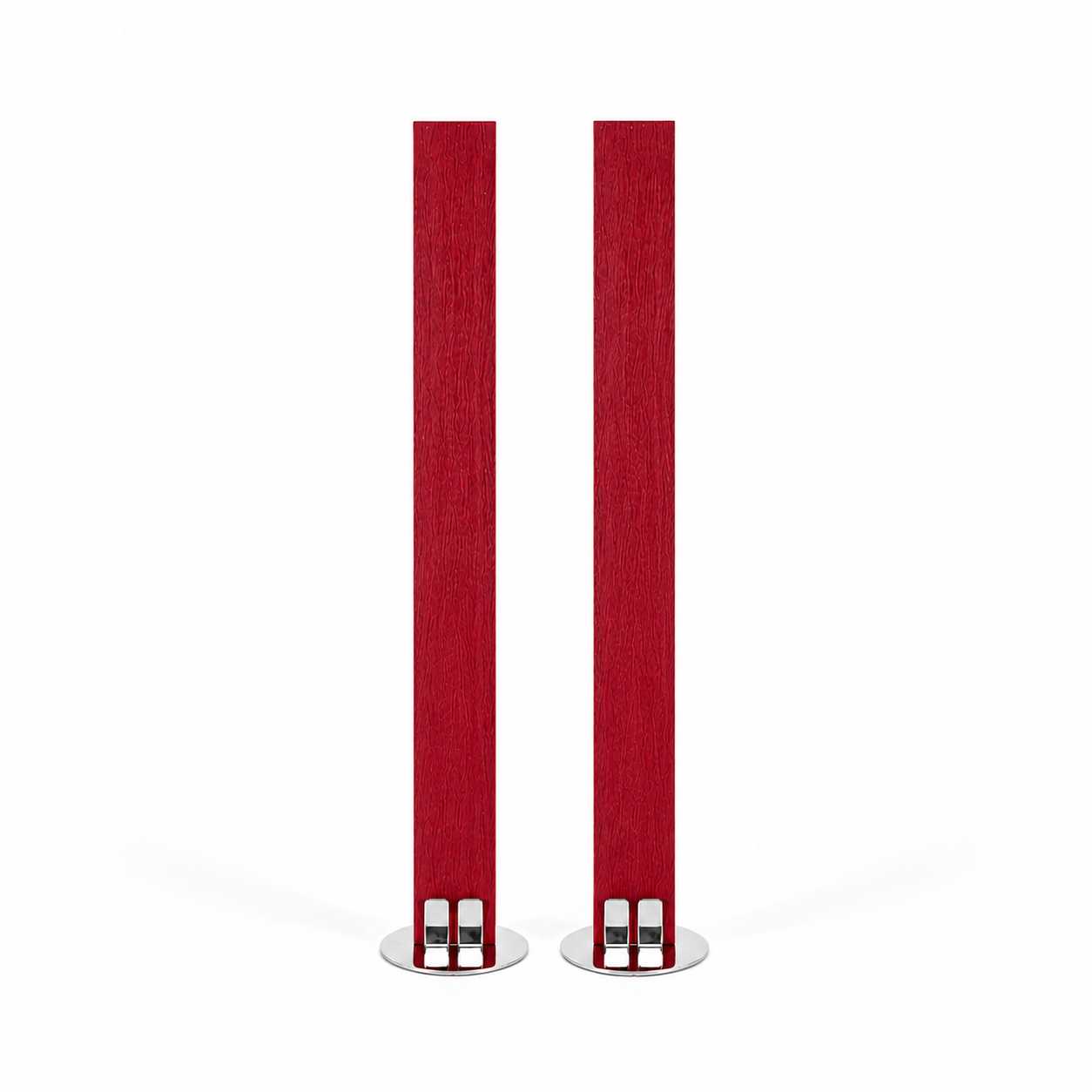
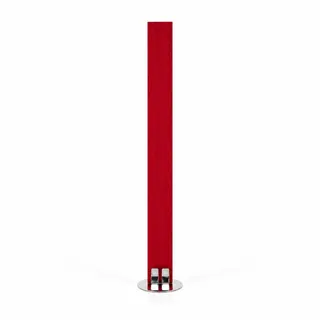
Wooden wick, .02 red, 12.7 mm

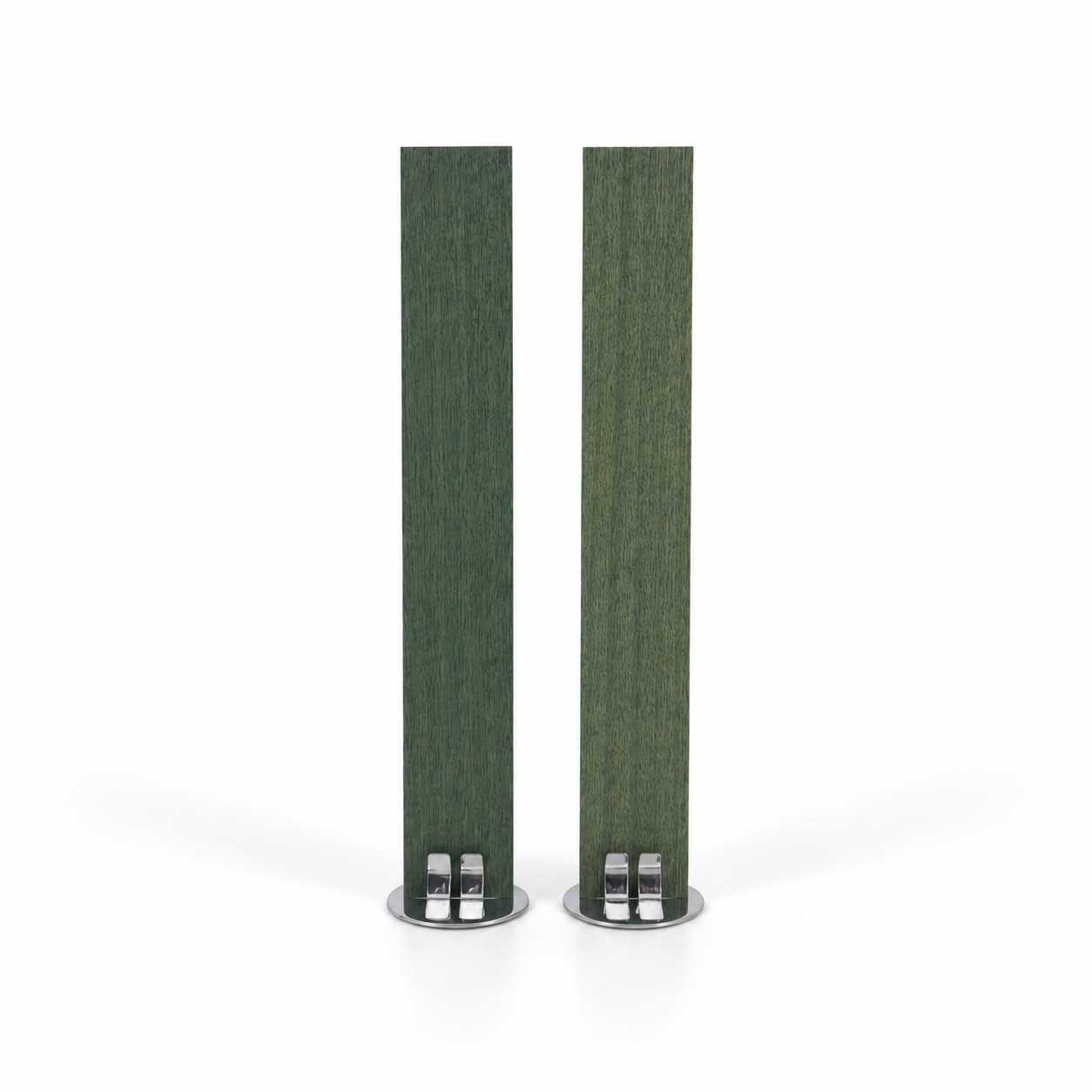
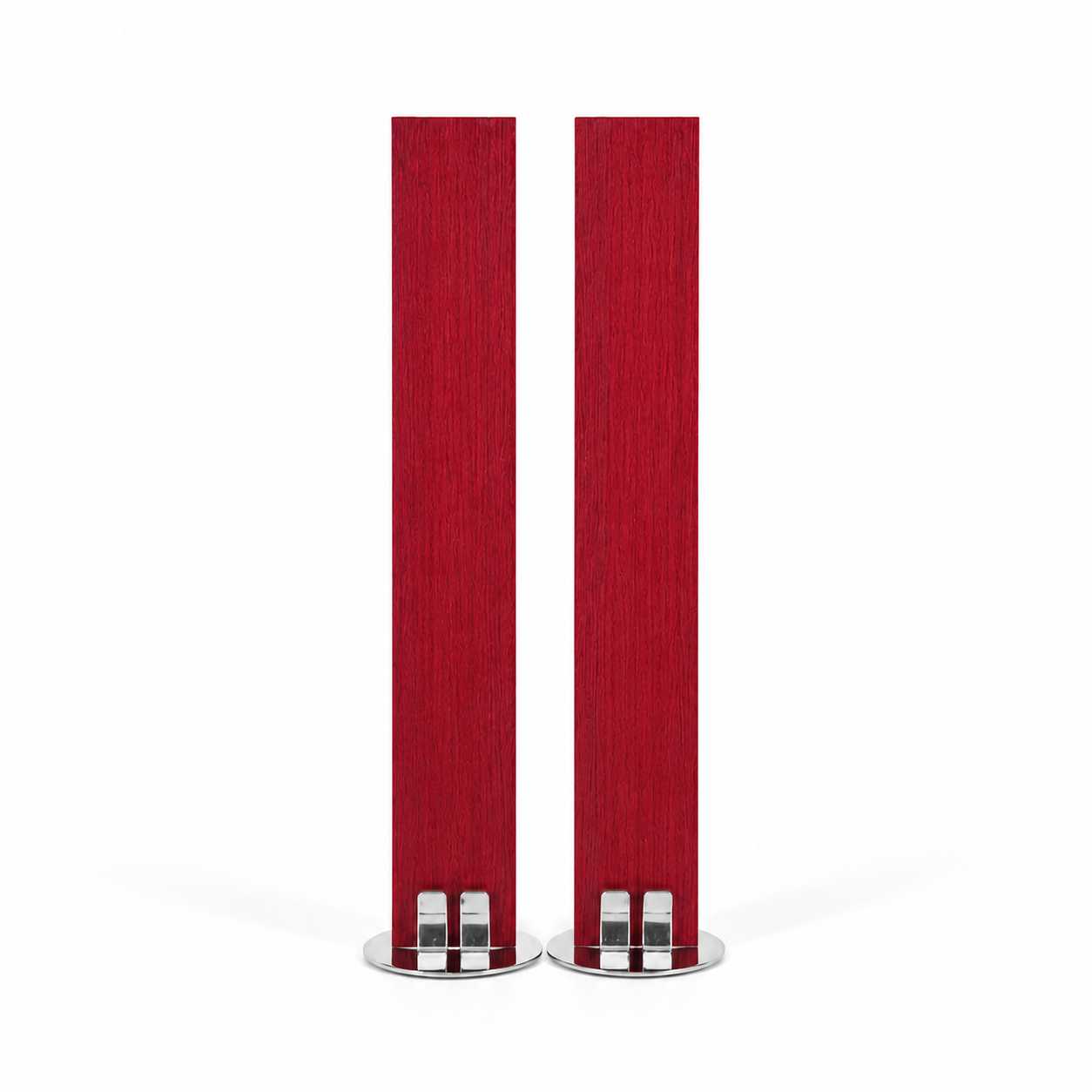
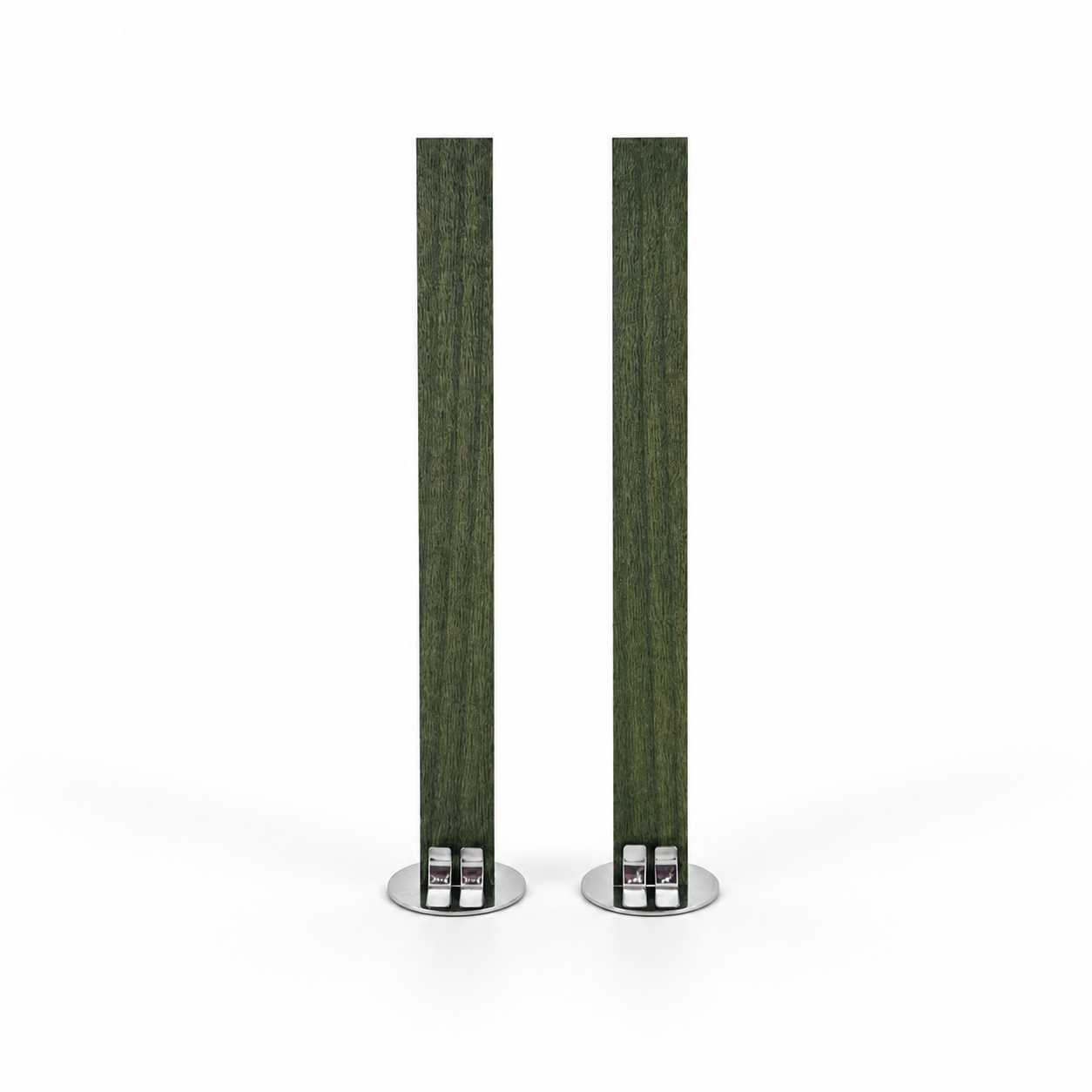
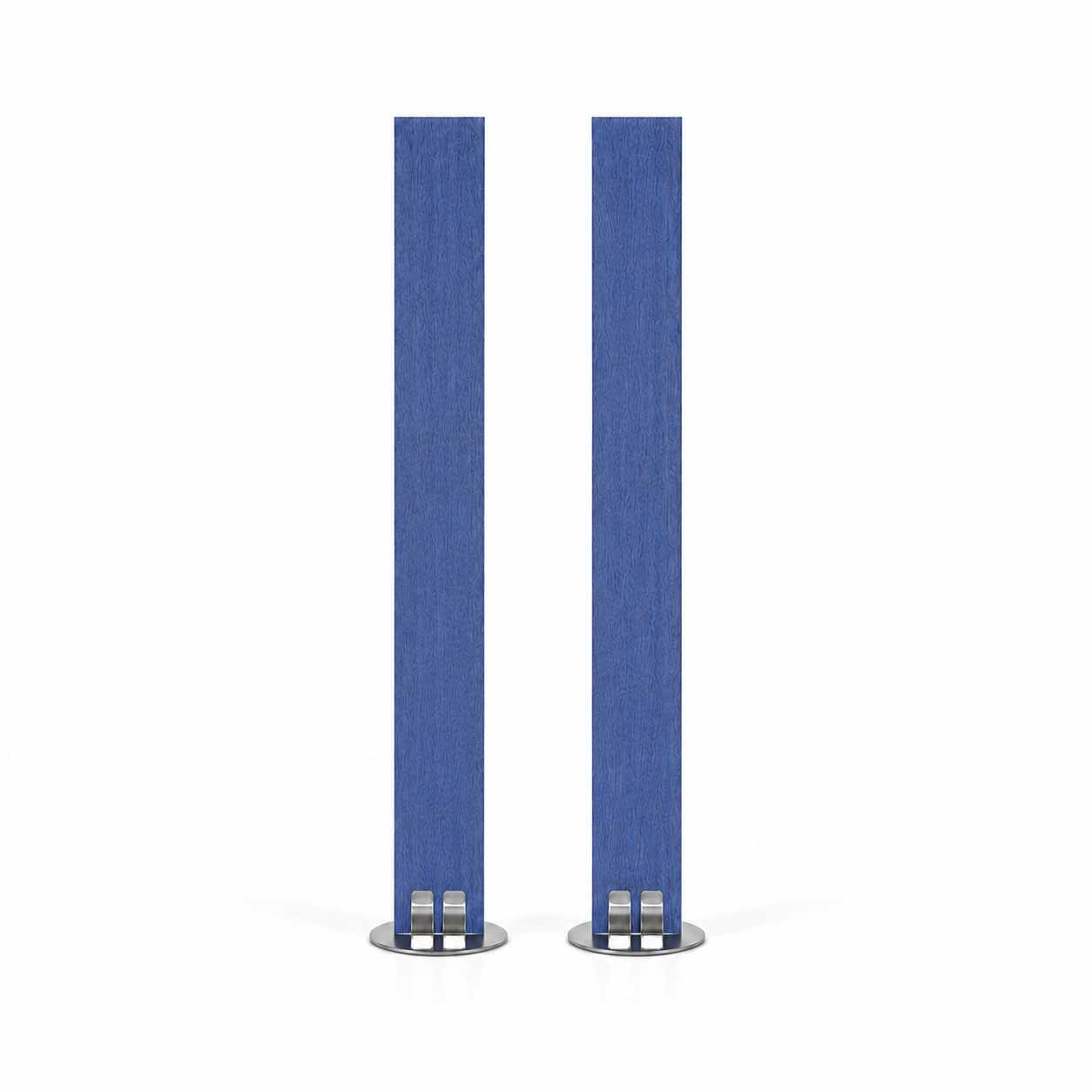
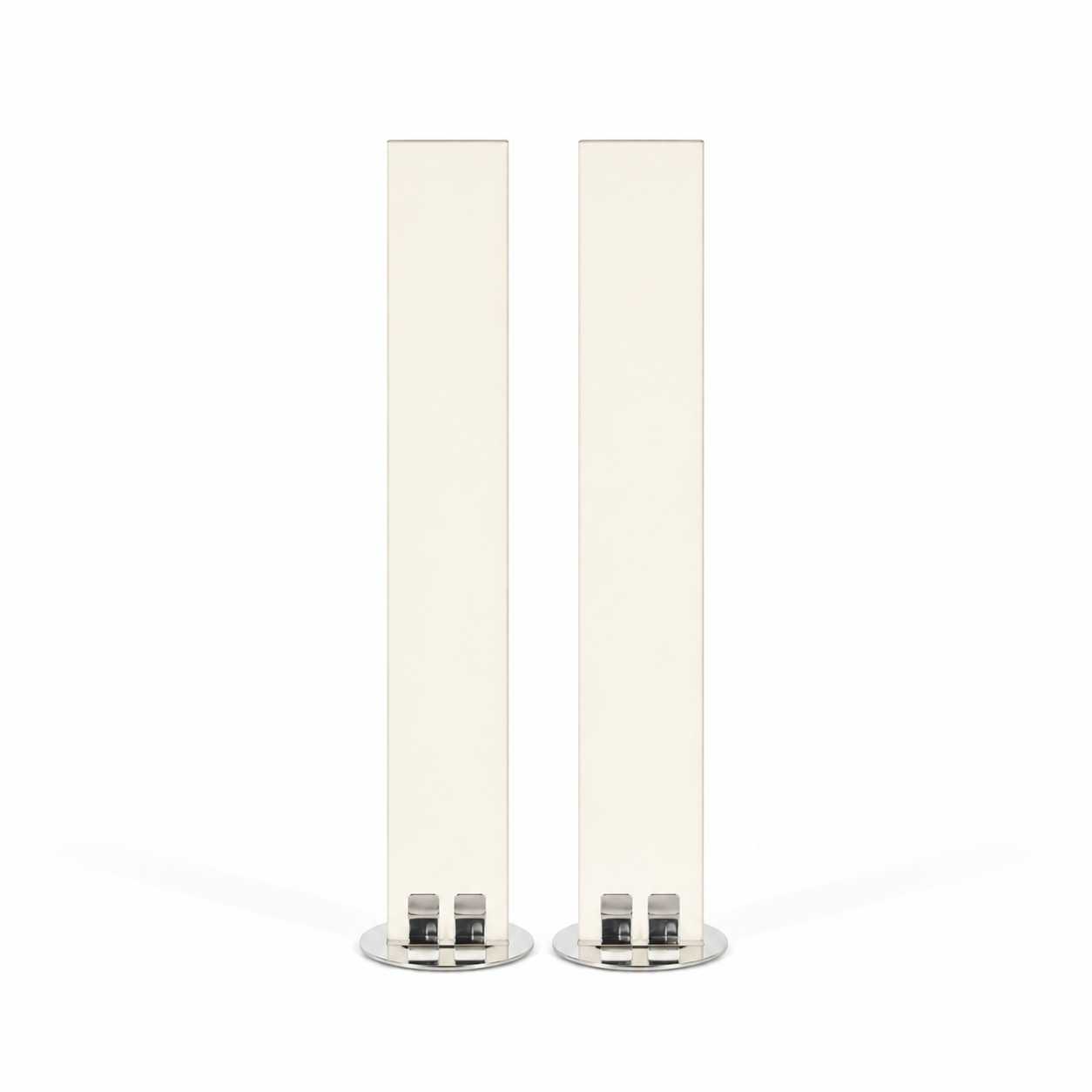
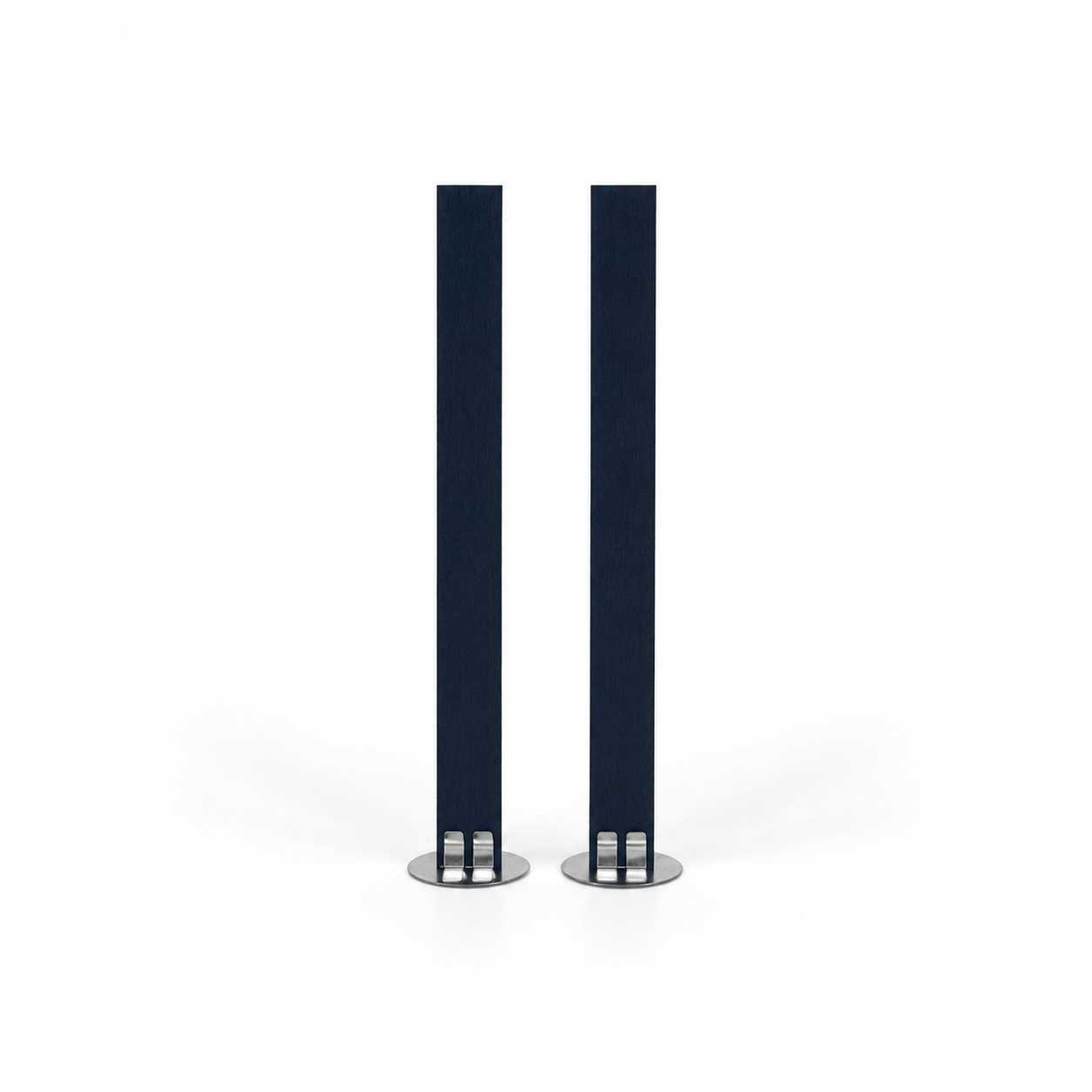
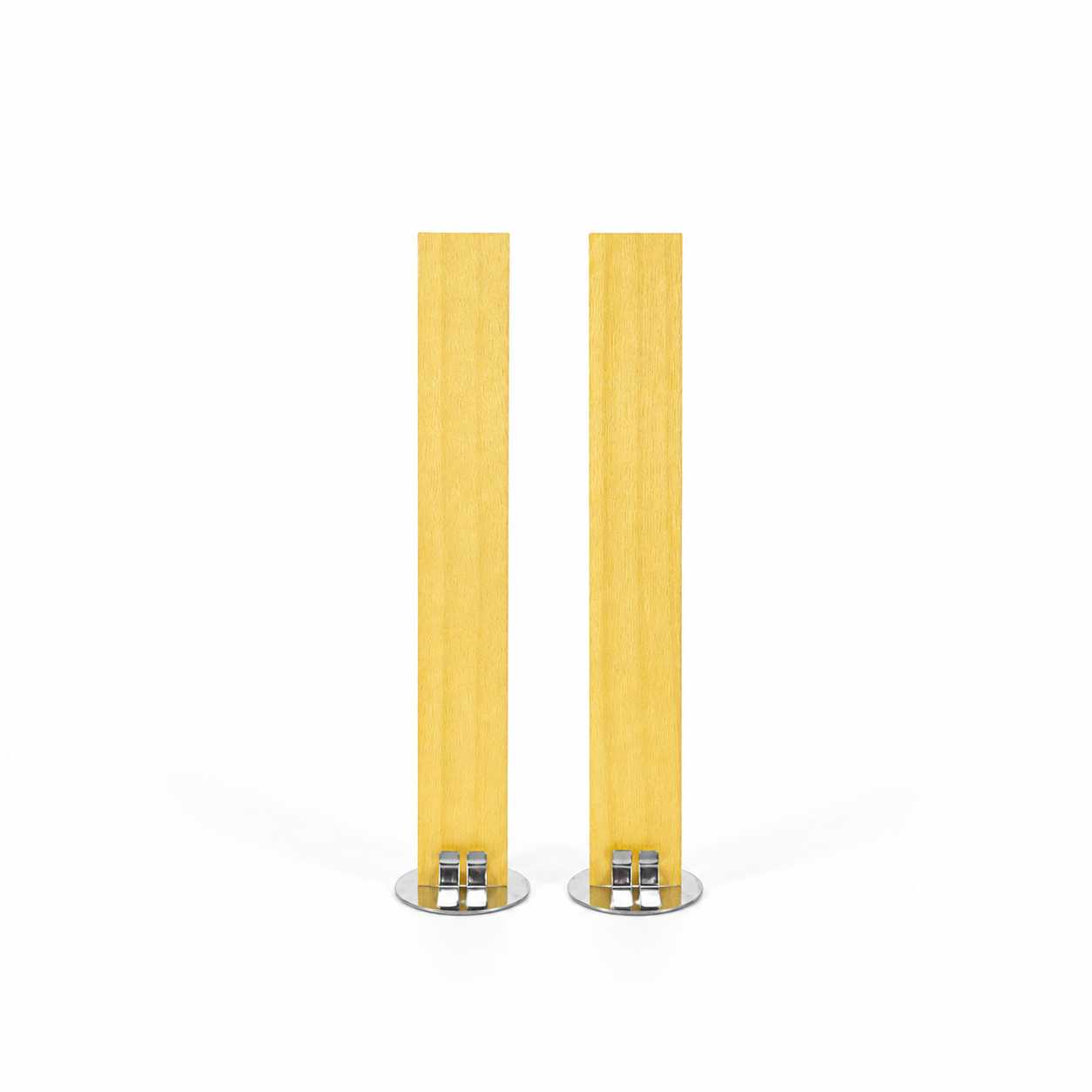
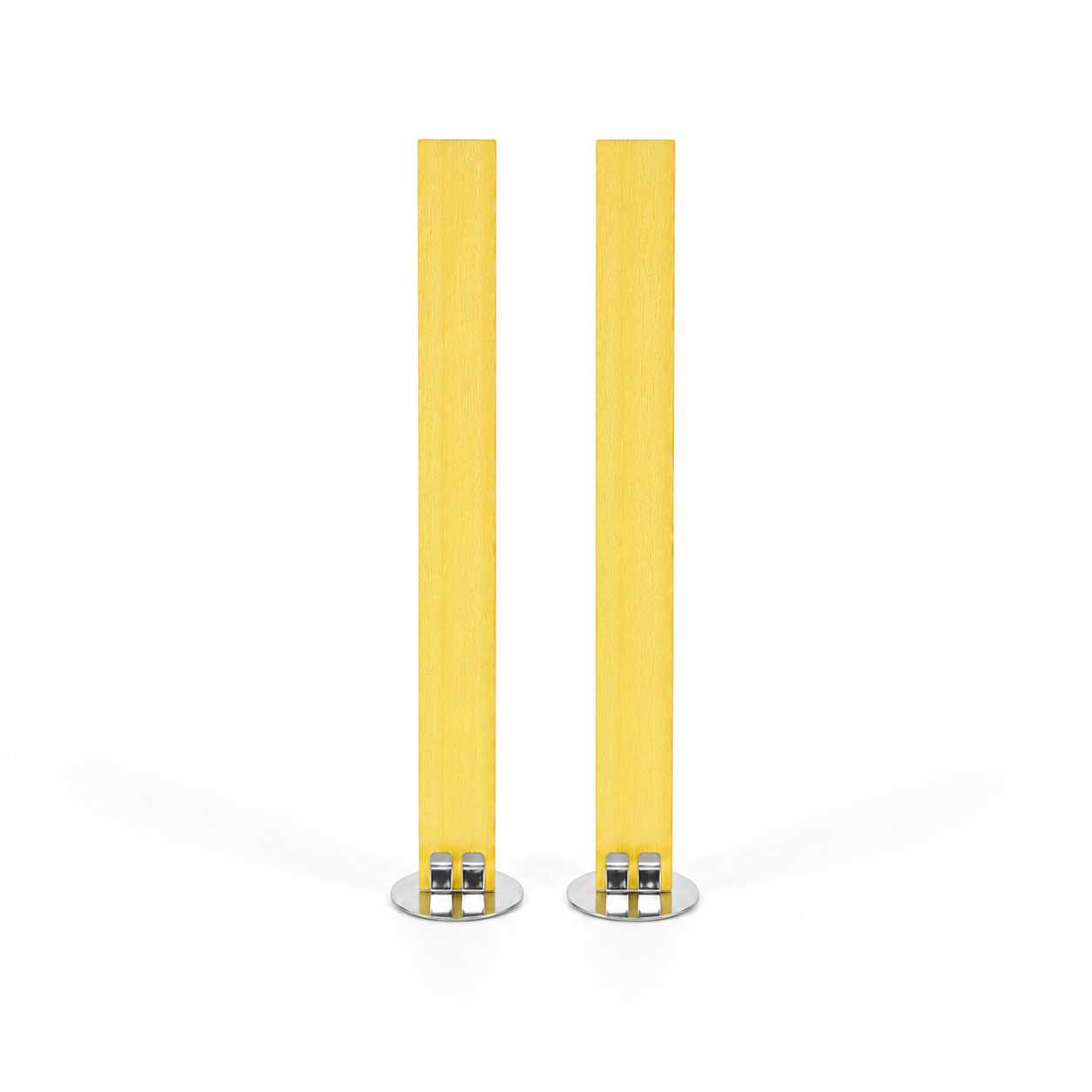
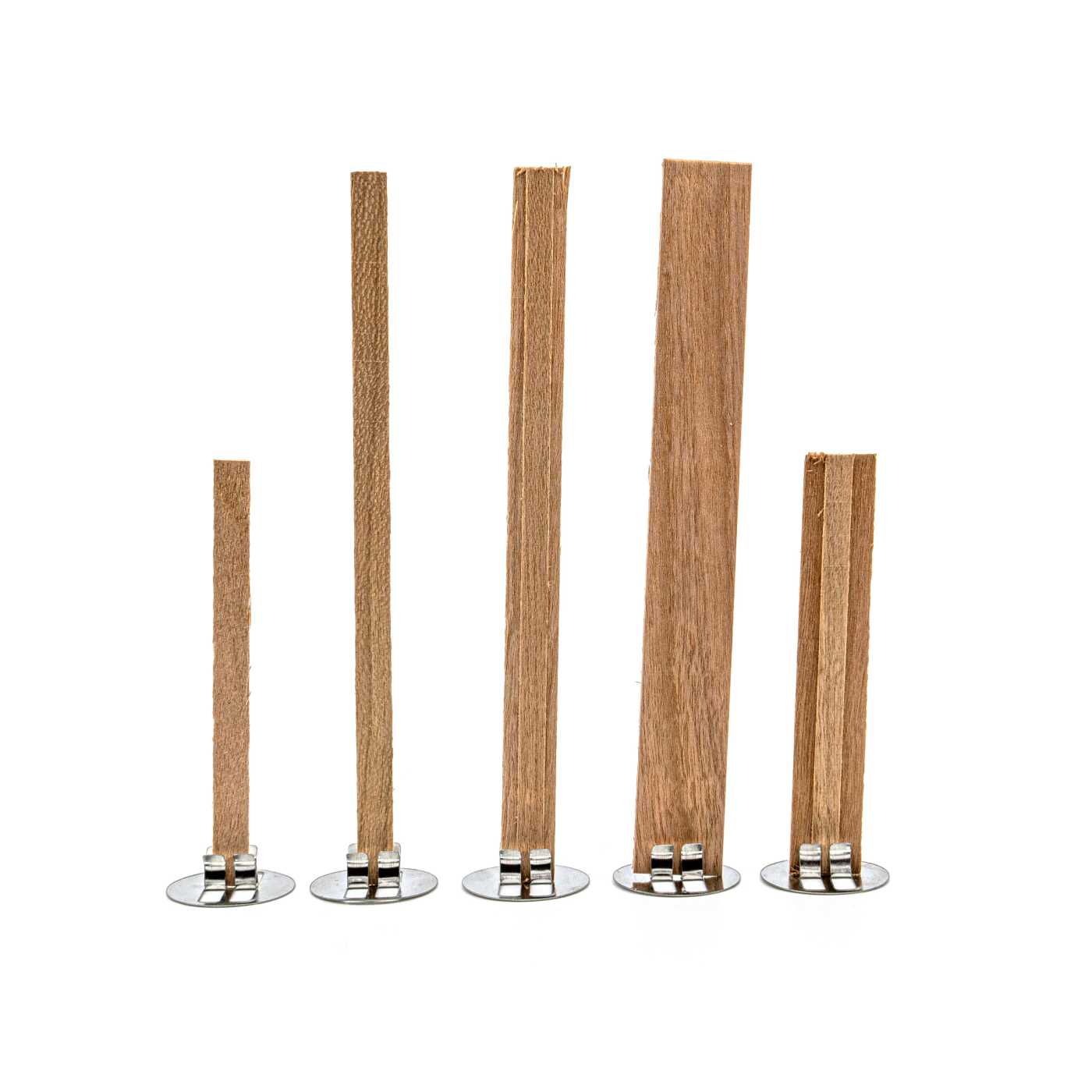
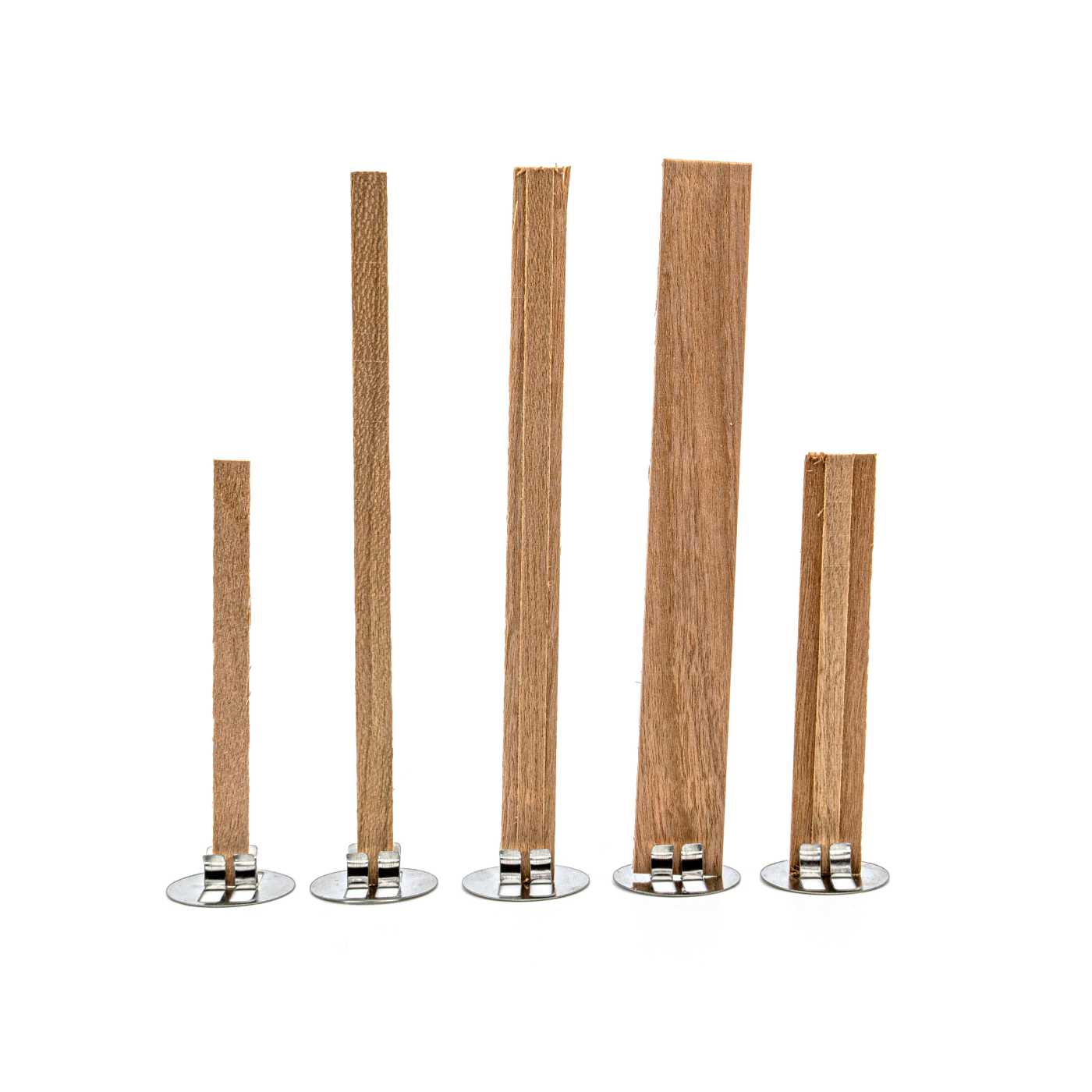
Wooden wick .02 red with a width of 12.7 mm is a flat single-ply wooden wick for making container candles. Instead of a cotton thread, a thin wooden slat burns, producing a wide, low flame and a gentle crackling sound. full description

AvailabilityIn stock · 95 ks
Product codeSVKW80-SVKP
€1.39incl. VAT

Lowest price in the last 30 days: €1.39
What's in the set
Wooden wick, .02 red, 12.7 mmDrevený knôt, .02 červený, 12,7 mm ZASOBA

Product description

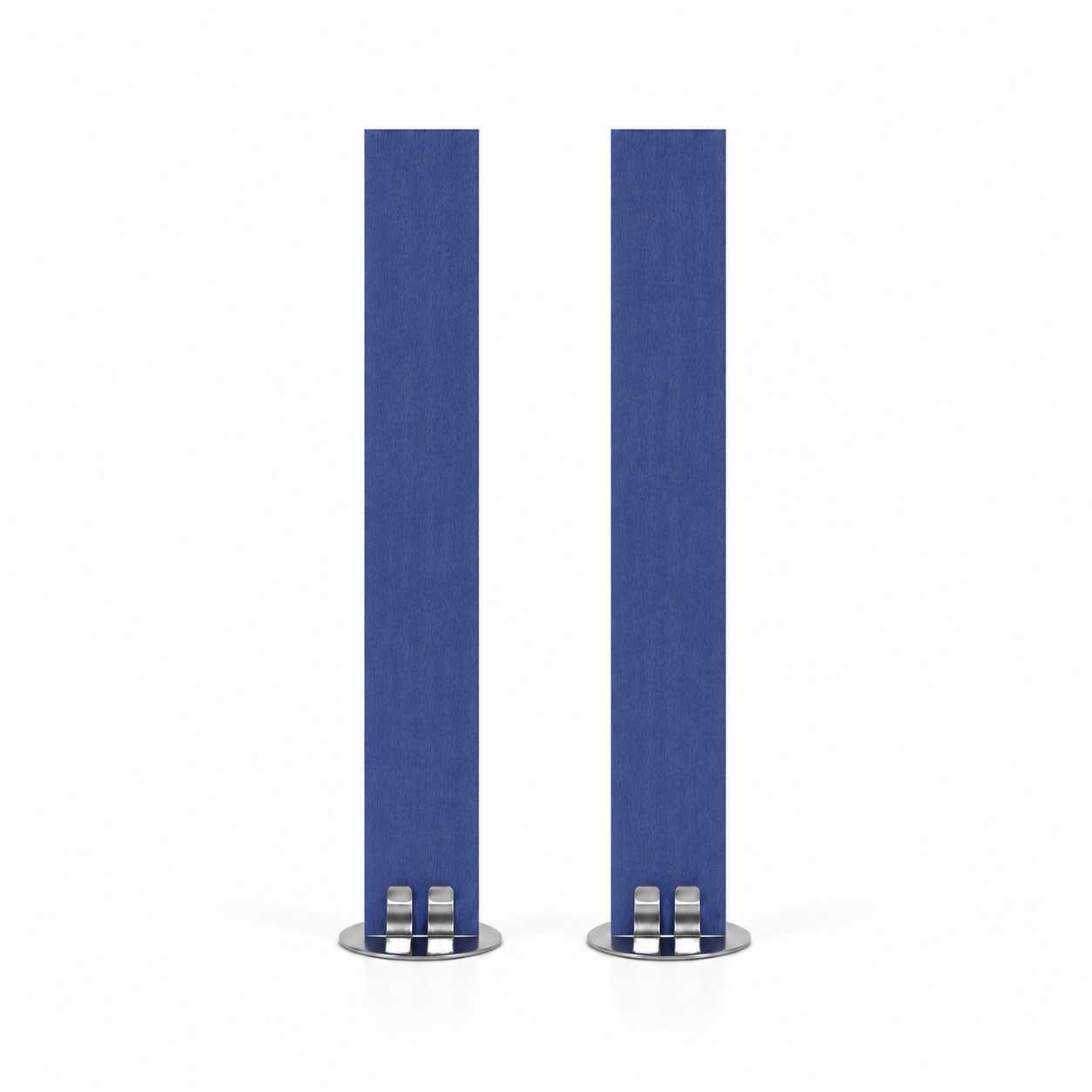
Wooden wick .02 red with a width of 12.7 mm is a flat single-ply wooden wick for making container candles. Instead of a cotton thread, a thin wooden slat burns, producing a wide, low flame and a gentle crackling sound. The red slat is visible through a transparent container even before lighting, so the wick also serves as a colour accent in the finished candle. It is supplied as a set with a metal sustainer that holds the wick upright on the bottom of the container.

The wick is manufactured by an American producer from certified wood and is described as natural, allergen-free, and biodegradable.


Key benefits

  • Wide flame and crackling – the flat slat burns across its full width; the flame is lower and wider than with a cotton wick and produces a quiet crackling sound associated with a fireplace atmosphere.
  • Single ply, thickness .02 – the manufacturer's designation for the thickness of the slat; a higher number means a thicker ply and more intense burn. Thickness is chosen based on container diameter and wax type.
  • Red colouring – in an unlit candle it acts as a design element, particularly in glass or open containers, with no need to colour the wax.
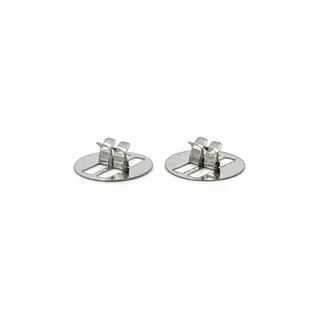
  • Metal sustainer included – the circular base holds the wick upright during wax pouring; no manual fixing or gluing of the slat is required.
  • Even melt pool – with the correct size selection, the wooden wick melts the wax evenly across the full diameter of the container, reducing the risk of tunnelling at the edges.

How to work with the wick

The wick is inserted into the metal sustainer, the sustainer is adhered to the centre of the container bottom (with a wick sticker or a small amount of melted wax), and the container is filled with wax. The slat must stand upright and its top edge should extend above the wax surface. Once the wax has set, the wick is trimmed to its final height.

Wick height above the wax matters more with a wooden wick than with a cotton one. A wick that is too long produces a large flame and soot; one that is too short drowns in the melt pool. Trim it low above the surface; the exact height is determined by a test burn in the specific wax.

A wooden wick behaves differently in each wax. Container diameter, wax type, fragrance load, and dye all affect how quickly a full melt pool forms and whether the flame stays lit. Before batch production we recommend making a test candle and burning it through several longer cycles. Only then should you decide on ply thickness and wick width.

The slat must not be soaked or allowed to absorb moisture before first use. A damp wooden wick draws wax poorly, the flame flickers, and the candle extinguishes repeatedly. Store wicks in a dry place and insert them dry into the container.


Suitable for candles such as

  • Candles in glass jars and tins – the most common application; glass allows the red colour of the slat to be used as a visible design feature.
  • Soy, coconut, and rapeseed candles – softer plant-based waxes are commonly combined with wooden wicks. The specific blend always needs to be verified with a test burn.
  • Scented candles with a fireplace effect – the crackling wick complements wood, incense, amber, and spice fragrances.
  • Gift and seasonal candles – the red slat suits Christmas, Valentine's, or autumn editions without additional wax colouring.

Good to know

Container diameter and ply thickness are related. A thicker ply burns more intensely and melts a wider pool; a thinner ply burns more gently and heats the container walls less. For larger diameters, a thicker ply or a double wick is therefore used; a thick ply in a small container would overheat the glass.

Fragrance load changes how the wick behaves. A higher concentration of fragrance oils and certain dyes can partially clog the slat, causing the flame to shrink or go out. If this happens, reducing the fragrance dosage, switching to a thicker ply, or using a different wax usually helps.

The first light takes longer with a wooden wick. The wood needs to absorb wax first, so it takes a moment before the flame burns fully. Light the slat along its entire width, not just at one corner.

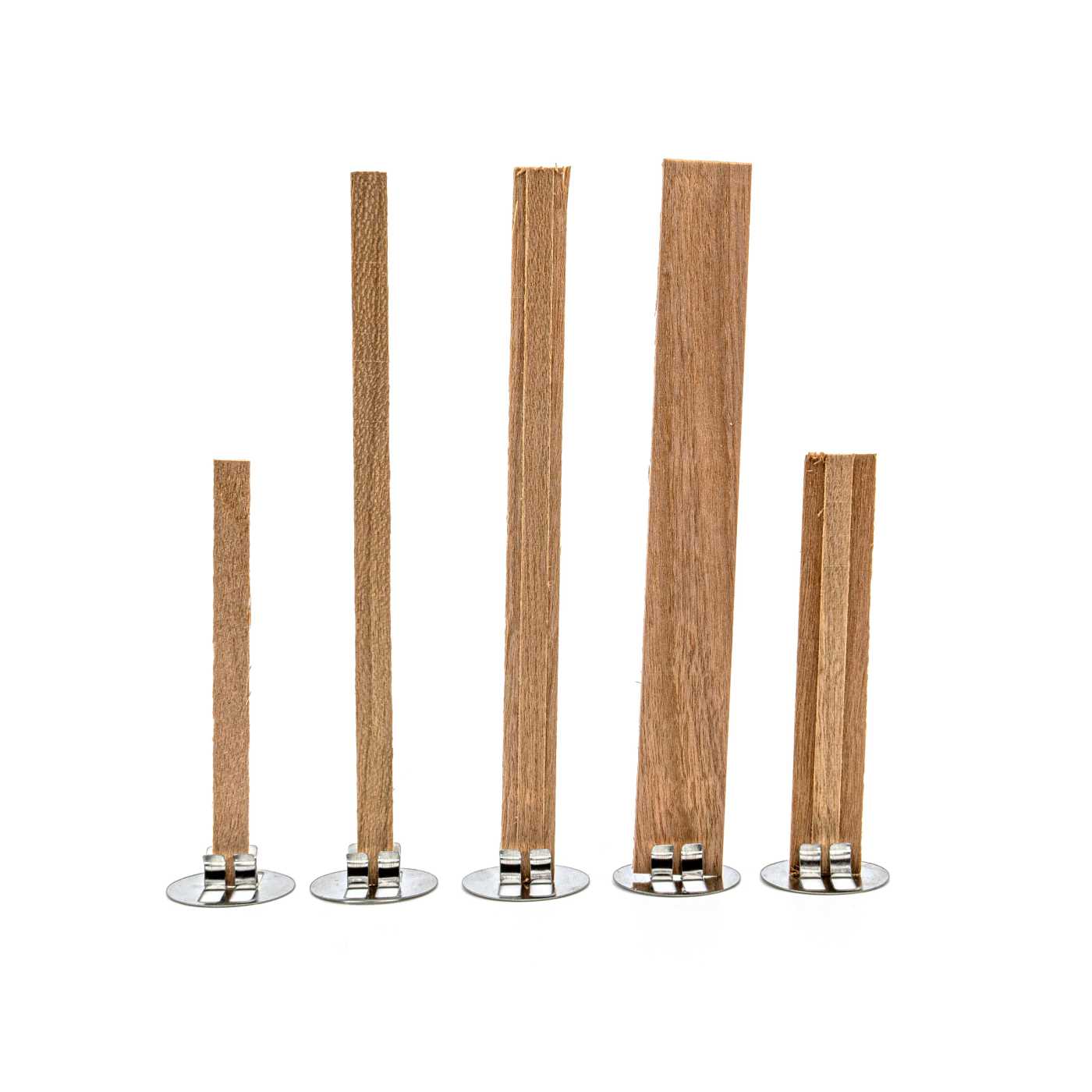
The sustainer is compatible with straight, double, and cross-shaped wooden wicks, so it can also be used when combining with other wick profiles from the range. It is adhered to the bottom in the same way as a cotton wick sustainer.

Both the wick and the sustainer are intended for candle making. The finished candle should carry the standard candle safety instructions (do not leave unattended, keep away from draughts, do not burn for more than a few consecutive hours).


Frequently asked questions

Which containers is the 12.7 mm wooden wick with a .02 ply suitable for?
Ply thickness is chosen based on container diameter and wax, so the final decision always comes down to a test burn. A higher number in the manufacturer's designation means a thicker ply that burns more intensely and melts a wider pool. A thinner ply burns more gently and heats the container walls less. If the wick fails to create a full melt pool in a wide container, move up to a thicker ply or use a double wick.
Why does the wooden wick go out or burn with a small flame?
The most common causes are a slat that is too long or too short, damp wood, or a wax that does not draw through the wick well enough. Trim the wick low above the surface, check that the slat is dry, and reduce the fragrance load. If the problem persists, try a thicker ply or a different wax type.
Does the red colour of the wick change during burning?
The burning part of the slat blackens as with any wooden wick; the part of the wick below the wax surface remains red. The colour effect is therefore most visible in an unlit candle and in a transparent container. The colour does not replace wax dyeing but complements it as a visible detail.
What is the difference between a wooden and a cotton wick?
A wooden wick burns with a wider, lower flame and crackles while burning; a cotton wick produces a taller, narrower flame with no sound. A wooden wick melts wax more evenly across the full melt pool, but is more sensitive to trim height, moisture, and fragrance load. A cotton wick is more forgiving with different waxes; a wooden wick requires more testing.
Can a wooden wick be used in soy wax?
Yes, soy wax is among the waxes most commonly combined with wooden wicks. Soy waxes vary in melting point and additives, however, so a test candle is needed to confirm that the .02 ply creates a full melt pool in the given container and that the flame stays lit. If problems arise, reducing the fragrance load or switching to a thicker ply usually resolves them.

Parameters

Packaging as a whole

Product color
Red
Dimensions
šírka 12,7 mm, hrúbka .02
Product material
Wood

Round Metal Sustainer for Wooden Wicks

Country of origin
USA
Dimensions
20 × 20 mm (kruhová základňa SM/2)

Wooden wick, .02 red, 12.7 mm

Product color
Red
Country of origin
USA
Dimensions
šírka 12,7 mm, hrúbka .02
Product material
Wood
REVIEWS

Verified by customers.

No reviews yet.

Only customers with a delivered order can write reviews.