Spend over €100 for discounted shipping!

+421 950 333 113[email protected]

Wooden wicks

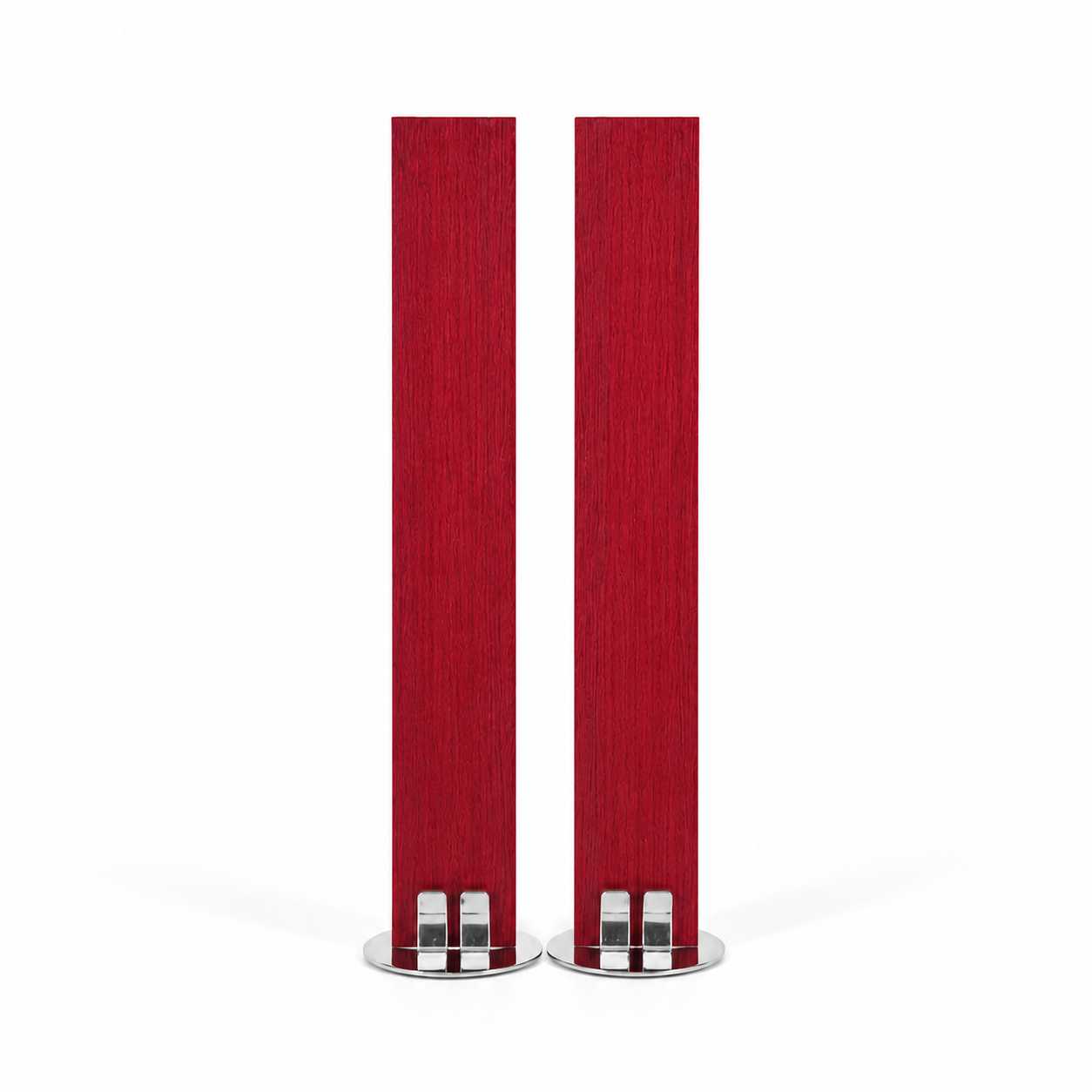
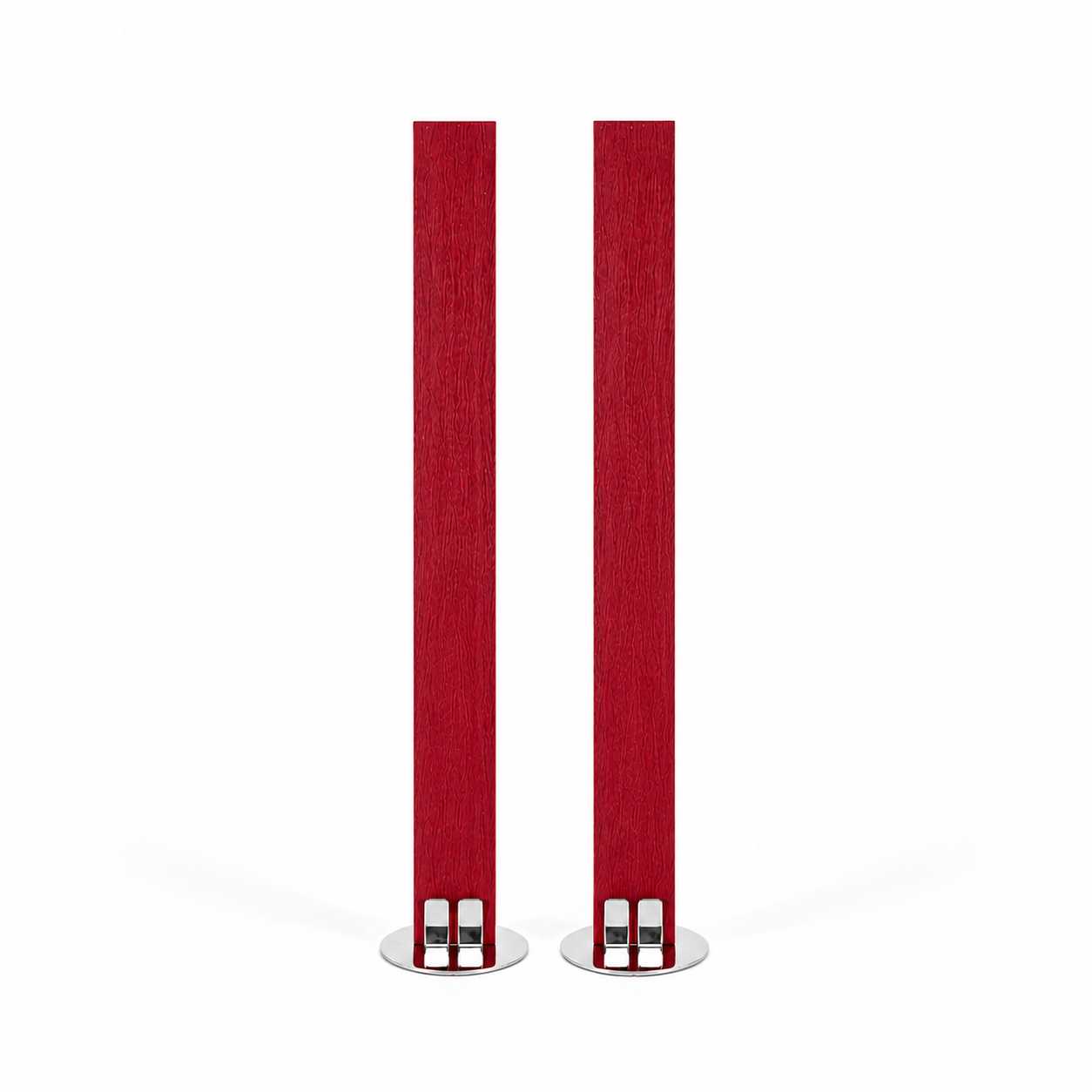
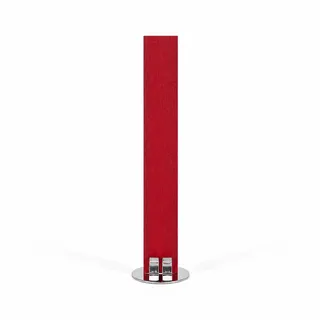
Wooden wick, .02 red, 19.1 mm

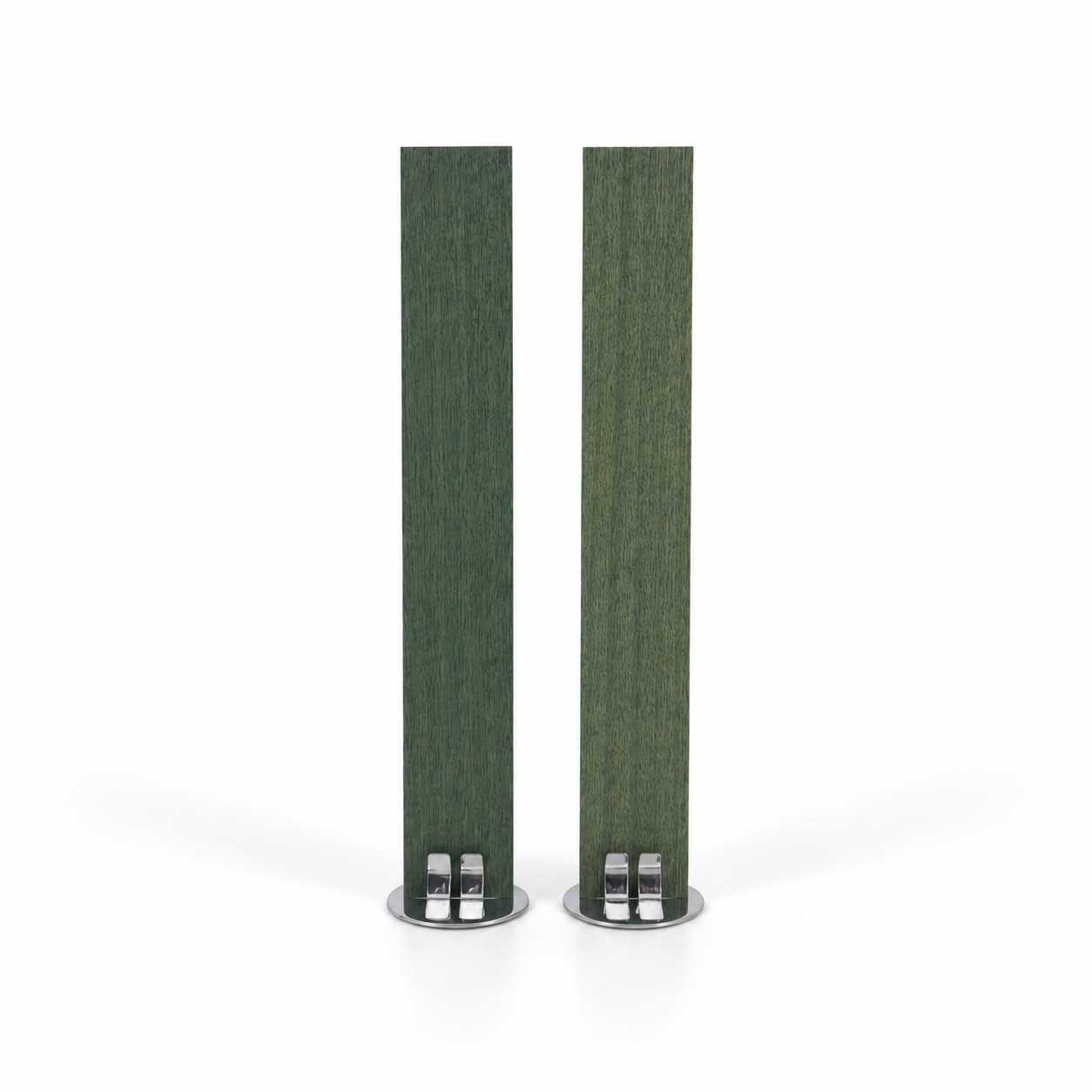
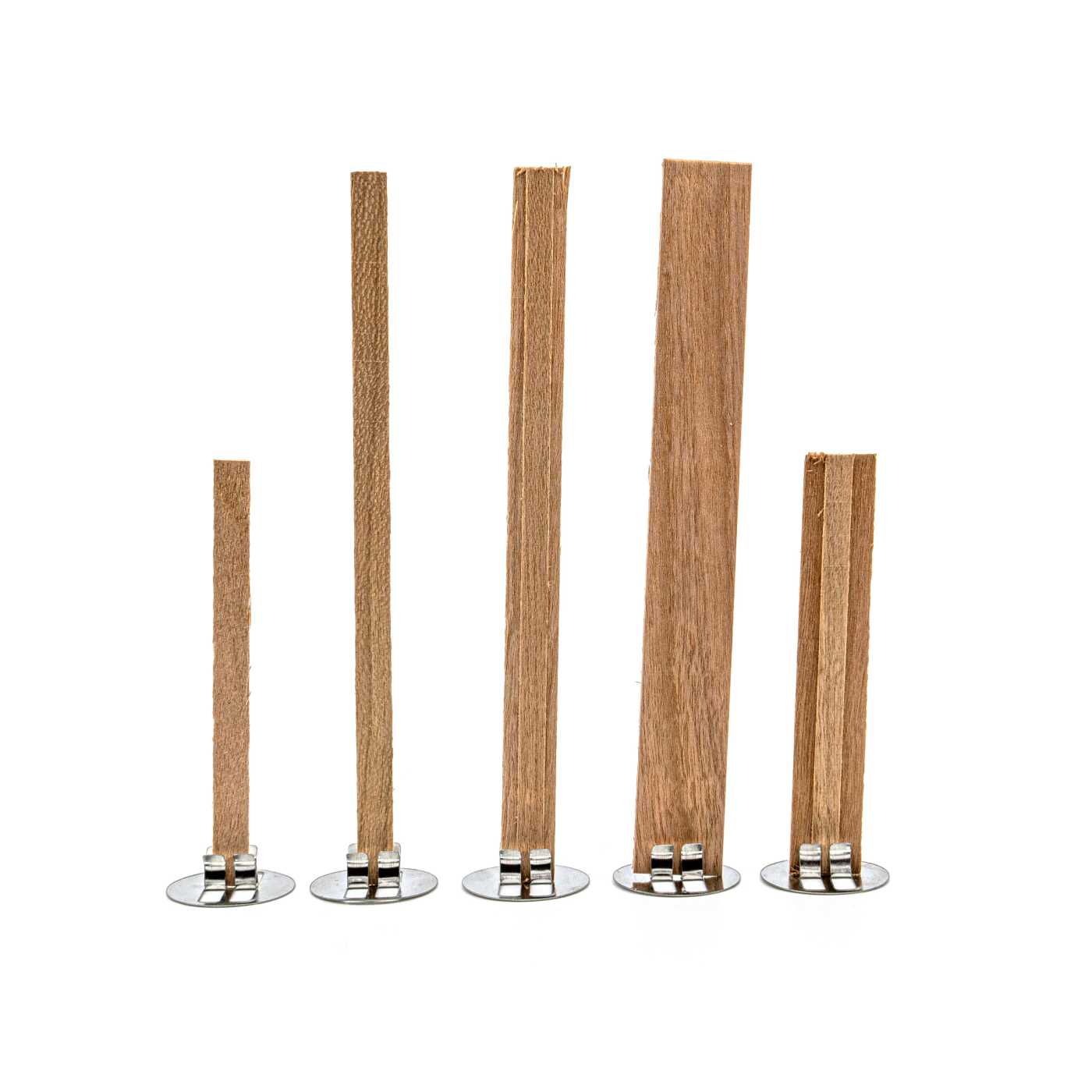
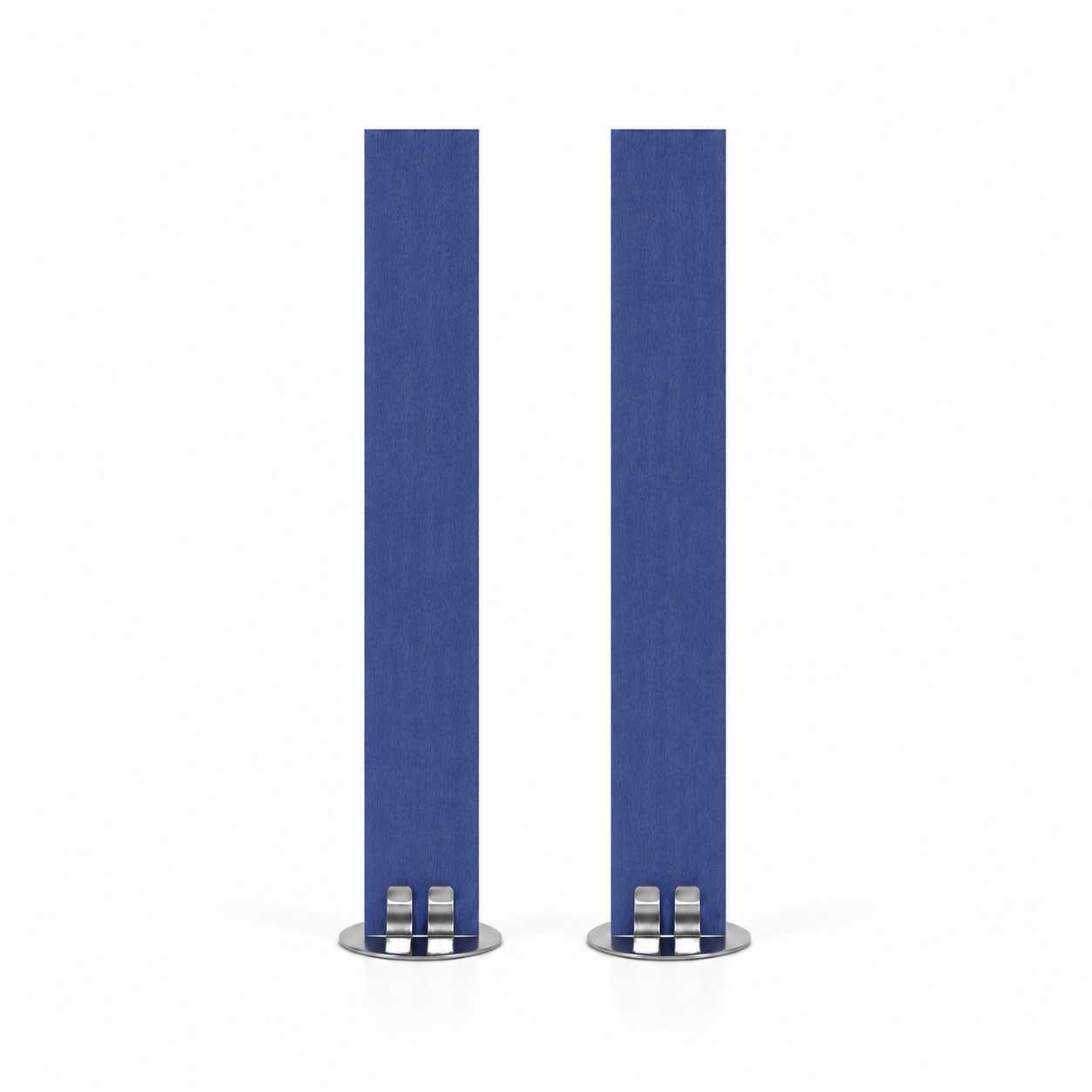
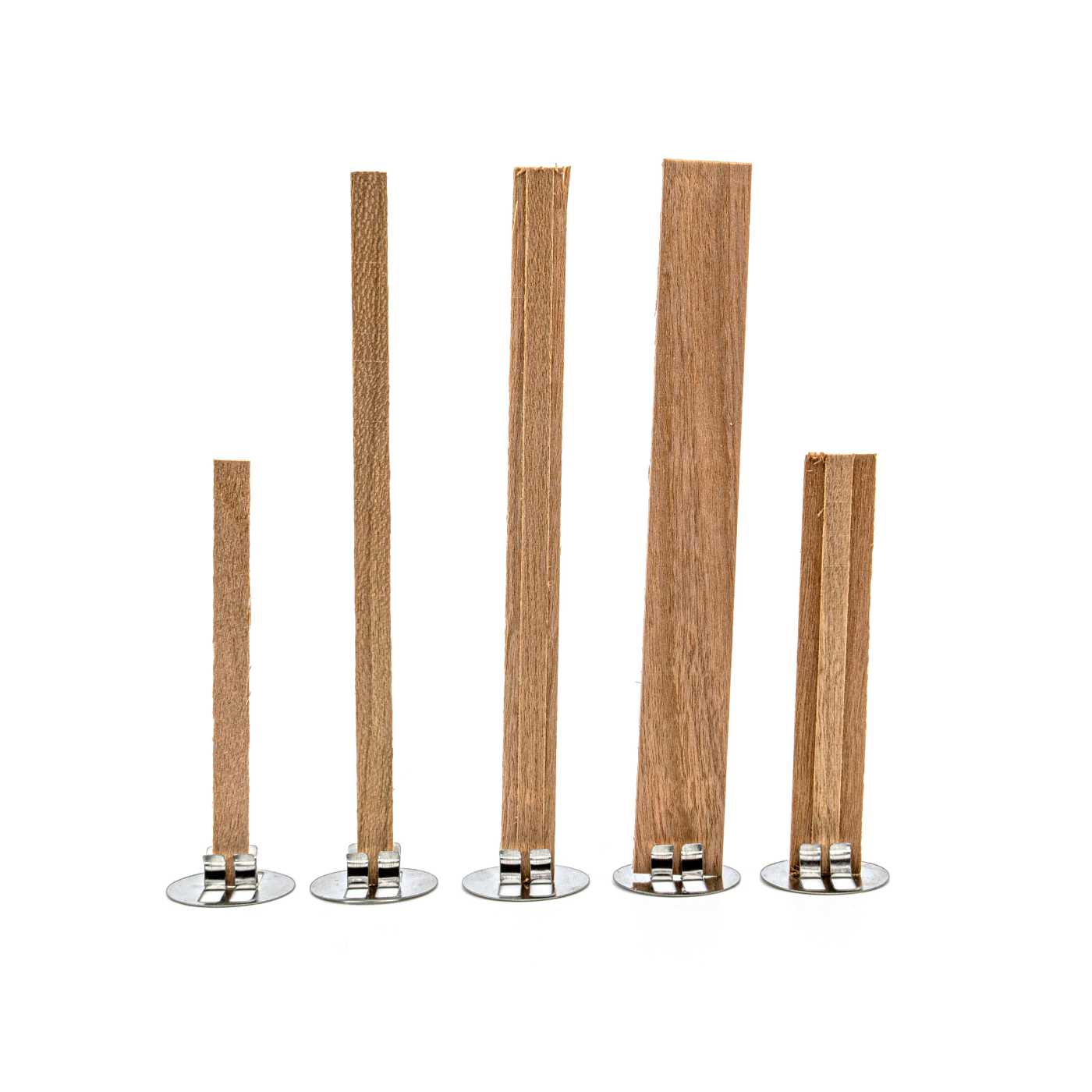
The wooden wick .02 in red is a flat single-layer wick for container candle making. Unlike a classic cotton wick, it gives the candle a wider, flat flame and crackles softly while burning, reminiscent of a fireplace. full description

AvailabilityIn stock · 102 ks
Product codeSVKW81-SVKP
€1.39incl. VAT

Lowest price in the last 30 days: €1.39
What's in the set
Wooden wick, .02 red, 19.1 mmDrevený knôt, .02 červený, 19,1 mm ZASOBA

Product description

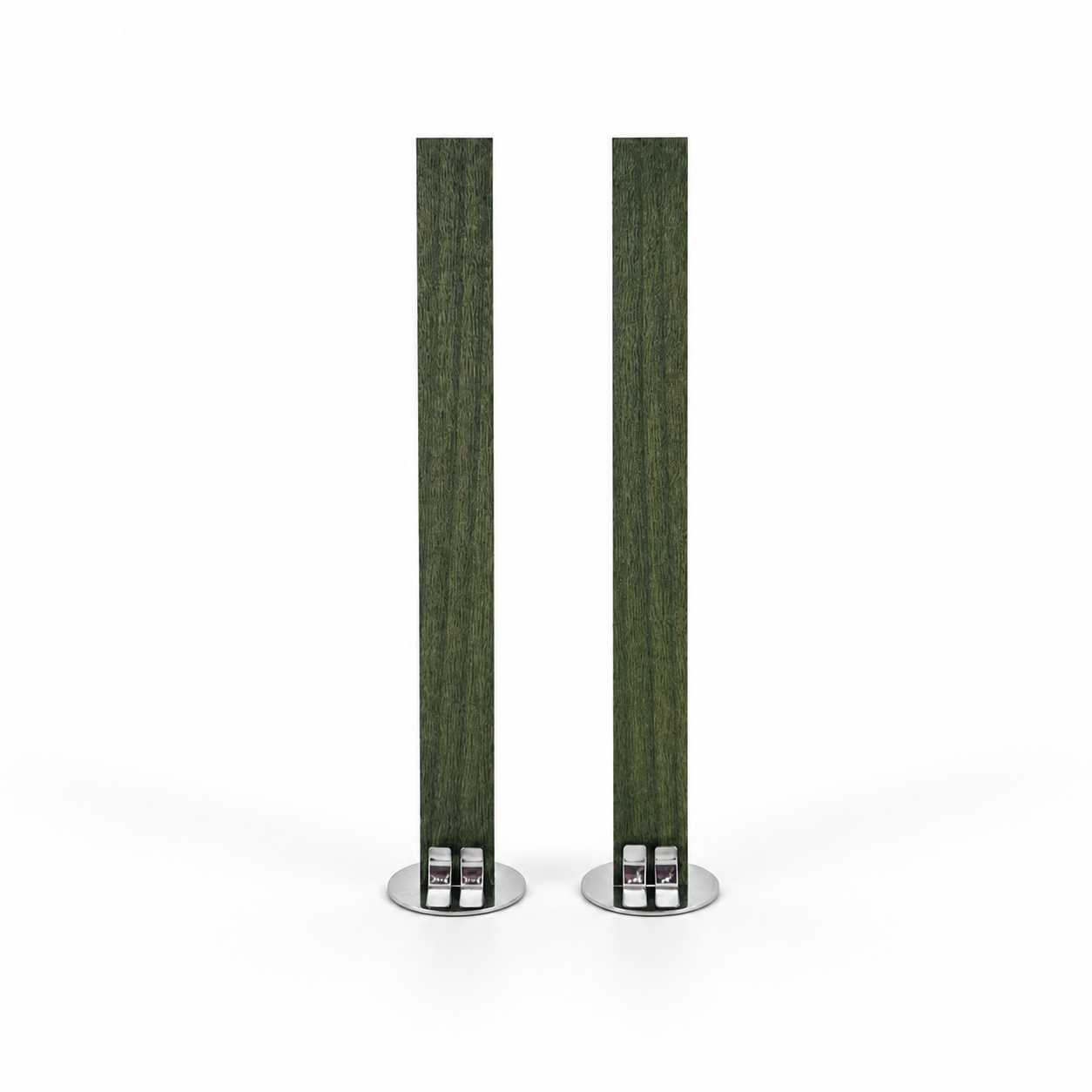
The wooden wick .02 in red is a flat single-layer wick for container candle making. Unlike a classic cotton wick, it gives the candle a wider, flat flame and crackles softly while burning, reminiscent of a fireplace. The red colour turns the wick into a visual element that stands out particularly in light or transparent wax. It is supplied complete with a metal sustainer that holds the wick upright on the bottom of the container, so nothing extra needs to be purchased.

The wicks are manufactured by the American maker Makesy from certified wood. According to the manufacturer, they are natural, allergen-free, and biodegradable.


Key features

  • Single layer, thickness .02 – the .02 designation refers to the layer thickness as defined by the manufacturer; a higher number means a thicker layer, which draws more fuel to the flame. Which thickness suits a given container and wax is determined by a test burn.
  • Layer width 19.1 mm – together with the thickness, this determines how much wax the wick can melt. Suitability for a specific container diameter must always be verified by a test burn.
  • Crackling while burning – wood crackles gently when it burns; this acoustic effect is the main reason candle makers reach for wooden wicks.
  • Red colour – a coloured wick is visible through the wall of a glass container and on the surface of the candle, and can be coordinated with the wax colour or label.
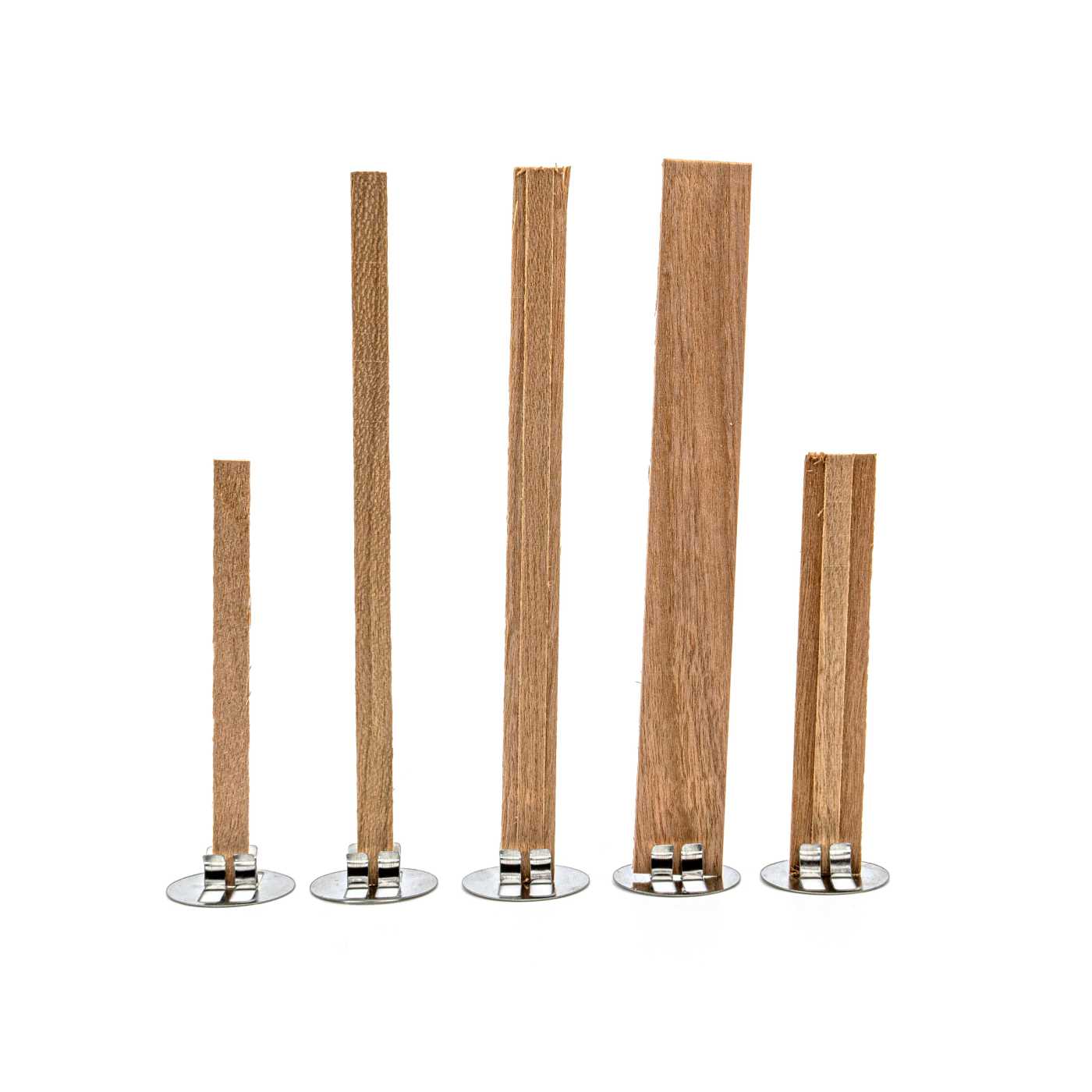
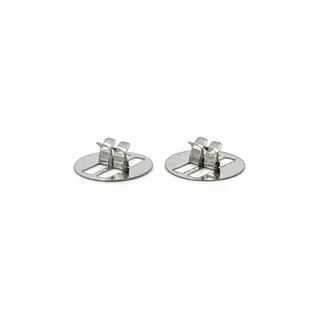
  • Metal sustainer included – a round metal tab with a small circular base into which the layer slides. The sustainer is suitable for straight, double, and cross wooden wicks.

How to work with the wick

The wick is inserted into the metal sustainer and the sustainer is fixed to the centre of the container bottom. A wick sticker, hot-melt adhesive, or a drop of melted wax works well for securing it. The sustainer must sit straight; if it is off-centre the wick will tilt as the wax solidifies and the candle will burn unevenly.

Wax is poured at the temperature recommended for the given wax type. A wooden wick does not need to be held taut during pouring the way a cotton wick does — the sustainer holds it in place. After the candle has cooled and cured, the wick is trimmed just above the wax surface; the exact height is determined by a test burn.

The wooden wick should be trimmed before each lighting. A wick that is too long produces a tall, flickering flame and soot on the container; one that is too short will drown in the melted wax and go out.


Wax and container selection

Wooden wicks are used primarily in container candle waxes that are sufficiently fluid in the melted state, such as soy, coconut, or rapeseed wax and their blends. In harder waxes with a higher melting point the flame may be weak, in which case a thicker layer or a double wick should be considered. The melted wax pool should reach all the way to the container wall on every burn: if a tunnel remains at the edge, the wick is too narrow for that container; if the wax boils and produces soot, it is too wide.

In scented candles the fragrance load also affects burning behaviour, so every new combination of wax, fragrance, and container is tested separately.

No single wick type suits all candles. Before producing a larger batch, carry out a test burn for the full burn time of the candle and monitor flame height, soot, tunnelling, and container wall temperature.


Suitable for products such as

  • candles in glass or ceramic with a crackling wick, where the acoustic effect is part of the experience,
  • colour-coordinated decorative candles in which the red wick is intended to show through clear glass or in light-coloured wax,
  • gift and seasonal candles (Christmas, Valentine's Day), where the red colour reinforces the theme,
  • massage candles in containers, provided the wax and wick pass a test burn.

Good to know

The wick is intended for container candles, not for freestanding poured candles. Wood ignites more slowly than cotton on the first lighting, so the wick is lit at the top edge of the layer and the flame is allowed to spread across the full width. If the candle goes out during the first burn, the most common cause is a wick that is too long, not a defective wick.

A coloured wick should also be assessed from the perspective of the finished candle's appearance, especially with white wax, to ensure the colour effect reads as intended. The sustainer is metal; once the candle has burned down it can be removed from the container so the container can be reused.


Frequently asked questions

What is the difference between a wooden and a cotton wick?
A wooden wick produces a wider, flat flame and crackles while burning; a cotton wick has a narrower, taller flame and burns more quietly. A wooden wick does not need to be held taut during pouring — the metal sustainer keeps it in place — but it requires regular trimming and more thorough testing with the specific wax and container.
What does the .02 thickness designation mean for a wooden wick?
The .02 designation refers to the layer thickness as defined by the manufacturer; a higher number means a thicker layer. A thicker layer draws more fuel to the flame and is suited to wider containers or harder waxes; a thinner layer gives a calmer flame. The right combination of width and thickness for a given container must be determined by a test burn.
Which wax is the wooden wick .02 suitable for?
The wooden wick is best suited to container candle waxes that are sufficiently fluid in the melted state, such as soy, coconut, or rapeseed wax and their blends. In harder waxes with a high melting point it may burn weakly, in which case a thicker layer or a double wick should be tried. Exact behaviour is determined by a test with the specific wax and container.
How is a wooden wick secured in a container?
The wick layer is inserted into the metal sustainer included in the package, and the sustainer is glued to the centre of the container bottom using a wick sticker, hot-melt adhesive, or a drop of melted wax. The sustainer must sit straight, otherwise the candle will burn at an angle. The sustainer is also suitable for double and cross wooden wicks.
How short should a wooden wick be trimmed?
The wooden wick should be trimmed just above the wax surface before each lighting. A longer wick produces a tall flame and soot; a shorter one will drown in the melted wax and go out. The exact height for a specific candle is determined by a test burn.
Why does a wooden wick go out on the first lighting?
The most common cause is a wick that is too long, or that the flame has not had time to spread across the full width of the layer. The wick is lit at the top edge and the flame is allowed to spread across the full width until the first pool of melted wax forms. If the problem persists, the wick may be too thin for the given wax and a thicker layer should be tried.

Parameters

Packaging as a whole

Product color
Red
Dimensions
šírka 19,1 mm, hrúbka .02
Product material
Wood

Round Metal Sustainer for Wooden Wicks

Country of origin
USA
Dimensions
20 × 20 mm (kruhová základňa SM/2)

Wooden wick, .02 red, 19.1 mm

Product color
Red
Country of origin
USA
Dimensions
šírka 19,1 mm, hrúbka .02
Product material
Wood
REVIEWS

Verified by customers.

No reviews yet.

Only customers with a delivered order can write reviews.