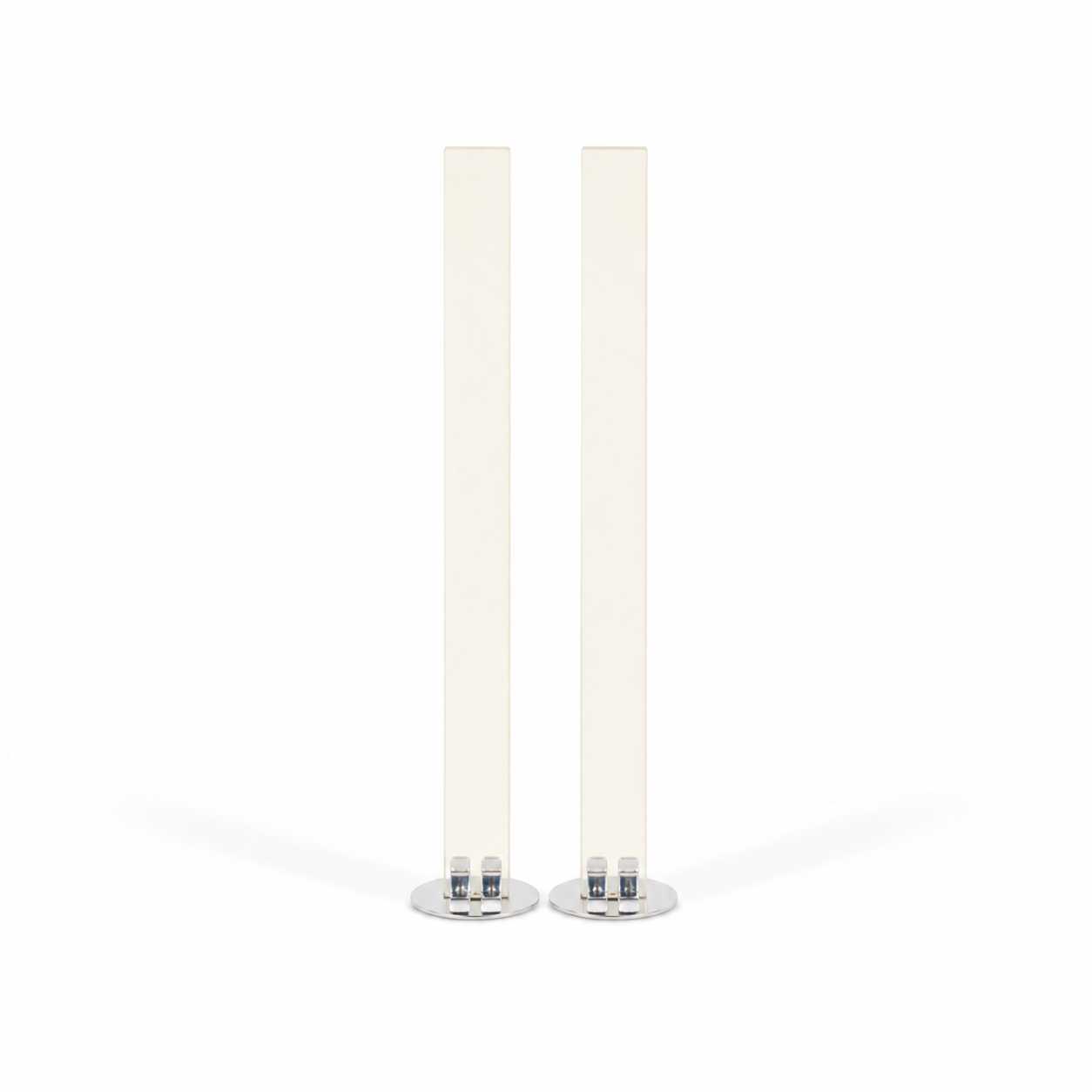
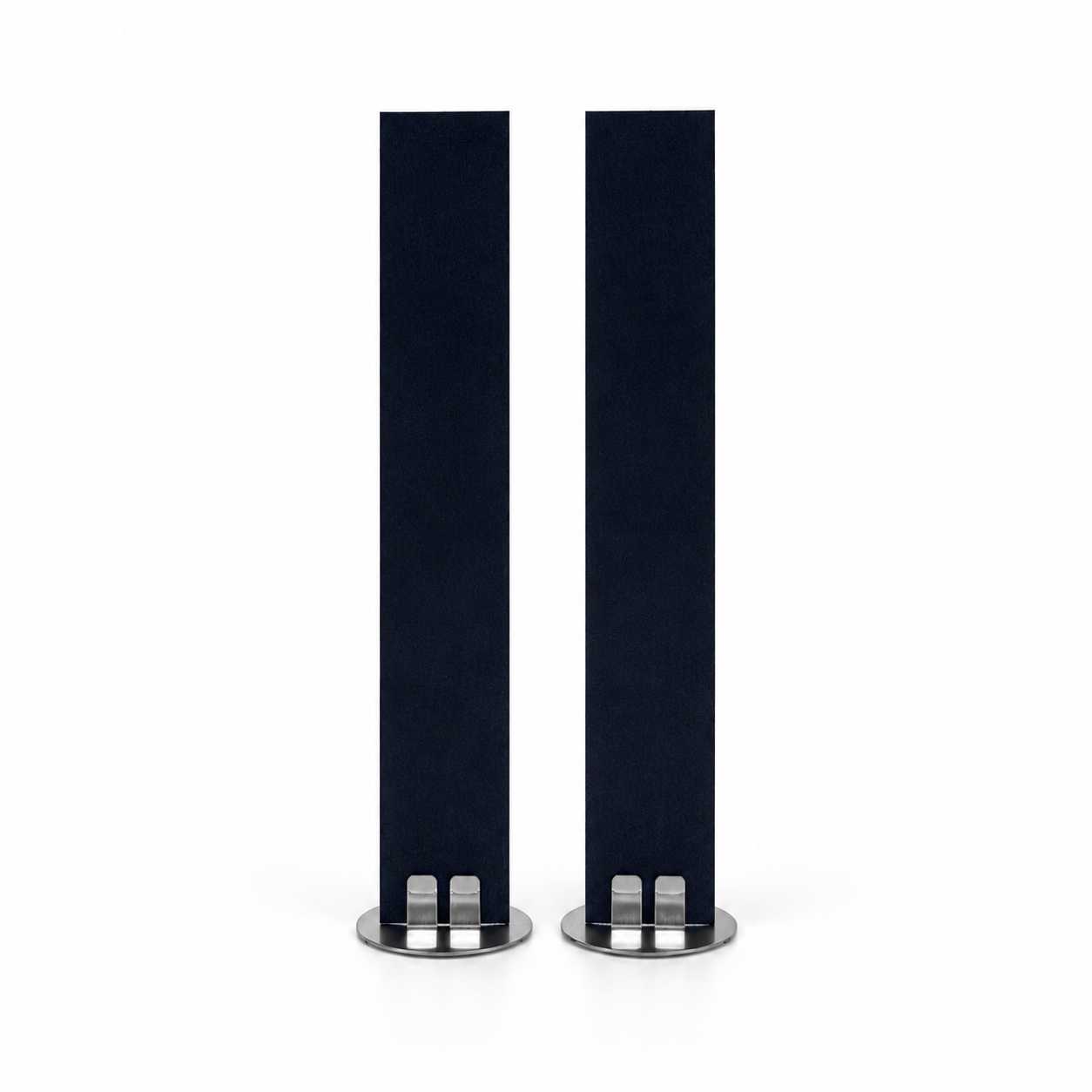
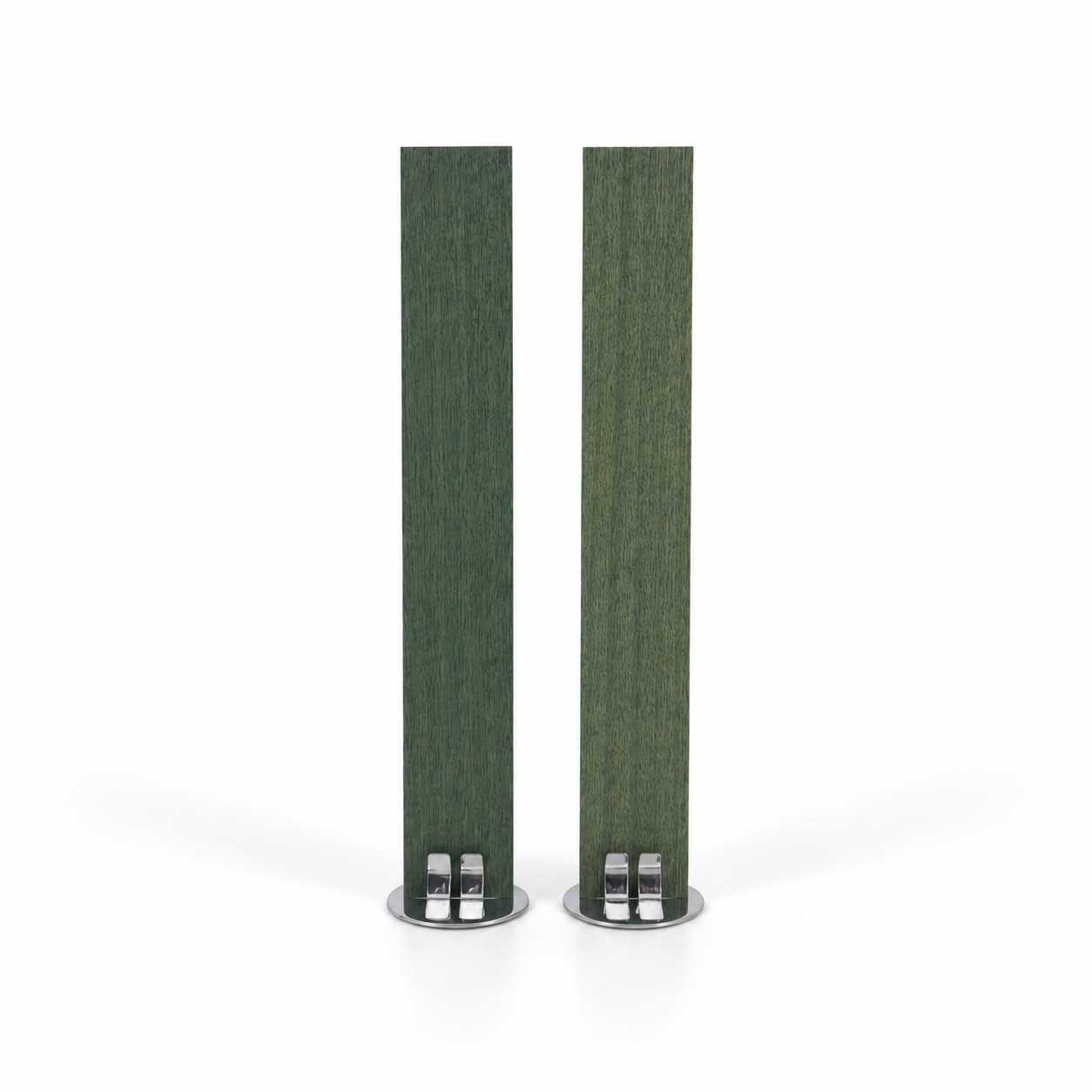
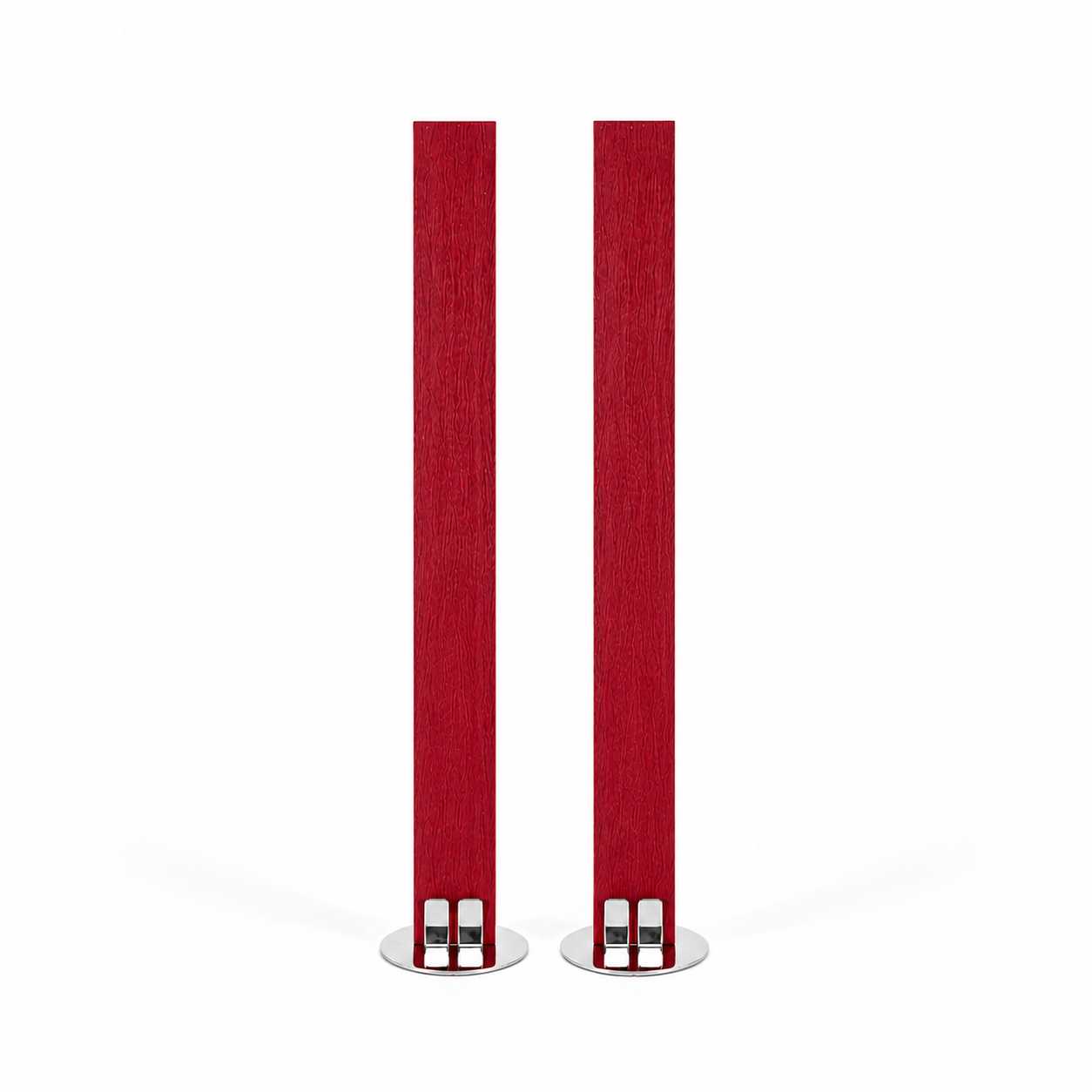
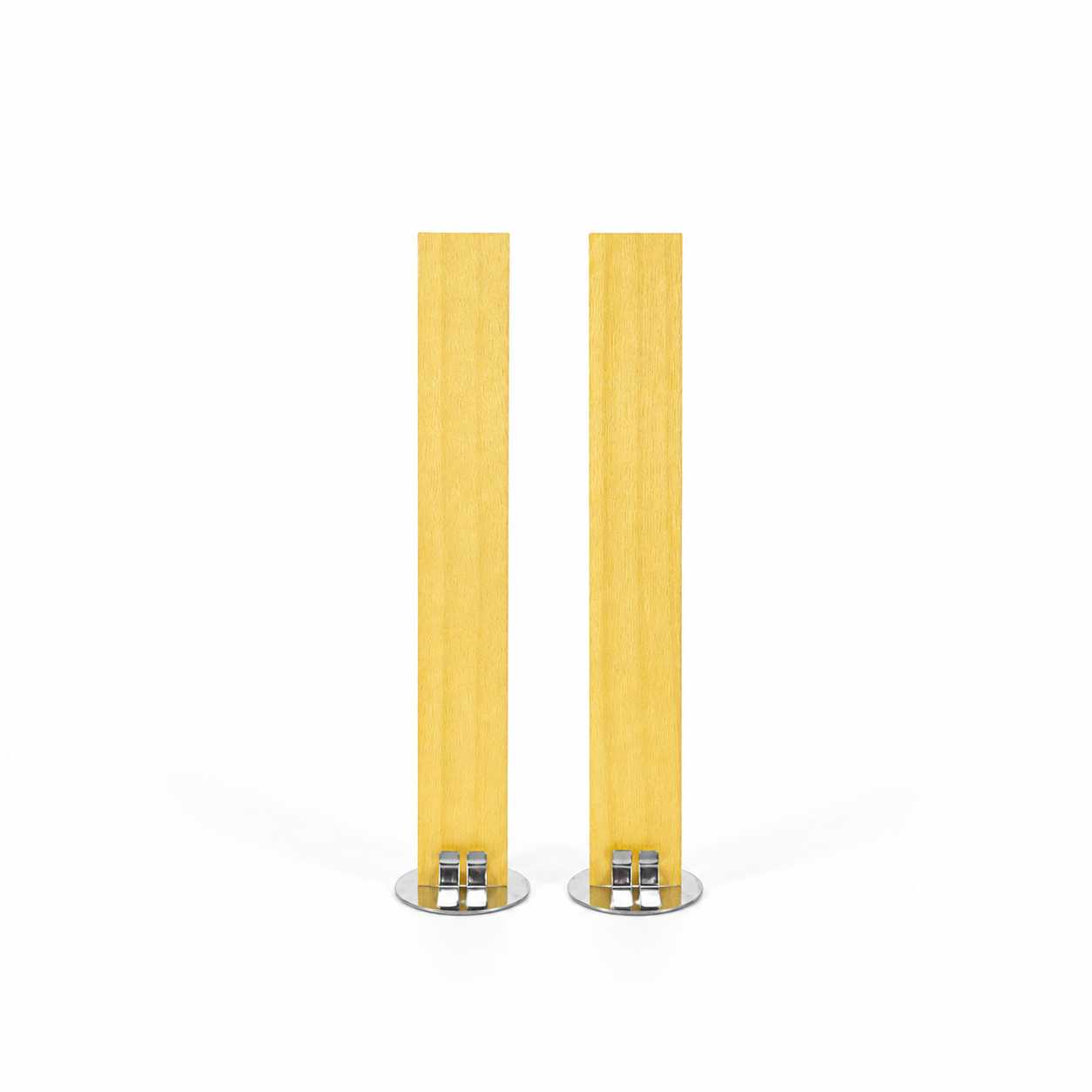
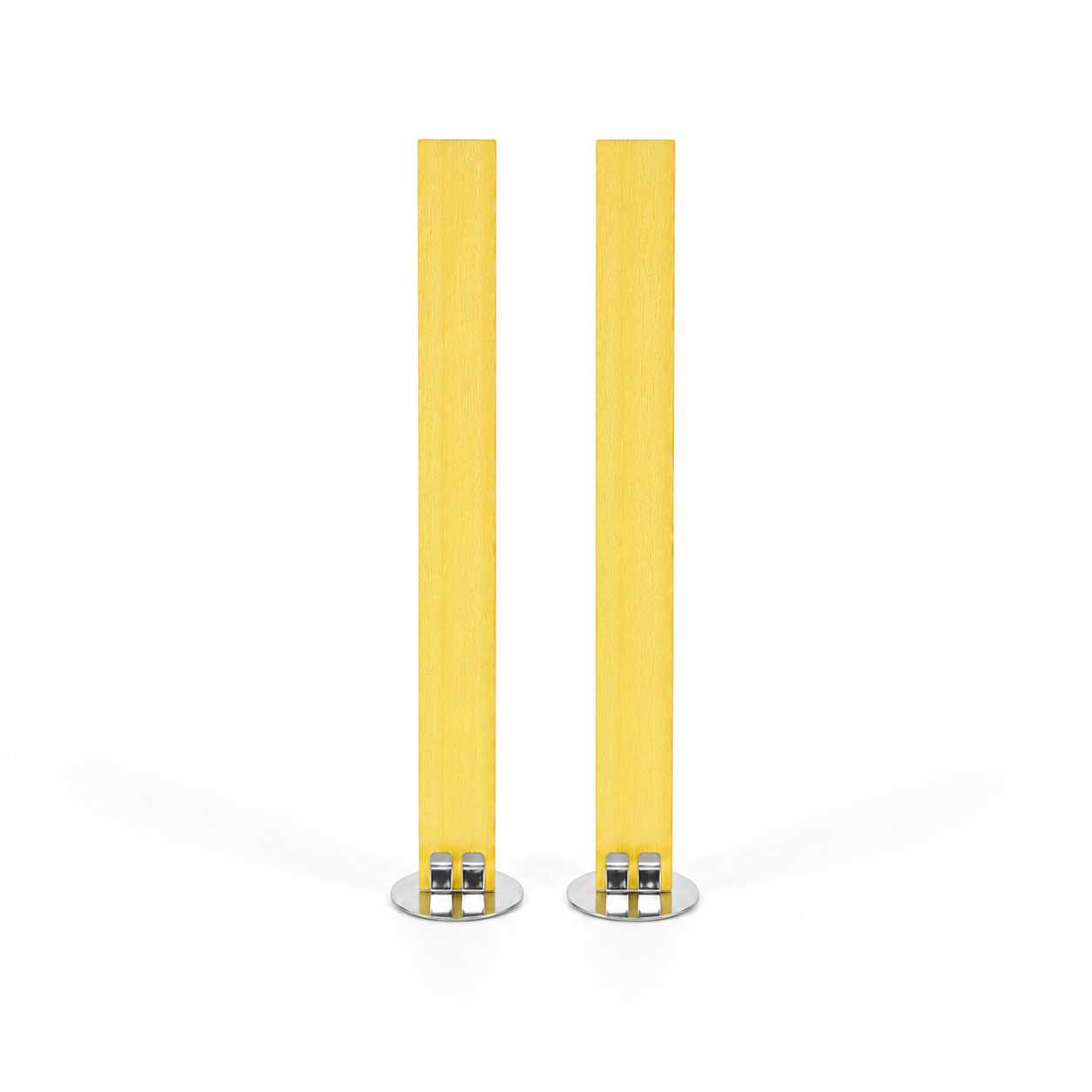
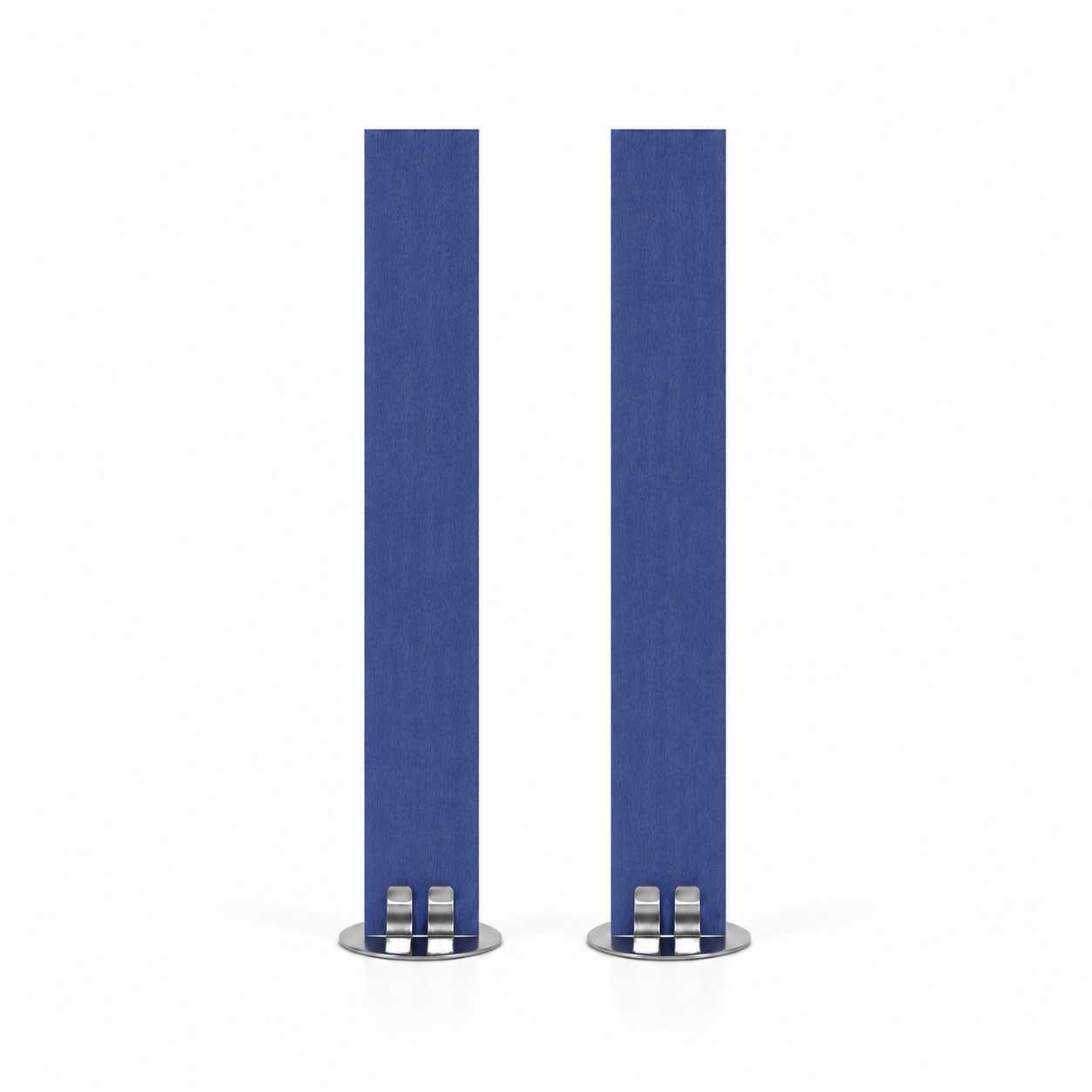
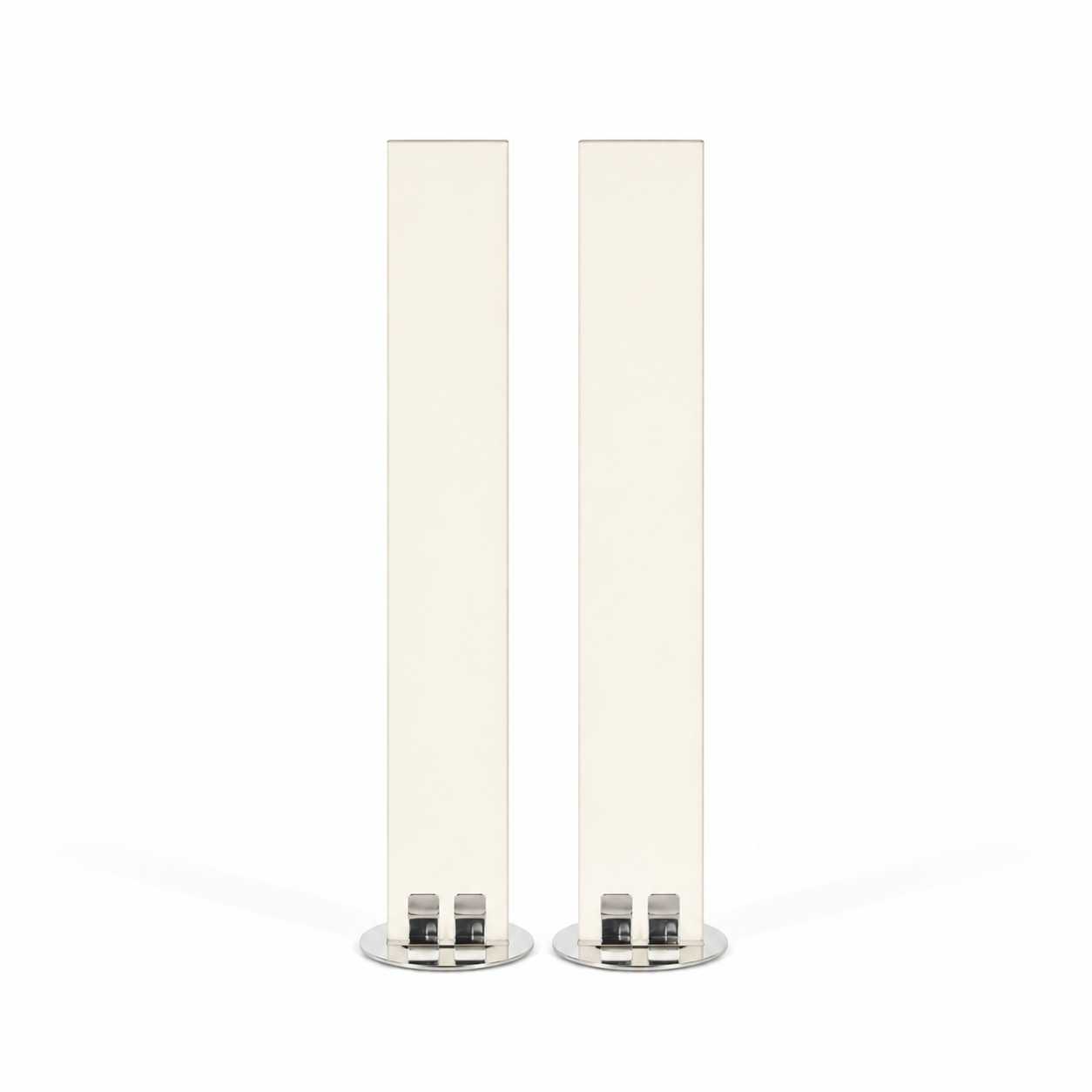
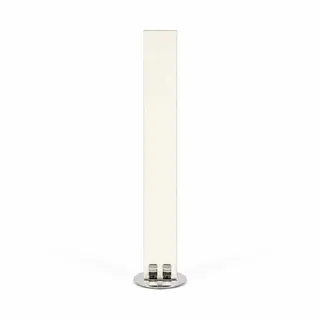
Wooden wick, .02 white, 19.1 mm
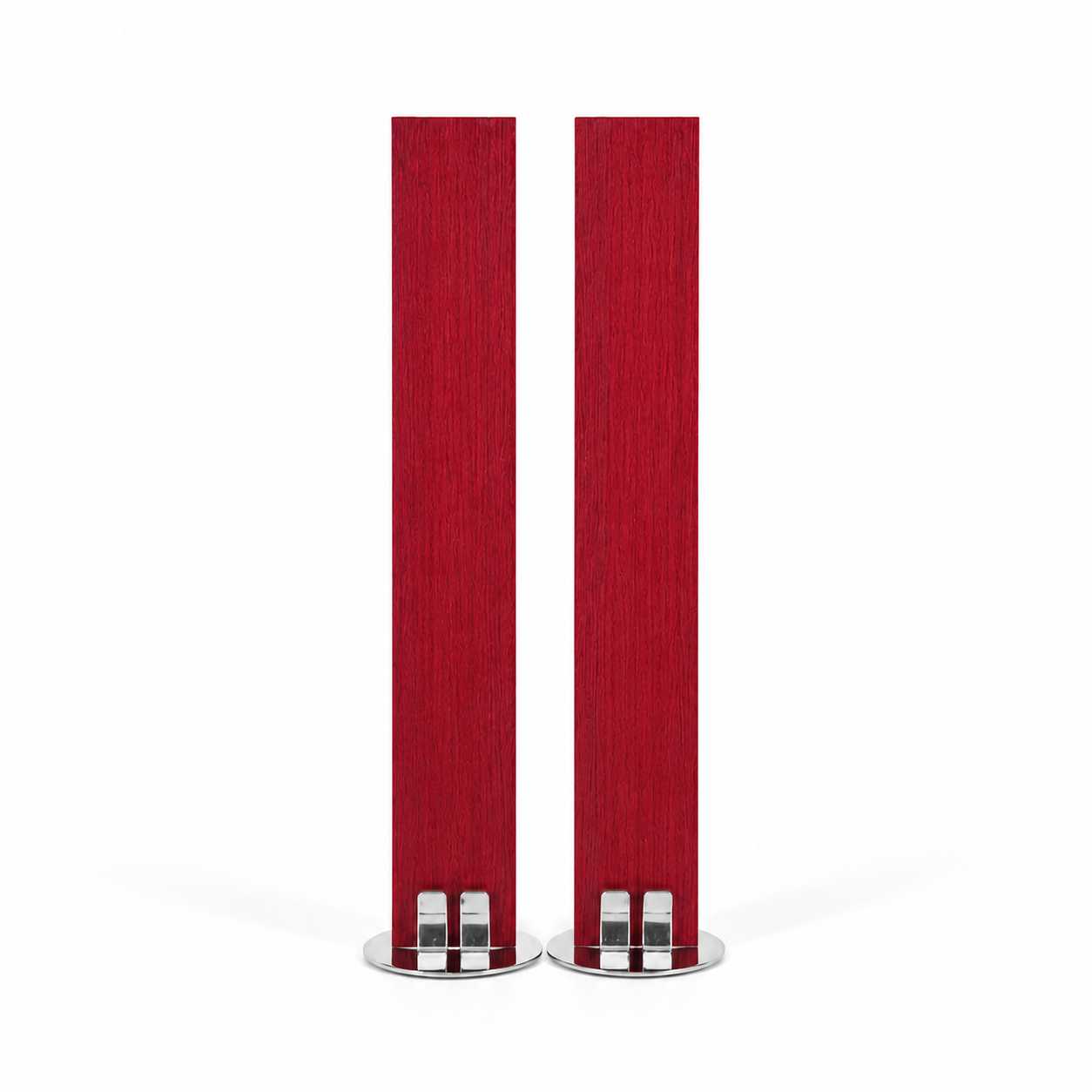
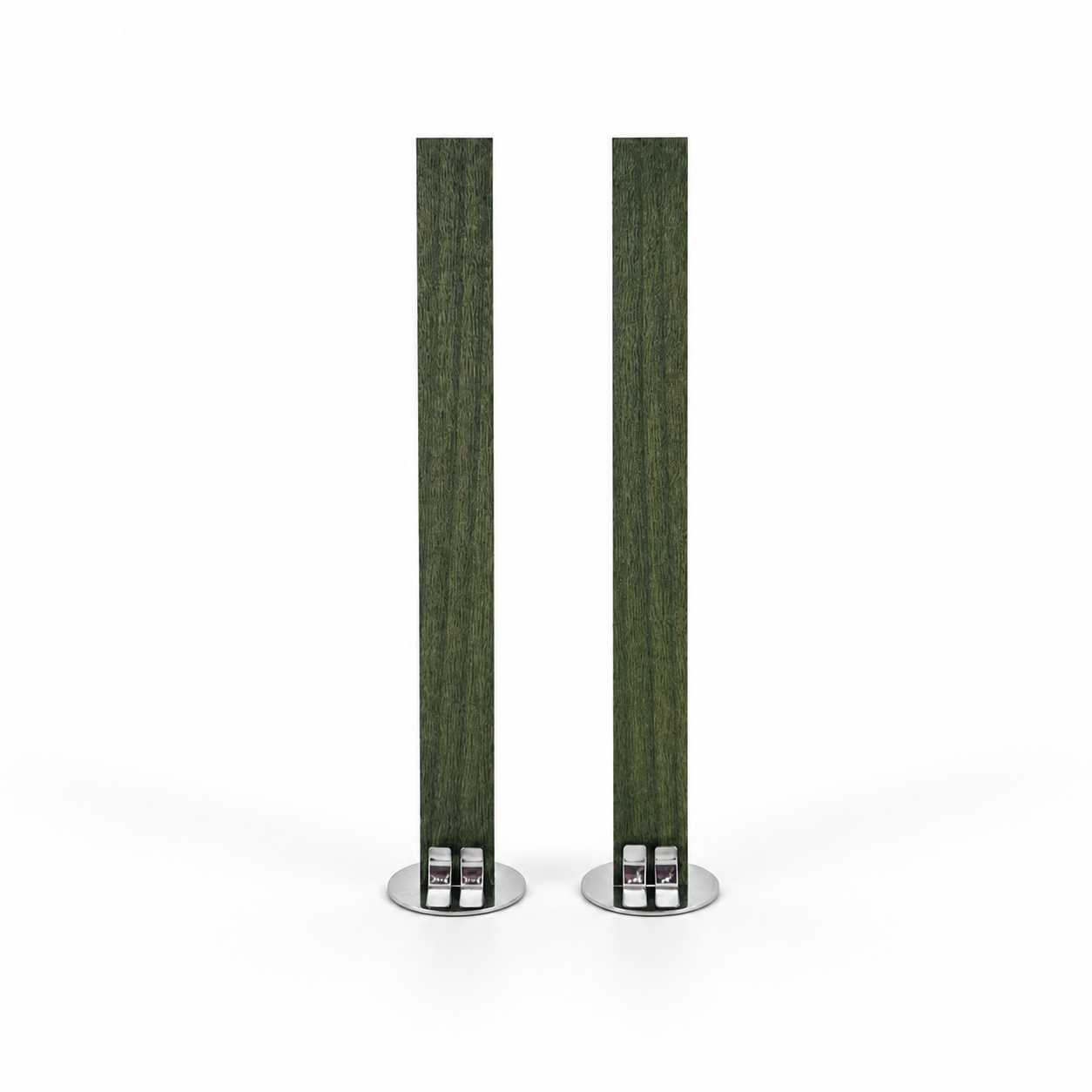
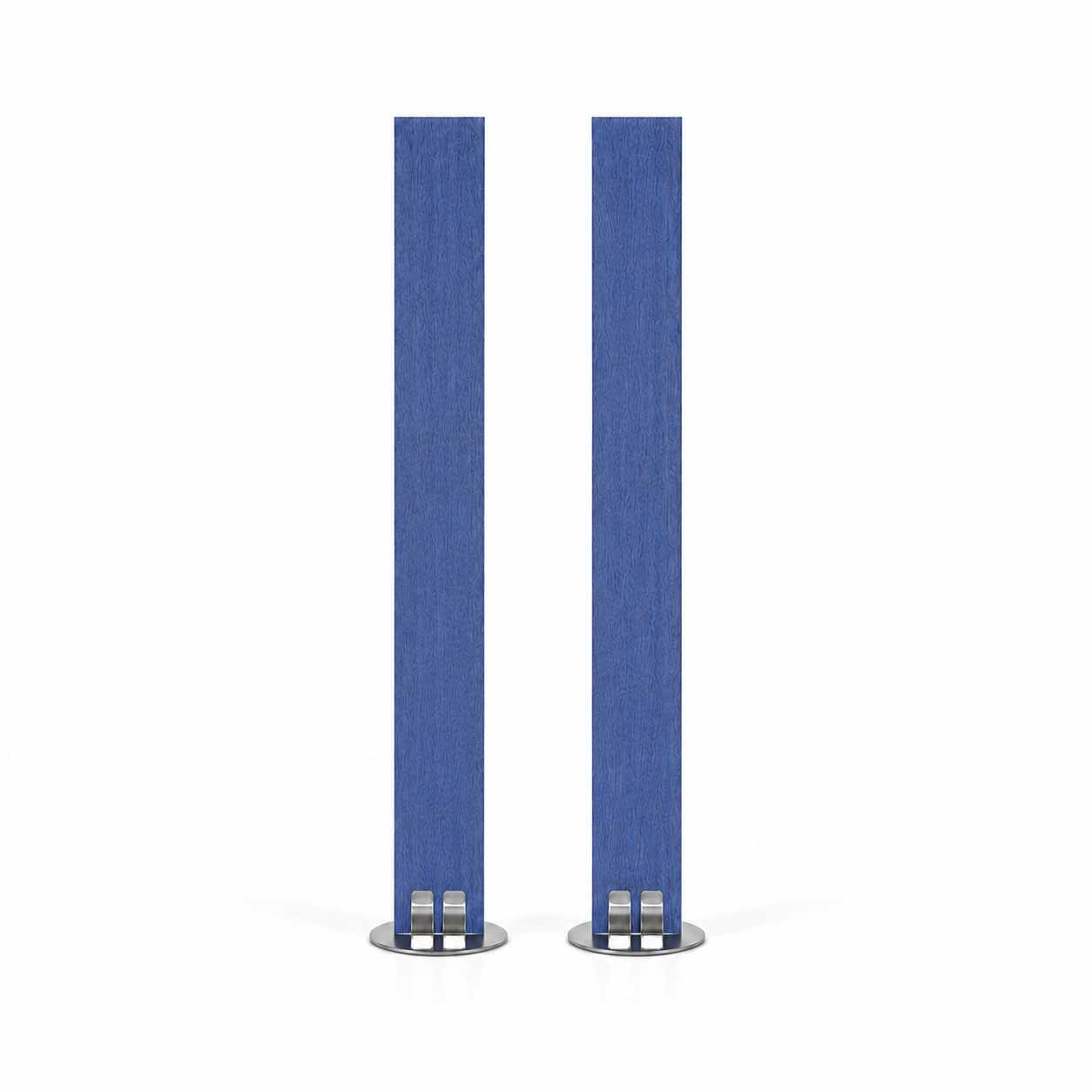
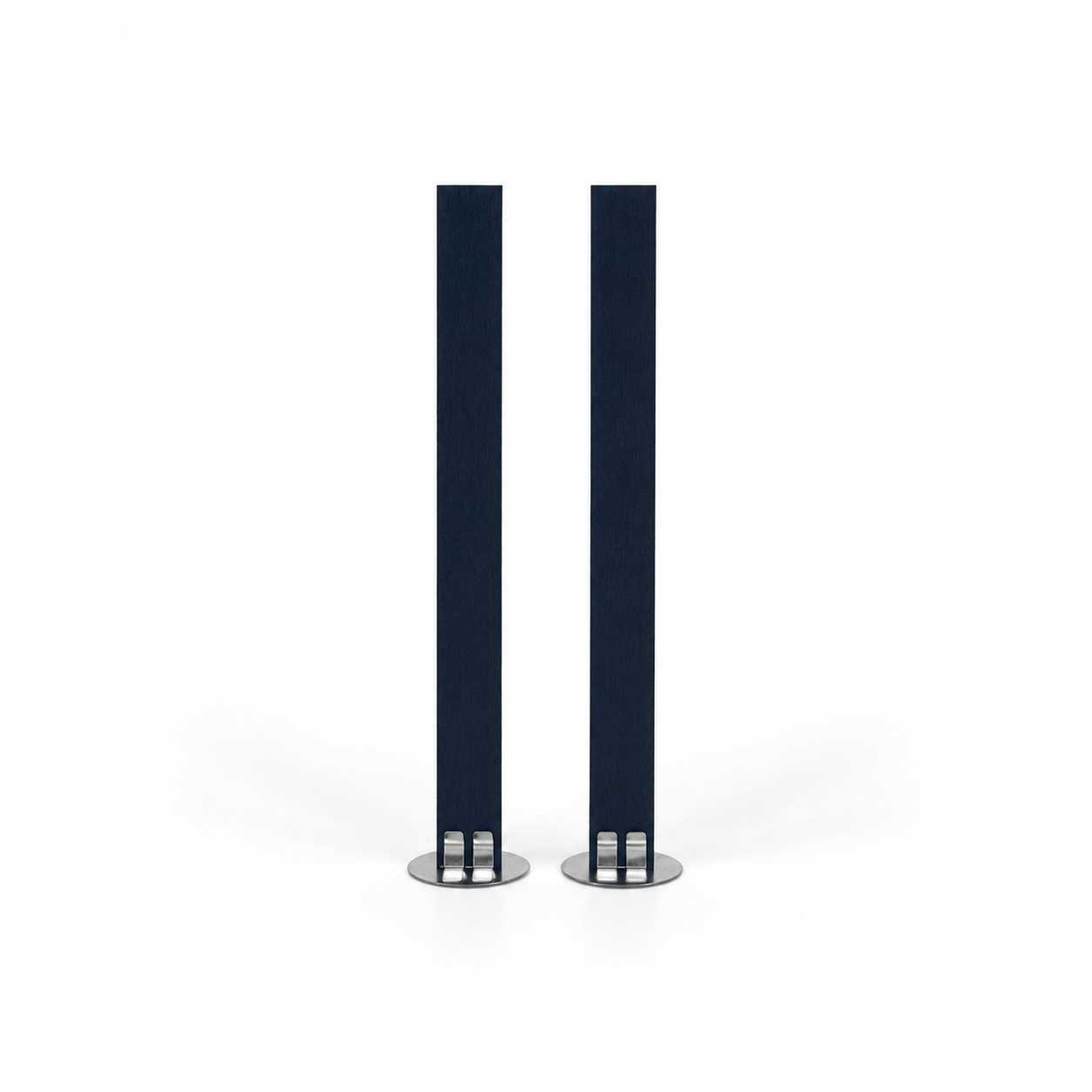
Flat wooden wick for container candles that quietly crackles like a fireplace while burning and produces a low, wide flame. Supplied as a complete set with a holder – a metal piece that keeps the wick perpendicular to the base of the container and makes pouring wax easier. It is intended for makers who want to give their candles a different character than a classic cotton wick offers: a broad melt pool, a more distinctive look in glass, and a sound that customers perceive as part of the experience.
The wick is made from certified wood in the USA. The manufacturer describes it as natural, allergen-free and biodegradable. The white colour is a cosmetic finish on the strip – the wick blends into light, minimalist candles where the natural wood tone would look out of place.
Key features
- Single strip, thickness .02 – the .02 designation is the manufacturer's sizing system, where a higher number means a thicker strip. A thinner strip burns more gently with a smaller flame, making it suitable for candles where the crackling should be subtle and the flame low.
- Width 19.1 mm – the strip width, together with the thickness and wax type, determines the size of the melt pool. It is the primary parameter when selecting a wick for a given container diameter.
- Wide, low flame – a wooden wick does not burn at a single point like a cotton wick, but across the full width of the strip. The wax melts more evenly sideways and less deeply.
- Sound effect – burning produces a quiet crackling whose intensity depends on the wax, fragrance and the height of the wick above the wax.
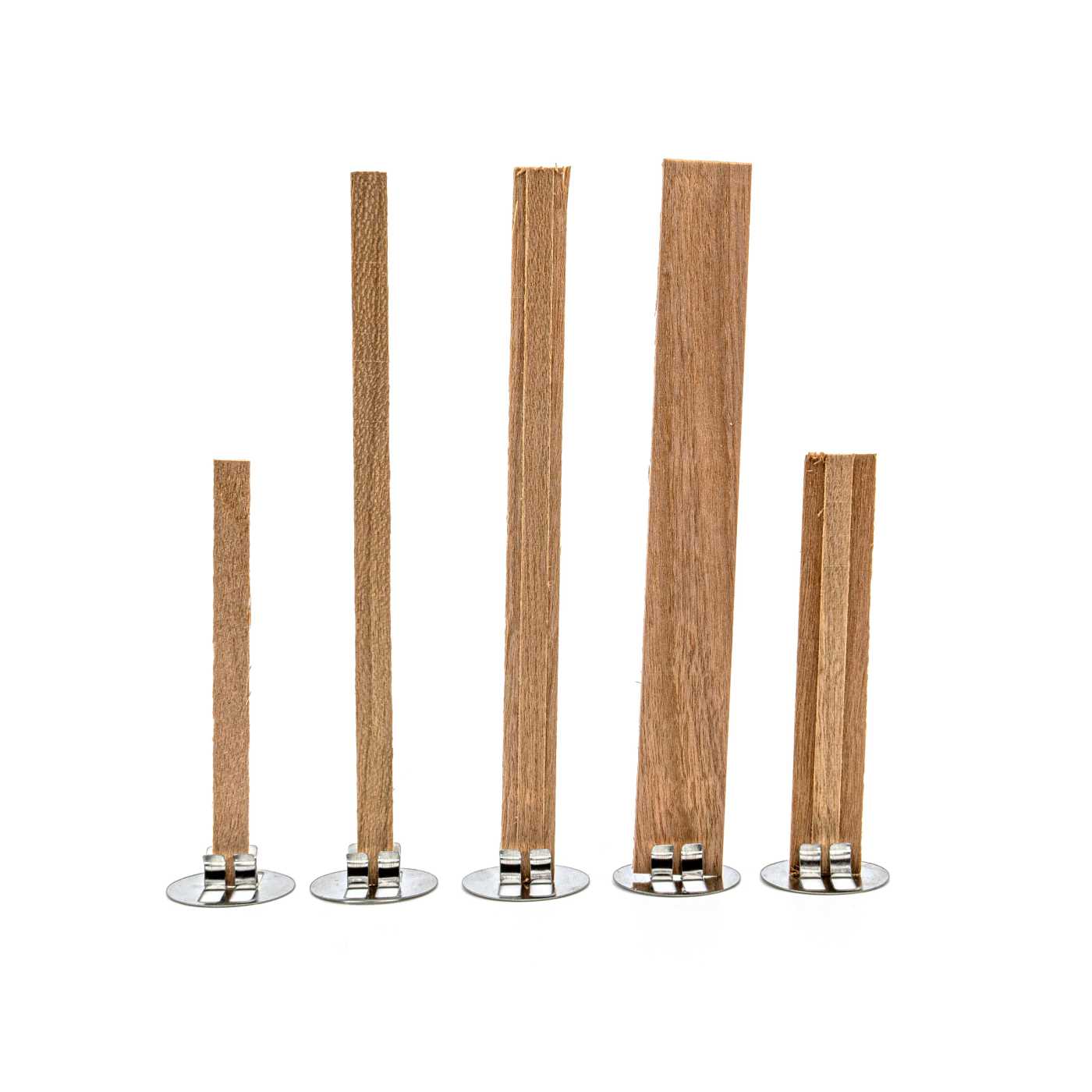
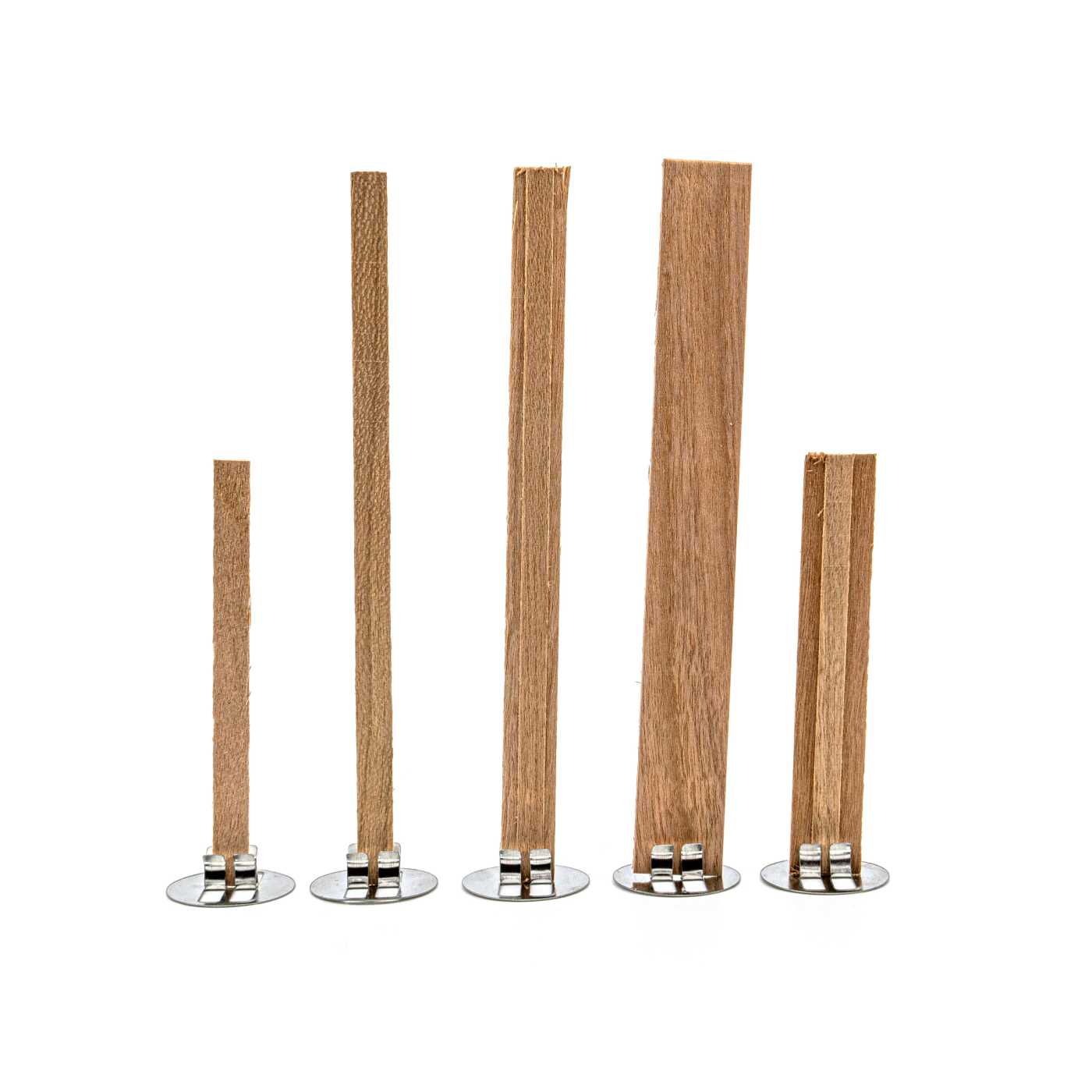
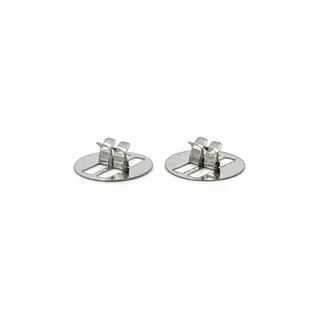
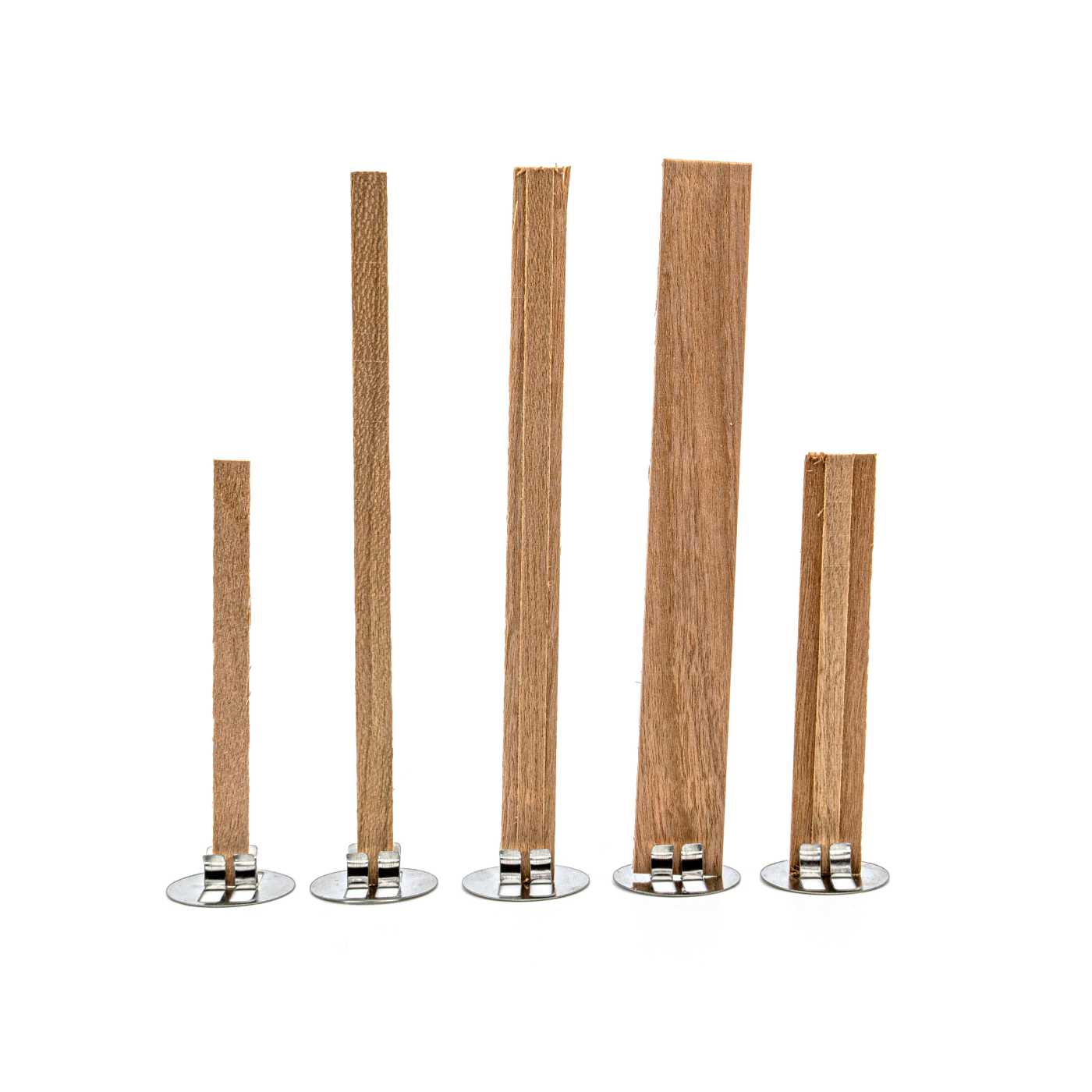
- Holder included – a round metal holder with a small base keeps the flat wick upright. It is suitable for single, double and cross wooden wicks, so it works with other variants in the range.
How to work with the wick
The wick is inserted into the holder and the holder is fixed exactly at the centre of the container base with an adhesive pad or a drop of hot wax. During pouring, the strip must remain perpendicular – a tilted wooden wick burns unevenly and overheats one side of the container.
Once the candle has fully set and cured, the wick is trimmed to a low height above the wax. A wooden wick requires a significantly shorter extension than a cotton wick; too long and it is difficult to light and will smoke. The exact height depends on the wax and container diameter and must be determined through testing.
On the first light, let the wooden wick burn for longer so the flame can spread across the full width of the strip. For the first few seconds, hold the flame along the edge of the wick until the wood catches.
After each burn, a charred layer forms on the edge, which should be broken off or trimmed; otherwise the candle becomes harder to light and the flame weakens. We recommend including this advice on the label or in the instructions for the finished candle.
Suitable for products such as
- Glass and ceramic container candles – the primary use. The flat wick with holder is designed for containers with a flat base, where the holder sits firmly and the strip has room.
- Soy and other natural wax candles – softer waxes with a lower melting point heat well with a wooden wick. The specific wax–fragrance–container combination must be tested.
- Light and minimalist candles – the white strip blends into designs where the natural wood tone would not fit.
- Gift and decorative candles – the crackling and visible flat flame are a selling point that a cotton wick does not offer.
The wick is not intended for freestanding candles without a container (pillar candles, mould candles) – the holder-and-flat-flame construction is not designed for these.
Good to know
Selecting a wooden wick cannot be calculated precisely the way cotton wicks can be with sizing charts. Performance is affected by the wax type, the quantity and type of fragrance oil, colourant, container diameter and material. A width of 19.1 mm and thickness .02 are the starting point – the final decision comes from a test burn in the intended container with the intended wax.
During testing, watch for three things: whether the melt pool extends to the container wall after a few hours (with no unmelted rim that grows with each subsequent burn), whether the flame smokes, and whether the outside of the container becomes uncomfortably hot. If the melt pool is too small, try a thicker strip or a wider wick. If the candle smokes and overheats, try a thinner or narrower one.
Fragrance blends with a higher proportion of heavier components and certain dyes can partially clog a wooden wick. This manifests as a weakening flame during burning. In such cases, a lower fragrance load or a thicker strip will help.
Wood is a natural material, so individual wicks in a pack may vary slightly in structure and burn rate. When producing larger batches, it is advisable to test several pieces, not just one.
Frequently asked questions
Why does a wooden wick crackle when burning?
The crackling is caused by moisture and resin naturally present in the wood, which are released during burning. This is a characteristic of wooden wicks, not a defect. The intensity of the sound depends on the wax, fragrance composition and the height of the wick above the wax; a wick that is too long or too moist will crackle louder and unevenly.
What is the difference between a wooden wick and a cotton wick?
A wooden wick burns across the full width of the flat strip and produces a low, wide flame, while a cotton wick burns at a single point and has a taller flame. A wooden wick therefore takes longer to get going, heats the wax surface more evenly, and crackles during burning. It requires a shorter extension above the wax and regular removal of the charred edge.
What does the .02 thickness designation mean on a wooden wick?
The .02 designation is the manufacturer's system for strip thickness, where a higher number means a thicker strip. A thinner strip gives a gentler flame and a smaller melt pool. If the candle in the intended container does not melt the wax all the way to the wall, try a thicker variant or two wicks side by side.
How high should a wooden wick extend above the wax?
A wooden wick is trimmed to only a few millimetres above the wax surface, significantly lower than a cotton wick. A wick that is too long is difficult to light, smokes and produces an unstable flame. The exact height for a specific wax and container is determined by test burning.
Is the 19.1 mm wooden wick suitable for soy wax?
Yes, wooden wicks are commonly used in soy and other natural waxes, but the specific combination must be tested. Softer waxes heat well with a flat flame, but performance is affected by the fragrance composition, colourant and container diameter. Check whether the melt pool reaches the container wall and whether the flame smokes.
What is the holder in the pack for and how is it attached?
The holder keeps the flat wooden wick perpendicular to the base of the container so it does not tilt during pouring and the candle burns evenly. The wick is inserted into it and the holder is glued to the centre of the base with an adhesive pad or a drop of hot wax. The circular base is small, so it fits into narrower containers and can be used with single, double and cross wooden wicks.



 Wooden wick, .02 white, 19.1 mmDrevený knôt, .02 biely, 19,1 mm ZASOBA