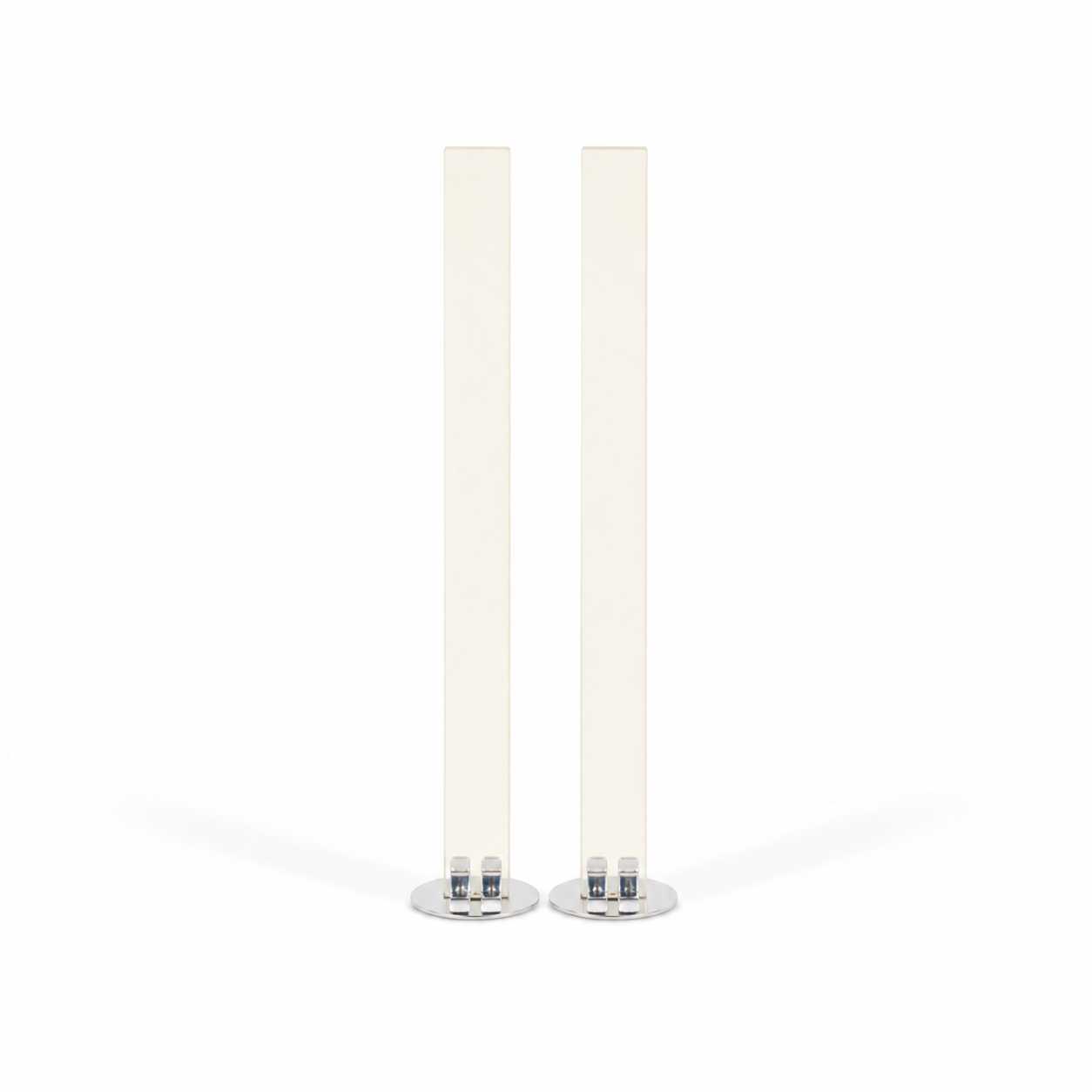
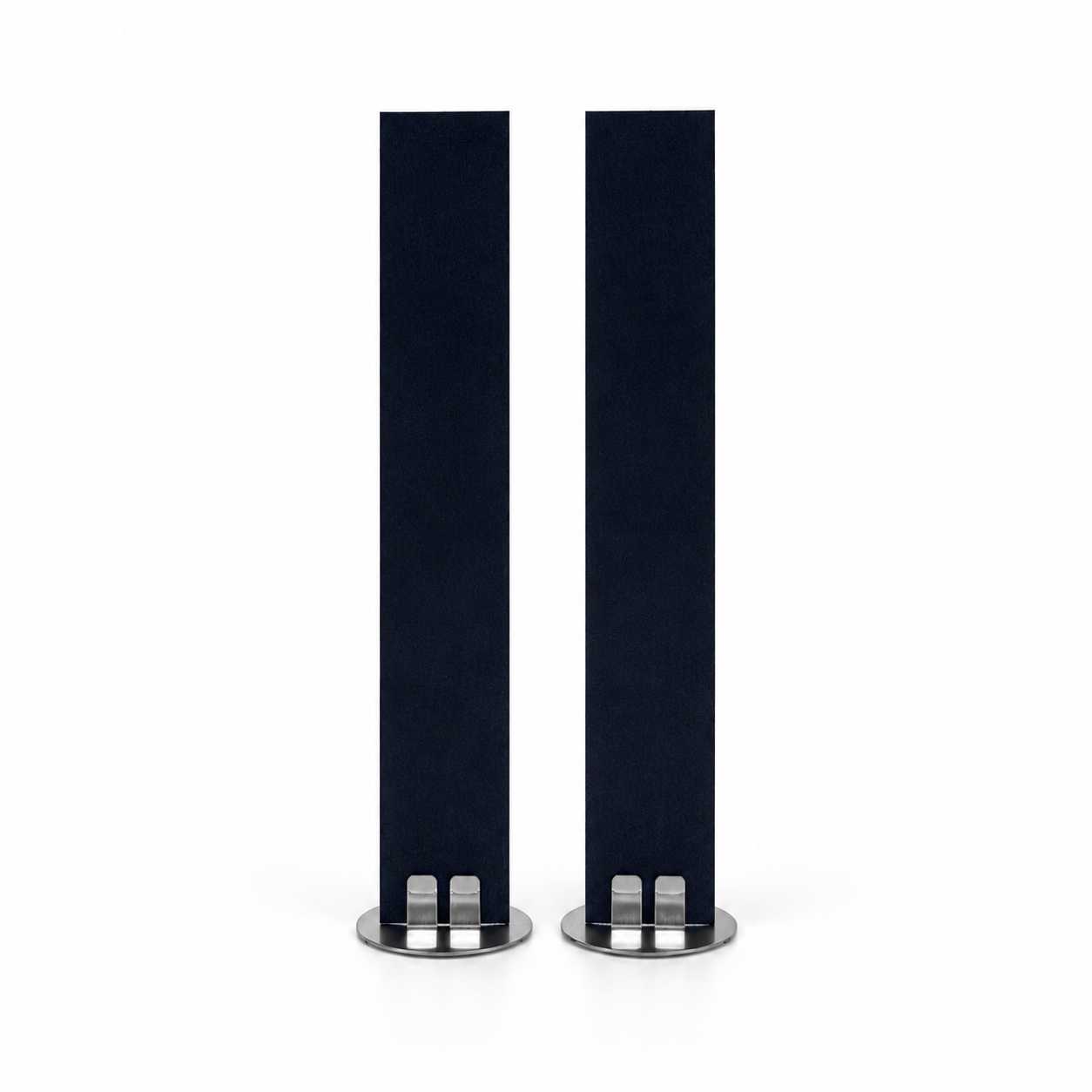
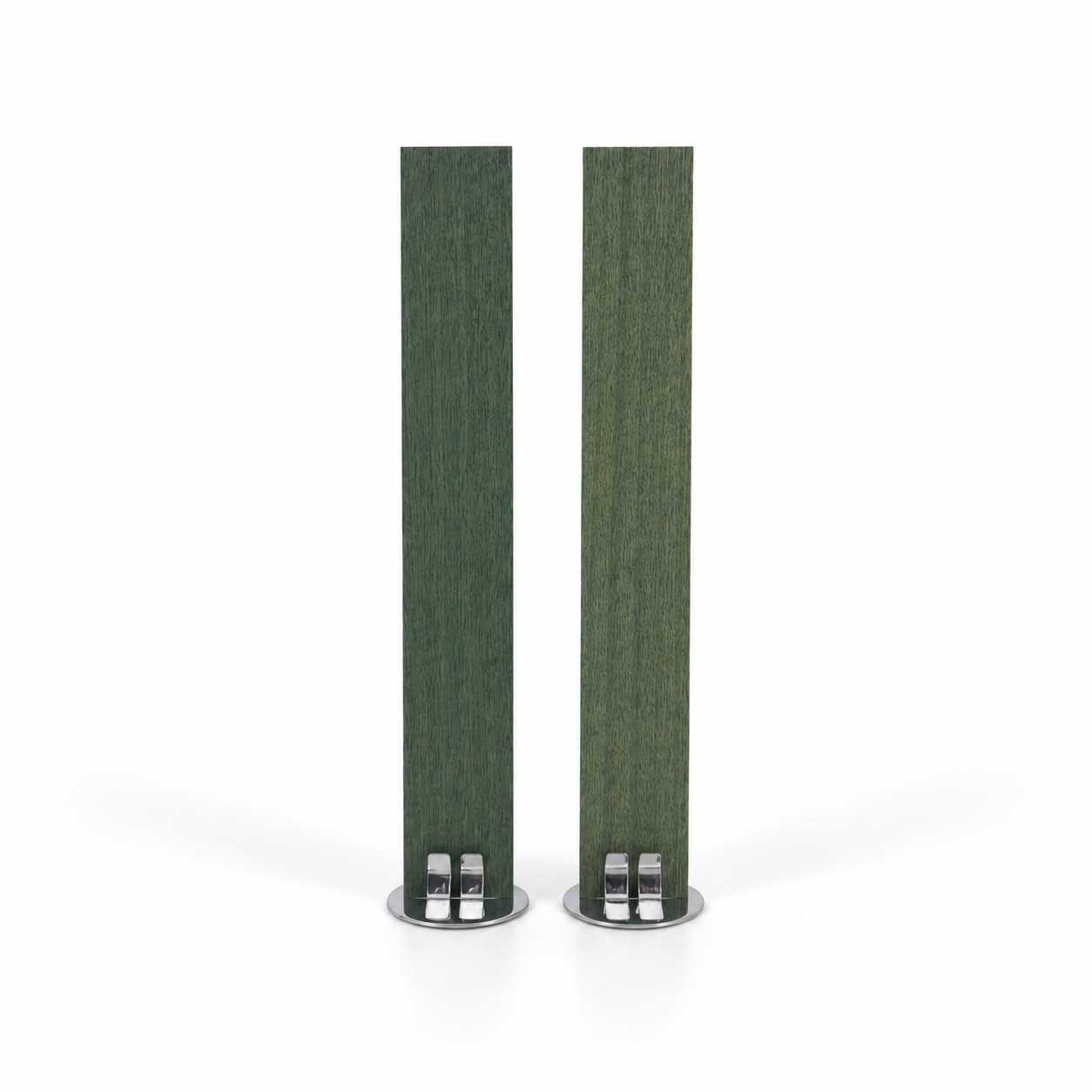
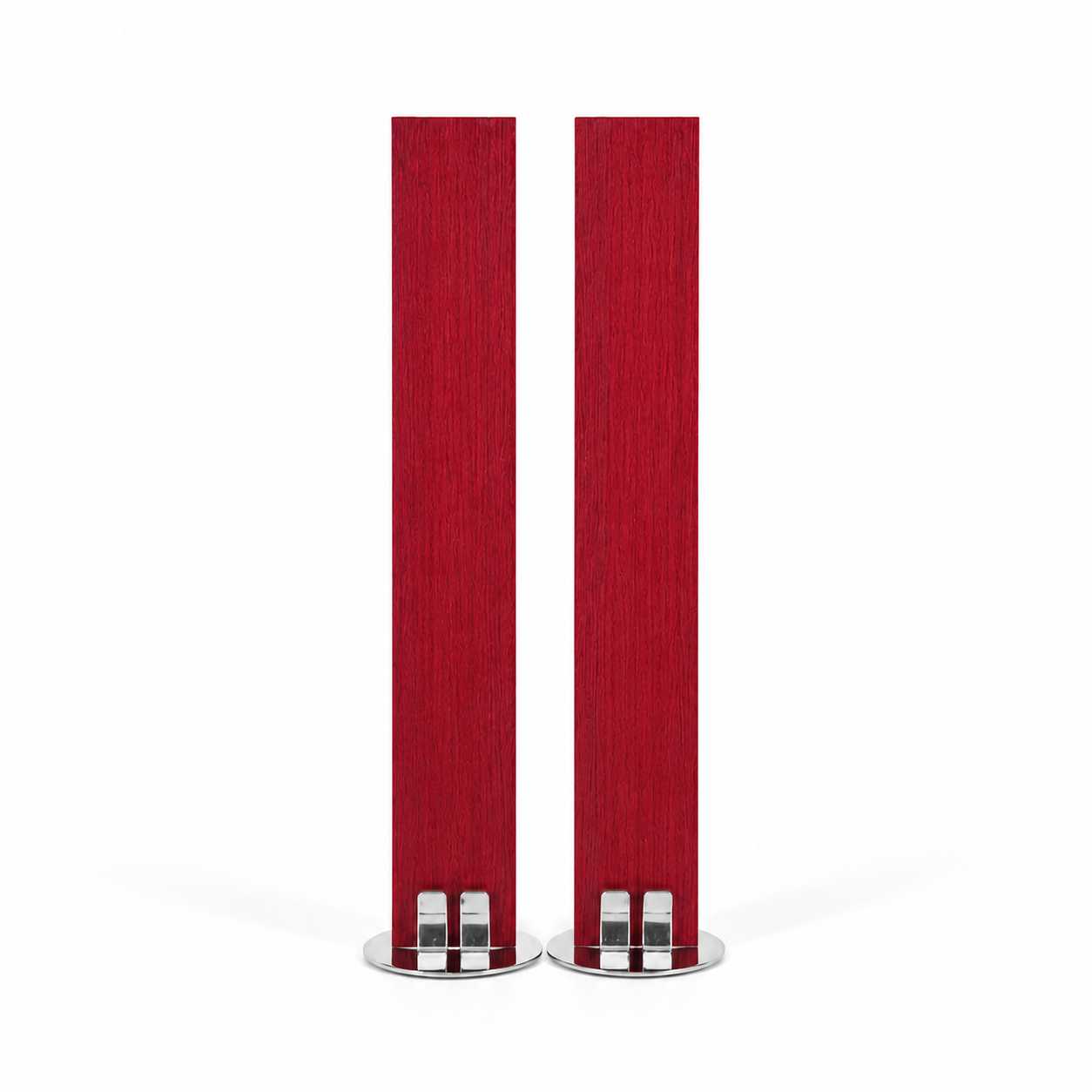
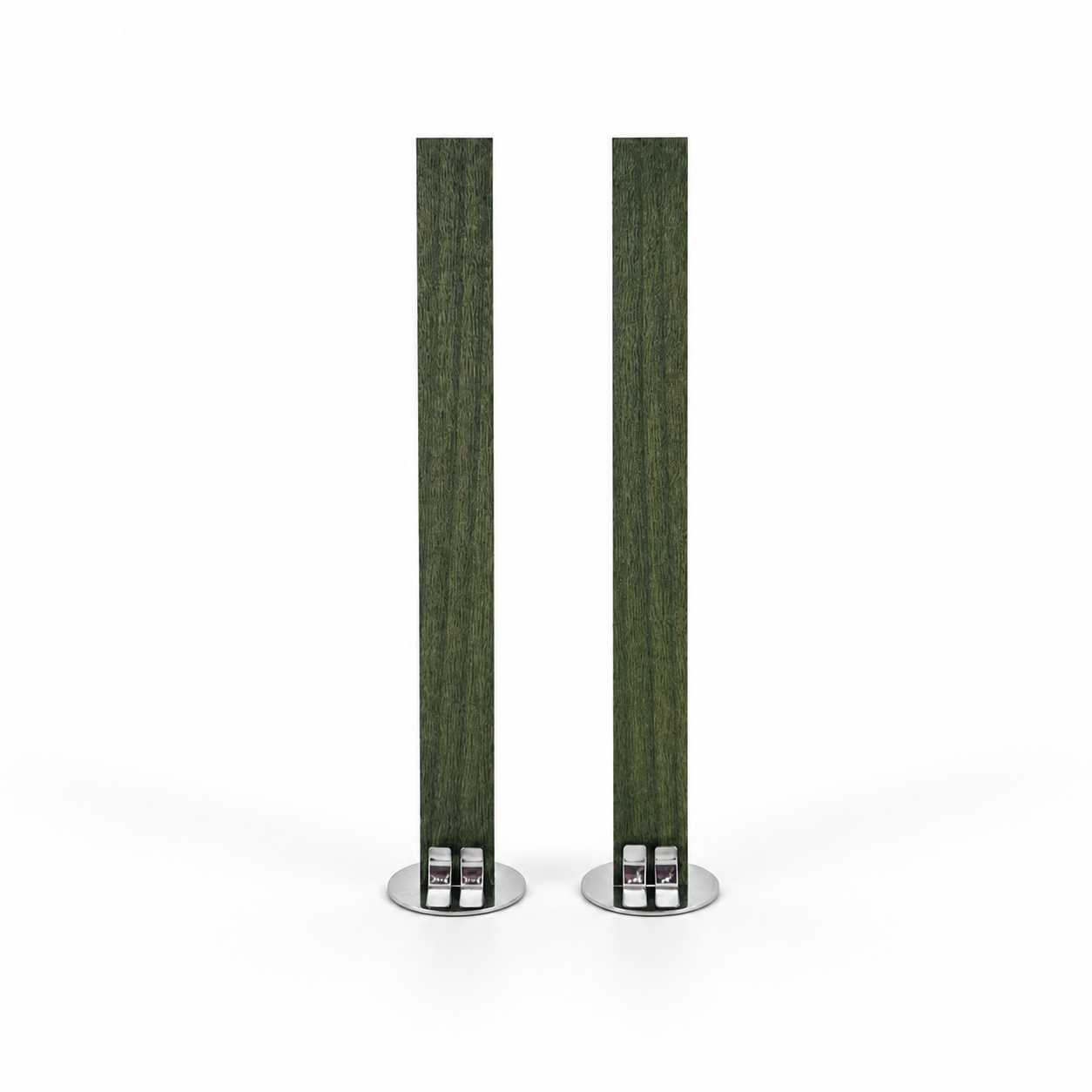
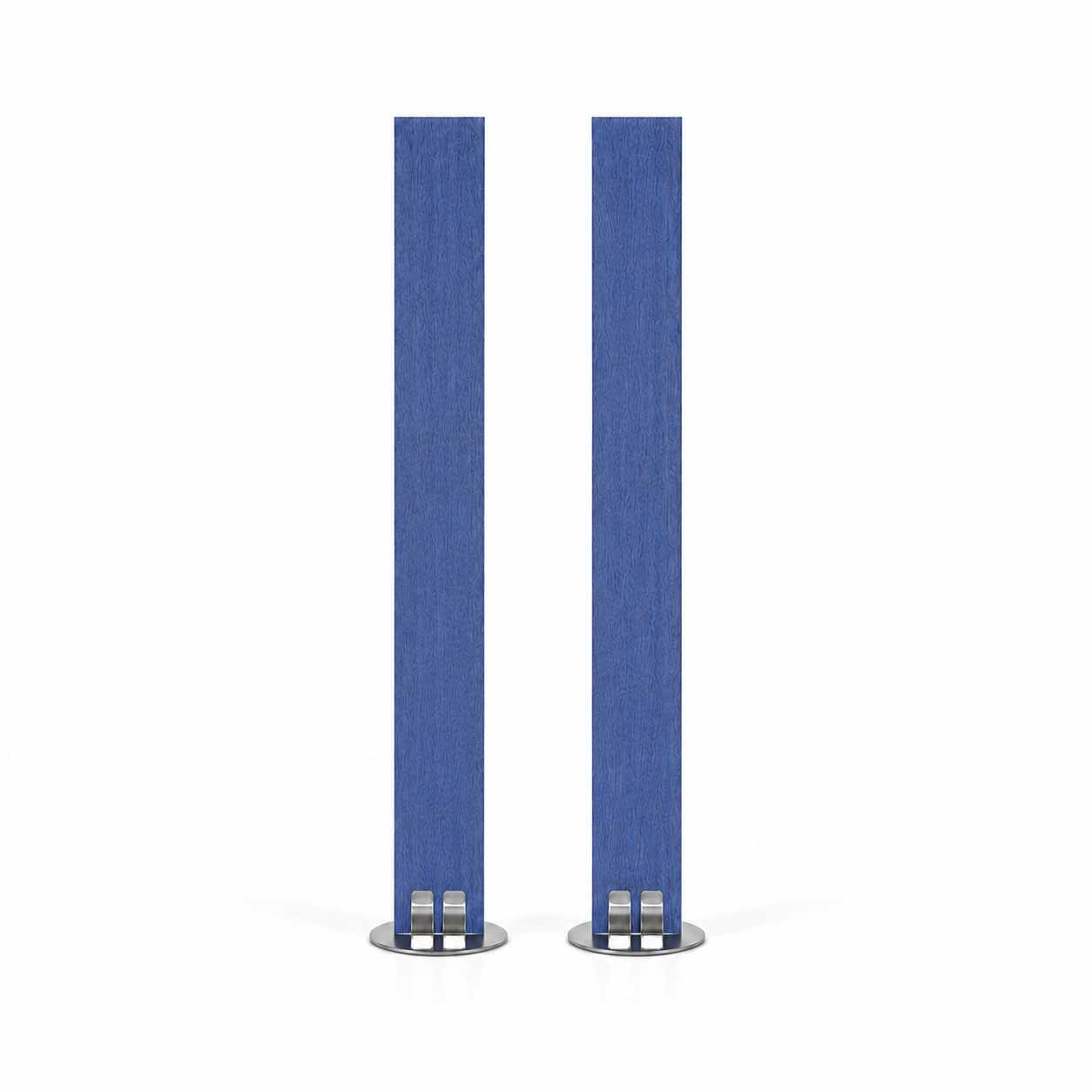
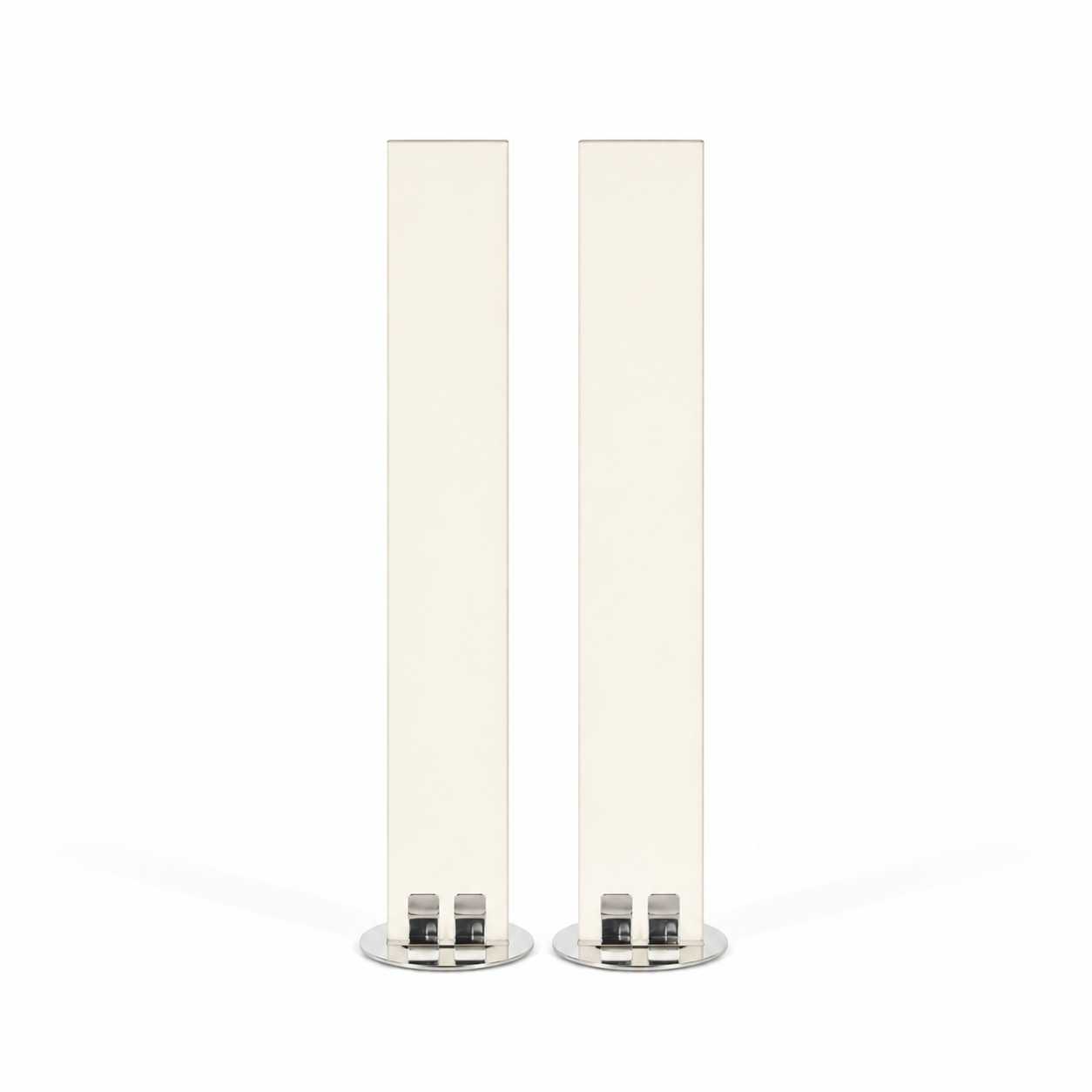
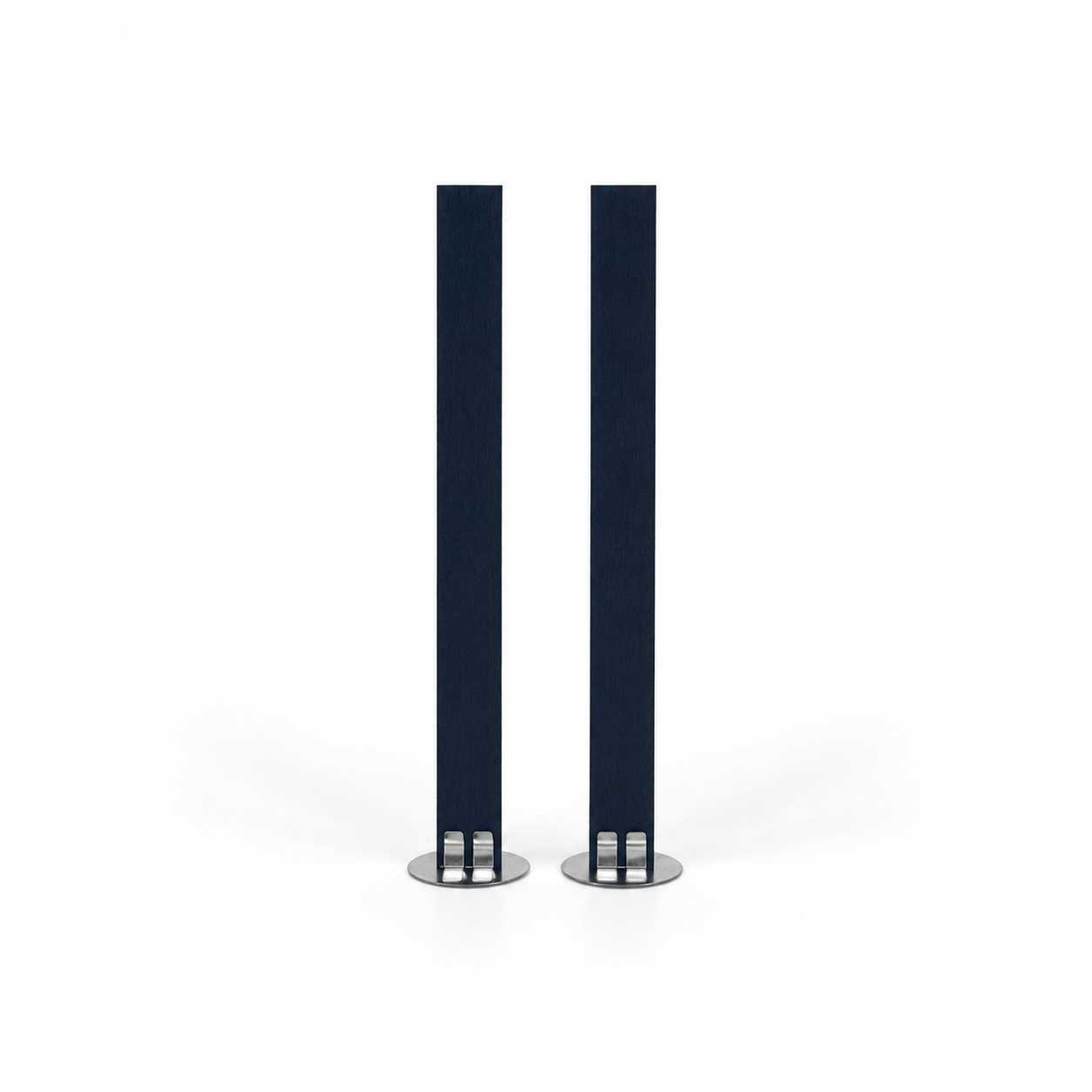
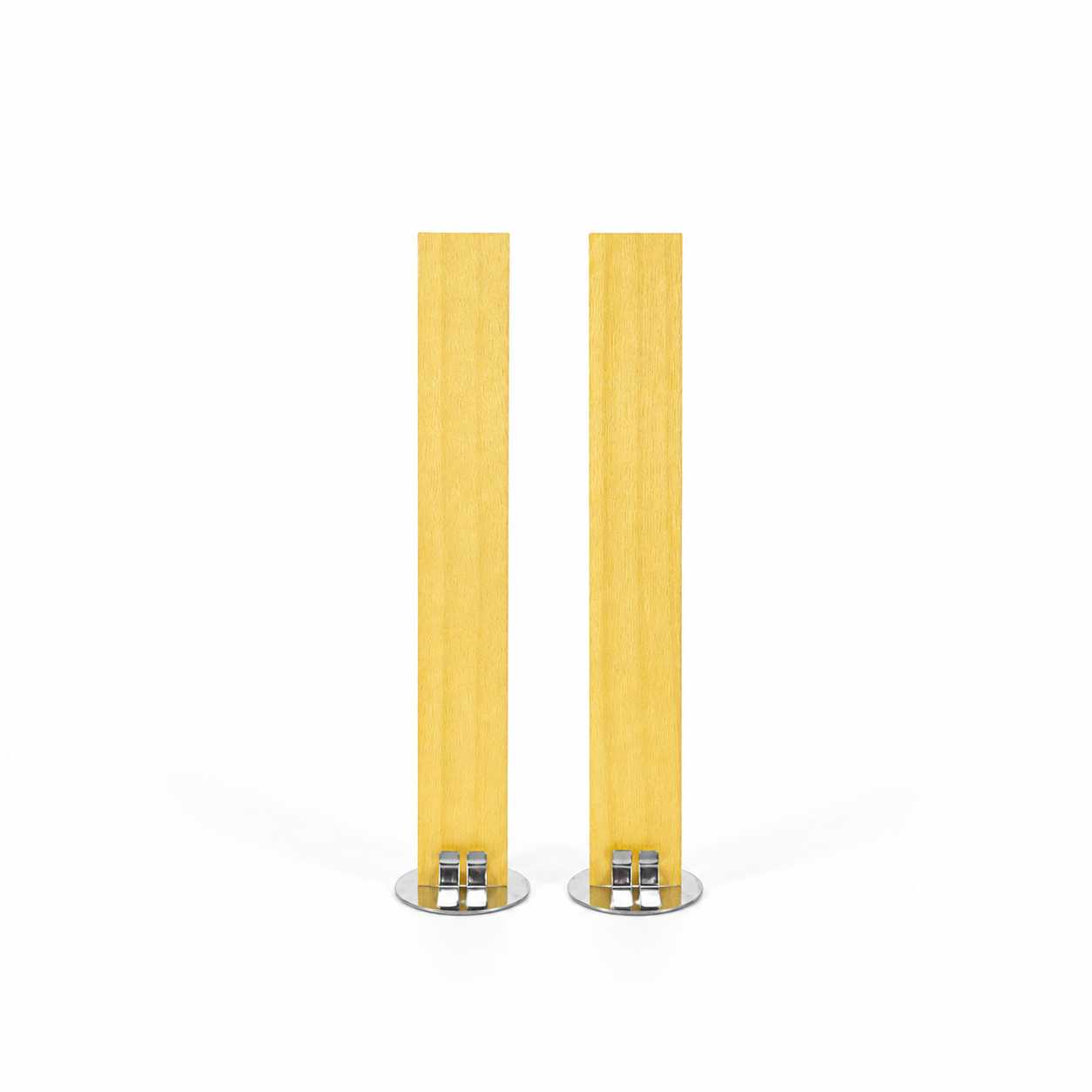
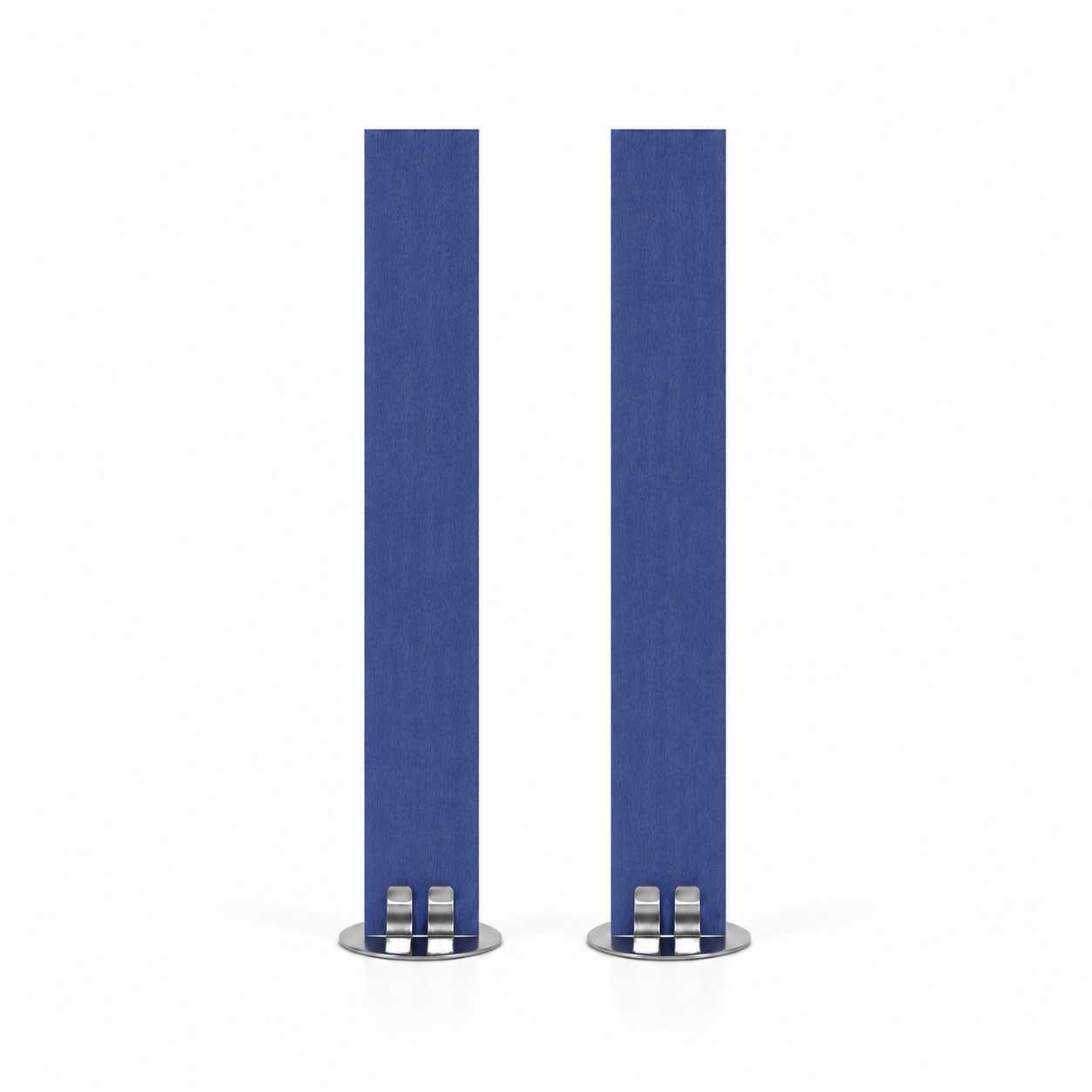
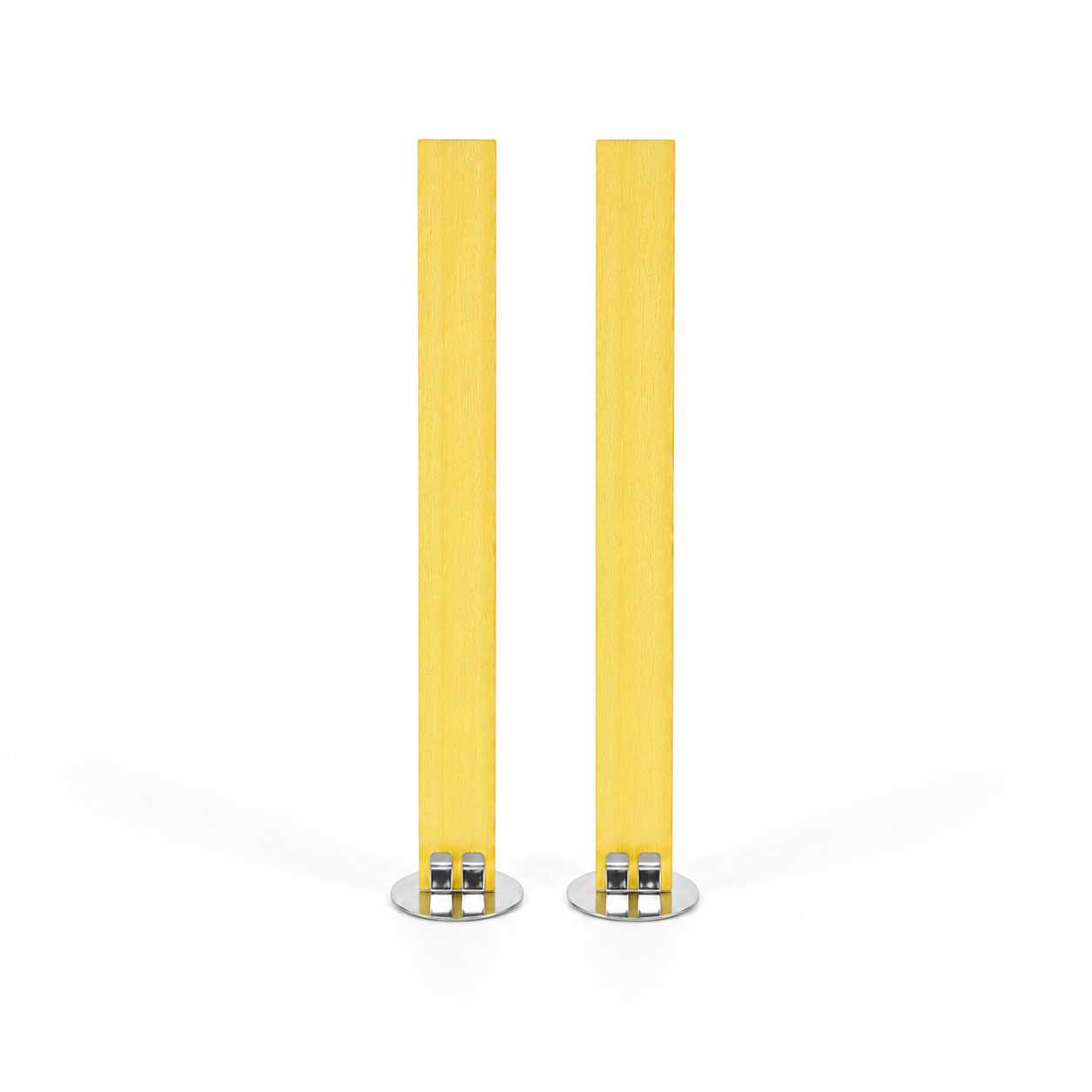
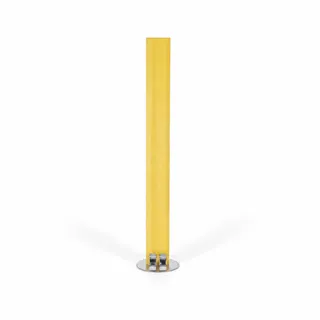
Wooden wick, .02 yellow, 12.7 mm
Wooden wick .02 yellow is a flat wooden strip for container candles. Instead of a classic cotton wick, it produces a wide, steady flame and crackles softly while burning, reminiscent of a fireplace. The yellow strip remains visible above the wax surface, making the wick a decorative element in colourful and spring-themed candles. It is supplied as a complete set with a metal sustainer that holds it upright on the bottom of the container. The wick is made in the USA from certified wood; the manufacturer describes it as natural, allergen-free and biodegradable.
Why choose a wooden wick
- Wide flame – the flat strip creates a broader melt pool than a thin cotton wick, which helps release fragrance more evenly across the entire candle surface.
- Sound effect – the wood crackles softly as it burns. This is a property of the material, not a defect, and for many people it is precisely the reason they choose a wooden-wick candle.
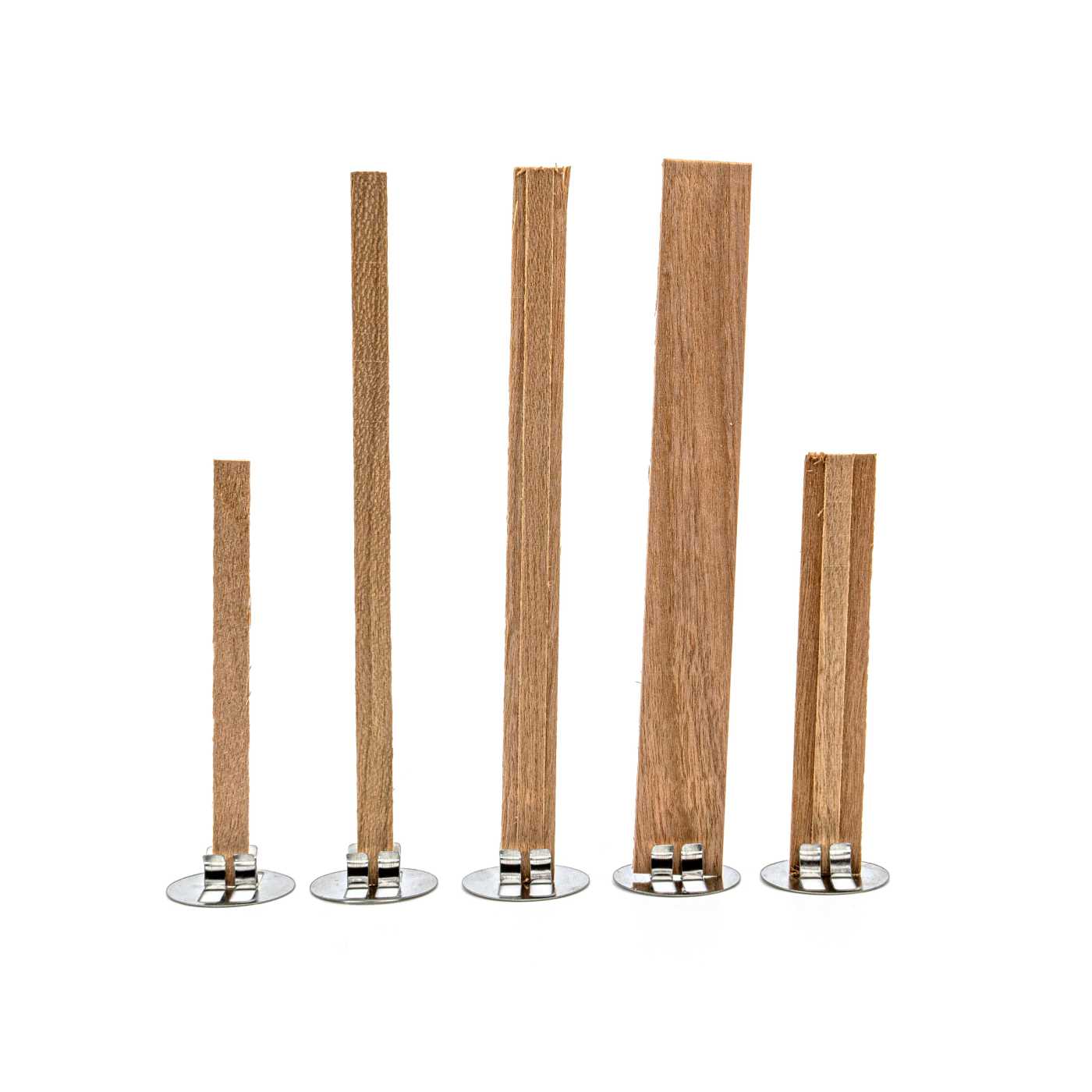
- Single strip, thickness .02 – the .02 designation is the thickness according to the manufacturer's scale; a higher number means a thicker strip. A thinner strip produces a more moderate flame and is generally suited to smaller containers and softer waxes. The right choice is always confirmed by a test burn.
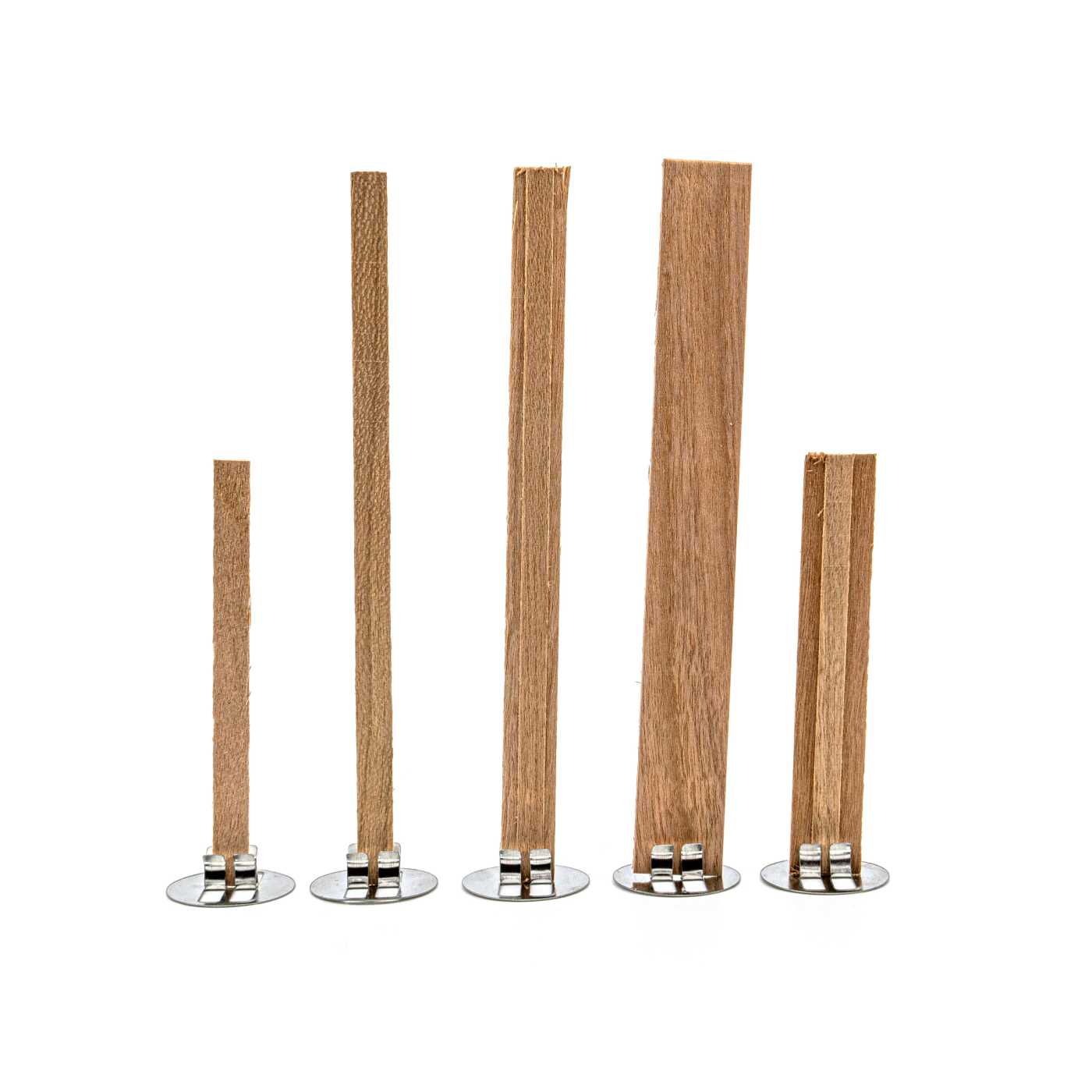
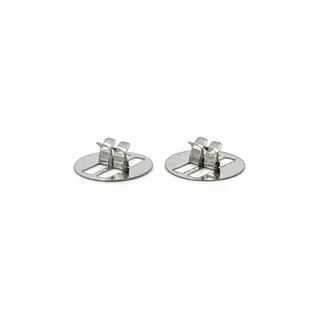
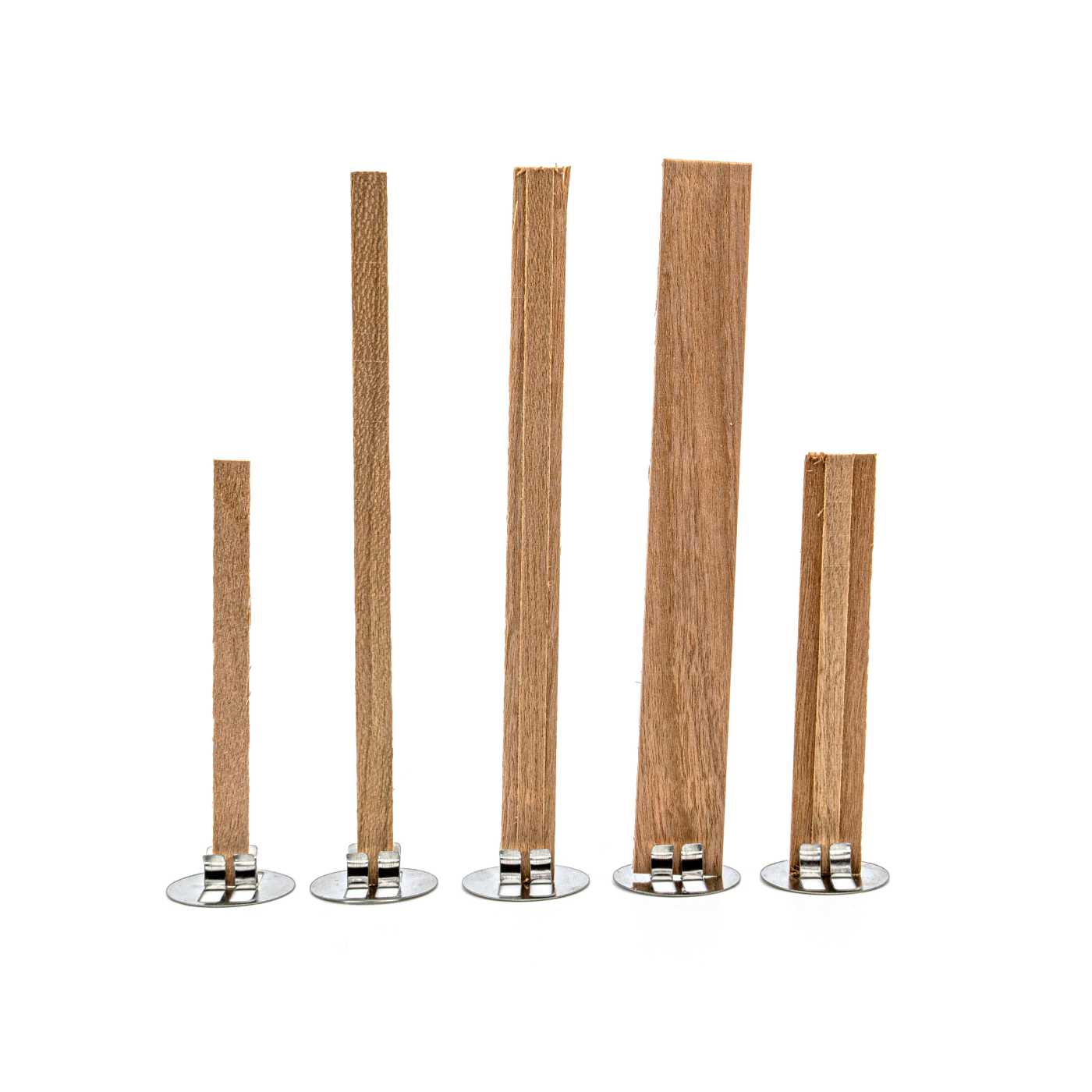
- Sustainer included – a metal tab with a round base grips the strip and holds it upright during pouring and as the wax sets. The same type of sustainer is also compatible with double and cross wooden wicks.
How to work with the wick
Insert the wick into the slot of the sustainer and secure the sustainer to the centre of the container bottom with a drop of melted wax or a wick sticker. Then pour the wax at the temperature recommended for that wax type and allow it to set completely. Once set, trim the strip with scissors so that only a short length protrudes above the wax surface. A wooden wick that is too long will smoke and produce an unstable flame; one that is too short may become submerged in the melt pool and extinguish itself.
Wooden wicks are more sensitive to container diameter and wax type than cotton wicks. Before making a production batch, carry out a test burn in the specific container with the specific wax and fragrance. Check that the melt pool reaches the walls, that the flame does not smoke, and that the wick re-ignites well after the top edge has burned down.
On the first burn, allow the candle to burn long enough for the wax to melt across the entire surface. This creates a level melt pool and prevents tunnelling around the wick on subsequent burns. Before each re-light, it is advisable to snap off or trim the charred tip of the strip.
Best suited for
- Candles in glass containers – jars, tins and vessels where the wick is firmly anchored by the sustainer and the flame is protected by the container wall.
- Soy and other plant-based waxes – softer waxes generally pair well with a thinner strip; confirm with a test burn.
- Colour-coordinated candles – the yellow tone of the strip suits spring, citrus or honey candles where the wick is intended to be a visible part of the design.
A flat wooden wick with a metal sustainer is not suitable for free-standing pillar candles without a container. It is designed to be anchored to the bottom of a vessel.
Useful to know
The colour of the strip is only visible on the portion above the wax. The burning end will always char and darken — this is normal with wooden wicks. You can adjust the wick length to suit the height of your container by trimming it from the bottom before pouring, so that no unnecessarily long section protrudes above the surface.
A strip that is too narrow for a large container will not melt the wax to the walls and the candle will tunnel; a strip that is too wide in a small container will overheat the glass. If you are unsure, test two thicknesses side by side in the same container and compare the melt pool after an extended burn.
Wood is a natural material, so individual strips may vary slightly in grain and shade. A high fragrance load or dense colourants in the wax can affect flame behaviour. This is another reason to carry out a test burn with your final formula.
Frequently asked questions
Why does a wooden wick crackle when burning?
Crackling is a natural characteristic of a wooden wick. Small amounts of moisture and wax within the wood structure heat up and are released as sound during burning. It is not a defect, nor a sign of poor-quality wax. The intensity of the sound depends on the wax type and how the wick is trimmed; a wick that is too long is more likely to smoke than to crackle.
How is a wooden wick secured to the bottom of a container?
Insert the wooden wick into the slot of the metal sustainer and adhere the sustainer to the centre of the container bottom with a drop of melted wax or a wick sticker. The sustainer holds the strip upright during pouring and while the wax sets. This wick is supplied with a sustainer with a round base, which is compatible with straight, double and cross wooden wicks.
To what length should a wooden wick be trimmed?
Once the wax has set, trim the wooden wick so that only a short length protrudes above the surface. A longer wick produces a large, smoky flame; a shorter one may become submerged in the melt pool. A test burn in your specific container with your specific wax will show the ideal length. Before each re-light, it is advisable to remove the charred tip of the strip with scissors or by snapping it off.
What does the .02 thickness designation mean for a wooden wick?
The .02 designation is the strip thickness according to the manufacturer's scale; the higher the number, the thicker the strip and generally the stronger the flame. Thickness .02 is on the thinner end and is best suited to smaller containers and softer waxes. The right combination of wick thickness, container diameter and wax type is always confirmed by a test burn.
Is the yellow wooden wick suitable for soy wax?
Yes, wooden wicks are commonly used with soy and other plant-based waxes, and the thinner .02 strip generally pairs well with softer waxes. Actual performance depends on container diameter, fragrance load and colourants, so we recommend a test burn with your final formula.
Why does a candle with a wooden wick tunnel or go out?
The most common causes are an incorrect wick thickness relative to the container diameter or a first burn that was too short. On the first light, allow the wax to melt across the entire surface so that a tunnel does not form around the wick. If the candle goes out, the wick is usually too short or has become submerged in wax; if it smokes, it is too long and needs to be trimmed.



 Wooden wick, .02 yellow, 12.7 mmDrevený knôt, .02 žltý, 12,7 mm ZASOBA