
Tea Tree (Australian) Essential Oil, 10 ml
Pre-order€2.09(€209.00/l)

Wooden wicks
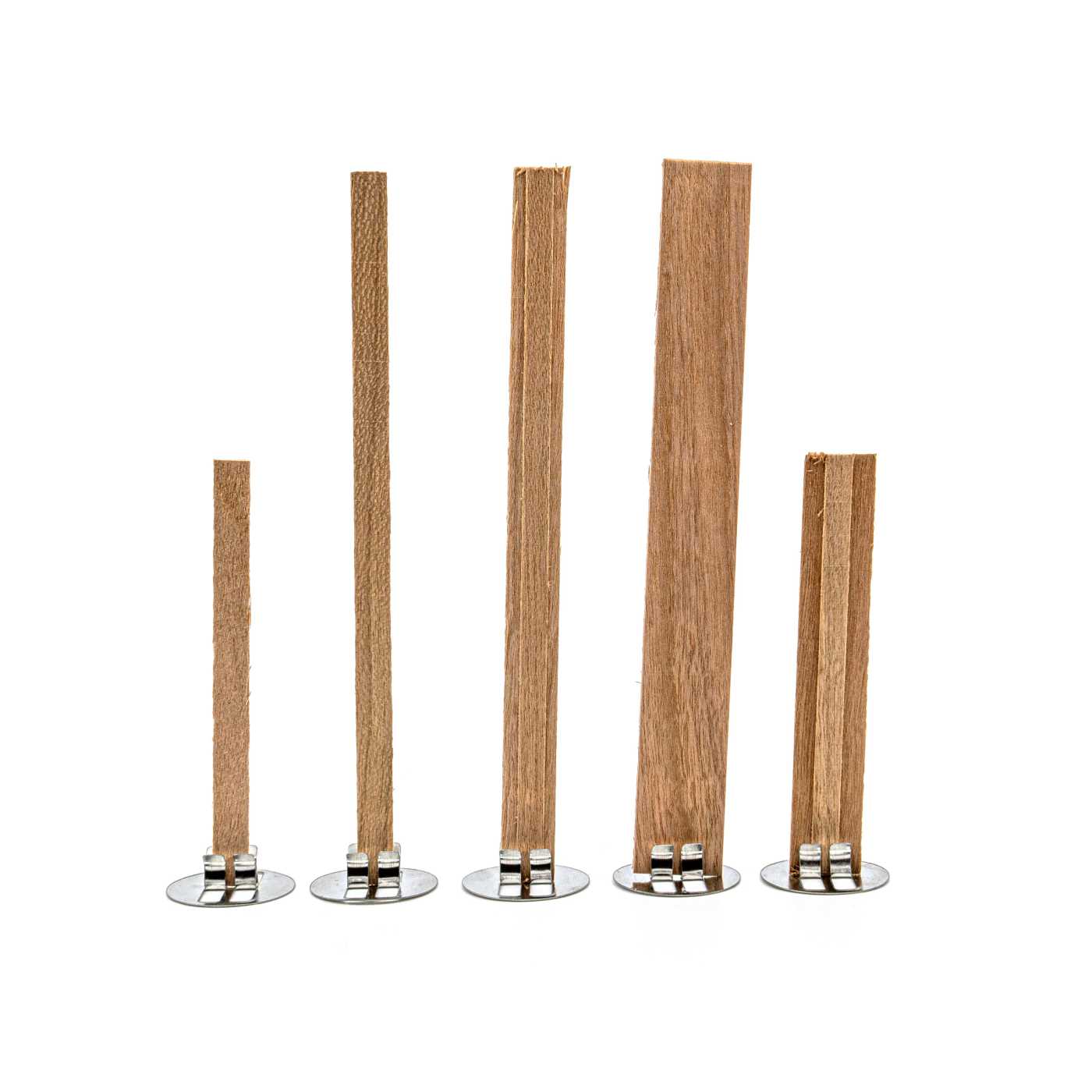
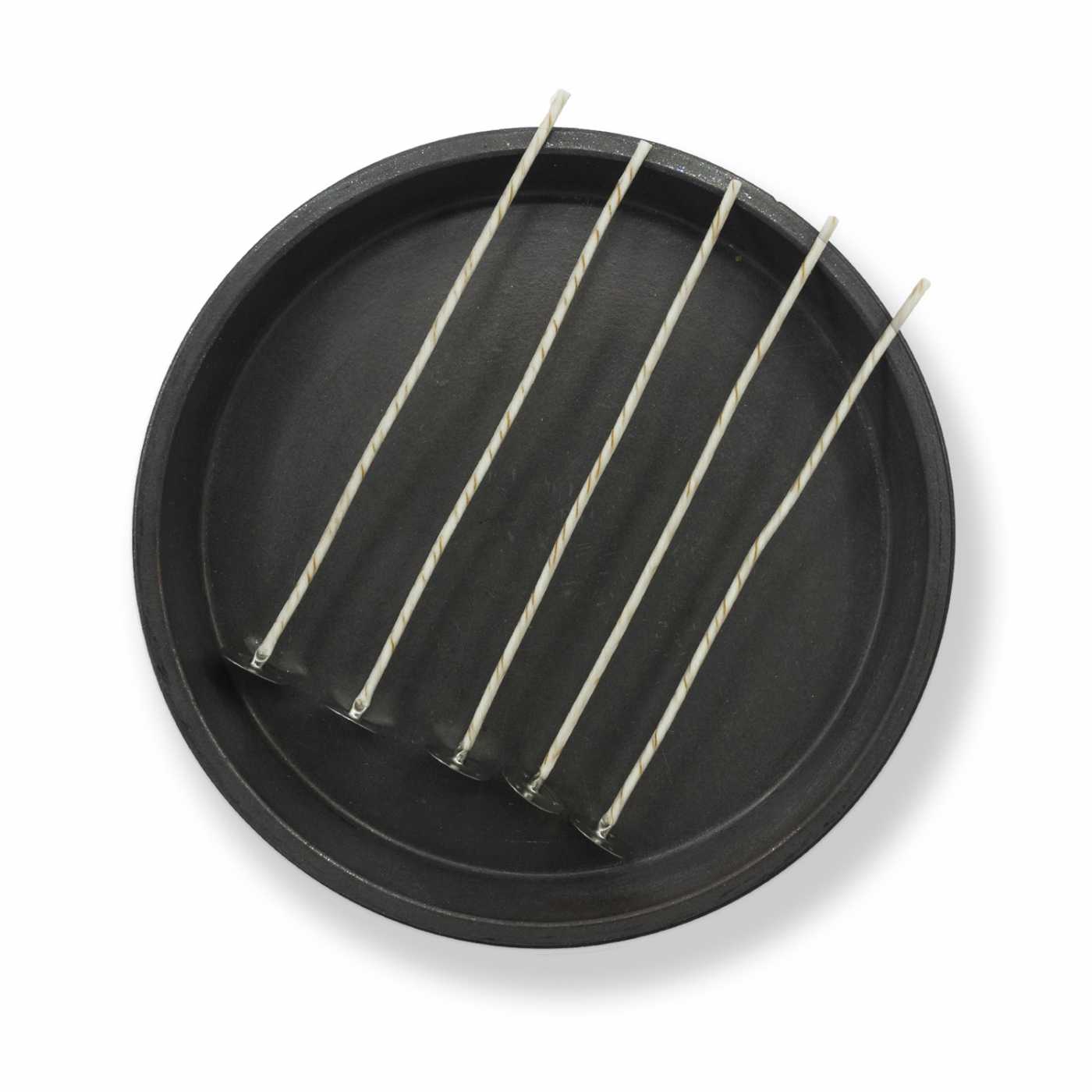
The wooden wick .03 crackling is a flat wick made from a single wooden strip that crackles softly while burning and produces a wide, low flame. full description
Lowest price in the last 30 days: €80.99
Save €4.01 with this set
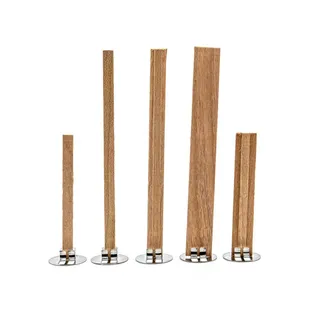 100× Wooden wick, .03 crackling, 6.4 mm, shortDrevený knôt, .03 praskajúci, 6,4 mm, krátky ZASOBA
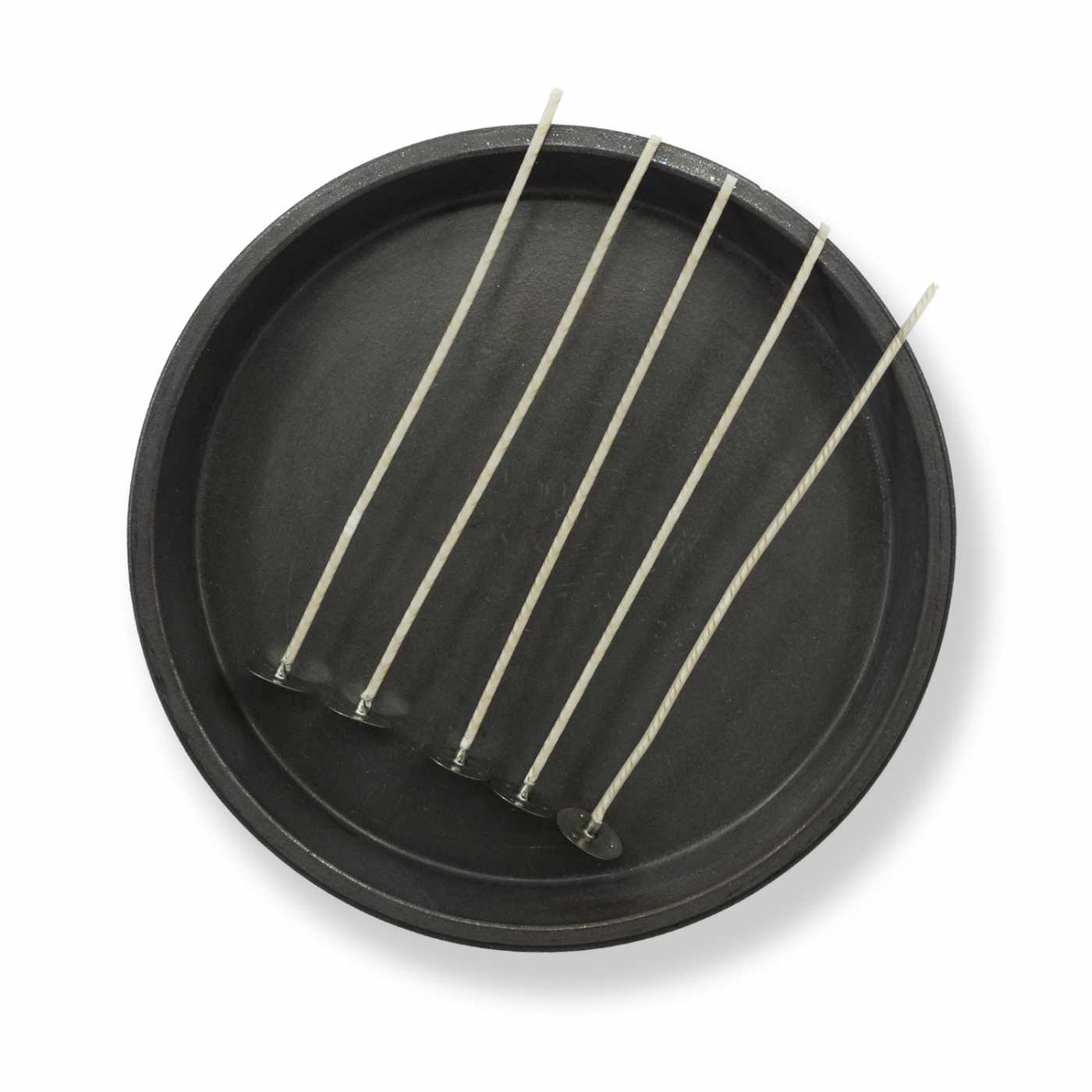
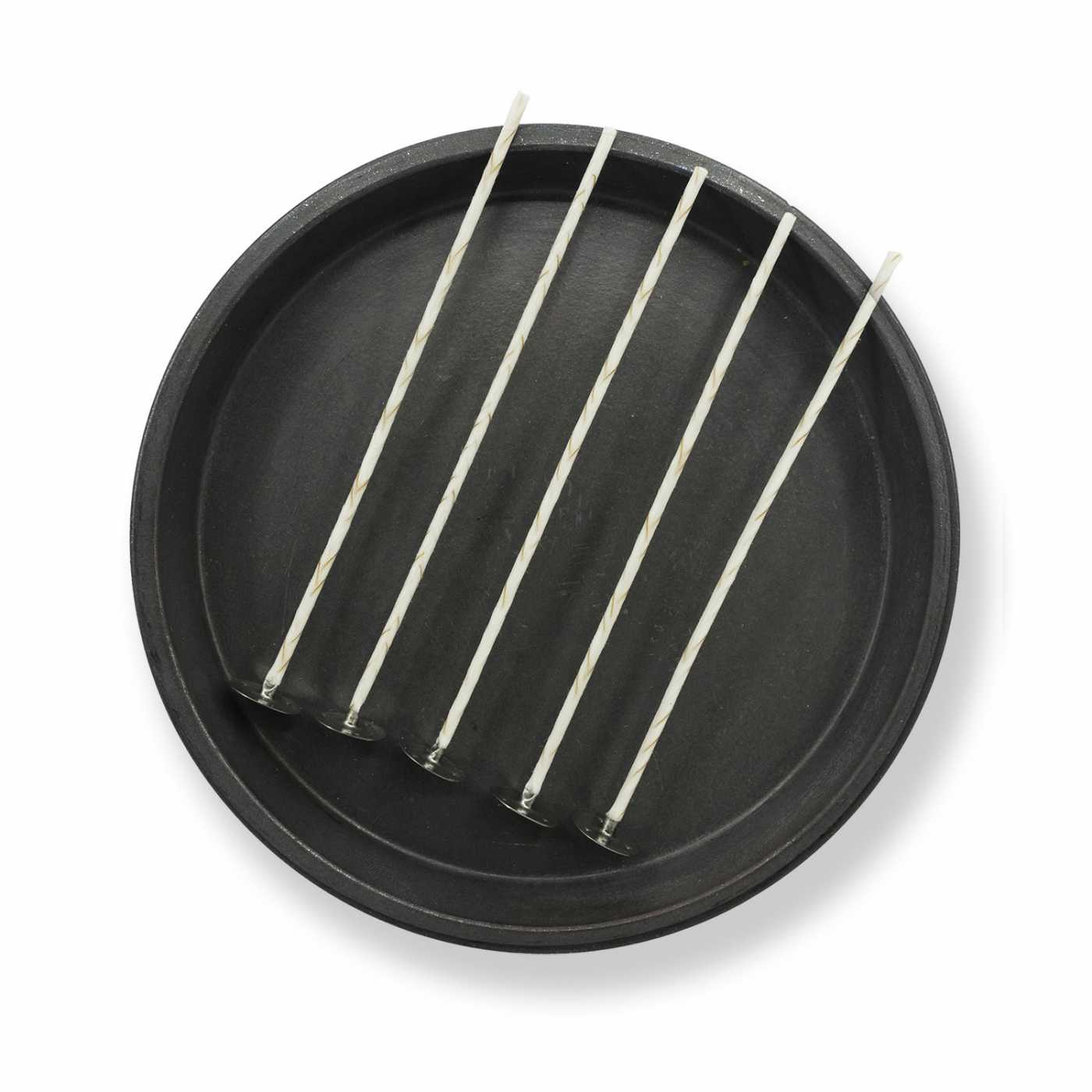
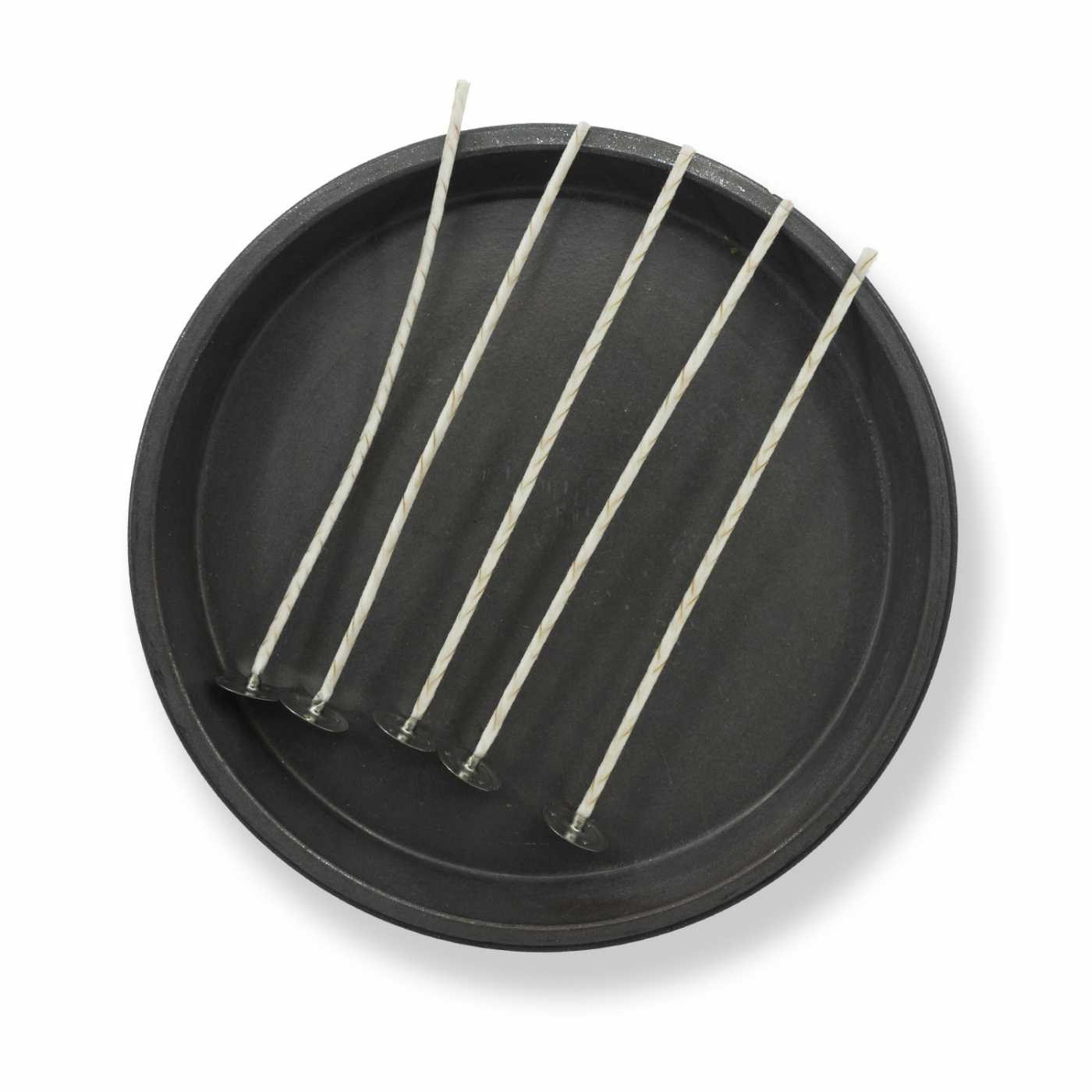
The wooden wick .03 crackling is a flat wick made from a single wooden strip that crackles softly while burning and produces a wide, low flame. It comes as a complete set with a metal sustainer that holds the wick upright on the bottom of the container – simply attach it, pour the wax, and trim. The package contains 100 complete sets for small-batch and home candle making.
This is the short version of the wick, with a width of 6.4 mm and a height of 76.2 mm, designed for shorter containers – small glass jars, tins, and candle cups. The designation .03 indicates the strip thickness; a higher number means a thicker strip. The wicks are made by an American manufacturer from wood sourced from certified forests.
First, slide the wick into the slot of the sustainer so it sits firmly and upright. Then attach the sustainer to the centre of the container bottom – using a wick sticker, a drop of hot glue, or a small amount of melted wax allowed to set. Only after that should the container be filled with wax at the temperature recommended for the specific wax type.
Once the wax has fully set, trim the wick just above the wax surface. Wooden wicks require significantly shorter trimming than cotton wicks – just a few millimetres above the wax. A wooden wick that is too long is difficult to light, produces smoke, and the flame extinguishes quickly because wax cannot wick up to the top of the strip.
The first burn is critical. Allow the candle to burn until the wax has melted across the full diameter of the container. If the first burn is too short, a tunnel will form later in which the wooden wick keeps going out.
Before each subsequent lighting, remove the charred tip from the top of the wick – simply snap it off with your fingers or trim it with scissors. A clean wooden edge lights more easily and burns more steadily.
The wick is not intended for tall containers or freestanding pillar candles – the flat strip requires a container to hold the melted wax around it.
Wick selection for a given wax and container cannot be determined from a chart. Flame behaviour is influenced by the type and hardness of the wax, the fragrance load and fragrance type, colourant, and the container diameter, so a test burn is always required. During the test, check whether the wax melts across the full diameter within a reasonable time, whether the flame produces smoke, and whether the container becomes excessively hot near the sides. If the melt pool is too narrow, a thicker strip or two wicks may be needed; if the flame is tall and sooty, switch to a thinner strip or shorten the trim.
A high fragrance load reduces wax wicking. For candles fragranced above standard dosage, expect that the wick will need to be retested, or the fragrance load reduced.
The metal sustainer remains at the bottom of the container after the candle has burned down. When reusing the container, remove it together with the remaining wax and wash the container clean. The sustainer is compatible with straight, double, and cross-type wooden wicks of the same width, so it can also be used with other wick variants available from Handymade.
Only customers with a delivered order can write reviews.