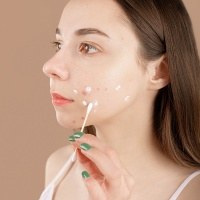
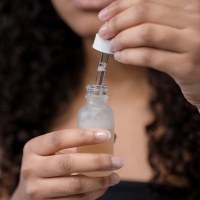
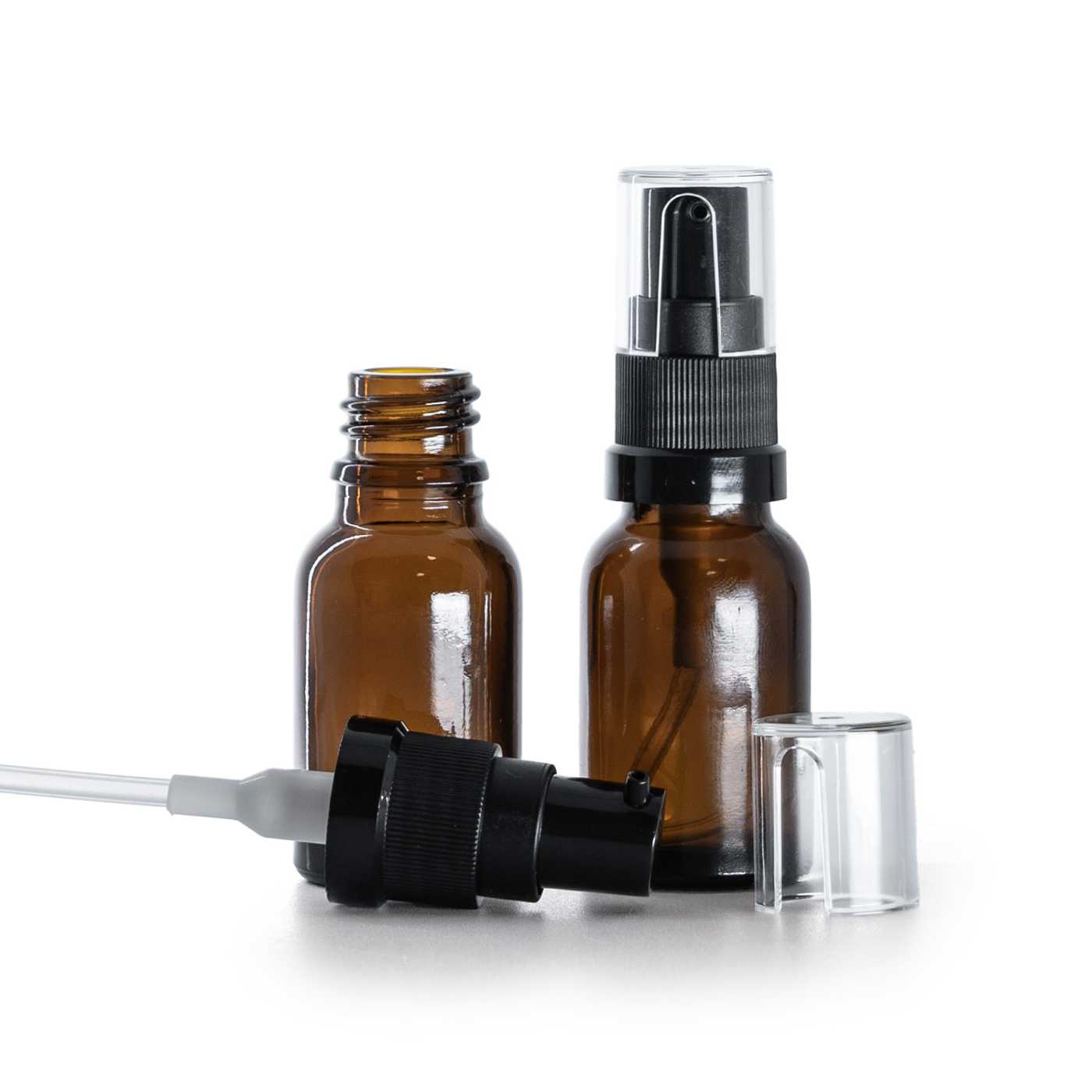
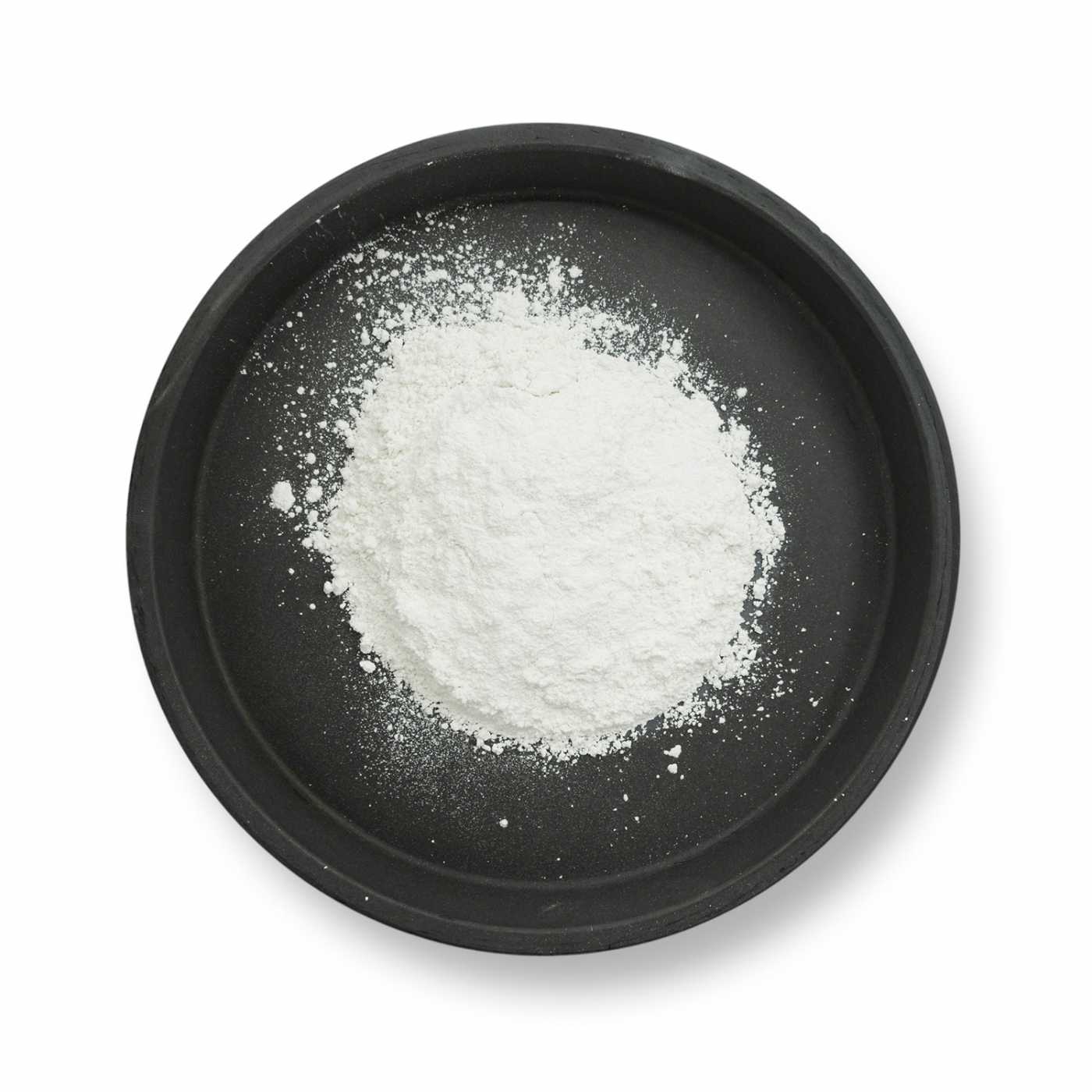
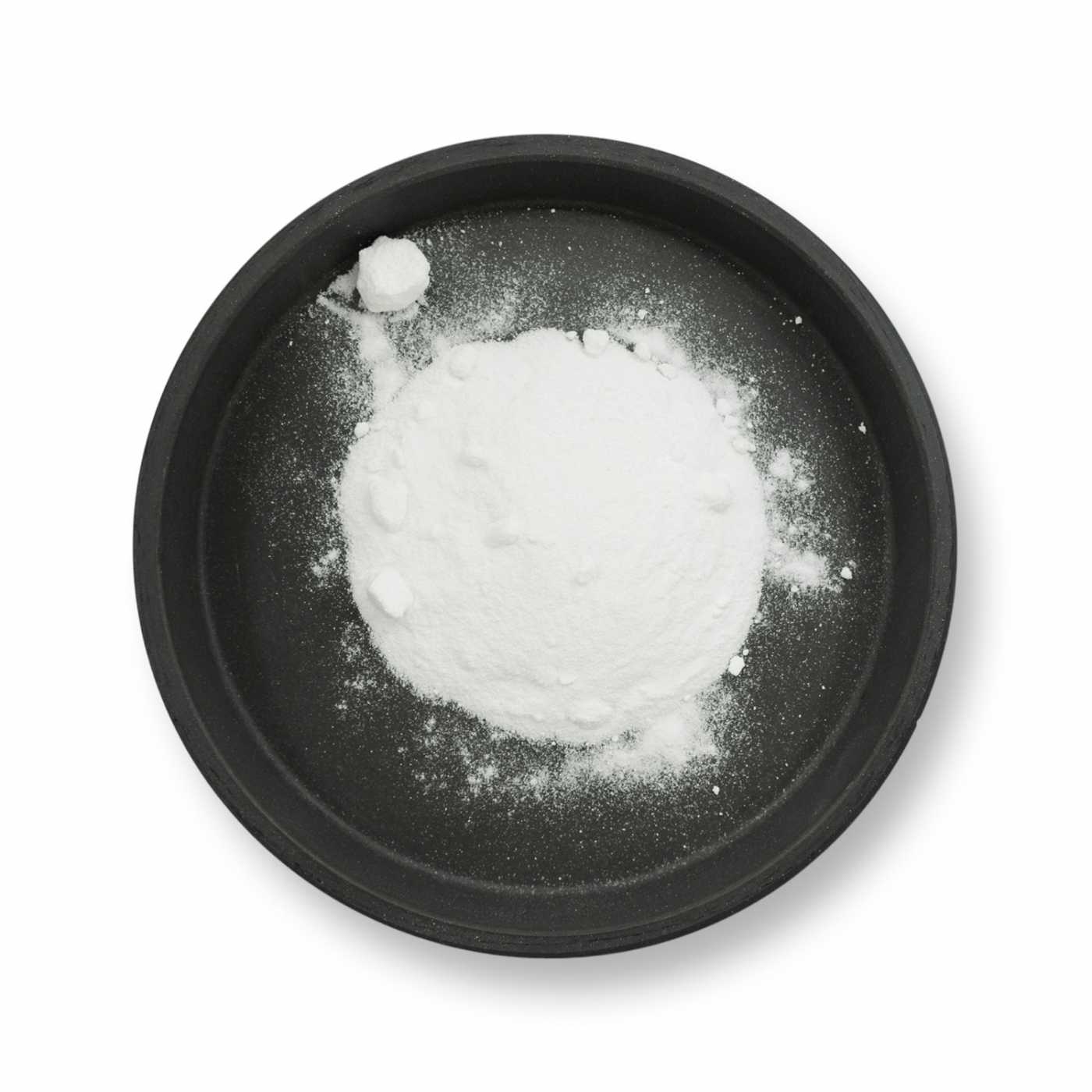
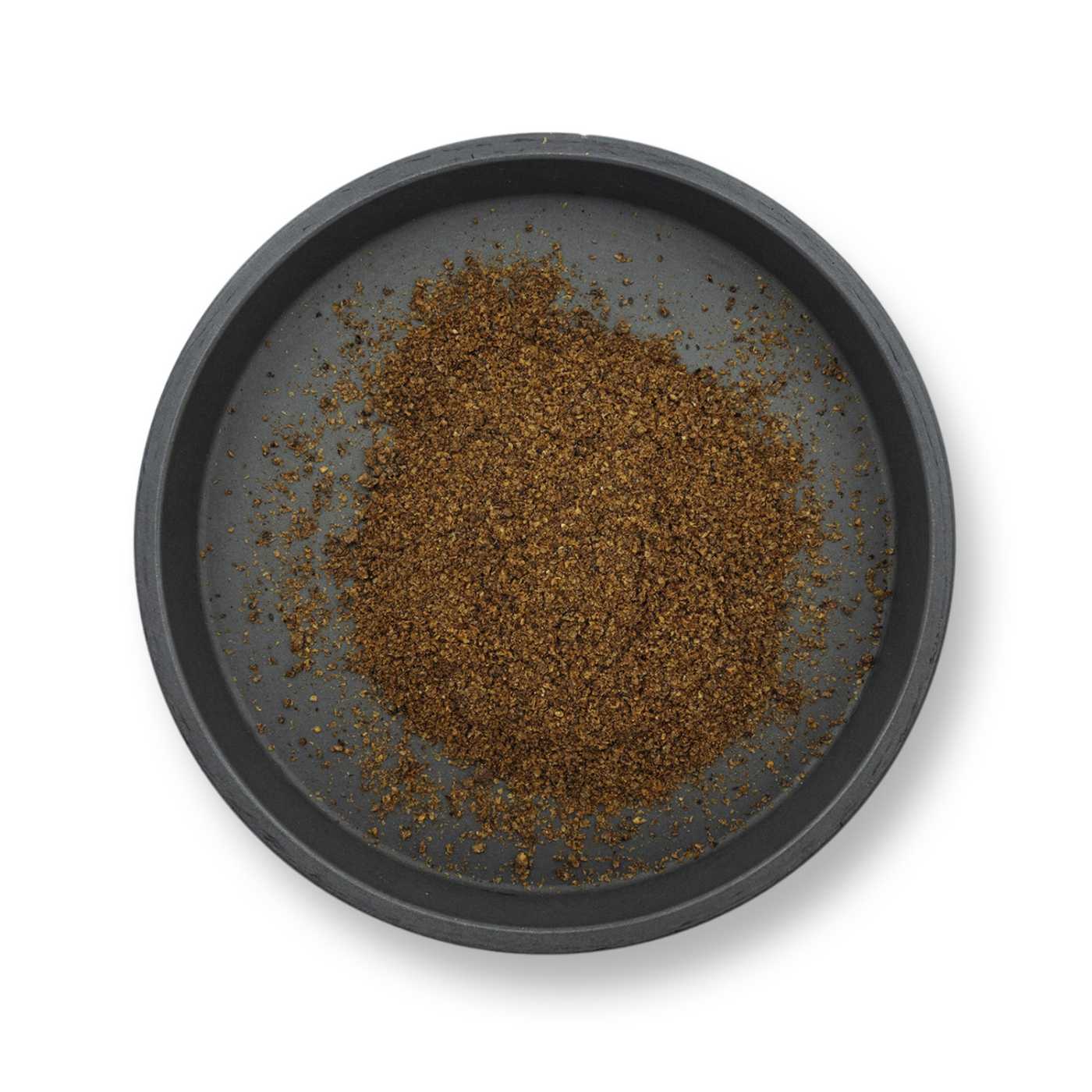
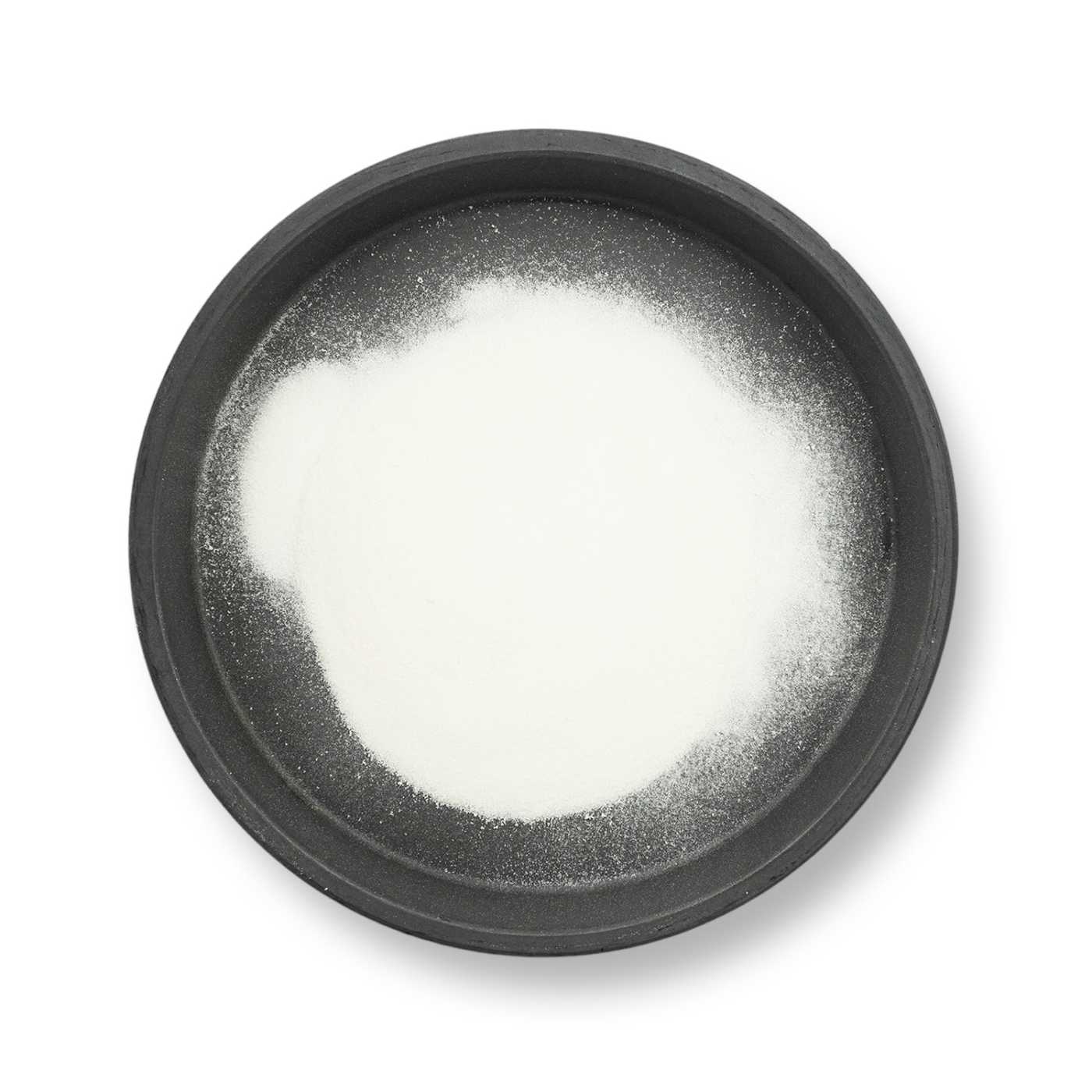
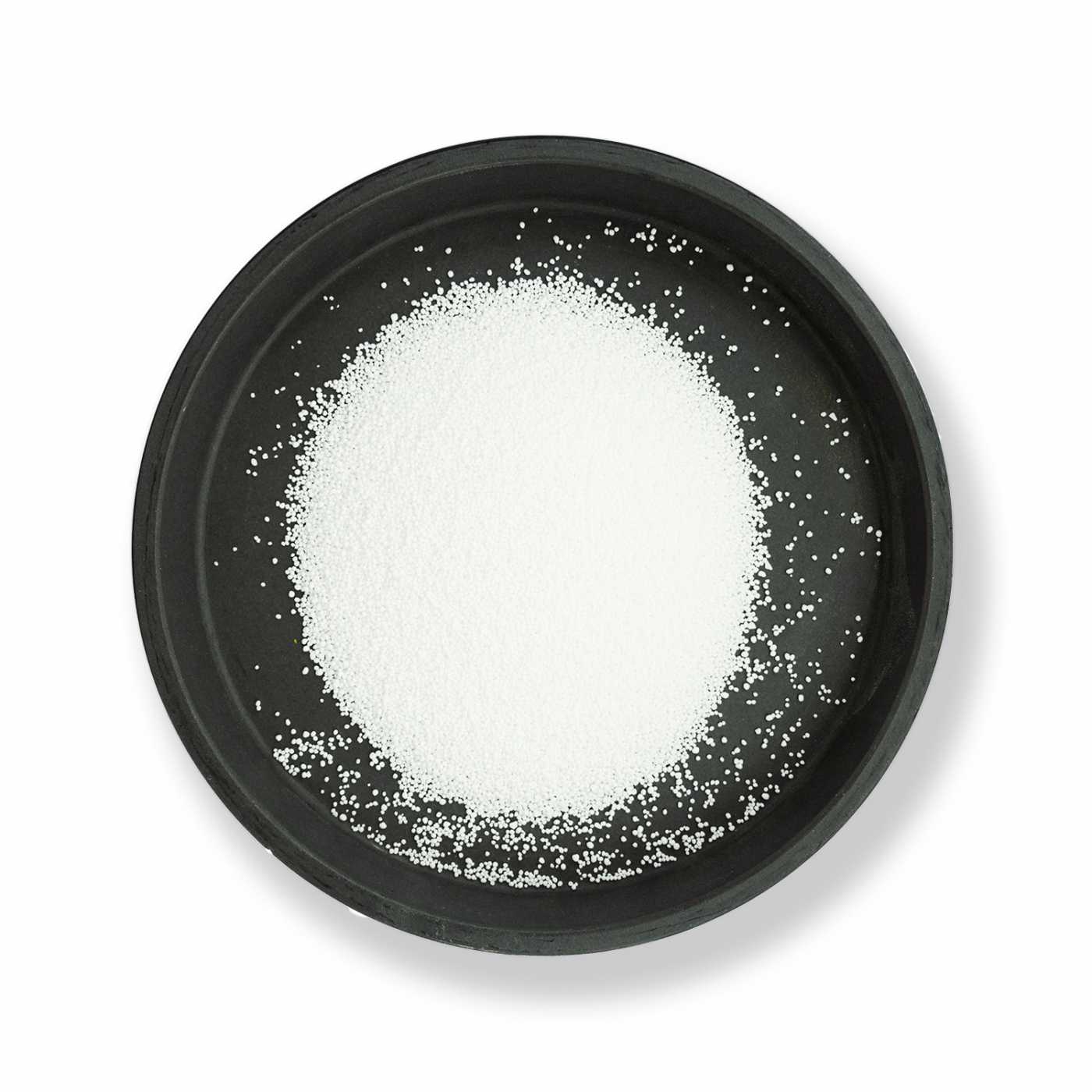
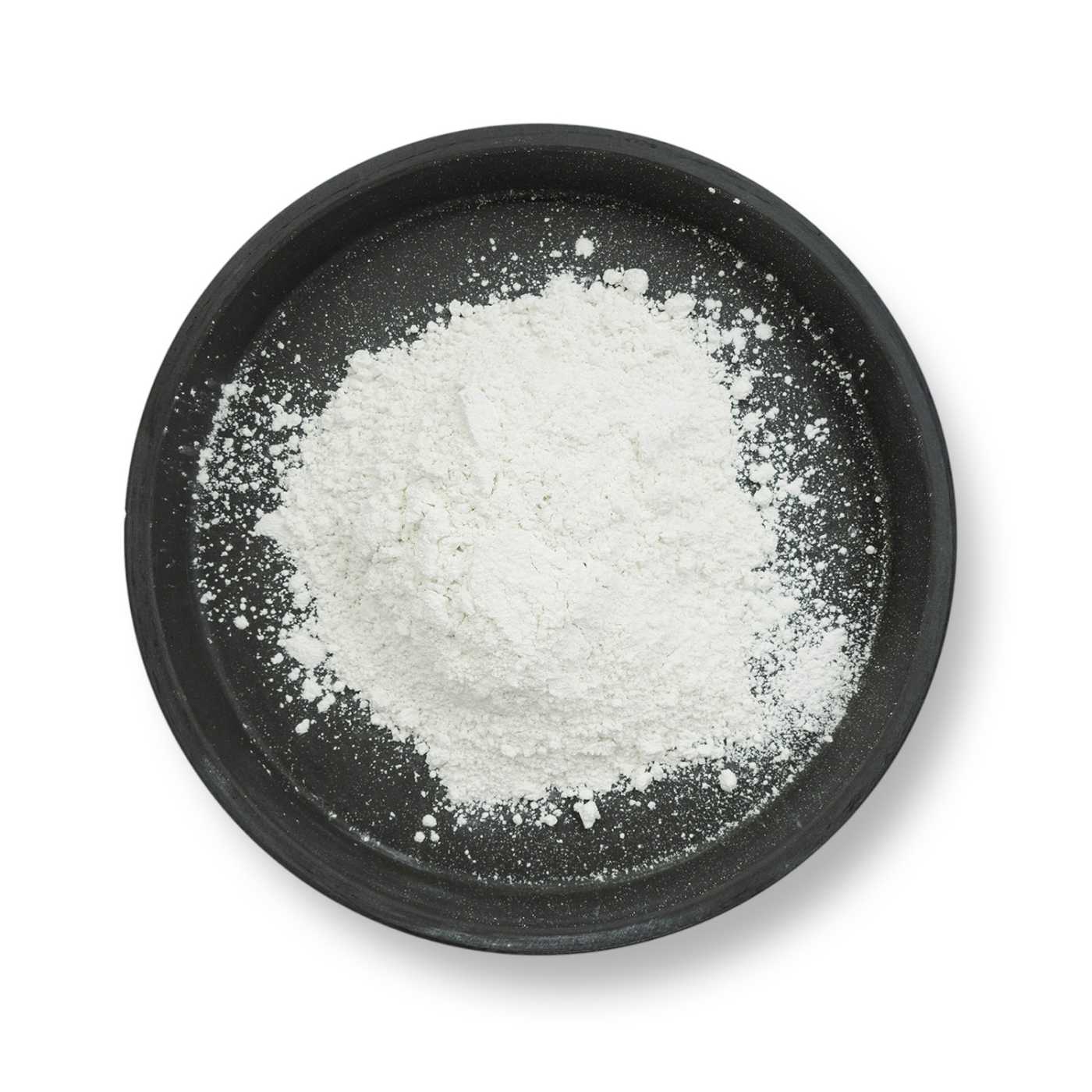
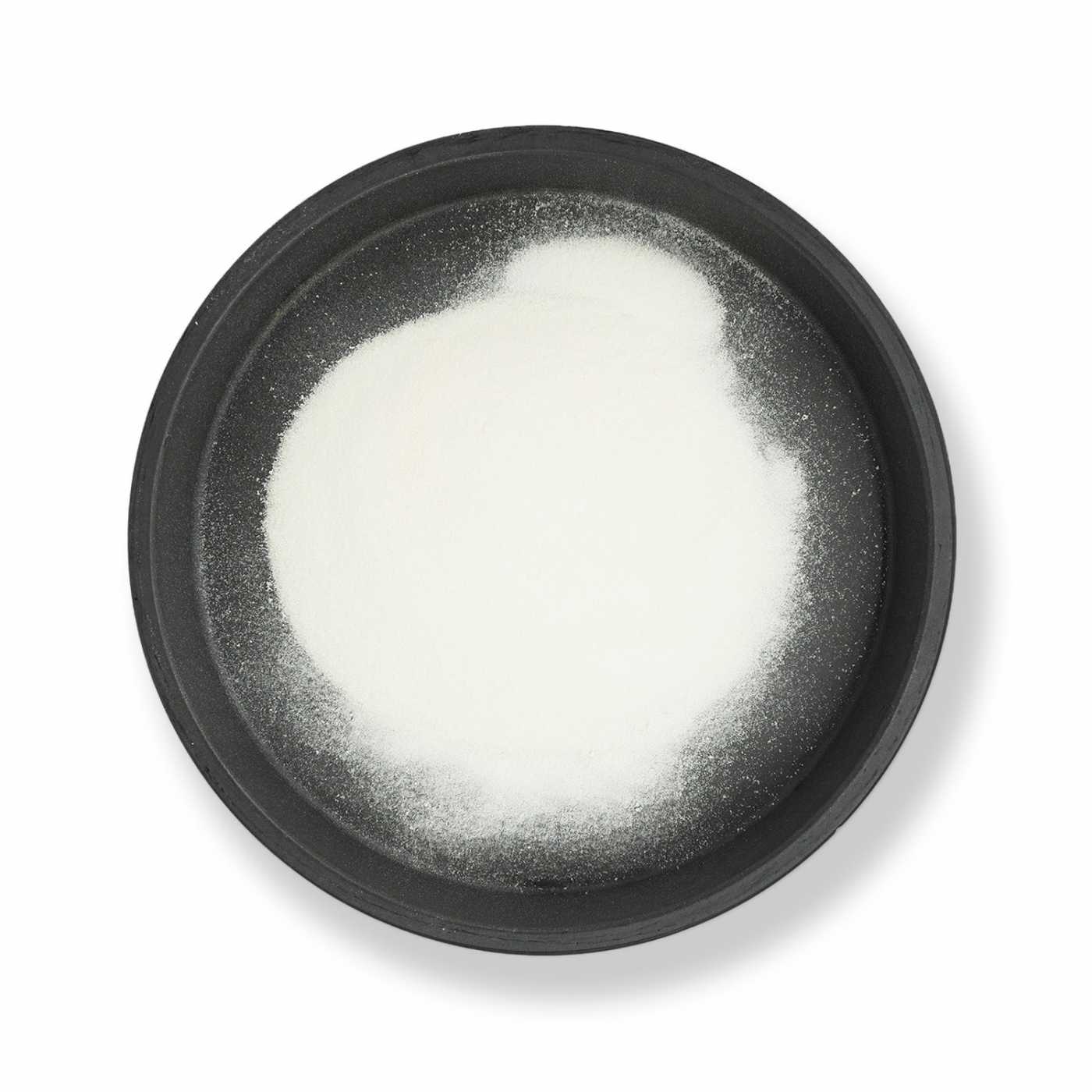
Zinc PCA is the zinc salt of pyrrolidone carboxylic acid (PCA), an active ingredient derived from an amino acid that introduces zinc into a formulation in water-soluble form. It is added to products for oily and problem-prone skin and to hair care for hair prone to oiliness, where it helps regulate sebum production and leaves a fresh sensation on the skin. PCA itself belongs to the natural moisturising factor (NMF) of the skin, so the zinc here is bound to a component naturally present in the skin.
The ingredient holds ECOCERT certification, contains no animal-derived components or preservatives, and has not been tested on animals. It is processed in the water phase at temperatures up to 40 °C, making it easy to incorporate into toners, serums, creams, shampoos and deodorants without any complex procedure.
Key benefits
- Sebum regulation – according to a manufacturer study, a 1 % aqueous solution of Zinc PCA applied twice daily for four weeks statistically significantly reduced the amount of sebum on the skin compared to baseline. On the face, this manifests as less shine and a fresher feel.
- Antimicrobial effect – the manufacturer reports minimum inhibitory concentrations against a range of bacteria, yeasts and moulds, including the bacterium associated with acne (Cutibacterium acnes), Staphylococcus aureus and the yeast Malassezia furfur. In a finished product it acts as a supporting active ingredient and does not replace a preservative system.
- Astringent effect – the skin feels more tightened after application and pores appear visually smaller, which is especially appreciated in toners and light gel textures for skin prone to enlarged pores.
- Help with dandruff and oily hair – in shampoos and hair toners it contributes to a more balanced scalp. According to manufacturer data, the lowest inhibitory concentration is recorded against the yeast Malassezia furfur.
- Deodorising effect – zinc limits the growth of microorganisms, which is why Zinc PCA is also used in deodorants as a water-soluble ingredient.
Use in formulation
Zinc PCA is water-soluble and is added to the water phase. The recommended dosage is 0.1 – 2 %, with the manufacturer measuring the effect on sebum at 1 %. For targeted care of oily and acne-prone skin, 1 % is therefore a reasonable starting point.
The ingredient is processed at temperatures up to 40 °C. Add it to an emulsion only after cooling, and to toners, serums and shampoos directly at room temperature. The pH of the finished formulation should be kept between 4 and 7; the ingredient is compatible with both acidic and neutral environments within this range.
Dissolve the powder first in a small amount of water or hydrolat and add the solution to the formulation during the cooling phase. This prevents undissolved particles and maintains the recommended processing temperature.
Suitable for both leave-on and rinse-off products. In rinse-off formulations such as shampoos and shower gels, it primarily contributes a fresh sensation and helps balance oiliness. In leave-on products it has longer contact with the skin, allowing its sebum-regulating and astringent effects to take fuller effect.
Suitable for products such as
- Toners and essences for oily skin – Zinc PCA dissolves completely in a water base, leaving the skin looking fresh and matte.
- Light serums and gel creams – in leave-on textures it brings sebum regulation and a pore-tightening effect.
- Products for acne-prone skin – combines sebum regulation with antimicrobial action, which the manufacturer also demonstrates against the bacterium associated with acne.
- Shampoos and hair toners – for oily hair and dandruff; in a leave-on scalp toner it acts for longer.
- Deodorants – as a water-soluble deodorising ingredient.
- Cleansers and shower gels – rinse-off care for skin prone to oiliness.
- Mattifying make-up primers – the manufacturer also indicates use in decorative cosmetics, for example in foundation primers.
Good to know
The powder itself contains no preservative. An aqueous solution and any finished product containing water therefore require their own preservative system; the antimicrobial effect of zinc does not take over this function.
The ingredient is classified under CLP regulation and bears the GHS05 pictogram (corrosive). When weighing and dissolving the powder, protect your eyes and skin and follow the safety data sheet.
The product contains no fragrance allergens, EDTA, palm oil derivatives or GMO-derived ingredients, which makes it easy to include in formulations with natural positioning requirements.
Frequently asked questions
Is Zinc PCA water-soluble?
Yes, Zinc PCA is water-soluble and is added to the water phase of a formulation. It dissolves at room temperature, at up to 40 °C, best in a small amount of water or hydrolat, which is then blended into the rest of the formula. It is not suited to anhydrous oil-based products as there is nothing to dissolve it in.
How is Zinc PCA added to a cream or serum?
Zinc PCA is added to a cream during the cooling phase after the emulsion has cooled below 40 °C, and to a serum directly into the water base. The powder is pre-dissolved in a portion of water and the solution is blended in with continuous stirring. The finished formulation should have a pH between 4 and 7.
What dosage of Zinc PCA is suitable for oily skin?
The recommended dosage range for Zinc PCA is 0.1 – 2 %. The manufacturer measured the reduction in sebum at a 1 % aqueous solution applied twice daily for four weeks, so for targeted care of oily and problem-prone skin, 1 % is a reasonable starting point. The exact concentration within the range can be fine-tuned according to the product type.
Is Zinc PCA suitable for an anti-dandruff shampoo?
Yes, Zinc PCA is used in shampoos and hair toners for hair prone to oiliness and dandruff. According to manufacturer data, it also has an inhibitory effect against the yeast Malassezia furfur. In a rinse-off shampoo the contact with the scalp is brief; it acts for longer in a leave-on scalp toner.
What is the difference between Zinc PCA and
Sodium PCA?
Zinc PCA introduces zinc into the formulation and is used for sebum regulation and antimicrobial support; Sodium PCA is the sodium salt of the same acid and serves as a humectant to support hydration. Both ingredients are based on PCA, which is part of the natural moisturising factor of the skin, but they differ in their primary purpose within a formulation.
Is Zinc PCA suitable for use in a deodorant?
Yes, Zinc PCA is used in deodorants as a water-soluble deodorising ingredient. Zinc limits the growth of microorganisms, and the manufacturer demonstrates its antimicrobial effect through minimum inhibitory concentration values. The dosage is selected within the recommended range of 0.1 – 2 % and the formulation pH is maintained between 4 and 7.