+421 950 333 113info@handymade.store−10 %Shop now

HYDROLATES, FLOWER WATERS

Aloe Vera Juice 1:1, 5 l

Pack size100 ml500 ml1 l5 l

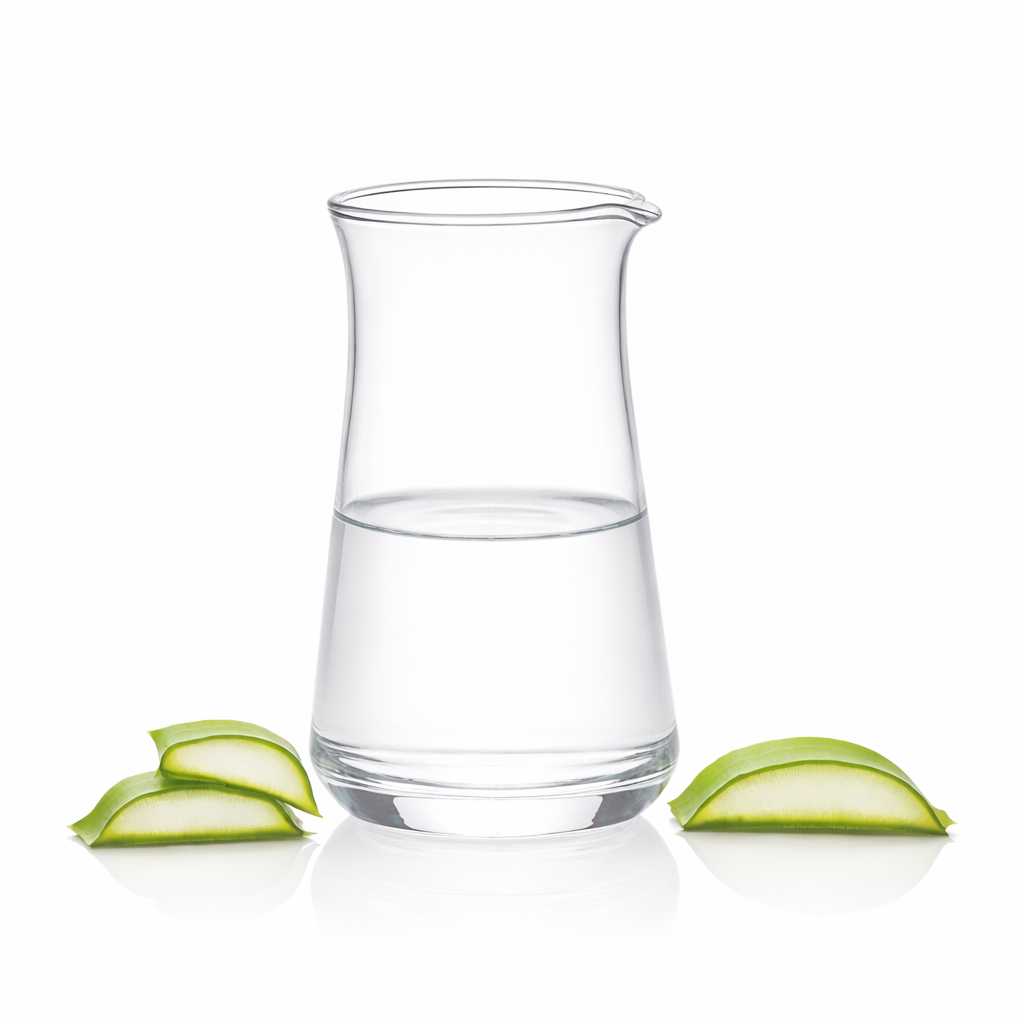
Aloe vera juice 1:1 is a juice from the leaves of true aloe (Aloe barbadensis), at a strength equivalent to fresh gel from the leaf. In cosmetics it brings hydration and a soothing effect for the skin . full description

AvailabilityIn stock · 13 packs
Product codeHYD010_5000
Batch24180
Best before08/2028
€94.97incl. VAT€18.99/l

Lowest price in the last 30 days: €85.47

Product description

Aloe vera juice 1:1 is a juice from the leaves of true aloe (Aloe barbadensis), at a strength equivalent to fresh gel from the leaf. In cosmetics it brings hydration and a soothing effect for the skin. In a formulation you simply weigh it out and mix it into the water phase.

It is used in face, body and hair cosmetics, especially in toners, facial mists, gels, creams and scalp products. It also suits formulations for dry, sensitive and baby skin.


How it works on skin and hair

The hydrating effect of aloe comes mainly from its polysaccharides. They bind water and leave a thin film on the skin that slows its evaporation. Skin feels softer and suppler after products containing aloe.

The second well-known property of aloe is its soothing effect. The juice is added to products for irritated and reddened skin. It also contains substances with an antioxidant effect, which help skin resist environmental influences.

In hair cosmetics it is used mainly for the scalp. It hydrates and soothes it, which dry and sensitive scalps appreciate. It gives hair moisture and softness. The result always depends on the usage rate and on the rest of the formulation.


What the 1:1 designation means

The 1:1 ratio means the juice is neither concentrated nor diluted compared with fresh pulp from the leaf. The leaves come from wild harvesting. After washing, the pulp is ground, the fibre is removed and the juice is pasteurised. It is adjusted to 1:1 strength by reverse osmosis and finally passes through a filter with a pore size of 1 micrometre.

Leaf juice makes up 99.7% of the raw material. The remainder is citric acid for pH adjustment (0.1%) and the preservatives sodium benzoate and potassium sorbate, each at 0.1%. The raw material is vegan, alcohol-free and paraben-free.

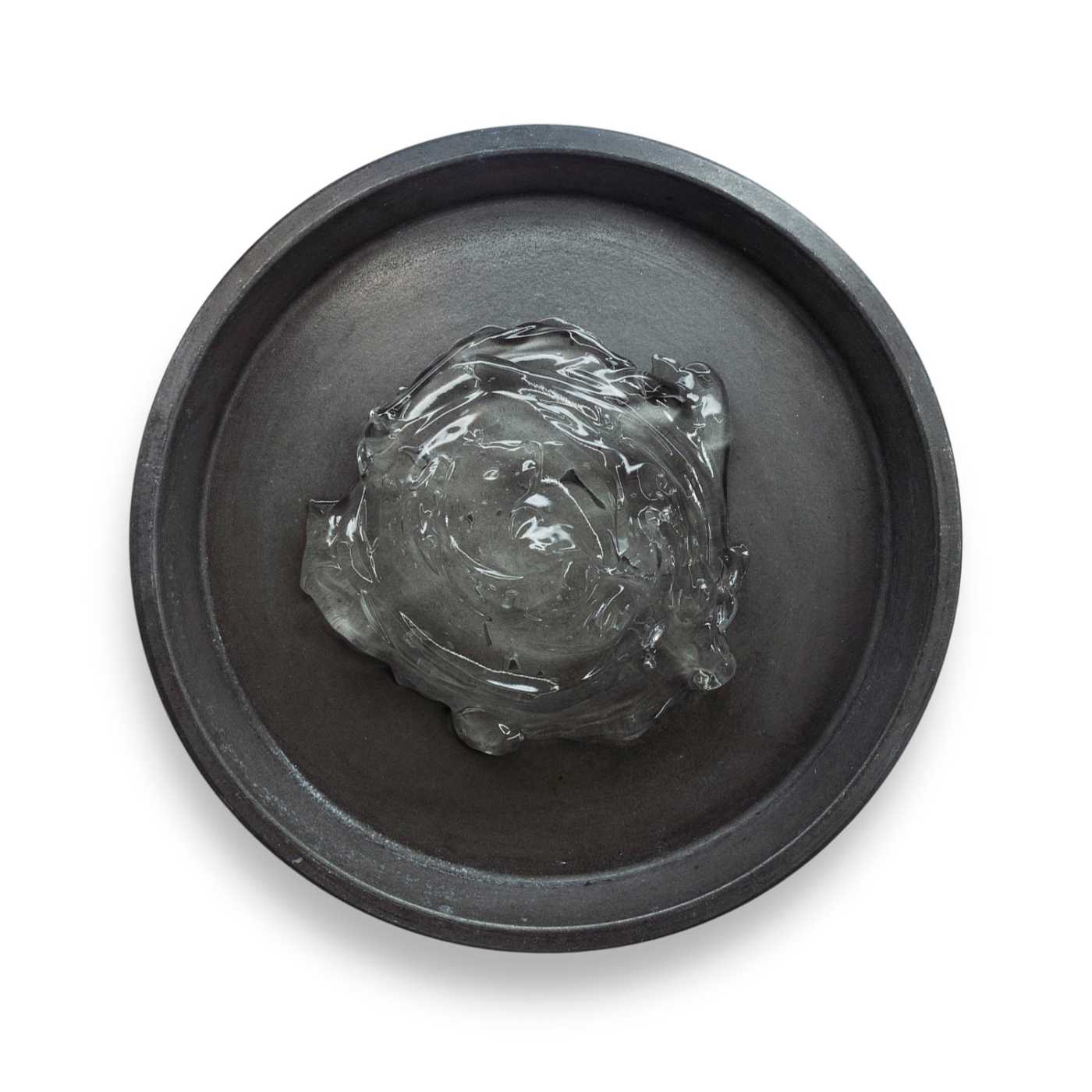
It differs from aloe powder in how you work with it. Powder is dissolved in water in the correct ratio before use, whereas the juice is added directly. The pack contains a thin liquid. The gel consistency you know from ready-made aloe gels comes only from adding a thickener.


Use in formulations

The juice mixes with water in any ratio. The recommended usage rate is 1–10% in both rinse-off and leave-on products. The raw material is intended for formulations, not for direct application to the skin.

Add the juice only at a temperature below 40 °C, that is, into a cooling emulsion or a cold water phase. Prolonged heating damages the polysaccharides of aloe (acemannan).

The juice is acidified and has a pH of 3.5–5.0. The finished product containing it should have a pH of 3.5–7.

It is compatible with anionic, cationic, non-ionic and amphoteric surfactants. It is not compatible with strong acids, alkalis and oxidising agents.

Sodium benzoate and potassium sorbate protect only the raw material itself and work only in an acidic environment. Above a pH of about 5 their effect drops significantly, and above pH 7 they have practically no preservative effect. Preserve every product containing water separately, using a preservative suitable for its pH.


Suitable for products such as

  • Facial toners and mists – the juice is mixed cold into the water base and adds a hydrating and soothing component.
  • Gels and gel masks – with a thickener it makes an aloe gel for face and body.
  • Creams and body lotions – added while the emulsion cools.
  • Make-up removers, shampoos and shower gels – the juice forms part of the water phase of a surfactant product.
  • Hair masks, serums and scalp products – it hydrates and soothes the skin under the hair.
  • Lip care – in products that contain a water phase.

Good to know

With gels based on carbomer, you need to allow for the acidity of the juice. Without neutralisation the gel will stay thin and may liquefy over time. Carbomer is neutralised with an alkali, and more thickener is usually needed. We recommend checking the viscosity and stability of the gel with a storage test.

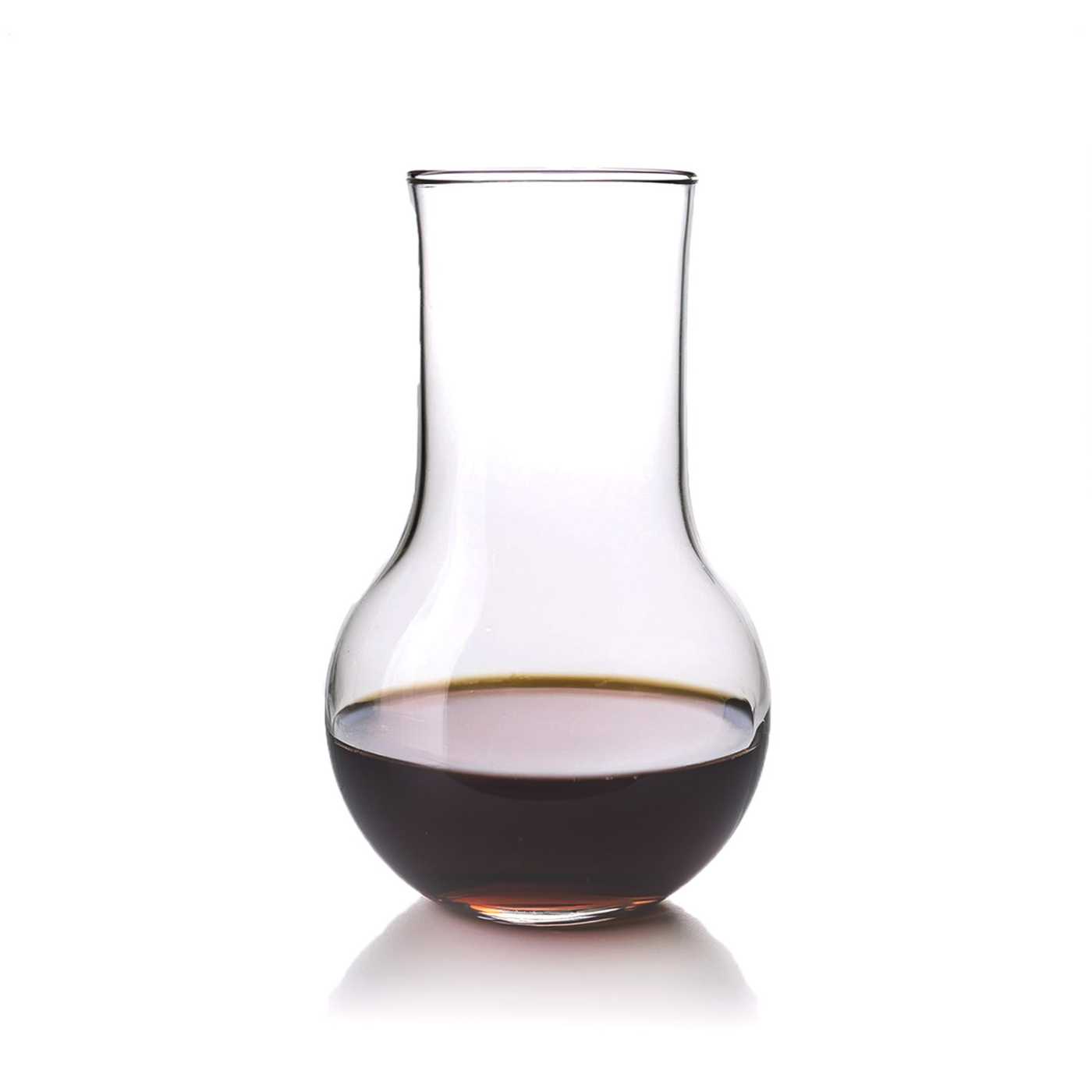
The colour of the juice ranges from clear through slightly cloudy to amber, and all of these shades are within the specification. Aloe darkens over time, which may also show in the shade of the finished product. The smell is faint and plant-like.

Aloe is sensitive to air and heat and loses activity on contact with air. In a formulation, antioxidants, for example tocopherol or ascorbic acid, help its stability.


Frequently asked questions

Does a product with Aloe vera juice 1:1 need to be preserved?
Yes, every product containing water to which aloe vera juice is added needs its own preservative. Sodium benzoate and potassium sorbate are present in the juice at 0.1% each and protect only the raw material itself. They also work only in an acidic environment, and above a pH of about 5 their effect drops significantly. The preservative is chosen according to the pH of the finished product.
When is Aloe vera juice 1:1 added to a cream?
Aloe vera juice is added to a cream only after the emulsion has cooled below 40 °C. Prolonged heating damages the polysaccharides of aloe, especially acemannan. In toners, mists and gels made cold, it is mixed directly into the water phase.
Can you make aloe vera gel from Aloe vera juice 1:1?
Yes, aloe vera juice can be turned into a gel with a thickener, but the juice itself is a thin liquid. With carbomer you need to allow for the fact that the juice is acidic. Without neutralisation with an alkali the gel will stay thin and may liquefy over time. More thickener is usually needed, and it is a good idea to check the stability of the gel with a storage test.
Is Aloe vera juice 1:1 suitable for anhydrous products?
No, aloe vera juice is a water-based raw material and does not mix with oils, butters or waxes. It belongs in the water phase of toners, gels, emulsions and surfactant products. It is not suitable for balms, body butters and oil serums without an emulsifier. It would introduce water into them, which then needs to be preserved.
What is the pH of Aloe vera juice 1:1 and at what pH should you use it?
Aloe vera juice 1:1 has a pH of 3.5–5.0 because it is acidified with citric acid. The finished product containing it should have a pH in the range of 3.5–7, so it is compatible with both acidic and neutral environments. A strongly alkaline environment does not suit it, nor do strong acids and oxidising agents.
Is Aloe vera juice 1:1 suitable for sensitive and baby skin?
Yes, aloe vera juice is also used in formulations for sensitive, dry and baby skin. It hydrates and soothes the skin. It contains no alcohol, parabens or fragrance allergens. Components of aloe may rarely cause a contact skin reaction in sensitive individuals.

Parameters

INCI
Aloe Barbadensis Leaf Juice, Citric Acid, Sodium Benzoate, Potassium Sorbate
CAS No.
85507-69-3 / 94349-62-9, 77-92-9 / 5949-29-1, 532-32-1, 24634-61-5 / 590-00-1
EC number
287-390-8 / 305-181-2, 201-069-1, 208-534-8, 246-376-1
Product colour
Clear
Country of origin
United Kingdom
Appearance
Liquid
Formulation phase
Water phase
Function in formulation
Active ingredientHumectant
Recommended processing temperature
< 40 °C
Application area
FaceHairScalpBodyLips
Recommended usage rate
1 – 10 %
Recommended formulation pH range
3,5 – 7
Solubility
Water-miscible
Application type
Leave-onRinse-off
Biodegradability
Readily biodegradable
Certifications
Vegan
Manufacturer's certificate
BRC
Natural Origin Index (NOI ISO 16128)
1,00
Organic content
0 %
Volume
5000 ml

Product documentation

CoACertificate of Analysis
batch 23828PDF ↓
batch 21339PDF ↓
batch 24180PDF ↓
TDSTechnical Data Sheet
Physical parameters and processingPDF ↓
AllergensAllergen Declaration
batch 24180PDF ↓
SDSSafety Data Sheet
Available for purchased products —
Download all (ZIP)

5 PDF files in one archive

Learn how to work with it

From our blog
Jana20 Aug 2026CS

Verified purchase

Juice — Hydrating

Translated automatically

Silvia T.8 Nov 2026SK

Verified purchase

Pauline L.28 Oct 2026FR

Verified purchase

(3 reviews)