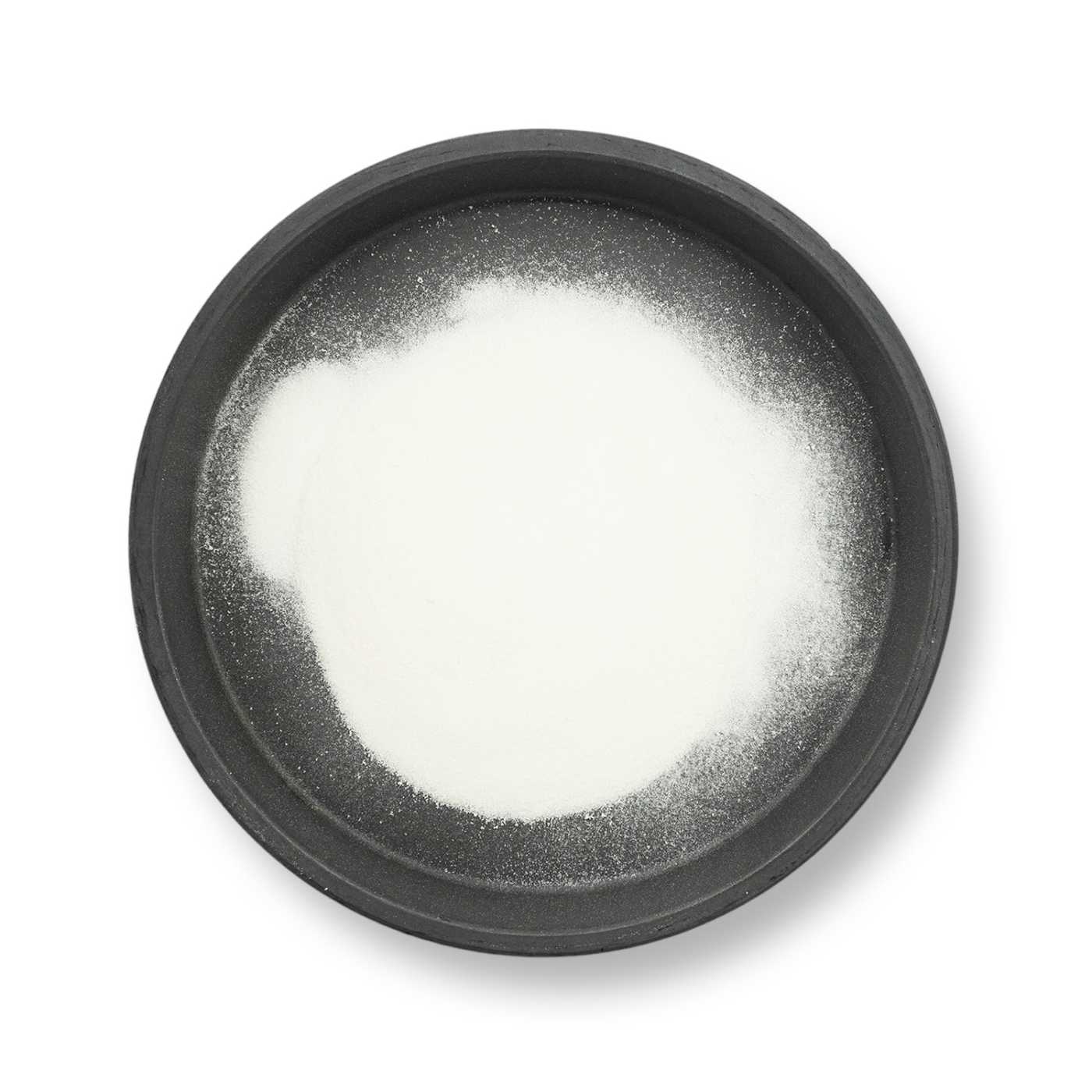
Vitamin C, Ascorbyl Glucoside, 5 g
Pre-order€6.99(€1,398.00/kg)

ACTIVE INGREDIENTS
High molecular weight hyaluronic acid binds water on the skin surface. It is added to serums, toners, facial creams and hair cosmetics as a humectant and active ingredient : it forms a thin film that retains water,… full description
Lowest price in the last 30 days: €19.99
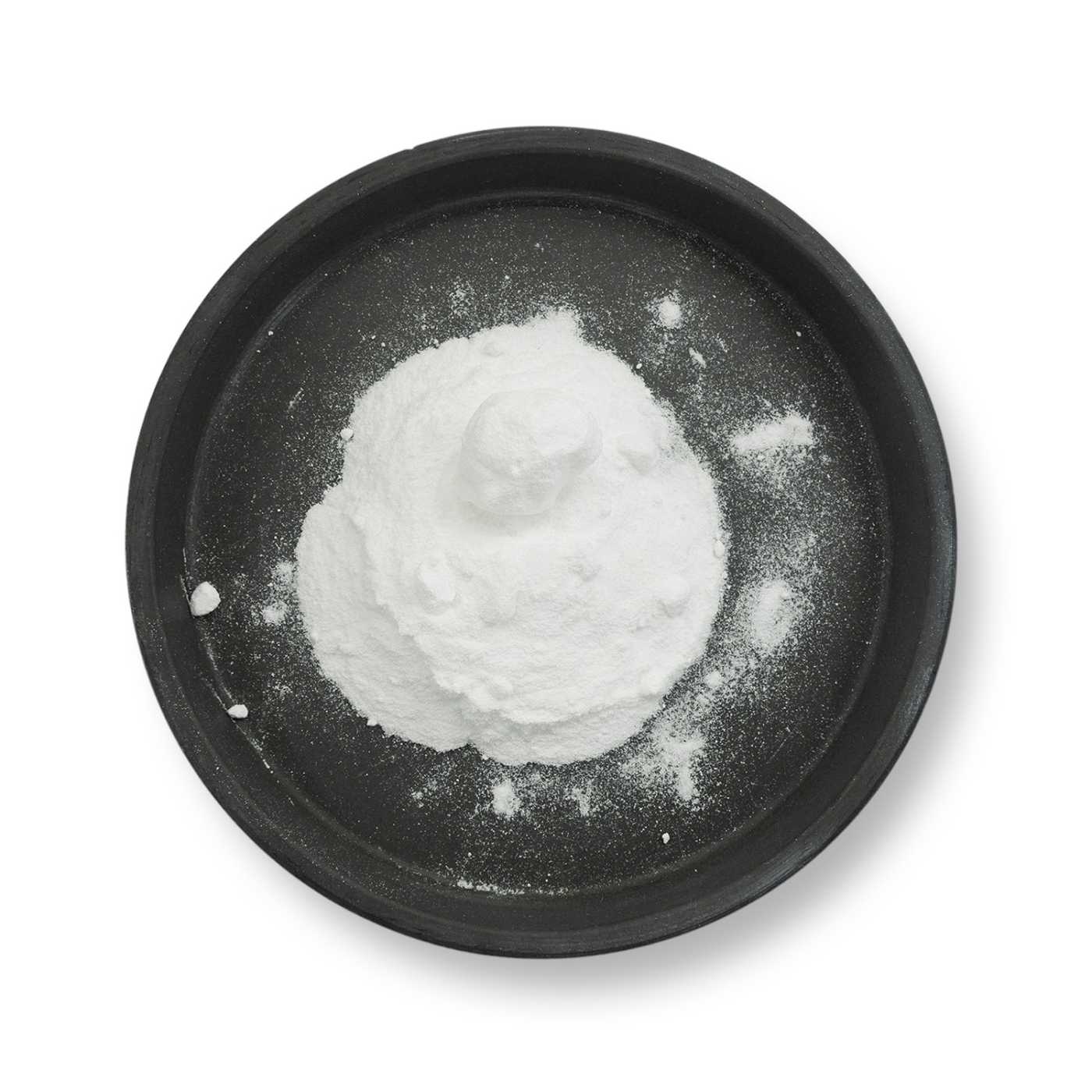
High molecular weight hyaluronic acid binds water on the skin surface. It is added to serums, toners, facial creams and hair cosmetics as a humectant and active ingredient: it forms a thin film that retains water, supports hydration and relieves the feeling of tightness. It gives the finished product a smoother, more slippery feel. As little as 0.05 – 0.5 % in a formula noticeably changes both the texture and the feel after application.
The ingredient is produced by fermentation without raw materials of animal origin, which is why it is classified as plant-based. It holds a Vegan certification and approval for natural cosmetics under the COSMOS and NATRUE standards, so it is also suitable for formulas intended for certification.
The powder belongs in the water phase and dissolves cold, at a temperature of up to 40 °C. The recommended pH range of the finished product is 5 – 8.
The most common mistake when working with hyaluronic acid is lumps. On contact with water the powder swells quickly. When poured in all at once, it coats itself in a gel layer and the inside stays dry. For this reason, add it in a thin stream into the water while stirring constantly, or first mix it into glycerin or another water-soluble polyol and then pour the suspension into the water. Let the gel swell until it is clear and free of lumps. With a high molecular weight this takes longer than with low molecular weight types.
For a serum the lower to middle part of the dosage range is enough; at the upper limit of 0.5 % a markedly thick gel already forms. Prepare a more concentrated stock gel in preserved water and dose it into formulas as needed. It is easier to work with than the dry powder.
A water-based hyaluronic acid gel is a breeding ground for microorganisms, so a preservative is always added, including to the stock gel. Add the preservative before pouring in the powder or after it has fully swollen, according to the recommendation of its manufacturer.
The viscosity of a hyaluronic acid gel reacts sensitively to salts. Electrolytes such as sodium chloride, preservative salts or mineral extracts thin the gel, sometimes significantly. Therefore add salts and extracts with a higher mineral content only to the finished gel and verify the resulting viscosity.
Keep to the recommended pH range. For serums with acids (AHA, vitamin C in the form of ascorbic acid) that push the pH below 5, verify viscosity stability over several weeks.
A higher dosage gives a thicker gel, but on the skin it can leave a feeling of tightness or stickiness, especially in a dry environment. Serums with a high proportion of hyaluronic acid and no oil component are often described by customers as “tightening”. A combination with glycerin, betaine or a small amount of oil in an emulsion helps.
Do not heat the gel above 40 °C and do not add it to a hot water phase before emulsification. It is mixed into the emulsion only during cooling, or the powder is dissolved in a portion of water set aside for this purpose.
The molecular weight determines how hyaluronic acid works in a product. The high molecular weight type (HMW, 1.5 – 2 MDa) stays on the skin surface, forms a film, binds water and thickens. It is suitable where you want an immediate feeling of hydration, smoothing and serum texture. The low molecular weight types (LMW) have shorter chains, act as an active ingredient with less influence on viscosity and barely form a film on the surface. Both types are commonly combined in a single formula, each contributing something different.

Great!
Translated automatically
A quality product
Translated automatically