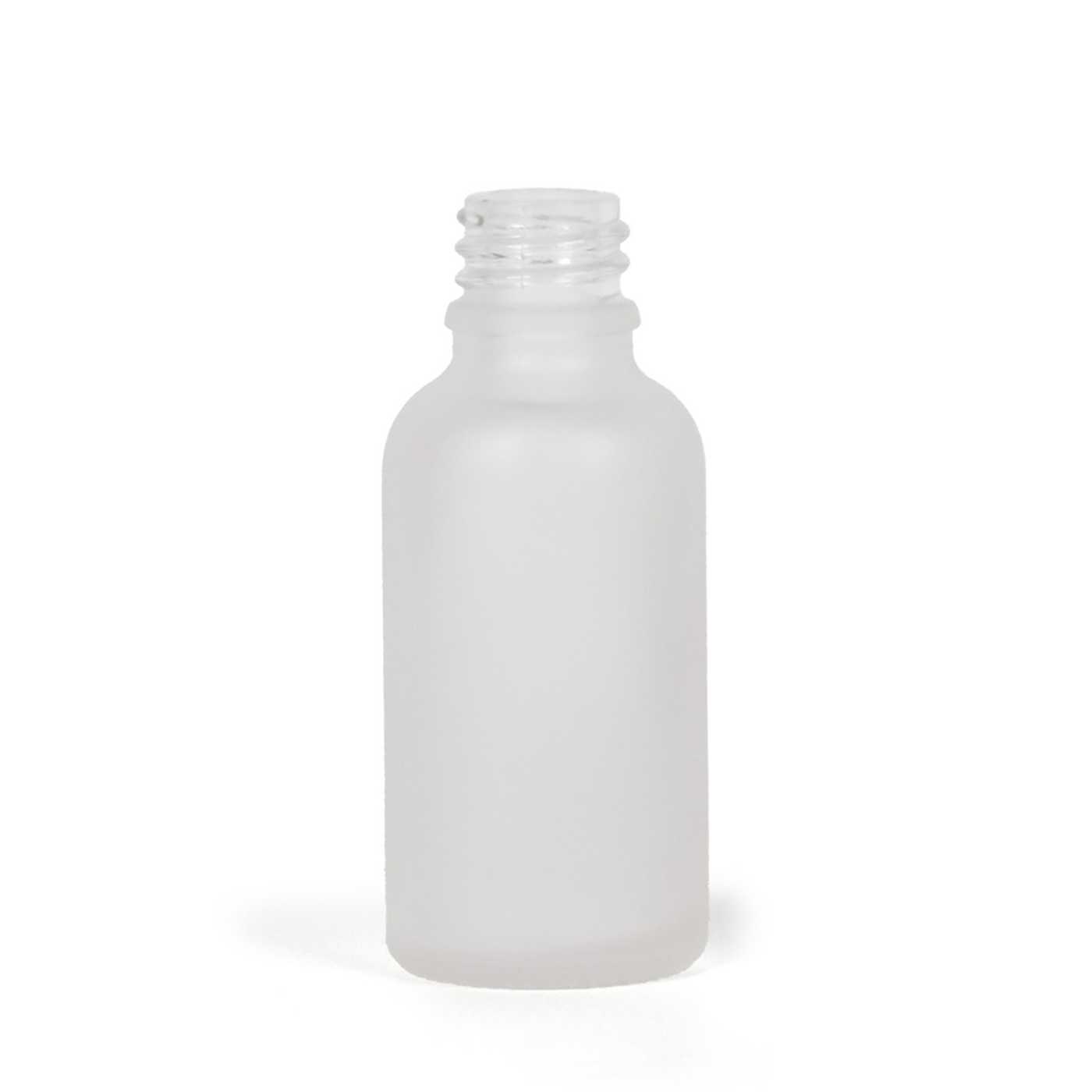
Clear frosted glass bottle, 18 mm, 30 ml
Pre-order€0.45

Candle containers
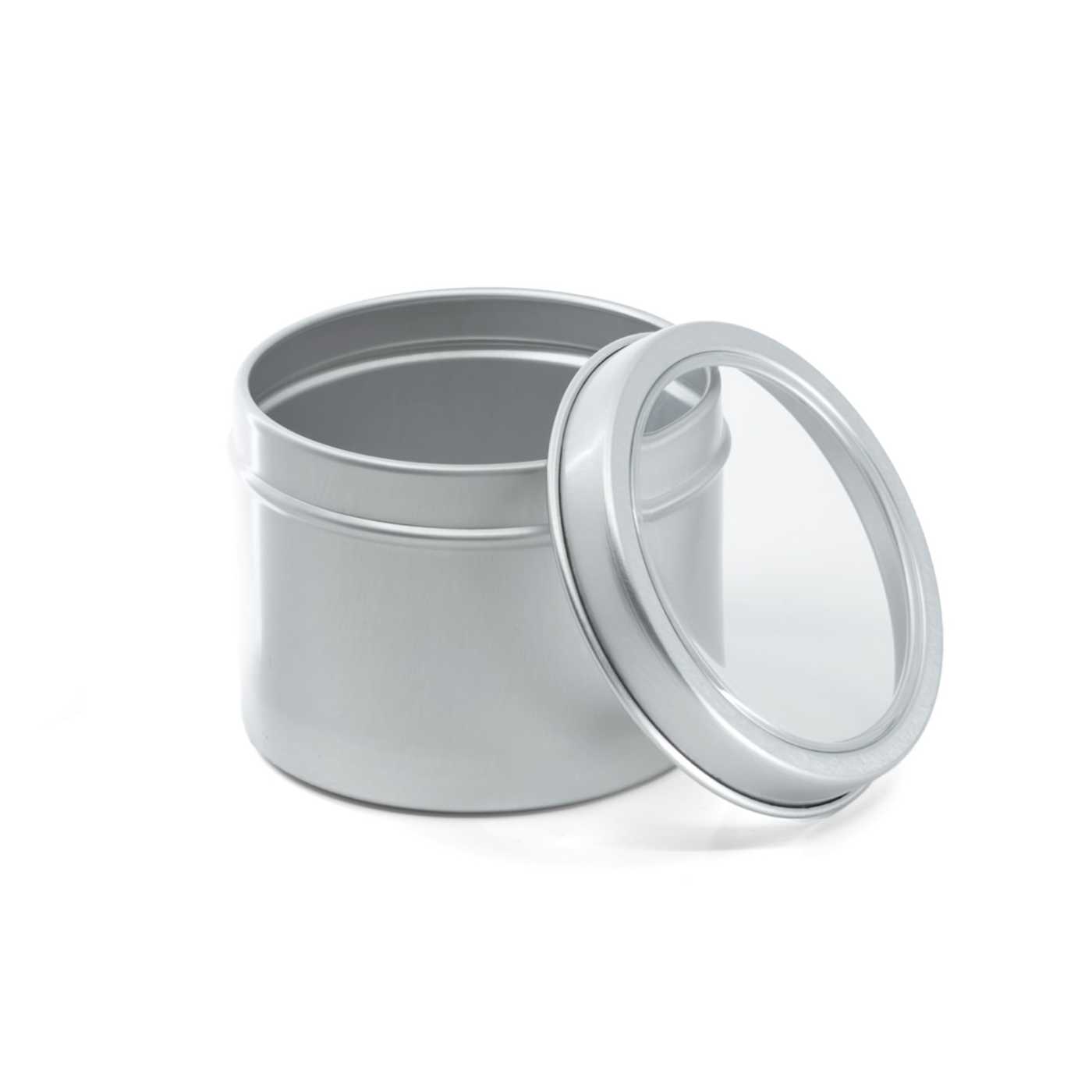
An aluminium tin with a transparent lid and a nominal volume of 115 ml is designed for filling solid and semi-solid cosmetic products and for pouring container candles . full description
Lowest price in the last 30 days: €0.79
Total for 1 pcs: €0.79
An aluminium tin with a transparent lid and a nominal volume of 115 ml is designed for filling solid and semi-solid cosmetic products and for pouring container candles. The interior of the tin is coated with an epoxy layer, so the contents do not come into contact with the aluminium and do not react with it. The transparent centre of the lid lets you see what is inside. This is appreciated with coloured candles, scrubs, or in retail where the customer should be able to see the product before opening.
A volume of 115 ml suits standard balms, ointments, body butters, sugar or salt scrubs, solid deodorants, and hair waxes. In a candle workshop it serves as a container for a smaller container candle with a single wick. Metal holds its shape, does not let light through the walls, and does not break in a parcel — an advantage over glass for mail-order sales and travel sizes.
Before first filling, wash the tin and lid, disinfect with isopropyl alcohol or ethanol, and allow to dry completely. Products poured hot (balms, body butters, solid perfumes) should be poured into the tin and left to cool undisturbed so the surface sets level. Close the lid only after complete cooling; otherwise condensation forms on the plastic insert and leaves droplet marks on the surface of the product.
Fill to the nominal volume, not to the brim. The space below the neck is a reserve for the lid and for expansion of the contents with temperature changes. An overfilled tin closes poorly and during transport the contents may be forced under the lid.
The transparent centre of the lid lets light through. Products sensitive to light — for example those containing essential oils, botanical extracts, or natural pigments — should be stored in the dark or packed in a container with a solid lid.
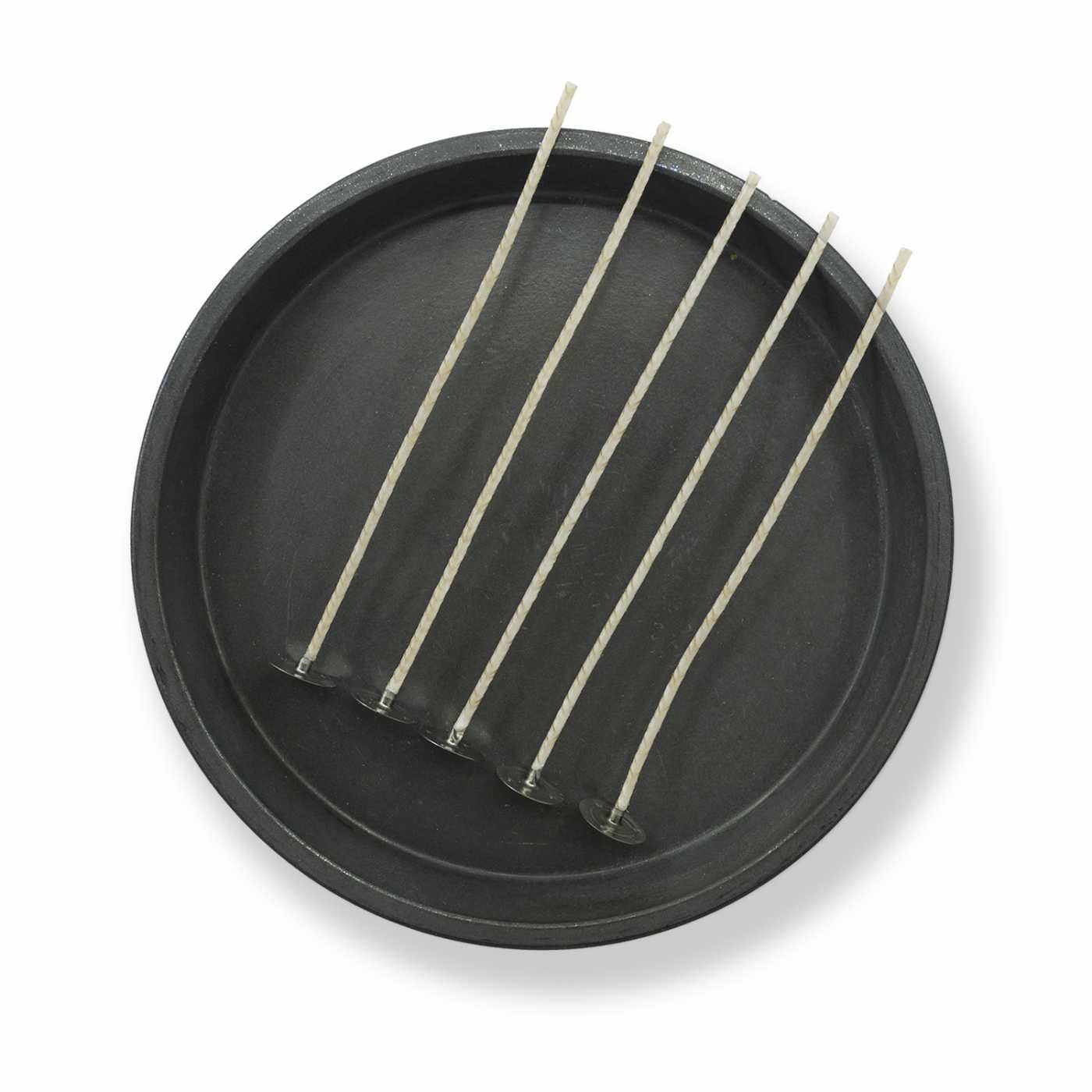
A wick with a sustainer tab is glued to the bottom of the tin, centred, and the wax is poured at the temperature recommended by the wax manufacturer. The wax level should remain below the neck to leave room for the lid and to prevent molten wax from reaching the rim during burning. Choose the wick size according to the tin diameter and type of wax. Before producing a larger batch, carry out a test burn and adjust the wick accordingly.
The metal tin heats up during burning. Place the candle on a heat-resistant surface, do not move it while lit, and allow the wax to set completely before closing the lid.
Further tins and lids with the same neck type and ready-made combinations are available in the Handymade range. For a custom combination, we recommend verifying the seal and the behaviour of the packaging with the specific formulation.