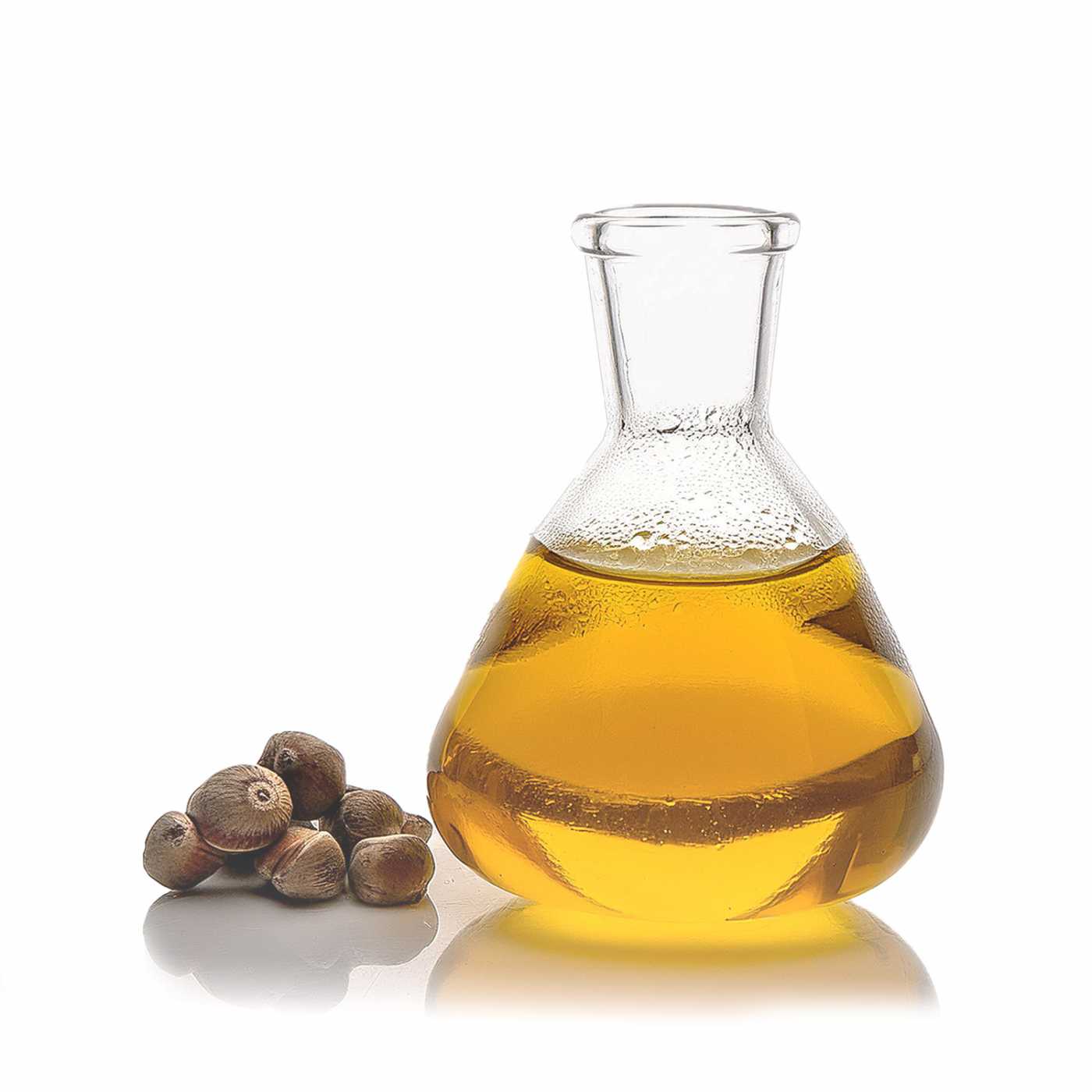
Castor oil, cold-pressed, organic
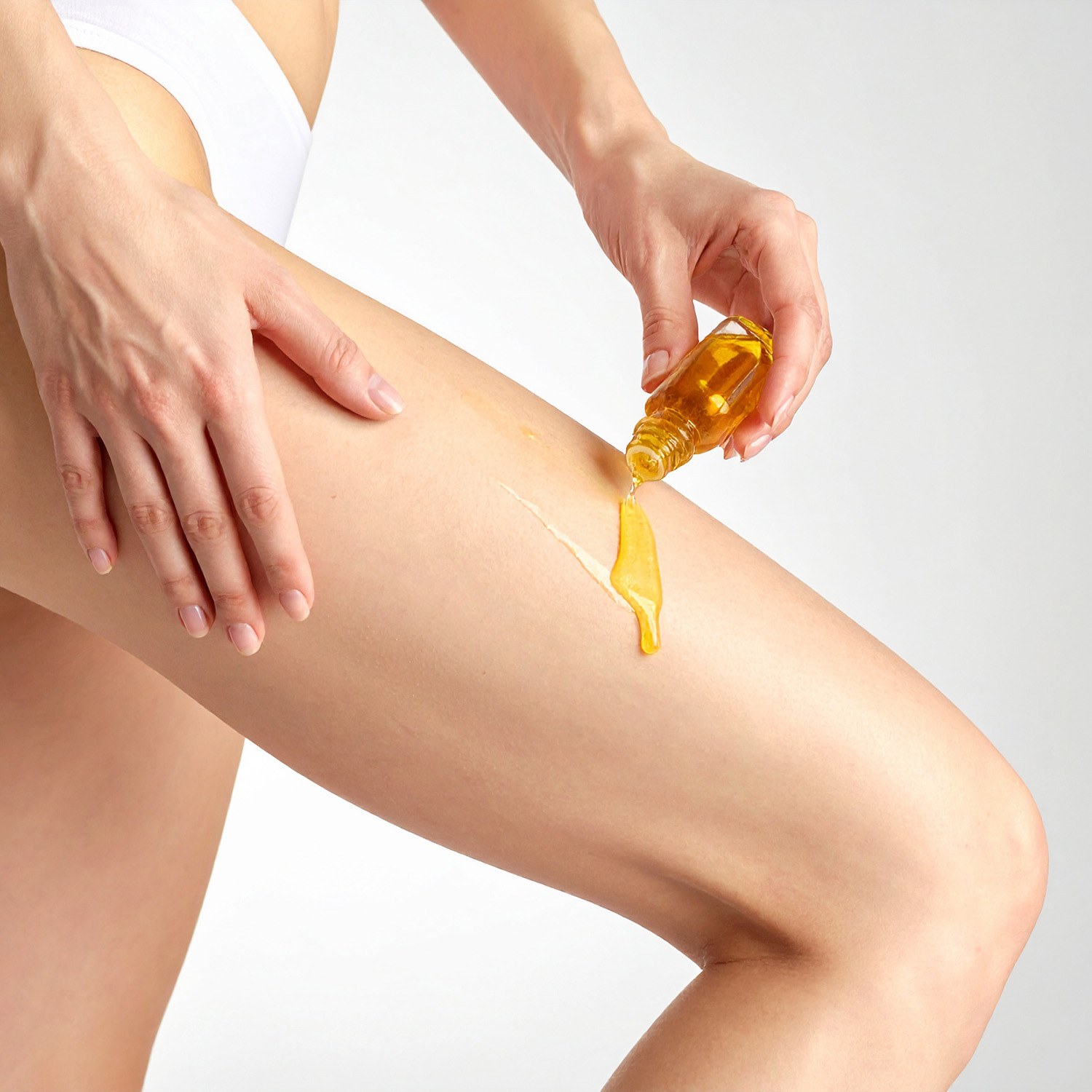
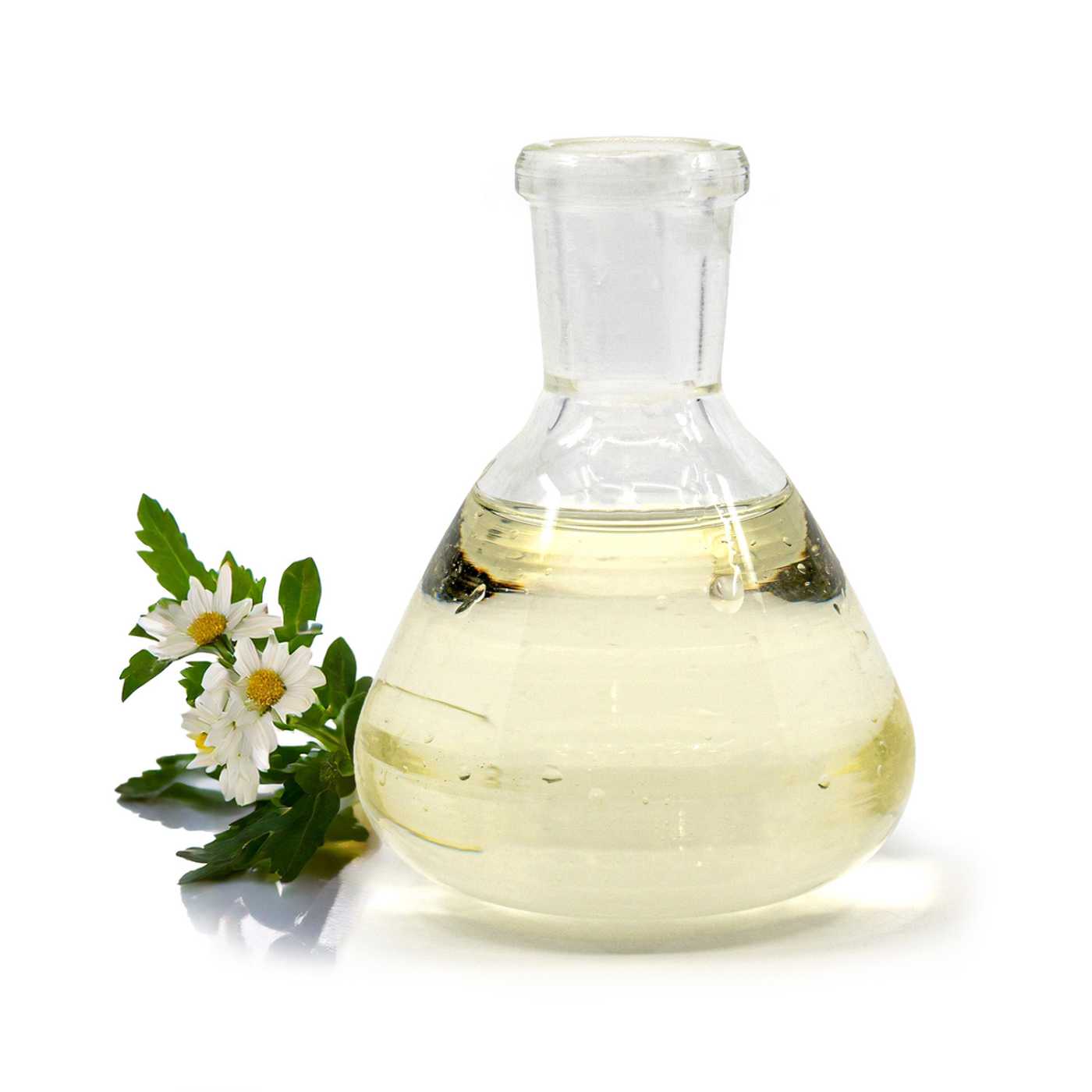
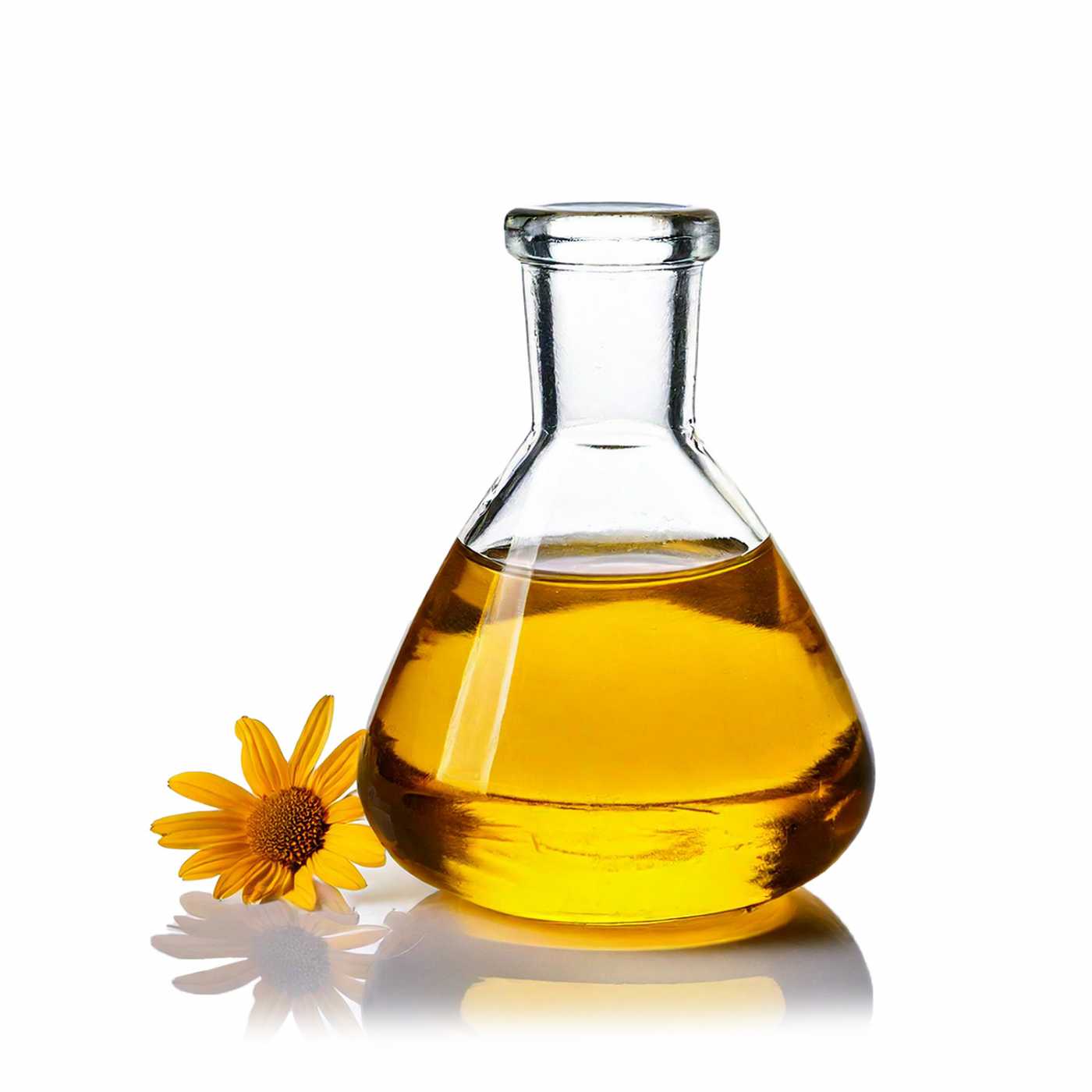
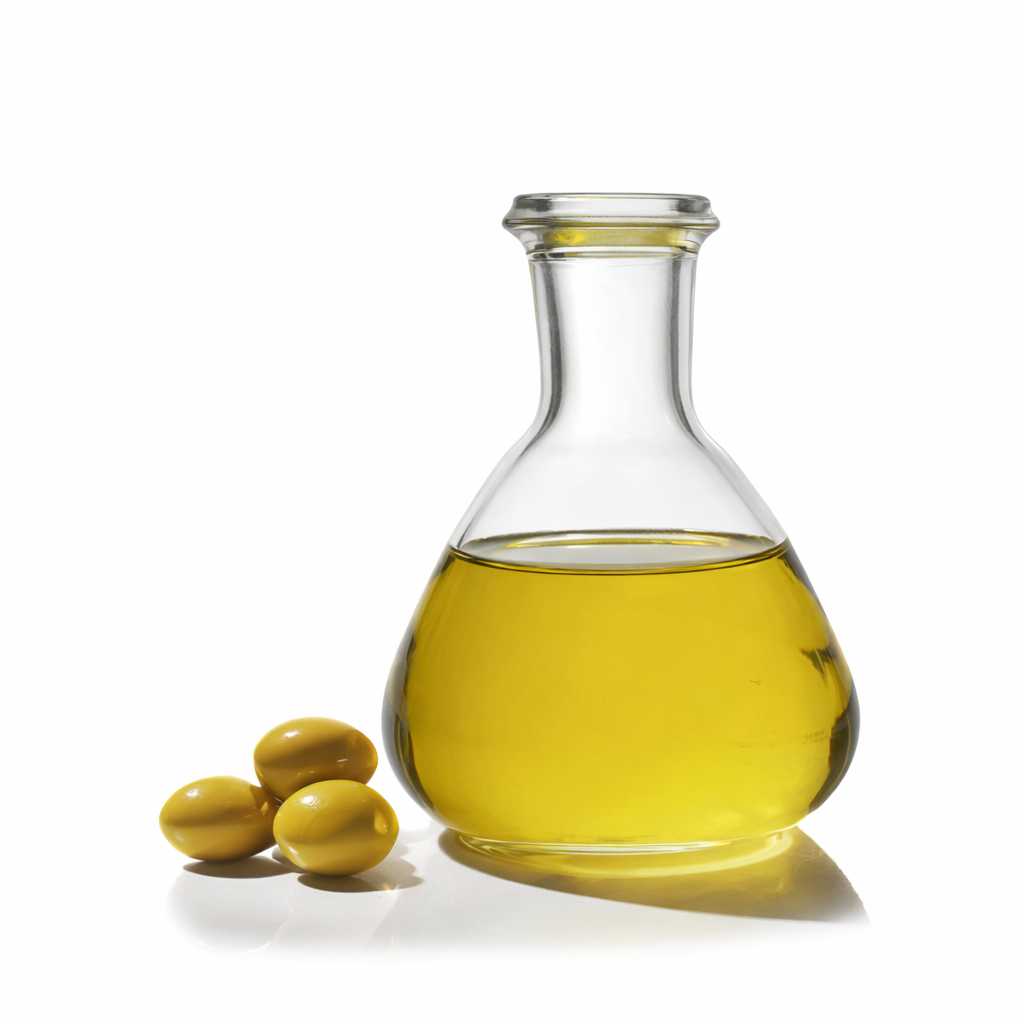
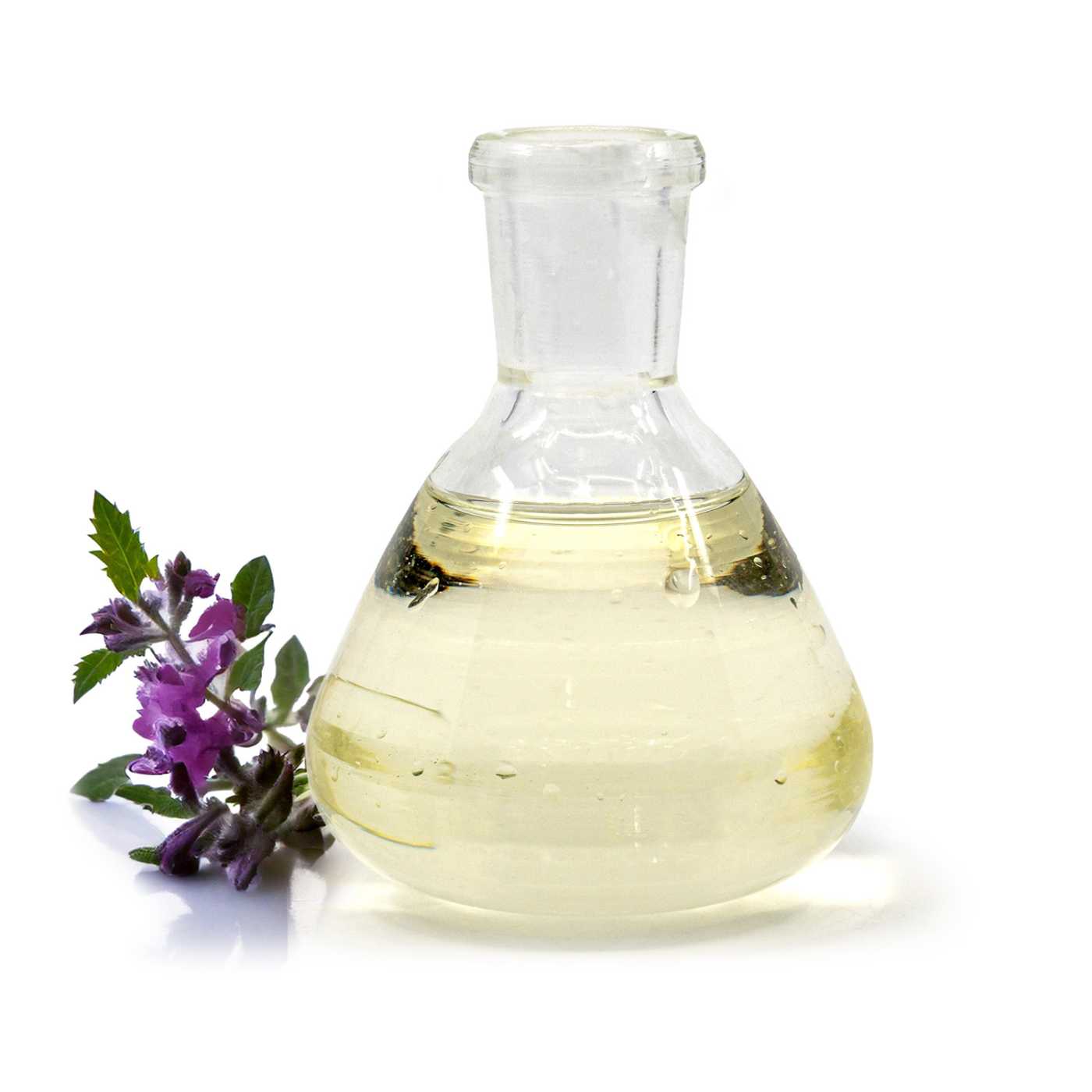
Castor oil cold-pressed from the seeds of the castor bean (Ricinus communis) is a thick plant-based emollient for hair, scalp and dry skin care. On skin and hair it forms a film that reduces moisture evaporation and leaves them supple. It most commonly appears in hair oils, scalp masks, body butters, balms and cleansing oils.
The organic quality oil is obtained by mechanical pressing without heating and subsequent filtration, without chemical solvents. The composition is dominated by ricinoleic acid (85 – 95 %), which is characteristic of castor oil.
Key properties
- Protective film – the viscous oil stays on the surface longer, reduces moisture loss and leaves skin supple. Suitable for dry and mature skin and dry, damaged hair.
- Hair and scalp care – according to the manufacturer, it nourishes the scalp, strengthens hair roots and promotes healthy hair condition.
- Cleansing effect – the manufacturer lists it as a natural cleansing oil that binds impurities and excess sebum. It is suitable for cleansing oils and makeup-removing balms.
- Antioxidant and brightening action – according to the manufacturer's data, it contains antioxidants, supports skin elasticity and helps even out skin tone. We recommend verifying the effect in the finished product.
- Solubility in alcohol – it dissolves in ethanol, making it suitable for alcohol-based skin preparations.
Use in formulation
The oil is added to the oil phase and processed below 40 °C. In cold-process formulations it is added directly to the oil blend. For emulsions, we recommend pre-blending the castor oil with lighter oils before combining with the water phase, so the thick oil disperses evenly.
Dosage is broad, 1 – 100 % depending on the product type. Pure or at high proportions it is used in hair oils and scalp treatments. In body oils, emulsions and balms it is typically kept at lower proportions, as it increases the viscosity and tackiness of the finished product. It blends with other vegetable oils but does not dissolve in water.
The heavy character of the oil on skin can be softened by combining it with lighter oils such as jojoba or grapeseed. In body oils, start with a lower proportion and increase it only when a more pronounced protective film is desired.
Castor oil has no compatibility restrictions, is not classified as hazardous under CLP and does not require a safety data sheet. It is suitable for both rinse-off and leave-on products.
Suitable for products such as
- Hair oils and serums – alone or blended with lighter oils for the lengths and ends of dry and damaged hair.
- Scalp treatments – masks and pre-wash oil treatments where the oil's adhesiveness is used to advantage.
- Cleansing oils and makeup-removing balms – an ingredient that binds sebum and impurities; in rinse-off products also suitable for acne-prone skin.
- Body butters and balms – combined with butters, it reinforces the protective film on dry skin.
- Body oils and emulsions – at lower proportions as an emollient for dry and mature skin.
- Alcohol-based preparations – as one of the oil components soluble in ethanol.
Good to know
The oil is thick and flows slowly, so it is advisable to let it reach room temperature before weighing. Measuring by drops is imprecise; weighing is more accurate. The scent is faint and neutral, so it does not introduce its own odour into the finished product.
In emulsions it increases the viscosity of the oil phase and may alter the final consistency of the product. For a first formulation, we recommend testing a small batch and checking the texture and emulsion stability after a few days.
At high proportions it leaves a pronounced film on the skin. In light facial products it should therefore be used at a lower proportion together with lighter oils, or incorporated into rinse-off cleansing products.
The oil is organically certified, kosher, of plant origin, free of palm oil derivatives and readily biodegradable. It has not been tested on animals.
Frequently asked questions
Is castor oil water-soluble?
No, castor oil is not soluble in water. It dissolves in alcohol and blends with other vegetable oils. It can be incorporated into water-based products such as tonics or sprays only via an emulsifier or solubiliser. The type and amount of solubiliser must be tested for each specific formulation.
How is castor oil added to a cream?
Castor oil is added to the oil phase of the cream, ideally pre-blended with the other oils. It is processed at temperatures up to 40 °C, so in hot-process emulsions it is added only after the mixture has cooled, or a cold-process emulsifier is used. At higher proportions, expect a thicker and tackier texture.
Is castor oil suitable for hair oils and scalp treatments?
Yes, hair and scalp care is among the primary uses of castor oil. It is used pure on the ends or blended with lighter oils on the full lengths and scalp. The manufacturer states that it nourishes the scalp and strengthens hair roots. Due to its density, it is usually applied as a pre-wash treatment.
Is castor oil suitable for acne-prone skin?
Castor oil for acne-prone skin is used primarily in rinse-off cleansing oils and balms, where according to the manufacturer it binds sebum and impurities and is then washed off. As a leave-on oil at a high proportion it leaves a pronounced film, so in leave-on facial products it is combined with lighter oils at a low proportion.
What is the difference between castor oil and other vegetable oils?
Castor oil differs from other vegetable oils in its fatty acid profile: it consists of 85 – 95 % ricinoleic acid. It is markedly viscous, stays on the skin longer, and unlike most oils it dissolves in alcohol. In formulation it therefore serves as a protective emollient rather than a light carrier that spreads quickly.
Does castor oil need a preservative?
No, castor oil on its own or in anhydrous oil blends does not need a preservative, because it contains no water in which micro-organisms could multiply. Preservation is only required once the oil becomes part of an emulsion or another product with a water phase. In anhydrous products it is advisable to add an antioxidant such as vitamin E, which slows oxidation of the oils.