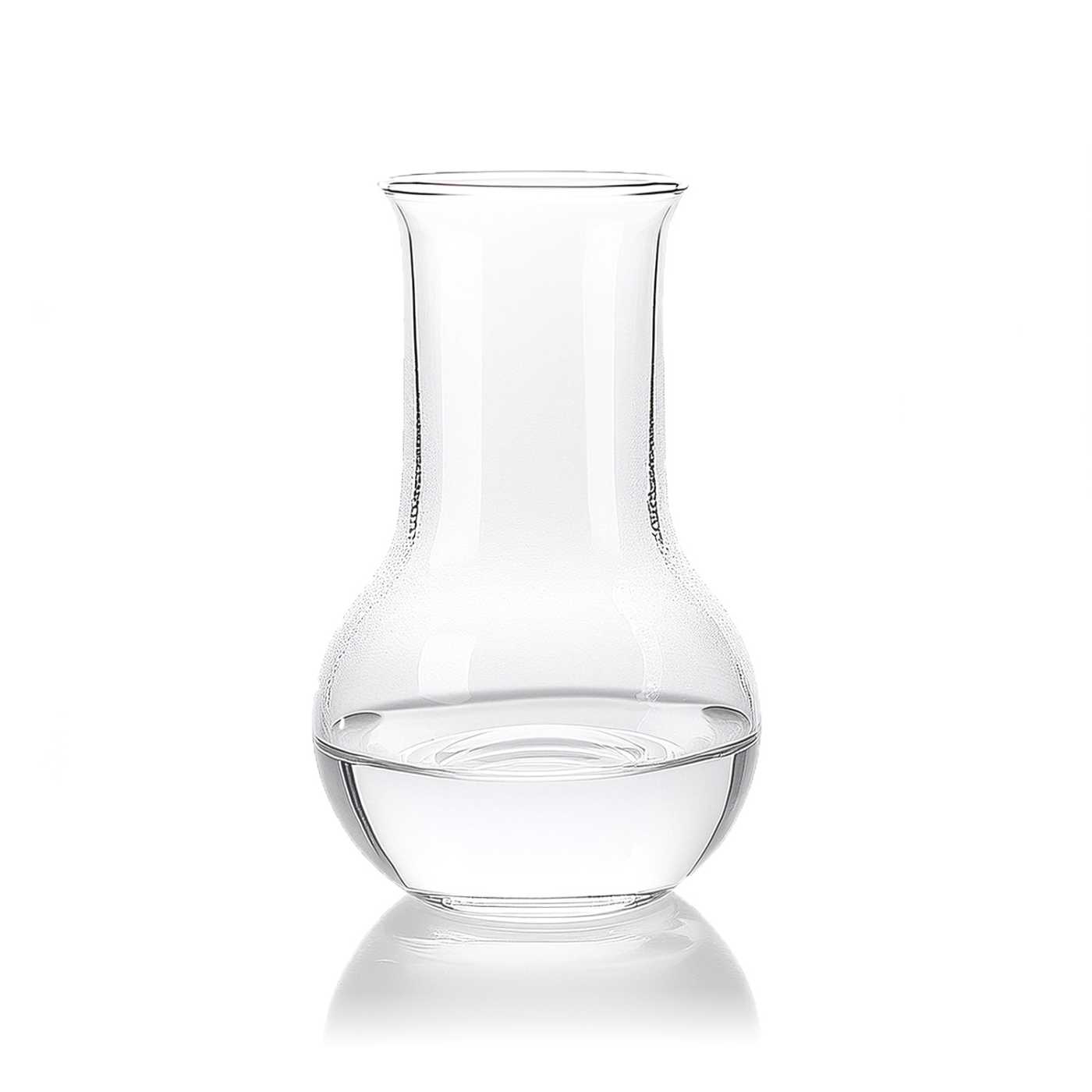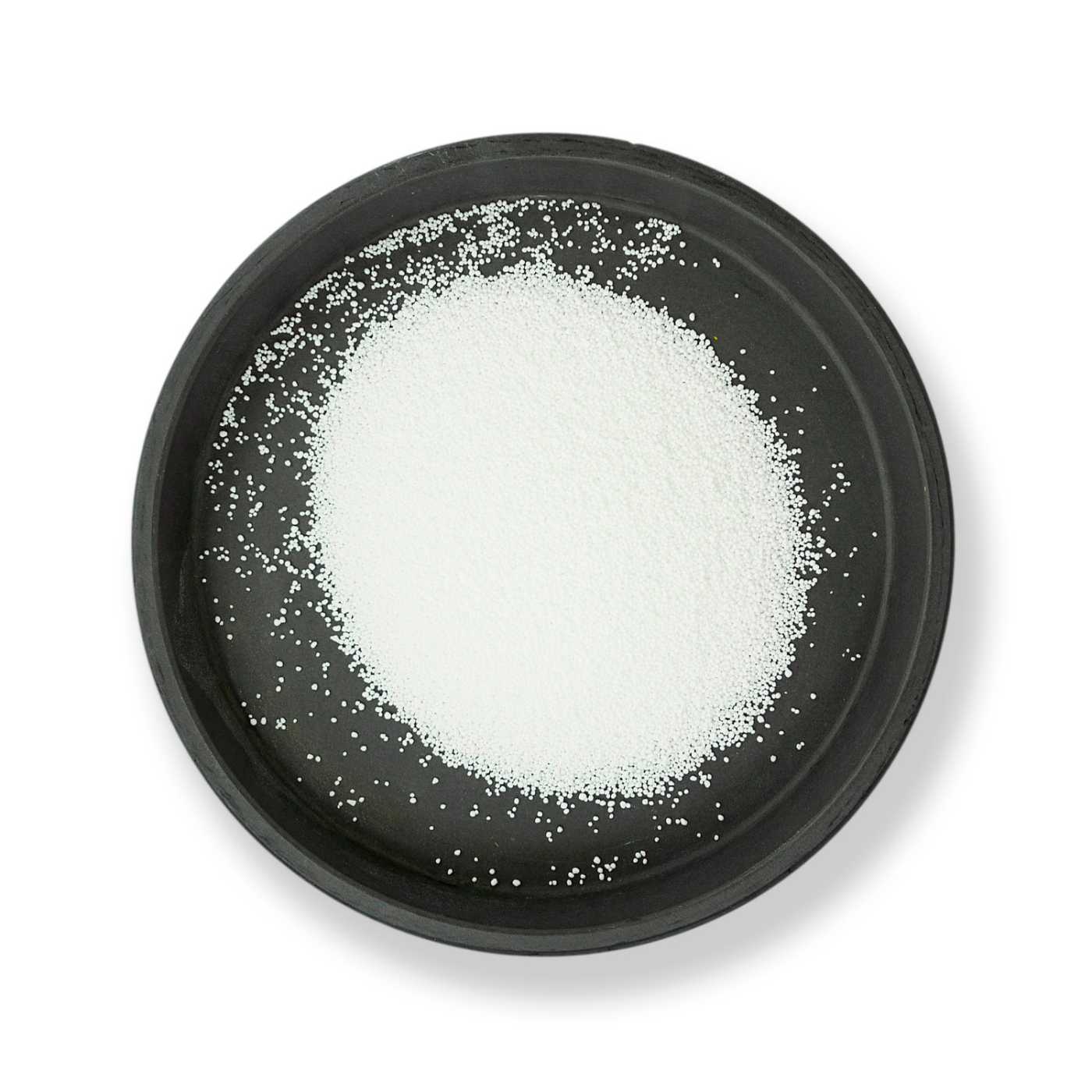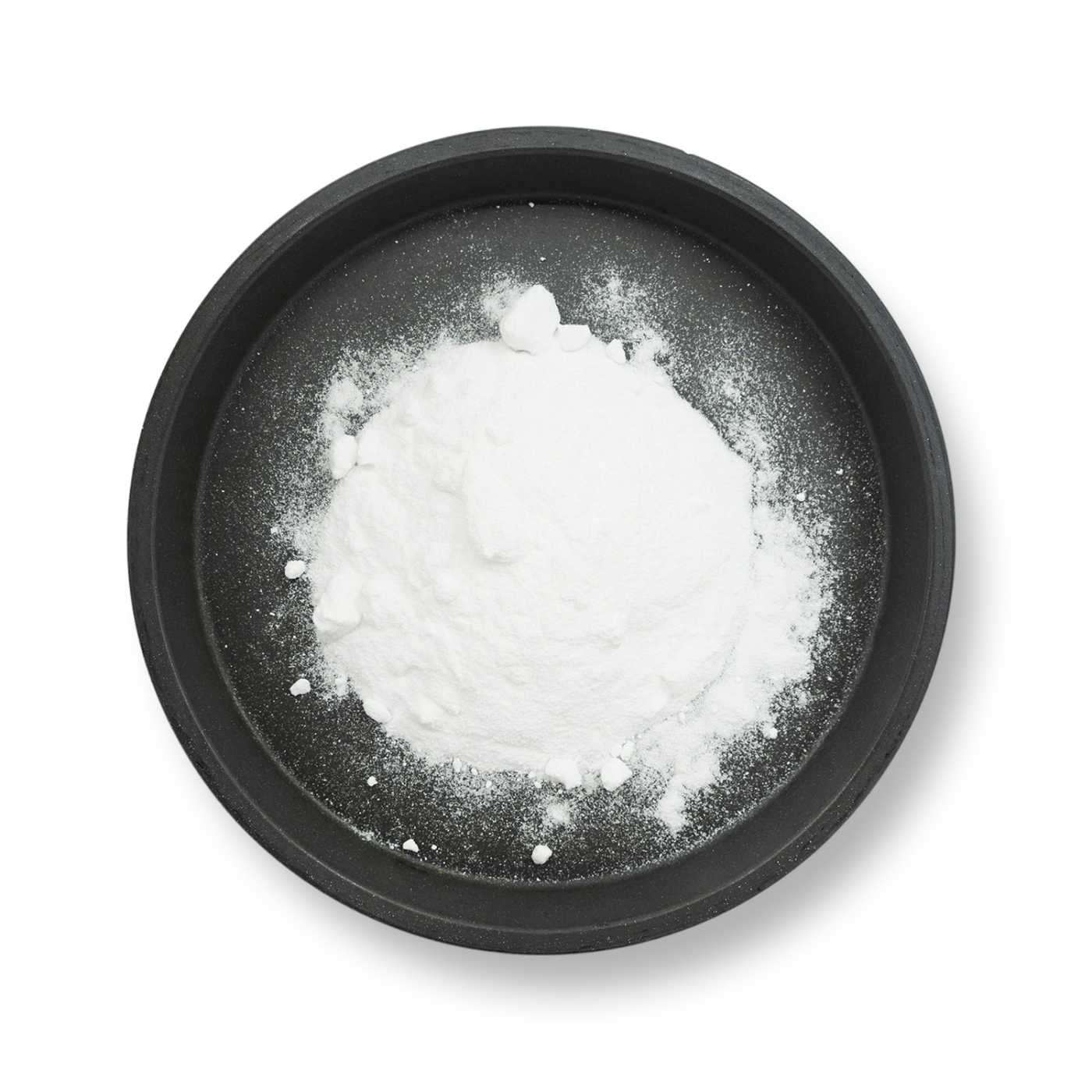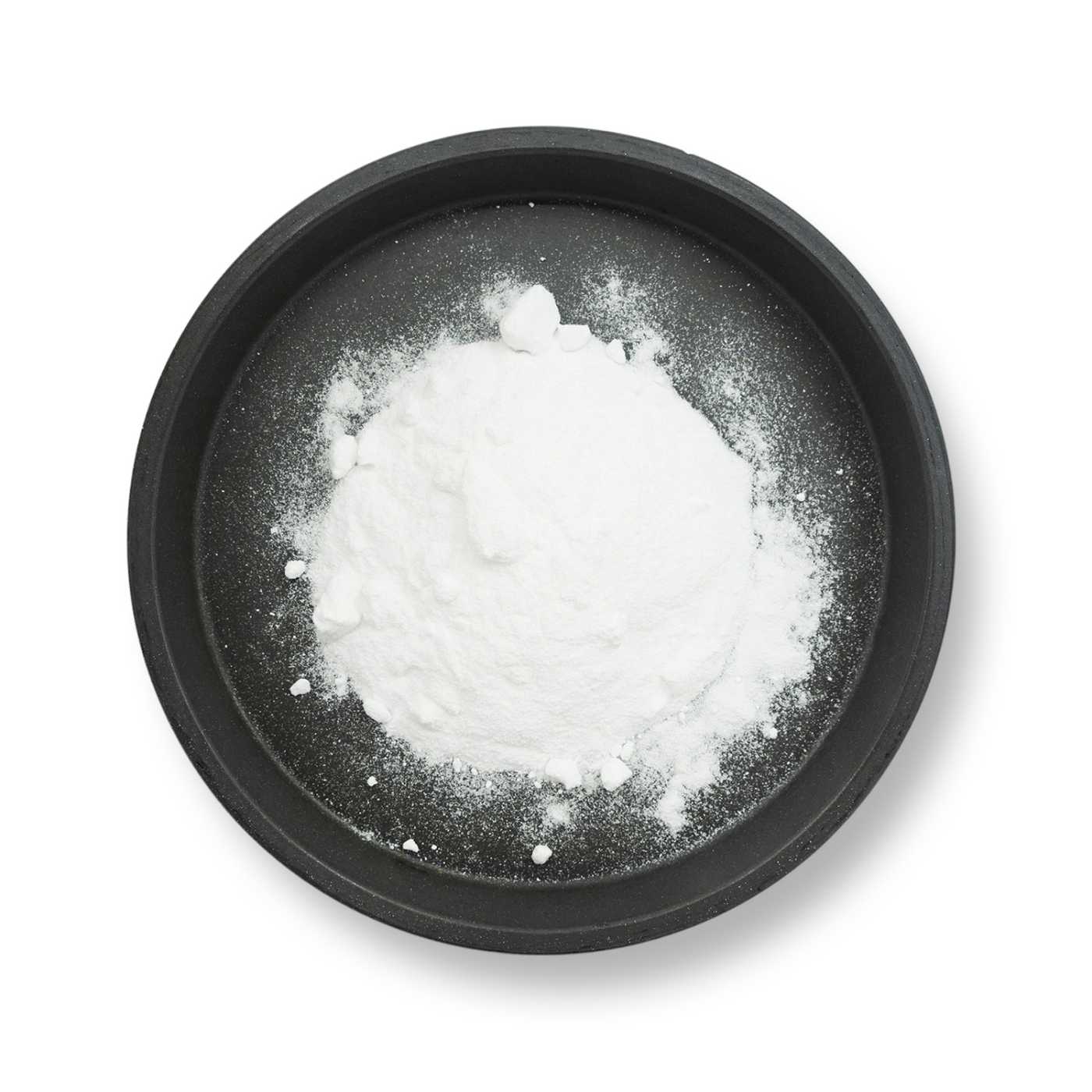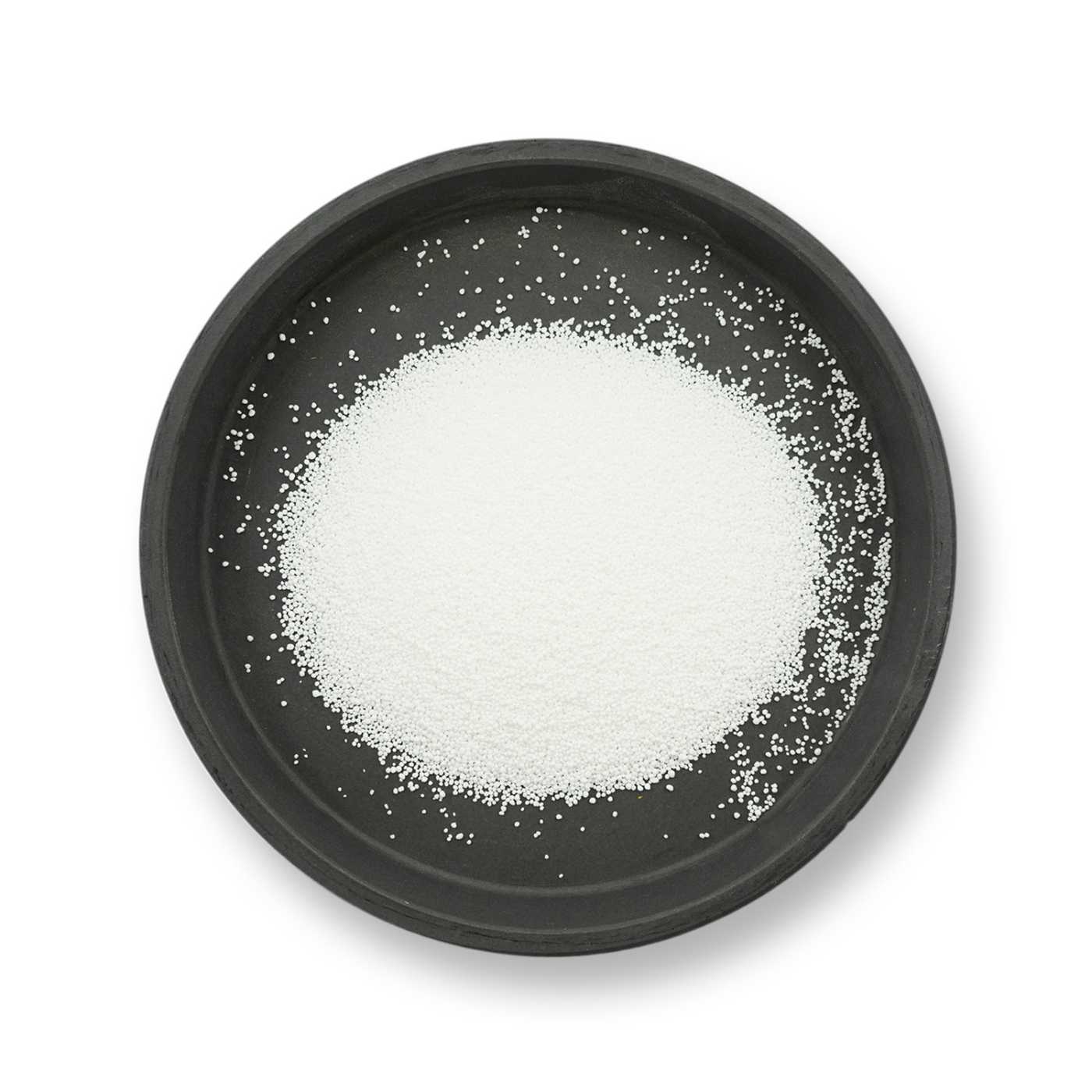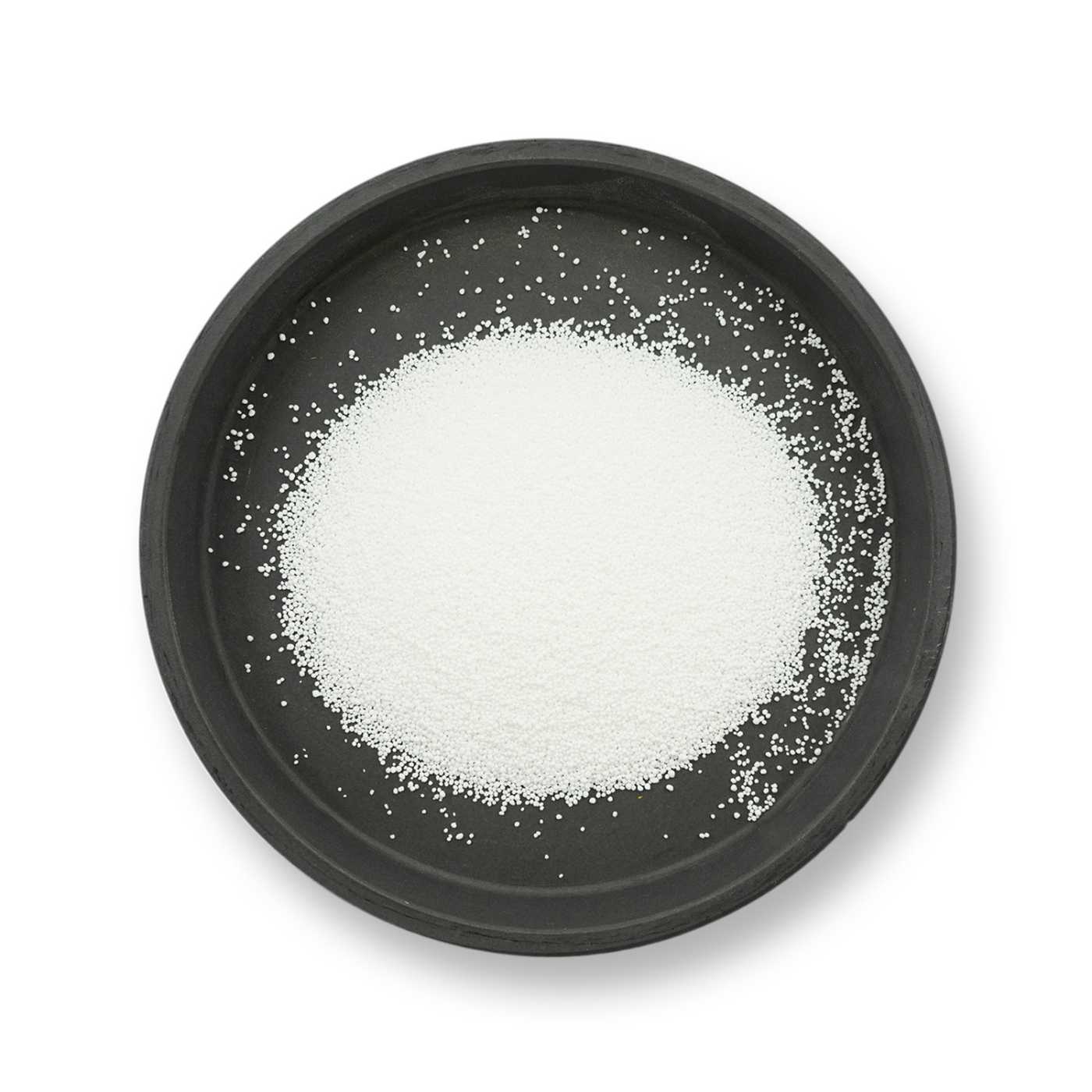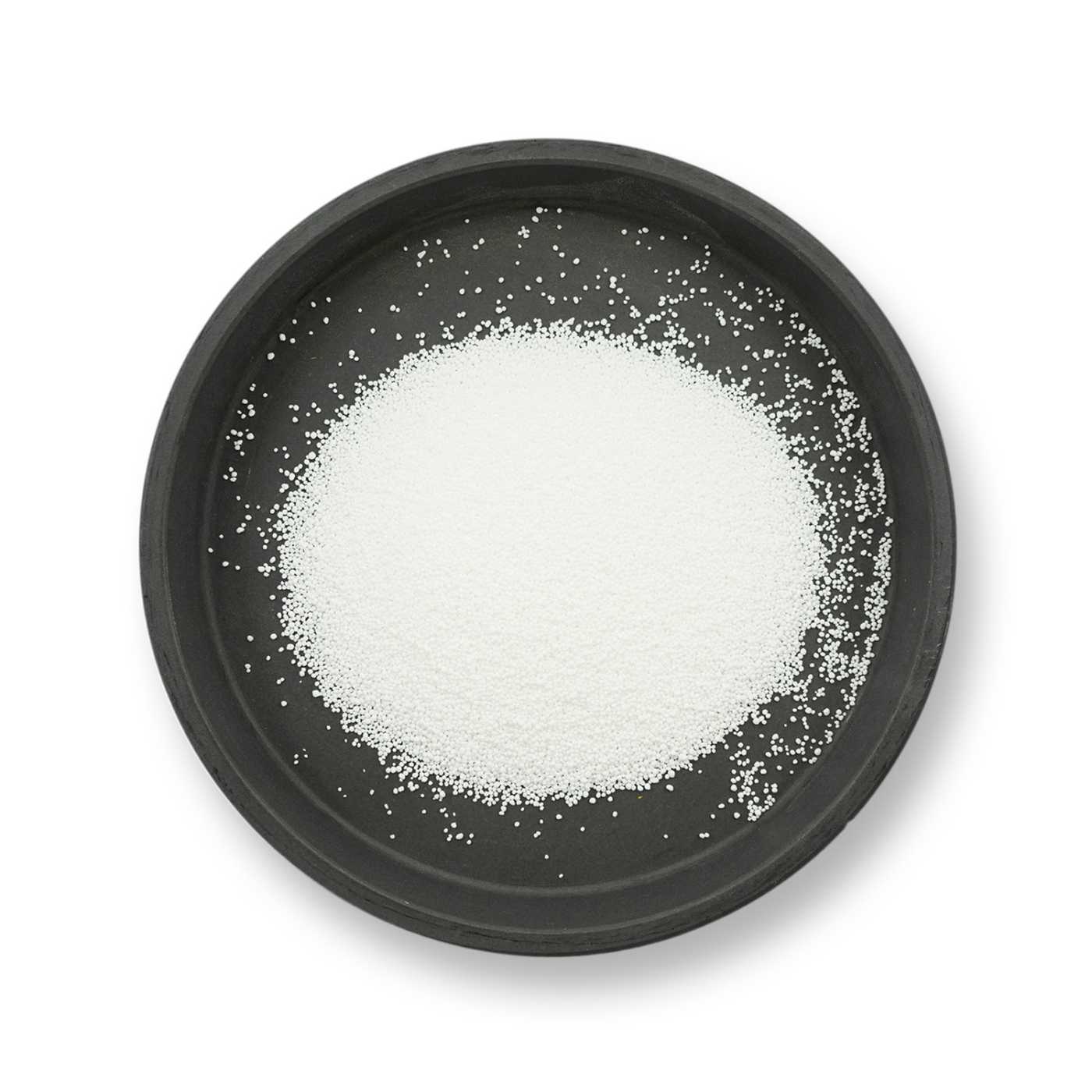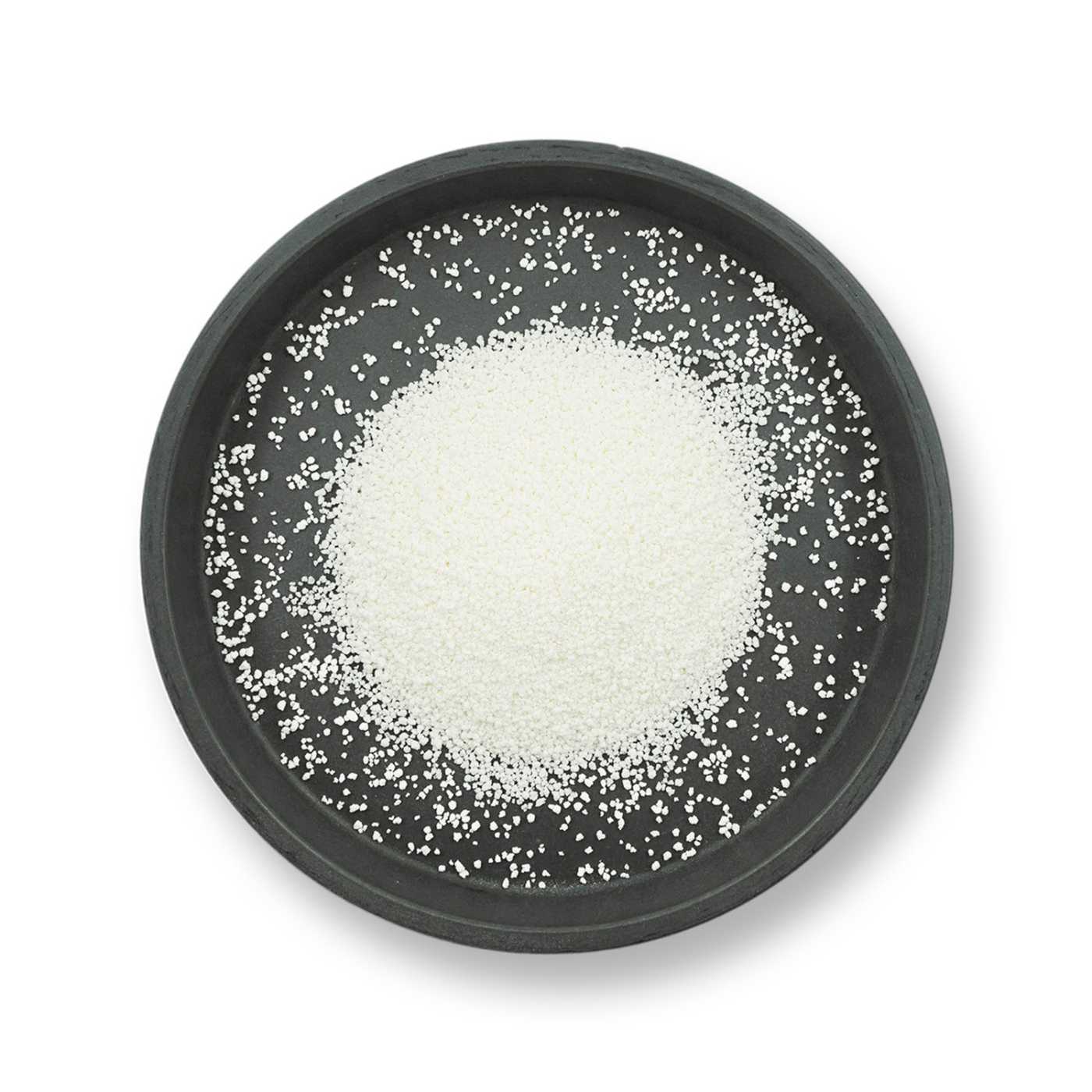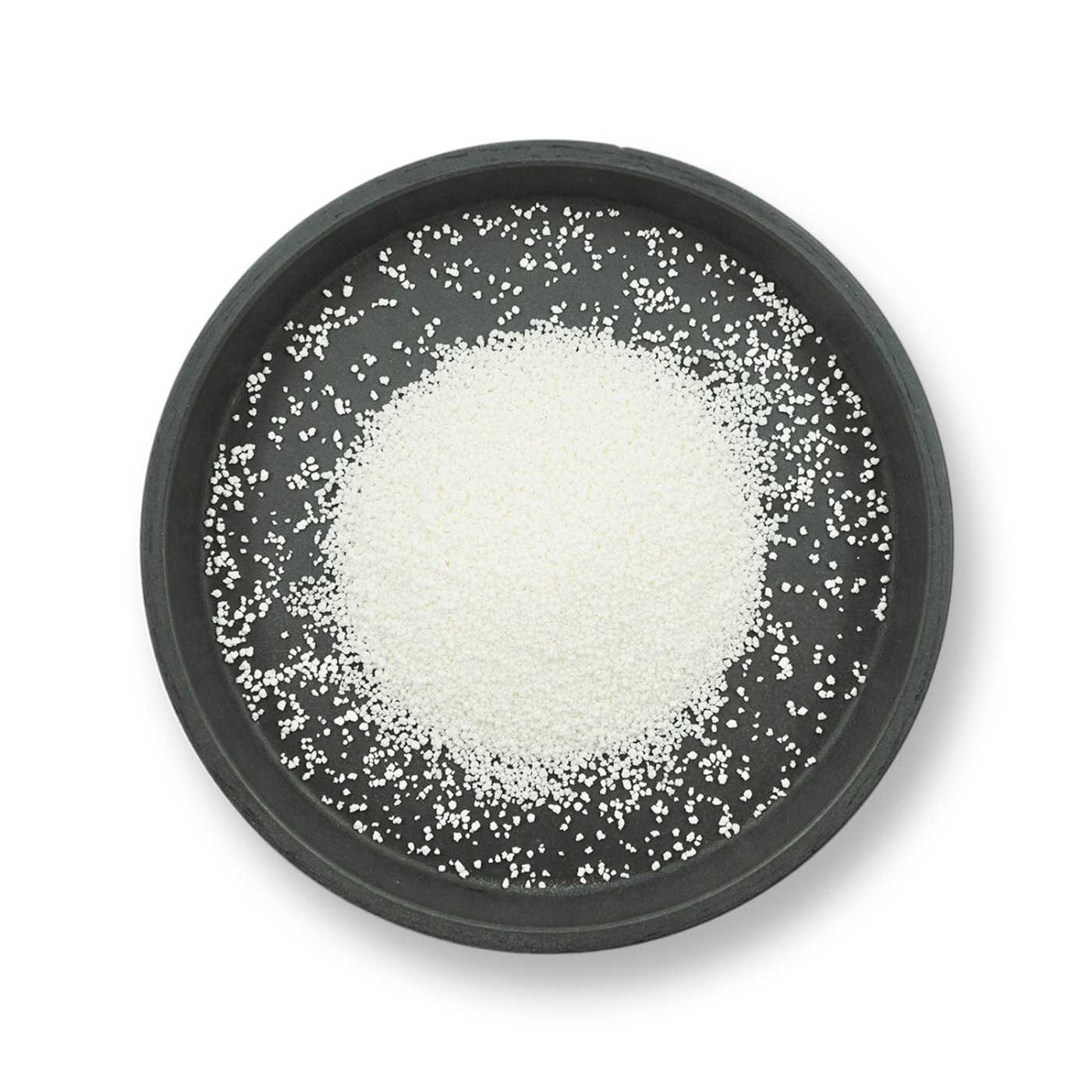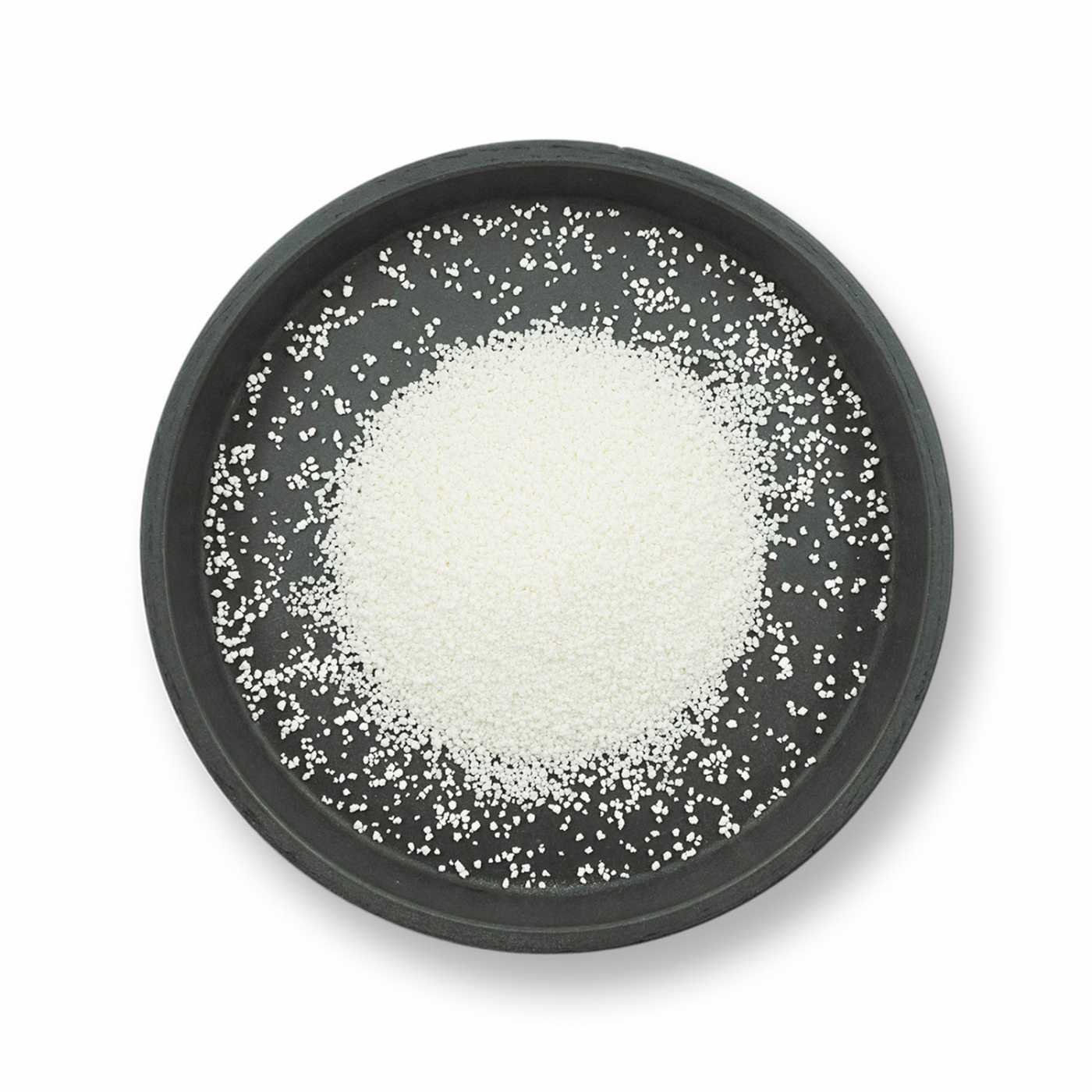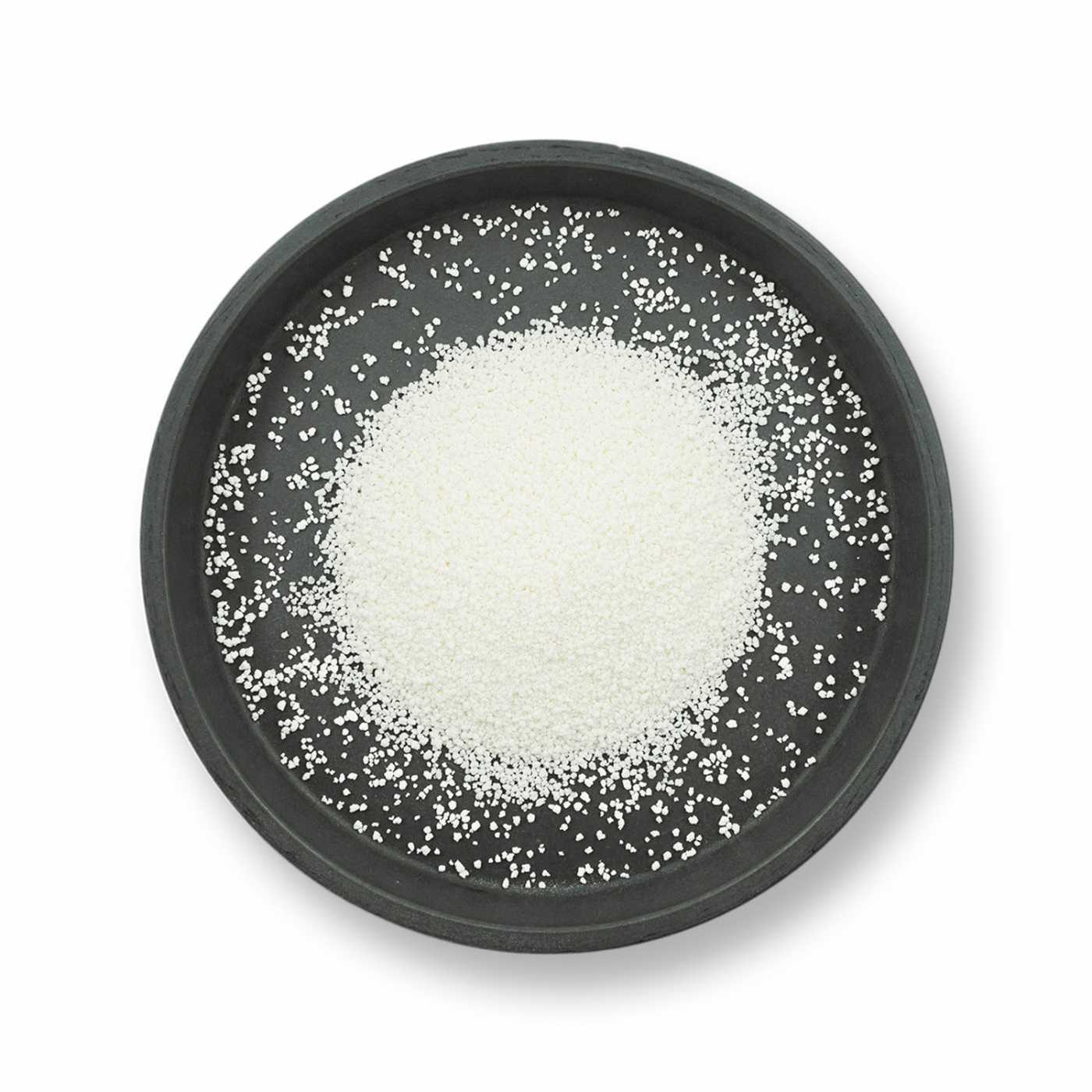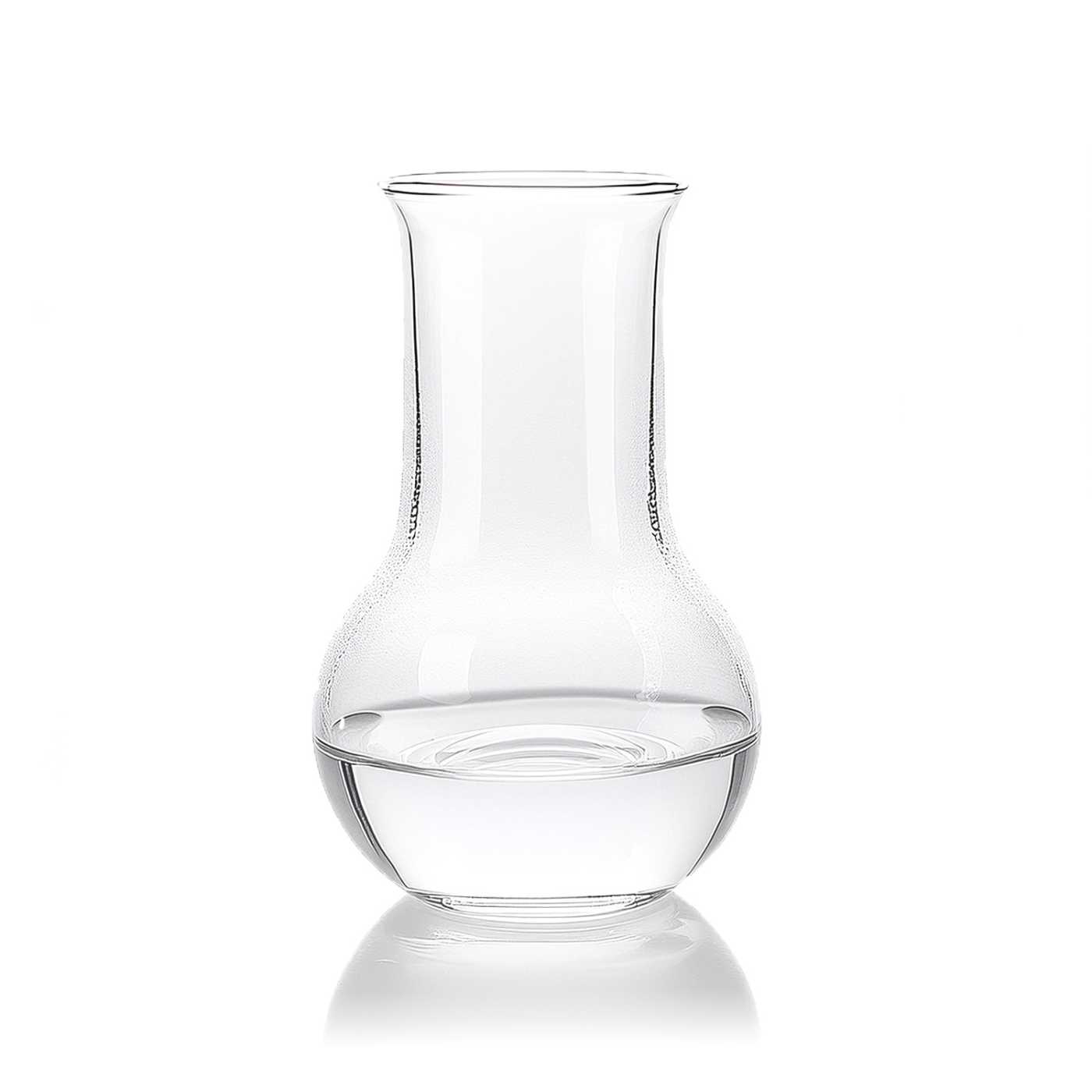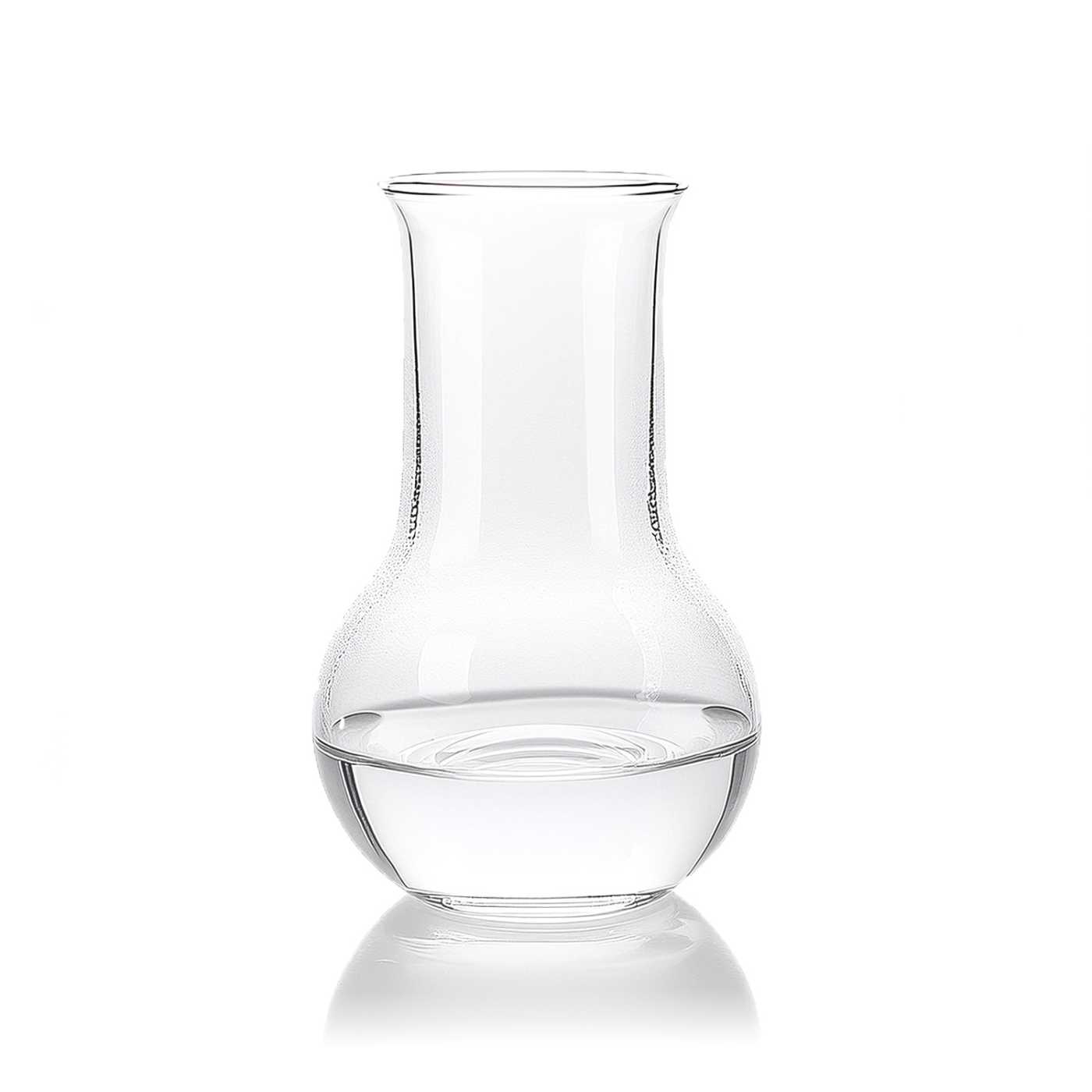
Acetic acid, 20%, 1 l
Pre-order€3.14(€3.14/l)

29 in stock now
4.9 out of 5 · 667 ratings
Documentation for every product
39 products in this category
Showing 39 of 39 products
A shelf full of colourful bottles can be replaced by a handful of pure raw materials. From vinegar, soda, percarbonate and soap you can mix a laundry detergent, a descaler and a surface cleaner — you know exactly what is inside, you buy concentrates instead of water in plastic, and you dose it as you see fit.
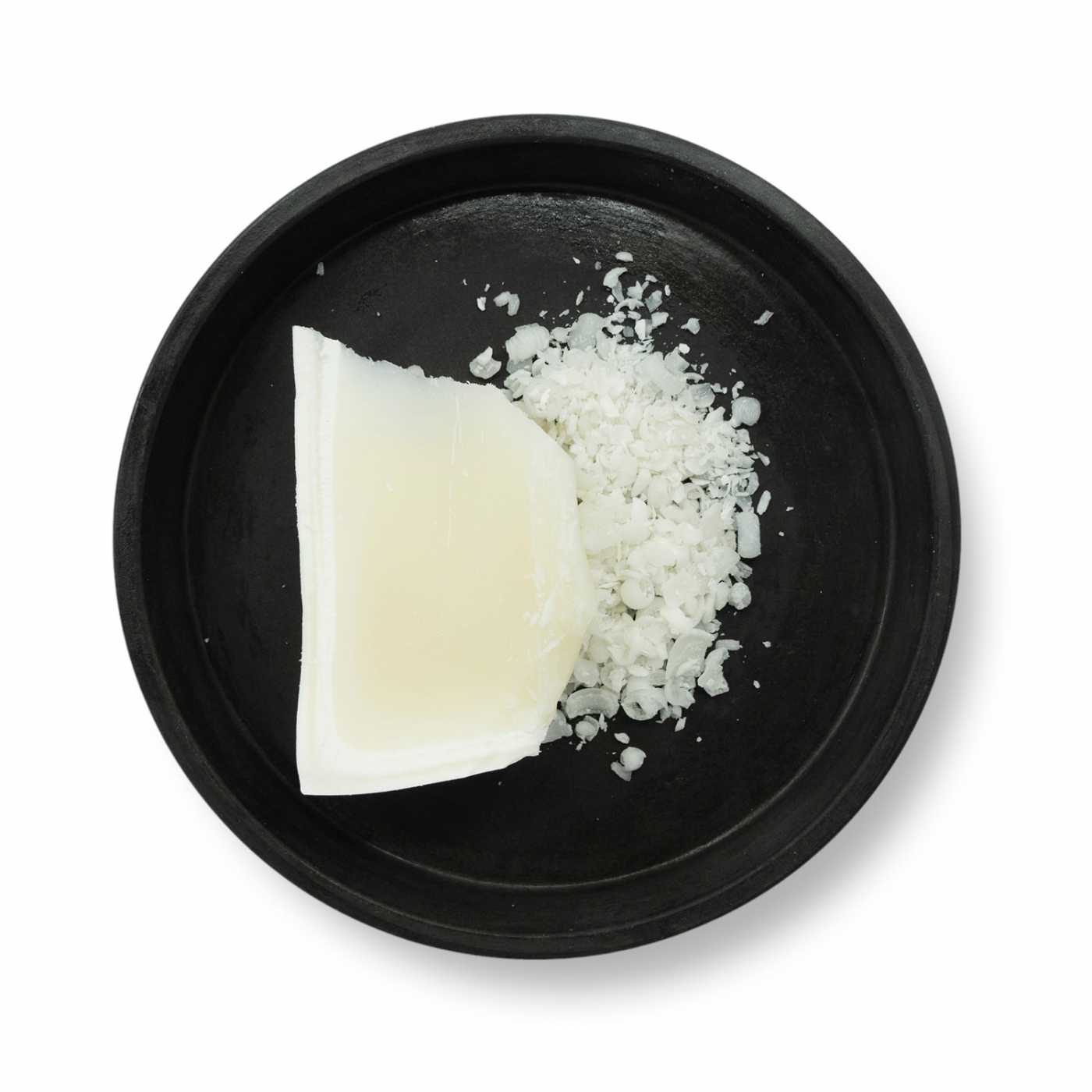
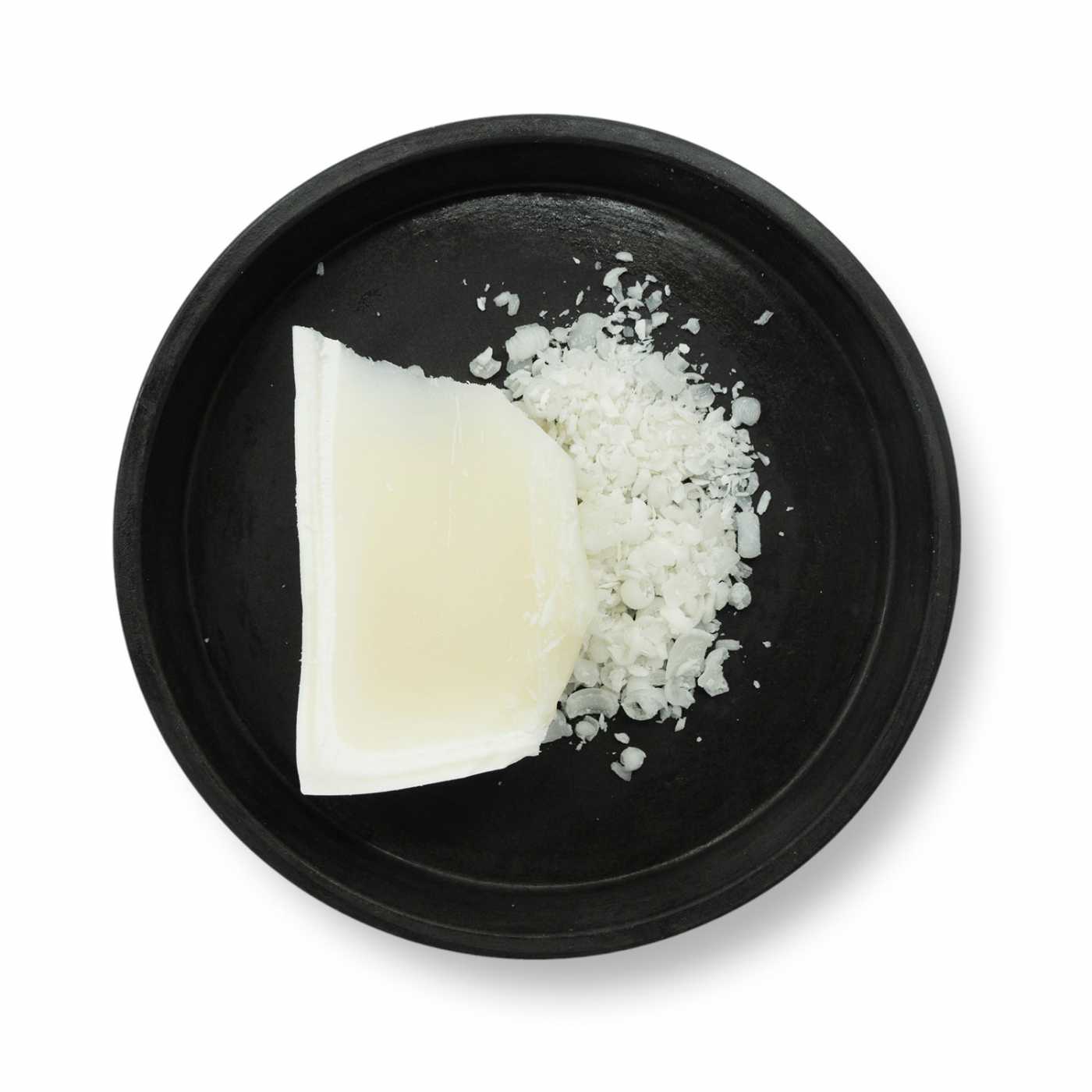
Household cleaning products need not be harsh on your hands. Coconut laundry soap is a natural surfactant that copes with a machine load as well as with hand-washing delicate pieces. And if you are after washing that is closer still to the body, the organic base for liquid Castile soap is among the cosmetic bases — one raw material gives you both a hand soap and a gentle all-purpose cleaner.
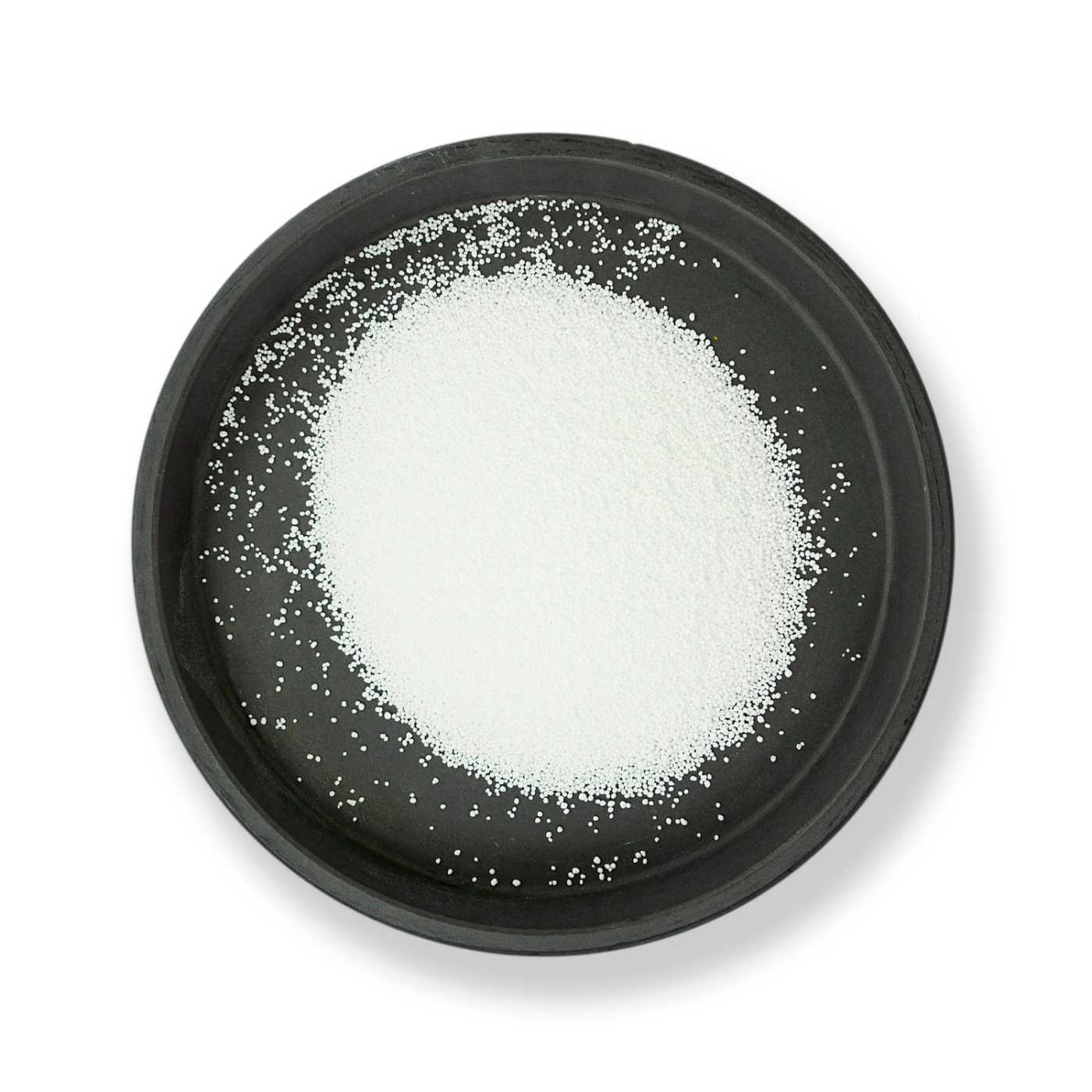
White vinegar dissolves mineral deposits, polishes glass and neutralises odours; sodium carbonate — available as light soda ash and as heavy washing soda — raises the alkalinity of the solution and degreases the cooker, the dishes or soaking laundry. For advanced laundry recipes we add sodium silicate. And take note, this is not bicarbonate of soda: you will find that one, together with citric acid, among the raw materials for bath bombs. The raw materials are packed from 100 g and 1 kg up to 25 kg sacks (washing soda for €47.35), and a safety data sheet is available to download with each of them.
The base is grated coconut laundry soap mixed with heavy washing soda — the soap washes, the soda degreases and softens the water. For whites and heavily soiled laundry add sodium percarbonate, which releases an oxygen bleach in water; for low-temperature washes the TAED activator gets it going. All four raw materials are available in large packs too.
It is an oxygen bleach: in hot water it breaks down into soda and hydrogen peroxide, which whitens textiles, removes stains from tea or fruit and restores the whiteness of net curtains. Unlike chlorine bleaches it leaves no smell behind. It is dosed at a few spoonfuls per wash load; available from 1 kg for €4.79 up to a 25 kg sack.
No. Washing soda is sodium carbonate — markedly more alkaline, excellent for degreasing and for boosting a wash, though you should wear gloves when working with it. Bicarbonate of soda (sodium hydrogen carbonate) is milder and is used in the kitchen as well as in cosmetics; here you will find it among the raw materials for bath bombs.
Ten per cent vinegar dissolves limescale in the kettle, on taps and on shower screens, polishes glass without streaks and neutralises odours in the drain or the fridge. Only avoid natural stone, which acid damages. A one-litre bottle costs €2.99; for regular cleaning a 5, 10 or 20-litre canister is worth it.