Coconut oil, refined, 20 l
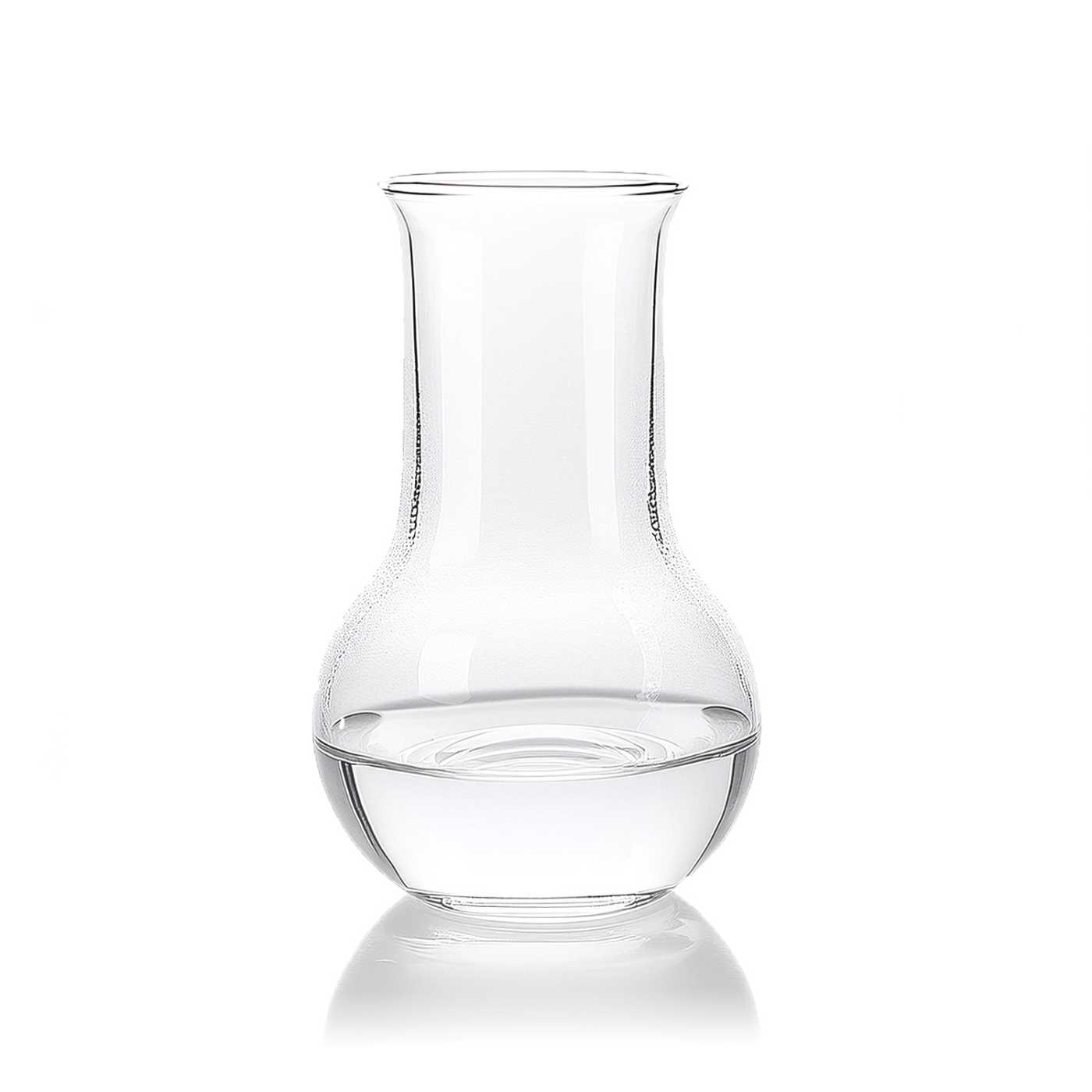
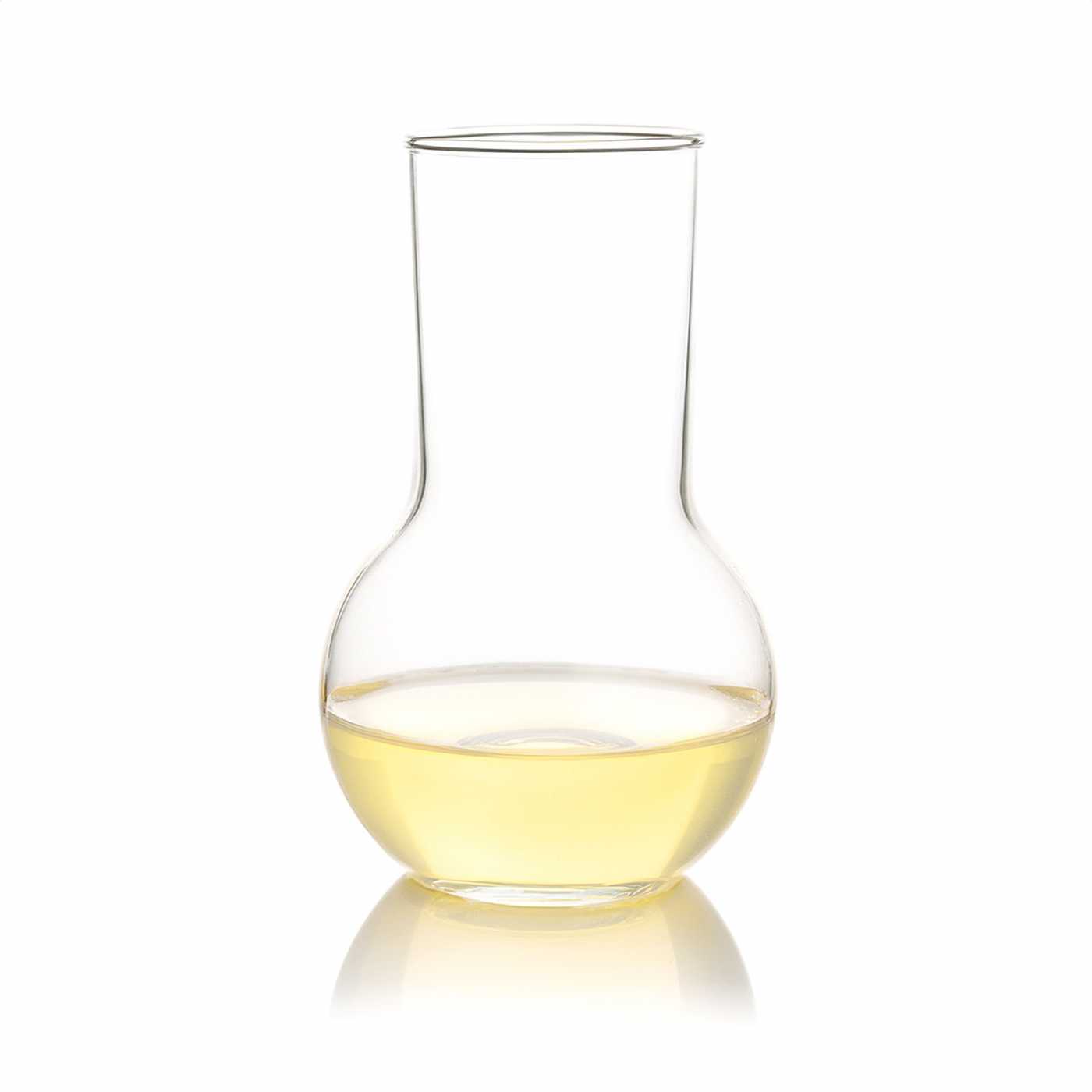
Refined coconut oil from coconut flesh has undergone refining and deodorisation, so it has no coconut scent or flavour. It brings to the formulation only what the manufacturer needs from it: a softening oil component for skin and hair that will not affect the scent of the finished product and leaves room for perfumery or essential oils. The 20 l bucket packaging is intended for manufacturers of soaps, balms and body cosmetics who use oil in larger quantities.
What the oil does in a formulation
- Emollient – fills the space between flaking skin cells, smooths the surface and reduces water loss through evaporation. The skin feels softer and less tight after application.
- Carrier – dissolves oil-soluble active ingredients, fragrance compositions and essential oils, making it a base for massage products, body butters and balms.
- Hair conditioning – the fatty acids in coconut oil penetrate the hair shaft. In hair masks and pre-wash oil treatments, it gives dry, damaged hair elasticity and smoothness.
- Skin barrier support – the film the oil forms on the skin slows down drying out and helps dry or cracked skin retain moisture.
The oil is of food grade quality and contains no food allergens, which is particularly valued by manufacturers of lip balms and products for children.
Use in a formulation
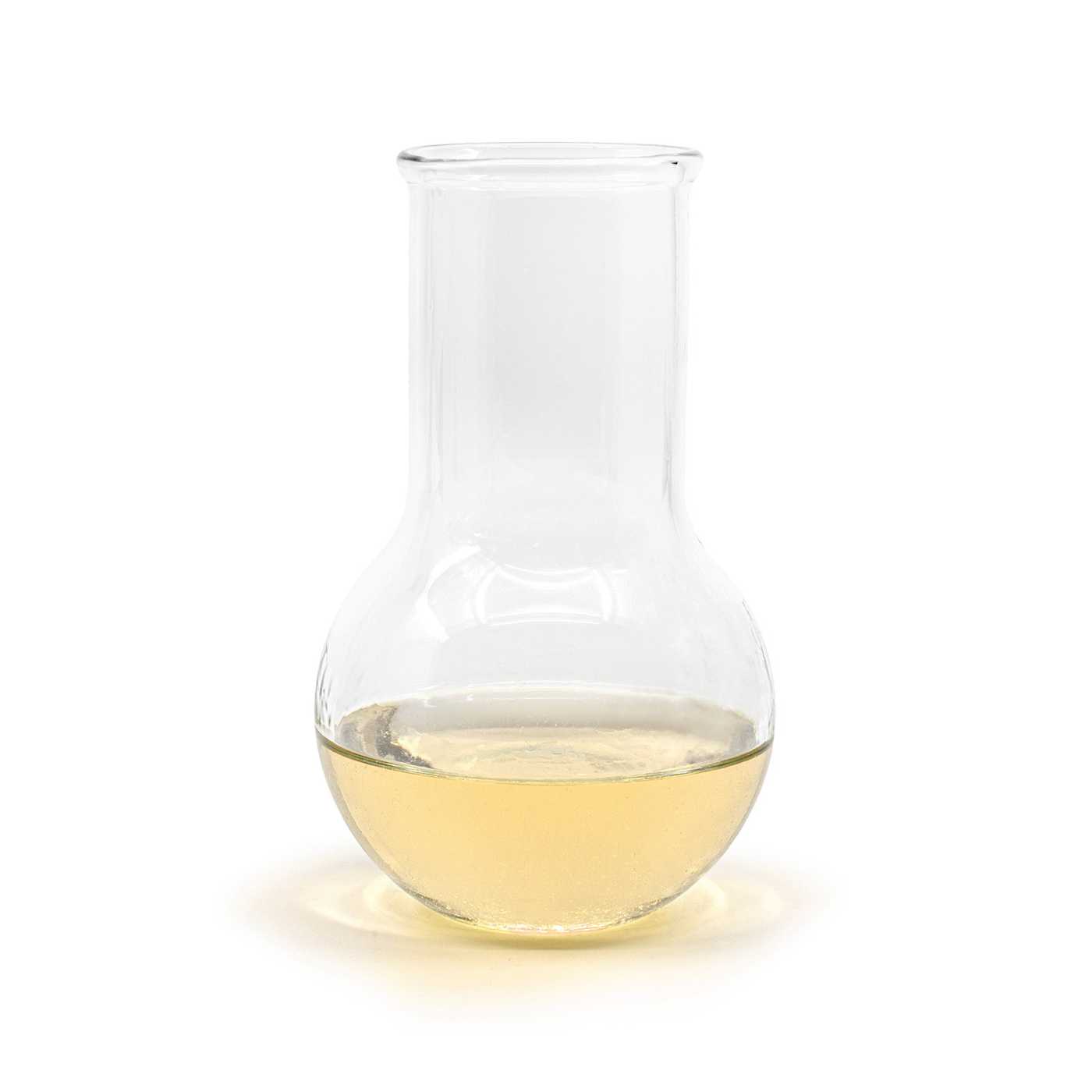
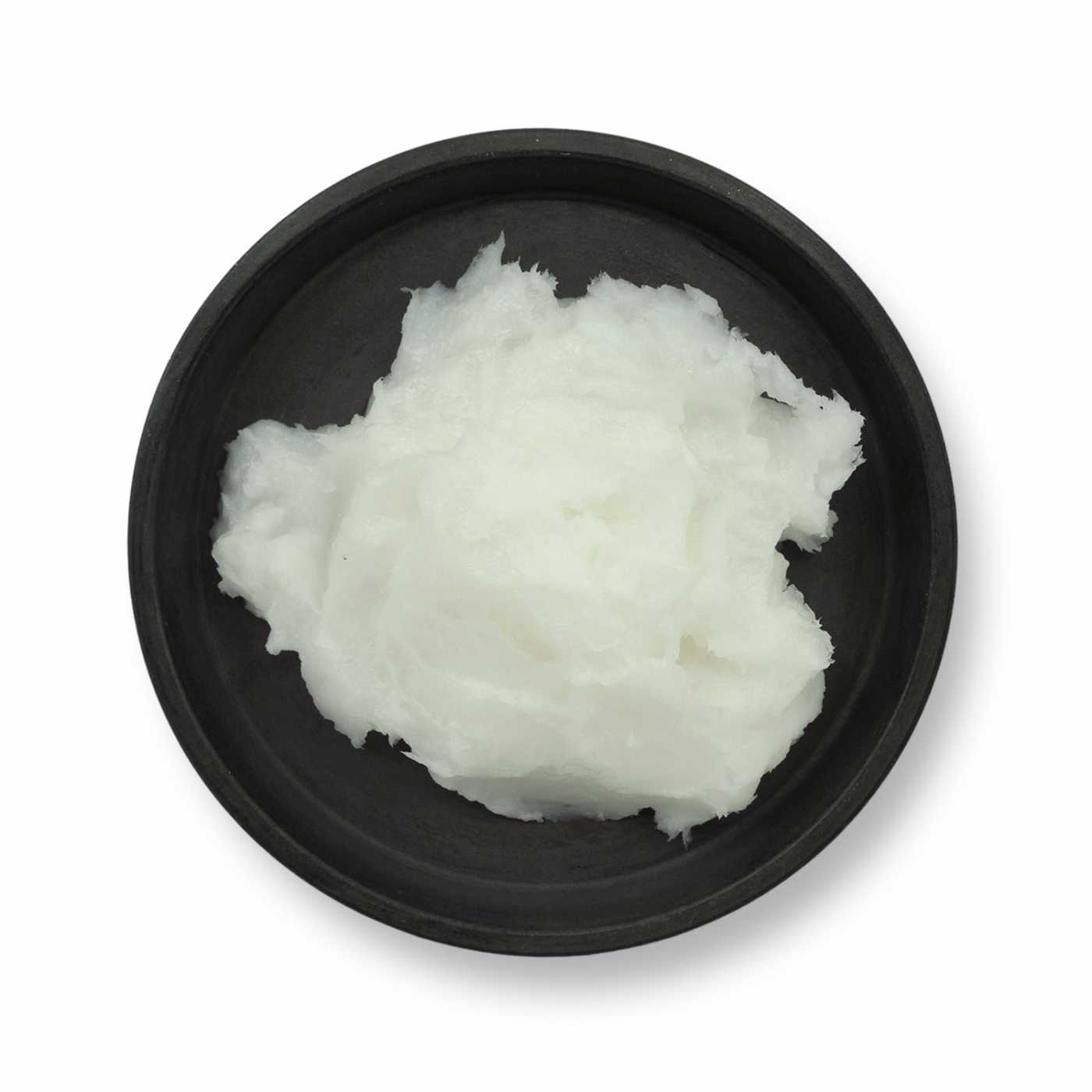
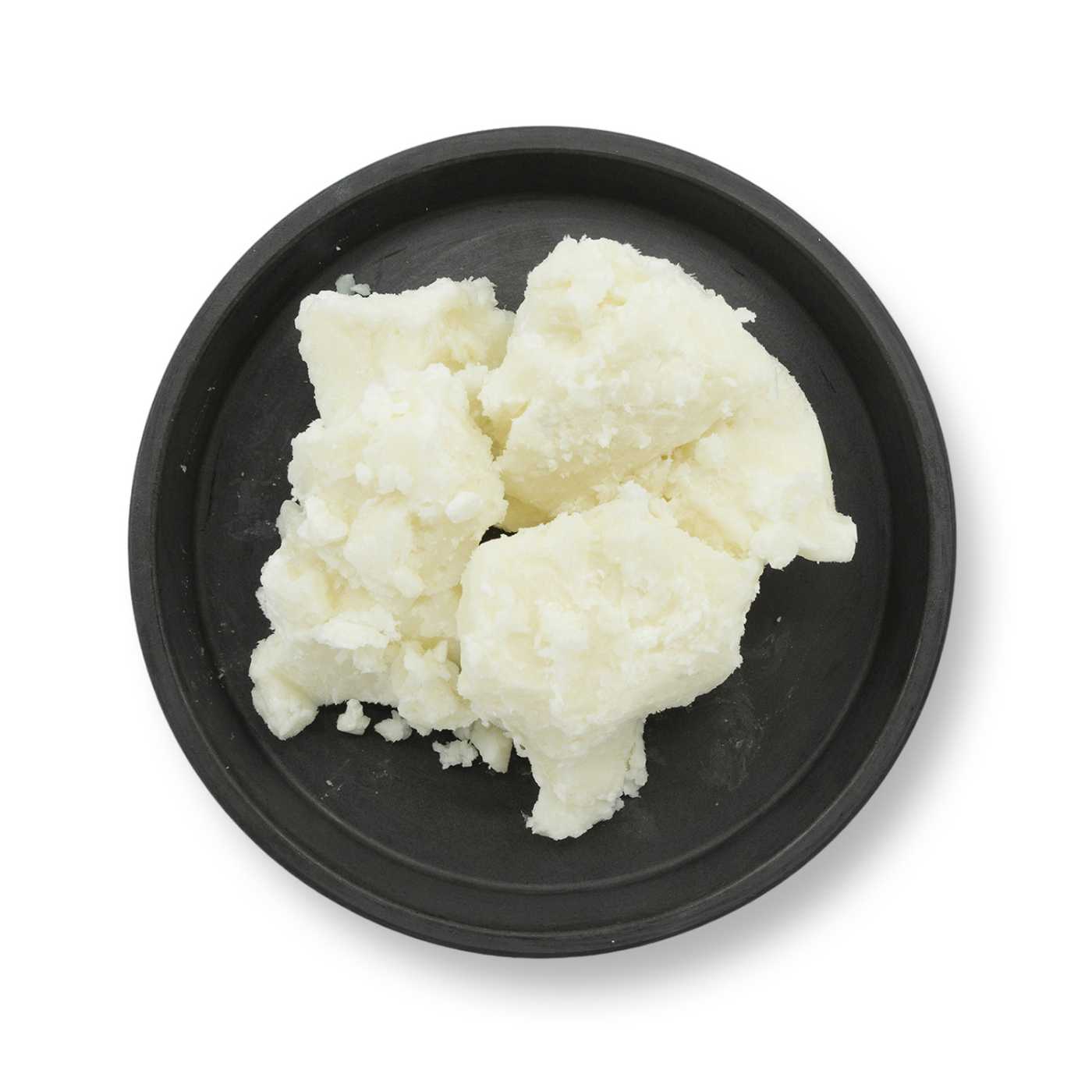
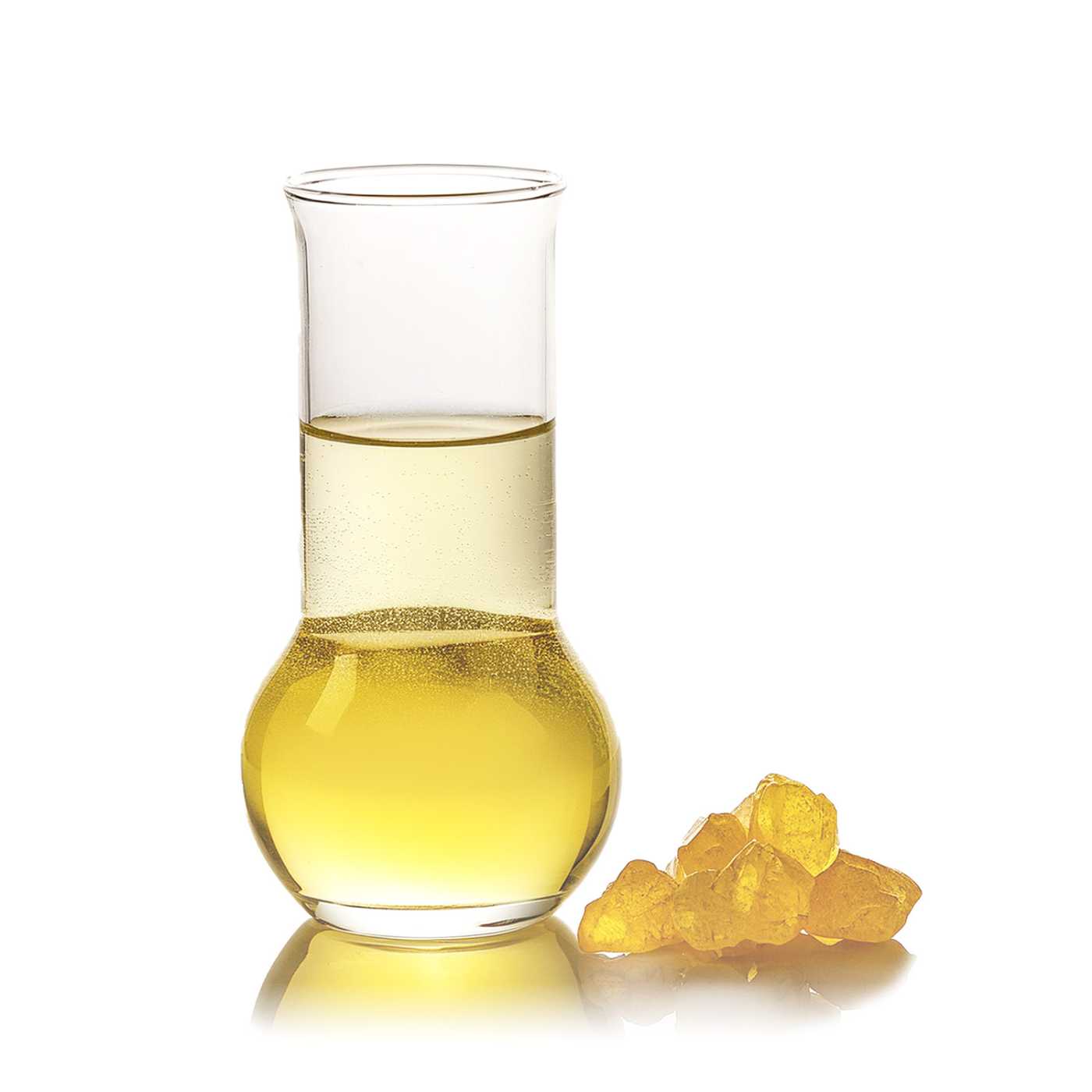
The oil belongs in the oil phase. It does not dissolve in water and mixes freely with vegetable oils, butters and waxes. At room temperature it is solid and white, melting into a clear, slightly yellowish liquid at gentle warming. It is therefore sufficient to heat it briefly in a water bath before weighing. It can be processed at temperatures up to 80 °C, so it withstands the normal heating of the oil phase of an emulsion without any problem.
Dosage ranges from 1 % in light emulsions to 100 % as a neat oil. In creams and body lotions it complements the oil phase as a softening component. In anhydrous products (balms, body butters, solid sticks) it often forms the main portion of the fatty component and determines their consistency: it holds its shape at room temperature and melts on contact with skin. It is suitable for products with pH 4.5 – 8.5 and is compatible with all common surfactant types, alcohol and preservatives.
In cold-process soap, coconut oil is one of the key fats. It gives soap hardness and a rich, dense lather that forms even in hard water. At a high proportion in the recipe it can dry out the skin, so it is usually combined with olive, palm or rapeseed oil or with butters.
When making balms and solid products, bear in mind that coconut oil softens in warm summer conditions. If the product needs to hold its shape at higher temperatures, replace part of the oil with wax or a firmer butter (cocoa, mango).
Suitable for products such as
- body butters, balms and massage sticks, where it forms the main fatty component,
- lip balms and lip sticks, where the food grade quality is an advantage,
- hair masks, pre-wash treatments and conditioners for dry and damaged hair,
- cold-process and hot-process soaps, shower and bath products,
- oil cleansers and cleansing balms, in which it melts and is then removed together with impurities,
- creams and body lotions for dry skin, products for children and eye-area formulations,
- solid decorative cosmetics (tinted balms, cream eyeshadows).
Good to know
Refined oil has no scent, so it adds no coconut undertone to the product and does not interfere with the perfumery. The fatty acid composition remains the same as in virgin oil; the softening and conditioning properties are not changed by refining.
Anhydrous products made from oil, wax and butters do not need a preservative. Once the formulation contains a water phase, hydrolat or gel, a preservative is necessary, as with any emulsion.
When working with the 20 l packaging, always scoop the oil with clean, dry utensils. Water introduced into the bucket promotes microbial growth and will spoil the entire contents.
Frequently asked questions
Is refined coconut oil soluble in water?
No, coconut oil does not dissolve or disperse in water. It mixes with other oils, butters and waxes and enters water-based products only through an emulsifier as part of the oil phase. It is not suitable for toners, water-based serums or sprays that contain no emulsifier or solubiliser.
What is the difference between refined and virgin coconut oil?
Refined coconut oil has no coconut scent or flavour; virgin oil retains both and carries them into the product. Both have the same softening properties and behave identically in soap. Refined is chosen when the manufacturer wants to control the scent entirely through their own perfumery or essential oils.
Why is coconut oil solid and when does it melt?
Coconut oil is solid at room temperature because it contains a high proportion of saturated fatty acids. In a cooler room it is white and solid; in warmth it turns into a clear liquid. The change of state does not affect the quality of the oil; it is sufficient to heat it briefly in a water bath before weighing.
Is refined coconut oil suitable for cold-process soap?
Yes, refined coconut oil is one of the key fats in cold-process soap. It gives soap hardness and a rich lather even in hard water, though at a high proportion it may dry out the skin. It is therefore combined with softening oils and butters. The absence of scent is an advantage: the finished soap smells only of what the manufacturer adds.
Is refined coconut oil suitable for hair?
Yes, coconut oil is one of the commonly used oils in hair care. Its fatty acids penetrate the hair shaft, helping dry and damaged hair regain elasticity and smoothness. It is used in masks, pre-wash treatments and conditioners. On fine hair a smaller amount is recommended so as not to weigh it down.
Can coconut oil be used in a lip balm?
Yes, refined coconut oil is food grade and suitable for lip balms. Combined with wax and butters it gives the balm a creamy feel and quick melt on the lips. Since it is solid but soft at room temperature on its own, the proportion of wax determines how firmly the stick will hold its shape.